Our readers keep the lights on and my smoothie glass nicely filled. As an Amazon Associate, I earn from qualifying purchases.
Specs are compiled from manufacturer listings and verified buyer reviews and can change over time — please confirm the key details on the product page before buying.
Finding a phone that keeps up without emptying your wallet is the real challenge — you want a sharp screen for streaming, a battery that lasts the day, and a camera that does not blur every shot. The best android phone under 300 needs to balance these demands without cutting corners you will regret in a month.
I’m Mohammad Maruf — the founder and writer behind WellFizz. This guide is built by comparing the manufacturers’ published specifications and the patterns across verified customer reviews, so you get each pick’s real strengths and trade-offs instead of marketing spin.
You might prioritize a 120Hz refresh rate (the screen redraws 120 times per second) for smooth scrolling, a built-in stylus for note-taking, or a paper-like screen that reduces eye strain. This roundup covers the top contenders for an Android phone under 300 available right now.
Our Picks at a Glance


How To Choose The Best Android Phone Under 300
Picking the right phone under 300 means focusing on features that help you in everyday life, not spec-sheet numbers that sound impressive but rarely affect how you scroll, snap, and stream.
A Battery That Lasts Your Full Day
A 5000mAh battery is the balance — it usually delivers a full day without hunting for an outlet. Check the talk time rating, measured in hours, because it is a better real-world indicator of how long the phone will last under typical use than a stand-by number.
Display Quality and Refresh Rate
Look for a 120Hz refresh rate if you scroll through social media or play games — it makes everything feel noticeably smoother. An AMOLED panel (a display type that lights each pixel individually) will give you deeper blacks and better colors than an IPS LCD, which is key for watching videos indoors or at night.
Carrier Compatibility and Updates
open up phones vary widely in which US networks they support. Always confirm your carrier’s bands before buying, especially for prepaid services. Also check how many OS and security updates the manufacturer promises — a phone that gets six years of updates keeps its value much longer than a model abandoned after one.
Quick Comparison
| Model | Best For | Battery Capacity | Display | Storage | Amazon |
|---|---|---|---|---|---|
| Motorola Moto G15 4G LTE★ Best Overall | Massive Storage for Basics | 5100 mAh | 6.72″ IPS LCD | 512GB | Amazon |
| Motorola Moto G Stylus 5G (2024)Also Great | Stylus & Value Champion | 5000 mAh | 6.7″ pOLED | 128GB | Amazon |
| Samsung Galaxy A36 5G (2025) | Samsung Upgrades & Long-Term Updates | 5000 mAh | 6.7″ AMOLED, 120Hz | 256GB | Amazon |
| TCL NXTPAPER 70 Pro | Eye Comfort & Reading | 5000 mAh | 6.9″ NXTPAPER 4.0 | 128GB | Amazon |
| Samsung Galaxy A16 5G | Durability & Six Years of Updates | 5000 mAh | 6.7″ AMOLED | 128GB | Amazon |
| Moto G 5G (2024) | Everyday Performance & 120Hz Display | 5000 mAh | 6.6″ 120Hz | 128GB | Amazon |
| TCL 60 XE NXTPAPER 5G | Eye-Care on a Budget | 5010 mAh | 6.8″ 120Hz, NXTPAPER | 128GB | Amazon |
In‑Depth Reviews
1. Motorola Moto G15 4G LTE (XT2521-2)
Massive 512GB storage and the longest battery talk time in the list, but 4G-only and slower performance.
The Moto G15 prioritizes two things above all else: storage and battery life. The 6.72″ IPS LCD display is sharp at 1080×2400 resolution, and the 50MP main camera handles basic shots fine. The MediaTek Helio G81 Extreme processor is capable for light use like calls, texts, and browsing. With a 5100mAh battery and a talk time of 51 hours, it lasts significantly longer than the 30-hour talk time of the Moto G Stylus 5G, making it the endurance king of this roundup.
The catch is clear, and owners say it plainly: “extremely slow, if you like social media forget about it… crashes all the time.” This phone will frustrate you if you try to run demanding apps, multitask heavily, or use modern social media. It is strictly a 4G phone (no 5G), and the international model may not work with all US carriers — check compatibility before buying. Think of it as a reliable budget option for someone who needs a basic phone with enough storage to last years, not a daily driver for power users.
The Strengths
- 512GB storage is more than most premium phones offer.
- 51-hour talk time is the best battery endurance in this roundup.
- Sharp 1080×2400 IPS display is great for watching videos.
- Includes 3.5mm headphone jack and FM radio.
The Hard Limits
- Processor is slow — social media apps can crash or lag badly.
- 4G only; no 5G connectivity.
- International model may not work with all US carriers; verify first.
Who It Is For: Someone who needs a secondary phone with huge storage, a very long battery, and only does basic calling, texting, and light browsing. Also good for kids or seniors.
Definitely Not For: Anyone who uses social media apps regularly, multitasks, games, or needs 5G speed — you will find the performance too frustrating for daily use.
2. Motorola Moto G Stylus 5G (2024)
The rare phone that gives you a stylus, 5G, and near-flagship feel — without the flagship price tag.
This Motorola keeps surprising owners. The built-in stylus lets you jot notes or edit photos without a separate app. The 6.7″ pOLED display (a plastic-based OLED that is thinner and more flexible) with Dolby Atmos sound makes watching movies feel genuinely cinematic. A 50MP camera with Optical Image Stabilization (OIS, which uses tiny motors to counteract hand shake) keeps your low-light photos sharp. The 5000mAh battery lasts well over a day. Owners consistently note the phone’s unbloated software, smooth performance, and useful extras like the 3.5mm headphone jack and expandable storage.
Buyers upgrading from older Galaxies report it feels premium — “upgraded from a 6+ year old Galaxy,” one owner notes, praising the IP68 water resistance (meaning it survives submersion in over 1 meter of water for 30 minutes) and smooth data transfer. The vegan leather back in Caramel Latte adds a soft, fingerprint-resistant finish that stands out from the typical glass slab. The trade-offs: a small number of owners find the 12MP ultrawide camera output slightly underwhelming, and the stylus can pop out if you drop the phone. Compared to the Samsung Galaxy A36, this Moto has the better build protection (IP68 vs. no official rating on the A36) and the stylus, but the A36 has a crisper 120Hz AMOLED screen.
The crowd favorite — with build quality as the most-praised aspect — this Moto delivers the best all-around package for anyone who wants premium touches without the premium price.
What Owners Love
- Built-in stylus works smoothly for notes and sketches.
- pOLED screen and Dolby Atmos make media look and sound great.
- IP68 water and dust resistance is rare at this price.
- No bloatware, clean Android experience.
The Real Trade-Offs
- Camera quality lags behind pricier flagships, especially in low light.
- Stylus can dislodge if the phone takes a hard drop.
- Talk time of 30 hours is shorter than some rivals here.
Perfect For: Anyone who wants a functional stylus for notes or sketches, plus premium features like IP68 and a pOLED screen, without crossing into flagship prices.
skip it if: Camera quality is your top priority and you need every shot to be flawless — the 50MP OIS sensor is solid, not stunning.
3. Samsung Galaxy A36 5G (2025)
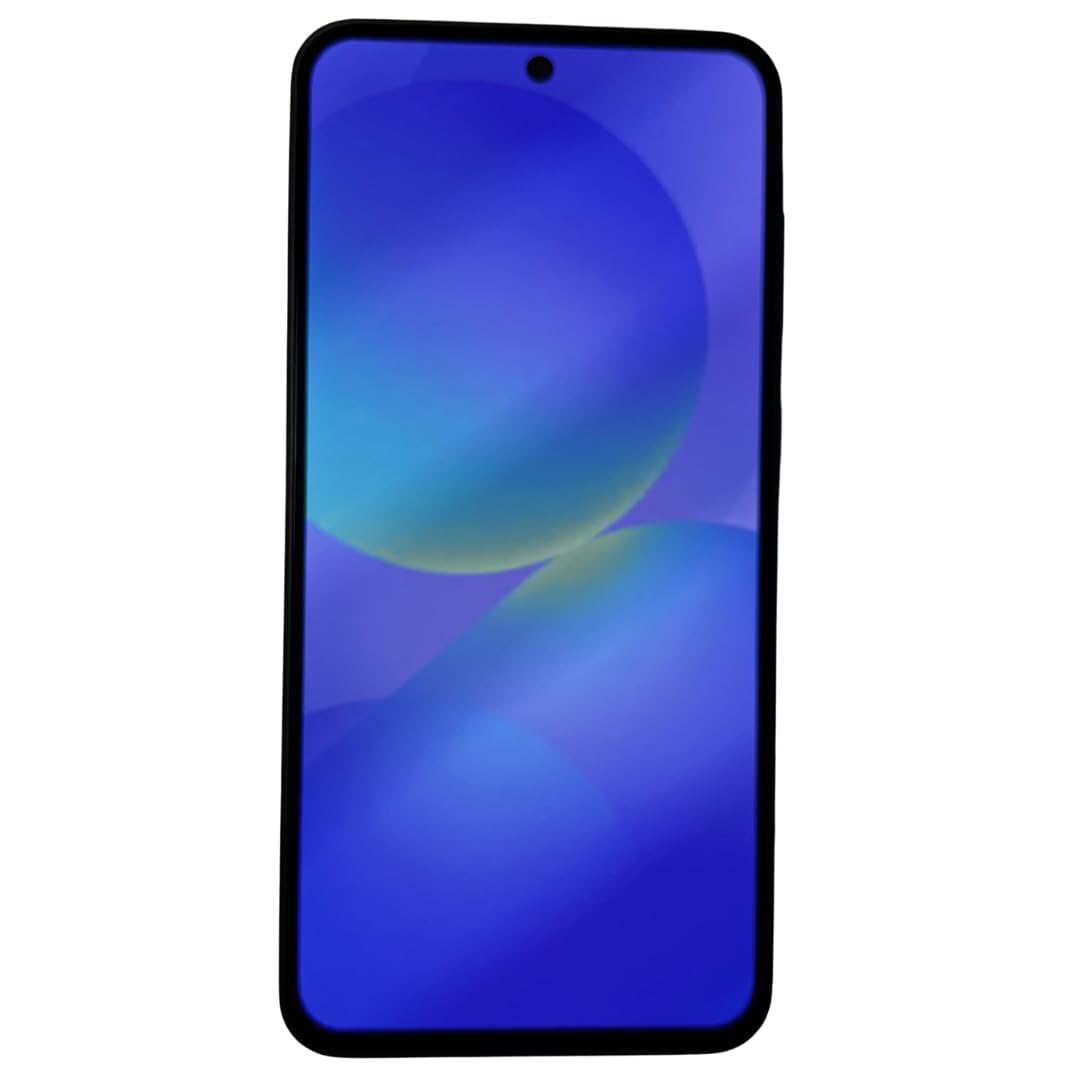
Samsung’s mid-range workhorse with a 120Hz AMOLED screen and a solid 50MP camera that you get updates for years.
If you want a Samsung phone that will feel fresh for years, this is the pick. The 6.7″ Super AMOLED display runs at 120Hz for buttery smooth scrolling — especially noticeable on the Galaxy A36 compared to the Motorola Moto G Stylus’s 120Hz pOLED, as the AMOLED panel delivers deeper blacks. The 50MP main camera delivers sharp, detailed photos. The 256GB internal storage is double what most rivals offer at this level, though there is no microSD card slot — it uses a hybrid SIM tray, so you lose expandable storage if you run two physical SIMs. The included 25W charger (a generic accessory) gets you from 15% to 100% in about 60 minutes.
Battery life holds up well — buyers report a full day even with heavy use, and the 5000mAh capacity is standard for this class. The phone runs Android 15 with Samsung’s One UI 7 (the software skin that runs on top of Android), which most owners praise for its smoothness and lack of bloatware. Some note slight performance hiccups with demanding apps, but the crowd’s verdict is clear: this is “great value for money” and an excellent choice for kids or anyone who needs a reliable daily driver. Just confirm carrier compatibility first, as this international model has specific band limitations — it works on T-Mobile and many AT&T MVNOs (mobile virtual network operators like Mint Mobile), but not on Cricket, Spectrum, Xfinity, Visible, or similar providers. It also lacks eSIM support.
Best Upgrade Path: The Galaxy A36 wins for buyers who want a clean Samsung experience, a buttery 120Hz AMOLED display, and the assurance of long-term software support — just be ready for limited carrier compatibility and no microSD.
Who It Works For: Loyal Samsung users who want One UI, a great screen, and generous internal storage without spending flagship money. The crowd notes quality as the top positive aspect.
Who Should Think Twice: Anyone on Cricket, Spectrum, Xfinity, Visible, or similar MVNOs — this phone is not compatible with those carriers. Also no eSIM support.
4. TCL NXTPAPER 70 Pro
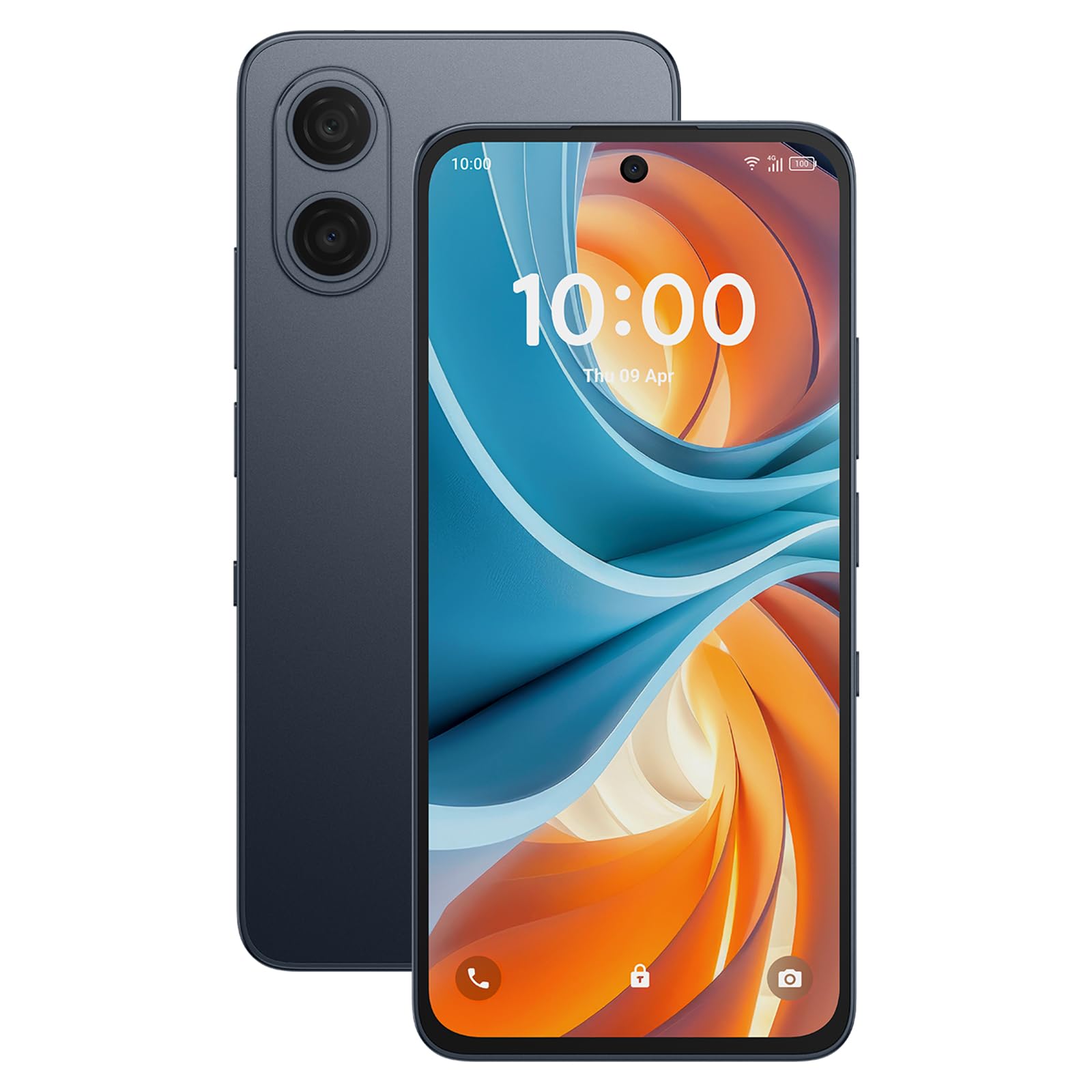
A reading-first phone that swaps eye strain for a paper-like screen with four dedicated display modes.
This is designed for your eyes. The 6.9″ FHD+ NXTPAPER 4.0 display uses anti-glare tech and a hardware-level blue light reduction to 3.41%, which feels like reading a matte e-reader even when you are scrolling through apps. Owners mention it is fantastic for reading ebooks and web articles. The dedicated button lets you flip between Standard, Color Paper, Ink Paper, and Max Ink modes depending on what you are doing. The 33W fast charging gets you from 0% to 50% in 38 minutes, though the charger is not included in the box.
With 24GB of total RAM (8GB physical plus 16GB expandable via virtual RAM), this phone handles multitasking without lag. The 50MP main camera paired with a 32MP front camera takes crisp photos in good light. The dual speakers with DTS audio give movies and music a richer sound than most budget phones. The battery is a standard 5000mAh capacity. The catch is that call volume can be surprisingly low for some owners, and outdoor screen brightness is not as strong as pricier OLED panels. It also has IP68 water and dust resistance, a rare find in this price tier and on par with the Moto G Stylus — unlike the Galaxy A36 and A16, which have no official IP rating.
Why Owners Pick It
- NXTPAPER 4.0 display is genuinely easier on eyes for long reading sessions.
- Four display modes let you tune for reading, comics, or standard use.
- Massive 24GB RAM (8+16GB) keeps multitasking smooth.
- IP68 water and dust resistance adds confidence.
The Downsides
- Call volume can be too low for some owners to hear clearly.
- Outdoor screen brightness is weaker than typical AMOLED panels.
- Limited case selection compared to mainstream brands.
Best For: Heavy readers, ebook lovers, and anyone whose eyes ache after a day on a standard phone screen — this display genuinely changes how you feel after long sessions.
Not Ideal For: People who need loud call volume or maximum outdoor screen brightness. Check your usage patterns carefully.
5. Samsung Galaxy A16 5G

Samsung’s entry-level 5G phone that punches above its weight with a crisp AMOLED screen and six years of updates.
This is the Samsung phone to buy if you want reliability without spending extra. The 6.7″ AMOLED display makes colors pop and text look sharp, and the IP54 rating (meaning it is splash-proof and dust-resistant but cannot handle full submersion) means it can handle splashes and dust better than many budget rivals. The 50MP main camera captures clear photos in good light, and the 5000mAh battery provides all-day battery life for browsing, messaging, and streaming. Some owners find the battery drains faster than expected, so it is not the champ for heavy gaming, but for typical daily use it holds up fine.
The 128GB of internal storage is expandable up to 1.5TB via microSD, giving you plenty of room for photos and videos. Samsung promises six years of OS and security updates, which is the best long-term value in this price range — most phones here are abandoned after two years. The biggest gripe from owners is occasional sluggishness with demanding apps, and the camera can over-sharpen details. The side-mounted fingerprint sensor is fast but some users trigger it accidentally. The overall consensus is “high quality for the price,” with build quality being the top positive aspect by a wide margin.
Budget Samsung That Delivers: The Galaxy A16 5G gives you a great AMOLED display, expandable storage, and Samsung’s update promise — just know the processor can lag when you push it hard.
Ideal For: Anyone who wants a Samsung phone that will get updates for years, needs a bright AMOLED screen, and values expandable storage. Perfect for a first smartphone or a reliable backup.
Think Twice If: You are a power user who runs demanding apps or games — the processor and modest 4GB RAM will hold you back. Also note the camera tends to over-sharpen photos.
6. Moto G 5G (2024)

A smooth 120Hz screen and 50MP camera in a sleek vegan leather body that feels more expensive than it is.
The Moto G 5G 2024 delivers a buttery smooth 6.6″ 120Hz display backed by Dolby Atmos stereo sound, making it a fantastic media phone. The 50MP camera uses Quad Pixel technology (which combines four pixels into one larger pixel for better light capture) for improved light sensitivity in low-light shots. The 5000mAh battery typically lasts a full day with moderate use. The Snapdragon 4 Gen 1 processor handles everyday tasks with ease, though heavy gaming can push it to its limits. The vegan leather back in Sage Green is a standout detail — soft, fingerprint-resistant, and a welcome change from cold glass slabs. This screen is smoother than the Galaxy A16’s standard 60Hz AMOLED, though the A16’s AMOLED has deeper blacks.
Internal storage starts at 128GB, expandable up to 1TB via microSD, so you never worry about running out of space for photos or movies. Owners praise the clean Android 14 experience (upgradable to 15) with zero bloatware, which keeps the phone feeling fast over time. The main trade-offs are the lack of NFC (Near Field Communication, the chip needed for contactless payments like Google Pay) and no wireless charging — features you would need to spend more for in a different tier. Quality is the most-mentioned positive in reviews, with value for money close behind, making it a strong all-rounder for the price.
What Makes It Great
- 120Hz display makes scrolling and animations feel incredibly fluid.
- 50MP Quad Pixel camera performs well in both daylight and low light.
- Vegan leather back resists fingerprints and looks premium.
- No bloatware — clean, fast Android experience.
Where It Falls Short
- No NFC chip for contactless payments like Google Pay.
- No wireless charging, a feature some rivals offer at this price.
- Fragile build — owners strongly recommend using a case.
Who It’s For: Media lovers who want a high-refresh-rate display and solid camera performance without bloatware — the Moto G 5G delivers the smoothest scrolling in its price tier.
Not For: Anyone who pays with their phone via NFC or wants wireless charging. Also skip if you want a durable, no-case-needed phone.
7. TCL 60 XE NXTPAPER 5G

A budget 5G phone with a unique matte display that treats your eyes to four different viewing modes.
The TCL 60 XE NXTPAPER stands out for its paper-like matte screen. The 6.8″ FHD+ display hits 120Hz for smooth scrolling, but the real draw is the NXTPAPER 3.0 technology that cuts blue light by up to 61% and eliminates glare completely — owners say it is visible even in direct sunlight. You can toggle between Standard, Ink Paper, Color Paper, and Max Ink modes with a dedicated button, turning the phone into something close to an e-reader for extended reading sessions. The 5010mAh battery offers a slight edge over the usual 5000mAh capacity, giving you a bit more headroom than the Galaxy A16 or Moto G 5G.
Powered by the MediaTek Dimensity 6300 processor with 8GB RAM (plus 8GB virtual), it handles multitasking and streaming smoothly. The 50MP main camera delivers decent shots in good light. Owners consistently praise the “stunning glare-free matte screen” and the fast performance for the price. The main complaints are the limited availability of cases, low touch sensitivity that sometimes registers swipes instead of taps, and a hidden battery percentage that requires a separate app to check. The side-mounted fingerprint sensor and face open up provide quick access.
Gimmick or Gamechanger? The NXTPAPER display is genuinely useful for readers and anyone sensitive to screen flicker — just accept that case selection is thin and touch sensitivity occasionally needs a firmer tap.
Ideal For: Readers, students, and anyone with eye sensitivity who wants a 5G phone with great battery life and a screen that won’t strain their eyes. The matte finish is a standout outdoors.
Consider Something Else If: You need many case options, want easy access to battery percentage readings, or expect flawless touch responsiveness — this phone sometimes misreads or misses taps.
Understanding the Specs
Battery Capacity (mAh)
Measured in milliampere-hours, this tells you the total energy the battery can hold. A 5000mAh battery is the standard for a full day of moderate use — browsing, streaming, and calls. Anything smaller may need a mid-day top-up, especially with heavy camera use or gaming. Bigger numbers like 5100mAh give you a small buffer, but real-world battery life depends heavily on the processor and screen efficiency.
Refresh Rate (Hz)
This is how many times per second your screen redraws the image. A 60Hz display is standard and fine for most tasks, but a 120Hz screen makes scrolling through social media, web pages, and app menus feel much smoother and more responsive. It does consume more battery, so look for a phone that lets you switch between 60Hz and 120Hz to save power when you do not need the fluid motion.
FAQ
How do I check if an open up phone works with my carrier?
Is a 120Hz display worth it on a budget phone?
How long do the batteries in these phones last each day?
Can I expand storage with a microSD card?
What does IP rating mean for a phone?
How many years of software updates should I expect?
Is the stylus on the Moto G Stylus 5G useful for daily tasks?
What is NXTPAPER display technology?
Which phone has the best camera under 300?
Does 5G drain the battery faster than 4G?
Final Thoughts: The Verdict
For most people, the best Android phone under 300 winner is the Motorola Moto G Stylus 5G (2024) because it offers the most complete package — a built-in stylus, IP68 water resistance, a bright pOLED display, and strong performance for the price. If you want a Samsung experience with long-term updates and a great 120Hz AMOLED screen, grab the Samsung Galaxy A16 5G. And for heavy readers who value eye comfort, the TCL NXTPAPER 70 Pro is the one to reach for.
How We Picked
We do not accept paid placement. Every pick is matched to a real buyer and a real use-case; we do not hands-on test units.
Sources & Methodology
Specifications: manufacturer listings and product documentation. Review insights: verified customer reviews, as of July 2026. Pricing: not shown on this page (it changes often); check the current price via the retailer link.
As an Amazon Associate, WellFizz earns from qualifying purchases. This does not affect which products we feature.
Related Guides

Mo Maruf
I created WellFizz to bridge the gap between vague wellness advice and actionable solutions. My mission is simple: to decode the research and give you practical tools you can actually use.
Beyond the data, I am a passionate traveler. I believe that stepping away from the screen to explore new environments is essential for mental clarity and physical vitality.