Feeling short of breath, nauseous, or struck by a pounding headache can turn a dream mountain adventure into a miserable ordeal. The key to enjoying high elevations isn’t just willpower—it’s about strategic preparation with the right support tools. Your choice of altitude sickness medicine can make the difference between thriving at elevation and spending your trip in bed.
I’m Mohammad Maruf — the founder and writer behind WellFizz. My team and I spend hundreds of hours analyzing clinical studies, user data, and product specifications to cut through the marketing and identify what truly works for different body types and trip profiles.
This guide breaks down the major categories, from proven supplements and critical hydration aids to high-tech drug-free solutions, helping you build a personalized prevention plan that’s as reliable as your boots for your next adventure to the peaks. The right preparation makes all the difference when choosing the best altitude sickness medicine for your journey into thinner air.
How To Choose The Best Altitude Sickness Medicine
Altitude sickness isn’t a one-size-fits-all problem, so your solution shouldn’t be either. The best strategy combines prevention, symptom management, and physiological support. Your choice depends heavily on your destination’s elevation, your ascent speed, and your own susceptibility.
Understand the Three Main Approaches
Products generally fall into three camps: Preventative Supplements that support your body’s acclimatization process with herbal extracts and vitamins; Symptom Relievers like meclizine or ginger that tackle nausea and dizziness after they start; and Physiological Support tools like electrolyte mixes and supplemental oxygen that address the root causes of dehydration and hypoxia.
Match the Medicine to Your Trip Profile
A rapid drive to a 10,000-foot ski resort demands a different plan than a multi-day trek with a gradual ascent. For fast ascents, a proven preventative supplement started several days prior is crucial. For slower hikes, a focus on superior hydration and having a fast-acting symptom reliever on hand may be sufficient. Always consider if you need a daily regimen or an “as-needed” rescue option.
Don’t Underestimate Hydration & Oxygen
Dry mountain air and increased respiratory rate lead to significant fluid loss. Dehydration mimics and worsens altitude sickness symptoms. A quality electrolyte mix is non-negotiable. Similarly, portable oxygen can provide immediate relief for headache and shortness of breath, acting as a bridge while your body acclimates.
Quick Comparison
On smaller screens, swipe sideways to see the full table.
| Model | Type | Best For | Key Feature | Amazon |
|---|---|---|---|---|
| Altitude Assist | Supplement | Proactive acclimatization | Proprietary herbal blend | Amazon |
| EmeTerm Smart Wristwatch | Device | Drug-free nausea relief | Neuromodulation technology | Amazon |
| Wilderness Athlete Altitude Advantage | Supplement | Athletes & high exertion | Includes Ginkgo for oxygen flow | Amazon |
| High Altitude Relief Capsules | Supplement | Comprehensive ingredient profile | Blend of 5 key antioxidants & herbs | Amazon |
| Acli-Mate Drink Mix | Hydration | Hydration + acclimatization | Electrolytes with adaptogenic herbs | Amazon |
| Boost Oxygen 5L Canisters | Oxygen | Immediate shortness of breath | 99.5% pure oxygen, portable | Amazon |
| Liquid I.V. Hydration Multiplier | Hydration | Rapid hydration support | 3x electrolytes vs. sports drinks | Amazon |
| Reliable 1 Meclizine 25mg | Medication | Motion sickness & vertigo | Chewable, bulk quantity | Amazon |
| Meclizine Chewable Tablets (1000ct) | Medication | Long-term need for dizziness | Extreme value for frequent users | Amazon |
| Ponaris Nasal Emollient | Support | Dry mountain air & nosebleeds | Soothes & moisturizes nasal passages | Amazon |
| Mentholatum Ointment | Support | Chest congestion relief | Camphor & menthol vapors | Amazon |
In‑Depth Reviews
1. HumanX Altitude Assist

Altitude Assist stands out as a top-tier preventative supplement designed for proactive travelers. Its proprietary 1662mg blend is formulated to support the body’s natural acclimatization process, aiming to improve oxygen utilization efficiency at higher elevations. This makes it a strategic choice for those planning skiing, hiking, or climbing trips where you ascend relatively quickly.
User feedback consistently highlights its effectiveness when started a few days before ascent and continued throughout the stay. Many report a significant reduction or complete absence of the typical headache, nausea, and fatigue that previously plagued their high-altitude visits. It’s manufactured in a GMP-certified facility in the USA, which adds a layer of trust regarding quality and consistency.
While not a magic bullet for everyone, it represents a well-researched, natural first line of defense. For those who are susceptible to altitude sickness but prefer to avoid prescription medications like Diamox, this supplement offers a compelling, evidence-based alternative that integrates easily into a broader strategy of hydration and paced ascent.
Why it’s great
- Targeted formula designed specifically for altitude acclimatization support.
- Positive user reports for preventing symptoms at moderate to high elevations.
- Free from common allergens and made with quality control standards.
Good to know
- As a supplement, results can vary from person to person.
- Must be started days in advance for optimal effect, requiring planning.
- A small number of users report mild gastrointestinal sensitivity.
2. EmeTerm Smart Wristwatch
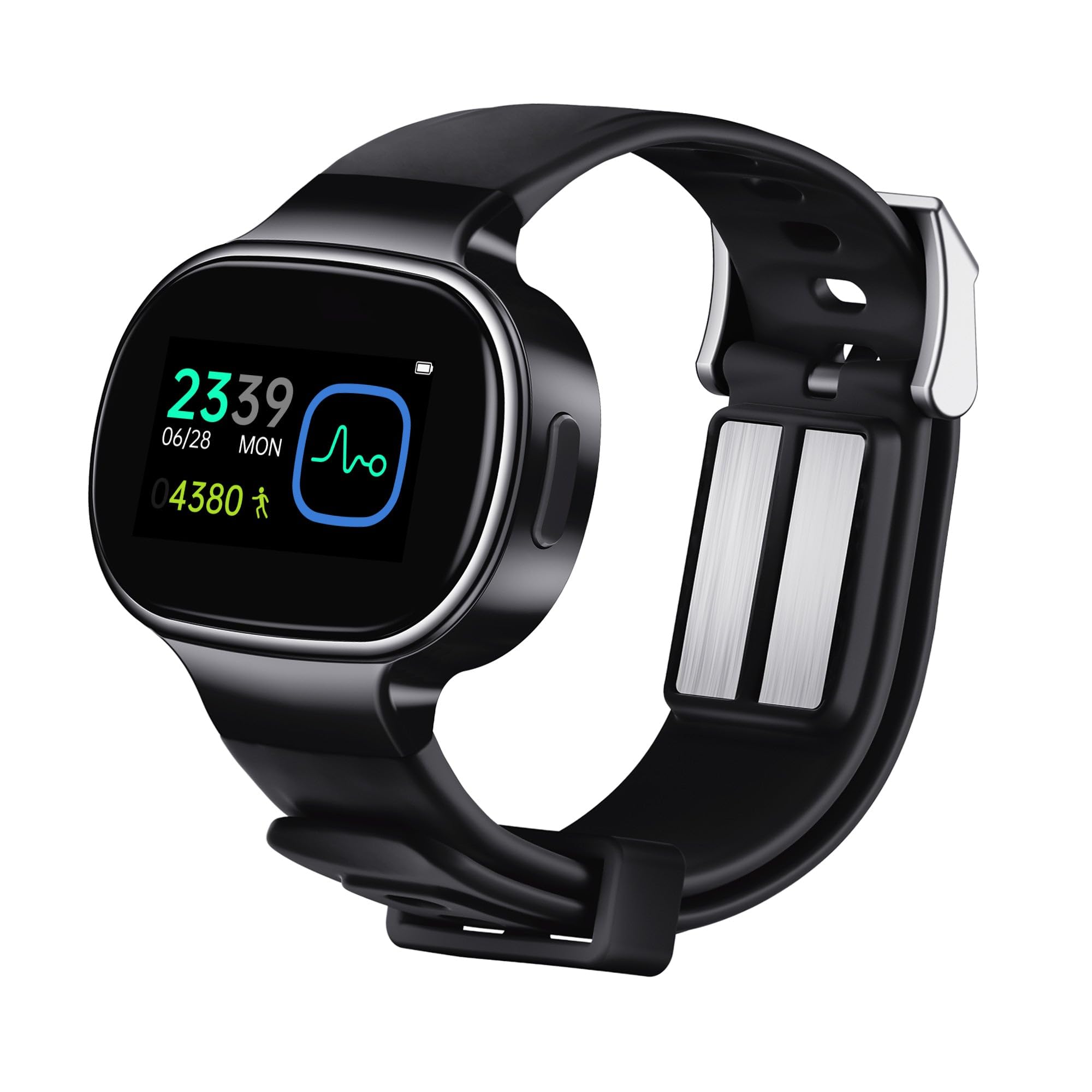
The EmeTerm Smart is a sophisticated, drug-free device that represents the high-tech frontier of nausea relief, applicable for altitude-induced sickness. It uses targeted neuromodulation, sending precise electrical impulses through the median nerve on the wrist to help inhibit the brain’s vomiting center. It’s FDA-cleared and boasts an 85% success rate in clinical trials for nausea relief.
This device is ideal for individuals who cannot or prefer not to take oral medications, or for those who experience breakthrough nausea despite other preventatives. Its touchscreen interface allows for easy adjustment of seven intensity levels, and it doubles as a basic fitness tracker, displaying steps and time. Being waterproof and rechargeable makes it suitable for active, demanding environments.
User reviews from travelers and adventurers are overwhelmingly positive, noting its fast action for motion sickness on planes, boats, and during high-altitude road trips. It provides a side-effect-free option that can be used on demand, offering control and immediacy that pills cannot match.
Why it’s great
- Provides immediate, drug-free relief without drowsiness or other side effects.
- Versatile for multiple types of nausea (motion, morning, altitude).
- Well-designed, wearable tech with a clear touchscreen and good battery life.
Good to know
- Represents a significant upfront investment compared to consumables.
- Requires a snug fit on the wrist for proper stimulation to work effectively.
- As with any electronic device, long-term durability is a consideration.
3. Wilderness Athlete Altitude Advantage

Wilderness Athlete targets outdoor enthusiasts and athletes with a formula focused on enhancing oxygen delivery and speeding up acclimatization. A key component is Ginkgo Biloba extract, which is included for its potential to support enhanced blood flow and circulation, theoretically helping your body manage thinner air more efficiently during physical exertion.
The dosing is straightforward at two capsules per day, and it’s designed to be integrated into an active person’s supplement regimen. Reviews from hunters, trekkers, and skiers who have used it at extreme elevations (up to 19,000 feet) are particularly compelling, with many stating it prevented debilitating sickness and allowed them to perform.
This product fits the profile of someone engaging in strenuous activity at altitude—think backpacking, high-altitude hunting, or mountaineering. It’s a tool for those who need their body to not just survive at elevation, but to perform reliably.
Why it’s great
- Formulated with athletes in mind, supporting energy and oxygen use during exertion.
- Strong anecdotal evidence of effectiveness at very high altitudes.
- Simple, twice-daily dosing schedule.
Good to know
- Some users note the need to adjust dosage to one capsule daily to avoid minor GI upset.
- As with all herbal supplements, the effects of Ginkgo can vary.
4. High Altitude Relief Capsules

This supplement boasts a comprehensive and transparent ingredient list, featuring a synergistic blend of Ginkgo Biloba, Rhodiola Rosea, Alpha-Lipoic Acid, Vitamin C, and Vitamin E. This combination aims to tackle altitude sickness from multiple angles: supporting acclimatization, providing antioxidant protection against oxidative stress at high elevations, and promoting energy metabolism.
It has earned a loyal following as a top-rated product for mountain travel, with numerous users crediting it for symptom-free trips to Colorado and other high-altitude destinations. The advice is to start the day before your trip and continue throughout your stay, making it a simple add-on to your travel routine.
The inclusion of potent antioxidants is a smart differentiator, as the physiological stress of hypoxia can generate free radicals. This makes High Altitude Relief a well-rounded choice for those who want a broad-spectrum, ingredient-driven approach to prevention.
Why it’s great
- Clear, research-backed ingredient profile with multiple active compounds.
- Excellent user reviews for preventing symptoms on vacations and drives to high elevation.
- Easy-to-swallow vegetarian capsules.
Good to know
- Effectiveness, like all supplements, depends on individual biology and trip circumstances.
5. Acli-Mate Mountain Sport Drink Mix
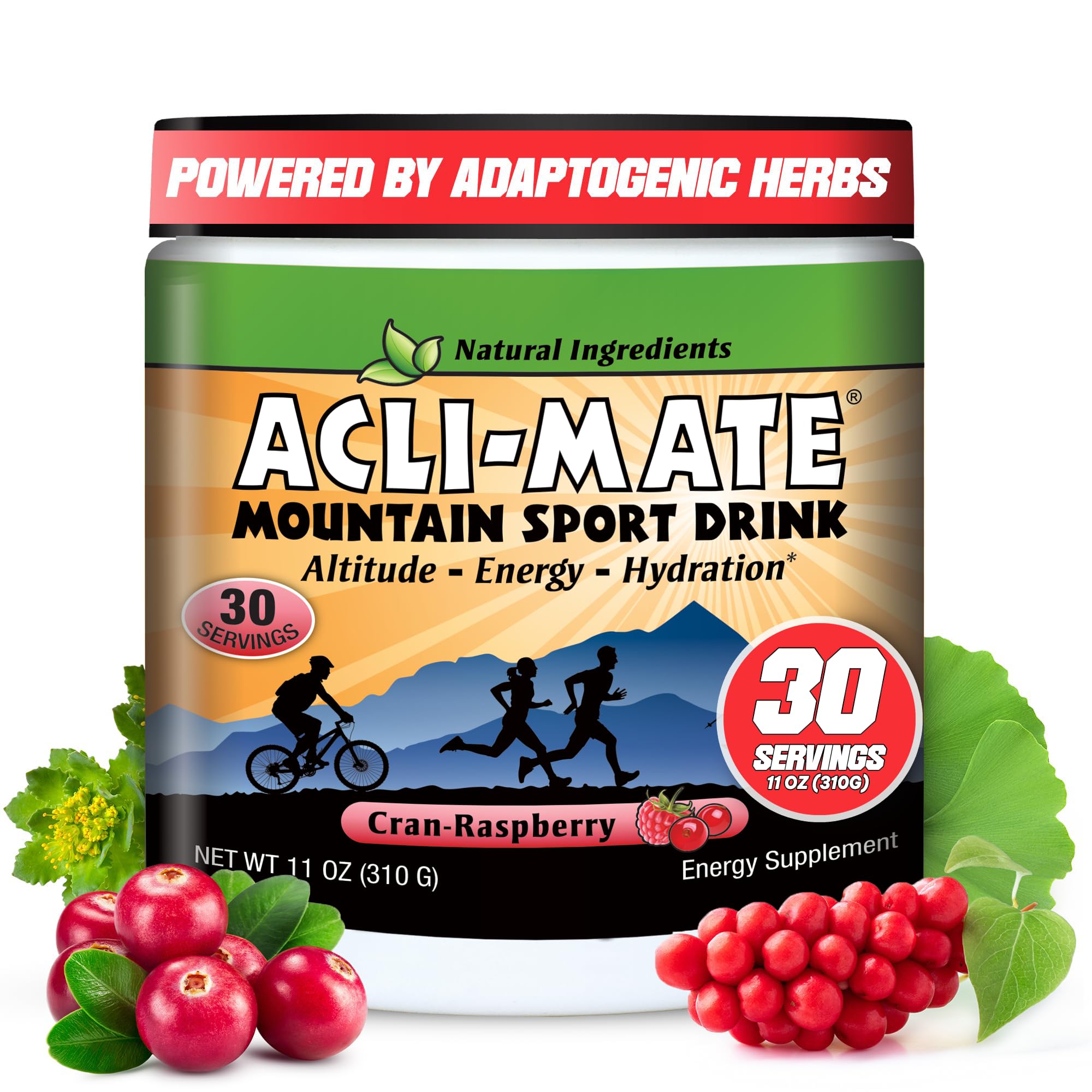
Acli-Mate brilliantly combines essential hydration with acclimatization support in a single powder. It’s not just an electrolyte mix; it includes adaptogenic herbs like Rhodiola and Ginkgo, alongside vitamins B6 and B12. This dual-action approach means you’re directly addressing dehydration—a major contributor to altitude sickness—while also providing herbs that may help your body cope with the stress of elevation.
The recommended use is to start three days before ascending, consuming three servings daily, and then using it for recovery after activity. The Cranraspberry flavor, sweetened with organic cane sugar and stevia, is generally well-received. It’s a favorite among those who prefer a tangible, drinkable daily ritual over taking more pills.
For travelers heading to dry climates, this product covers two critical bases: fluid/electrolyte replenishment and herbal acclimatization support, making it a highly efficient part of your altitude toolkit.
Why it’s great
- Kills two birds with one stone: superior hydration and herbal acclimatization aid.
- Great-tasting, natural formula that encourages consistent fluid intake.
- Provides clear dosing instructions for both preparation and recovery.
Good to know
- Some users find the texture can be slightly chalky if not mixed vigorously.
- Requires planning to start the regimen several days in advance.
6. Boost Oxygen Natural 5L Canisters

Sometimes, the most direct solution is the most effective. Boost Oxygen provides 99.5% pure, supplemental oxygen in a lightweight, recyclable canister. For that sudden onset of headache, dizziness, or shortness of breath at altitude, a few breaths of concentrated oxygen can provide near-instant relief by directly increasing the oxygen saturation in your blood.
It’s a non-prescription, natural tool that is incredibly simple to use. Many travelers keep a can in their backpack or ski jacket for peace of mind. Reviews from users at 11,000+ feet confirm its utility for bridging the gap during the initial acclimatization period or for recovering after intense exertion.
While not a preventative medicine, it is a critical supportive tool and rescue aid. It’s especially valuable for individuals with known sensitivity or for trips involving rapid ascents to high elevations where symptoms can strike quickly.
Why it’s great
- Provides immediate, tangible relief for hypoxia symptoms like headache and breathlessness.
- Extremely easy to use with a simple push-button valve.
- Made in the USA and a trusted brand in the supplemental oxygen space.
Good to know
- Each canister has a limited number of breaths, so it’s for intermittent, not continuous, use.
- Packaging of multiple cans has been noted by some as insufficiently protective.
7. Liquid I.V. Hydration Multiplier

Hydration is arguably the most important, yet most overlooked, element of altitude sickness prevention. Liquid I.V. uses Cellular Transport Technology (CTT) to enhance the absorption of water and electrolytes into the bloodstream. With three times the electrolytes of traditional sports drinks and a suite of B vitamins, it’s engineered to rehydrate you faster than water alone.
The single-serving packets are incredibly convenient for travel—just toss them in your luggage or daypack. The Lemon Lime flavor is popular for being refreshing without an artificial or overly sweet taste. Users report noticeable improvements in energy and reduction in headache symptoms when consistently using it at altitude.
Think of this as the foundational layer of your altitude strategy. Even if you’re taking preventative supplements, pairing them with superior hydration dramatically increases your chances of feeling good. It’s effective for combating the dehydrating effects of dry air, increased respiration, and physical activity.
Why it’s great
- Science-backed formula designed for rapid and efficient hydration.
- Extremely convenient, pre-measured packets perfect for travel and daily use.
- Tastes good, which encourages consistent drinking—a major win at altitude.
Good to know
- Contains stevia, which some individuals may taste and dislike.
- Primarily a hydration tool, not an acclimatization supplement on its own.
8. Reliable 1 Meclizine HCL 25mg
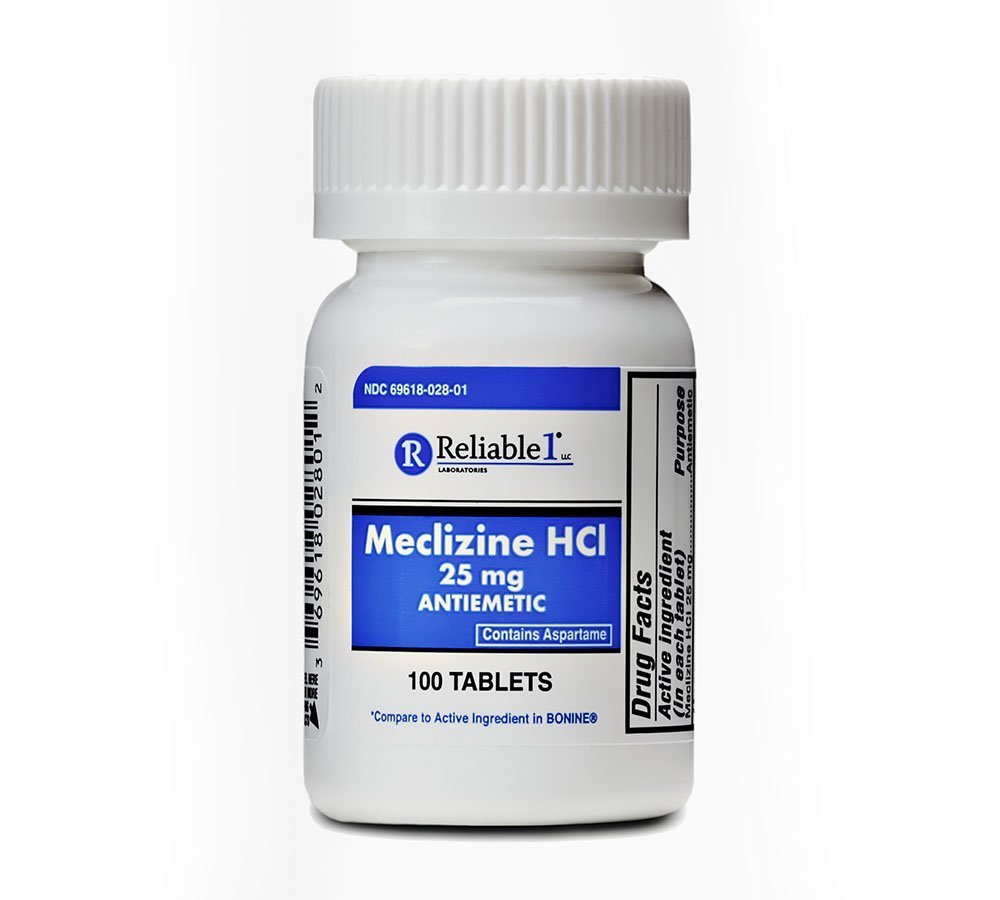
Meclizine is an antihistamine that is clinically proven to prevent and treat nausea, vomiting, and dizziness associated with motion sickness—symptoms that closely mirror those of altitude sickness. This bulk offering provides an incredible quantity of chewable, raspberry-flavored tablets at an entry-level price point.
It works primarily by suppressing signals in the brain that trigger nausea and vertigo. For altitude travelers who know dizziness is their primary or most debilitating symptom, having meclizine on hand can be a trip-saver. It’s a reactive tool: you take it when you start to feel unwell.
The chewable form means no water is needed for administration, which is a practical advantage when you’re on a trail or in a vehicle. This bulk pack is ideal for families or groups traveling together, ensuring everyone has access to relief if needed.
Why it’s great
- Provides reliable, fast-acting relief for nausea and dizziness, common altitude symptoms.
- Exceptional value per dose, especially for groups or frequent travelers.
- Chewable format is convenient and requires no water.
Good to know
- Can cause drowsiness in some individuals, which may not be ideal for all activities.
- Some users note a distinct medicinal or chemical taste despite the flavoring.
- Treats symptoms but does not aid in the underlying acclimatization process.
9. Meclizine Chewable Tablets (1000 Count)

This is the ultimate bulk purchase for anyone with chronic vertigo, motion sickness, or who travels to altitude frequently and relies on meclizine for symptom control. A single bottle of 1000 tablets represents a multi-year supply for an individual, making the cost per dose negligible.
The Rugby brand tablets are noted by some users for dissolving at a rate that allows for sublingual (under the tongue) use, which can lead to even faster relief as the medication is absorbed directly into the bloodstream. For those who have found meclizine to be their go-to solution, this product removes the worry of running out.
It’s important to view this as a symptom-management tool for a known issue. It’s not a preventative or cure for altitude sickness, but rather a highly economical way to ensure you have a proven anti-nausea/anti-vertigo medication available whenever you need it.
Why it’s great
- The most cost-effective way to purchase meclizine by a significant margin.
- Ideal for individuals or families with frequent, ongoing needs for dizziness relief.
- Tablets can be used sublingually for potentially faster action.
Good to know
- The sheer quantity is excessive for a one-time or rare traveler.
- Taste is frequently cited as unpleasant or medicinal.
10. Ponaris Nasal Emollient

High-altitude environments are notoriously dry, which can lead to cracked, bleeding nasal passages, adding discomfort and increasing infection risk. Ponaris is a pharmacist-recommended nasal emollient specifically designed to moisturize and soothe dry, irritated nasal passages. It’s an oil-based formula that provides long-lasting relief, making it an essential but often overlooked part of high-altitude wellness.
Originally developed for use by astronauts and pilots in dry, pressurized cabins, its pedigree is impressive. At altitude, where low humidity can cause nosebleeds and aggravate breathing, applying a few drops of Ponaris can prevent these issues and improve overall comfort, especially for those using CPAP machines or sleeping in dry hotel rooms.
This isn’t a medicine for altitude sickness per se, but a critical support product that addresses a common secondary problem. By keeping your nasal membranes healthy, you ensure optimal airway function, which is fundamental when your body is already stressed by lower oxygen levels. Many users and ENTs swear by its effectiveness.
Why it’s great
- Directly treats the painful dryness and nosebleeds caused by mountain air.
- Highly recommended by ENT doctors for chronic dry nose conditions.
- Provides long-lasting moisture with just a few drops per application.
Good to know
- The dropper bottle lacks measurement markings, making precise dosing tricky.
- An oil-based product, so care must be taken to avoid staining clothes.
11. Mentholatum Ointment Jar

Mentholatum is a classic topical ointment with active ingredients camphor and menthol. When applied to the chest or under the nose, the vapors work as a mild cough suppressant and decongestant, providing soothing relief for the chest tightness and cough that can sometimes accompany altitude sickness or the cold, dry air of mountain environments.
This multi-pack offers excellent value for families or groups, ensuring everyone has their own jar. It’s a simple, drug-free method to ease breathing discomfort. The ointment can also be applied to temples for a cooling sensation that may help soothe altitude-related headaches for some individuals.
While it won’t prevent or treat the systemic causes of altitude sickness, it serves as a comforting supportive measure for respiratory symptoms. Think of it as a familiar, reliable item in your travel first-aid kit that addresses the minor yet annoying symptoms that can compound the feeling of being unwell at elevation.
Why it’s great
- Provides immediate, soothing relief for chest congestion and cough.
- Multi-pack is cost-effective for families or long trips.
- Simple, topical application with no systemic side effects.
Good to know
- Only addresses symptomatic relief of congestion, not the root cause of altitude sickness.
- Strong menthol/camphor scent may be overpowering for some.
Understanding the Specs
Active Ingredients & Herbs
Look for ingredients with research supporting their use at altitude. Ginkgo Biloba is studied for improving circulation and oxygen utilization. Rhodiola Rosea is an adaptogen that may help the body handle physical stress. Acetazolamide (Diamox) is a proven prescription option that stimulates breathing. Over-the-counter Meclizine targets nausea/vertigo but doesn’t aid acclimatization. Electrolyte mixes should contain a balance of sodium, potassium, and magnesium to replenish what’s lost through rapid breathing.
Timing & Dosing Strategy
This is critical for effectiveness. Preventative supplements like Altitude Assist or High Altitude Relief must be started 1-3 days before ascent and continued during your stay. Symptom relievers like meclizine or the EmeTerm device are used as needed when feelings of nausea or dizziness arise. Hydration aids like Acli-Mate or Liquid I.V. should be consumed daily, starting before you leave and significantly increasing intake upon arrival. Oxygen canisters are for immediate, intermittent relief during acute symptoms.
FAQ
What is the most important thing to do besides taking medicine?
Can I take these supplements if I’m already on prescription medication?
How do I know if I need a prescription like Diamox instead?
Are portable oxygen canisters like Boost Oxygen safe for everyone?
Final Thoughts: The Verdict
For most people, the altitude sickness medicine winner is the HumanX Altitude Assist because it offers a targeted, well-formulated preventative approach that works for a wide range of travelers. If you want immediate, drug-free control over nausea, grab the EmeTerm Smart Wristwatch. And for building an unshakeable foundation of hydration, nothing beats pairing a preventative supplement with the Acli-Mate Drink Mix or Liquid I.V.. Remember, the best strategy is layered: start early, drink relentlessly, ascend wisely, and have the right tools on hand to enjoy the views, not fight the mountain.

Mo Maruf
I created WellFizz to bridge the gap between vague wellness advice and actionable solutions. My mission is simple: to decode the research and give you practical tools you can actually use.
Beyond the data, I am a passionate traveler. I believe that stepping away from the screen to explore new environments is essential for mental clarity and physical vitality.