Our readers keep the lights on and my smoothie glass nicely filled. As an Amazon Associate, I earn from qualifying purchases.
Selecting an alternative milk for your toddler is a decision that blends nutrition, safety, and taste—get it right, and you support healthy development; get it wrong, and you risk gaps in their diet.
I’m Mohammad Maruf — the founder and writer behind WellFizz. My work involves deep-dive market research and a meticulous analysis of product specifications and nutritional data to separate marketing hype from genuine value.
This guide is built from evaluating countless labels and scientific reviews to provide actionable insights. Through rigorous analysis of ingredients and nutritional profiles, this guide cuts through the noise to pinpoint the optimal best alternative milk for toddlers for every unique need.
How To Choose The Best Alternative Milk For Toddlers
Your toddler’s milk is more than a drink; it’s a significant source of calories, protein, and essential vitamins. Focus on these core areas to make a confident choice.
Prioritize Protein and Fat Content
Toddlers need adequate protein for muscle development and healthy fats for brain growth. Aim for options with at least 5-8 grams of protein per serving and avoid “low-fat” versions unless advised by a pediatrician, as toddlers require fat for energy.
Scan for Fortified Nutrients
Look for milks fortified with calcium and vitamin D, which are crucial for bone development. Many plant-based milks also add vitamins A, B12, and iron. Check the label to ensure these nutrients are present in meaningful amounts.
Understand Allergen and Sensitivity Profiles
Common triggers include dairy, soy, and nuts. If your toddler has known sensitivities, opt for hypoallergenic bases like hemp, oat, or pea protein. For lactose intolerance, lactose-free dairy or fully plant-based options are key.
Evaluate Sugar and Additive Levels
“Unsweetened” should be your default search term. Added sugars can crowd out nutrient density and foster a sweet tooth. Also, check for carrageenan or artificial thickeners, which some parents prefer to avoid.
Quick Comparison
On smaller screens, swipe sideways to see the full table.
| Model | Type | Best For | Key Feature | Amazon |
|---|---|---|---|---|
| Nido NESTLE Kinder 1+ | Powdered Milk | Children 1-3 years | Age-specific formula with prebiotics | Amazon |
| milkadamia Macadamia Milk | Plant-Based | Creamy, low-carb option | Unsweetened, from raw macadamias | Amazon |
| Orgain Organic Kids Shake | Nutritional Shake | Picky eaters & on-the-go | 8g protein, 22 vitamins & minerals | Amazon |
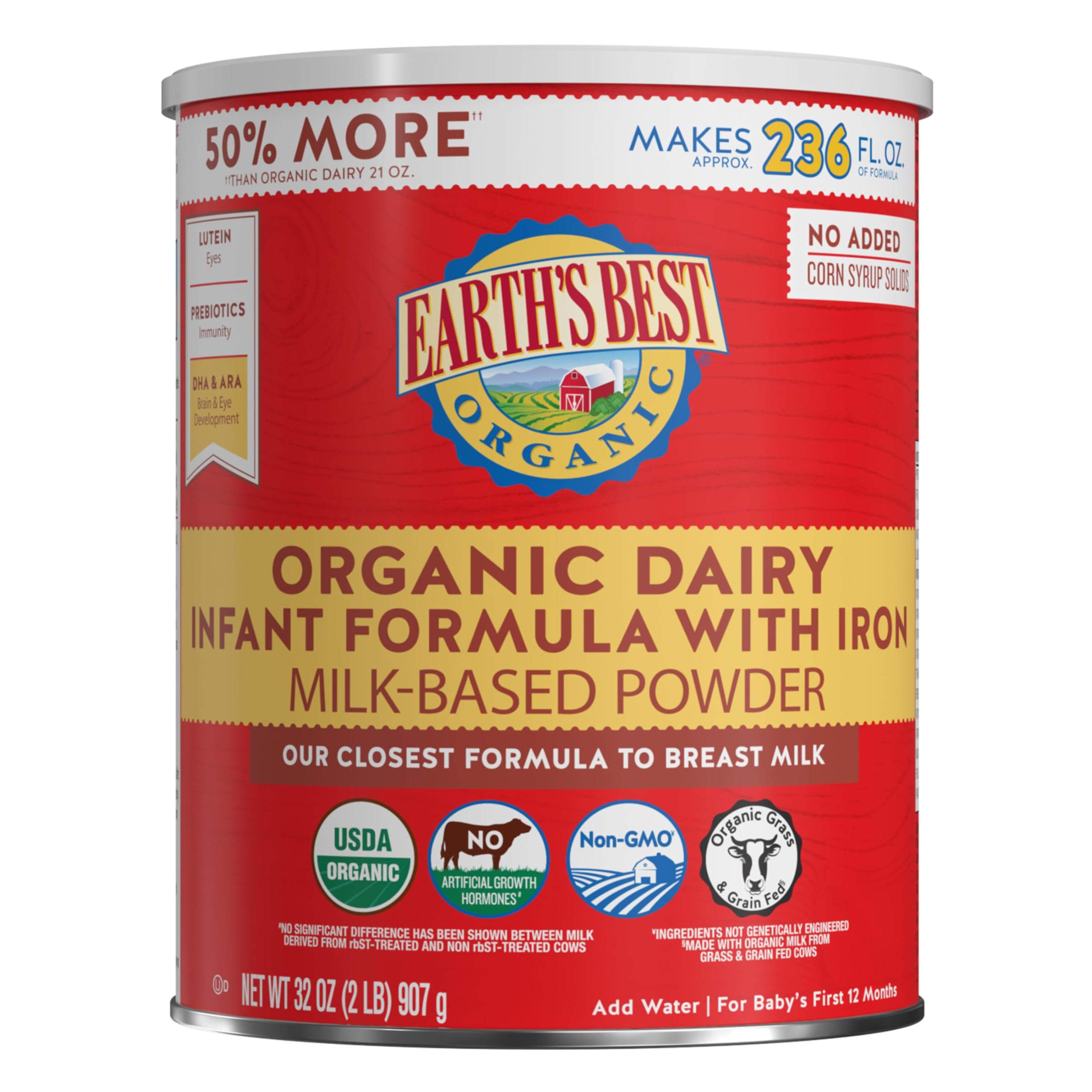
| Earth’s Best Organic Formula | Infant Formula | Supplementing or weaning | Organic, no corn syrup, DHA/ARA | Amazon |
| Earth’s Best Sensitivity Formula | Reduced Lactose | Tummies sensitive to lactose | Gentle, easy-to-digest blend | Amazon |
| Silk Almond Milk, Vanilla | Shelf-Stable | Pantry stocking & versatility | Unsweetened, hint of vanilla | Amazon |
| Silk Organic Soy Milk | Soy-Based | High-protein plant alternative | Organic, unsweetened, non-GMO | Amazon |
| KeaBabies Toddler Pillow | Sleep Aid | Sleep comfort & travel | Ergonomic, organic cotton | Amazon |
| Pacific Foods Hemp Milk | Hemp-Based | Bladder-friendly & nut-free | Rich in omega-3 ALA | Amazon |
| Horizon Organic Chocolate Milk | Lactose-Free Dairy | Lunchboxes & treat times | No added sugar, shelf-stable | Amazon |
| Silk Almond Milk, Unsweetened | Plant-Based | Low-calorie base | 50% more calcium than dairy | Amazon |
In‑Depth Reviews
1. Nido NESTLE Kinder 1+ Powdered Milk Beverage
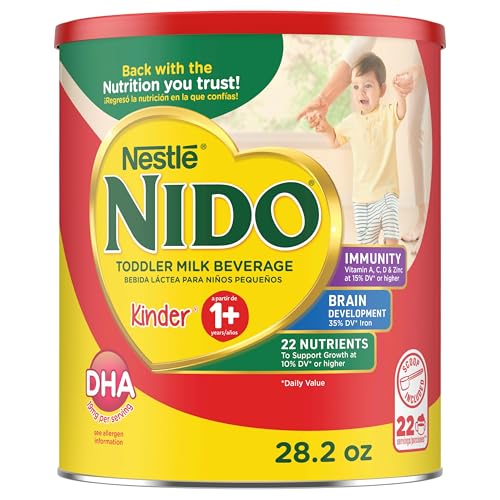
Specifically formulated for children aged 1 to 3 years, this powdered milk beverage bridges the gap between infant formula and whole milk. It starts with a milk base and is enriched with vitamins A, C, B6, iron, zinc, and prebiotics, aiming to support immune function and healthy growth during these critical years.
The powder mixes easily with water, dissolving without troublesome lumps, which makes preparation straightforward during busy mornings. It has a mild, honey-like sweetness that most toddlers find appealing, helping with acceptance during the transition from breastmilk or formula.
While it is a mid-range option, its targeted nutrition for the toddler age group gives it a distinct advantage over generic plant milks. Parents note it sits well with their children, without causing cramps or digestive upset, making it a reliable daily staple.
Why it’s great
- Tailored nutrition profile for toddlers 1-3 years old.
- Includes prebiotics and immune-supporting vitamins.
- Easy to mix and enjoys broad toddler acceptance.
Good to know
- As a powdered dairy product, it’s not suitable for dairy allergies.
- Requires preparation rather than being ready-to-drink.
2. milkadamia Macadamia Milk – Unsweetened

For parents seeking a rich, creamy plant-based milk without added sugars, milkadamia’s macadamia nut milk is a premium contender. It’s made from raw macadamias, offering a smooth, slightly nutty flavor that is neutral enough for cereals, smoothies, or drinking plain.
This unsweetened version contains only 40 calories per serving and is free from dairy, soy, and gluten. It froths well for those who enjoy making toddler-friendly “lattes” or warm milk drinks, providing a luxurious mouthfeel that can help picky drinkers transition.
The shelf-stable packaging offers convenience, though it’s a higher-end option. It’s particularly valuable for families managing carbohydrate intake or those who have tired of thinner almond or rice milks and want a more substantial plant-based fat source.
Why it’s great
- Exceptionally creamy texture from high-quality macadamias.
- Zero added sugar and low in carbohydrates.
- Vegan, non-GMO, and free from common allergens like soy.
Good to know
- Premium price point compared to other plant milks.
- Lower in protein than soy or pea-based alternatives.
3. Orgain Organic Kids Nutritional Protein Shake, Chocolate
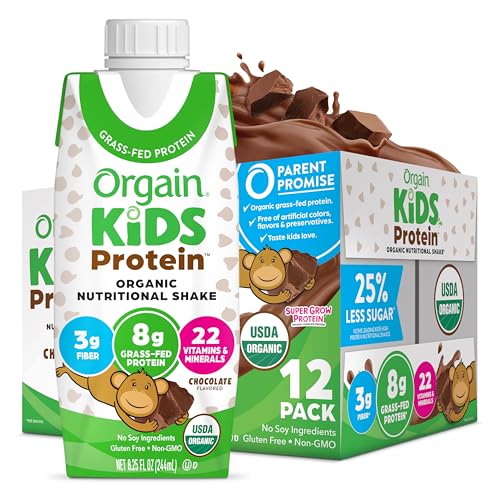
This ready-to-drink shake is a powerful tool for parents of picky eaters or active toddlers. Each carton delivers 8 grams of protein from organic grass-fed milk, along with 3 grams of fiber and 22 essential vitamins and minerals, including a fruit and vegetable blend.
The chocolate flavor is a major win for acceptance, tasting like a treat but with far cleaner ingredients than standard chocolate milk. It’s soy-free, gluten-free, and non-GMO, offering peace of mind in a convenient, shelf-stable package perfect for lunchboxes or post-playground refueling.
While it’s an excellent nutritional supplement, it’s best used as part of a balanced diet rather than a sole milk replacement. The added organic cane sugar, though less than leading brands, means moderation is key for daily use.
Why it’s great
- Excellent nutrient density in a kid-approved, portable format.
- Great source of protein and hidden veggies for picky eaters.
- Clean, organic ingredients without artificial additives.
Good to know
- Contains added sugars, so best for occasional or supplemental use.
- More of a nutritional shake than a plain milk alternative.
4. Earth’s Best Organic Baby Formula for Babies 0-12 Months
For toddlers who are still transitioning from infant formula or have specific nutritional needs, this organic dairy formula is a trusted choice. It’s made with organic milk and fortified with iron, DHA, ARA,
For toddlers who are still transitioning from infant formula or have specific nutritional needs, this organic dairy formula is a trusted choice. It’s made with organic milk and fortified with iron, DHA, ARA, lutein, and prebiotics, designed to be gentle on digestion and supportive of brain and eye development.
It’s notably free from added corn syrup, relying on lactose as its carbohydrate source, which is closer to the composition of breast milk. Many parents find it a reliable solution for supplementing or weaning, especially when their toddler doesn’t tolerate mainstream formulas well.
While it is a premium option, its clean ingredient profile and organic certification justify the cost for many families. It mixes adequately, though some shaking may be required to prevent clumps, making it a solid, nutritionally complete base for the first year.
Why it’s great
- USDA Organic, non-GMO, and without corn syrup.
- Fortified with key nutrients like DHA, ARA, and iron for development.
- Gentle formula that many babies tolerate well.
Good to know
- A premium-priced option within the formula category.
- Can sometimes clump and requires thorough mixing.
5. Earth’s Best Organic Sensitivity Infant Formula
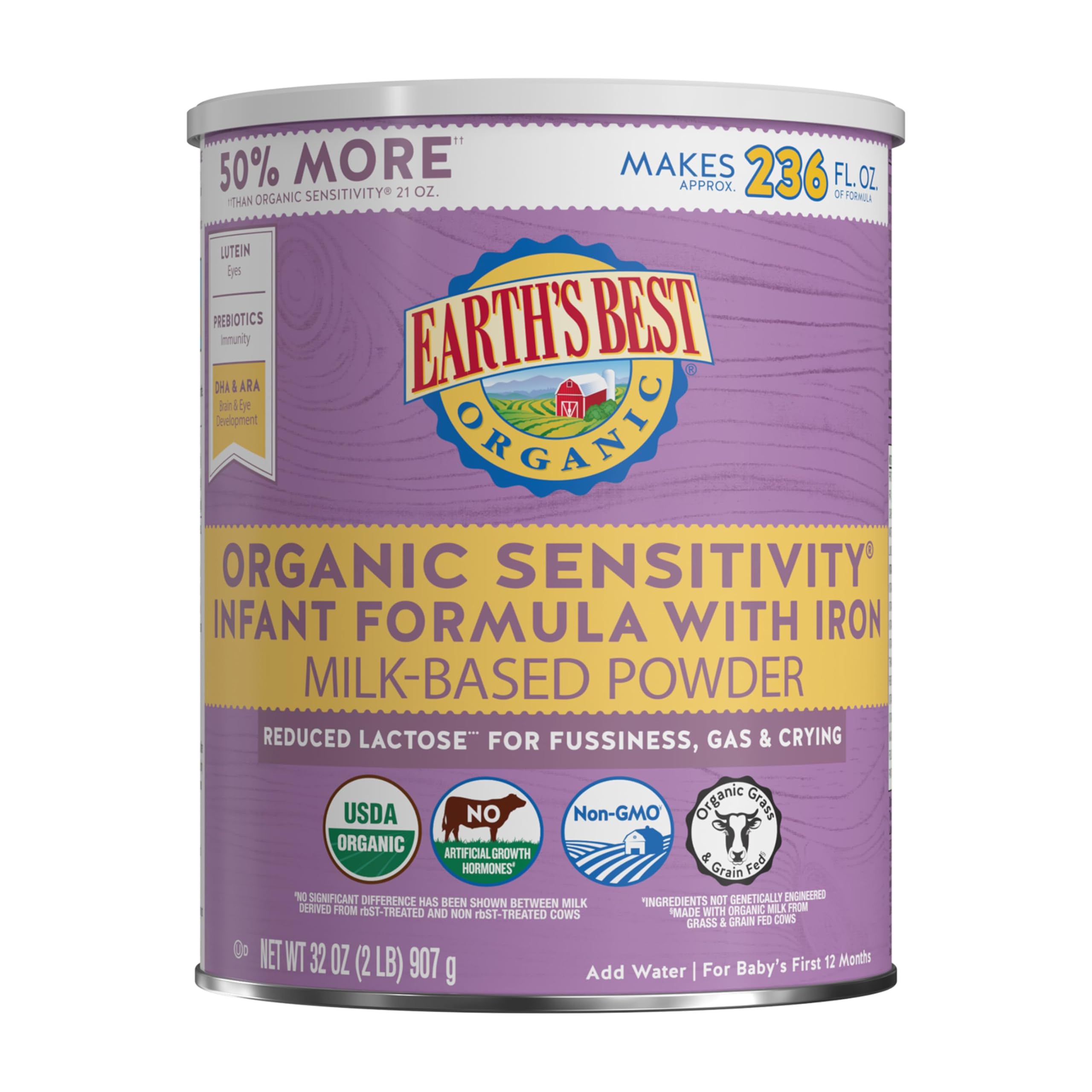
This specialized formula is designed for little ones who experience fussiness, gas, or discomfort from standard dairy formulas. Its reduced lactose content makes it easier to digest while still providing complete nutrition with organic milk, iron, DHA, and ARA.
Parents who have struggled with other brands often find this formula to be a turning point, noting a significant reduction in spit-up, gas, and general discomfort. It maintains the same clean, organic standards as the regular version, offering reassurance about ingredient quality.
As the highest-tier option in this guide, it serves a specific and vital need. For toddlers with a diagnosed lactose sensitivity or persistent digestive issues when introducing dairy, this formula can provide necessary nutrition without the distress.
Why it’s great
- Specifically formulated to ease digestion for sensitive tummies.
- Maintains full organic certification and key nutrient fortification.
- Can resolve issues like gas and fussiness where other formulas fail.
Good to know
- The most premium investment among the options listed.
- Specifically for lactose sensitivity, not a milk protein allergy.
6. Silk Shelf-Stable Almond Milk, Unsweetened Vanilla
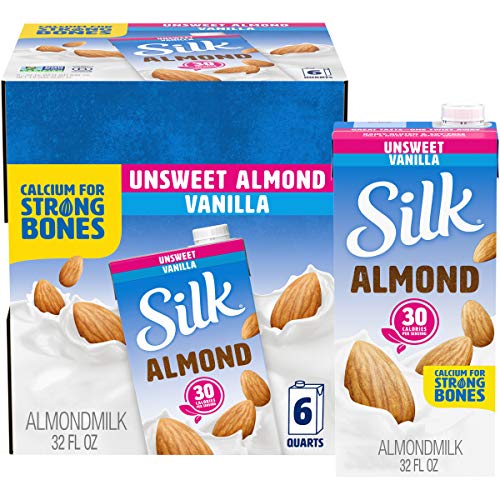
This mid-range almond milk offers a subtle, natural vanilla flavor without added sugars, making it an excellent bridge for toddlers wary of plain plant milks. The light vanilla essence can make cereals, smoothies, or a simple glass of milk more appealing.
Its shelf-stable nature in quart-sized cartons is a major practical benefit, allowing for pantry storage and reducing fridge clutter and waste. It’s fortified with calcium and vitamin D, and is dairy-, lactose-, and soy-free, fitting into many restricted diets.
The texture is thinner than dairy milk, which some children may notice. However, for everyday use in a variety of applications, its convenience, mild flavor, and nutrient fortification make it a versatile and reliable household staple.
Why it’s great
- Subtle vanilla flavor helps with toddler acceptance without sugar.
- Extremely convenient shelf-stable packaging in practical sizes.
- Fortified with calcium and vitamin D, and free of common allergens.
Good to know
- Thinner, more watery texture compared to creamier nut milks.
- Lower in protein and fat than dairy or soy-based options.
7. Silk Shelf-Stable Organic Soy Milk, Unsweetened

For a plant-based milk that competes with dairy on protein content, this organic, unsweetened soy milk is a standout. It provides a complete protein source, making it a robust nutritional choice for supporting toddler growth and muscle development.
The unsweetened version has a clean, neutral flavor that works well in both sweet and savory applications—from oatmeal to creamy soups. It’s also fortified with vitamins and minerals, and its shelf-stable format offers the same pantry-stocking convenience as other Silk products.
It’s a mid-range option that delivers significant nutritional value. For families avoiding dairy but wanting to ensure adequate protein intake, or for toddlers who find the texture of nut milks too thin, this soy milk is an excellent, smoother alternative.
Why it’s great
- Provides complete plant-based protein, crucial for growing toddlers.
- Organic, non-GMO project verified, and unsweetened.
- Smooth texture that’s less gritty than some other plant milks.
Good to know
- Soy is a common allergen, so not suitable for all children.
- Can have a slightly beany aftertaste that some palates detect.
8. KeaBabies Toddler Pillow

While not a beverage, a proper toddler pillow is essential for quality sleep, which is as crucial as nutrition. This ergonomically designed 13″x18″ pillow provides gentle neck and head support, promoting proper spinal alignment for children ages 2-5.
Made with a soft, breathable organic cotton cover and machine-washable filling, it’s built for both comfort and practicality. The cute design is engaging for children, and the compact size makes it perfect not only for the bed but also for travel, naps, and sleepovers.
Investing in sleep support is an investment in overall well-being. A comfortable toddler is more likely to sleep soundly, which directly impacts mood, growth, and daily functioning, making this a valuable addition to your child’s routine.
Why it’s great
- Perfectly sized and firmness for toddler spinal support.
- High-quality, washable materials for easy care.
- Versatile for home use, travel, and daycare.
Good to know
- For children over 2 years old, not for infants.
- Some users note the included pillowcase can be scratchy.
9. Pacific Foods Unsweetened Hemp Milk

Hemp milk is a fantastic, often overlooked option, especially for toddlers with nut allergies. Pacific Foods’ version is unsweetened and provides a good source of plant-based omega-3 fatty acids (ALA), calcium, magnesium, and vitamin D.
It has a uniquely nutty, earthy flavor and a creamier texture than rice or almond milk. Some parents find it’s a gentler option for children with sensitive bladders, as it’s free from compounds that can be irritating.
As a budget-friendly, nutrient-dense choice, it brings valuable fats to a toddler’s diet. It’s best introduced cold, as the flavor profile can be more pronounced when warm, making it ideal for smoothies, cereal, or a chilled drink.
Why it’s great
- Excellent source of plant-based omega-3s for brain health.
- Allergen-friendly: free from nuts, dairy, and soy.
- Rich, creamy texture and unique, nutrient-dense profile.
Good to know
- Distinct earthy flavor may not appeal to all toddlers.
- Contains vanilla flavoring, which might not be desired for all uses.
10. Horizon Organic Shelf Stable Chocolate Milk
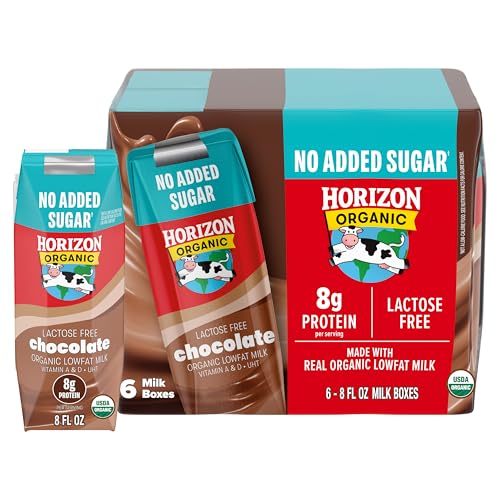
This product answers the call for a convenient, healthier treat. These organic, lactose-free chocolate milk boxes contain no added sugar, deriving their sweetness from the natural lactose in the milk, and provide 8 grams of protein per serving.
The shelf-stable, individual 8-ounce boxes are perfect for lunchboxes, travel, or a quick snack. They offer the familiar taste and nutritional benefits of dairy milk (from pasture-raised cows) in a format that reduces waste and requires no refrigeration until opened.
It’s a budget-conscious way to provide a fortified, appealing dairy option. For toddlers who are lactose-intolerant but miss chocolate milk, or for parents seeking a portion-controlled, organic treat, this is a very practical solution.
Why it’s great
- Convenient, portion-controlled, and shelf-stable format.
- Provides protein and calcium with no added sugars.
- Lactose-free, making it gentle for sensitive tummies.
Good to know
- Still contains natural sugars from lactose.
- A treat option, not a primary everyday milk.
11. Silk Shelf-Stable Almond Milk, Unsweetened

The original unsweetened almond milk from Silk is a foundational, budget-friendly plant-based option. Its biggest nutritional claim is providing 50% more calcium than dairy milk per serving, which is a significant benefit for developing bones.
With only 30 calories per serving and zero saturated fat or cholesterol, it’s a very light choice. It’s versatile for cooking, baking, and pouring over cereal, though its thin and watery texture is noticeable when drunk plain.
This is an entry-level alternative milk, ideal for families first exploring dairy-free options or for use as a low-calorie ingredient. Its six-pack shelf-stable format offers great value and pantry flexibility for households that use milk alternatives regularly.
Why it’s great
- Excellent source of fortified calcium at a budget-friendly point.
- Very low in calories and free from common allergens like dairy and soy.
- Highly versatile and available in a convenient pantry pack.
Good to know
- Very thin texture and minimal protein content (1g per serving).
- The plain taste may be too bland for some toddlers to drink straight.
Understanding the Specs
Protein Content
Protein is vital for toddler growth. Dairy and soy milks typically lead with 7-8g per cup. Nut and seed milks often have only 1-2g. If using a low-protein milk, ensure protein is coming from other solid foods like beans, lentils, meat, or eggs throughout the day.
Fortification
Look for fortification with Calcium and Vitamin D for bone health, and Vitamins A, B12, and Iron. Unfortified plant milks can leave significant nutritional gaps. The “% Daily Value” on the nutrition label should show meaningful amounts (e.g., 20-30% DV for calcium).
Added Sugars
“Unsweetened” is the key term. Flavored versions, even “original,” often contain added sugars like cane sugar or brown rice syrup. These add empty calories and can predispose a sweet preference. Natural sugars from lactose (in dairy) are acceptable.
Allergen Statement
Always check for “Contains:” statements and facility warnings. Common toddler allergens include milk, soy, tree nuts (almonds, cashews), and peanuts. For nut allergies, consider oat, hemp, pea, or rice milk. For soy allergies, almond, oat, or coconut are alternatives.
FAQ
When can I switch my toddler from formula to alternative milk?
Which alternative milk is best for a toddler with multiple allergies?
How do I get my toddler to accept a new type of milk?
Is it okay if my toddler only drinks a low protein milk like almond milk?
Final Thoughts: The Verdict
For most people, the best alternative milk for toddlers winner is the Nido NESTLE Kinder 1+ because it’s specifically formulated with the nutritional balance a growing 1-3 year old needs. If you want a creamy, premium plant-based option, grab the milkadamia Macadamia Milk. And for picky eaters who need a nutritional boost, nothing beats the convenience and acceptance of the Orgain Organic Kids Shake.

Mo Maruf
I created WellFizz to bridge the gap between vague wellness advice and actionable solutions. My mission is simple: to decode the research and give you practical tools you can actually use.
Beyond the data, I am a passionate traveler. I believe that stepping away from the screen to explore new environments is essential for mental clarity and physical vitality.