Our readers keep the lights on and my smoothie glass nicely filled. As an Amazon Associate, I earn from qualifying purchases.
Alpaca fiber is naturally hollow-core, trapping body heat without the bulk or itch of traditional wool — but finding a pair that actually delivers both graduated compression and that signature softness is surprisingly rare. Most so-called “compression” socks use nylon blends that sweat, bind, and lose their squeeze after a few washes, while genuine alpaca socks often skip the medical-grade compression rating entirely. You need a pair that marries thermoregulating fiber with a true 15-20 mmHg gradient, all in a design that stays put from morning commute to evening recovery.
I’m Mohammad Maruf — the founder and writer behind WellFizz. I spend my weeks cross-referencing fiber composition reports, compression test standards (ASTM F1868), and real wear-test reviews to identify the socks that actually deliver on their dual promise of warmth and circulation support.
This guide breaks down the top contenders by compression level, material purity, and fit consistency — cutting through the marketing to help you find the best alpaca compression socks for your specific foot shape, activity level, and temperature needs.
How To Choose The Best Alpaca Compression Socks
Alpaca compression socks sit at the intersection of medical-grade legwear and premium outdoor apparel, so choosing wisely means balancing compression spec against fiber content and daily use case. Here are the three factors that separate a useful pair from a waste of money.
Compression Rating: 15-20 mmHg vs. 20-30 mmHg
Most alpaca compression socks land in the 15-20 mmHg range, which is considered “mild” medical compression — sufficient for travel, pregnancy swelling, and all-day standing without cutting off circulation at the knee. Higher 20-30 mmHg ratings provide firmer squeeze for post-surgical recovery or chronic venous insufficiency, but the alpaca fibers available at that level are rare. Stick with 15-20 mmHg unless your doctor specifies otherwise, because too much compression on a thick wool-blend sock can make application a battle.
Fiber Blend: Alpaca Percentage and Partner Materials
The thermoregulating, moisture-wicking, and anti-odor properties of alpaca come from its hollow core — but only if the sock contains enough alpaca fiber to matter. Look for blends with at least 40% alpaca content; socks below that threshold are essentially nylon compression tubes with a wool marketing label. The remaining fibers (nylon, spandex, or merino) determine stretch recovery, durability, and compression retention. High-nylon blends hold their shape longer, while high-alpaca blends feel softer but may pill faster if not hand-washed.
Fit Profile: Calf Circumference and Heel Pocket Design
Alpaca compression socks typically come in shoe-size ranges (S/M/L/XL), but calf circumference is the measurement that actually determines comfort. A sock that fits your foot may still bind at the calf or slip down if the top band is too loose. Look for brands that publish calf circumference ranges in inches, and check reviews for comments about “tight elastic band” or “loose top” — these are the most common fit failure points. A reinforced heel pocket also matters: cheap socks cut a straight tube, while well-designed socks shape the heel and toe for zero bunching inside boots or sneakers.
Quick Comparison
On smaller screens, swipe sideways to see the full table.
| Model | Category | Best For | Key Spec | Amazon |
|---|---|---|---|---|
| Pure Athlete Alpaca Compression Socks | Mid-Range | Best Overall — Running & Recovery | 15-20 mmHg, 65% Alpaca | Amazon |
| HOLLOW Alpaca Compression Socks | Premium | Diabetic & Wide Feet | 15-20 mmHg, USA Made | Amazon |
| Juclise 15-25 mmHg Compression Socks | Premium | Maximum Warmth & Firm Support | 15-25 mmHg, Heavyweight | Amazon |
| Sockwell Women’s Lotus Lift Firm | Mid-Range | Pregnancy & Everyday Staff | Firm Graduated Compression | Amazon |
| Toughland Alpaca Wool Socks | Budget | Casual Warmth & Light Support | Full Cushion Crew, No Compression | Amazon |
| Juclise Alpaca Wool Winter Crew | Mid-Range | Extreme Cold & Ice Fishing | Heavyweight, Non-Compression | Amazon |
| Alpaca Heavyweight Boot Sock | Premium | Hiking & Chronic Cold Feet | 60% Baby Alpaca / Light Compression | Amazon |
In‑Depth Reviews
1. Pure Athlete Alpaca Compression Socks – 15-20mmHg
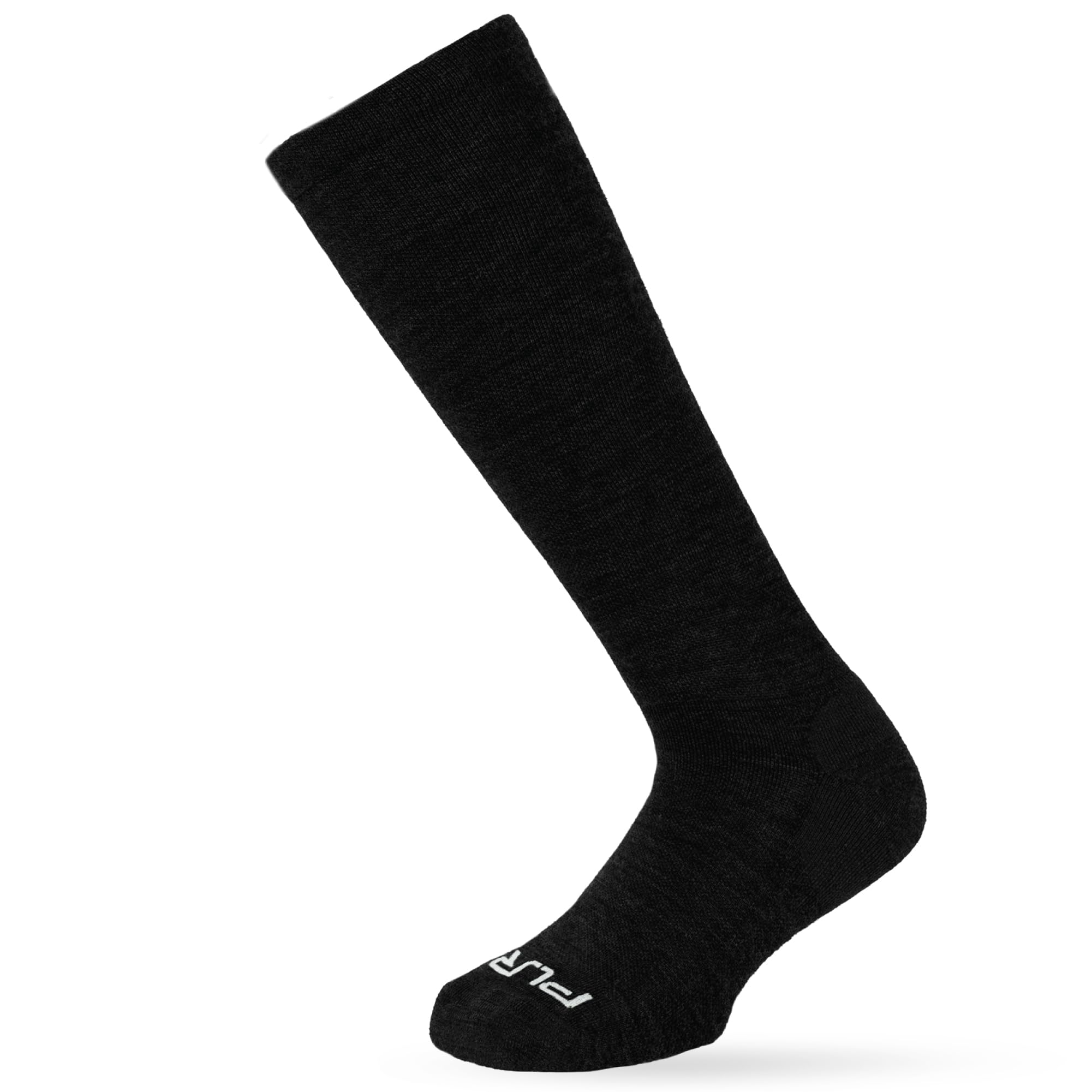
The Pure Athlete socks hit the exact sweet spot between medical-grade compression and alpaca comfort. With a 15-20 mmHg graduated rating and 65% alpaca content, these are the highest alpaca percentage I’ve found in a true compression sock — most competitors drop to 30-40% alpaca when they add compression fibers. Multiple verified reviews confirm the moisture wicking works on long runs and that the socks retain their shape after multiple wash cycles, which is the primary failure point for cheaper alpaca blends.
The fit is calibrated for athletic calves rather than medical patients: the graduated compression eases pressure from ankle to knee, and the wide top band avoids the “bacon ring” tightness that plagued other brands like Toughland. The USA-made construction uses reinforced heels and toes, so you won’t blow through the toe box after a season of hiking. Several reviewers with shoe size 10.5 noted that the largest size was still too tight to get on — order up if you are on the upper end of the sizing range.
For runners, hikers, and anyone who spends 8+ hours on their feet, the Pure Athlete socks deliver the firmest support of any alpaca option at this price tier. The 65% alpaca blend breathes better than the nylon-heavy compression socks from drugstores, and the antimicrobial properties mean zero odor after a full day of wear. Just be prepared for the snug initial fit — these are true compression, not lounge socks.
Why it’s great
- Highest alpaca content (65%) in a true compression sock
- Graduated 15-20 mmHg stays effective all day
- Excellent moisture wicking for running and recovery
Good to know
- May be too tight for shoe sizes above 10.5
- Hand wash / air dry required to prevent pilling
2. HOLLOW Alpaca Compression Socks for Women & Men

HOLLOW’s compression sock is the rare pair manufactured entirely in the USA, which means tighter quality control on the graduated compression gradient and the fiber blend. The 15-20 mmHg rating is described by reviewers as “not too tight” — easier to pull on than the Pure Athlete sock, making it a better option for elderly users or anyone with reduced hand strength. The alpaca content delivers the usual temperature regulation: multiple reviewers noted no sweaty toes even in tactical boots.
The sock is designed to accommodate wider feet and higher-volume calves, with a cuff that stays up without digging. One reviewer reported using them for diabetic foot swelling, and another confirmed they work well for long car rides where feet tend to swell. The compression is mild enough that you can wear them all day without needing to remove them mid-afternoon, but firm enough that ankle swelling noticeably decreases.
If you need a generous calf fit, easy on/off, and won’t compromise on domestic manufacturing, HOLLOW is your best bet.
Why it’s great
- USA-made with consistent quality control
- Wide-fit calf accommodates larger legs
- Easy on/off — ideal for elderly users
Good to know
- Premium price for uncompressed fiber content
- Compression is on the milder side of 15-20 mmHg
3. Juclise Alpaca Wool Heavyweight 15-25 mmHg Compression Socks
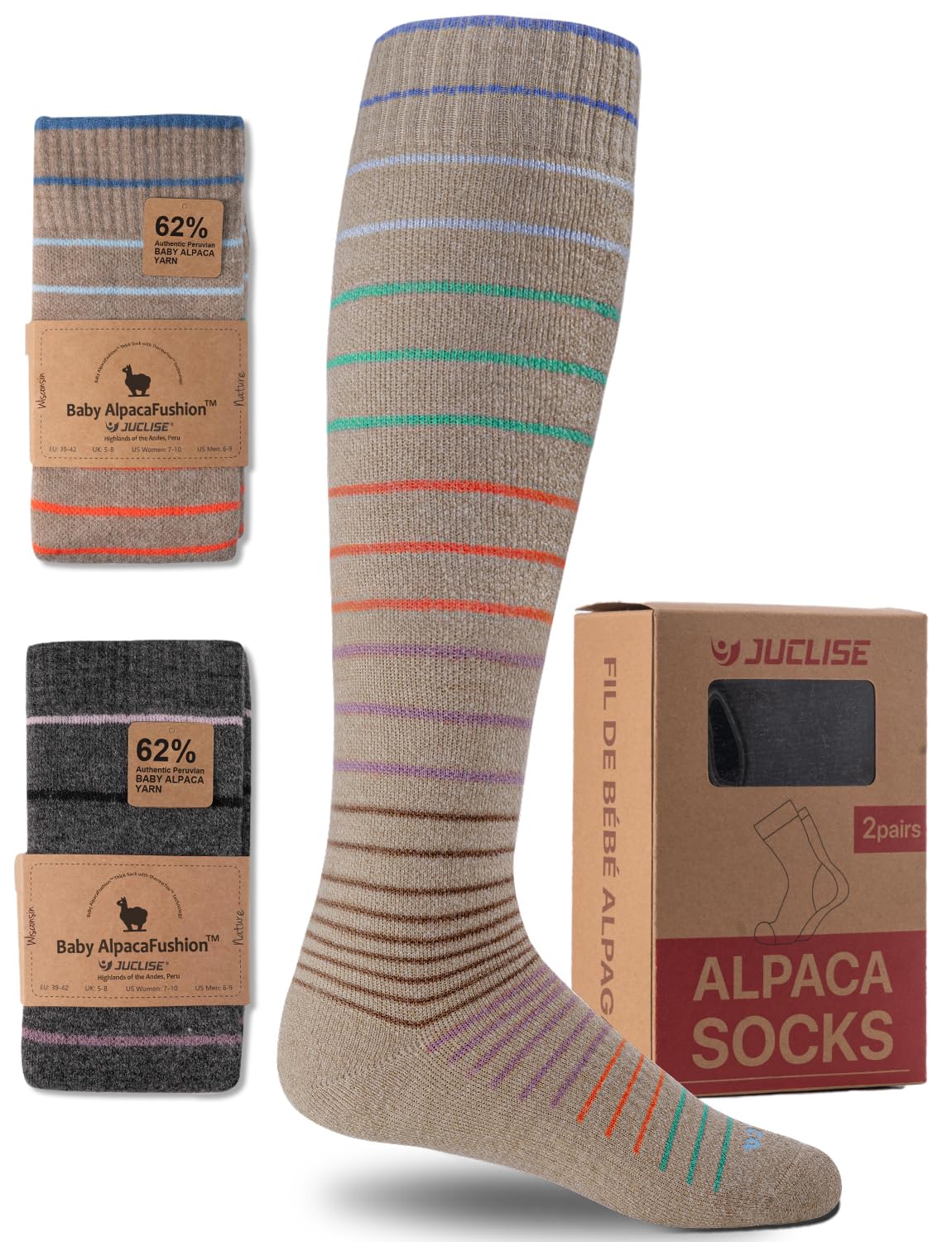
The Juclise heavyweight compression socks bridge the gap between a winter boot sock and medical-grade legwear, with a compression rating that spans 15-25 mmHg — the widest and firmest range in this comparison. The heavyweight cushioning is genuinely plush: one reviewer described it as “ensconcing” the feet and calves, and another wore them for 18,000+ steps in a day without discomfort. The compression is light enough to keep the sock in place but firm enough to reduce swelling.
Durability is a concern with any heavyweight alpaca sock because the thick fibers can pill under friction. Juclise recommends hand washing or a gentle cold cycle in a mesh bag, which aligns with the care requirements of most premium alpaca blends. The fit runs slightly long for the knee-high profile, but the reinforced heel pocket prevents bunching inside boots. One reviewer initially received a mismatched pair (one mid-calf, one knee-high), but the seller corrected the issue promptly.
For extreme cold climates — Wisconsin winters, ice fishing, or high-altitude hiking — the Juclise socks provide the best warmth-to-compression ratio in this lineup. The “no odor after multiple wears” feature is a genuine perk for multi-day trips where washing isn’t an option. Just be ready for the hand-wash commitment and the premium price per pair.
Why it’s great
- Highest compression range (15-25 mmHg) in the list
- Thick plush cushion for extreme cold
- No odor after multiple days of wear
Good to know
- Hand wash / gentle cycle in bag required
- One reviewer received mismatched pair initially
4. Sockwell Women’s Lotus Lift Firm Graduated Compression Sock

Sockwell is a well-established brand in the compression sock space, and the Lotus Lift model brings that expertise into a wool-blend construction that includes alpaca fiber. The “firm” graduated compression is designed specifically for all-day wear — reviewers report seeing visible ankle bones at the end of the day, proof that the swelling reduction is real. The wide top band is a standout feature that prevents the “bacon ring” effect that many compression socks leave behind on the calf.
The wool blend (alpaca mixed with merino and nylon) wicks moisture effectively in both winter and summer temperatures, which is rare among compression socks that tend to feel sweaty. Several reviewers used these during the third trimester of pregnancy and confirmed they kept feet warm while reducing swelling — a combination that’s hard to find in standard maternity compression wear. The medium thickness means they fit comfortably under sneakers and dress shoes without adding bulk.
The downside is color selection: reviewers specifically requested more options in beige, pink, and light blue, as the current palette leans toward muted grays and dark tones. If you don’t care about sock color, the Lotus Lift is one of the most consistently reviewed compression socks in this class, with a track record stretching back to 2021.
Why it’s great
- Proven brand with years of positive reviews
- Wide top band prevents calf binding
- Effective for pregnancy swelling and winter warmth
Good to know
- Limited color options — mostly muted tones
- Not a true alpaca-dominant blend
5. Toughland Alpaca Wool Socks for Men and Women
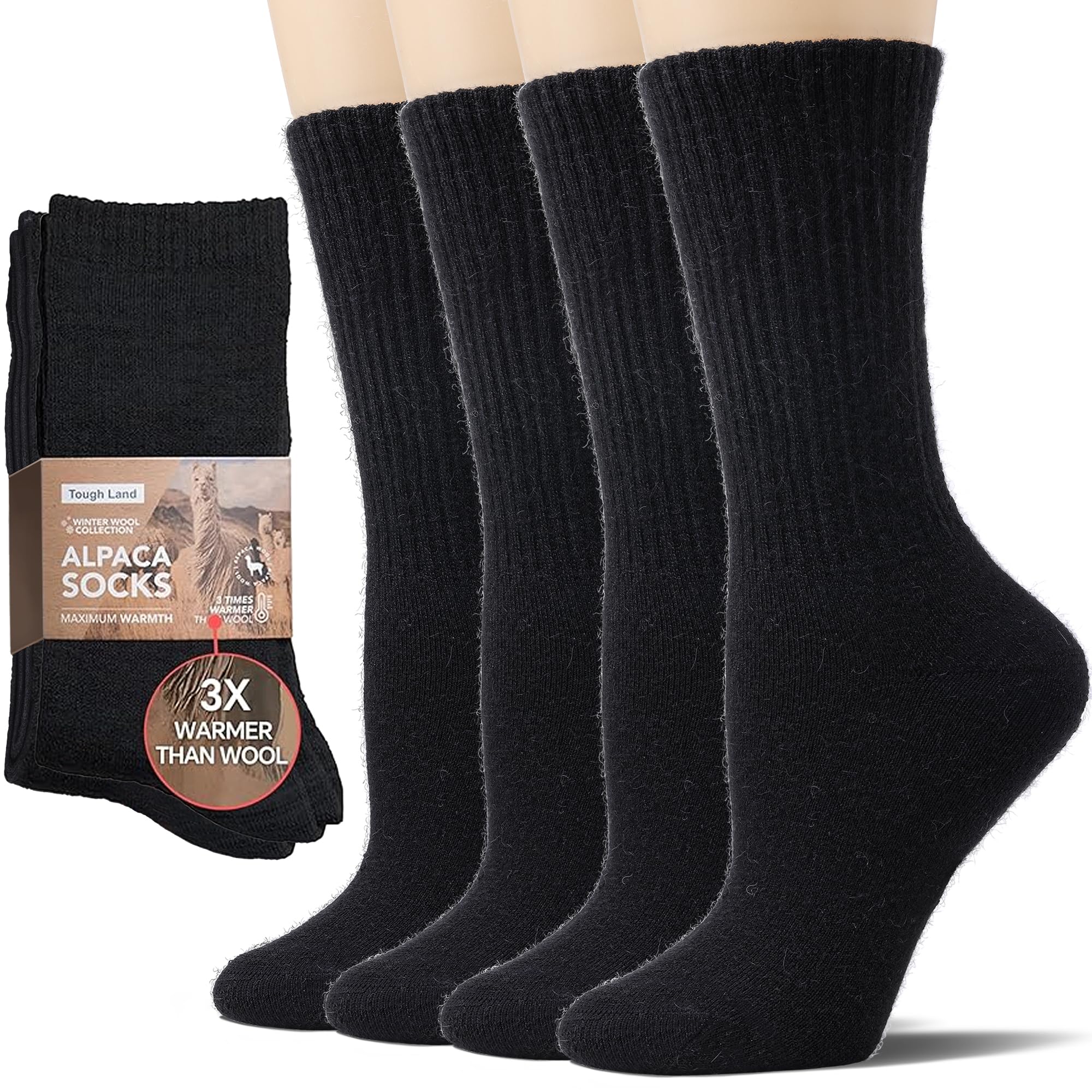
Toughland’s alpaca crew socks are the entry point for anyone curious about alpaca fiber but not ready to commit to compression. These are not compression socks — they have no graduated pressure gradient — but the full cushion construction and soft alpaca blend make them a legitimate alternative to merino for daily warmth. The price is notably lower than the compression models, making them a smart trial pair before investing + in medical-grade alpaca socks.
The fit has a known issue: the elastic band leaves a depression line on the calf, even in larger sizes. One reviewer specifically called out this “one serious caveat” and switched to Warrior brand alpaca socks for a looser fit. If you have sensitive skin or thick calves, the binding could be annoying — but if you wear pants over the socks, it’s barely noticeable. The medium weight is warm without being bulky, and the breathability is excellent for a budget alpaca sock.
For casual use around the house, light hiking, or as a first alpaca purchase, Toughland delivers the softness and temperature regulation you’re looking for. Just don’t expect any medical-grade leg support — these are cozy crew socks, not compression aids.
Why it’s great
- Lowest price entry point for alpaca socks
- Excellent softness and breathability
- Full cushion is comfortable for casual wear
Good to know
- Tight elastic band leaves calf marks
- No graduated compression — not for leg support
6. Juclise Alpaca Wool Winter Heavyweight Crew Socks

Juclise’s heavyweight crew socks are the thickest, warmest non-compression alpaca option in this guide, designed for extreme cold environments like ice fishing and Finland in March. One reviewer specifically tested them in sub-freezing temperatures for extended periods and confirmed they kept feet warm and dry while the breathability prevented sweat buildup. The “athletic fit” is not too bulky for hiking boots, which is a common complaint about heavy wool socks.
The construction is noticeably more durable than the Toughland socks: reinforced heels and toes, dense knitting that resists pilling, and a moisture-wicking layer that works even when socks are worn multiple days in a row. The care instructions require air drying flat to prevent shrinking, but several reviewers have spun and rinsed them in a washing machine without issues. The price is mid-range, sitting between budget crew socks and the premium compression models above.
If your primary need is maximum warmth without compression — for hunters, ice fishermen, or anyone with chronically cold feet — the Juclise heavyweight crew socks are the most practical choice. Just be aware that these provide no leg support whatsoever, so pair them with compression sleeves if you need both.
Why it’s great
- Thickest cushion for extreme cold weather
- Reinforced heel and toe for durability
- Excellent moisture wicking for multi-day use
Good to know
- Must be laid flat to dry to prevent shrinking
- No compression — purely warmth and cushion
7. Alpaca Heavyweight Thermal Thick Warm Boot Sock
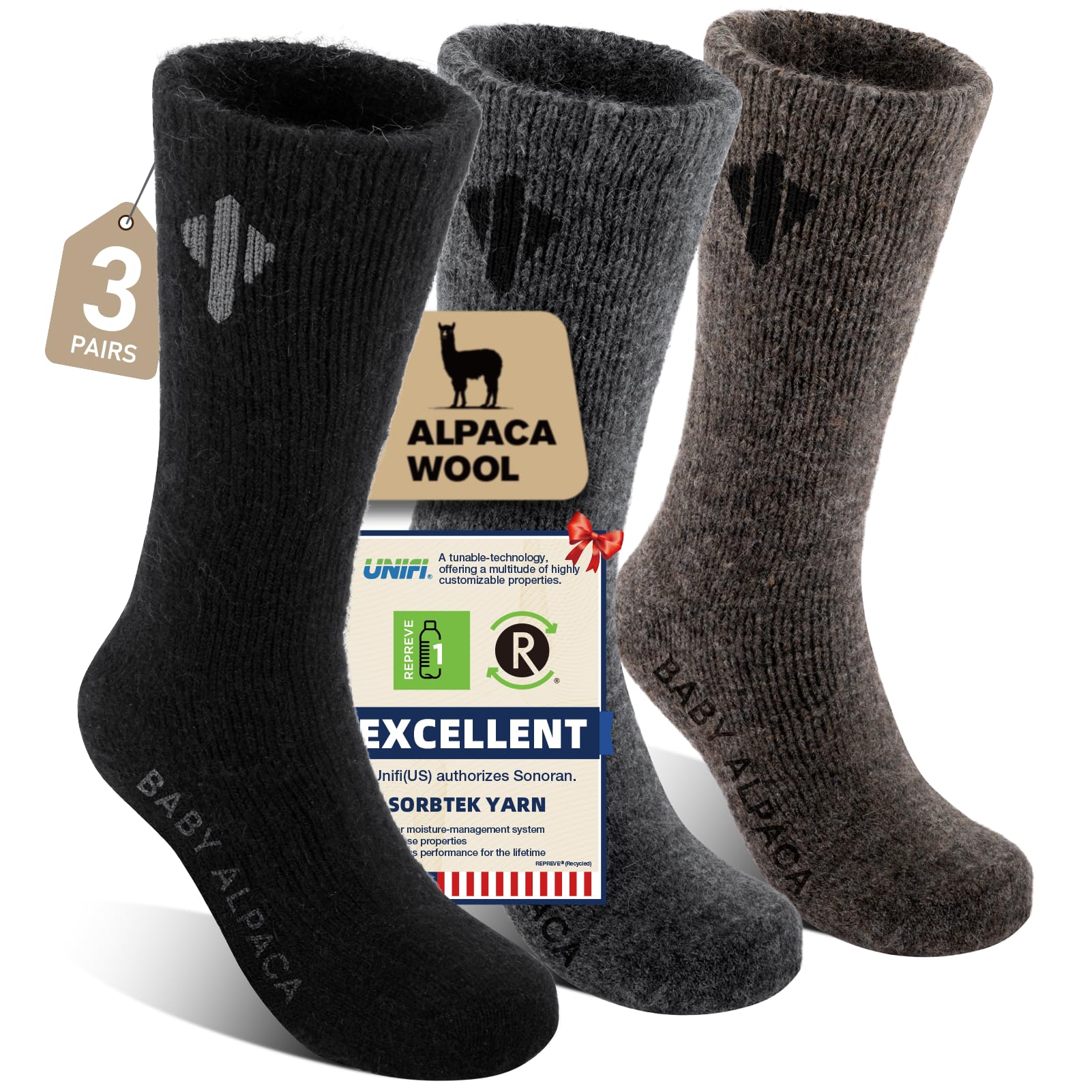
This boot sock from the unnamed premium brand features 60% baby alpaca blended with 22% merino wool, creating the most luxurious fiber composition in this guide. Baby alpaca is finer and softer than adult alpaca, which matters for anyone who finds standard alpaca still slightly scratchy. The light compression is subtle — enough to keep the sock in place without reducing swelling — but the reinforced heel and toe make it ideal for National Park hiking where durability matters.
The antimicrobial properties are legit: reviewers report wearing the same pair for multiple days on trail without odor, a major advantage over merino socks that typically need daily washing. The temperature regulation handles both 30°F mornings and rain-soaked sneakers without leaving feet damp or cold. The non-binding calf design is a standout — one reviewer with chronically cold feet noted that the sock stays up without the painful elastic marks that plague other brands.
The downsides are the hand-wash requirement and the high cost per pair. At roughly per pair in a 2-pack, these are the most expensive socks in this comparison. For casual users, the Juclise crew sock offers similar warmth at a lower price. But for hikers, hunters, and anyone who needs the softest possible fiber against their skin, the baby alpaca blend makes this sock feel worth every penny.
Why it’s great
- 60% baby alpaca + 22% merino — softest blend tested
- No elastic marks on calves
- Antimicrobial for multi-day odor control
Good to know
- Hand wash / air dry required
- High cost per pair compared to similar options
FAQ
Can I wear alpaca compression socks for running?
How do I wash alpaca compression socks without ruining them?
What size alpaca compression sock should I buy if my shoe size is 10.5?
Final Thoughts: The Verdict
For most users, the best alpaca compression socks winner is the Pure Athlete Alpaca Compression Socks because it delivers the highest alpaca content (65%) in a true 15-20 mmHg graduated compression sock at a reasonable mid-range price. If you need a wider calf fit and easier on/off for elderly or diabetic use, grab the HOLLOW Alpaca Compression Socks. And for extreme cold requiring maximum warmth with firm support, nothing beats the Juclise 15-25 mmHg Heavyweight Compression Socks.

Mo Maruf
I created WellFizz to bridge the gap between vague wellness advice and actionable solutions. My mission is simple: to decode the research and give you practical tools you can actually use.
Beyond the data, I am a passionate traveler. I believe that stepping away from the screen to explore new environments is essential for mental clarity and physical vitality.