Our readers keep the lights on and my smoothie glass nicely filled. As an Amazon Associate, I earn from qualifying purchases.
If you’ve been dealing with unexplained headaches, digestive discomfort, or constant congestion, pinpointing the exact cause can feel like a frustrating maze. The right at-home test can cut through the noise, offering clarity and a path to relief without endless doctor visits.
I’m Mohammad Maruf — the founder and writer behind WellFizz. My expertise lies in dissecting complex market data and technical specifications from hundreds of consumer health products, helping you make informed decisions based on evidence, not marketing hype.
This guide is the result of analyzing over a decade of product evolution, user feedback, and scientific methodology to separate truly useful tools from the gimmicks. Through detailed analysis of testing methods and accuracy, we pinpoint the key features that define the best allergy test for your unique health journey.
How To Choose The Best Allergy Test
Selecting an at-home allergy test isn’t about finding the most expensive option; it’s about matching the test’s capabilities to your specific symptoms and goals. The wrong type of test can lead to confusion and wasted effort.
Identify Your Primary Concern
Start by distinguishing between classic allergic reactions (like hives or swelling) and slower, sensitivity-based symptoms (like bloating or fatigue). True, IgE-mediated allergies require tests that measure IgE antibodies, often through blood samples. For delayed digestive or inflammatory issues, IgG sensitivity tests or alternative methods like hair analysis are marketed, though their scientific validity varies.
Evaluate the Testing Methodology
The sample type dictates the test’s foundation. Blood serum tests analyzed in CLIA-certified labs offer the highest clinical validity for allergies. Hair strand analysis is popular for broad sensitivity screening but is considered alternative medicine. DIY environmental kits use vacuum samples to detect allergens like mold in your home. Your comfort with painless collection versus clinical accuracy will guide this choice.
Scrutinize Lab Credentials and Support
A detailed report is useless if it comes from an unverified source. Look for tests processed in CLIA-certified or AIHA-accredited laboratories, which adhere to federal standards. Consider whether the company provides post-result support, such as consultation with nutritionists or clear elimination diet guides, to help you act on the findings.
Quick Comparison
On smaller screens, swipe sideways to see the full table.
| Model | Type | Best For | Key Feature | Amazon |
|---|---|---|---|---|
| Everlywell Food Sensitivity | Blood IgG Test | Identifying food-related digestive triggers | CLIA-certified lab analysis | Amazon |
| Premium 1250 Item Test | Hair Analysis | Comprehensive wellness overview | Tests 1250+ food & environmental items | Amazon |
| 5Strands Food Intolerance | Hair Analysis | Adults & kids with gut health issues | Third-party studied, doctor recommended | Amazon |
| Inhalant Allergy Test | Blood IgE Test | Indoor/outdoor environmental allergies | Painless arm collection, no finger pricks | Amazon |
| Verisana Food Allergy Test | Blood IgE Test | Quantitative allergy confirmation | ELISA analysis for 44 specific foods | Amazon |
| AllergyHero Comprehensive | Blood IgG Test | Detailed food sensitivity mapping | Analyzes 286 foods & beverages | Amazon |
| PlexusDx Food Sensitivity | DNA Analysis | Genetic-based insights | 240+ DNA reports & custom recommendations | Amazon |
| AFIL 1000+ Wellness Test | Hair Analysis | Holistic wellness indicators | Family-run brand, ISO/IEC 27001 certified | Amazon |
| Simply Sensitivity Checks | Hair Analysis | Digital tracking experience | Tests 1350+ food & non-food items | Amazon |
| Check My Body Health | Hair Analysis | Rapid food intolerance screening | Results in 3–5 days, includes meal planners | Amazon |
| PRO-LAB DIY Allergen Kit | Environmental Sample | Testing home for mold & allergens | AIHA-accredited lab, includes return shipping | Amazon |
In‑Depth Reviews
1. Everlywell Food Sensitivity Test
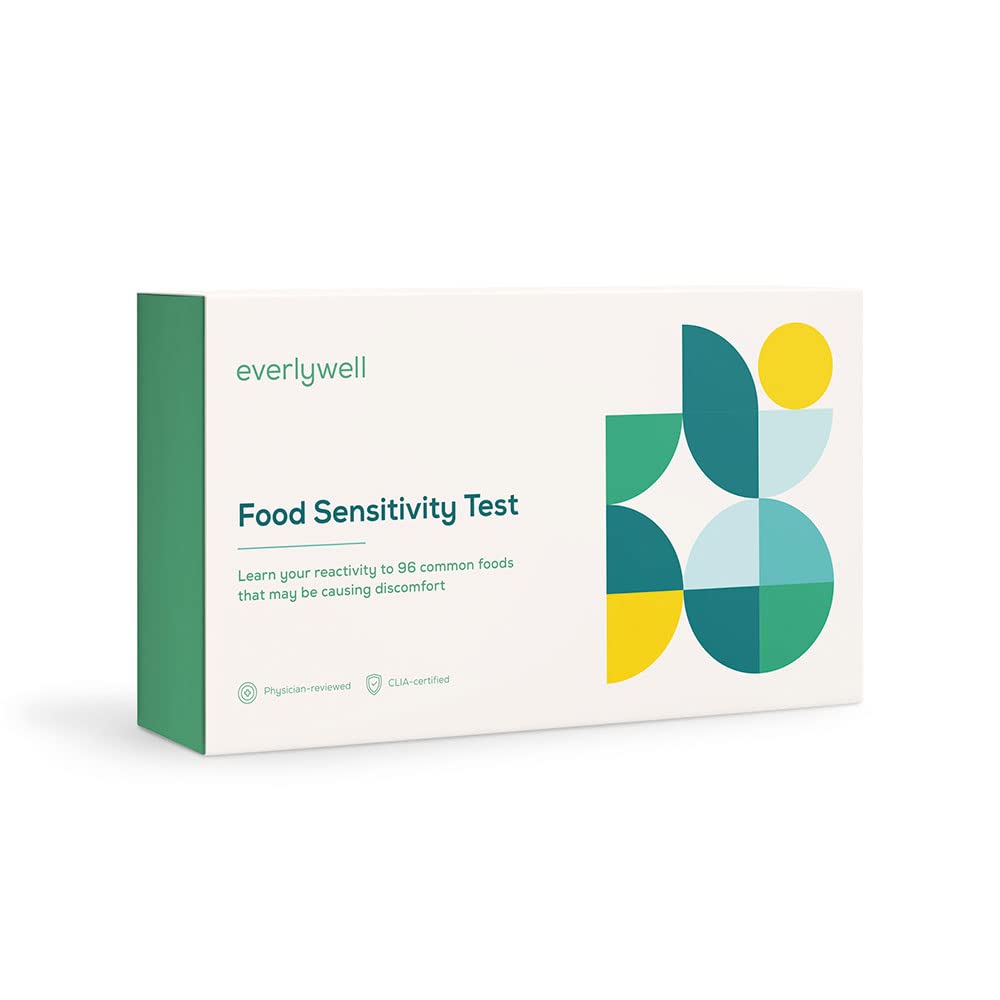
The Everlywell test stands out for its commitment to clinical-grade standards, making it a reliable choice for those seeking medically credible insights. It measures IgG reactivity to 96 common foods, which can help uncover dietary triggers linked to bloating, headaches, and low energy. The entire process is designed for at-home convenience, requiring only a small finger-prick blood sample that you return with a prepaid label.
Results are typically delivered within 3-5 business days after the lab receives your sample, presented in an easy-to-read digital dashboard. Each food is scored based on antibody reactivity, giving you a clear starting point for an elimination diet. The analysis is performed in a CLIA-certified lab, and results are reviewed by board-certified physicians, adding a layer of trust that many alternative tests lack.
User feedback highlights life-changing improvements for many, with specific praise for how results confirmed suspected intolerances to gluten and dairy. However, it’s crucial to understand that IgG testing reflects sensitivities, not IgE-mediated allergies, and the medical community debates its interpretation. For a balanced, evidence-backed approach to food sensitivities, this test provides a solid foundation.
Why it’s great
- High credibility with CLIA-certified labs and physician review.
- Fast, digital results that are easy to understand and act upon.
- Comprehensive coverage of 96 common food triggers.
Good to know
- Tests for IgG sensitivities, not IgE allergies (manage expectations).
- Requires a blood sample, which may be uncomfortable for some.
- Not available for residents of New York state.
2. Premium 1250 Item Food Sensitivity Test
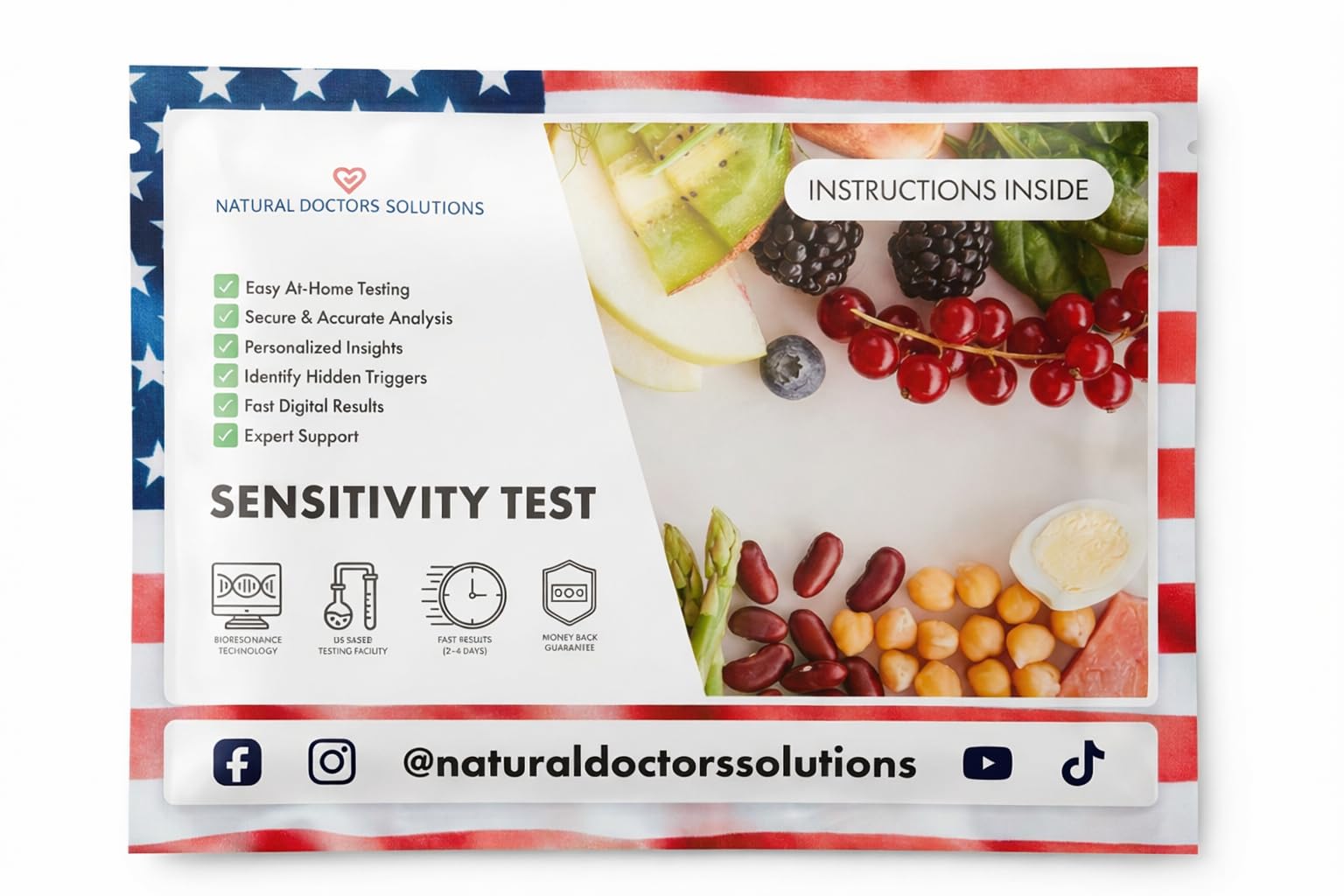
If breadth of data is your priority, this premium hair analysis kit screens over 1250 foods, drinks, environmental exposures, and nutrients. It’s designed for individuals who want an extensive wellness overview, potentially identifying patterns that narrower tests might miss. The process is fully digital—no physical kit is shipped—and you simply follow email instructions to collect and mail a hair sample.
The turnaround time is impressively quick, with results often delivered within 2 to 3 days of the lab receiving your sample. The digital report is structured to guide elimination planning and lifestyle adjustments, categorizing items based on reactivity levels. This test is positioned as a deep-dive sensitivity screening tool, offering insights into gut balance and overall wellbeing beyond just food.
Customers appreciate the sheer volume of information and the fast results, noting that the findings often align with known digestive issues or suspected deficiencies. However, as with all hair-based bioresonance tests, it’s important to approach the results as indicative rather than diagnostic, using them as a map for further dietary experimentation rather than absolute medical truth.
Why it’s great
- Extremely broad testing panel covering food, environment, and nutrients.
- Very fast digital results and a straightforward at-home process.
- Helpful for generating a wide-ranging wellness hypothesis.
Good to know
- Hair analysis methodology is not clinically validated for sensitivities.
- The digital-only format may lack physical guidance for some users.
- Results should be used as a starting point, not a final diagnosis.
3. 5Strands Food Intolerance Test
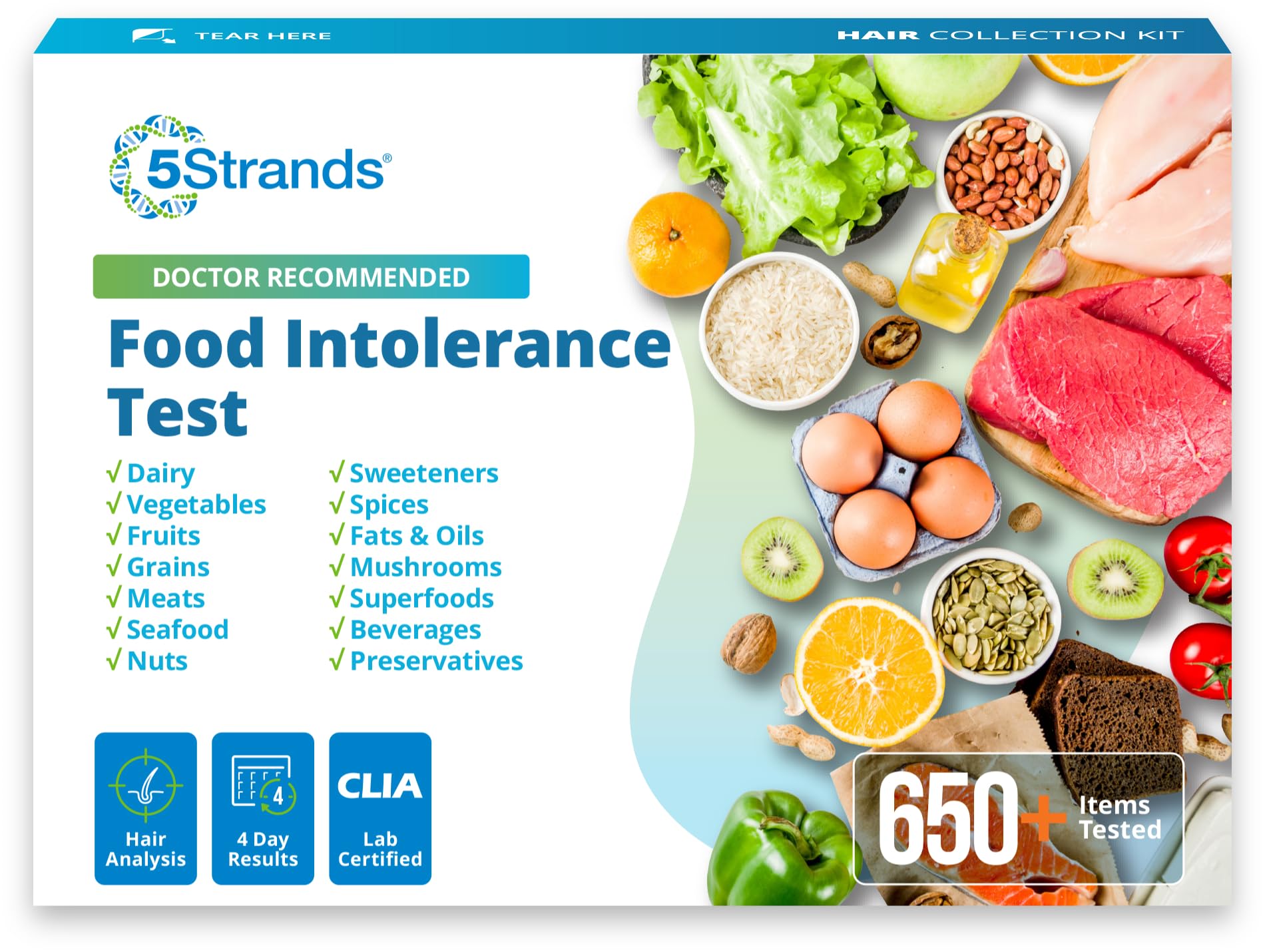
5Strands has built a reputation as a leader in the at-home intolerance testing space by investing in third-party research and validation. Their test analyzes 658 food items across 14 categories via hair sample, focusing specifically on intolerances that may cause headaches, gas, acne, and bloating. The company emphasizes that its double-pass analysis method in a certified U.S. lab aims for consistency and accuracy.
Results are categorized as Insignificant, Mild, Moderate, or Severe, providing clear, actionable tiers for an elimination plan. The process includes registering your kit online, sending 10-15 hair strands with prepaid materials, and receiving email results within four days of sample receipt. This structure is designed for both adults and children, making it a family-friendly option.
Many users report transformative results, with detailed reviews citing significant reductions in digestive pain and inflammation after following the guidance. The included support, such as access to a nutritionist, adds value. It’s important to note that, like other hair tests, it operates in the realm of bioenergetic screening, but its research-backed approach offers more credibility than many competitors.
Why it’s great
- Independent third-party studies lend scientific credibility.
- Clear, graded results that simplify creating an elimination diet.
- Fast turnaround and includes support resources for diet changes.
Good to know
- Still a hair-based test, not a blood-based medical diagnostic.
- Some users express privacy concerns during the registration process.
- The app for results is only available in the USA.
4. Inhalant Allergy Test
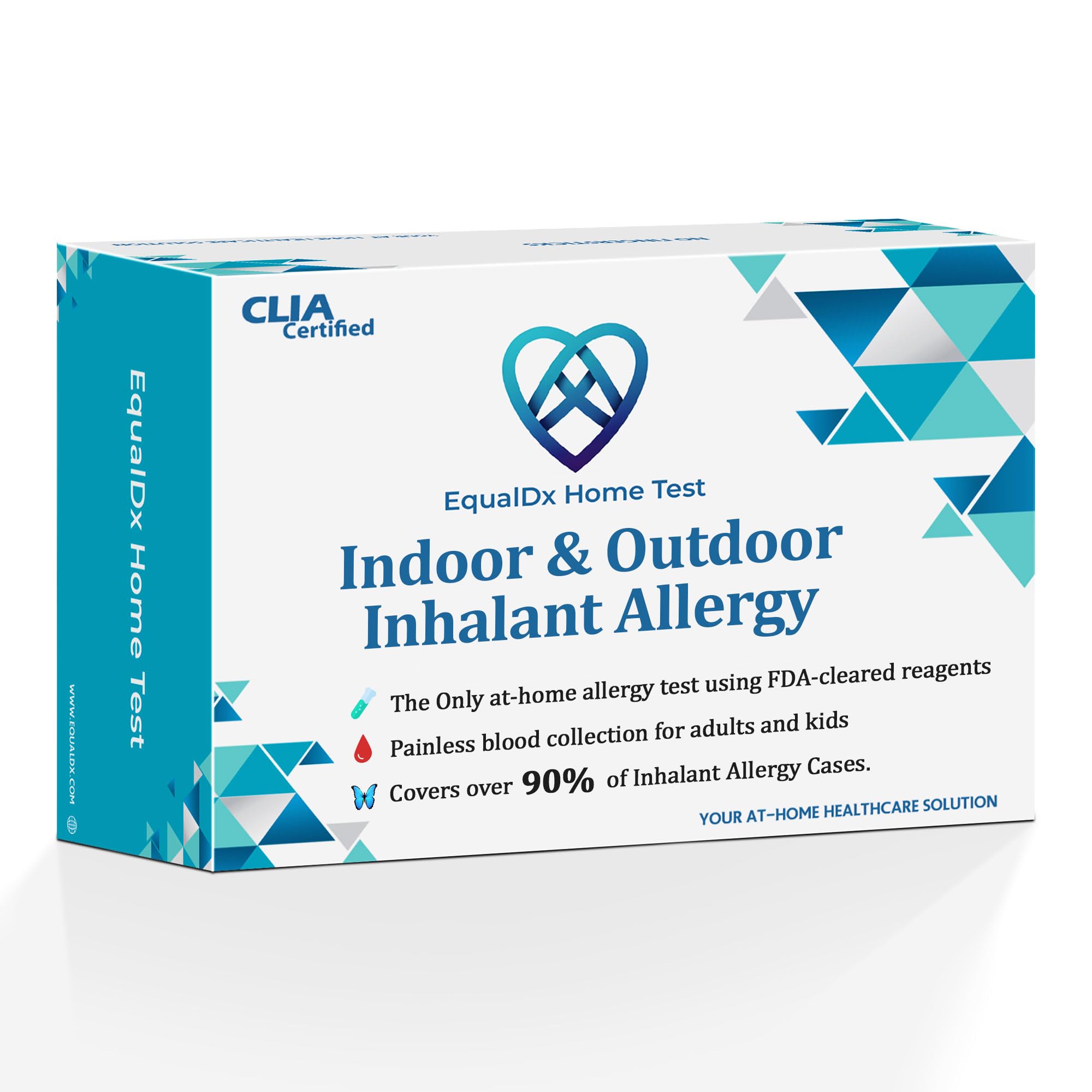
This test fills a crucial gap by focusing specifically on IgE-mediated environmental allergies, using the same gold-standard methodology you’d find in an allergist’s office. It screens for 24 carefully selected airborne allergens, including dust mites, mold, pet dander, and various pollens, covering over 90% of common triggers. The key differentiator is its painless collection method—a small device used on the arm instead of finger pricks—making it notably kid-friendly.
Unlike IgG sensitivity tests, this kit measures IgE antibody levels in a real serum sample, not a dry blood spot, which enhances accuracy. The process is straightforward: collect the sample at home, mail it back with the included materials, and receive digital results within days. For those struggling with seasonal sniffles, chronic congestion, or asthma flares, this test can provide concrete, clinically relevant data to discuss with a doctor.
User experiences are mixed but generally positive regarding ease of use, with some noting the blood collection was truly painless. A few reviews, however, question the accuracy compared to full-panel clinical tests, suggesting it’s an excellent screening tool but may not capture every single allergen. For targeted environmental allergy insight without a clinic visit, it’s a strong option.
Why it’s great
- Uses the clinically accepted IgE test for true allergies.
- Painless arm collection ideal for children and needle-averse adults.
- Focuses on the most common indoor and outdoor environmental triggers.
Good to know
- Limited to 24 allergens, not an exhaustive panel.
- Blood collection device may not work perfectly for everyone.
- As a screening tool, it may not replace a full clinical workup.
5. AFIL 1000+ Wellness Test Kit

AFIL positions itself as a compassionate, family-run wellness brand rather than a big-tech lab, focusing on holistic health indicators. The test uses hair analysis to screen over 1,000 everyday items across foods, drinks, nutrients, and household factors, aiming to identify what might be supporting or holding back your wellbeing. The process is streamlined into three simple steps: register online, snip 10 strands of hair, and mail it in the prepaid envelope.
A standout feature is the interactive, clickable digital report delivered within 72 hours of sample receipt. This allows you to delve deeper into each item’s potential impact. The brand is independently recognized for data protection (ISO/IEC 27001), assuring privacy. It’s marketed as a complementary tool used by holistic health practitioners, making it appealing for those interested in a functional medicine approach.
Reviews praise the test for being insightful and easy, with many users finding correlations between flagged items and their subtle symptoms. However, critical reviews rightly point out that this is a “bioenergetic wellness” scan, not a medical test measuring blood markers or nutrient levels. It’s best viewed as a sophisticated starting point for personal experimentation, not a definitive diagnostic.
Why it’s great
- Interactive, user-friendly report that encourages exploration.
- Strong emphasis on data privacy and a family-run ethos.
- Very fast turnaround for such a comprehensive panel.
Good to know
- Not a medical diagnostic test; results are wellness indicators.
- Some may find the personalized follow-up texts too informal.
- As with all hair tests, clinical validation is limited.
6. PlexusDx Food Sensitivity & Allergy Test
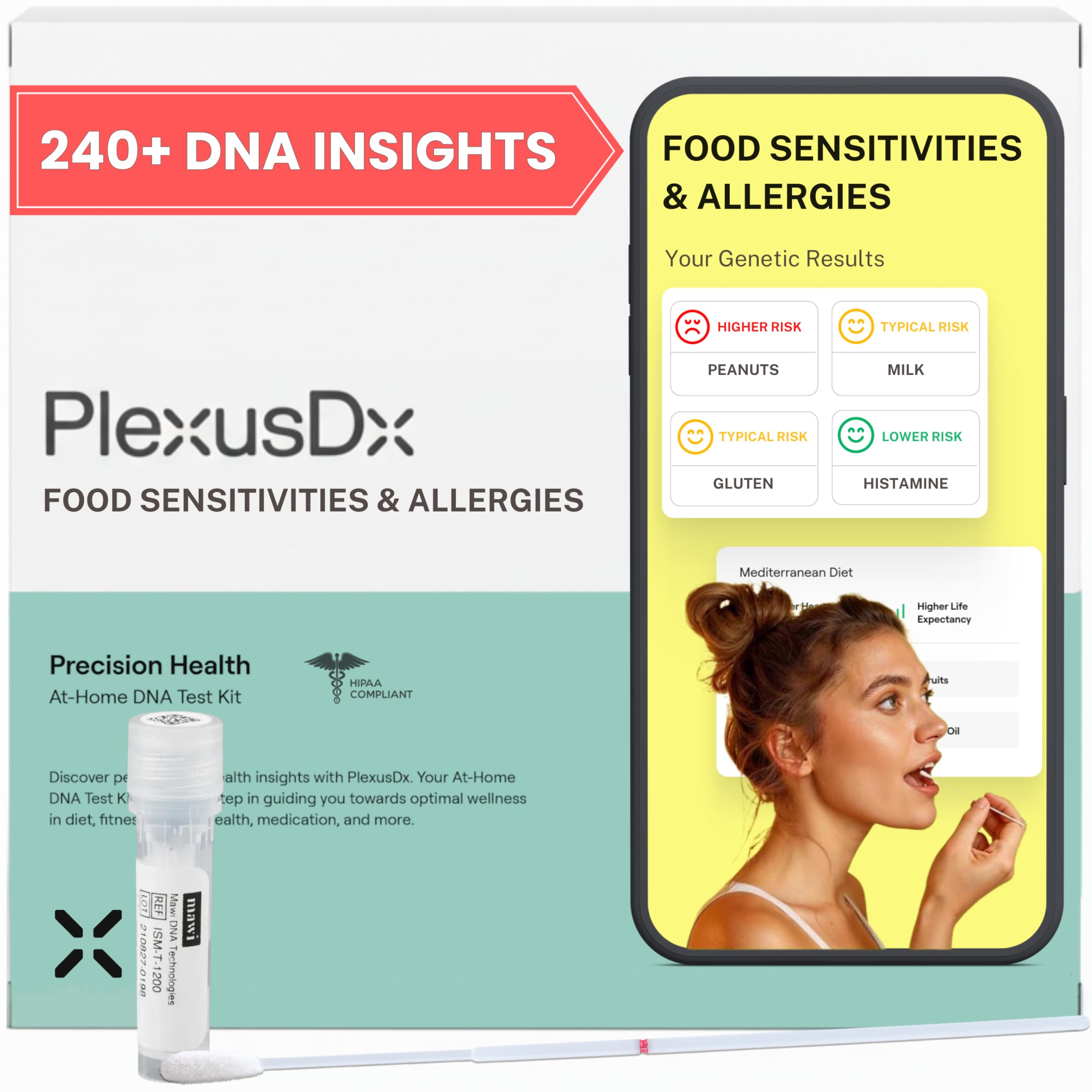
This kit takes a fundamentally different approach by analyzing your DNA to predict predispositions to food sensitivities, intolerances, and allergies. It doesn’t measure current antibody levels but rather examines genetic variants linked to how your body processes substances like lactose, gluten, histamine, and caffeine. The result is over 240 reports with personalized supplement and diet recommendations based on your genotype.
The process involves a cheek swab for DNA collection, which is mailed to their lab for analysis. A major advantage highlighted by users is the transparency—the company provides a sample report on their website before purchase, so you know exactly what kind of data to expect. The reports are designed to be actionable, offering evidence-based guidance tailored to your genetic makeup.
Early reviews from users who have completed the process praise its ease and the clarity of the pre-purchase information. However, it’s crucial to understand that genetic predispositions are not the same as active allergies or sensitivities. This test tells you what you *might* be prone to, not what you are currently reacting to. It’s a powerful tool for proactive, personalized health planning rather than reactive symptom solving.
Why it’s great
- Proactive insights based on genetic predispositions.
- Extremely transparent with sample reports available upfront.
- Comprehensive, evidence-based recommendations for diet and supplements.
Good to know
- Does not test for active immune responses (IgE or IgG).
- Longer turnaround time (several weeks) for DNA analysis.
- A few reviews mention issues with receiving results.
7. Verisana Food Allergy Test
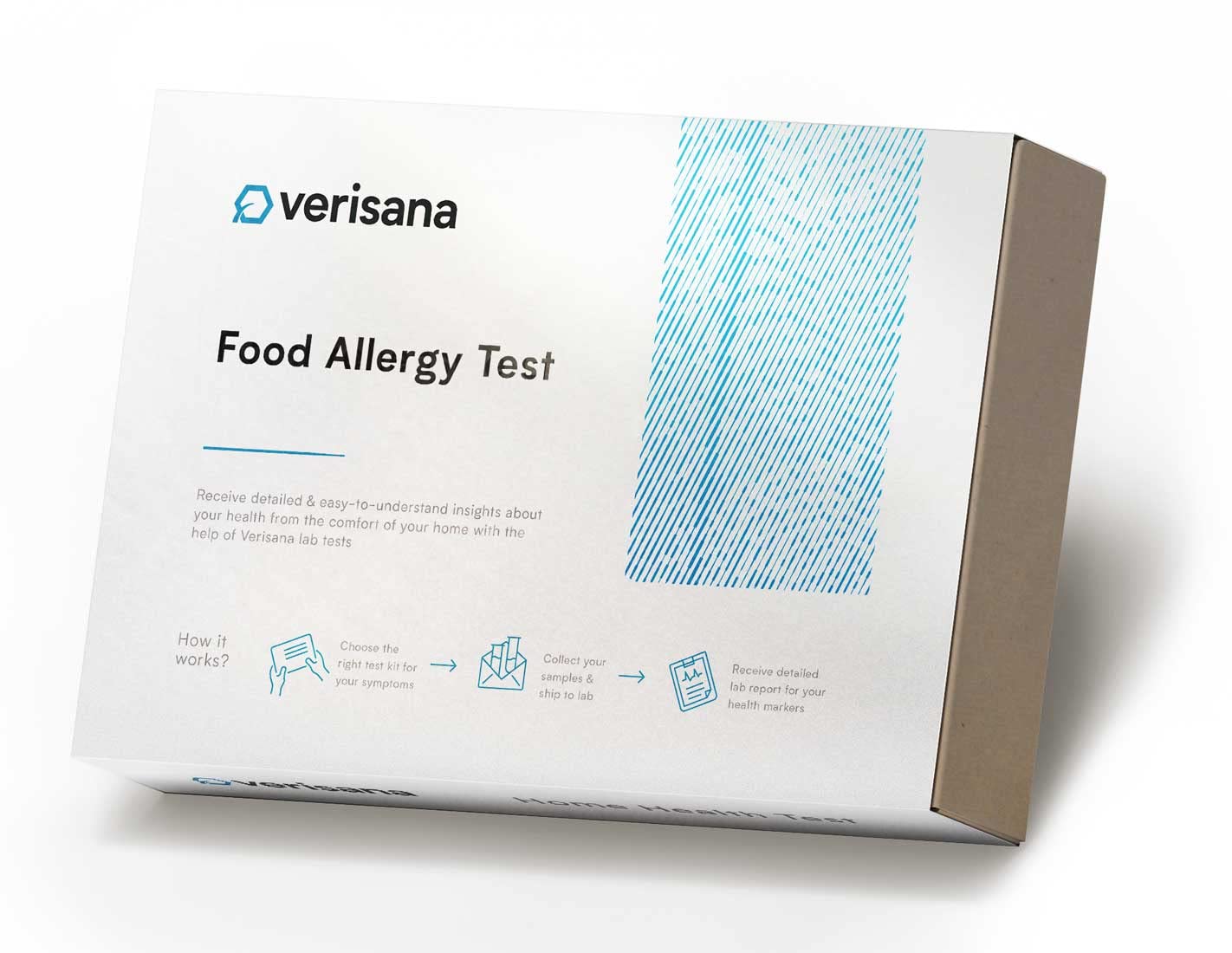
For those seeking concrete, quantitative data on true food allergies, the Verisana test provides a focused ELISA analysis of specific IgE antibodies to 44 common foods. This is a legitimate allergy test, not a sensitivity screen, making it suitable for individuals experiencing symptoms like hives, swelling, or digestive distress shortly after eating. The kit includes everything needed for a blood sample collection and a prepaid return envelope.
Your sample is analyzed in a CLIA-certified lab, and the final report provides measurable antibody levels. This quantitative data is more actionable than a simple positive/negative result, as it can help gauge the severity of the reaction. The process is consistently praised for being professional, straightforward, and well-organized, from packaging to instructions.
Users who have received their results report that they are clear, detailed, and matched their suspected allergies, such as nuts or shellfish. It’s important to note this test is for IgE-mediated allergies only and is not available in New York, Rhode Island, New Jersey, or Maryland. For a reliable at-home option that mirrors clinical allergy testing, Verisana is a solid contender.
Why it’s great
- Quantitative IgE testing for clinically recognized food allergies.
- Professional, all-inclusive kit with clear instructions.
- CLIA-certified lab analysis ensures reliability.
Good to know
- Limited to 44 foods, not the broadest panel available.
- Geographic restrictions apply in several states.
- Requires a blood sample via finger prick.
8. AllergyHero Comprehensive Food Sensitivity Test

AllergyHero offers a detailed IgG-based blood test that analyzes 286 foods and beverages, providing a granular look at potential dietary triggers. The test uses a nearly painless arm collection device (similar to the Inhalant Allergy Test) to draw a small serum sample, which is then analyzed for IgG antibody reactivity. This method aims to identify sensitivities linked to chronic symptoms like stomach pain, gas, and headaches.
The kit is designed for both adults and kids, and the process is noted for being surprisingly comfortable. Users frequently mention the quick results—often within a few days of the lab receiving the sample—and the clarity of the report. The test breaks down certain foods into specific components (e.g., different milk proteins, egg white vs. yolk), offering a deeper level of detail for elimination planning.
Many reviews are glowing, with users reporting significant improvements in digestive health after removing flagged foods. However, as with all IgG tests, medical opinion on its utility is divided. It’s also worth noting that some users with known IgE allergies found this test did not reflect those, which is expected as it measures a different immune pathway. For a thorough IgG sensitivity investigation, AllergyHero delivers comprehensive data.
Why it’s great
- High level of detail, breaking down specific food proteins.
- Painless arm collection method is well-received.
- Fast turnaround and suitable for the whole family.
Good to know
- IgG results do not correlate with IgE-mediated food allergies.
- A premium option in its category.
- Interpretation requires careful elimination diet follow-up.
9. Simply Sensitivity Checks 1350+ Test
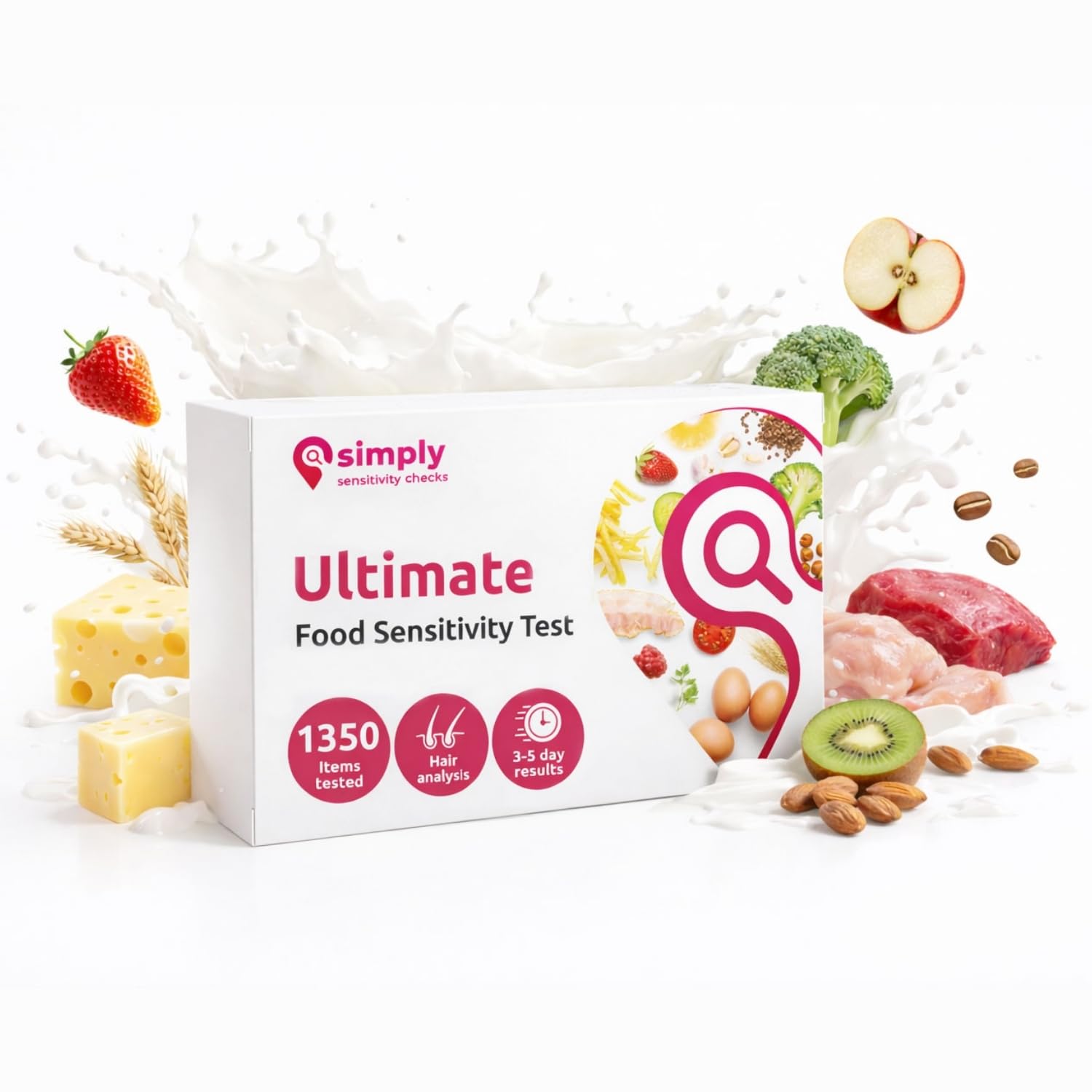
This test kit emphasizes a modern, fully digital user experience alongside an expansive testing panel. After registering your kit online, you can track your sample’s status every step of the way, from mailing to lab processing. The test itself uses hair analysis to screen over 1350 food and non-food items, including additives, vitamins, and minerals, aiming to provide insights into digestion, skin, and energy levels.
Results are promised within 3-5 days of sample receipt and are delivered via email with an easy-to-read reactivity report. The package also includes a 12-step nutrition guide, an elimination diet plan, and discounted access to a meal-planning service. This holistic support structure is designed to help you move from data to action seamlessly.
Customer experiences vary. Many praise the comprehensiveness and accuracy, noting that results confirmed long-suspected triggers. However, several critical reviews highlight inconsistent customer service and occasional delays or lost samples. The digital tracking is a great feature when it works, but reliability seems to be a point of contention for some users.
Why it’s great
- Real-time digital tracking of your sample’s journey.
- Extremely broad panel includes non-food items and nutrients.
- Includes helpful guides and meal-planning service access.
Good to know
- Some reports of inconsistent customer service and lost samples.
- Hair analysis methodology may not be for everyone.
- Turnaround time can be longer than advertised in some cases.
10. Check My Body Health 990 Items Test
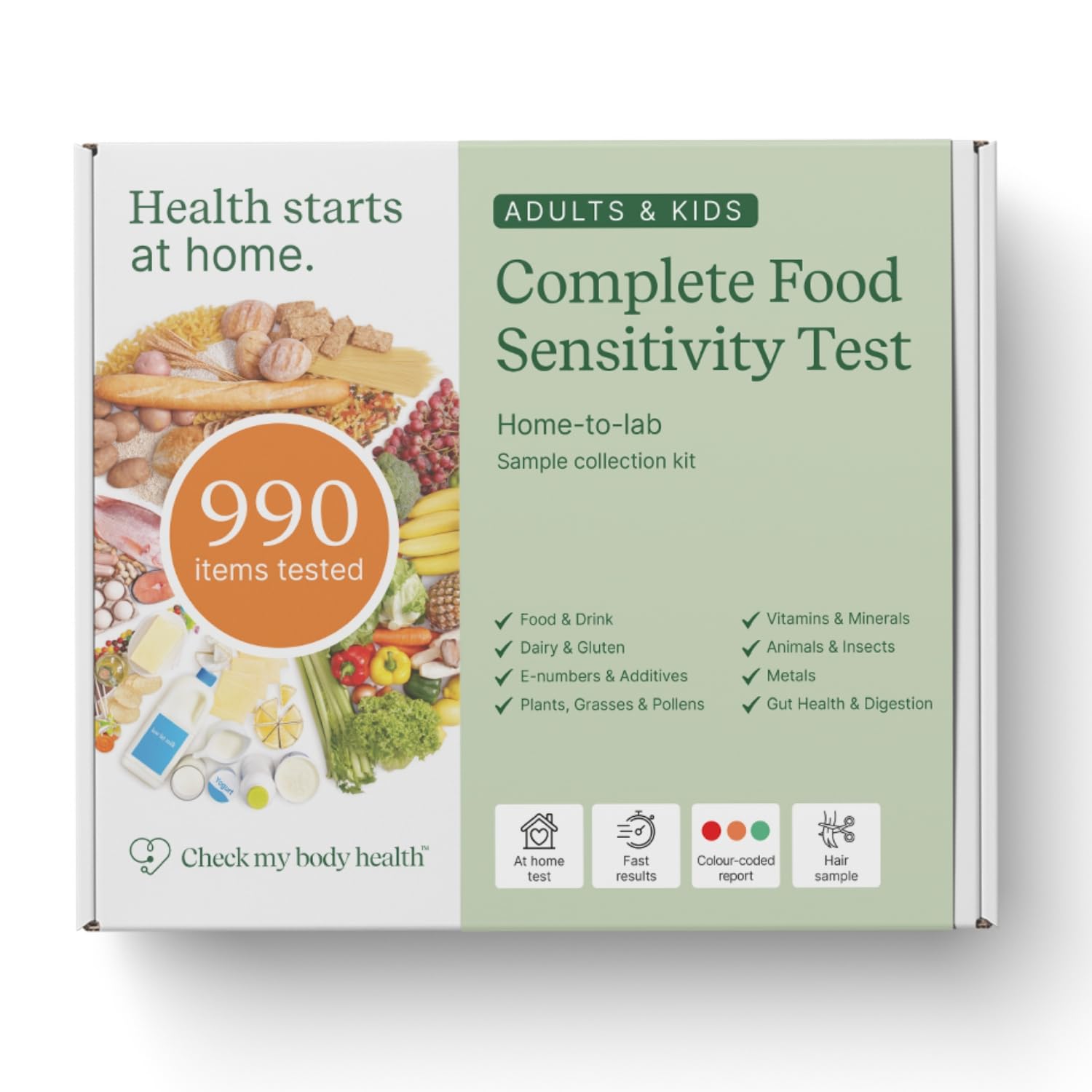
Positioned as a fast and comprehensive intolerance screening tool, this kit tests 990 food, drink, and environmental items using a hair sample. The standout promise is speed: results are typically delivered within 3-5 days of the lab receiving your sample. The process is designed to be entirely non-invasive and discreet—just a few strands of hair mailed in a freepost envelope.
Beyond the report, the kit includes an Elimination Diet Guide and 30-day access to The Meal Planners, a service to help create tailored meal plans. This focus on post-result support is a significant value-add for users who feel overwhelmed by dietary changes. Many reviews from individuals with long-standing, unexplained symptoms express gratitude for finally finding potential answers.
However, skepticism exists. The test is for sensitivities, not allergies, and some users note that known allergies did not show up, which is to be expected but can be confusing. A few reviews also mention concerns about data security and the scientific basis of hair bioresonance testing. It’s a popular choice for a quick, broad look at potential intolerances with helpful follow-up tools.
Why it’s great
- Exceptionally fast turnaround time for results.
- Includes practical meal planning tools and an elimination guide.
- Extremely broad panel covering foods, additives, and environmental items.
Good to know
- Does not test for IgE allergies, only sensitivities.
- Hair analysis science is not widely accepted in mainstream medicine.
- Shipping to the lab may not be included in the initial cost.
11. PRO-LAB DIY Allergen Test Kit
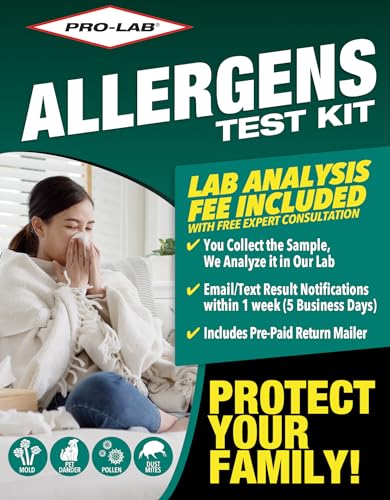
This product serves a completely different purpose: testing your home environment for allergens, not your body. The kit allows you to collect a dust sample from your vacuum cleaner (note: not compatible with bagless Shark vacuums) and send it to an AIHA-accredited lab for analysis of mold, pet dander, pollen, and dust mites. It’s an investigative tool for those whose symptoms seem location-specific.
The process is straightforward, with a pre-paid return envelope included. The detailed lab report will show the detection levels of various environmental allergens, which can be invaluable for deciding on cleaning protocols, air purifiers, or remediation efforts. For allergy sufferers, knowing whether your living room carpet is a major source of dust mites can be a game-changer.
User reviews are mixed. Many find it easy to use and appreciate the objective data about their home. Others feel the results are too generic, simply confirming that allergens exist in homes (which they always do), without providing actionable concentration levels or specific guidance. It’s a useful, entry-level tool for environmental sleuthing, but manage your expectations regarding the depth of insight.
Why it’s great
- Unique focus on identifying allergens in your home environment.
- Analysis performed by an AIHA-accredited laboratory.
- Includes lab fees and return shipping for a simple process.
Good to know
- Does not test your personal allergic responses.
- Results may state the obvious—allergens are present.
- Not compatible with all vacuum cleaner types.
Understanding the Specs
Navigating the technical terms used in allergy and sensitivity testing is crucial for choosing the right product. Here’s what key specifications actually mean for your health journey.
IgE vs. IgG Testing
IgE (Immunoglobulin E) tests are the gold standard for diagnosing true, immediate-onset allergies. They measure antibodies your immune system produces in response to allergens like pollen or peanuts, often causing symptoms like hives or anaphylaxis. Tests measuring IgE are considered clinically valid. IgG (Immunoglobulin G) tests measure a different antibody associated with delayed food sensitivities. The link between IgG levels and symptoms is debated in mainstream medicine, but these tests are popular for investigating chronic issues like bloating or headaches.
Lab Certifications (CLIA & AIHA)
CLIA-certification (Clinical Laboratory Improvement Amendments) is a federal standard for labs that perform human testing. A CLIA-certified lab meets stringent quality controls, ensuring the accuracy and reliability of your blood-based allergy or sensitivity results. AIHA-accreditation (American Industrial Hygiene Association) is a key mark of quality for labs analyzing environmental samples, like the dust test for mold and allergens. It ensures the lab uses validated methods for environmental analysis.
FAQ
What is the difference between a food allergy and a food sensitivity?
Are at-home hair sample tests for food sensitivities accurate?
How soon will I get my test results?
Can I use my HSA or FSA to pay for an at-home allergy test?
What should I do after I get my results?
Final Thoughts: The Verdict
For most people, the best allergy test winner is the Everlywell Food Sensitivity Test because it balances clinical credibility, a comprehensive food panel, and a user-friendly process. If you want a deep, data-rich overview of potential sensitivities without a blood draw, grab the Premium 1250 Item Test. And for clinically-valid confirmation of true environmental or food allergies from home, nothing beats the Inhalant Allergy Test or the Verisana Food Allergy Test.

Mo Maruf
I created WellFizz to bridge the gap between vague wellness advice and actionable solutions. My mission is simple: to decode the research and give you practical tools you can actually use.
Beyond the data, I am a passionate traveler. I believe that stepping away from the screen to explore new environments is essential for mental clarity and physical vitality.