Our readers keep the lights on and my smoothie glass nicely filled. As an Amazon Associate, I earn from qualifying purchases.
Grass pollen season turns a simple walk outside into a relentless battle against sneezing, itchy eyes, and a runny nose. The right antihistamine can shut down that histamine cascade before it ruins your day, letting you enjoy the warmer months without the tissue box as a permanent accessory.
I’m Mohammad Maruf — the founder and writer behind WellFizz. I’ve spent years analyzing consumer health data and OTC medication formulations to understand which active ingredients actually hold up against specific environmental allergens like grass pollen.
Across the board, the most effective options block symptoms for a full 24 hours while keeping you alert and focused. This guide breaks down the top-performing allergy meds for grass pollen so you can pick the one that matches your symptom profile and lifestyle.
How To Choose The Best Allergy Meds For Grass Pollen
Grass pollen grains are small, lightweight, and travel for miles on the wind. Unlike heavy tree pollen, grass pollen tends to peak in late spring through early summer and triggers a distinct set of symptoms — itchy eyes, sneezing fits, and that tickle in the back of the throat that won’t quit. The right medication depends on which of these symptoms dominates your day.
Oral Antihistamines vs. Topical Drops
Oral antihistamines like fexofenadine, loratadine, cetirizine, and levocetirizine circulate systemically to block histamine receptors throughout your body. They work well for sneezing, runny nose, and generalized itching. Topical eye drops containing olopatadine deliver the antihistamine directly to the ocular surface, which means faster relief for itchy, red eyes without the systemic effects. If grass pollen makes your eyes feel like sandpaper, a drop-based product can complement — or even replace — an oral pill.
Non-Drowsy Formulation Is Non-Negotiable for Daytime Use
First-generation antihistamines like diphenhydramine cross the blood-brain barrier and cause significant drowsiness. Second-generation agents — fexofenadine (Allegra), loratadine (Claritin), cetirizine (Zyrtec), and levocetirizine (Xyzal) — are designed to stay in the peripheral nervous system. Among these, fexofenadine and loratadine have the lowest sedation rates. Cetirizine can cause mild drowsiness in some users, while levocetirizine sits in the middle. If you need to drive, operate machinery, or stay sharp in meetings, prioritize fexofenadine or loratadine.
Dosing Frequency and Duration
All four second-generation oral antihistamines offer 24-hour dosing, which means one pill covers the entire day. The key difference is how quickly each drug reaches peak concentration. Levocetirizine starts working in about 45 minutes — the fastest onset — while fexofenadine and cetirizine take roughly one hour. Loratadine is slightly slower, often requiring 90 minutes to two hours. For sudden grass pollen exposure, a faster-acting option may be preferable.
Quick Comparison
On smaller screens, swipe sideways to see the full table.
| Model | Category | Best For | Key Spec | Amazon |
|---|---|---|---|---|
| Allegra 24-Hour Allergy Relief | Oral Antihistamine | Non-drowsy daytime use | Fexofenadine HCl 180 mg | Amazon |
| Xyzal 24 Hour Allergy Relief | Oral Antihistamine | Quick onset + 24-hour coverage | Levocetirizine 5 mg | Amazon |
| Claritin 24 Hour Allergy Medicine | Oral Antihistamine | Gentle, low-sedation option | Loratadine 10 mg | Amazon |
| Zyrtec 24 Hour Allergy Medicine | Oral Antihistamine | Prescription-strength for stubborn symptoms | Cetirizine HCl 10 mg | Amazon |
| Glenmark Olopatadine Eye Drops | Topical Eye Drops | Targeted eye itch relief | Olopatadine HCl 0.2% | Amazon |
In‑Depth Reviews
1. Allegra Adult 24-Hour Allergy Relief
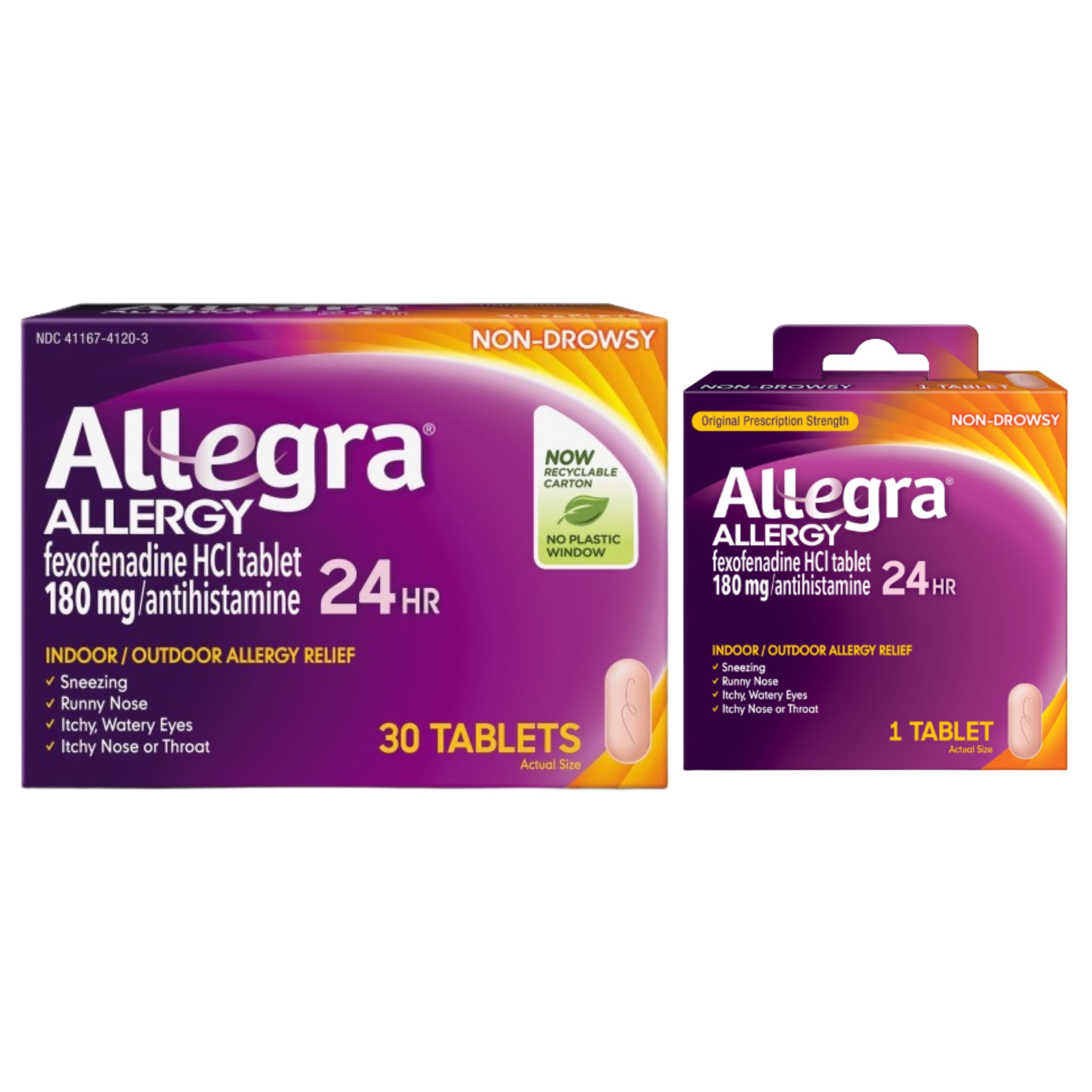
Allegra’s 180 mg fexofenadine tablet is the gold standard for daytime grass pollen relief because it has the lowest drowsiness profile of any major OTC antihistamine. Clinical data consistently shows fexofenadine does not cross the blood-brain barrier in significant amounts, which means zero brain interference — you stay sharp through afternoon meetings or long drives. Users report symptom relief within one hour, and the 24-hour coverage holds steady from morning to morning.
Grass pollen triggers both nasal congestion and itchy eyes for many people. Allegra handles the sneezing, runny nose, and throat tickle, but because it’s a second-generation antihistamine with a clean safety record, you can pair it with topical olopatadine drops if ocular itching becomes your primary complaint. The bonus travel pack included in this SKU makes it easy to keep a dose in your bag for unexpected pollen spikes.
Reviewers consistently note that the tablets are easy on the stomach — unlike some gel-cap formulations that can cause nausea. The 30-count bottle plus a single travel tablet gives you a full month of coverage, which aligns perfectly with the peak grass pollen season in most regions. If you want one pill that covers every grass pollen symptom without putting you to sleep, this is the one.
Why it’s great
- 0% brain interference — truly non-drowsy for all-day focus
- Works in about one hour with steady 24-hour coverage
- Bonus travel pack for on-the-go pollen exposure
Good to know
- Does not relieve eye-specific itching as fast as topical drops
- Some users prefer cetirizine for more intense nasal congestion
2. Xyzal 24 Hour Allergy Relief
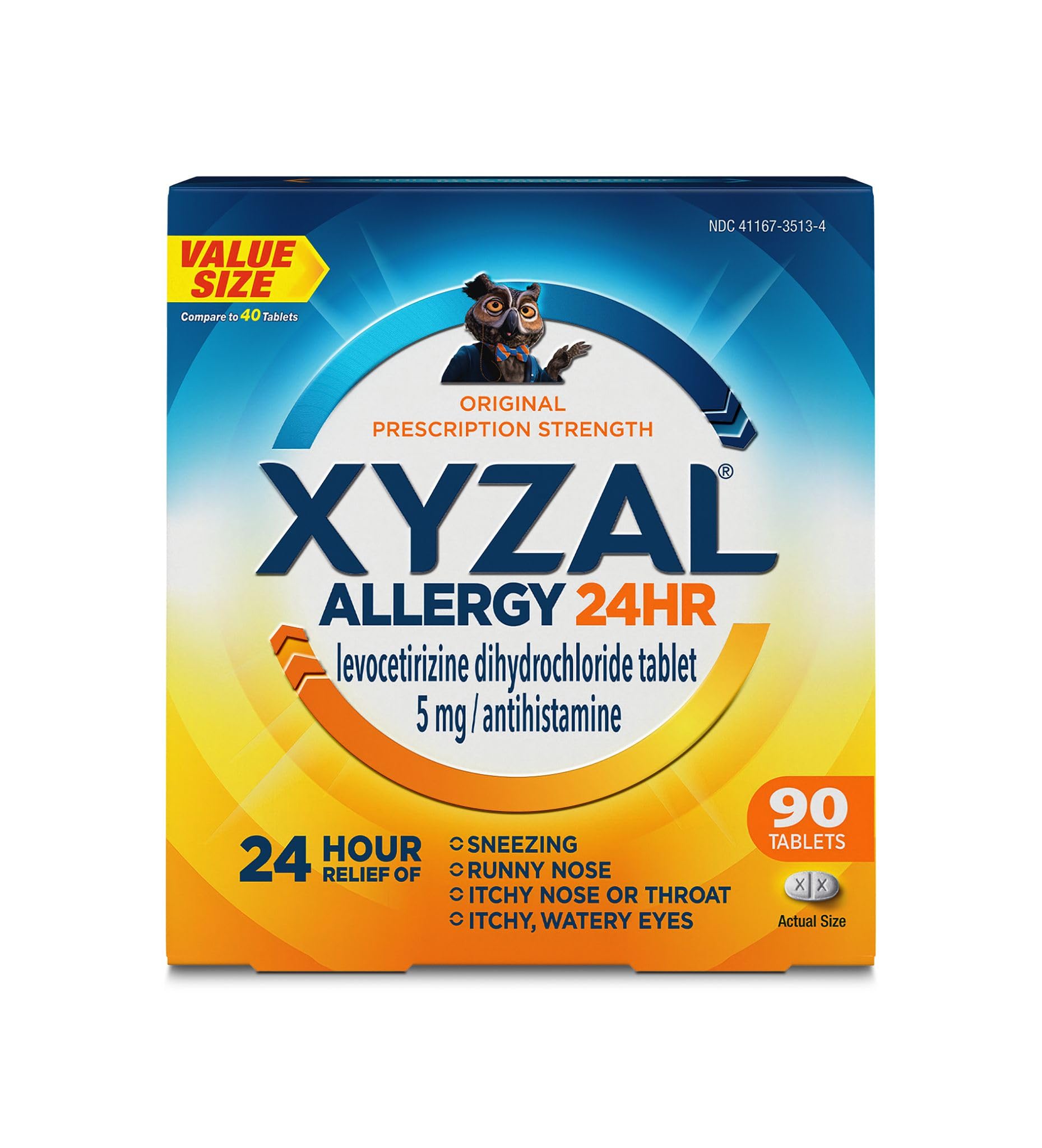
Xyzal’s active ingredient, levocetirizine, is the newer, more targeted version of cetirizine. It binds to histamine H1 receptors with higher affinity and starts working in about 45 minutes — the fastest onset among the oral antihistamines on this list. For grass pollen exposure during midday, that speed advantage means symptoms begin fading before you even finish your lunch, rather than lingering for a full hour or more.
The 90-count bottle provides three months of daily use, making it a practical choice for anyone who deals with a long grass pollen season rather than just a few peak weeks. Users with severe seasonal allergies report that Xyzal maintains its effectiveness at hour 24 just as well as at hour one, which is a significant edge over some generics that fade in the final hours of the dosing window. The small, tasteless tablet is easy to swallow even without water.
Some users note that levocetirizine can cause mild drowsiness, though at a lower rate than cetirizine from Zyrtec. If you are prone to sedation from antihistamines, test this one on a weekend before relying on it for a workday. Many reviewers with cat and dog allergies also find it effective, which is useful if grass pollen season overlaps with indoor pet allergen exposure.
Why it’s great
- Fastest onset at 45 minutes for rapid grass pollen symptom relief
- 90-count bottle covers an entire season of daily use
- Effectiveness holds steady for the full 24-hour window
Good to know
- Mild drowsiness possible in sensitive individuals
- May be overkill for mild or intermittent grass pollen symptoms
3. Claritin 24 Hour Allergy Medicine

Claritin’s 10 mg loratadine tablet is the go-to option for people who are sensitive to antihistamine side effects. Loratadine has one of the lowest sedation rates among second-generation antihistamines, even lower than cetirizine and levocetirizine. For grass pollen sufferers who experience only moderate symptoms — occasional sneezing, mild nasal congestion, a scratchy throat — Claritin provides reliable 24-hour coverage without the grogginess that can sneak up with other active ingredients.
The 70-count bottle gives you over two months of daily protection, which covers the bulk of the grass pollen season in most temperate climates. Reviewers consistently mention that the tablets are tiny and easy to swallow, a small but meaningful detail when you’re taking one every morning. Many users with year-round allergies use Claritin as their baseline medication and layer in other treatments only during peak pollen weeks.
One limitation is that loratadine takes slightly longer to reach peak effectiveness — roughly 90 minutes to two hours. If you wake up already sneezing from morning grass pollen, you may not feel relief as quickly as you would with levocetirizine or cetirizine. Taking it consistently at the same time each day solves this problem, since the drug maintains steady-state levels in your system.
Why it’s great
- Extremely low sedation rate — ideal for sensitive individuals
- 70-count bottle offers excellent value for daily use
- Tiny, easy-to-swallow tablets with no aftertaste
Good to know
- Slower onset at 1.5–2 hours compared to other options
- May not be strong enough for severe grass pollen symptoms
4. Zyrtec 24 Hour Allergy Medicine
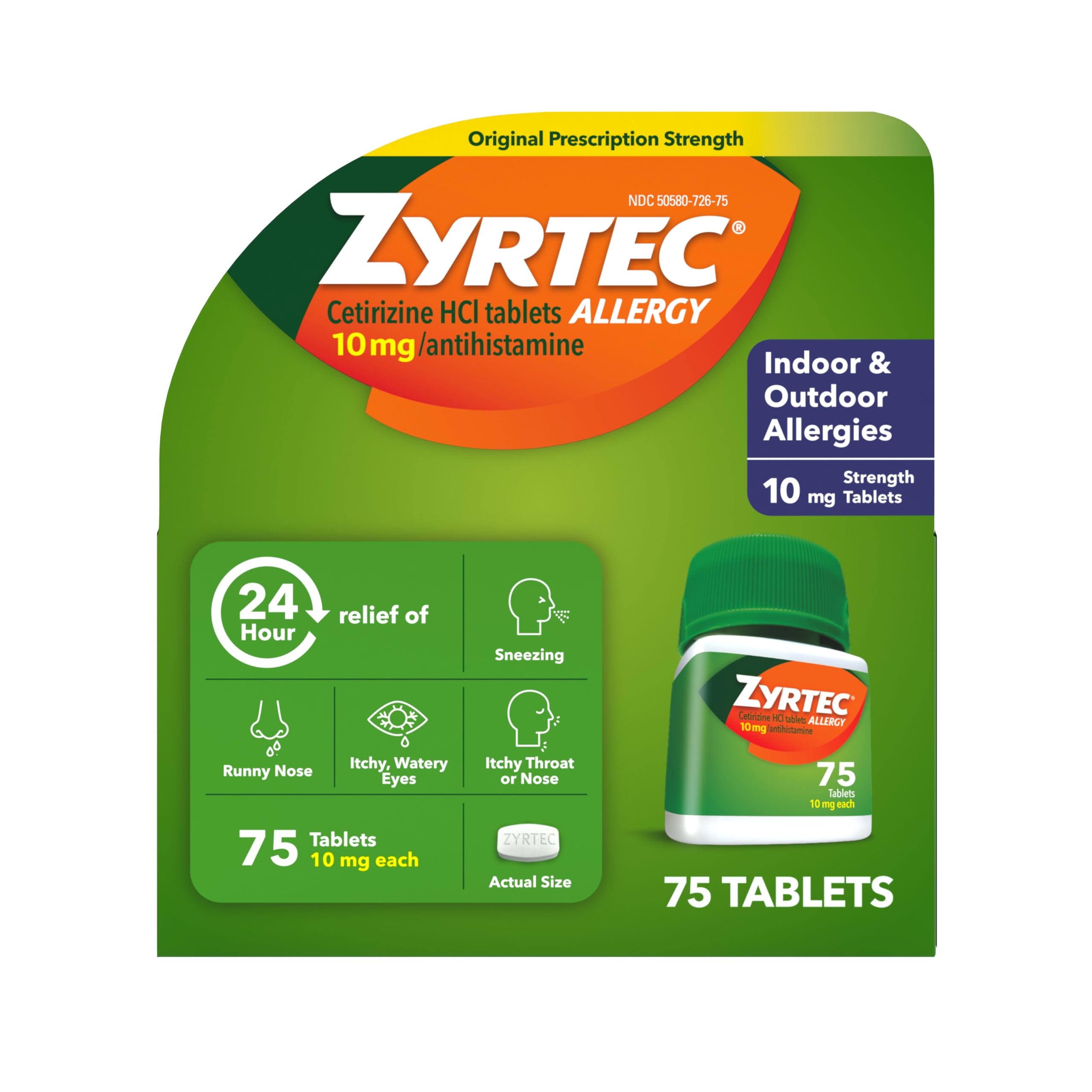
Zyrtec’s 10 mg cetirizine tablet is the most potent OTC antihistamine available without a prescription. For grass pollen sufferers who deal with heavy nasal congestion, relentless sneezing, and eyes that feel swollen shut, cetirizine provides the strongest histamine blockade among the second-generation options. The trade-off is that cetirizine is more likely to cause drowsiness — some users find it sedating, especially when taken during the day.
The 75-count bottle covers 75 days of once-daily dosing, making it a practical choice for the full grass pollen season and beyond. Zyrtec starts working within one hour, and its peak plasma concentration is higher than fexofenadine or loratadine, which translates to more aggressive symptom suppression. This is the option that allergy specialists often reach for when patients report that Claritin or Allegra “just doesn’t cut it” during peak grass pollen weeks.
Many reviewers take Zyrtec at night to sleep through the sedation window and wake up with 24 hours of symptom control ahead of them. If you take it in the morning, test your tolerance before a day that requires sharp mental clarity. The tablets are tasteless and easy to swallow, and the brand is the #1 allergist-recommended OTC oral antihistamine, which carries weight when choosing a medication you’ll rely on daily.
Why it’s great
- Strongest histamine blockade for severe grass pollen symptoms
- 75-count supply lasts 2.5 months of daily coverage
- #1 allergist-recommended OTC oral antihistamine brand
Good to know
- Can cause significant drowsiness in some users
- Better suited for nighttime dosing if sedation is a concern
5. Glenmark Olopatadine Eye Drops
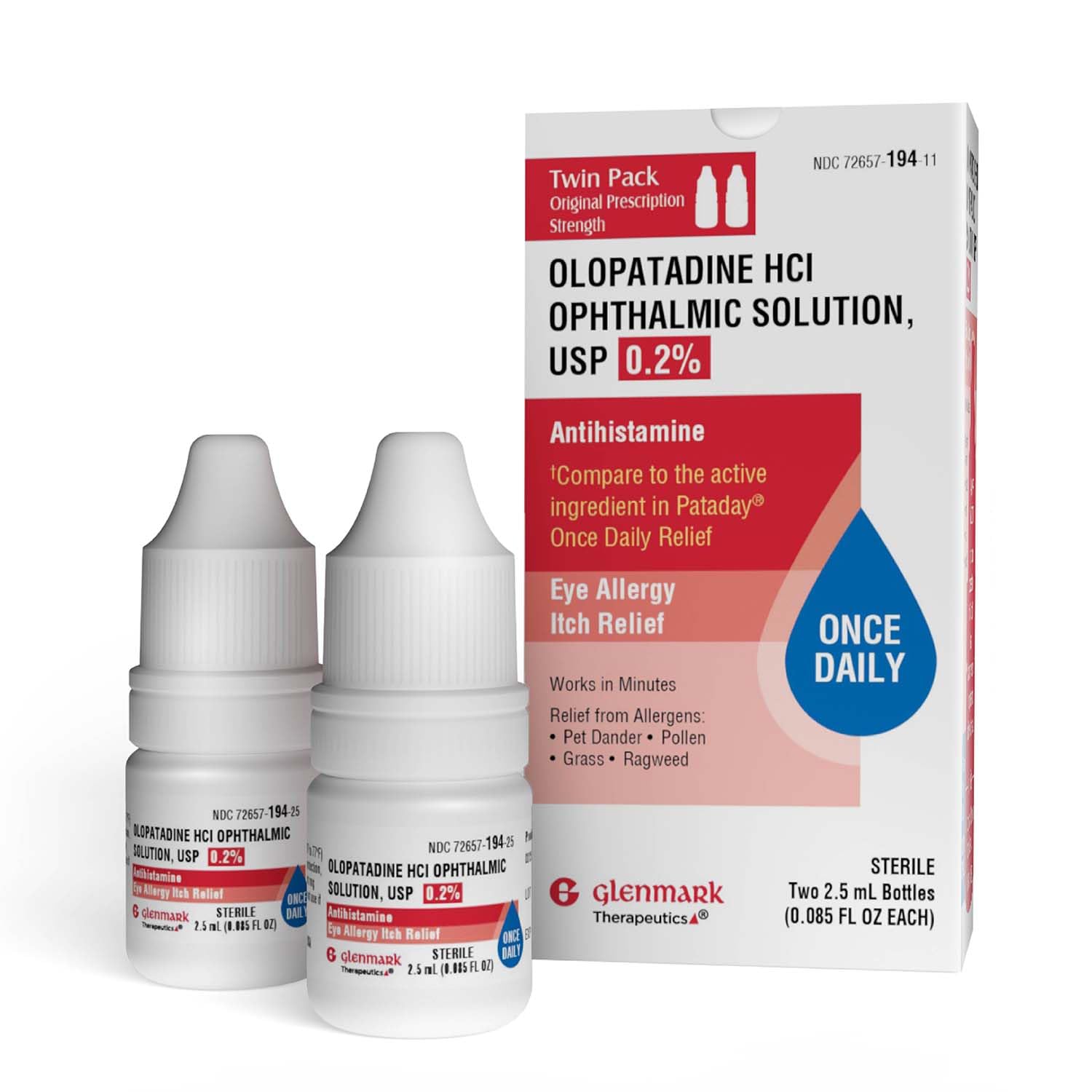
Grass pollen has a way of making eyes feel like they are filled with sand — red, itchy, and watery to the point where rubbing only makes things worse. Glenmark’s olopatadine 0.2% eye drops deliver the same active ingredient found in Pataday, the leading prescription-strength eye allergy drop, at a fraction of the cost. The twin-pack gives you two 2.5 ml bottles, each providing a 30-day supply when used once daily per label instructions.
Olopatadine works by blocking histamine receptors directly in the ocular tissue, which means relief begins within minutes of application. For grass pollen sufferers whose primary symptom is ocular itching rather than nasal congestion, these drops can replace or reduce the need for oral antihistamines. The 0.2% concentration was previously available only by prescription, so you get the same potency without the doctor visit.
Reviewers praise the drops for their soothing feel — no burning or stinging upon application, which is common with older generation eye allergy drops. The small bottle design can be tricky to handle for people with larger hands, but the precision tip makes it easy to administer a single drop without waste. If your grass pollen misery centers on your eyes, this is the most direct solution available over the counter.
Why it’s great
- Original prescription-strength olopatadine at a budget-conscious price
- Relieves eye itch within minutes of application
- Non-burning, non-stinging formula for sensitive eyes
Good to know
- Small bottles can be difficult to handle for some users
- Does not address nasal or throat symptoms from grass pollen
FAQ
What is the best time of day to take allergy meds for grass pollen?
Can I take oral antihistamines and eye drops together for grass pollen?
How long does grass pollen season last and when should I start taking medication?
Final Thoughts: The Verdict
For most users, the allergy meds for grass pollen winner is the Allegra Adult 24-Hour Allergy Relief because fexofenadine delivers exceptional non-drowsy symptom control that holds up all day without putting you to sleep. If you need the fastest possible onset and a three-month supply in one bottle, grab the Xyzal 24 Hour Allergy Relief. And for those whose primary grass pollen battle is ocular itching, nothing beats the targeted relief of Glenmark Olopatadine Eye Drops.

Mo Maruf
I created WellFizz to bridge the gap between vague wellness advice and actionable solutions. My mission is simple: to decode the research and give you practical tools you can actually use.
Beyond the data, I am a passionate traveler. I believe that stepping away from the screen to explore new environments is essential for mental clarity and physical vitality.