Our readers keep the lights on and my smoothie glass nicely filled. As an Amazon Associate, I earn from qualifying purchases.
Mold spores trigger a unique inflammatory cascade — congestion, sneezing, itchy eyes, and that unshakable sinus pressure — that standard pollen remedies often fail to quiet. The right antihistamine formulation makes the difference between suffering through another damp season and breathing clearly indoors.
I’m Mohammad Maruf — the founder and writer behind WellFizz. Over years of analyzing OTC allergy medications, I’ve tracked ingredient efficacy data, onset-of-action timing, and patient-reported outcomes to identify which formulations actually suppress the histamine response triggered by mold mycotoxins and spores.
Whether you live in a humid climate, own a basement, or are dealing with water damage, choosing the right medicine matters. This guide breaks down the top performers to help you find the best allergy medicine for mold allergy symptoms that disrupt your daily life.
How To Choose The Best Allergy Medicine For Mold Allergy
Mold allergy symptoms stem from inhaling airborne fungal spores that trigger histamine release. Unlike seasonal pollen allergies, mold exposure can be year-round indoors. Your choice of antihistamine hinges on three factors: speed of onset, duration of action, and sedation profile.
Match the Active Ingredient to Your Symptom Pattern
Cetirizine (Zyrtec) and fexofenadine (Allegra) are second-generation antihistamines that block histamine H1 receptors without crossing the blood-brain barrier easily. Cetirizine acts faster — noticeable relief in under an hour — but causes mild drowsiness in some users. Fexofenadine takes about one hour but is truly non-drowsy for most people. Loratadine (Claritin) is the gentlest but also the slowest to reach peak effect.
Consider the Duration of Daily Exposure
If you live in a mold-prone environment 24/7, choose a once-daily 24-hour formula. For occasional exposure — cleaning a damp basement or visiting a musty building — a fast-acting short-duration option like diphenhydramine (Benadryl) can work, but its sedating effect limits daytime use.
Dye-Free and Excipient Sensitivity
Some individuals react to artificial dyes and fillers common in OTC tablets. Dye-free formulations reduce the risk of additional sensitivity, especially important for those already managing a reactive immune system from mold exposure.
Quick Comparison
On smaller screens, swipe sideways to see the full table.
| Model | Category | Best For | Key Spec | Amazon |
|---|---|---|---|---|
| Zyrtec 24 Hour 75 ct | Premium Brand | Fast-acting daily protection | Cetirizine HCl 10 mg per tablet | Amazon |
| Allegra 180 mg 110 ct | Premium Brand | Non-drowsy 24-hour coverage | Fexofenadine HCl 180 mg per tablet | Amazon |
| HealthA2Z Cetirizine 500 ct | Mid-Range Value | Budget-friendly daily supply | Cetirizine HCl 10 mg, dye-free | Amazon |
| GoodSense Loratadine 365 ct | Mid-Range Generic | Gentle symptom maintenance | Loratadine 10 mg per tablet | Amazon |
| Benadryl 25 mg 100 ct | Entry-Level | Acute symptom attack relief | Diphenhydramine HCl 25 mg per tablet | Amazon |
In‑Depth Reviews
1. Zyrtec 24 Hour Allergy Medicine Tablets 75 ct
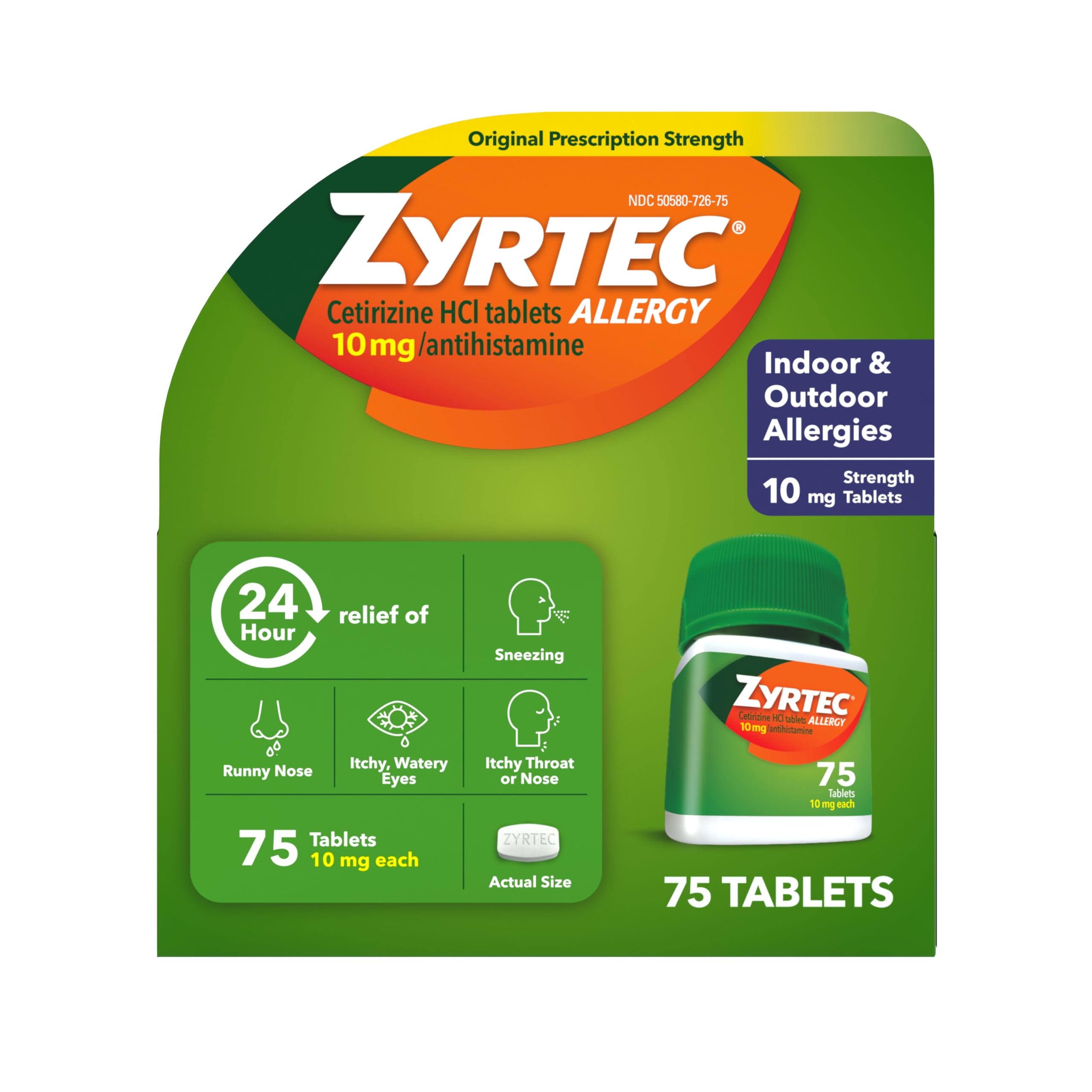
Zyrtec delivers the fastest onset among the non-drowsy options — cetirizine reaches peak plasma concentration in about an hour. For mold allergy sufferers waking up congested, this speed translates to quicker relief from that morning sinus pressure and post-nasal drip.
Each tablet holds 10 mg of cetirizine HCl, the same active ingredient found in the prescription-strength version. Customer reports consistently mention that missed doses lead to a rapid return of sneezing and runny nose, confirming the drug’s reliable 24-hour blockade of histamine.
The 75-count bottle provides over two months of once-daily dosing. While a small percentage of users report mild drowsiness, the trade-off for fast, consistent mold-symptom suppression makes this a top-tier choice for daily use.
Why it’s great
- Fastest onset among second-gen antihistamines at about 1 hour
- Reliable 24-hour coverage for consistent daily protection
- Effective against both indoor mold and outdoor pollen triggers
Good to know
- May cause mild drowsiness in sensitive individuals
- Higher price point per tablet than generic cetirizine
2. Allegra 24 Hour Allergy Relief 180 mg 110 ct

Allegra uses fexofenadine at 180 mg, the highest available dose in a single OTC tablet. This formulation is ideal for mold allergy patients who need 24-hour relief without any sedating effect — fexofenadine has the lowest brain penetration of any second-generation antihistamine.
This two-pack delivers 110 total tablets, a substantial supply for an entire allergy season or year-round indoor mold exposure. Users report consistent symptom control for sneezing, itchy eyes, and throat irritation, with the added benefit of zero drowsiness during work or driving.
The trade-off is a slightly slower onset — about one hour — compared to cetirizine. For acute mold exposure (entering a damp space), pairing Allegra with a fast-acting rescue medication may be necessary. However, for steady daily defense, fexofenadine excels.
Why it’s great
- Truly non-drowsy — minimal brain penetration
- High 180 mg dose provides robust 24-hour coverage
- Two-pack offers excellent supply for seasonal use
Good to know
- Slower onset compared to cetirizine-based medicines
- Premium price point versus generic alternatives
3. HealthA2Z Allergy Relief Cetirizine 10 mg 500 ct
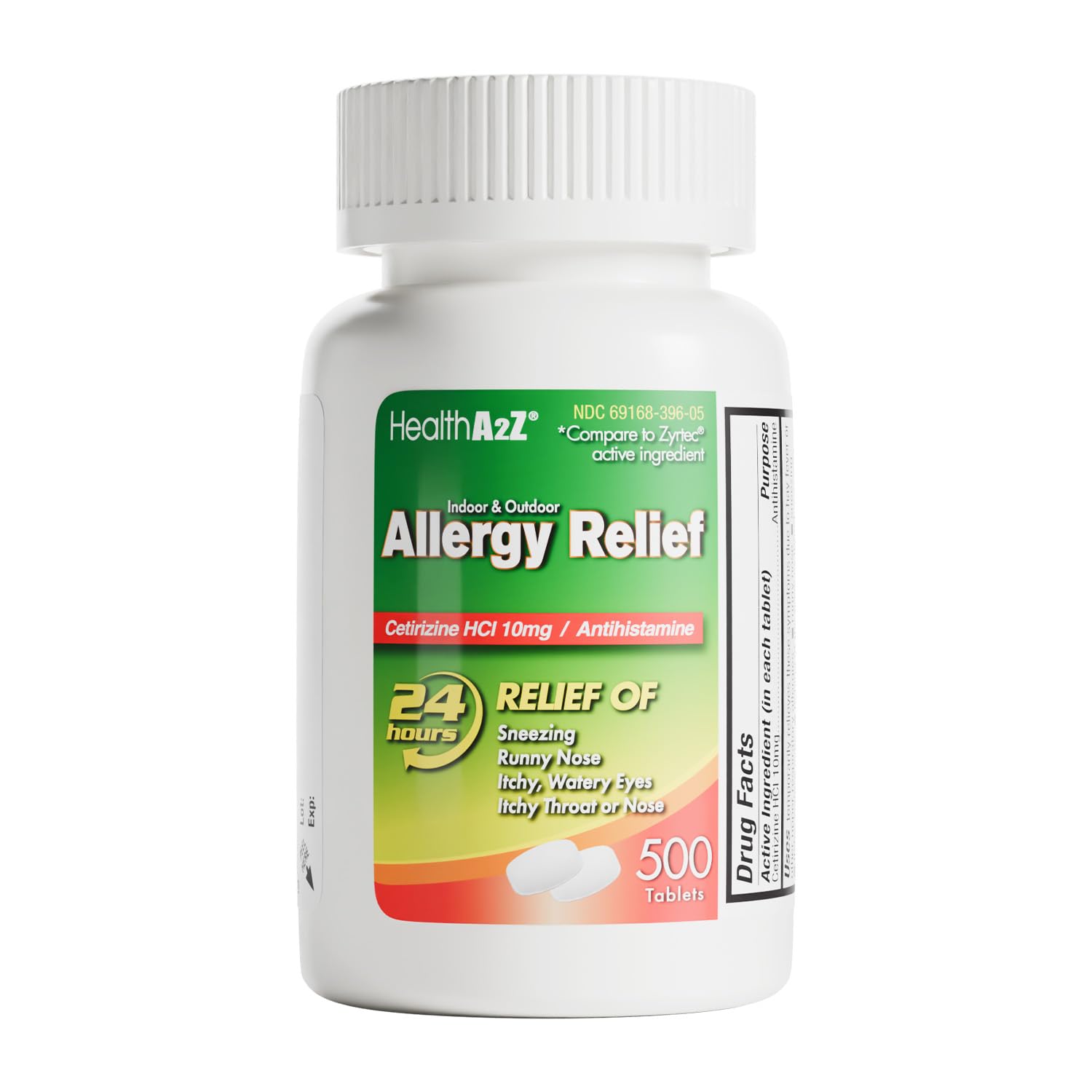
HealthA2Z matches the exact active ingredient of Zyrtec — cetirizine HCl 10 mg — at a fraction of the per-tablet cost. The dye-free formulation eliminates artificial colors, a significant advantage for mold allergy patients who may also have chemical sensitivities or excipient reactions.
With 500 tablets in one bottle, this is the most economical choice for families or individuals requiring daily year-round coverage. Customer reviews from humid southern states confirm that this generic performs identically to the brand-name version for controlling mold-triggered symptoms like sneezing and runny nose.
The only drawback is the packaging — a bulk bottle that may not be convenient for travel. However, for home use, the value is unmatched. Each tablet is coated and easy to swallow, with no aftertaste or chalkiness.
Why it’s great
- Same active ingredient as Zyrtec at significantly lower cost
- Dye-free formula reduces risk of additional sensitivities
- Massive 500-count supply lasts over 16 months
Good to know
- Bulk bottle is not travel-friendly for daily carry
- Newer product with fewer long-term customer reviews
4. GoodSense Allergy Relief Loratadine 10 mg 365 ct
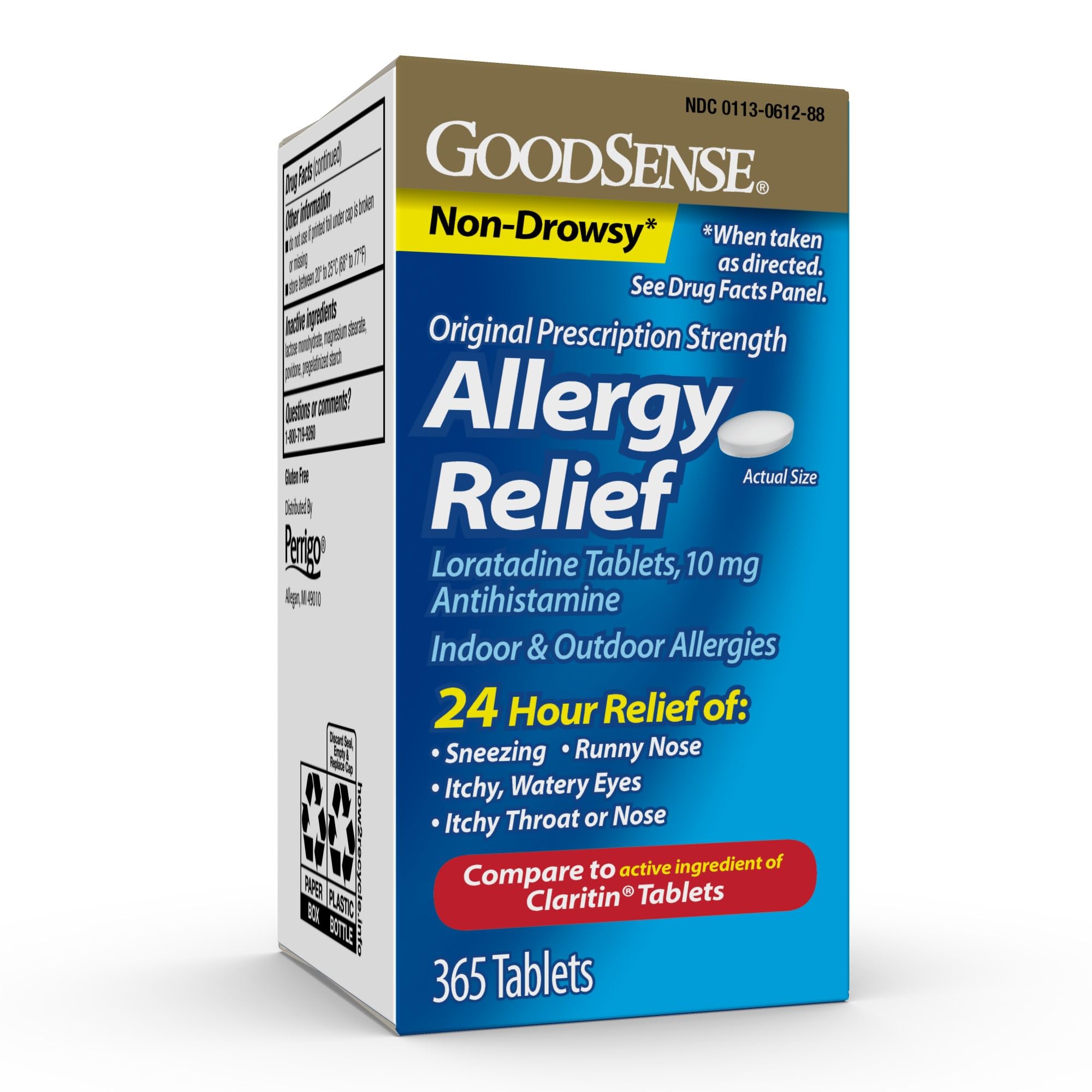
GoodSense Loratadine is the gentlest second-generation antihistamine on this list. Loratadine 10 mg has the lowest sedation potential and is well-tolerated by children, elderly individuals, and those who react poorly to cetirizine or fexofenadine.
This 365-count bottle provides a full year of once-daily dosing at an entry-level price. However, loratadine takes 1-3 hours to reach full effect and is less potent than cetirizine for severe mold allergy symptoms. Users with mild to moderate sensitivity find it sufficient for daily maintenance.
Customer reviews highlight its effectiveness against dust and pollen but note that loratadine is not the best choice for sudden mold exposure or acute attacks. The drug’s slow onset means it works best when taken consistently rather than as-needed.
Why it’s great
- Lowest sedation risk — ideal for sensitive users
- 365-count supply covers a full year of daily use
- Proven track record with years of positive customer feedback
Good to know
- Slow onset — 1 to 3 hours to reach full effectiveness
- Weaker than cetirizine for severe mold allergy attacks
5. Benadryl Allergy Ultratablets 25 mg 100 ct
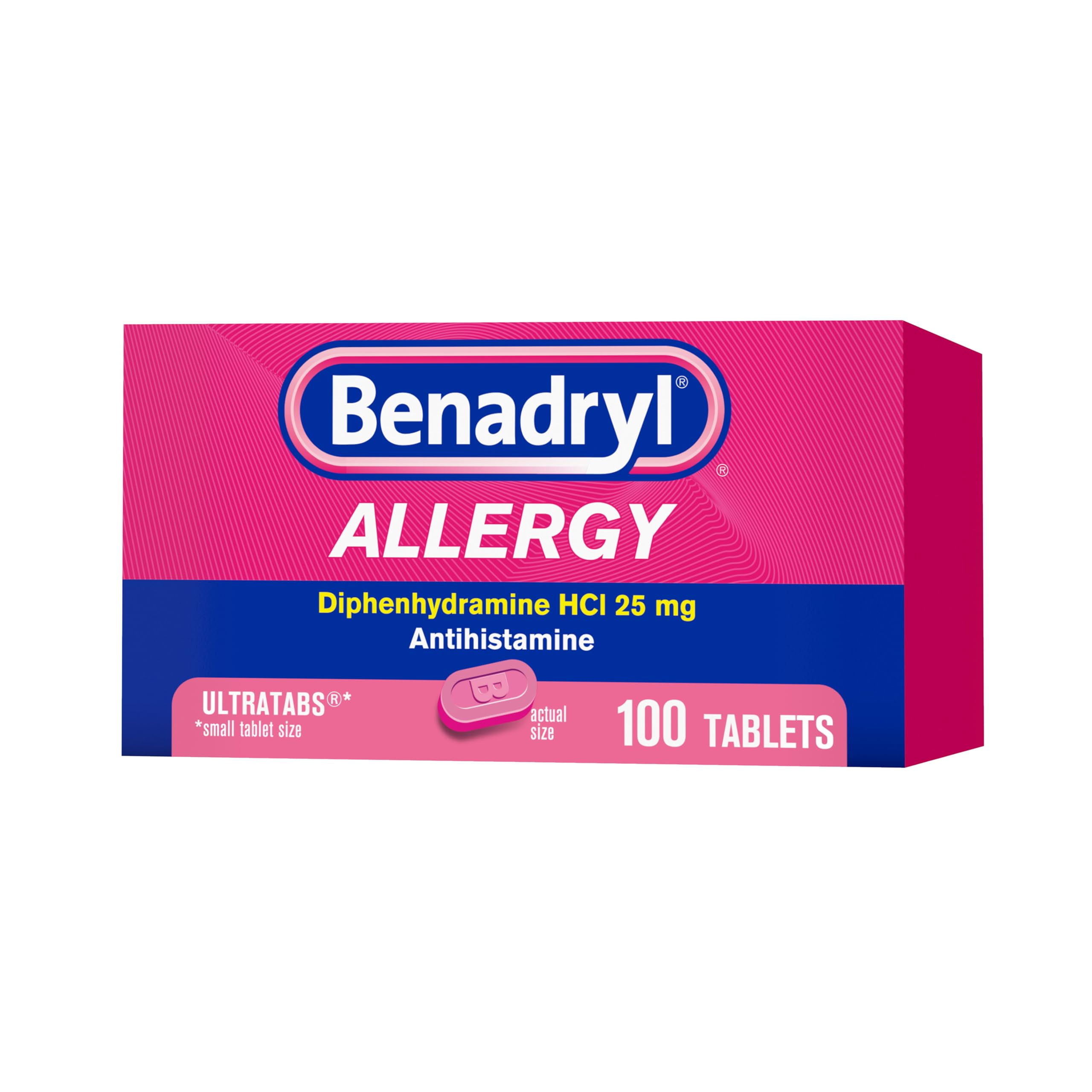
Benadryl contains diphenhydramine, a first-generation antihistamine that crosses the blood-brain barrier to produce rapid relief — within 15 to 30 minutes. For a sudden mold allergy attack with severe sneezing, runny nose, and itchy eyes, this is the fastest rescue option available OTC.
The 25 mg tablet is suitable for adults and children aged 6 and older. However, the sedating effect is pronounced — users should not drive or operate heavy machinery after taking diphenhydramine. Many customers use it at bedtime to suppress nighttime symptoms and improve sleep quality.
This 100-count bottle is a practical addition to any medicine cabinet for acute flare-ups. It is not recommended for daily use due to tolerance development and anticholinergic side effects with prolonged consumption. Use only when symptoms spike unexpectedly.
Why it’s great
- Fastest onset — noticeable relief in under 30 minutes
- Ideal for acute mold exposure or sudden symptom attacks
- Doctor-recommended brand with decades of proven efficacy
Good to know
- Significant drowsiness limits daytime use
- Not suitable for daily long-term maintenance therapy
FAQ
Can I take allergy medicine daily for mold exposure?
What is the fastest allergy medicine for mold allergy symptoms?
Does loratadine work well against mold allergies?
Should I choose fexofenadine or cetirizine for mold?
Final Thoughts: The Verdict
For most users, the best allergy medicine for mold allergy winner is the Zyrtec 24 Hour 75 ct because it combines the fastest onset among non-drowsy options with reliable 24-hour coverage for daily mold exposure. If you want truly zero sedation, grab the Allegra 180 mg 110 ct. And for budget-conscious families needing bulk daily supply, nothing beats the HealthA2Z Cetirizine 500 ct.

Mo Maruf
I created WellFizz to bridge the gap between vague wellness advice and actionable solutions. My mission is simple: to decode the research and give you practical tools you can actually use.
Beyond the data, I am a passionate traveler. I believe that stepping away from the screen to explore new environments is essential for mental clarity and physical vitality.