Our readers keep the lights on and my smoothie glass nicely filled. As an Amazon Associate, I earn from qualifying purchases.
When the leaves turn and the air cools, ragweed, mold spores, and dust mites surge, turning your sinuses into a battlefield. Choosing the wrong antihistamine or relying solely on a quick-fix pill can leave you drowsy, congested, or needing multiple doses before the first frost even arrives.
I’m Mohammad Maruf — the founder and writer behind WellFizz. I’ve spent years analyzing clinical data, consumer reports, and ingredient profiles to separate seasonal allergy myths from real, measurable symptom control.
After comparing active ingredients, onset times, dosing windows, and side-effect profiles across five leading options, this guide delivers a decisive verdict on the allergy medicine for fall allergies that balances efficacy with your daily routine.
How To Choose The Best Allergy Medicine For Fall Allergies
Fall allergies are dominated by ragweed pollen, outdoor mold, and house dust mites stirred up by closed windows and heating systems. A single approach rarely covers all three triggers, so matching the medicine to your dominant symptom cluster is the first step toward real relief.
Identify your primary symptom target
If sneezing, runny nose, and itchy eyes are your main complaints, a second-generation oral antihistamine like loratadine or fexofenadine works without sedation. If nasal congestion and sinus pressure are the bigger issue, a corticosteroid nasal spray like fluticasone propionate targets inflammation directly at the source, often with more precision than a pill.
Consider onset speed and dosing schedule
Some formulas begin working within an hour, while others require three to five days of consistent use for full effect. A fast-acting antihistamine is ideal for breakthrough symptoms, but a delayed-action nasal spray offers steadier, round-the-clock control once it builds up in your system. Choose based on whether you need immediate rescue or proactive daily coverage.
Weigh the drowsiness factor
First-generation antihistamines like diphenhydramine cross the blood-brain barrier and cause significant drowsiness, making them better suited for nighttime use or acute allergic reactions. For daytime productivity during fall work and school, stick with non-drowsy second-generation options or homeopathic blends that avoid sedative side effects entirely.
Quick Comparison
On smaller screens, swipe sideways to see the full table.
| Model | Category | Best For | Key Spec | Amazon |
|---|---|---|---|---|
| Flonase Allergy Relief Nasal Spray | Nasal Corticosteroid | Daily congestion & sinus pressure control | 50 mcg fluticasone per spray | Amazon |
| Claritin 24 Hour Allergy Medicine | 2nd-Gen Antihistamine | Over 24-hour non-drowsy relief | 10 mg loratadine per tablet | Amazon |
| Allegra Adult 24HR Antihistamine | 2nd-Gen Antihistamine | Fast-acting one-hour symptom relief | 180 mg fexofenadine per tablet | Amazon |
| Benadryl Allergy Relief 25 mg | 1st-Gen Antihistamine | Acute reactions & nighttime use | 25 mg diphenhydramine per tablet | Amazon |
| MediNatura BHI Allergy Relief | Homeopathic | Natural multi-symptom management | 15 active ingredients blend | Amazon |
In‑Depth Reviews
1. Flonase Allergy Relief Nasal Spray
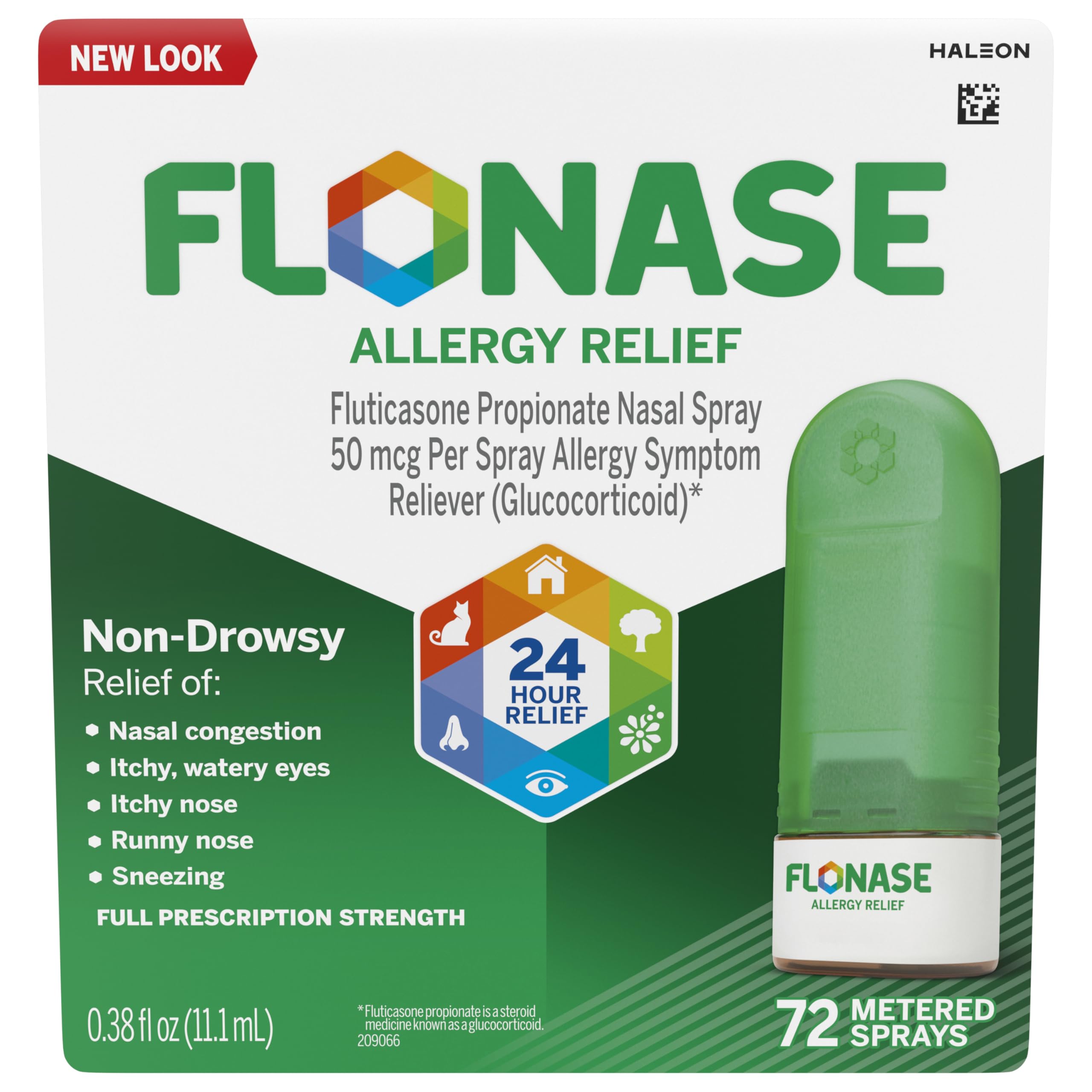
Flonase uses fluticasone propionate, a corticosteroid that blocks the inflammatory cascade at the nasal tissue level rather than just blocking histamine receptors. This makes it especially effective for fall congestion and sinus pressure that oral antihistamines often leave untouched. Users consistently report that symptoms like post-nasal drip and forehead pressure diminish after just two to three days of consistent use.
The metered pump delivers exactly 50 mcg per spray, and the recommended one to two sprays per nostril daily provides steady, non-drowsy relief across a full 24-hour window. Unlike some nasal sprays that cause immediate irritation, Flonase has a mild lilac scent and no stinging sensation, which improves compliance during the six- to eight-week fall allergy season.
Clinical feedback from reviewers confirms that using the spray before bed helps hold pollen reactions at bay through the next day. The primary trade-off is nasal dryness in some users, which can occasionally lead to slight nosebleeds if used continuously for months without a break.
Why it’s great
- Targets congestion and sinus pressure directly at the source
- Once-daily dosing with no drowsiness
- Effectiveness does not fade with continued seasonal use
Good to know
- Requires 2-3 days of consistent use for full effect
- Nasal dryness or minor bleeding reported with prolonged daily use
2. Claritin 24 Hour Allergy Medicine

Claritin’s active ingredient loratadine is a second-generation antihistamine that blocks peripheral H1 receptors without crossing the blood-brain barrier, making it one of the most reliable non-drowsy options for daytime fall allergy control. The 10 mg tablet provides 24-hour coverage against ragweed, dust mite, and mold triggers, and it is safe for adults and children aged six and up.
Users taking Claritin daily report consistent suppression of sneezing, runny nose, and itchy eyes, and many note that switching from a first-generation antihistamine eliminated afternoon drowsiness. The tablets are small and easy to swallow, and the 70-count bottle covers over two months of once-daily dosing — a practical advantage for the entire fall season.
Reviewers who previously relied on other brands noted that Claritin’s price reflects its reputation for reliable, consistent performance. While it does not offer the fastest onset — typically starting within one to three hours — its 24-hour duration and minimal side-effect profile make it the go-to choice for family households managing multiple allergy sufferers.
Why it’s great
- Proven non-drowsy formula suitable for children 6+
- Single 10 mg tablet covers a full 24 hours
- Large 70-count bottle lasts the entire fall season
Good to know
- Onset may take 1-3 hours, not instant
- Less effective on severe nasal congestion compared to nasal sprays
3. Allegra Adult 24HR Antihistamine

Allegra contains fexofenadine, a second-generation antihistamine with a unique advantage: it starts working within one hour, making it the fastest oral option among non-drowsy antihistamines. The 180 mg tablet delivers a full day of relief from sneezing, runny nose, itchy eyes, and throat irritation, and it is particularly effective for those who experience breakthrough symptoms during peak ragweed hours in the morning.
Users consistently mention the convenience of a single daily tablet that requires no food or water restrictions, and the non-drowsy profile allows for continued focus during work or school. The 30-count bottle aligns neatly with a month of daily use, making it easy to stock for the core six-week fall allergy window with a second refill on hand.
Feedback also highlights Allegra’s reliable performance across both indoor and outdoor triggers. Reviewers who had tried diphenhydramine or loratadine without success noted that Allegra provided noticeably faster symptom resolution without the grogginess that accompanies first-generation alternatives.
Why it’s great
- Fastest onset among non-drowsy oral antihistamines at one hour
- True 24-hour relief with no dosing adjustments
- No drowsiness reported even during peak allergy days
Good to know
- 30-count bottle requires monthly replenishment for season-long use
- Not recommended for children under 12 without pediatric guidance
4. Benadryl Allergy Relief 25 mg
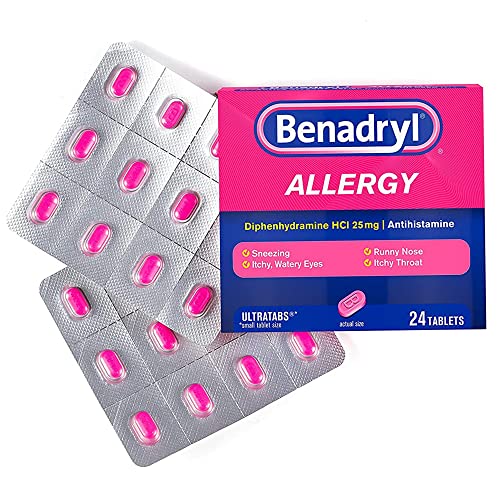
Benadryl remains the gold standard for acute allergic reactions and severe symptom flare-ups, thanks to diphenhydramine’s rapid onset and potent histamine blockade. The 25 mg tablet crosses the blood-brain barrier, which provides powerful relief from sneezing, runny nose, and itchy eyes but also causes pronounced drowsiness — making this an ideal choice for nighttime use when fall allergy symptoms disrupt sleep.
Customers frequently use Benadryl as a rescue medication during peak ragweed days or after exposure to heavy mold or dust. The small tablet size and minimal packaging make it easy to carry in a bag or car for immediate access when symptoms spike unexpectedly during outdoor fall activities.
Reviewers also note its versatility: many use it for cold symptom relief during the transition from fall to winter, and some have even administered it under veterinary guidance for pet allergies. The 24-count box is sufficient for intermittent use but not cost-effective as a daily maintenance regimen due to the sedation effect.
Why it’s great
- Fast and potent relief for acute, severe allergy attacks
- Sedating effect helps with sleep disruption from nighttime symptoms
- Proven track record for decades of clinical use
Good to know
- Significant drowsiness makes it unsuitable for daytime use
- Small 24-count box requires frequent repurchasing for daily use
5. MediNatura BHI Allergy Relief

MediNatura BHI Allergy Relief offers a homeopathic alternative with 15 active ingredients including Histamine, Selenium, and Sulphur in ultra-low dilutions. The dissolvable tablets are designed to be placed under the tongue rather than swallowed, allowing for rapid absorption without gastrointestinal interference, and the formula targets multiple symptoms simultaneously including runny nose, sneezing, itchy eyes, nasal congestion, and even mild skin rashes.
Users who prefer a natural approach report that the tablets work within minutes for symptom relief and can be taken daily or as needed without known drug interactions or drowsiness. The non-drowsy profile makes it suitable for daytime use alongside other medications, and reviewers appreciate that it can be used during flare-ups without concern for building tolerance over the fall season.
Some customers note that the initial dosing schedule requires a tablet every 30 minutes during the first hour for acute symptoms, which can be inconvenient but is standard for homeopathic protocols. Overall, this option serves well for those seeking a gentle, plant-and-mineral-based alternative to synthetic antihistamines, particularly for mild to moderate seasonal allergy sufferers.
Why it’s great
- Completely non-drowsy with no known drug interactions
- Dissolvable tablets absorb quickly without needing water
- Natural formula appeals to those avoiding synthetic chemicals
Good to know
- Requires more frequent initial dosing during acute flare-ups
- Homeopathic mechanism may not work for severe, chronic allergy cases
FAQ
Why do fall allergies cause more congestion than spring allergies?
Can I take an oral antihistamine and a nasal spray together?
How long does fluticasone nasal spray take to work for fall allergies?
What is the best time of day to take allergy medicine during fall?
Final Thoughts: The Verdict
For most users, the allergy medicine for fall allergies winner is the Flonase Allergy Relief Nasal Spray because it directly addresses the congestion and sinus pressure that dominate fall allergy symptoms, with steady non-drowsy coverage that improves with daily use. If you want a reliable once-daily pill with zero drowsiness and family-friendly dosing, grab the Claritin 24 Hour Allergy Medicine. And for fast-acting one-hour relief during peak ragweed mornings, nothing beats the Allegra Adult 24HR Antihistamine.

Mo Maruf
I created WellFizz to bridge the gap between vague wellness advice and actionable solutions. My mission is simple: to decode the research and give you practical tools you can actually use.
Beyond the data, I am a passionate traveler. I believe that stepping away from the screen to explore new environments is essential for mental clarity and physical vitality.