Our readers keep the lights on and my smoothie glass nicely filled. As an Amazon Associate, I earn from qualifying purchases.
Choosing the wrong pair of hiking shoes can turn a beautiful trail into a painful ordeal, leaving you with blisters, fatigue, or worse, an injury. The right pair, however, feels like an extension of your feet, providing confidence on every surface from muddy forest paths to rocky scrambles. The quest isn’t for the toughest boot or the lightest sneaker, but for the perfect hybrid that masters balance.
I’m Mohammad Maruf — the founder and writer behind WellFizz. For over a decade, I’ve analyzed market trends and dissected thousands of product specifications to decode what truly makes a piece of gear reliable, separating marketing hype from real-world performance.
After compiling detailed data and sifting through extensive user experiences, I’ve identified key patterns that define a truly versatile performer. The following breakdown will help you navigate the essential features to find your ideal match for the trail ahead. best all around hiking shoes must blend support, traction, and durability without compromising on day-long comfort.
How To Choose The Best All Around Hiking Shoes
The perfect all-around hiking shoe is a master of compromise. It won’t be the absolute lightest for trail running or the bulkiest for mountaineering, but it will confidently handle 90% of the terrain you encounter. Your focus should be on fit, support, and a sole that communicates with the ground.
Prioritize Fit Over Everything Else
A shoe that doesn’t fit is a liability. Look for a secure heel that doesn’t slip, ample room in the toe box to prevent bruising on descents, and a midfoot that holds without pinching. Remember, feet swell during long hikes, so trying shoes on in the afternoon with the socks you plan to wear is crucial. Many dedicated hiking brands offer wide options, which are often the key to comfort.
Understand Support vs. Stiffness
Support is about stability—preventing your foot from rolling on uneven surfaces. It comes from a well-designed midsole and sometimes a internal shank. Stiffness, however, is about flexibility. A very stiff sole protects from sharp rocks but can feel unnatural on flat ground. A versatile shoe strikes a middle ground: enough structure for a loaded pack, but enough flex for natural movement.
Decode the Waterproof Question
Waterproof membranes like Gore-Tex or similar proprietary tech (B-Dry, OutDry) keep water out but also trap heat and moisture in. They are excellent for cool, wet climates or morning dew. For hot, dry, or strenuous hikes where sweat is the main concern, a non-waterproof, highly breathable mesh shoe will keep your feet cooler and drier. The “best” choice is climate and season dependent.
Quick Comparison
On smaller screens, swipe sideways to see the full table.
| Model | Type | Best For | Key Feature | Amazon |
|---|---|---|---|---|
| Merrell Moab 3 | Hiking Shoe | Classic Versatility | Wide Toe Box, Vibram Sole | Amazon |
| Oboz Bridger Low | Hiking Shoe | Maximum Support & Waterproofing | Structured Midsole, B-Dry Lining | Amazon |
| Salomon X Ultra Pioneer | Mid Boot | Ankle Support & Traction | Gore-Tex, Aggressive Grip | Amazon |
| KEEN Targhee 3 Low | Hiking Shoe | Wide Feet & Arch Support | Roomy Toe Box, KEEN.Dry | Amazon |
| Salewa Wildfire GTX | Approach Shoe | Scrambling & Technical Terrain | Ballistic Mesh, Sticky Rubber | Amazon |
| Columbia Peakfreak II | Trail Shoe | Lightweight Waterproofing | OutDry Construction, Slim Fit | Amazon |
| Danner Trail 2650 | Hiking Shoe | Durability & All-Day Comfort | Suede/Textile Upper, Vibram Megagrip | Amazon |
| Mammut Mercury IV Low | Hiking Shoe | Premium Cushioning & Fit | 3D Memo Foam, Vibram Sole | Amazon |
| Columbia Vertisol | Trail Sneaker | Casual & Light Trail Use | Breathable Mesh, Sneaker Feel | Amazon |
| Adidas Terrex Ax4 | Hiking Sneaker | Rugged Urban to Trail | Gore-Tex, Continental Rubber | Amazon |
| Columbia Crestwood | Hiking Boot | Entry-Level Value | Roomy Fit, Durable Construction | Amazon |
In‑Depth Reviews
1. Merrell Men’s Moab 3 Hiking Shoe

The Merrell Moab 3 is the archetype of a reliable, do-it-all hiking shoe for good reason. It doesn’t try to reinvent the wheel but instead refines a proven formula that appeals to a vast majority of hikers. Its reputation is built on a foundation of immediate comfort, requiring virtually no break-in period, which makes it a safe and satisfying choice right out of the box.
A key to its versatility is the roomy toe box that accommodates natural foot splay without feeling sloppy, combined with a secure heel lock. The Vibram outsole provides trustworthy traction across a variety of dry and moderately wet surfaces, giving you confidence on everything from gravel paths to rocky inclines. It’s the shoe you grab when you’re not sure what the trail will throw at you.
While it sits in the mid-range category, its value is exceptional due to its durable construction and timeless design. Users report getting years of service from these shoes, using them for everything from daily dog walks to extended travel. It’s a workhorse that blends trail performance with casual aesthetics, making it equally at home in the woods and running errands in town.
Why it’s great
- Legendary out-of-the-box comfort with zero break-in.
- Spacious toe box ideal for wider feet or swelling.
- Durable Vibram outsole with reliable, all-terrain grip.
- Excellent balance of support and flexibility for varied use.
Good to know
- The standard version is not waterproof (a waterproof model exists).
- Some find them a bit heavier than modern trail runners.
- Very popular design, so less unique stylistically.
2. Oboz Men’s Bridger Low B-Dry Waterproof Hiking Shoe

The Oboz Bridger Low is for the hiker who prioritizes unwavering support and long-term durability above all else. This shoe feels substantial and built like a tank, with a focus on protecting your foot over many miles and seasons. Its defining characteristic is a noticeably stiff and supportive midsole architecture, which is excellent for carrying weight or hiking on rugged, uneven trails.
Oboz’s proprietary B-Dry waterproofing receives high marks for effectiveness and longevity, with users reporting it outlasts other membranes. This makes the Bridger Low a top candidate for wet climates, spring hikes with melting snow, or any condition where dry feet are non-negotiable. The outsole grip is aggressive and confident, biting into soft ground and loose surfaces.
It’s important to note that this support comes with a break-in period. The initial stiffness that provides such great stability on day 100 can feel rigid on day one. For hikers with plantar fasciitis or those who need maximum arch and heel support, this break-in is a worthy investment for the exceptional long-term foot health and shoe durability that follows.
Why it’s great
- Unmatched support and stability for demanding terrain.
- Highly durable B-Dry waterproofing that lasts.
- Superb construction quality built for multi-season use.
- Excellent for hikers with specific support needs.
Good to know
- Requires a significant break-in period; initially very stiff.
- Can feel overly structured for casual or flat trail walks.
- Runs narrow; wide-footed hikers should seek the wide version.
3. Salomon Men’s X Ultra Pioneer Mid Gore-tex

For those who desire more ankle security without the full weight of a traditional boot, the Salomon X Ultra Pioneer Mid is a compelling hybrid. It offers a protective mid-cut collar that helps keep debris out and provides a sense of stability on side slopes, making it ideal for trails with frequent ankle-twisting obstacles or for hikers who simply prefer that wrapped feeling.
Salomon’s expertise in aggressive traction is on full display here. The Contagrip outsole is designed to perform on wet rocks and loose surfaces, giving you a confident connection to the ground. The Gore-Tex lining is fully seam-sealed, offering reliable waterproof protection for stream crossings and soggy trails. The Quicklace system allows for a fast, micro-adjustable, and secure fit.
The fit tends to be precise and athletic, hugging the foot more like a performance trail runner than a bulky boot. This can be a great advantage for technical terrain but means those with wider feet should proceed with caution or look for specific wide offerings. It’s a modern, functional design for the active hiker who covers ground quickly.
Why it’s great
- Mid-cut design offers excellent ankle support and debris protection.
- Superb, confidence-inspiring traction on technical and wet surfaces.
- Precise, secure fit with convenient Quicklace system.
- Lightweight for its class and protective features.
Good to know
- Fit is typically narrow and athletic; may not suit wide feet.
- The Quicklace system, while convenient, can be difficult to replace if broken.
- Some users report a break-in period for the collar.
4. KEEN Men’s Targhee 3 Low Height Waterproof Hiking Shoes

KEEN built its reputation on legendary toe room, and the Targhee 3 Low continues that legacy. This shoe is a sanctuary for wide feet, bunions, or anyone who hates feeling constricted. The distinctive, rounded toe box allows your toes to splay naturally with every step, reducing hot spots and fatigue on long descents. It’s a design focused fundamentally on comfort.
Beyond the fit, it’s a solidly built hiking shoe with good support and KEEN’s own waterproof-breathable membrane. The torsion stability ESS shank provides underfoot support on uneven ground, while the multi-directional lugs offer dependable traction. For hikers with plantar fasciitis, the pronounced arch support in the Targhee can be a game-changer, actively cradling the foot.
These shoes are known for their durability in the upper, but some users note that the outsole rubber can wear faster than expected if used frequently on abrasive surfaces like pavement. They are best viewed as a dedicated trail shoe for those who need the space, where their comfort-first design truly shines.
Why it’s great
- Exceptionally roomy and comfortable toe box for wide feet.
- Strong arch support beneficial for many foot conditions.
- Sturdy construction with good waterproofing.
- Excellent choice for all-day comfort on moderate trails.
Good to know
- Outsole durability can be variable, especially with mixed surface use.
- The unique fit can feel too roomy or “clunky” for narrow feet.
- Break-in time is needed for the arch support to mold comfortably.
5. Salewa Men’s Wildfire GTX Approach Shoe

The Salewa Wildfire GTX blurs the line between a hiking shoe and a climbing approach shoe, making it the ultimate tool for technical terrain. If your hikes frequently involve scrambling over boulder fields, climbing low-grade rock, or traversing steep, loose scree, this shoe provides a level of precision and “feel for the rock” that standard hikers can’t match.
Its key advantage is the sticky, climbing-inspired rubber outsole that grips beautifully on dry rock. The upper uses durable ballistic mesh reinforced with an exoskeleton for protection against abrasion, while the Gore-Tex lining handles moisture. The 3F system—a unique lacing and cable design—allows you to independently adjust the fit of the forefoot and heel for a locked-in, glove-like feel.
This specialization means some trade-offs. The sensitive, grippy sole will wear faster on pavement, and the precise fit might feel too restrictive for long, straightforward trail miles. This is a purpose-built shoe for the hiker whose path is rarely smooth, offering confidence where other shoes might slip.
Why it’s great
- Unparalleled grip and sensitivity for rock scrambling and technical trails.
- Precise, customizable fit with the innovative 3F lacing system.
- Durable, protective upper construction.
- Excellent balance of breathability and waterproofing.
Good to know
- Sticky rubber outsoles sacrifice longevity, especially on pavement.
- Fit is precise and performance-oriented, not roomy or relaxed.
- Overkill for simple, well-maintained dirt paths.
6. Columbia Men’s Peakfreak II Outdry Trail Shoes
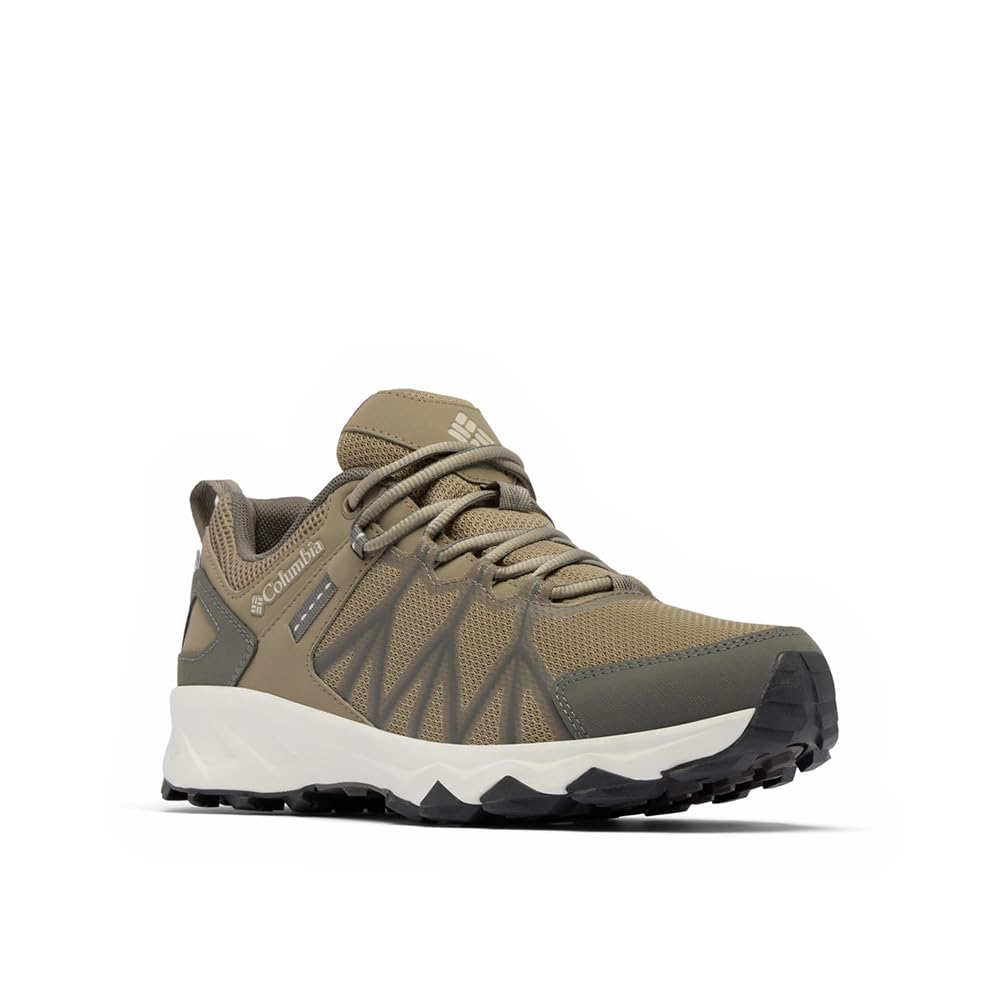
Columbia’s Peakfreak II with OutDry technology represents a different approach to waterproofing. Unlike a separate membrane lining, OutDry is a waterproof layer bonded directly to the outer fabric, eliminating the separate mesh inner layer. The result is a shoe that is often lighter, less bulky, and dries incredibly quickly if the outside gets wet.
This design gives it a sleek, almost trail-running-like profile that appeals to fast hikers or those who dislike the clunky feel of traditional waterproof boots. The weight savings are noticeable, making them excellent for covering long distances where every ounce counts. The fit tends to be more athletic and narrow, conforming closely to the foot for a responsive feel on the trail.
Users praise these shoes for keeping feet dry in consistent wet conditions like dew-covered grass or shallow puddles. The trade-off is that the bonded construction can sometimes reduce overall breathability compared to a high-quality mesh shoe, so they might feel warmer on hot, dry days despite the lightweight build.
Why it’s great
- Innovative OutDry construction is lightweight and dries fast.
- Slim, athletic profile for a nimble, fast-hiking feel.
- Effective waterproofing without a heavy traditional boot build.
- Great for wet trails and cool-weather hiking.
Good to know
- Runs small and narrow; consider sizing up or trying wide.
- Less breathable than non-waterproof mesh shoes in heat.
- The slim fit may not accommodate thicker hiking socks.
7. Danner Trail 2650 Hiking Shoes
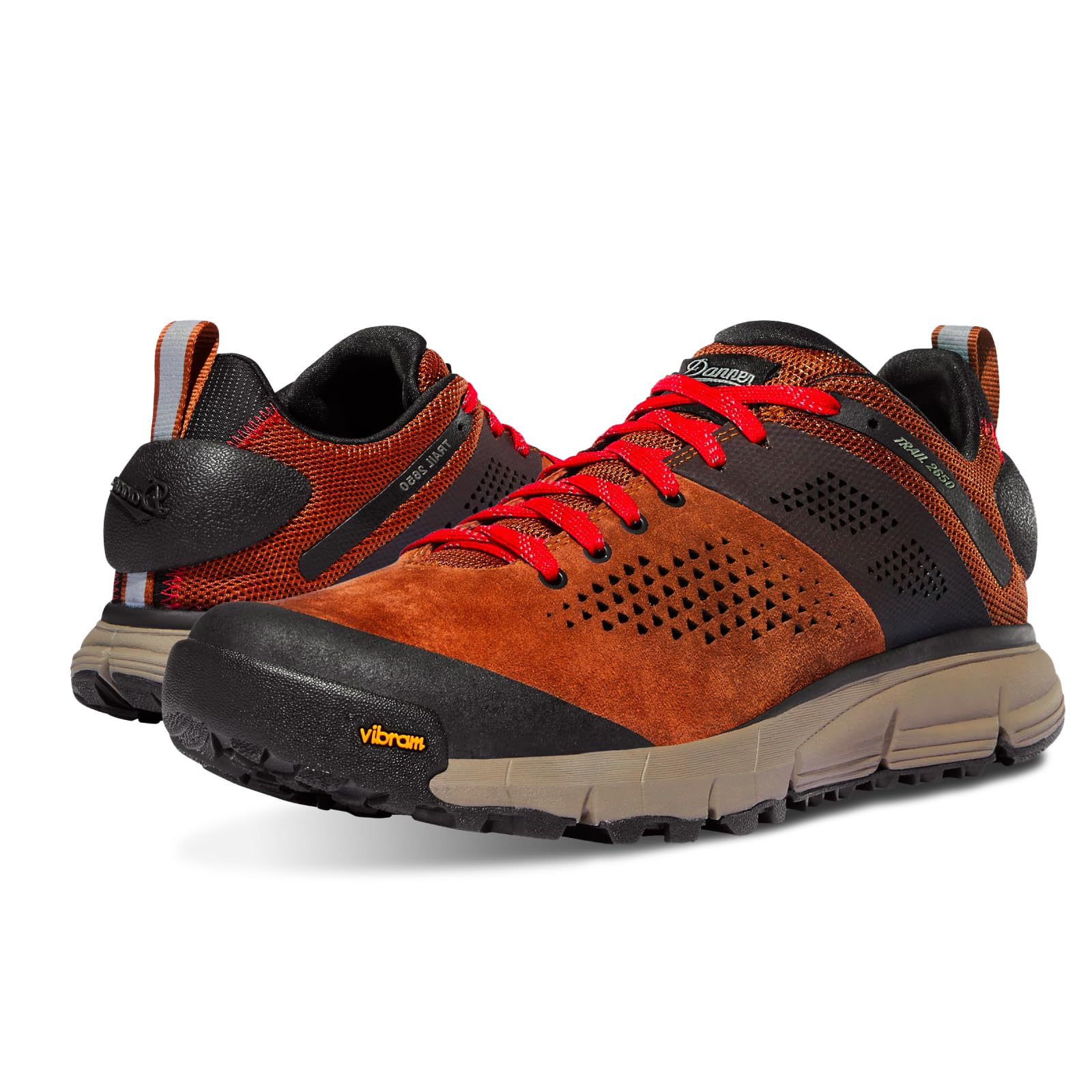
Danner brings its heritage of boot-making craftsmanship to a low-cut shoe with the Trail 2650. This model focuses on premium materials and all-day comfort, using a combination of suede and rugged textile for a durable yet classically stylish look. It’s a shoe that feels substantial and well-made, designed for the hiker who also appreciates aesthetic appeal.
The comfort is immediately notable, thanks to a supportive Ortholite footbed and a cushioned EVA midsole that absorbs impact mile after mile. The star of the show is the Vibram Megagrip outsole, a compound specifically engineered for exceptional traction on both wet and dry surfaces. This makes the 2650 exceptionally reliable on slick rocks and roots.
While not marketed as fully waterproof, the materials offer good water resistance. The fit is generally true to size but leans toward the narrower side of average. This is a premium option for hikers who want a shoe that transitions seamlessly from a tough trail to a casual brewery visit, backed by trusted traction technology.
Why it’s great
- Premium build quality with durable suede and textile materials.
- Superior Vibram Megagrip outsole for confident traction in wet conditions.
- Excellent all-day cushioning and comfort right away.
- Timeless, versatile style suitable for trail and town.
Good to know
- Higher price point reflects the premium materials.
- Fit can be narrow; wide-footed hikers should seek the wide version.
- The toe cap material may show scuffs and wear quickly.
8. Mammut Men’s Mercury IV Low GTX Hiking Shoes

The Mammut Mercury IV Low sits at the top tier of hiking shoes, incorporating advanced materials for a premium experience. Its standout feature is the 3D Memo Foam in the tongue and collar, which molds to the shape of your ankle and instep for a personalized, pressure-free fit. This attention to detail in comfort engineering is what defines the high-end segment.
Paired with a Gore-Tex Extended Comfort liner for waterproofing and breathability, and a precise Vibram outsole, it’s built for serious day hiking and fast packing where comfort over technical terrain is key. The construction feels robust yet refined, with a focus on reducing weight without sacrificing protection or support underfoot.
The fit is typically European—precise and performance-oriented. It’s designed for hikers with a narrower to medium foot volume who want a close, efficient connection to the shoe. This is an investment piece for those who hike frequently and value the nuanced differences in cushioning, fit, and high-quality components.
Why it’s great
- Innovative 3D Memo Foam provides exceptional, customized comfort.
- High-quality Gore-Tex and Vibram components for reliable performance.
- Lightweight yet protective construction for fast
Good to know
- Premium price point reflects its advanced features.
- European fit tends to be narrower; sizing can be tricky.
- Less feedback available compared to mass-market brands.
9. Columbia Men’s Vertisol Trail

The Columbia Vertisol Trail is best understood as a highly capable trail sneaker rather than a heavy-duty hiking shoe. Its primary strength is exceptional breathability and a lightweight, flexible feel that makes it perfect for casual wear, light walking paths, and well-maintained trails. If your outdoor activities lean more toward park strolls and occasional dirt paths, this shoe offers fantastic comfort.
The upper is predominantly a soft, open mesh that promotes great airflow, keeping feet cool in warm weather. This design makes them incredibly easy to wear all day with no break-in period, feeling closer to a comfortable athletic shoe. They are a superb entry-level option for someone dipping their toes into light hiking or needing a versatile, comfortable shoe for travel and daily use.
It’s crucial to set correct expectations: the lightweight mesh does not offer the abrasion resistance, ankle support, or rugged protection needed for rocky, uneven, or demanding “heavy” hiking. They are ideal for the urban explorer or weekend walker who values comfort and breathability above technical trail performance.
Why it’s great
- Extremely breathable and cool for warm-weather use.
- Lightweight and flexible with zero break-in time.
- Excellent budget-friendly price for casual and light trail use.
- Comfortable enough for all-day everyday wear.
Good to know
- Lacks the support and durability for serious or rocky hiking.
- Not waterproof or suitable for wet, muddy conditions.
- Minimal protection for toes and ankles on rough terrain.
10. Adidas Men’s Terrex Ax4 Gore-tex Hiking Sneaker
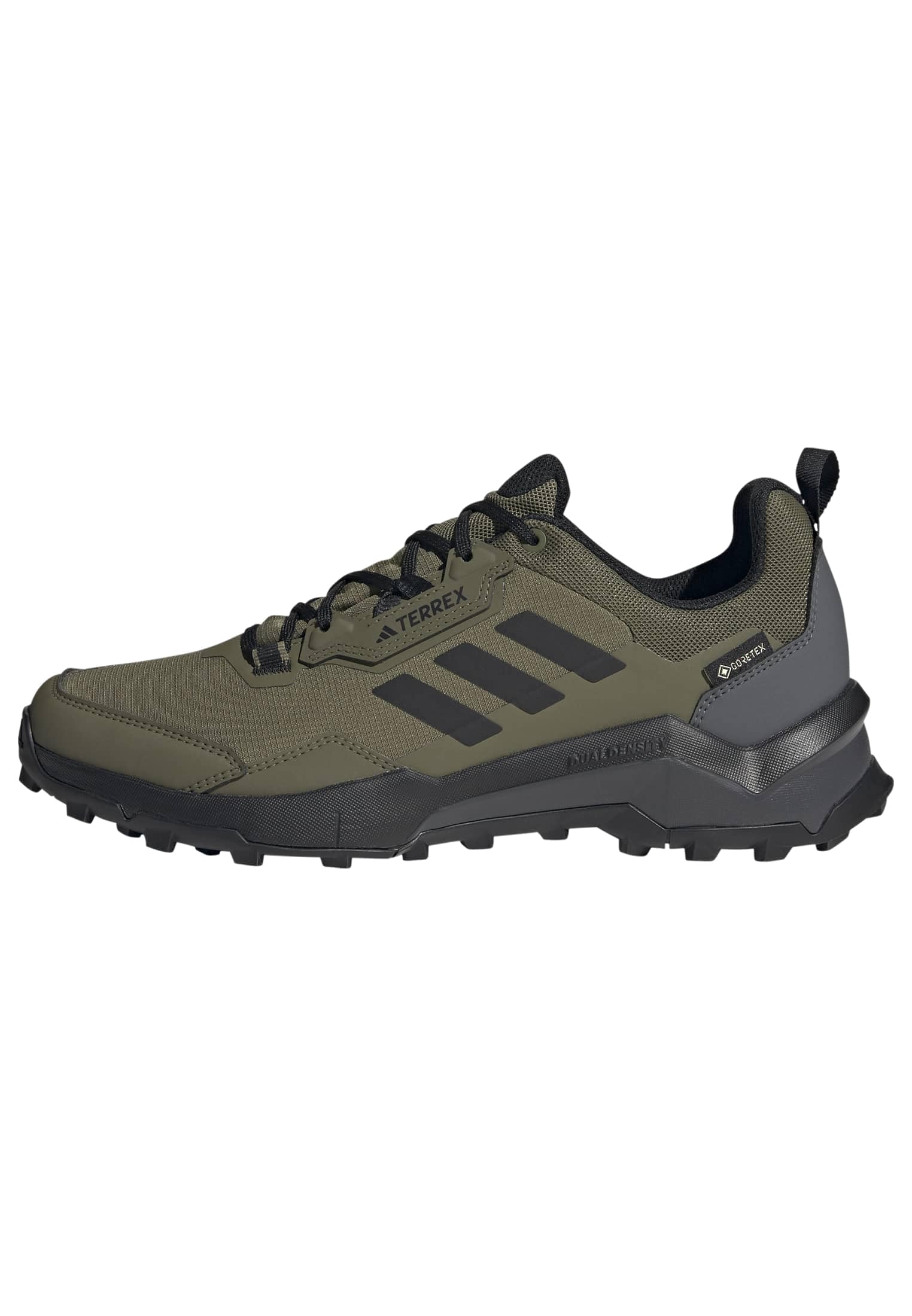
The Adidas Terrex Ax4 is a modern hybrid that injects athletic sneaker DNA into a waterproof hiking shoe. It features a robust build with a Gore-Tex liner and a grippy Continental rubber outsole—technology borrowed from high-performance tire manufacturing—providing serious traction on varied surfaces. This shoe is for the active person who moves from city streets to forest trails seamlessly.
The fit is roomier than a standard sneaker, designed to accommodate thicker hiking socks, and it has a stiffer, more protective sole than a typical running shoe. Users report that the Gore-Tex waterproofing is highly effective and durable, holding up well over time. The break-in period is noted as being more pronounced than some competitors, feeling stiff initially before molding to the foot.
While offering solid performance, some reviews indicate the outsole rubber may wear down faster than expected with heavy use on abrasive surfaces like pavement. It’s an excellent choice for someone wanting a one-shoe solution for commuting, light trekking, and wet-weather adventures, all with a sporty aesthetic.
Why it’s great
- Excellent Gore-Tex waterproofing in a sneaker-style package.
- Confident traction from the Continental rubber outsole.
- Roomy fit suitable for thicker socks.
- Durable construction for its category.
Good to know
- Requires a break-in period; can feel stiff at first.
- Sizing runs large; consider ordering a half size down.
- Outsole durability may be a concern with extensive paved use.
11. Columbia Men’s Crestwood Hiking Boots
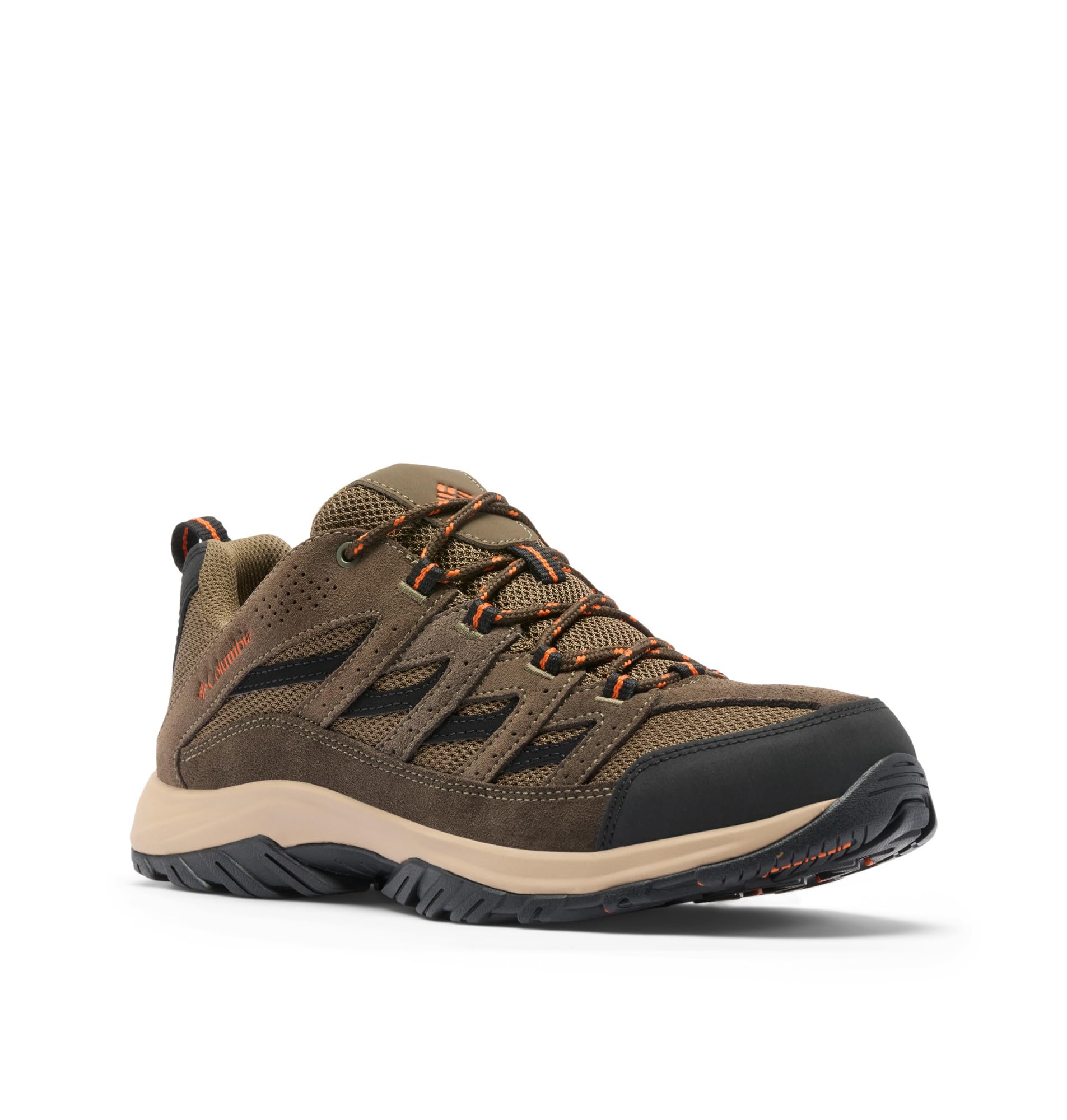
The Columbia Crestwood is a classic, no-frills hiking boot that delivers reliable performance and notable value. It’s built with durability in mind, offering a protective leather and synthetic upper and a rugged outsole capable of handling moderate trails. For someone starting their hiking journey or needing a dependable boot for occasional use, it’s a trustworthy and accessible option.
A standout feature is its roomy fit, particularly in the toe box, which is appreciated by those with wider feet or who require extra space. The boot provides good ankle support from its mid-cut design, helping to stabilize the foot on uneven ground. Many users report getting exceptional mileage out of them, citing longevity that belies their entry-level positioning.
As a more traditional boot, it is heavier and may require a short break-in period compared to modern trail shoes. It’s a workhorse design focused on function and durability over lightweight speed or sleek styling, making it a solid pick for straightforward trail hiking, yard work, and outdoor chores.
Why it’s great
- Exceptional value for a durable, full-featured hiking boot.
- Roomy fit, especially in the toe box; wide sizes available.
- Provides good ankle support and protection.
- Proven track record of longevity for many users.
Good to know
- Heavier and more bulky than low-cut hiking shoes.
- Traditional design lacks modern technical features.
- May require a short break-in period for optimal comfort.
Understanding the Specs
Upper Material
The upper determines durability, weight, and breathability. Full-grain leather is burly and protective but heavy. Synthetics (nylon, polyester) are lighter and dry faster. Mesh panels increase breathability but reduce protection. A blend, like leather with synthetic overlays, offers a good balance for all-around use.
Midsole & Support
This is the shoe’s support engine. EVA foam is common, providing cushioning; denser EVA offers more support. A TPU or nylon shank—a stiff insert between the sole and footbed—adds torsional rigidity for stability on uneven ground. “Stability” shoes have more of this structure, while “flexible” shoes have less, favoring a natural stride.
Outsole & Traction
The rubber compound and lug pattern are critical for grip. Vibram is a renowned, trusted brand known for durability. Look for multi-directional, deep lugs (5mm+) for loose dirt and mud. Softer rubber compounds (e.g., Vibram Megagrip) excel on wet rock but may wear faster on pavement. The lug geometry should suit your primary terrain.
Waterproofing Tech
Gore-Tex is the gold-standard membrane: waterproof, windproof, and breathable. Brands like KEEN (KEEN.Dry), Columbia (OutDry), and Oboz (B-Dry) use their own proprietary membranes, often with similar performance. Remember, any waterproof lining will reduce breathability compared to a non-waterproof, mesh-lined shoe.
FAQ
Are waterproof hiking shoes always the best choice?
How should hiking shoes fit compared to regular sneakers?
Can I use hiking shoes for everyday walking?
How long do a good pair of hiking shoes typically last?
Final Thoughts: The Verdict
For most people, the best all around hiking shoes winner is the Merrell Moab 3 because it delivers proven comfort, reliable traction, and versatile performance at a mid-range value that’s hard to beat. If you want maximum support and durable waterproofing for demanding conditions, grab the Oboz Bridger Low. And for hikers with wide feet who prioritize space and arch support, nothing beats the KEEN Targhee 3 Low.

Mo Maruf
I created WellFizz to bridge the gap between vague wellness advice and actionable solutions. My mission is simple: to decode the research and give you practical tools you can actually use.
Beyond the data, I am a passionate traveler. I believe that stepping away from the screen to explore new environments is essential for mental clarity and physical vitality.