Our readers keep the lights on and my smoothie glass nicely filled. As an Amazon Associate, I earn from qualifying purchases.
Finding a single pair of hiking boots that handles damp morning descents, dry rocky scrambles, and casual afternoon walks without forcing you to compromise on comfort or durability is the central challenge of the category. The wrong boot punishes your feet with blisters on the first real ridge, or soaks through halfway through a stream crossing, or simply wears out before you’ve broken them in.
I’m Mohammad Maruf — the founder and writer behind WellFizz. My research processes focus on deconstructing real-world customer data, filtering for long-term durability signals, and isolating the waterproofing technologies and outsole compounds that actually matter when the miles pile up.
After sorting through hundreds of verified reviews and comparing traction systems, midsole densities, and waterproof membranes across nine distinct models, this guide presents the best all around hiking boots for hikers who refuse to be defined by a single trail type.
How To Choose The Best All Around Hiking Boots
An all around boot must balance three competing demands: enough stiffness for rugged terrain, enough cushion for long miles on hardpack, and enough breathability for warm sections without sacrificing wet-weather protection. Here are the specific specs that separate a true hybrid from a jack of all trades that masters none.
Waterproof Membrane & Breathability Tradeoff
Gore-Tex is the gold standard for long-term waterproofing in all around boots because its membrane allows moisture vapor to escape while blocking liquid water. Columbia’s proprietary OutDry bonds the membrane directly to the upper, eliminating the inner liner and reducing dry time, but it can trap heat more than Gore-Tex does. For variable conditions, a boot with a reliable membrane and mesh panels is better than a fully sealed non-breathable design that turns your feet into saunas.
Midsole Density & Outsole Lug Pattern
The midsole compound — EVA, PU, or a dual-density blend — dictates how much shock absorption you get on descents versus how much ground feel you retain. Softer midsoles (20-30 durometer) feel plush but compress quickly under load, while firmer midsoles (40-50 durometer) offer better support for heavier packs. Lug depth between 4mm and 5mm is the sweet spot for all around use: shallow enough not to feel clumsy on flat sections, deep enough to bite into loose dirt and wet rock.
Heel Lock, Toe Box Volume & Ankle Height
Look for boots with separate lace hooks at the top (a heel-lock system) because that single detail prevents your foot from sliding forward on descents, which causes black toenails. A generous toe box — typically 98mm to 102mm wide at the metatarsal — accommodates natural foot splay during long miles. Ankle height around 5 to 6 inches offers enough support for side-hilling without restricting dorsiflexion on steep uphills.
Quick Comparison
On smaller screens, swipe sideways to see the full table.
| Model | Category | Best For | Key Spec | Amazon |
|---|---|---|---|---|
| KEEN Durand 2 Mid | Premium | All day wide-foot comfort | 4mm multi-directional lugs | Amazon |
| Under Armour Hovr Dawn 2.0 | Premium | Lightweight sneaker-like feel | Hovr foam midsole | Amazon |
| ROCKY Outback Gore-Tex | Premium | Extreme durability & wet work | Gore-Tex full membrane | Amazon |
| Columbia Konos TRS Outdry | Premium | Immediate comfort & wet grip | OutDry bonded membrane | Amazon |
| Merrell Speed Strike 2 Mid | Mid-Range | Fast paced day hikes | Vibram TC5+ outsole | Amazon |
| Timberland White Ledge Mid | Mid-Range | Budget friendly all terrain | Rubber lug outsole | Amazon |
| Merrell Moab 3 Womens | Mid-Range | Available wide widths | Vibram TC5+ outsole | Amazon |
| Columbia Strata Trail Mid | Mid-Range | Warm weather breathability | Techlite+ midsole | Amazon |
| Columbia Transverse Hike Womens | Entry-Level | Zero break in affordability | Omni-Grip outsole | Amazon |
In‑Depth Reviews
1. KEEN Men’s Durand 2 Mid Height Waterproof Hiking Boots
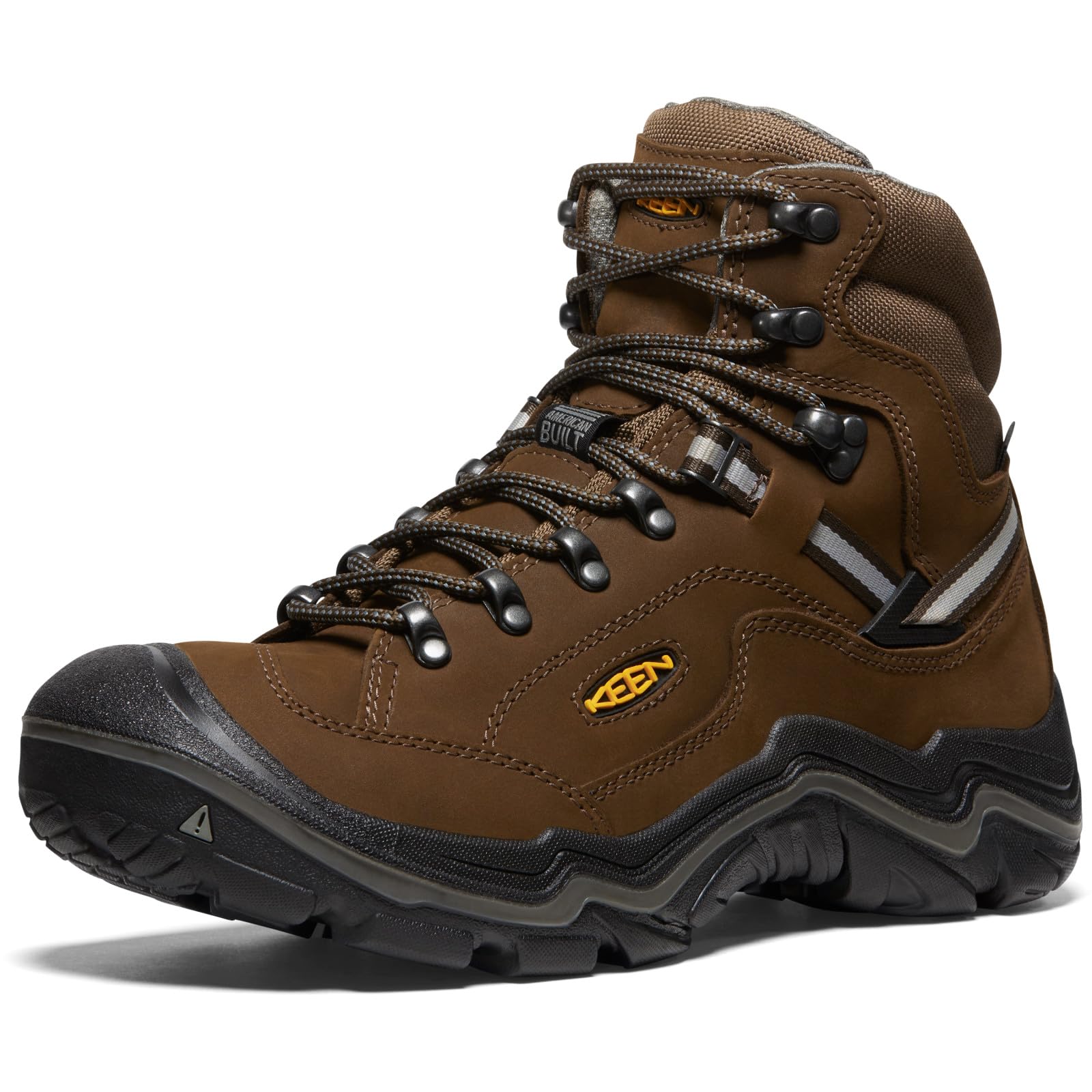
The KEEN Durand 2 Mid sets the benchmark for versatility because its last is purpose built for wide feet without compromising heel hold. Reviewers consistently mention the roomy toe box that accommodates natural splay on long downhills, and the set-back lace hook that prevents the heel from lifting even when the boot is laced loosely for comfort.
Underfoot, the beefy 4mm multi-directional lugs bite into loose gravel and snow equally well, while the single-piece sole construction is a durability signal — earlier dual-sole Keen models failed at the bond line, but this version addresses that failure point. The waterproof membrane keeps feet dry in slush and puddles, and the full leather upper develops a natural patina rather than peeling or cracking.
The tradeoff is weight: this is a proper hiking boot, not a lightweight trail shoe. At roughly 2 pounds per boot, it feels planted and stable, but fast-packers who prioritize ounce shaving should look elsewhere. For the hiker who does a little of everything — rock, snow, mud, and sidewalk — this boot rewards the extra mass with unmatched stability.
Why it’s great
- Excellent for wide feet with no pinch points
- Metal hook lacing eyelets outlast fabric loops significantly
- Heel-lock feature prevents slippage on descents
Good to know
- Feels heavier than synthetic alternatives
- Requires short break-in to soften the leather upper
2. Under Armour Hovr Dawn 2.0 Waterproof Boot
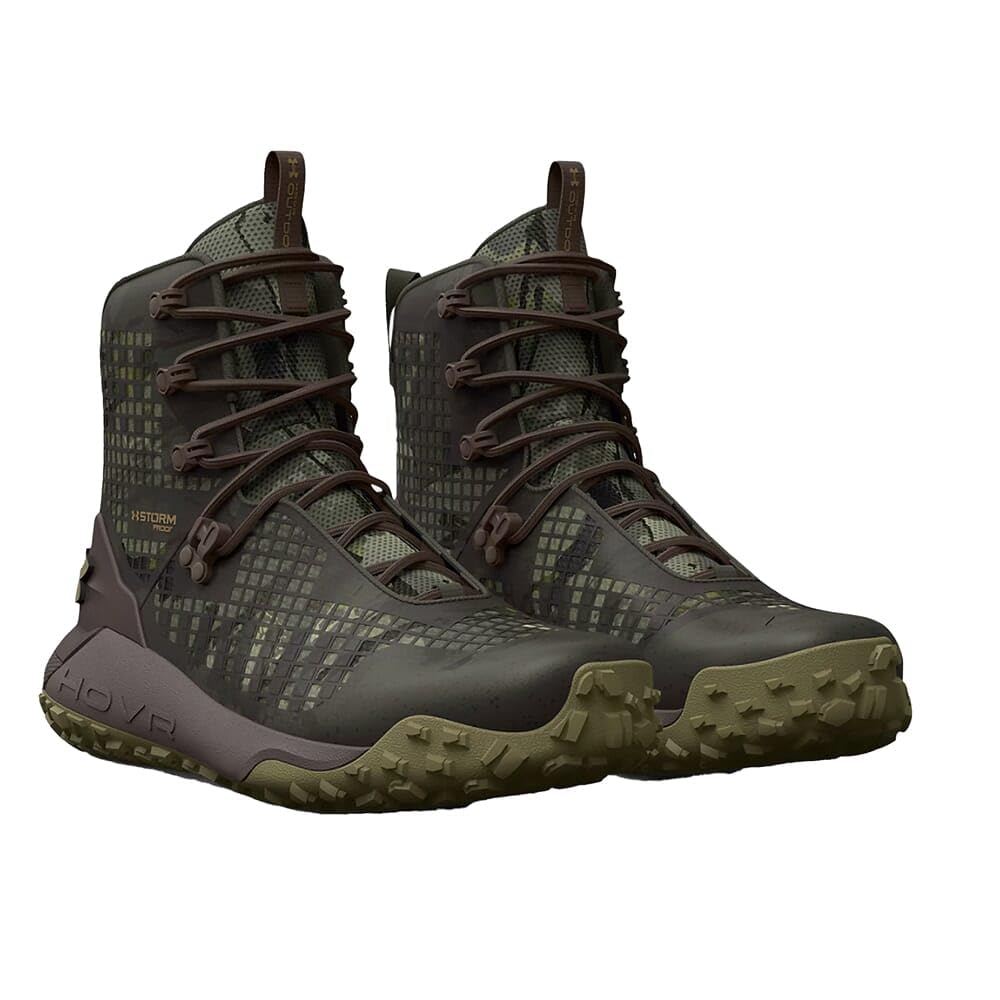
The Under Armour Hovr Dawn 2.0 feels like a sneaker wearing a boot costume, and that is the highest compliment you can give an all around hiking boot. The Hovr foam midsole returns energy on every step, making miles on hardpack surprisingly comfortable, and the boot requires zero break-in — reviewers report wearing them straight out of the box for hunting trips and mountain hikes with no hot spots.
The waterproof membrane is effective in snow and mud, but the boot is not insulated, which makes it ideal for three-season use where breathability matters more than winter warmth. The outsole grips well on wet rock and loose dirt, though a few reviewers noted the sole begins to show wear after a heavy week of alpine scrambling.
Durability is a mixed story: the upper holds up to abuse (blood, rocks, water), but the outsole density is softer than traditional hiking boots, which means heavy users may only get two to three seasons before replacement is necessary. For the hiker who wants maximum comfort per mile with minimal break-in, this is a superb choice.
Why it’s great
- Sneaker-like comfort out of the box, no break-in
- Excellent energy return from Hovr foam midsole
- Lightweight at roughly 2.4 pounds per pair
Good to know
- Outsole wears faster on sharp granite terrain
- Non-insulated — not for deep winter conditions
3. ROCKY Outback Gore-Tex Waterproof Boot
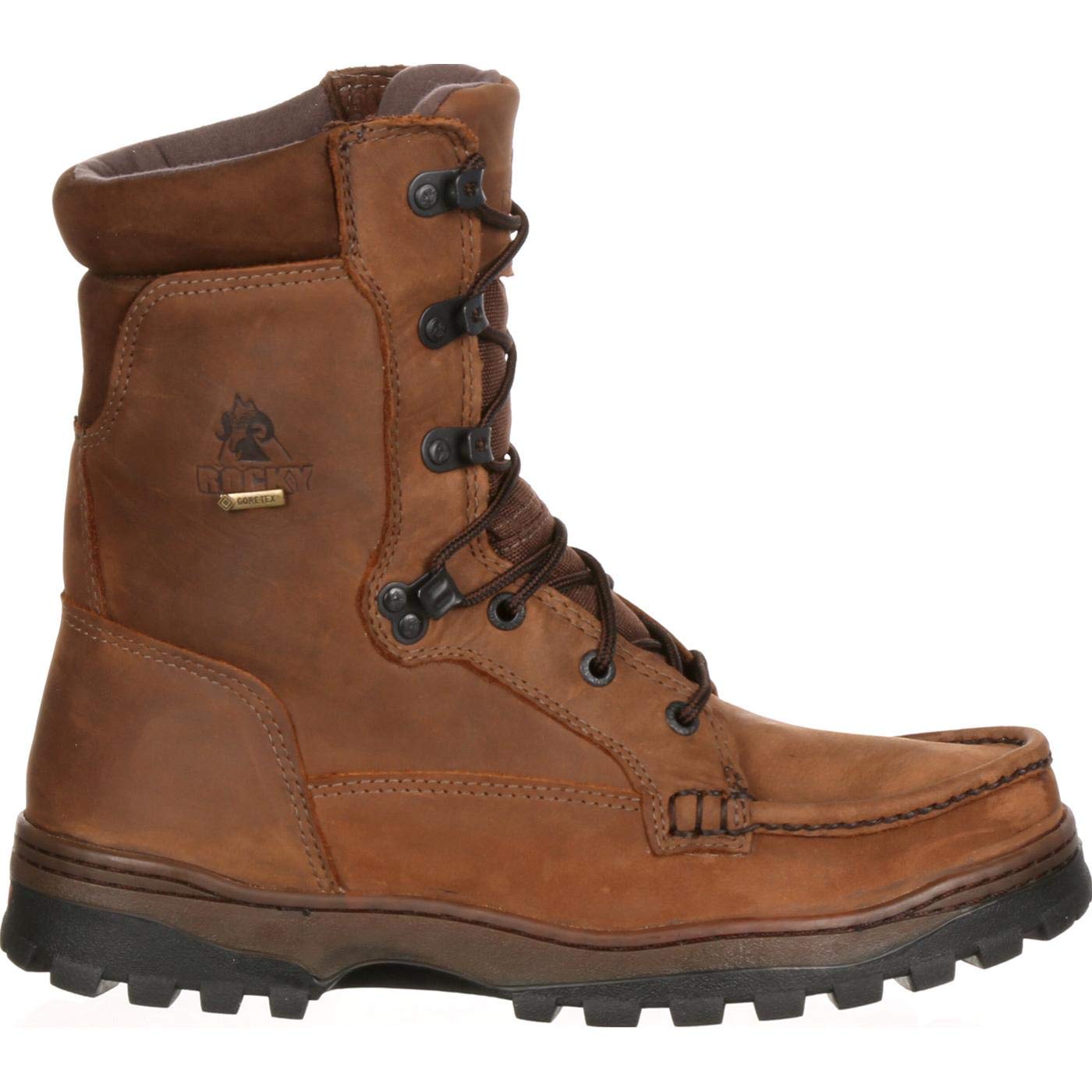
The ROCKY Outback is built for people who expect their boots to survive multiple seasons of abuse without asking questions. The full grain leather upper and Gore-Tex membrane combine to create a virtually impenetrable barrier against water, and reviewers report using them through hurricanes and extended wet periods with no leakage. The ankle collar is flexible enough to allow natural movement but stiff enough to prevent rolling on uneven ground.
Where this boot compromises is breathability: the Gore-Tex liner works, but it traps sweat, and most reviewers note that aftermarket insoles and frequent sock changes are necessary for all-day comfort. The heel cup is poorly defined for descending on wet slopes — your foot may slide forward slightly without proper lacing technique.
Durability is the headline here. The sole is tough but thin, and the leather shows minimal wear after months of use. This is not the boot for fast, lightweight day hikes; it is the boot for trail work, hunting, and multi-day trips where waterproof reliability and structural integrity matter more than ounce counting.
Why it’s great
- Full grain leather and Gore-Tex provide extreme waterproofing
- Durable construction survives extended abuse
- Solid ankle support prevents rolling
Good to know
- Minimal breathability; feet get sweaty
- Poor heel definition; aftermarket insoles recommended
4. Columbia Konos TRS Outdry
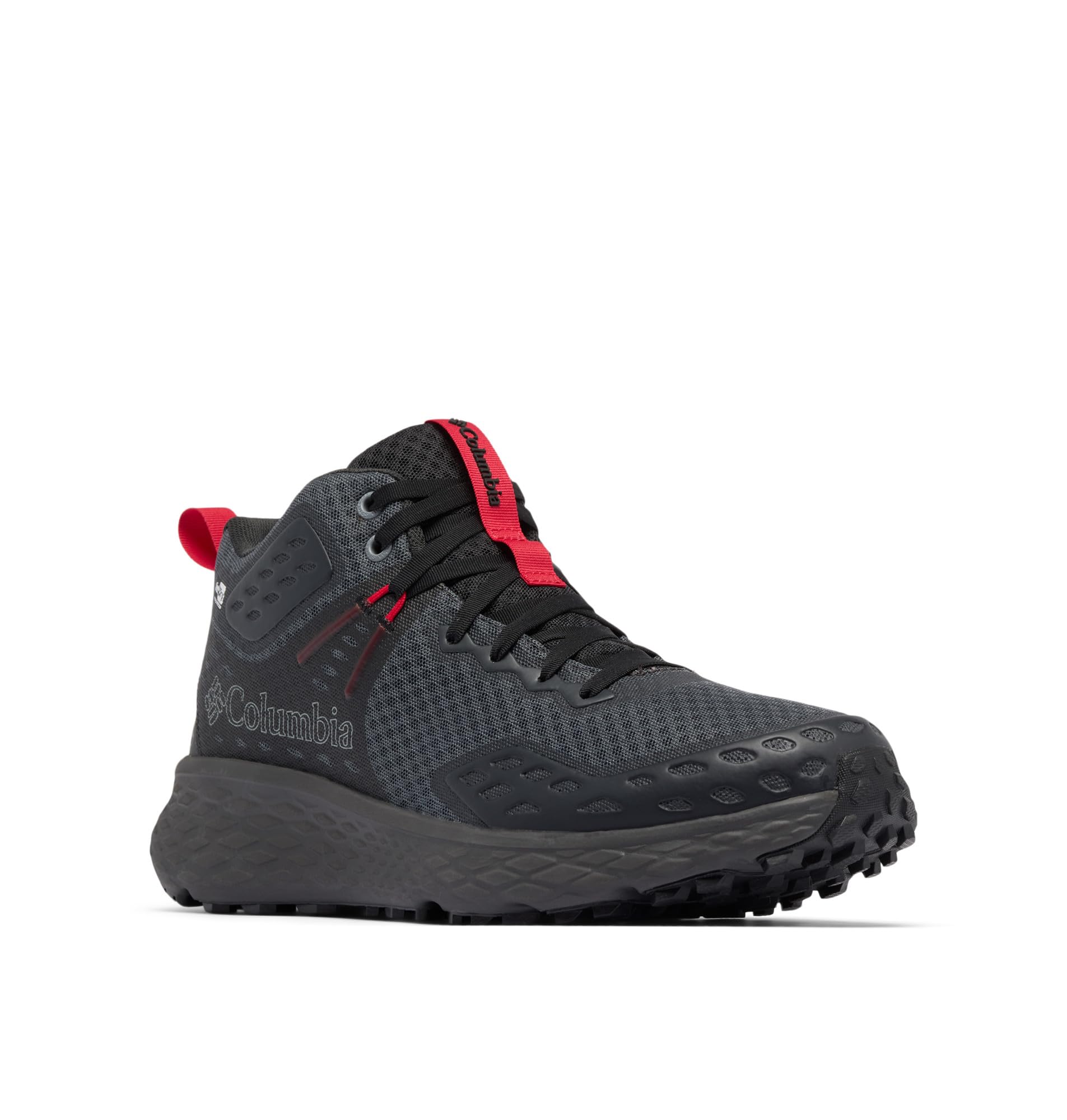
The Columbia Konos TRS Outdry is the boot that contradicts the conventional wisdom that waterproof boots must be stiff and uncomfortable. The OutDry membrane is bonded directly to the upper, which eliminates the inner bootie and makes the boot feel lighter and more flexible than traditional Gore-Tex designs. Reviewers consistently praise the roomy toe box and good arch support, and one reviewer at 300 pounds reported zero blisters on a 20-plus mile hike.
The Omni-Grip outsole is particularly impressive on wet surfaces — a common weak point for budget-friendly boots. On rainy days and slick rock, the Konos TRS holds firm.
A minor but common complaint is a squeaking noise from the tongue or collar area during walking, which is annoying in quiet environments. For the hiker who prioritizes immediate comfort, zero break-in time, and reliable wet traction, this is one of the most accessible premium options available.
Why it’s great
- OutDry membrane offers flexible, lightweight waterproofing
- Excellent wet-surface grip from Omni-Grip outsole
- Roomy toe box works well for bunions and wide feet
Good to know
- Runs warm; poor breathability in hot conditions
- Some units produce a squeaking noise during use
5. Merrell Men’s Speed Strike 2 Mid Waterproof

The Merrell Speed Strike 2 Mid is engineered for the hiker who covers ground quickly and refuses to accept clunky footwear. The Vibram TC5+ outsole provides aggressive traction on loose terrain while the EVA midsole delivers responsive cushioning without feeling marshmallowy. Reviewers praise the boot’s ability to transition from hiking to casual wear seamlessly, citing an attractive olive green color and versatile styling.
Out of the box, these boots feel nearly broken in. A few reviewers noted initial stiffness that loosened after a couple of miles, but the general consensus is that the Speed Strike 2 requires minimal break-in. The waterproof membrane extends above the ankle line, and the boot breathes well enough with merino wool socks to avoid sweaty feet even during long days on cobblestones in Europe.
Arch support is competent but not exceptional — hikers with high arches may want to add an aftermarket insole. The toe box is ample but not as wide as the KEEN Durand 2, so those with very wide feet should size up carefully. For the day hiker and travel-oriented adventurer who wants performance without the heft, this is a strong contender.
Why it’s great
- Quick break-in; comfortable from first wear
- Versatile style works with jeans or hiking pants
- Reliable Vibram outsole for mixed terrain traction
Good to know
- Arch support may not satisfy high-footed hikers
- Toe box is moderate; not ideal for extra wide feet
6. Timberland Men’s White Ledge Mid Waterproof Hiking Boots

The full-grain leather upper is durable and develops a comfortable shape over time, while the rubber lug outsole provides excellent grip on rock, grass, snow, and ice. Reviewers consistently note the large toe box as a standout feature for natural foot splay.
There are two critical nuances to understand about this boot. First, the ankle support is moderate rather than robust — this is a boot for easy hiking, field work, and casual trails, not for technical side-hilling with a heavy pack. Second, the leather requires regular maintenance with mink oil or similar conditioners to stay waterproof; the boot membrane is not Gore-Tex, and neglecting care will lead to wet feet.
Sizing runs large, so most buyers should order half a size down. The boot is not heavily cushioned, so adding an aftermarket insole (many users love Dr. Scholls) transforms the comfort. For the budget-conscious hiker who understands leather care, this is the most cost-effective way to get a durable, all-terrain boot.
Why it’s great
- Generous toe box accommodates natural foot splay
- Durable leather upper with classic Timberland build
- Versatile outsole grips well across multiple terrains
Good to know
- Leather requires regular waterproofing maintenance
- Moderate ankle support; not for technical terrain
7. Merrell Womens Moab 3

The Merrell Moab 3 is arguably the most recognized name in hiking footwear, and its status is earned through consistent execution of the basics. The Vibram TC5+ outsole provides aggressive grip that inspires confidence on loose dirt and wet rock, while the thick padding in the tongue and collar delivers a plush feel without excess bulk. Reviewers with 4E wide feet report that Merrell accommodates them better than 90% of competing brands.
Waterproofing is a nuanced topic for this boot: the standard Moab 3 uses a proprietary membrane that some reviewers found leaks after extended rain exposure. The Gore-Tex version is widely recommended as the better choice for wet conditions — the additional cost is justified by reliably dry feet. The boot is comfortable out of the box for most users, though sizing runs small, so ordering half a size up is a common recommendation.
Durability is solid for a boot in this weight class, but the EVA midsole compresses over time, reducing shock absorption after roughly 300-400 miles. For the hiker who does moderate miles on maintained trails and values immediate comfort and wide-width availability, the Moab 3 is a safe, time-tested choice.
Why it’s great
- Excellent 4E wide width availability with no pinch points
- Thick tongue padding for a plush feel around the instep
- Vibram outsole provides reliable traction on varied terrain
Good to know
- Standard membrane less reliable than Gore-Tex version
- Sizing runs small; order half a size up for best fit
8. Columbia Men’s Strata Trail Mid Waterproof
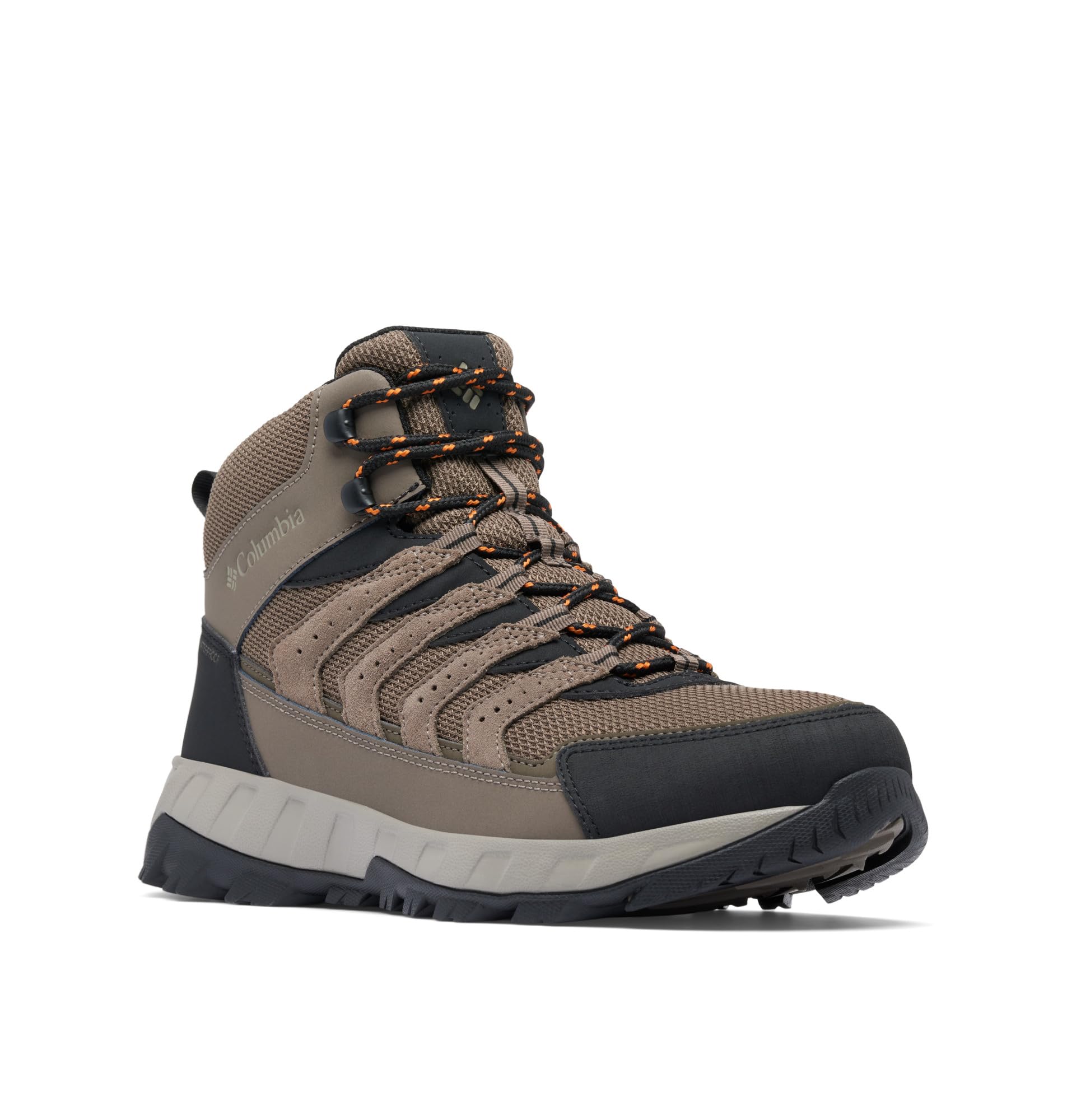
The Columbia Strata Trail Mid strikes a rare balance between water resistance and breathability that makes it a strong candidate for warm-weather all around use. The Techlite+ midsole is lightweight and responsive, and the combination of real leather and suede in the upper gives the boot a premium feel that belies its approachable price point. Reviewers report staying dry in puddles and even glaciers in Iceland while wearing the boot from early morning to late evening without foot fatigue.
Breathability is genuinely good: one reviewer wore the boot in 80-degree Fahrenheit conditions and reported dry feet, which is unusual for a waterproof boot. The generous toe box and lace system that stays tied are welcome touches. However, the tongue is attached to the boot on one side (a common Columbia design choice), which creates a pressure fold on the top of the foot for some wearers — this can be mitigated by cutting the attachment, but it is an annoyance.
The outsole provides adequate traction for most trails but is not as aggressive as a Vibram-equipped boot. For hikers who prioritize breathability and all-day comfort over hardcore ankle support or extreme grip, the Strata Trail is a compelling option that offers tremendous value.
Why it’s great
- Excellent breathability for a waterproof boot in warm conditions
- Lightweight Techlite+ midsole reduces fatigue on long days
- Generous toe box with laces that stay tied
Good to know
- Attached tongue design can create a pressure fold
- Outsole less aggressive than dedicated trail boots
9. Columbia Women’s Transverse Hike Waterproof Hiking Boots
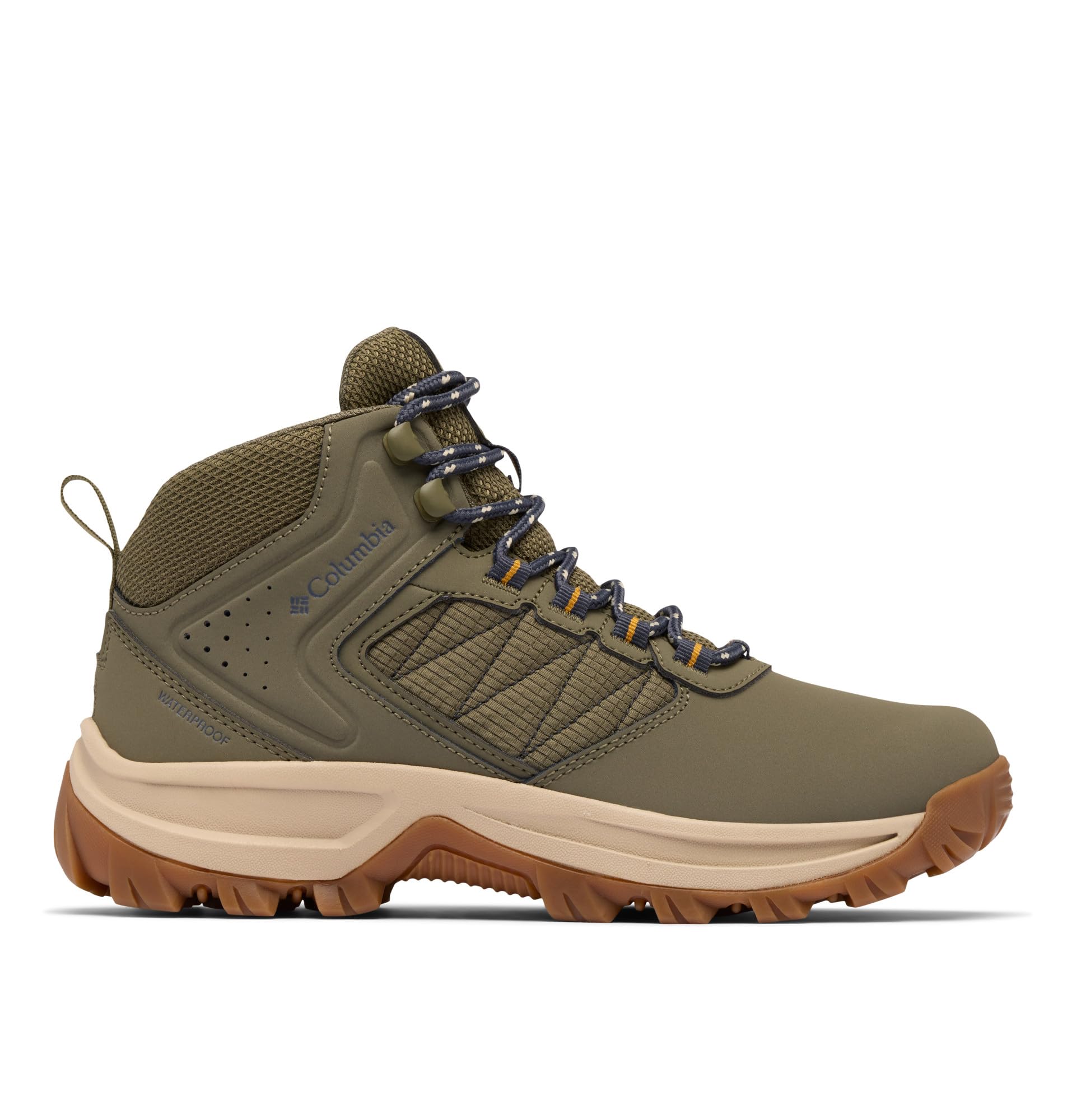
The Columbia Transverse Hike is proof that entry-level pricing does not necessarily mean entry-level performance. The Omni-Grip outsole provides reliable traction on snow, mud, and wet rock, and the waterproof membrane keeps feet dry during snow play and rain. Reviewers consistently praise the zero break-in requirement — this boot is comfortable straight out of the box, with flexible materials that move naturally with the foot.
Durability is acceptable for the price point, but there are compromises. The boot runs narrow, and several reviewers recommend ordering a wide size if you have average or wider feet. The ankle support is adequate for light to moderate hiking but will not satisfy technical terrain or heavy pack loads. The materials are functional rather than premium, and the boot is not designed for long-term abuse.
For the hiker who wants a comfortable, waterproof boot for casual trails, day hikes, and snow play without spending a significant amount, the Transverse Hike delivers impressive value. It is not the boot for multi-thousand-mile aspirations, but for weekend warriors and entry-level hikers, it punches well above its class.
Why it’s great
- Zero break-in; comfortable from first wear
- Effective waterproofing for snow and rain
- Lightweight and flexible for casual trail use
Good to know
- Runs narrow; wide size recommended for average feet
- Moderate durability; not built for heavy extended use
FAQ
Do I need to buy a half size up in hiking boots for all around use?
How often should I reapply waterproofing treatment to leather hiking boots?
Can I use lightweight trail runners for the same all around terrain as mid-height boots?
Final Thoughts: The Verdict
For most users, the best all around hiking boots winner is the KEEN Durand 2 Mid because it combines a wide-friendly last, metal hardware that lasts, and a beefy outsole that performs on snow, rock, and mud without sacrificing all-day comfort. If you want a lightweight sneaker-like feel that still offers waterproof protection, grab the Under Armour Hovr Dawn 2.0. And for extreme durability in wet conditions where you need a boot that simply will not quit, nothing beats the ROCKY Outback Gore-Tex.

Mo Maruf
I created WellFizz to bridge the gap between vague wellness advice and actionable solutions. My mission is simple: to decode the research and give you practical tools you can actually use.
Beyond the data, I am a passionate traveler. I believe that stepping away from the screen to explore new environments is essential for mental clarity and physical vitality.