Our readers keep the lights on and my smoothie glass nicely filled. As an Amazon Associate, I earn from qualifying purchases.
For anyone managing asthma, the air inside your home can be a hidden battlefield. Dust, pollen, pet dander, and smoke aren’t just nuisances—they’re potent triggers that can turn a comfortable space into a source of distress. Choosing the right filtration isn’t about gadgets; it’s about creating a consistent, safe environment where you can breathe freely and deeply.
I’m Mohammad Maruf — the founder and writer behind WellFizz. My work involves deep market research, scrutinizing performance data, and analyzing the exact specifications that determine how effectively a filter captures and removes asthma-aggravating particles from your living space.
This guide cuts through the noise, translating complex technical specs into clear, actionable insights. After evaluating dozens of models, I’ve identified the top performers that deliver reliable relief, making it easier to find the best air filter for asthma.
How To Choose The Best Air Filter For Asthma
Selecting an air filter for asthma relief goes beyond just picking a unit with a HEPA label. You need a system that matches your space, addresses your specific triggers, and operates reliably over time. Focus on these core aspects to make an informed decision.
Filtration Efficiency is Paramount
Look for True HEPA filters, which capture 99.97% of particles as small as 0.3 microns—this includes pollen, dust mite debris, and pet dander. For even finer particles like some smoke and viruses, HEPA H13 or H14 filters capture 99.9% down to 0.1 microns. A multi-stage system with a pre-filter for large debris and an activated carbon layer for gases and odors provides comprehensive protection.
Match the Purifier to Your Room Size
A filter’s coverage rating is its maximum effective area. For asthma management, you need sufficient air changes per hour—ideally four to five. Choose a model rated for a room larger than your space or use multiple units. An undersized purifier will run constantly without achieving clean air.
Prioritize Quiet and Consistent Operation
Since you’ll likely run the unit continuously, especially in bedrooms, noise level is crucial. Look for a “sleep” or quiet mode with decibel ratings in the 40s. Features like auto mode, which adjusts fan speed based on a real-time air quality sensor, ensure effective cleaning without manual intervention.
Quick Comparison
On smaller screens, swipe sideways to see the full table.
| Model | Type | Best For | Key Feature | Amazon |
|---|---|---|---|---|
| Medify MA-40 | HEPA Air Purifier | Large open spaces | H13 filter, 1793 sq ft/hr | Amazon |
| Clorox HEPA Air Purifier | HEPA Air Purifier | Extra-large rooms | 360° airflow, up to 2200 sq ft | Amazon |
| Austin Air HealthMate Plus | HEPA Air Purifier | Severe sensitivities | 15 lbs carbon/zeolite, 5-yr filter | Amazon |
| Honeywell HPA300 | HEPA Air Purifier | Proven reliability | Allergen remover, 465 sq ft | Amazon |
| PuroAir 400 | HEPA Air Purifier | Whole-floor coverage | 2000 sq ft, smart sensor | Amazon |
| GermGuardian AC4825W | HEPA Air Purifier | Mid-sized rooms | UV-C light, 743 sq ft | Amazon |
| HATHASPACE HSP001 | HEPA Air Purifier | Smart monitoring | Air quality display, auto mode | Amazon |
| Austin Air Healthmate Filter | Replacement Filter | Austin Air system owners | Zeolite/carbon blend, 5-yr life | Amazon |
| IQAir PreMax Prefilter | Prefilter | IQAir HealthPro series | Extends main filter life | Amazon |
| Filterbuy 14x25x1 MERV 8 | HVAC Furnace Filter | Central system defense | MERV 8, 4-pack value | Amazon |
| BOSCH 6055C HEPA | Cabin Air Filter | Car interior air | True HEPA for vehicles | Amazon |
In‑Depth Reviews
1. Medify MA-40 Air Purifier

The Medify MA-40 stands out for its exceptional balance of high-end filtration and practical coverage. Its True HEPA H13 filter captures 99.9% of particles down to 0.1 microns, a step beyond standard HEPA, making it particularly effective against ultrafine dust, smoke, and allergens that can provoke asthma symptoms. With a Clean Air Delivery Rate (CADR) that can refresh a 1,793 square foot space in an hour, it’s engineered for large living areas or open-concept homes.
Operation is designed for real-life use. The three fan speeds include a virtually silent sleep mode, and the touch panel offers a timer, child lock, and a filter replacement indicator. Users note the immediate difference in air feel, especially during wildfire seasons or high pollen counts, with the unit automatically handling spikes in particulate matter.
While the replacement filters represent a committed ongoing cost, their 3,000-hour lifespan (about 6 months of continuous use) is clearly communicated. The build quality feels substantial, and the lifetime warranty on the unit itself provides long-term peace of mind. It’s a workhorse that doesn’t demand constant attention.
Why it’s great
- Superior H13 filtration for the smallest asthma triggers.
- Extremely high coverage area suitable for large rooms.
- Quiet sleep mode and helpful operational features.
- Strong build quality backed by a lifetime warranty.
Good to know
- Replacement filters are a premiumpremium ongoing expense.
- Some users report quality control variances between units.
2. Clorox HEPA Air Purifier
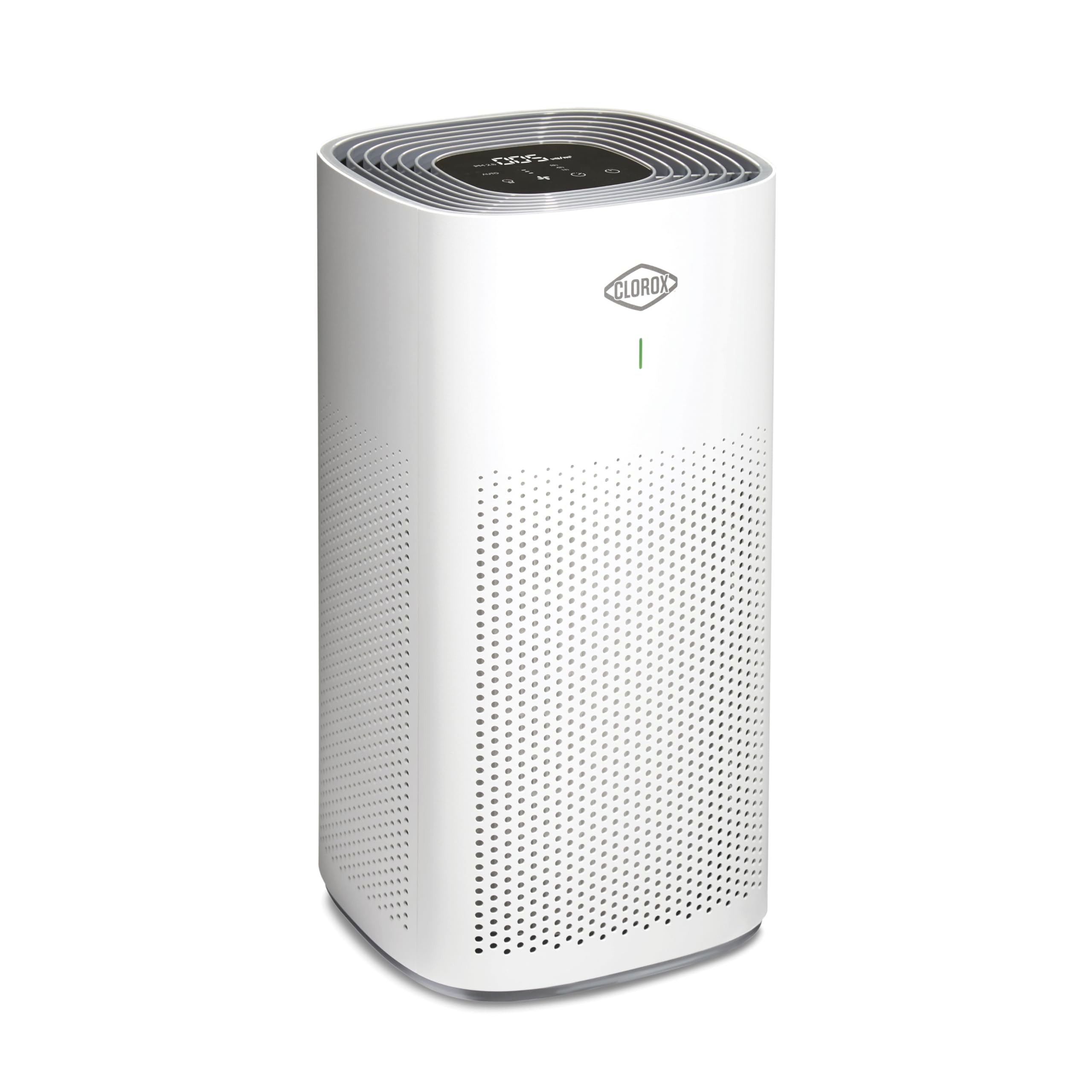
Clorox enters the air purification space with a model that excels in expansive areas. Its 360-degree airflow design pulls air from all directions, enabling it to clean rooms up to 2,200 square feet. The filter exceeds standard HEPA performance, capturing 99.99% of particles as small as 0.1 microns, including many viruses and bacteria, which is a significant benefit for asthmas who are more susceptible to respiratory infections.
The user experience is centered on simplicity and automation. The digital PM2.5 display and color-coded light provide immediate air quality feedback. In Auto mode, the unit self-regulates, ramping up during cooking or when outdoor pollutants enter and settling into a whisper-quiet 30-decibel operation when the air is clean. This set-and-forget functionality is ideal for consistent asthma management.
Backed by third-party testing and the trust of a major health brand, this purifier offers a compelling combination of top-tier specs and user-friendly operation. The filter life is standard, but the overall performance for very large spaces makes it a standout choice for open-plan homes.
Why it’s great
- Massive coverage area with efficient 360-degree intake.
- Exceeds HEPA standards with verified virus/bacteria capture.
- Extremely quiet on auto and low settings.
- Intuitive auto mode with clear air quality display.
Good to know
- The cylindrical shape is larger than some tower models.
- Brand new to the market with a shorter long-term track record.
3. Austin Air HealthMate Plus
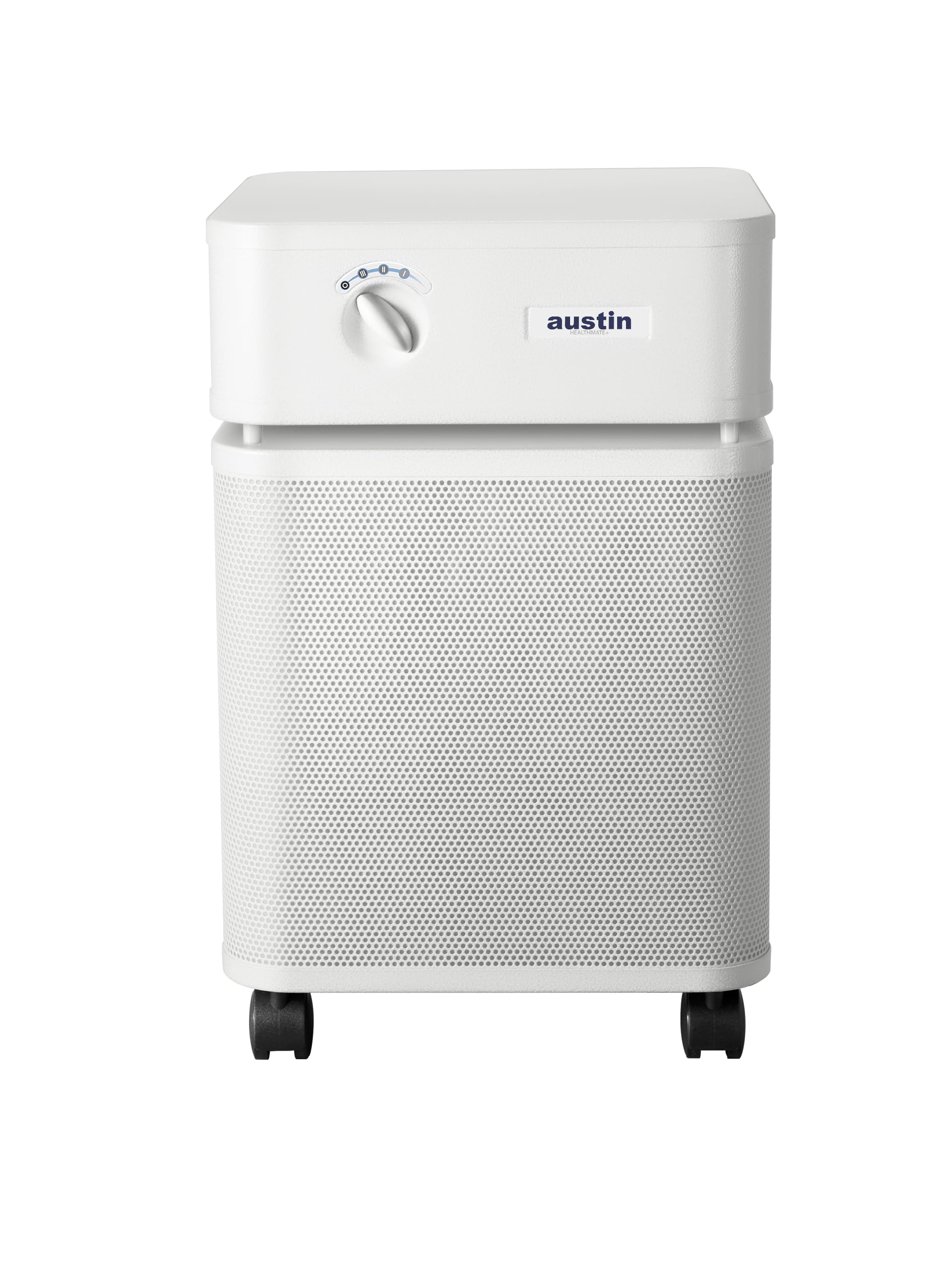
The Austin Air HealthMate Plus is the undisputed heavyweight champion for tackling severe chemical sensitivities, VOCs, and persistent odors alongside particulate matter. Its defining feature is a massive filter containing 15 pounds of activated carbon and zeolite, designed to adsorb gases, chemical fumes, and smoke that can trigger asthma attacks. The filter is rated to last up to five years under normal conditions.
This is a medical-grade unit built for durability in the USA. It uses a simple, robust two-speed fan to pull air through its four-stage filtration, with no electronic sensors or auto modes that can fail. It covers up to 1,500 square feet and is renowned for its effectiveness against challenging pollutants like wildfire smoke, off-gassing from new furniture, and persistent pet or cooking odors.
The investment is significant, but it’s designed for the long haul. Owners report using these units for over a decade with only periodic filter changes. For asthmatics whose triggers include strong odors, chemicals, or who need the most reliable, no-frills performance, the HealthMate Plus is often the final stop in their search.
Why it’s great
- Unmatched chemical and gas filtration with immense carbon bed.
- Exceptionally long filter life reduces long-term cost and waste.
- Simple, durable, American-made construction with a proven track record.
- Highly effective for smoke, VOCs, and tough odor elimination.
Good to know
- Premium initial investment.
- Heavy and basic in design compared to smart purifiers.
- Fan can be loud on the highest setting.
4. Honeywell HPA300 HEPA Air Purifier
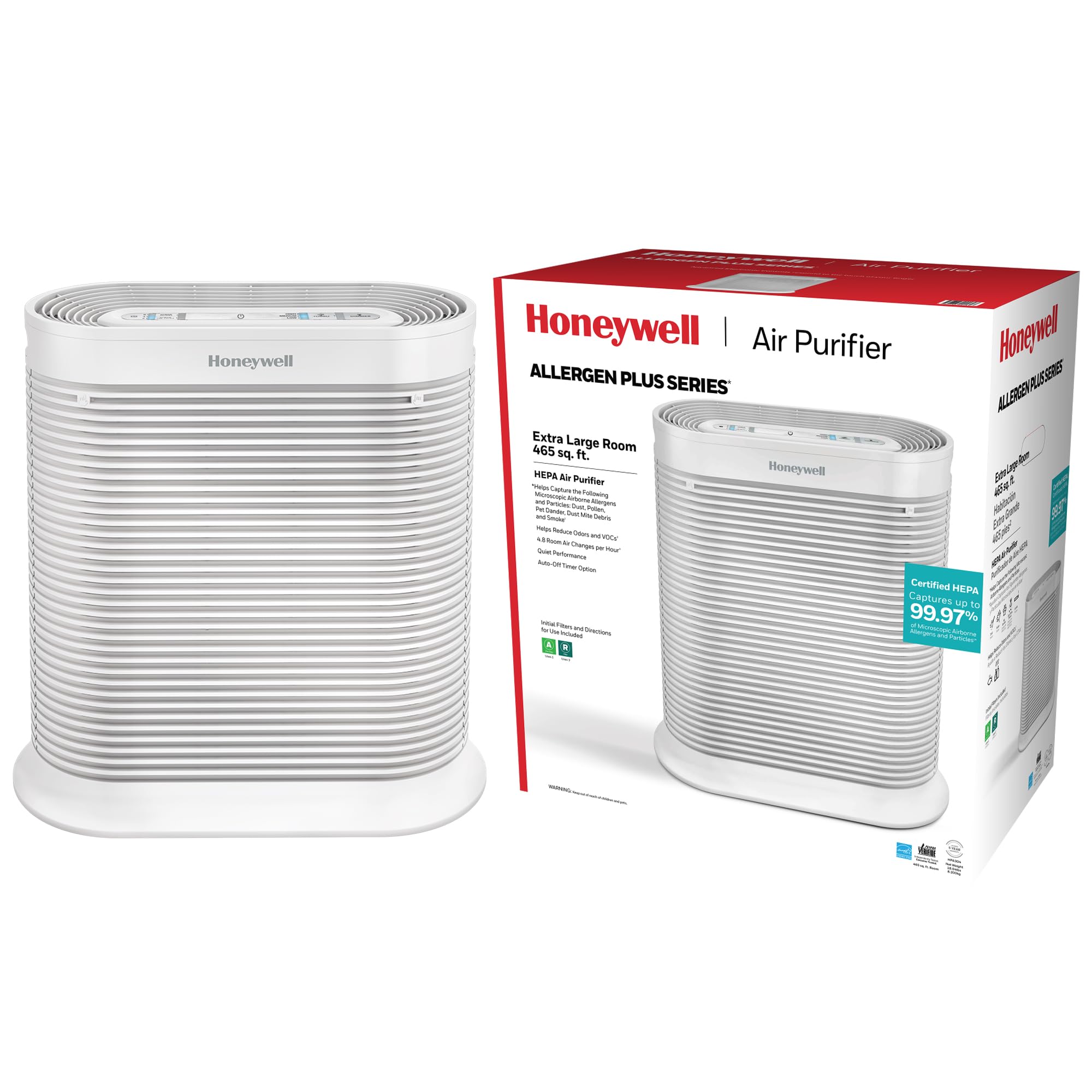
The Honeywell HPA300 is a time-tested workhorse, beloved for its straightforward effectiveness and durability. It’s an ENERGY STAR certified model focused squarely on reducing airborne allergens in large rooms up to 465 square feet. Its True HEPA filter captures 99.97% of microscopic particles, and it circulates the air in its rated space up to 4.8 times per hour.
This purifier excels in simplicity and longevity. It features four cleaning levels, including a Turbo setting for rapid cleaning and a Germ setting that is remarkably quiet for nighttime use. The design allows it to be placed flush against a wall, saving space. Many users report owning these units for 5-10 years with no decline in performance, a testament to its build quality.
For asthmatics who want a no-nonsense, reliable machine from a trusted brand without extra features like air quality sensors, the HPA300 delivers consistent performance. The availability of both genuine and third-party replacement filters also provides flexibility for ongoing maintenance.
Why it’s great
- Extremely reliable with a long lifespan proven by users.
- Effective allergen reduction with a strong CADR for its class.
- Quiet low setting and space-saving design.
- Trusted brand with wide filter availability.
Good to know
- Lacks smart features like auto mode or air quality display.
- Replacement filters can be a recurring cost.
- Not as sleek or modern as some newer models.
5. PuroAir 400 HEPA Air Purifier
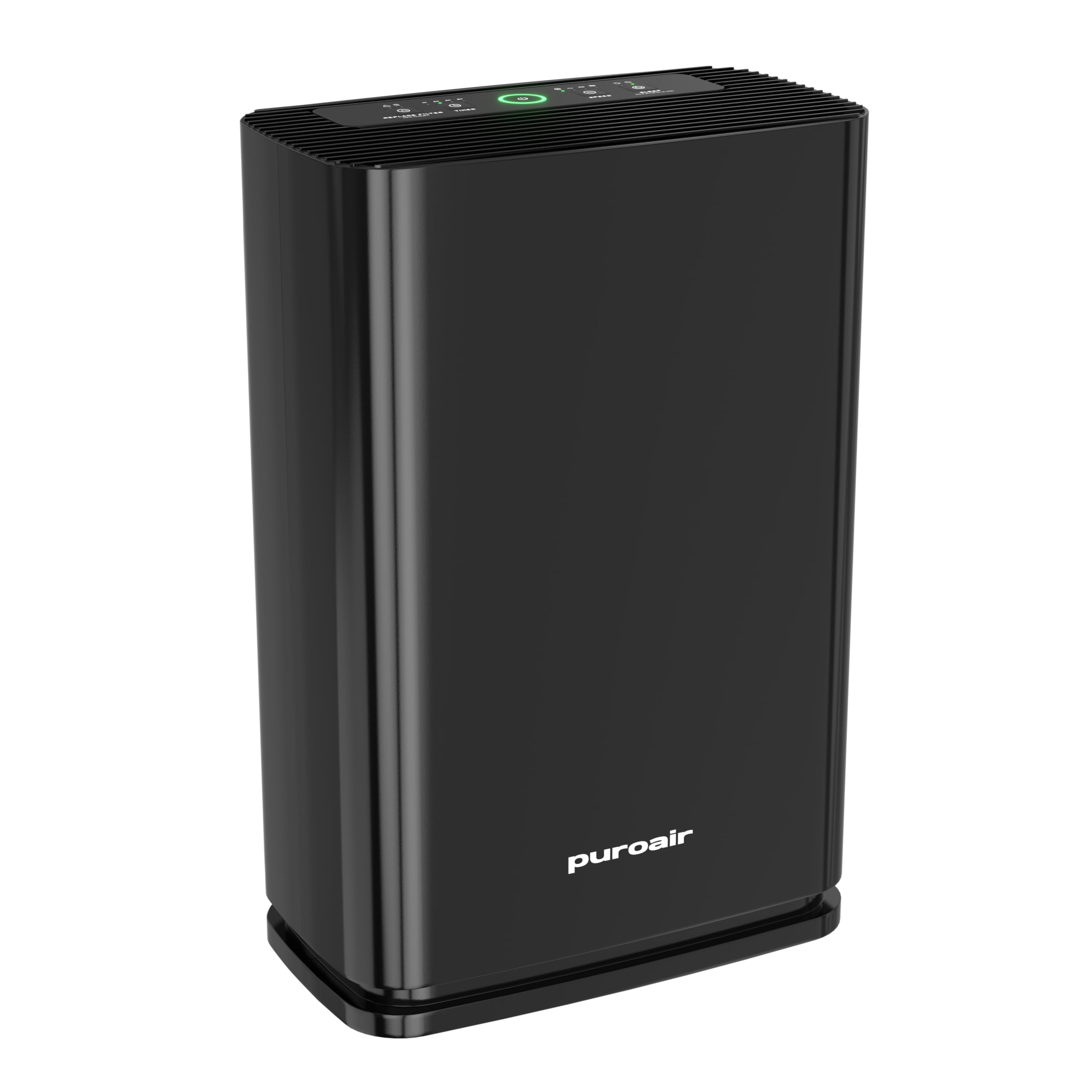
The PuroAir 400 is designed as a single-unit solution for large, open areas, claiming to clean up to 2,000 square feet in one hour. Its three-layer filtration includes a pre-filter, True HEPA, and activated carbon, targeting the full spectrum of particulate and gaseous asthma triggers. Independent lab testing backs its performance claims, providing extra assurance.
A key feature is its smart particle sensor, which constantly monitors air quality and automatically adjusts fan speed. This automation, combined with a dedicated sleep mode, makes it ideal for maintaining air quality without manual intervention. Users note a significant reduction in dust accumulation and allergy symptoms, particularly during high-pollen seasons.
The unit is also user-friendly, with casters for easy movement between rooms and a two-year warranty. For someone living in a loft, large studio, or open-concept home who wants a powerful, self-regulating purifier, the PuroAir 400 presents a strong, feature-rich option.
Why it’s great
- Extensive coverage suitable for entire floors or great rooms.
- Effective auto mode with a responsive air quality sensor.
- Quiet operation and easy mobility with casters.
- Backed by independent testing and a good warranty.
Good to know
- As a newer brand, long-term reliability is still being established.
- App connectivity can be finicky on some networks.
- Large physical footprint.
6. GermGuardian AC4825W Air Purifier

The GermGuardian AC4825W offers a compelling package of True HEPA filtration, optional UV-C light, and a carbon filter at an accessible point. It cleans rooms up to 743 square feet, making it a versatile choice for most bedrooms and living rooms. The UV-C light is a notable feature, designed to reduce airborne germs, bacteria, and mold spores, which is a bonus for asthmatics concerned about respiratory infections.
Users report noticeable improvements in air quality, particularly for dust and pet dander, within a short period. The tower design is slim and unobtrusive, and it operates quietly on its lower settings, suitable for sleep. The three speed settings are simple to use, and the filter change indicator helps with maintenance.
This model represents a solid entry into dedicated air purification. It provides the core HEPA filtration needed for asthma relief, plus additional sanitizing features, without a complex interface or premium cost. It’s a reliable “first purifier” that performs its core job effectively.
Why it’s great
- Excellent value with three-stage filtration including UV-C.
- Strong performance for medium to large rooms.
- Quiet on low speed and has a slim profile.
- Straightforward operation with a filter-change reminder.
Good to know
- UV-C bulb requires separate replacement.
- Some find the higher fan speeds louder than competitors.
- Carbon filter layer is thinner than on dedicated odor units.
7. HATHASPACE HSP001 Air Purifier

The HATHASPACE HSP001 focuses on giving you real-time feedback about your air. Its smart sensor and clear touch-screen display show a numerical air quality score, allowing you to see exactly when and how the purifier is working. This visual confirmation can be reassuring for asthmatics who want to understand their environment. The 4-in-1 filter includes a H11 HEPA filter and a honeycomb activated carbon layer.
In Auto mode, the unit responds to changes in air quality, speeding up for cooking smoke or VOCs and slowing down when the air is clean. Users praise its effectiveness at reducing dust and odors, with many noting a direct improvement in allergy symptoms. The included remote control and quiet operation add to the convenience.
While its H11 filter is a step below True HEPA in lab efficiency, the practical difference in a home environment for larger particles like pollen and dust is often minimal. The real strength here is the smart features and user interface, which provide a heightened sense of control and awareness over indoor air quality.
Why it’s great
- Excellent air quality monitoring with a clear digital display.
- Responsive auto mode and convenient remote control.
- Effective for dust, VOCs, and general allergen reduction.
- Quiet operation suitable for bedrooms and offices.
Good to know
- Uses H11, not True HEPA filtration (99.9% vs. 99.97% at 0.3 microns).
- Some users note the sensor is more sensitive to VOCs than particulates.
- Replacement filters are a required ongoing cost.
8. Austin Air Healthmate Replacement Filter
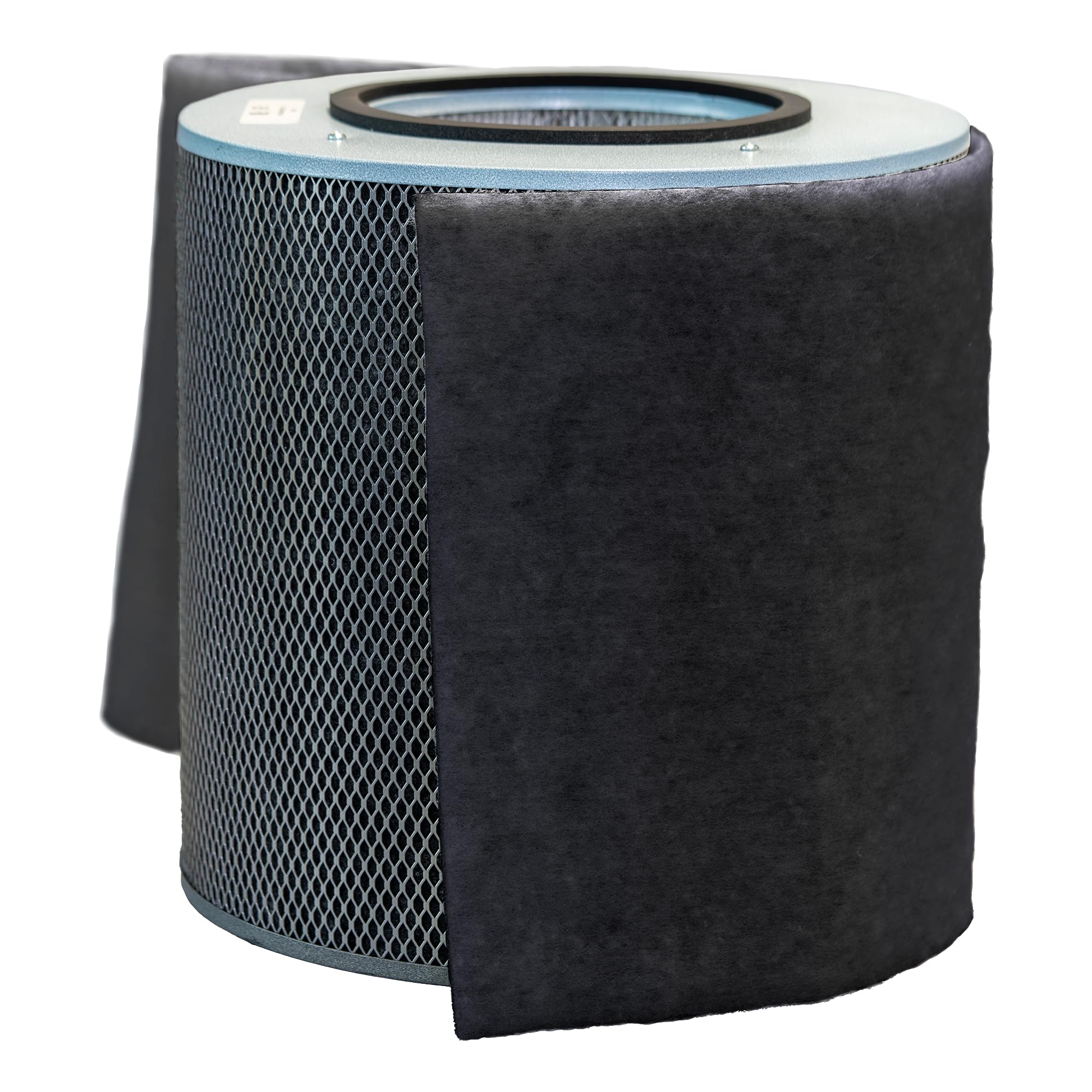
This is the genuine replacement filter for the Austin Air HealthMate series purifiers. Its performance is critical for owners of these durable machines to maintain their exceptional air cleaning capabilities. The filter combines True HEPA filtration with a substantial amount of activated carbon and zeolite, targeting both particles and chemical gases.
The standout feature is its longevity. Designed to last up to five years under normal household conditions, this filter represents a significant long-term value and reduces waste. Replacing it restores the purifier to like-new performance, continuing its protection against asthma triggers like dust, smoke, VOCs, and odors.
Installation is straightforward, and the robust steel construction ensures it holds its shape and effectiveness over its long service life. For the dedicated community of Austin Air users, this filter is an essential maintenance item that protects their investment and their health.
Why it’s great
- Restores premium Austin Air purifier performance.
- Extremely long lifespan reduces frequency of changes.
- Effective combination of particle and chemical filtration.
- Durable, heavy-duty construction.
Good to know
- Only compatible with specific Austin Air models.
- A significant single purchase, though amortized over years.
- Heavy and requires proper installation.
9. IQAir PreMax Prefilter

For owners of the premium IQAir HealthPro series purifiers, the PreMax prefilter is a critical component of the system. It acts as the first line of defense, capturing coarse and fine particles like dust, hair, and larger allergens before they reach the more expensive and delicate HyperHEPA main filter. This prolongs the life of the primary filter, making the system more economical to run.
This Swiss-made filter is designed to last up to 18 months, a notably long lifespan for a prefilter. By trapping the larger debris, it ensures the main filter can operate at peak efficiency against the ultrafine particles most relevant to asthma. User reviews from asthmatics specifically note the difference these filters make in maintaining clean air.
While it only fits specific IQAir models, its role is vital within that ecosystem. It’s a key part of maintaining the performance of one of the most highly regarded air purification systems for severe allergies and asthma.
Why it’s great
- Extends the life and efficacy of costly main HEPA filters.
- Long 18-month replacement cycle.
- High-quality construction from a reputable brand.
- Essential for optimal IQAir system performance.
Good to know
- Only compatible with IQAir HealthPro series purifiers.
- An additional ongoing cost for system maintenance.
- Does not work as a standalone filter.
10. Filterbuy 14x25x1 MERV 8 Air Filter

Your home’s central HVAC system is the first and broadest line of defense for whole-house air quality. The Filterbuy MERV 8 filter provides an excellent balance of filtration and airflow for most systems. MERV 8 is effective at capturing pollen, mold spores, dust mite debris, and pet dander—common asthma triggers—without overly straining your furnace or AC motor.
This 4-pack offers great value and convenience, ensuring you have replacements on hand. The electrostatic pleated media captures more particles than basic fiberglass filters and lasts about 90 days. The sturdy beverage board frame resists warping, ensuring a good seal in the filter slot to prevent unfiltered air from bypassing.
While not a replacement for a standalone HEPA purifier in a bedroom, using a quality MERV 8 filter like this in your central system reduces the overall particulate load in your home, making your room purifiers’ jobs easier and more efficient. It’s a foundational step in a comprehensive asthma management plan.
Why it’s great
- Cost-effective way to improve whole-house filtration.
- MERV 8 rating effectively captures common allergens.
- Sturdy construction and good fit prevent bypass.
- Made in the USA with recyclable materials.
Good to know
- Must be replaced every 3 months for optimal performance.
- Not a substitute for a True HEPA purifier for fine particles.
- Must match your HVAC system’s exact size requirements.
11. BOSCH 6055C HEPA Cabin Air Filter

Asthma triggers don’t disappear when you get in the car. The BOSCH 6055C is a True HEPA-rated cabin air filter designed to provide clean air within your vehicle’s interior. It captures up to 99.97% of particles down to 0.3 microns, including road dust, pollen, and exhaust soot, directly where you breathe during commutes.
Compatibility is broad, fitting many Lexus, Subaru, and Toyota models. Installation is typically a simple DIY task that takes minutes, offering significant savings over dealership service. Users report immediate improvements in air quality inside the car, especially during allergy season or in high-traffic areas.
This filter represents an often-overlooked but important aspect of asthma management. Ensuring the air in your vehicle is filtered can make driving, especially in polluted or high-pollen areas, a more comfortable and less triggering experience.
Why it’s great
- Brings True HEPA filtration into your vehicle’s cabin.
- Easy self-installation saves on maintenance costs.
- Effective against traffic pollution and seasonal allergens.
- High-quality construction from a trusted automotive brand.
Good to know
- Must verify exact compatibility with your vehicle’s year, make, and model.
- Needs replacement approximately once a year.
- Only protects the air inside the car, not your home.
Understanding the Specs
HEPA H13 vs. True HEPA
Both are excellent, but there’s a key difference. True HEPA (often called HEPA H10-H12) captures 99.97% of particles 0.3 microns in size, the standard benchmark. HEPA H13 captures 99.9% of particles down to 0.1 microns, offering finer filtration for ultrafine smoke, viruses, and some bacteria. For most asthmatic triggers (pollen, dust mites, dander), True HEPA is highly effective. H13 provides an extra margin for the smallest particulates.
CADR & Room Coverage
Clean Air Delivery Rate (CADR) measures how many cubic feet of clean air a purifier delivers per minute. Higher is better. More practically, look at the room coverage in square feet. For asthma, choose a purifier rated for a room larger than your space to ensure multiple air changes per hour. A unit for a 500 sq ft room in a 300 sq ft bedroom will clean the air more quickly and thoroughly.
Activated Carbon & Zeolite
HEPA filters only capture particles. Activated carbon is a porous material that adsorbs gases, odors, VOCs, and chemical fumes. The more pounds of carbon, the greater the capacity and longevity. Zeolite is a mineral often added to carbon filters to enhance the capture of specific gaseous pollutants and ammonia. These are critical if smoke, household chemicals, or odors are among your asthma triggers.
Filter Life & Maintenance
Filter life is estimated in months or hours based on continuous use. A 6-month filter in a always-on purifier needs biannual replacement. Pre-filters (often washable) should be cleaned monthly. Ignoring replacement schedules allows trapped pollutants to potentially be re-released and strains the fan motor. Factor in the cost and availability of replacement filters when choosing a model.
FAQ
Where is the best place to put an air purifier for asthma?
How often should I run my air purifier?
Can an air purifier replace medication for asthma?
Do I need a separate air purifier if my HVAC has a good filter?
Final Thoughts: The Verdict
For most people, the best air filter for asthma winner is the Medify MA-40 because it combines superior H13 filtration with massive room coverage and quiet, user-friendly operation at a mid-range point. If you want unmatched chemical and odor removal for severe sensitivities, grab the Austin Air HealthMate Plus. And for proven, set-and-forget reliability in a large bedroom, nothing beats the Honeywell HPA300.

Mo Maruf
I created WellFizz to bridge the gap between vague wellness advice and actionable solutions. My mission is simple: to decode the research and give you practical tools you can actually use.
Beyond the data, I am a passionate traveler. I believe that stepping away from the screen to explore new environments is essential for mental clarity and physical vitality.