Our readers keep the lights on and my smoothie glass nicely filled. As an Amazon Associate, I earn from qualifying purchases.
Finding winter boots that handle slush, ice, and single-digit windchills without costing a full paycheck is the holy grail of cold-weather shopping. Most boots under either sacrifice insulation for a sleek profile or use cheap rubber that cracks after one season, forcing you to re-buy every year. The real challenge is identifying which budget-friendly pairs use smart material choices—like synthetic 200-gram insulation, sealed seams, and aggressive tread compounds—so you stay dry and warm without the premium markup.
I’m Mohammad Maruf — the founder and writer behind WellFizz. I’ve spent years analyzing the construction details of hundreds of winter boots, cross-referencing customer wear-test data against the official spec sheets to find the models that actually deliver on their waterproof and warmth claims for their price tier.
Below, after combing through user reports of traction on ice, insulation effectiveness below freezing, and ankle support during long walks, I’ve separated the real performers from the look-alikes to present the definitive list of the best affordable winter boots that hold up to real winter conditions.
How To Choose The Best Affordable Winter Boots
Not all winter boots are created equal, especially when you’re trying to stay under a certain budget. The key is to identify the features that matter most for your specific winter conditions—whether that’s commuting in slush, shoveling snow, or walking the dog in sub-zero wind chills.
Insulation Weight: 200g vs. 400g
Most affordable boots use a synthetic 200-gram insulation layer, which is adequate for temperatures down to about -10°F when paired with a wool sock. Boots without a listed insulation weight often rely on a fuzzy lining that works fine for 20°F and above but struggles in true deep freeze. If you’ll be stationary in sub-zero temps, look for 400g or Omni-Heat reflective lining, which traps body heat without adding bulk.
Waterproofing Construction
In this price range, “water resistant” is common but “waterproof” is the gold standard. Check if the boot uses a waterproof membrane (like Columbia’s Omni-Tech or a sealed inner bootie) or just a DWR spray-on coating. Customer reviews often reveal the truth: boots that leak at the tongue seam after 30 minutes in slush are not true winter boots
Traction and Sole Compound
A smooth rubber sole is dangerous on ice. Look for aggressive lugs (at least 4mm depth) and a rubber compound rated for winter. Some mid-range boots use a sticky rubber that grips wet pavement but picks up snow—a trade-off worth knowing. Reviews that mention “slippery on wet floors” point to a sole that isn’t winter-specific.
Quick Comparison
On smaller screens, swipe sideways to see the full table.
| Model | Category | Best For | Key Spec | Amazon |
|---|---|---|---|---|
| Columbia Women’s Snowtrot Shorty | Mid-Range | All-day comfort & warmth | 200g insulation, sneaker-like | Amazon |
| Columbia Women’s Red Hills Omni-Heat | Mid-Range | Lightweight warmth & arch support | Omni-Heat reflective lining | Amazon |
| XPETI Men’s Crest Thermo | Mid-Range | Hiking & ankle support | All-rubber construction, 7.5″ height | Amazon |
| Columbia Women’s Moritza Shield Omni-Heat | Premium | Combat boot style & blizzard use | Omni-Heat, reinforced toe | Amazon |
| Columbia Newton Ridge Plus Waterproof | Premium | Hiking & casual outdoor use | Waterproof membrane, leather | Amazon |
| Columbia Men’s Expeditionist Shield | Premium | Extreme cold & daily drivers | Omni-Heat, 200g, 10°F rated | Amazon |
| Men’s Winter Snow Boots 7.1 IN Height | Budget | Extreme cold on a budget | 7.1″ height, -30°F use | Amazon |
In‑Depth Reviews
1. Columbia Women’s Snowtrot Shorty Snow Boots
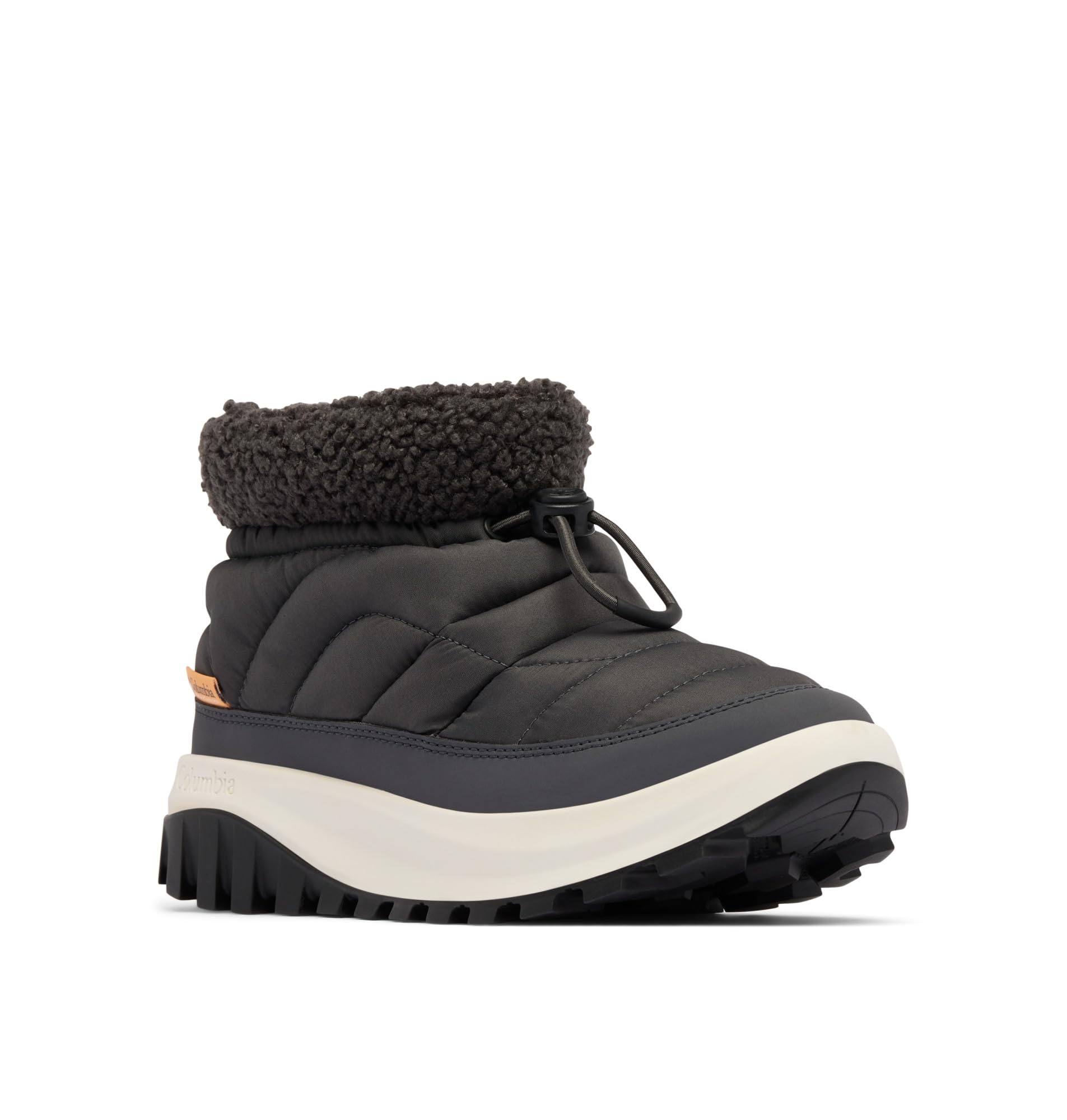
The Snowtrot Shorty nails the balance between a sneaker’s walkability and a winter boot’s security. Its 200-gram synthetic insulation keeps feet warm down to the low teens, while the lightweight EVA midsole gives it a flex that feels nothing like a clunky snow boot. The outsole’s sticky rubber has a noticeable squeak on smooth floors, but that same compound provides excellent grip on packed snow and wet pavement—customer reviews consistently call out the traction as a strong point.
Several reviewers noted the fit runs slightly long in the heel but true to the toe, making it a good option for those with narrow heels. The waterproof upper held up during multiple walks in wet slush, and the sneaker aesthetic means it pairs with leggings, jeans, or joggers without looking like you’re heading to a ski lodge. The main recurring complaint is that the wide version can still feel snug for truly wide feet.
For the price, the Snowtrot Shorty delivers a rare combination: genuine warmth, reliable waterproofing, and a silhouette that works for daily wear. It’s the boot most buyers will reach for on any winter day between 10°F and 30°F, making it the smartest all-around pick in this guide.
Why it’s great
- Lightweight and flexible for all-day wear
- Excellent slip-resistant outsole on snow
- True-to-size fit for most foot shapes
Good to know
- Heel and ankle area can feel loose for narrow feet
- Wide version still tight for very wide feet
- No zipper, can be hard to pull on without a shoehorn
2. XPETI Men’s Crest Thermo High-Top Winter Hiking Boots

The XPETI Crest Thermo takes a different approach than most budget boots: an all-rubber lower construction that seals out moisture better than many fabric-and-leather hybrids at double the price. The 7.5-inch shaft provides genuine ankle support for hiking on uneven terrain, and the outsole’s deep lugs grab into icy grass and packed mud without slipping. Customers consistently report zero break-in time, which is rare for a boot with this much structure.
Insulation is rated for temperatures down to around 0°F when paired with a good wool sock, and user feedback confirms warmth in the mid-20s to upper teens even during extended stationary periods. The all-rubber exterior also means mud and salt wipe off with a damp cloth—a practical advantage for anyone who doesn’t want to baby their gear. The main downsides are that the waterproofing relies on the rubber being intact, so any puncture from a thorn or sharp stone could create a leak.
For men looking for a winter hiking boot that can double as a daily winter shoe, the Crest Thermo punches well above its price point. The combination of immediate comfort, real ankle support, and easy-clean construction makes it the top mid-range pick for outdoor use.
Why it’s great
- No break-in period needed, comfortable out of the box
- Excellent ankle support and grip on uneven terrain
- All-rubber lower is easy to clean and durable
Good to know
- Bottom lace hook can press into the ankle bone
- Not fully waterproof in deep snow for extended periods
- Some users size up a full size for thick socks
3. Columbia Women’s Red Hills Omni-Heat Snow Boots
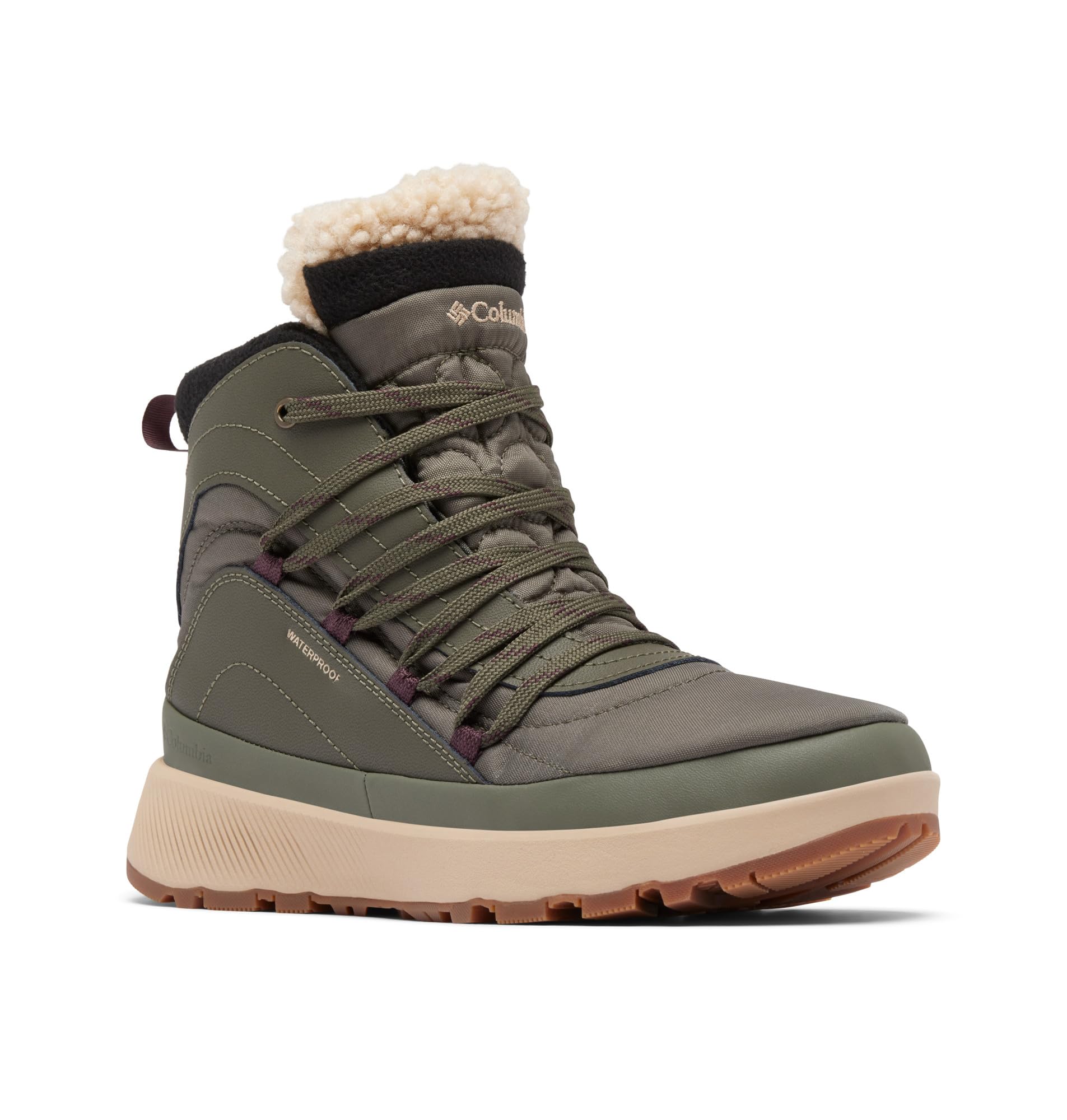
The Red Hills Omni-Heat boot is a standout for anyone who prioritizes underfoot comfort over extreme cold ratings. The Omni-Heat reflective lining bounces body heat back into the foot, meaning the boot feels toasty without needing thick, bulky insulation. This translates to a lighter, more flexible boot that still keeps feet warm in the 20°F to 40°F range, as confirmed by multiple Chicago-winter reviewers who wore them for hours in slush without cold toes.
The arch support is notably good—several reviewers with bone spurs or plantar fasciitis reported significant relief, which is unusual in a boot at this price point. The heel is subtly buoyant, providing a cushion that reduces fatigue on long walks. The boot’s minimalist lacing system is designed for easy slip-on/slip-off, and the waterproof membrane held up during snow shoveling and wet pavement commutes. The only catch is that fit can be slim through the ankle, so those with wider calves may need to leave laces looser.
If you walk more than you stand still in winter—commuting, errands, dog walks—the Red Hills Omni-Heat is the most comfortable option in this guide. Its lightweight feel and supportive footbed make it a boot you can forget you’re wearing.
Why it’s great
- Excellent arch support, great for plantar fasciitis
- Very lightweight with effective Omni-Heat warmth
- Waterproof and easy to slip on and off
Good to know
- Slim ankle fit may feel tight for some users
- Best for moderate cold, not extreme sub-zero
- Size up a full size for thick socks
4. Columbia Women’s Moritza Shield Omni-Heat Insulated Snow Boot

The Moritza Shield looks like a combat boot but performs like a dedicated snow boot—a rare combination that usually costs significantly more. The Omni-Heat lining provides warmth equivalent to a heavier boot without the bulk, allowing a sleeker silhouette that tucks under pants or stands out as a fashion statement. Customer reviews praise the sticky rubber sole, which offers shock absorption and a roll-proof feel, and the reinforced toe adds durability for scraping through icy steps.
Reviewers have worn these in actual blizzard conditions for hours of shoveling and reported both warmth and dryness, even with low-cut socks. The fit runs small, so sizing up a half size is widely recommended. The ankle area is slightly bulky—a common trade-off for the high-top snow protection—but the trade-off is genuine waterproofing and warmth that rivals more expensive models. One reviewer with bone spurs found them pain-free after three hours of heavy labor.
For buyers who refuse to sacrifice aesthetics for function, the Moritza Shield delivers a genuinely warm, waterproof boot that looks at home in a casual office or on a snowy trail. It’s the premium style-centric pick that still fits under a budget-conscious ceiling.
Why it’s great
- Stylish combat boot look with real snow performance
- Reinforced toe and shock-absorbing foam
- Warm in blizzard conditions without thick socks
Good to know
- Runs small, need to size up half a size
- Ankle area feels bulky to some
- Laces could be longer for secure tying
5. Columbia Women’s Newton Ridge Plus Waterproof Amped

The Newton Ridge Plus is a true hiking boot that happens to be fully winter-ready, making it the top pick for anyone who needs to transition from snowy trails to wet urban sidewalks. The combination of a waterproof membrane and a leather upper provides weather protection that holds up better over time than spray-on treatments. Customers rave about the stability and ankle support, especially when carrying extra weight or navigating icy, uneven terrain.
The fit runs slightly small, particularly in the toe box, so sizing up a half size is a safe bet. The boot’s cushioning is noticeably plush, absorbing shock from pavement and packed trails alike. However, a design flaw has emerged: the tongue logo tends to collect snow and funnel it into the boot during deep snow or heavy rain, causing wet socks after extended exposure. This isn’t a problem for shallow slush or dry snow, but it’s worth noting for serious outdoor use.
For the price, the Newton Ridge Plus offers a premium-feeling build with leather durability and a waterproof membrane that most affordable boots lack. It’s the best choice for active winter hikers who need reliable ankle support and all-day comfort.
Why it’s great
- Durable leather upper with waterproof membrane
- Excellent ankle support and stability on trails
- Plush cushioning for long-distance comfort
Good to know
- Tongue design can funnel snow into the boot
- Runs small, especially in the toe box
- Wide version is barely wider than standard
6. Columbia Men’s Expeditionist Shield

The Expeditionist Shield is built for men who need a single boot that works as a daily driver through deep winter. The combination of Omni-Heat reflective lining and 200-gram insulation keeps feet warm down to about 10°F, according to extensive customer testing. The boot weighs noticeably less than traditional winter boots like Sorels, making it practical for all-day wear at work or on errands. Several reviewers have worn these for months straight without issues, praising the comfort and durability.
The waterproofing is not absolute—the boot resists water well but can soak through in standing slush if you stand in it for over 30 minutes. The upside is that it dries very quickly, so it’s still functional the next morning. The aggressive tread is excellent on snow but tracks clumps indoors, leaving puddles on hard floors. The gold trim on the collar is a divisive design choice that some reviewers find juvenile, but the overall construction feels solid and well-built for the price.
If you need a single boot for everything from shoveling to daily commuting and the temperatures in your area rarely dip below zero, the Expeditionist Shield is a reliable, lightweight choice. For the warmth-to-weight ratio, it’s one of the best values in the men’s category.
Why it’s great
- Lightweight for all-day wear, like a hiking boot
- Effective warmth down to 10°F
- Durable construction, quick-drying material
Good to know
- Not fully waterproof in standing slush
- Aggressive tread tracks snow indoors
- Gold collar trim is a polarizing design element
7. Men’s Winter Snow Boots Water Resistant Non Slip (7.1 IN Height)

This no-name winter boot from an online-first brand is the entry-level option for buyers who prioritize raw cold protection over comfort refinements. At 7.1 inches tall, it offers deep snow coverage that exceeds most boots in this guide, and multiple customers report keeping their feet warm in temperatures as low as -30°F when not moving through deep powder. The fuzzy-top collar effectively seals out blowing snow, a feature missing from many cheaper boots.
The fit is noted as true to size and accommodating for wide feet, which is a plus for men who struggle with narrow toe boxes. The outsole provides good grip on snow and slush but is noticeably slippery on indoor wet floors—a common trade-off for budget rubber compounds. The velcro strap version is recommended by reviewers for easier on/off, but even the standard lace-up version is flexible enough to slip on with loose laces. The long-term waterproofing remains unproven, as most reviews are from a single season.
For the absolute lowest price in this guide, these boots deliver adequate warmth and solid snow coverage for occasional use. They’re the best pick for someone who only needs a backup pair for snow days or a cheap option for an infrequent trip to a snowy climate.
Why it’s great
- Very warm, rated for extreme cold (-30°F reports)
- Wide fit accommodates thicker socks and wide feet
- Fuzzy top collar prevents snow from entering
Good to know
- Slippery on wet indoor floors
- Long-term waterproofing durability is unknown
- Basic construction, no advanced features like Omni-Heat
FAQ
Should I size up for winter boots if I wear thick socks?
What’s the difference between water resistant and waterproof in winter boots?
Are Omni-Heat boots actually warmer than regular insulated boots?
Final Thoughts: The Verdict
For most users, the best affordable winter boots winner is the Columbia Women’s Snowtrot Shorty because it combines sneaker comfort, genuine warmth, and reliable waterproofing at a price that leaves room for other gear. If you need better arch support for long walks, grab the Columbia Women’s Red Hills Omni-Heat. And for men who want a rugged hiking boot that handles winter trails and daily commutes, nothing beats the XPETI Men’s Crest Thermo for value and immediate comfort.

Mo Maruf
I created WellFizz to bridge the gap between vague wellness advice and actionable solutions. My mission is simple: to decode the research and give you practical tools you can actually use.
Beyond the data, I am a passionate traveler. I believe that stepping away from the screen to explore new environments is essential for mental clarity and physical vitality.