Our readers keep the lights on and my smoothie glass nicely filled. As an Amazon Associate, I earn from qualifying purchases.
Finding in-ear monitors that deliver accurate stage monitoring without forcing you into triple-digit price anxiety is a specific kind of search. Cheap earbuds distort the mix, muddy the vocals, and fall apart mid-set. A true monitor separates instruments cleanly, isolates you from stage noise, and survives the road test.
I’m Mohammad Maruf — the founder and writer behind WellFizz. I’ve spent years analyzing driver configurations, impedance curves, and build quality across dozens of IEM models to help musicians and critical listeners cut through the marketing noise.
Whether you’re tracking bass in a home studio or singing live, this guide breaks down the only options worth your attention for a reliable affordable in ear monitors setup that won’t fail you mid-performance.
How To Choose The Best Affordable In Ear Monitors
Choosing the right IEM means matching the driver technology to your specific monitoring environment. A drummer needs different low-end punch than a vocalist looking for vocal clarity, and the build must hold up to repeated insertion and cable stress.
Driver Configuration: Balanced Armature vs. Dynamic vs. Hybrid
Balanced armature (BA) drivers excel at detail retrieval and high-frequency extension, making them ideal for vocalists who need clear midrange. Dynamic drivers deliver punchier bass and a fuller low-end, preferred by drummers and bassists. Hybrid designs combine both, offering a wider frequency coverage but often at a higher price point. For affordable monitors, a single dynamic driver done right often out-performs a badly tuned multi-BA setup.
Noise Isolation and Fit
Passive noise isolation is critical on stage—it lets you hear your mix at lower volumes, protecting your hearing. Look for monitors that include multiple silicone and foam ear tip sizes. Foam tips typically offer superior isolation (up to 37 dB) but require a few seconds to expand. The shell shape also matters; a low-profile design prevents the monitor from poking out and breaking the seal when you move your head.
Detachable Cables and Connector Type
Every professional IEM should use a detachable cable. MMCX connectors allow 360-degree rotation, which helps with cable routing over the ear, while 2-pin connectors (0.78mm) are more robust and less prone to loosening over time. A replaceable cable means a broken wire doesn’t kill the entire monitor—a must for touring musicians.
Quick Comparison
On smaller screens, swipe sideways to see the full table.
| Model | Category | Best For | Key Spec | Amazon |
|---|---|---|---|---|
| Sennheiser IE 100 PRO | Dynamic | Studio monitoring | 10mm broadband dynamic driver | Amazon |
| UE 150 Universal | Dynamic | Neutral stage monitoring | Single dynamic driver, neutral response | Amazon |
| BASN Metalen | Hybrid | Bass-heavy live sets | 2 BA + 2 Dynamic drivers per bud | Amazon |
| Shure SE215 PRO | Dynamic | Gigging musicians | 37 dB noise isolation, MMCX cable | Amazon |
| TRUTHEAR x Crinacle Zero:BLUE2 | Dual Dynamic | Gaming and music detail | 10mm + 7.8mm dual dynamic drivers | Amazon |
| KZ AS10 | Balanced Armature | Pop vocal clarity | 5 BA drivers per side | Amazon |
| Xvive U4 Wireless System | Wireless System | Stage freedom | 2.4GHz, 5ms latency, 90ft range | Amazon |
In‑Depth Reviews
1. Sennheiser IE 100 PRO
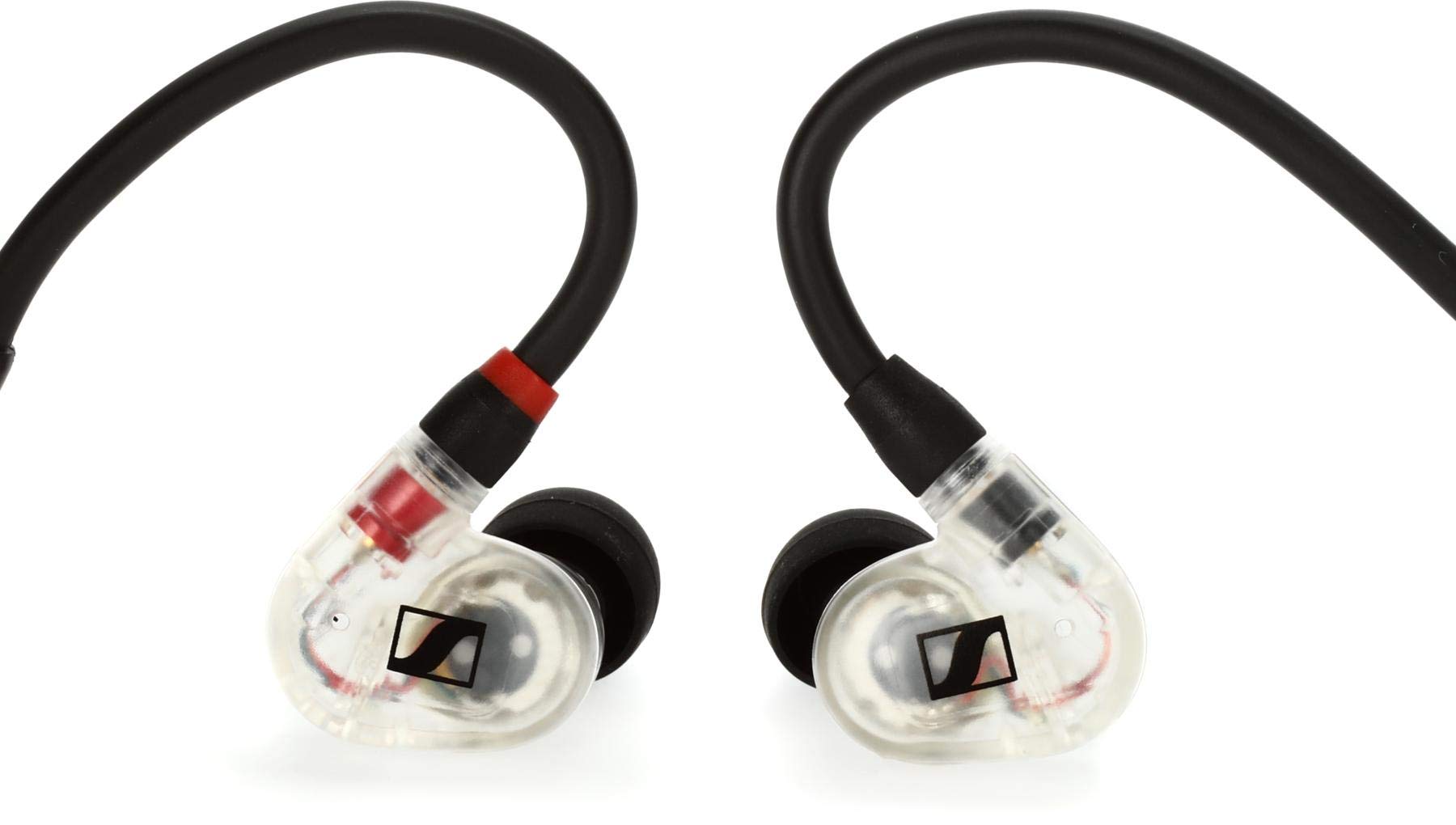
The Sennheiser IE 100 PRO uses a 10mm dynamic broadband transducer designed for low distortion and accurate monitoring. The single-driver approach keeps the crossover phase issues at zero, delivering a coherent signal from 20 Hz to 41 kHz. The housing is slim and ergonomic, sitting flush in the concha to avoid the awkward protrusion that plagues many budget monitors.
Owners consistently report that swapping eartips—especially moving from silicone to foam—dramatically alters the bass response and treble balance. The stock foam tips provide excellent isolation for stage use, but the treble can feel forward on sibilant recordings. The detachable cable uses a proprietary connector, though Sennheiser’s locking mechanism is robust against stage abuse.
For the price, this IEM reveals recording quality ruthlessly; poorly mixed tracks sound harsh, which is exactly what a monitor should do. The included carrying case and cleaning tool add practical value, but the stiff over-ear memory wire requires a break-in period to conform to your ear shape.
Why it’s great
- Extremely accurate and flat frequency response suits critical monitoring
- Compact shell design fits most ears without pressure points
- Excellent build quality with detachable cable for touring
Good to know
- Treble can be harsh on sibilant tracks
- Stock silicone tips may slip; foam tips recommended for best seal
2. UE 150 Universal
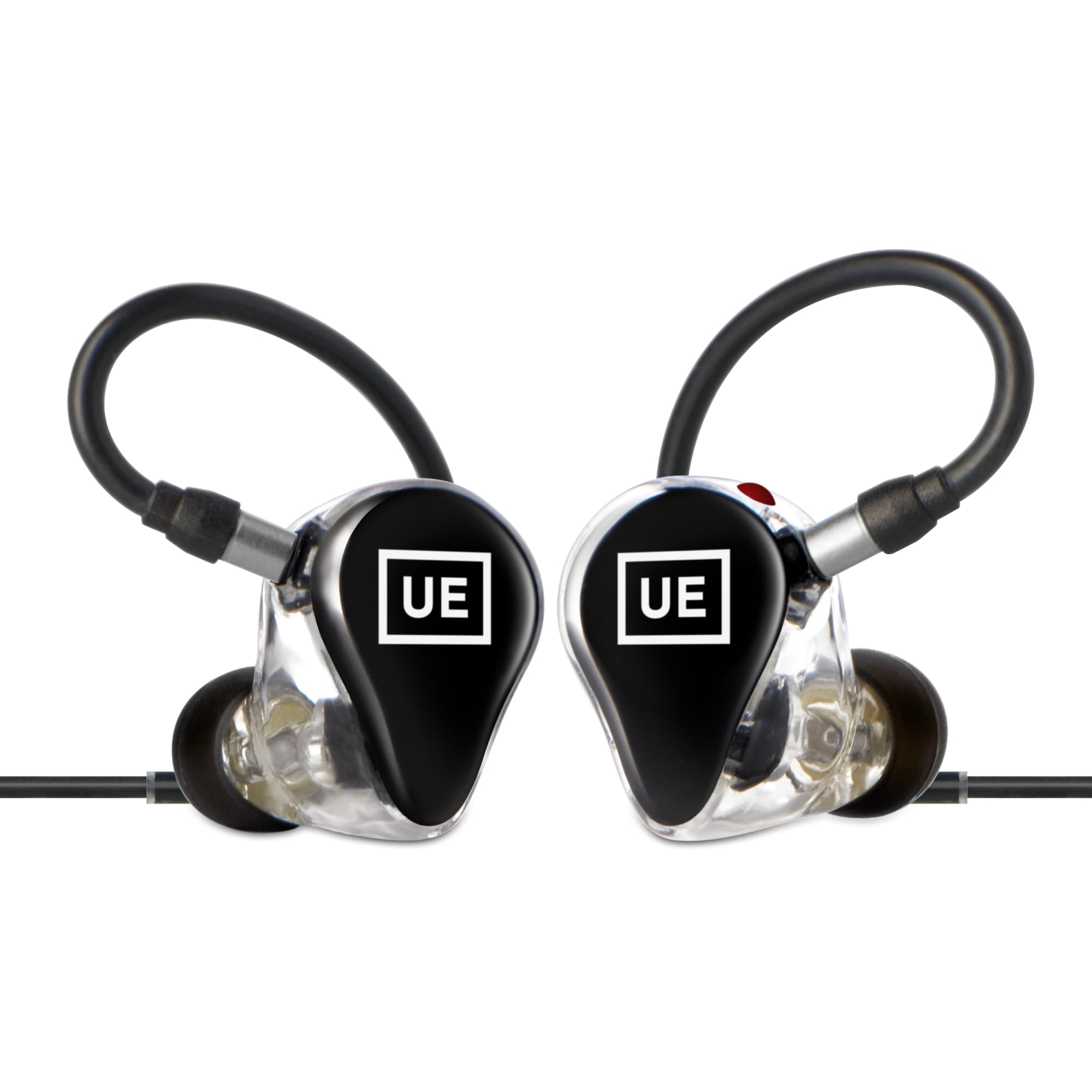
Ultimate Ears built the UE 150 around a single dynamic driver tuned for neutral frequency reproduction without artificial boosting. This makes it a natural choice for audio engineers and vocalists who need to hear the raw mix rather than a hyped listening curve. The shell is lightweight acrylic, and the tactile red dot marking on the right earbud is a small but significant convenience in dark stage environments.
Real-world feedback from musicians highlights the tight, controlled bass response and exceptional clarity across the midrange. Users have compared it favorably to the Shure SE215 and even the pricier SE425, citing superior low-frequency definition and a more honest sound signature. The included foam eartips provide a secure seal and high passive cancellation.
The main compromise is the stock cable—several users note it feels less premium than the earpieces themselves. The lack of a built-in screw-on 1/4-inch adapter on the 3.5mm jack is a missed convenience for console connections. Still, the earpiece durability and sound quality justify the investment for serious monitoring.
Why it’s great
- Neutral, uncolored tuning perfect for critical listening and recording
- Very comfortable for extended wear over multi-hour sessions
- Superior clarity and bass definition compared to similarly priced IEMs
Good to know
- Stock cable quality doesn’t match the earpiece build
- No 1/4-inch adapter included; requires separate purchase for console use
3. BASN Metalen

The BASN Metalen packs two balanced armature and two dynamic drivers into each earpiece, creating a hybrid intended for bassists and drummers who need fast attack and deep low-end. The all-metal CNC-machined shell is sweatproof and durable, with a matte black finish that resists fingerprints. It includes two detachable MMCX cables—one with an inline microphone and one silver-plated OFC cable for improved treble articulation.
In practice, the tuning emphasizes a powerful low end without overwhelming the mids. Female vocals come forward with good presence, and the treble extends cleanly without becoming piercing. Some users report that the sub-bass can feel slightly dry compared to dynamic-only competitors, but the overall speed and clarity make it a strong pick for fast genres like metal or funk.
The earpieces have a larger shell that may stick out slightly, potentially breaking the seal when lying down or wearing a motorcycle helmet. The generous accessory kit includes memory foam tips, a 1/4-inch adapter, and a cleaning brush. For musicians who prioritize bass articulation in their monitor mix, this is a well-rounded contender.
Why it’s great
- Powerful, fast bass response with clear midrange and airy highs
- Sweatproof metal CNC construction is built for stage abuse
- Comes with two cables, foam tips, and a full accessory kit
Good to know
- Shell protrudes more than low-profile IEMs, may break seal on side sleepers
- Sub-bass lacks the weight of pure dynamic drivers
4. Shure SE215 PRO

The Shure SE215 PRO is the benchmark entry-level IEM for touring musicians, and for good reason. Its single dynamic MicroDriver delivers a balanced soundstage with enhanced bass, but the real star is the noise isolation: up to 37 dB of passive reduction, which is among the highest in this price bracket. The over-ear wireform cable keeps the earpieces secure during vigorous movement.
Users consistently praise the SE215 for its comfortable fit over long periods—12-hour flights and multi-hour rehearsals are common reports—and its ability to block out ambient stage noise completely. The sound signature is slightly V-shaped but remains natural enough for critical vocal monitoring. The detachable MMCX cable uses Shure’s proprietary lock-snap mechanism, which is more secure than standard MMCX but requires a specific replacement cable.
The foam sleeves included in the fit kit are crucial for achieving full isolation. Without them, the rubber sleeves may slip due to the stiff cable tension. The compact zippered case is a practical addition for daily transport. While the SE215 doesn’t offer the raw detail of multi-driver alternatives, its reliability and isolation are unmatched at this level.
Why it’s great
- Industry-leading 37 dB passive noise isolation for hearing protection
- Secure over-ear cable design stays put during live performance
- Extremely durable build with replaceable MMCX cable
Good to know
- Soundstage is narrower than multi-driver competitors
- Proprietary MMCX connector limits cable upgrade options
5. TRUTHEAR x Crinacle Zero:BLUE2

The TRUTHEAR Zero:BLUE2 is a Crinacle-collaborated dual dynamic driver IEM with a 10mm driver handling lows and a 7.8mm driver dedicated to mids and highs. The DLP-3D printed cavity and silicone capping technique are build quality tricks usually reserved for high-end customs. The stock 294-core copper silver-plated coaxial cable is a noticeable upgrade over standard budget IEM wiring.
The tuning is V-shaped with warm bass and forward treble, giving it strong detail retrieval for gaming and pop music. The imaging and instrument separation punch above the price point, making it easy to pinpoint footsteps in competitive shooters. Users note that the housings are chunky and may cause fatigue over extended wear, but the lightweight shell construction helps mitigate this.
A common concern is the fragility of the resin shell—several reports of cracking after drops suggest the build isn’t as rugged as metal alternatives. The memory foam eartips provided are excellent for isolation but wear out quickly. For desktop and home use where durability isn’t the primary concern, the sound quality is exceptional for the price.
Why it’s great
- Excellent soundstage and imaging for competitive gaming
- Generous accessory pack with premium coaxial cable
- Warm, engaging tuning that reveals detail in recordings
Good to know
- Resin shell is prone to cracking on impact
- Bulky earpiece shape may cause ear fatigue over long sessions
6. KZ AS10

The KZ AS10 crams five balanced armature drivers into each earpiece, an unusual spec at this price tier. The driver array includes one large low-frequency BA, one mid, two high-frequency units, and one mid-high hybrid. The result is a U-shaped frequency response with tight, clean bass, recessed mids, and crisp non-fatiguing highs. It excels at pop vocals and acoustic detail.
Live musicians report using the AS10 for two to three gigs per week over several months with consistent performance. The 2-pin detachable cable is standard KZ quality—functional but thin. Many owners upgrade to a third-party cable for better ear hook retention and noise handling. The clear plastic housing gives a view of the internal drivers, but the outer ear fit can feel awkward for some ear shapes.
Isolation is decent with the stock tips but improves significantly with aftermarket foam tips. The soundstage is wide but lacks depth compared to dynamic driver competitors. For vocalists who prioritize clarity and articulation over bass slam, the AS10 offers a unique multi-BA experience that few rivals can match at its price.
Why it’s great
- Five BA drivers deliver class-leading detail and vocal clarity
- U-shaped tuning with crisp highs and controlled bass
- Detachable 2-pin cable allows easy upgrades
Good to know
- Outer ear fit can be awkward; requires tip rolling for comfort
- Stock cable ear hooks don’t fit all ear shapes securely
7. Xvive U4 Wireless System

The Xvive U4 is not a standalone IEM—it’s a 2.4GHz wireless transmission system that converts any wired IEM (like the ones above) into a wireless monitoring rig. The system consists of a transmitter and a receiver, each with rechargeable batteries good for five hours of use. The latency is under 5ms, well below the threshold of audible delay for live performance.
Musicians who have used the U4 on both small club stages and stadium tours report reliable signal up to 90 feet with no dropouts. Setup is incredibly simple: plug the transmitter into the aux output of the mixer, connect your IEMs to the receiver, and clip the receiver to your belt. The six-channel operation allows up to six band members to use separate mixes simultaneously.
The main drawback is the 1/4-inch adapter on the transmitter—it doesn’t lock securely and can loosen over time, potentially losing the connection mid-set. The units are also slightly bulky for a belt clip setup and don’t charge while in use, so a battery plan is necessary for long shows. For any performing musician tired of tripping over cables, this system dramatically simplifies stage logistics.
Why it’s great
- Sub-5ms latency with reliable 90-foot range for stage use
- Six-channel operation supports full band wireless monitoring
- Simple setup via aux output, no complicated software required
Good to know
- 1/4-inch adapter on transmitter doesn’t lock in place
- 5-hour battery life requires planning for multi-set events
FAQ
Do I need a DAC or amplifier to use these affordable in ear monitors?
What is the difference between MMCX and 2-pin IEM connectors?
Can I use foam eartips with any in ear monitor?
Final Thoughts: The Verdict
For most users, the best affordable in ear monitors winner is the Sennheiser IE 100 PRO because it delivers studio-grade accuracy in a durable, compact shell that works for both tracking and live monitoring. If you want deep, punchy bass for stage performance, grab the BASN Metalen. And for achieving wireless freedom without breaking the bank, nothing beats the Xvive U4 Wireless System when paired with your favorite wired IEMs.

Mo Maruf
I created WellFizz to bridge the gap between vague wellness advice and actionable solutions. My mission is simple: to decode the research and give you practical tools you can actually use.
Beyond the data, I am a passionate traveler. I believe that stepping away from the screen to explore new environments is essential for mental clarity and physical vitality.