Our readers keep the lights on and my smoothie glass nicely filled. As an Amazon Associate, I earn from qualifying purchases.
Choosing the right activity tracker can feel like navigating a maze of similar-looking devices, each promising to unlock a healthier you. But which specs truly matter for accuracy, comfort, and long-term use without breaking the bank? This guide cuts through the marketing to analyze the data points that differentiate a reliable health companion from a frustrating gimmick.
I’m Mohammad Maruf — the founder and writer behind WellFizz. My approach centers on deep market research and analyzing thousands of user reviews and technical specifications to decode what makes a product truly stand out in a crowded field. I scrutinize sensor consistency, software ecosystem stability, and real-world battery performance, not just the feature list.
After evaluating the landscape, our top picks balance proven performance with essential health metrics at a mid-range value, but a surprisingly capable entry-level option can also meet core needs. The most reliable best activity tracker under delivers accurate core tracking and integrates seamlessly into your daily routine without constant charging.
How To Choose The Best Activity Tracker Under
Your ideal tracker is more than a step counter; it’s a personal health data hub. The key is matching its capabilities to your lifestyle, not just your budget. Focus on the metrics you’ll actually use and the experience you’ll have living with it day-to-day.
Core Health Metrics vs. Advanced Sensors
Almost every tracker measures steps, distance, and calories. The meaningful differentiators are heart rate, sleep, and blood oxygen (SpO2) monitoring. Look for devices with 24/7 heart rate tracking and automatic sleep detection—these provide a continuous baseline. Be wary of trackers advertising blood pressure or glucose monitoring; these are typically estimations from optical sensors and are not medically accurate. Prioritize devices from brands known for reliable sensor algorithms over a long list of unverified health claims.
Display and Battery Life: The Daily Trade-Off
A bright, colorful AMOLED screen is beautiful and easy to read outdoors, but it consumes more power. Simpler LCD screens or monochrome displays can dramatically extend battery life, sometimes to weeks on a single charge. Consider your tolerance for charging: do you want to plug in every few nights like a phone, or would you prefer a device that lasts over a week? Also, check if the device has an always-on display option or requires a wrist-flick to wake, as this significantly impacts daily battery drain.
Software Ecosystem and Smart Features
The companion app is where you’ll live with your data. Established ecosystems like Fitbit or Samsung Health offer deep insights, trends, and social challenges. Third-party apps for generic brands can be functional but may lack polish and long-term update support. For smart features, decide if you need call/text notifications, weather updates, or music controls directly from your wrist. Remember, more smart features often mean more frequent syncing and shorter battery life.
Quick Comparison
On smaller screens, swipe sideways to see the full table.
| Model | Type | Best For | Key Feature | Amazon |
|---|---|---|---|---|
| Samsung Galaxy FIT 3 | Smart Band | Balanced Performance | Vibrant AMOLED, 14-Day Battery | Amazon |
| Xiaomi Mi Smart Band 10 | Fitness Band | Max Battery Life | 21-Day Battery, 1.72″ AMOLED | Amazon |
| Fitbit Inspire 3 | Health Tracker | Established Health Ecosystem | Sleep Profile, Readiness Score | Amazon |
| Amazfit Band 7 | Fitness Band | Alexa Integration | Alexa Built-in, 18-Day Battery | Amazon |
| LIVIKEY Fitness Tracker | Basic Tracker | Essential Budget Pick | Simple Interface, Reliable Alerts | Amazon |
| FITVII Slim Fitness Tracker | Slim Tracker | Slim, Jewelry-Style Design | Fashion-Focused, Multiple Sensors | Amazon |
| Amzhero Health Fitness Tracker | Health Tracker | Comprehensive Sensor Suite | BP/SpO2/HR, 15-Day Claim | Amazon |
| ZURURU Fitness Tracker | Activity Tracker | Long-Time User Value | USB Plug Charging, 2-Year Warranty | Amazon |
| ENGERWALL Fitness Tracker | Basic Tracker | Slim Profile Comfort | Slim Band Design, Body Temp Sensor | Amazon |
| BrilliantHouse Fitness Tracker | Smart Watch | Maximum Feature Density | Blood Pressure, Temp, Women’s Health | Amazon |
| Timex Ironman Transit+ | Digital Watch | No-Charge Simplicity | Replaceable Battery, 7-Day Step Memory | Amazon |
In‑Depth Reviews
1. Samsung Galaxy FIT 3
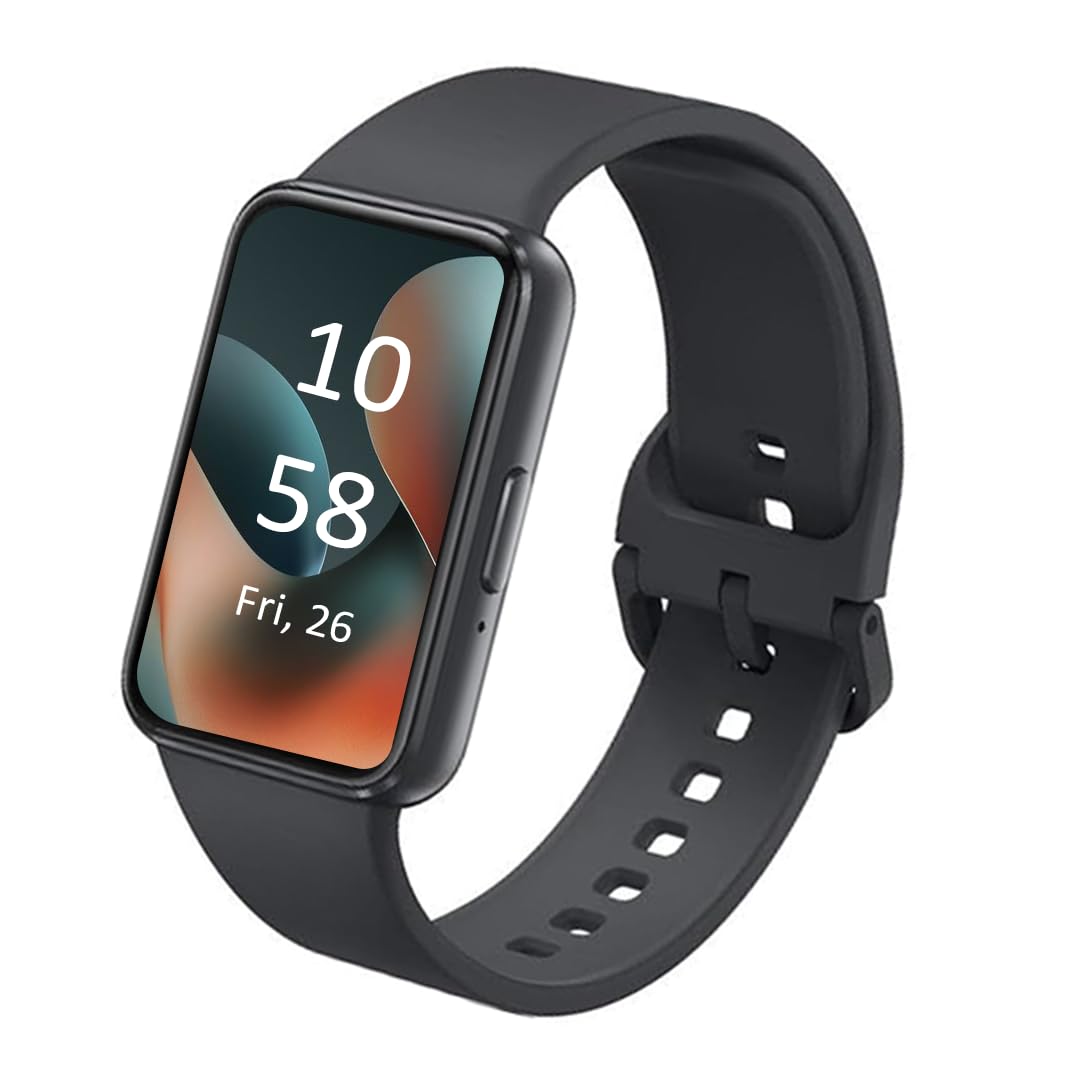
The Samsung Galaxy FIT 3 represents a sweet spot in the mid-range category, blending a premium-quality AMOLED display with exceptional battery stamina. Its 1.6-inch screen is vibrant and responsive, housed in a lightweight aluminum case that feels more sophisticated than typical plastic trackers. The device leverages Samsung’s mature health ecosystem, providing reliable automatic workout detection and in-depth sleep analysis without feeling overwhelming.
Where it truly shines is in its balanced performance. Battery life reliably reaches a week or more with typical use, far surpassing many full smartwatches. It offers core health monitoring—24/7 heart rate, blood oxygen, and sleep tracking—through the comprehensive Samsung Health app. While it lacks built-in GPS, it uses connected GPS via your smartphone to map runs and walks accurately, making it a strong choice for casual to moderate fitness enthusiasts.
User reviews consistently praise its ease of use, comfort for all-day wear, and the quality of the display. It’s a device that focuses on doing the fundamentals of fitness and health tracking very well, within a streamlined, user-friendly package. For those seeking a no-fuss, capable tracker from a reputable brand that won’t need charging every other day, the FIT 3 is a compelling front-runner.
Why it’s great
- Stunning, large AMOLED display that’s easy to read in any light.
- Impressive multi-day battery life that reduces charging hassle.
- Integrates seamlessly with the robust Samsung Health app ecosystem.
- Swim-ready with 5ATM water resistance for versatile use.
Good to know
- No built-in GPS; requires your phone for route tracking.
- The international model may not have a US warranty.
- Smart features like payments are not supported on this model.
2. Xiaomi Mi Smart Band 10
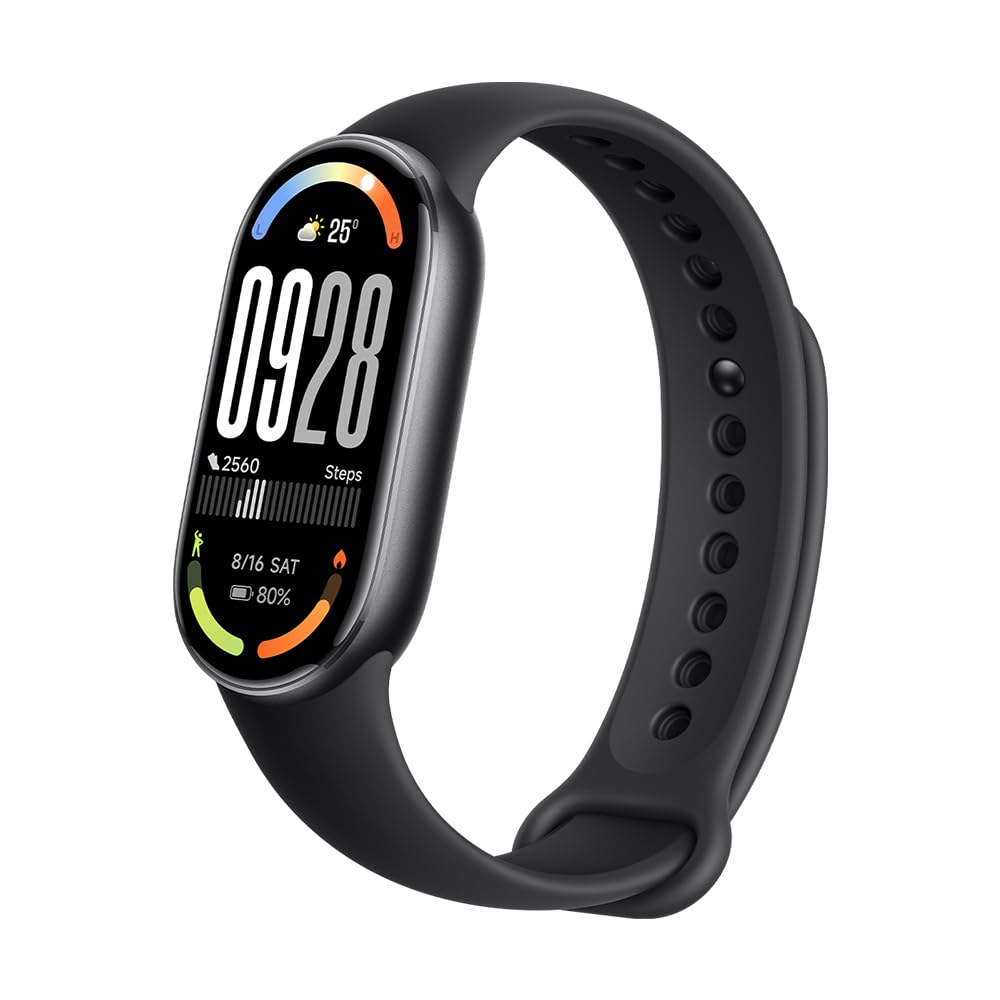
The Xiaomi Mi Smart Band 10 pushes the boundaries of what’s possible in a fitness band, primarily through its staggering claimed 21-day battery life. In practice, users regularly report two to three weeks of use on a single charge, which is virtually unmatched in this category. This is paired with a large, 1.72-inch AMOLED display that uses vacuum-filling technology for ultra-thin bezels, offering an immersive viewing experience on a lightweight device.
Beyond longevity, it’s packed with features, including over 150 sports modes, improved swimming tracking with a digital compass, and comprehensive sleep monitoring. The newer HyperOS provides a smooth interface, though the companion Mi Fit app uses the metric system primarily, requiring a link to Google Fit for imperial units. This device is for the user who wants a massive, bright screen and the ultimate freedom from frequent charging, all while maintaining accurate core fitness tracking.
It’s important to note that this is a global version. The build quality and sensor accuracy are highly regarded, often drawing favorable comparisons to much more expensive wearables. If your top priorities are screen size and not having to think about a charger for weeks at a time, the Mi Smart Band 10 is a technological standout.
Why it’s great
- Extraordinary battery life that can last nearly a month with light use.
- Exceptionally large and vivid AMOLED screen with minimal bezels.
- Lightweight and comfortable for 24/7 wear, including during sleep.
- Accurate heart rate and sleep tracking for its category.
Good to know
- Primary app uses metric units; imperial requires a workaround.
- Screen can be prone to scratches without a protector.
- Some users note occasional GPS syncing issues at workout start.
3. Fitbit Inspire 3

The Fitbit Inspire 3 is the premium choice in this guide, representing the top of the budget. It’s less about flashy hardware and more about the depth and insight of its health software. Fitbit’s ecosystem is arguably the most polished for general health and wellness, offering features like a Daily Readiness Score, detailed Sleep Profile (with a Premium subscription), and robust stress management tools.
The device itself is minimalist, with a small color touchscreen and a super-lightweight design that disappears on your wrist. It provides reliable 24/7 heart rate tracking, automatic exercise recognition, and sleep staging. The battery lasts up to 10 days, and it includes a 6-month trial of Fitbit Premium, which unlocks more advanced analytics and wellness content. This tracker is ideal for someone who values data interpretation and long-term trend analysis over a large screen or extensive smart features.
Users who come from other Fitbit devices appreciate the seamless transition and data continuity. While it’s the most expensive option here, you’re paying for a mature platform, consistent software updates, and some of the most actionable health insights available on a consumer tracker. For motivation through data and a trusted health companion, the Inspire 3 delivers.
Why it’s great
- Access to Fitbit’s best-in-class health analytics and sleep coaching.
- Lightweight, comfortable design perfect for 24/7 wear.
- Includes a 6-month Premium membership for advanced features.
- Reliable automatic tracking and a user-friendly app experience.
Good to know
- The most premium option in this guide.
- The small screen may not be suitable for all users.
- Some advanced insights require a Premium subscription after the trial.
4. Amazfit Band 7

The Amazfit Band 7 carves its niche by integrating Amazon Alexa directly onto the wrist, a feature rare in fitness bands at this price. This allows for voice-controlled smart home commands, weather queries, and setting reminders without touching your phone. Beyond Alexa, it boasts a bright 1.47-inch always-on AMOLED display and a very respectable 18-day battery life, striking a good balance between functionality and longevity.
It covers the essential health bases with 24/7 heart rate, blood oxygen, stress monitoring, and sleep tracking through the Zepp app. With 120 sports modes and 5 ATM water resistance, it’s a capable fitness companion for a wide variety of activities. The device feels responsive, and the app offers a good degree of customization for watch faces and data presentation.
This is the tracker for someone who wants a taste of smartwatch convenience—particularly Alexa integration—within the form factor and battery life of a dedicated fitness band. It offers a more interactive experience than basic trackers while still avoiding the daily charging cycle of full smartwatches.
Why it’s great
- Built-in Amazon Alexa for hands-free voice assistance.
- Large, always-on AMOLED display that’s clear and customizable.
- Excellent battery life that lasts well over a week.
- Comprehensive health tracking and extensive sport mode selection.
Good to know
- The band’s closure mechanism can occasionally snag and come loose.
- To turn the device on after a shutdown, you must connect the charger.
- Some users find the Zepp app less intuitive than competitors.
5. LIVIKEY Fitness Tracker
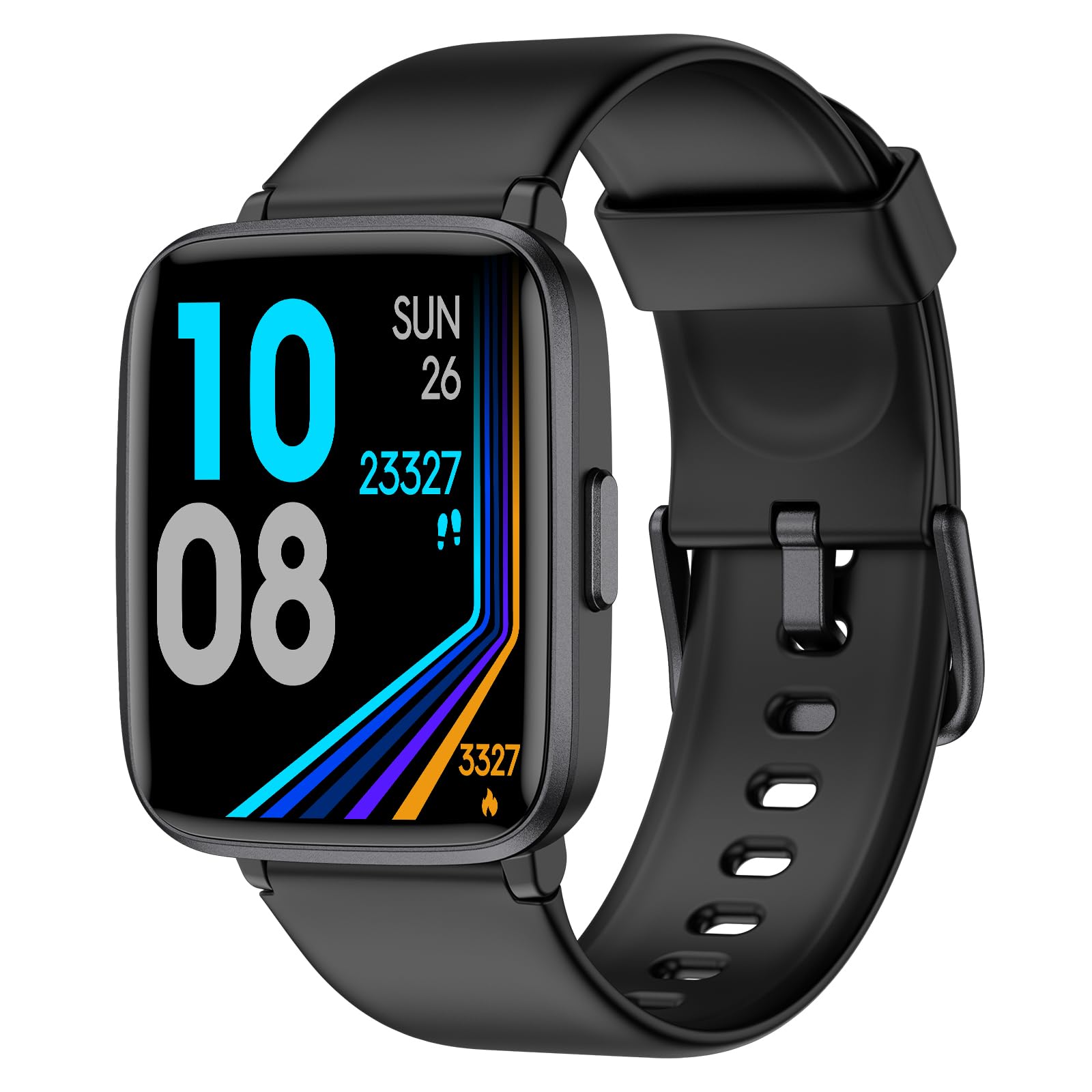
The LIVIKEY Fitness Tracker is a standout in the entry-level category for its straightforward reliability. It focuses on doing a few things well: tracking steps, monitoring heart rate and sleep, and delivering consistent call and message notifications. The 1.3-inch LCD screen is basic but readable, and the device achieves a solid 5-7 days of battery life. For users new to activity trackers or those who want a no-nonsense device, it removes much of the complexity.
User feedback highlights its ease of setup and comfort for all-day wear. The heart rate readings are generally considered accurate for casual monitoring, and the sleep tracking provides a useful, if basic, overview of your night. It won’t offer the deep analytics or colorful displays of more advanced models, but it faithfully performs its core duties. This makes it an excellent gift or a first step into the world of health tracking without a significant commitment.
It’s important to manage expectations: the step counter can overcount based on arm movement (a common issue with optical pedometers), and the sleep tracking may not capture every wakeful moment with precision. However, for its positioning, it represents remarkable value and a hassle-free user experience.
Why it’s great
- Exceptional value for core tracking and notification functions.
- Very simple to set up and use, with an intuitive interface.
- Comfortable design with a good selection of band colors.
- Reliable battery life that minimizes charging frequency.
Good to know
- Step counting can be inaccurate with non-walking arm movements.
- Sleep tracking may not be detailed or perfectly accurate.
- Basic LCD screen lacks the vibrancy of AMOLED displays.
6. FITVII Slim Fitness Tracker

The FITVII Slim Fitness Tracker explicitly targets style-conscious users, particularly women, with a design meant to resemble jewelry as much as a tech device. Its oval face and slim profile are less obtrusive than rectangular trackers, and it offers bands in various colors and styles. Beyond aesthetics, it packs a surprising number of health sensors, including 24/7 heart rate, blood oxygen, and estimated blood pressure monitoring.
The 1.47-inch AMOLED display is bright and sharp, providing clear data on a fashionable device. It handles basic activity tracking, sleep analysis, and smart notifications effectively. This tracker is ideal for someone who prioritizes a discreet, attractive look on their wrist but still wants access to modern health metrics and alerts. It proves that functionality doesn’t have to come in a bulky, sporty package.
A common note from users is that the blood pressure feature should be viewed as a general trend indicator rather than a medical-grade reading. Additionally, some have reported that the proprietary bands, while stylish, can be less durable than standard silicone straps. If blending tech with your personal style is a key requirement, the FITVII is a compelling choice.
Why it’s great
- Slim, jewelry-inspired design that’s fashionable and discreet.
- Bright AMOLED display in a unique oval shape.
- Includes a wide array of health sensors for the price.
- Comfortable for 24/7 wear due to its lightweight build.
Good to know
- Blood pressure readings are estimates, not medically accurate.
- Proprietary bands may be less robust and harder to replace.
- Health data may not sync with third-party apps as seamlessly.
7. Amzhero Health Fitness Tracker

The Amzhero Health Fitness Tracker is built around the promise of comprehensive health monitoring. It prominently features continuous tracking for heart rate, blood oxygen (SpO2), and estimated blood pressure, alongside sleep analysis and stress monitoring. The 1.47-inch HD color display is square-shaped, providing a clean layout for all this data, and it comes with both small and large silicone bands for a universal fit.
It claims a 15-day battery life, though real-world use with all sensors active will reduce this. The device includes 24 sports modes and is 5ATM waterproof for swimming. The companion “Gloryfit” app consolidates the health metrics, offering trends and basic insights. This tracker appeals to the data enthusiast who wants to keep a close, constant watch on multiple vital signs from their wrist without stepping into the medical device category.
As with all optical blood pressure monitors, accuracy can vary and should not be used for diagnostic purposes. User experiences with longevity and sensor consistency are mixed, which is typical for trackers in this segment that prioritize sensor quantity. It’s a feature-dense option for those curious about their broader health metrics throughout the day.
Why it’s great
- Offers a wide suite of health sensors, including estimated blood pressure.
- Bright, square color display that shows detailed data clearly.
- Includes two band sizes in the box for immediate perfect fit.
- Swim-proof design allows for tracking water-based activities.
Good to know
- Sensor accuracy, especially for blood pressure, can be inconsistent.
- Battery life may fall short of the 15-day claim with heavy use.
- Some users report connectivity issues with the companion app.
8. ZURURU Fitness Tracker

The ZURURU Fitness Tracker stands out for its practical design and commitment to longevity. Its most distinctive feature is the built-in USB plug, allowing you to charge it by simply removing one end of the band and plugging it directly into any USB port—no cables required. This eliminates the common problem of losing a proprietary charging cable. Furthermore, the brand backs the device with a notable 2-year warranty, signaling confidence in its durability.
Functionally, it covers the essentials: activity tracking, heart rate and sleep monitoring, smartphone notifications, and connected GPS for route mapping. The interface is button-based rather than touchscreen, which some users prefer for its simplicity and fewer accidental inputs. Reviews from long-term users indicate it holds up well over time, with some reporting years of service.
This is a pragmatic choice for someone who values convenience and durability over cutting-edge screens or advanced metrics. The hassle-free charging and extended warranty provide peace of mind, making it a workhorse tracker that gets the job done day in and day out.
Why it’s great
- Innovative built-in USB plug for cable-free charging anywhere.
- Backed by a strong 2-year warranty for added buyer protection.
- Button-based navigation avoids accidental touchscreen taps.
- Durable build reported by many long-term users.
Good to know
- Basic LCD display lacks the sharpness of newer screens.
- Button interface may feel less modern than touch navigation.
- Sleep tracking accuracy, like many budget options, can be approximate.
9. ENGERWALL Fitness Tracker

The ENGERWALL Fitness Tracker emphasizes a slim and comfortable wearing experience. Its band is designed to be less bulky than many competitors, making it a good fit for smaller wrists or those who find standard trackers too obtrusive. It includes a notable extra sensor: a body temperature monitor, which became a sought-after feature in recent years for general wellness awareness.
It performs standard tracking duties like step counting, heart rate, sleep, and blood oxygen monitoring through the “Runmefit” app. It also offers connected GPS and multiple sports modes. Charging is done via a USB plug similar to the ZURURU model. User experiences suggest it performs reliably when it works, but quality control can be inconsistent, with some units experiencing battery or charging issues.
This tracker is best for those who prioritize a low-profile, comfortable fit above all else and appreciate the addition of a temperature sensor. It’s a reminder that comfort is a critical, often overlooked, spec in a device meant to be worn constantly.
Why it’s great
- Slim, unique band design offers superior comfort, especially for small wrists.
- Includes a body temperature sensor, a less common feature.
- Cable-free USB plug charging for convenience.
- IP68 waterproof rating for worry-free use in rain or during handwashing.
Good to know
- Quality control seems variable; some units may have hardware issues.
- The companion app is functional but not as polished as major brands.
- Small screen size may be difficult for some to read.
10. BrilliantHouse Fitness Tracker
11. Timex Ironman Transit+

The Timex Ironman Transit+ is a unique entry, eschewing the modern smart tracker design for a classic digital watch form with added activity features. It tracks steps and can measure heart rate via a touch sensor on the bezel (not continuous). Its biggest advantage is power: it uses a standard, user-replaceable CR2032 battery that lasts about a year, eliminating charging entirely. It also stores up to 7 days of step data.
This is the ultimate choice for minimalists and those frustrated by the constant charging of Bluetooth devices. It’s a durable, water-resistant watch first, with step counting as a secondary feature. The heart rate monitor requires you to be still and hold your finger on the sensor, making it impractical during exercise but useful for spot checks. It represents a back-to-basics philosophy for fitness tracking.
User reviews are mixed on the accuracy of its step and heart rate functions, with some finding them adequate and others unreliable. However, for someone who wants a dependable watch that also provides a general idea of daily activity without any app dependency or weekly charging rituals, the Timex offers a compelling, low-maintenance alternative.
Why it’s great
- No charging needed; uses a standard, long-lasting replaceable battery.
- Classic, durable Timex Ironman build that’s water-resistant.
- Extremely low-maintenance with no Bluetooth syncing required.
- Functions as a reliable watch first and foremost.
Good to know
- Heart rate monitoring is manual and spot-check, not continuous.
- Step counter accuracy is inconsistent and can overcount arm movements.
- Lacks any smart features like notifications or sleep tracking.
Understanding the Specs
Battery Life & Charging
Claimed battery life is a best-case scenario, often with all features disabled. Real-world use with heart rate monitoring and notifications typically cuts that by 30-50%. Charging methods matter: magnetic cradles are convenient but easy to lose, USB plug designs are harder to misplace but can stress the band hinge over time. Consider how often you’re willing to charge—every few days or every few weeks.
Sensor Accuracy & Health Claims
Optical heart rate sensors are generally reliable for resting rates and steady-state cardio but can lag during high-intensity interval training. Blood oxygen (SpO2) readings are useful for spotting trends. Be highly skeptical of wrist-based blood pressure or glucose monitoring; these are estimations using proxy data (like pulse wave velocity) and are not FDA-cleared for medical diagnosis. They can show trends but should never replace a medical device.
FAQ
Are activity trackers under accurate?
How long do the batteries in these trackers typically last?
Can I wear my fitness tracker while swimming?
Do I need a smartphone to use an activity tracker?
Final Thoughts: The Verdict
For most people, the best activity tracker under winner is the Samsung Galaxy FIT 3 because it delivers the best balance of a premium AMOLED display, reliable multi-day battery life, and a trusted health software ecosystem. If you want maximum battery life and a huge screen, grab the Xiaomi Mi Smart Band 10. And for deep health insights and motivation through data, nothing beats the established platform of the Fitbit Inspire 3.

Mo Maruf
I created WellFizz to bridge the gap between vague wellness advice and actionable solutions. My mission is simple: to decode the research and give you practical tools you can actually use.
Beyond the data, I am a passionate traveler. I believe that stepping away from the screen to explore new environments is essential for mental clarity and physical vitality.