Our readers keep the lights on and my smoothie glass nicely filled. As an Amazon Associate, I earn from qualifying purchases.
Most activity trackers can count steps; very few can tell the difference between light rest, deep sleep, and the fragmented wakefulness that ruins your recovery. For anyone serious about understanding their sleep architecture, the deciding factor isn’t brand loyalty — it’s sensor accuracy and the quality of the algorithm behind the nightly score. A tracker that cannot distinguish sleep stages or measure heart rate variability will only give you a rough guess, not actionable data.
I’m Mohammad Maruf — the founder and writer behind WellFizz. I’ve spent years analyzing the hardware and firmware of wearable health devices, comparing how each platform translates raw PPG and accelerometer data into the sleep metrics that actually guide recovery for hundreds of products on the market.
Whether you are a restless side-sleeper or a data-driven biohacker, the best activity tracker for sleep tracking must balance wear-comfort, battery endurance, and a detailed sleep breakdown that you can trust to make real changes in your nightly routine.
How To Choose The Best Sleep-Focused Tracker
Not every fitness band treats sleep with the same seriousness. The trackers that excel at overnight monitoring share three core traits: a high-quality PPG sensor that samples your heart rate every few seconds, an accelerometer sensitive enough to detect micro-movements, and a proprietary algorithm that translates that data into recognizable sleep stages. The rest is mostly wrist candy.
Sensor Quality and Sampling Rate
Continuous heart rate monitoring is the backbone of any sleep-stage breakdown. Trackers that sample your pulse every second generate far more reliable data than those that take readings at five-minute intervals. Look for models that use multi-path optical sensors — they handle motion artifacts and different skin tones far better than older single-LED designs.
Comfort and Form Factor
If the device is bulky, has a sharp edge, or uses a stiff strap, you will subconsciously avoid wearing it to bed. Screenless trackers and slim-band models win here. A tracker that also offers a silent vibrating alarm (smart wake) adds practical value by waking you during lighter sleep phases instead of jolting you out of deep rest.
Battery Life vs. Features
An always-on color AMOLED display is beautiful during the day but drains power overnight when you are not looking at it. The best sleep trackers can last at least a full week on a single charge, so you never skip a night of data because the battery died. Models with fast-charge capability can recover a full day’s charge in minutes, which is a lifesaver for consistent nightly logging.
Sleep Algorithm and Data Transparency
Every major platform — Fitbit, Garmin, Apple, Samsung — uses a different algorithm. Fitbit is known for its detailed Sleep Score breakdown (time asleep, REM, deep, light, and restoration). Garmin focuses on Body Battery and HRV for recovery readiness. Apple’s Vitals app aggregates overnight metrics into a single view. Choose the platform whose reporting style matches how you intend to use the data.
Quick Comparison
On smaller screens, swipe sideways to see the full table.
| Model | Category | Best For | Key Spec | Amazon |
|---|---|---|---|---|
| Garmin Lily 2 Active | Premium | Stylish health tracking | 9-day battery | Amazon |
| Samsung Galaxy Watch 8 44mm | Premium | Advanced sleep coaching | Energy Score analysis | Amazon |
| Samsung Galaxy Watch 8 40mm | Premium | Android sleep analytics | Advanced Sleep Coaching | Amazon |
| Apple Watch SE 3 | Mid-Range | iPhone ecosystem sleep | Temperature sensing | Amazon |
| Fitbit Charge 6 | Mid-Range | Daily Readiness & sleep | 7-day battery | Amazon |
| Fitbit Inspire 3 | Mid-Range | Lightweight sleep tracking | 10-day battery | Amazon |
| Google Fitbit Air | Entry-Level | Screenless sleep focus | 5-min fast charge | Amazon |
In-Depth Reviews
1. Garmin Lily 2 Active

The Garmin Lily 2 Active is the rare tracker that prioritizes wrist comfort without compromising data depth. Its patterned lens hides a bright touchscreen that remains discreet during the night, and the ultra-thin silicone band allows you to forget you are wearing a device — a critical factor for uninterrupted sleep logging. The sleep score, respiration tracking, and Body Battery energy monitoring combine to give you a clear recovery picture every morning.
Built-in GPS and Garmin Coach training plans extend its utility beyond the bedroom, but the real strength for sleep-focused users is the nine-day battery. You can wear this through an entire work week and weekend without hunting for a charger. The Garmin Connect app also surfaces HRV trends and stress data that help explain why your sleep quality varies from night to night.
The smaller 38mm case is a welcome design choice for slender wrists, and the anodized aluminum case feels premium without adding bulk. The proprietary charger is a minor inconvenience, but the battery endurance easily compensates. If you want a tracker that looks like a piece of jewelry yet delivers serious sleep analytics, this is the most elegant option available.
Why it’s great
- Excellent battery life eliminates charging anxiety during sleep tracking
- Body Battery and HRV metrics provide actionable recovery insights
- Compact and lightweight form factor ideal for overnight wear
Good to know
- Proprietary charging cable is easy to lose
- Watch face customization is more limited than competitors
- No onboard music storage for sleep podcasts
2. Samsung Galaxy Watch 8 44mm (Renewed)
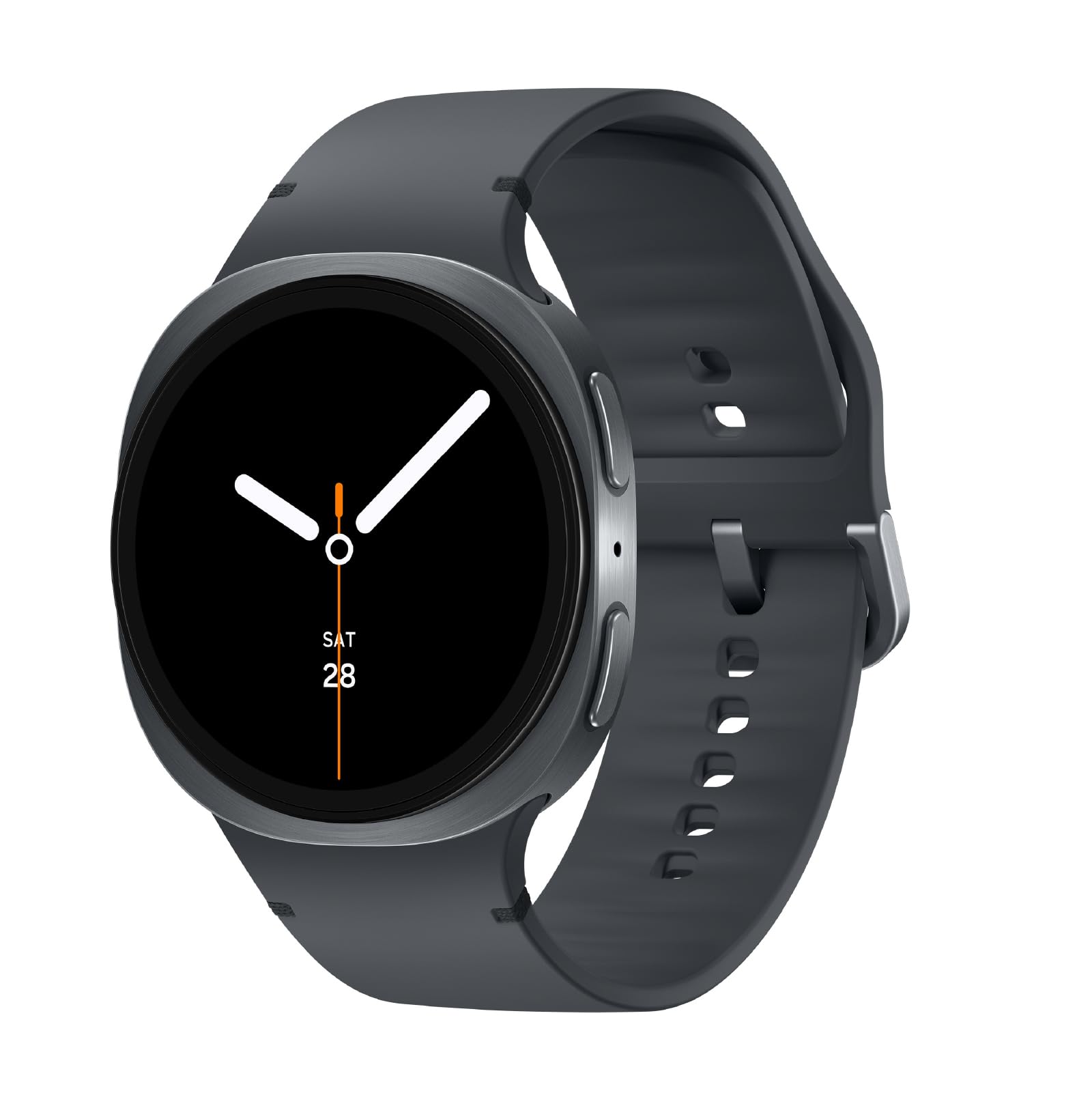
Samsung’s Galaxy Watch 8 (44mm) steps beyond passive sleeping tracking with its Advanced Sleep Coaching feature, which analyzes your sleep patterns and provides structured guidance to improve bedtime habits. The Bedtime Guidance tool calculates your optimal sleep window, and the Running Coach integration shows Samsung is building an all-in-one wellness hub rather than a simple step counter. The 425mAh battery supports up to two days on a single charge in typical use.
Vascular Load monitoring is a distinct addition, measuring how factors like diet and stress impact your cardiovascular system overnight. This single metric can reveal why you feel unrested even after eight hours of logged time in bed. The new cushion design is noticeably lighter than previous generations, which reduces the “bulky watch” sensation that often disturbs sleep.
The refurbished price point makes this an attractive entry to Samsung’s health ecosystem. Bear in mind that some units may arrive with reduced battery performance if the previous battery has degraded. Battery life complaints from heavy users suggest you may need to charge every 36 hours with always-on display and continuous SpO2 enabled. For sleep purists who want coaching, not just raw data, this is the most instructive tool in the premium tier.
Why it’s great
- Advanced Sleep Coaching offers structured improvement plans
- Vascular Load monitoring reveals hidden stress effects on sleep
- Lighter cushion design improves overnight comfort
Good to know
- Battery life may fall short of the advertised estimate with heavy use
- Refurbished units carry risk of prior battery degradation
- Requires Samsung Health app for full sleep analysis
3. Samsung Galaxy Watch 8 40mm
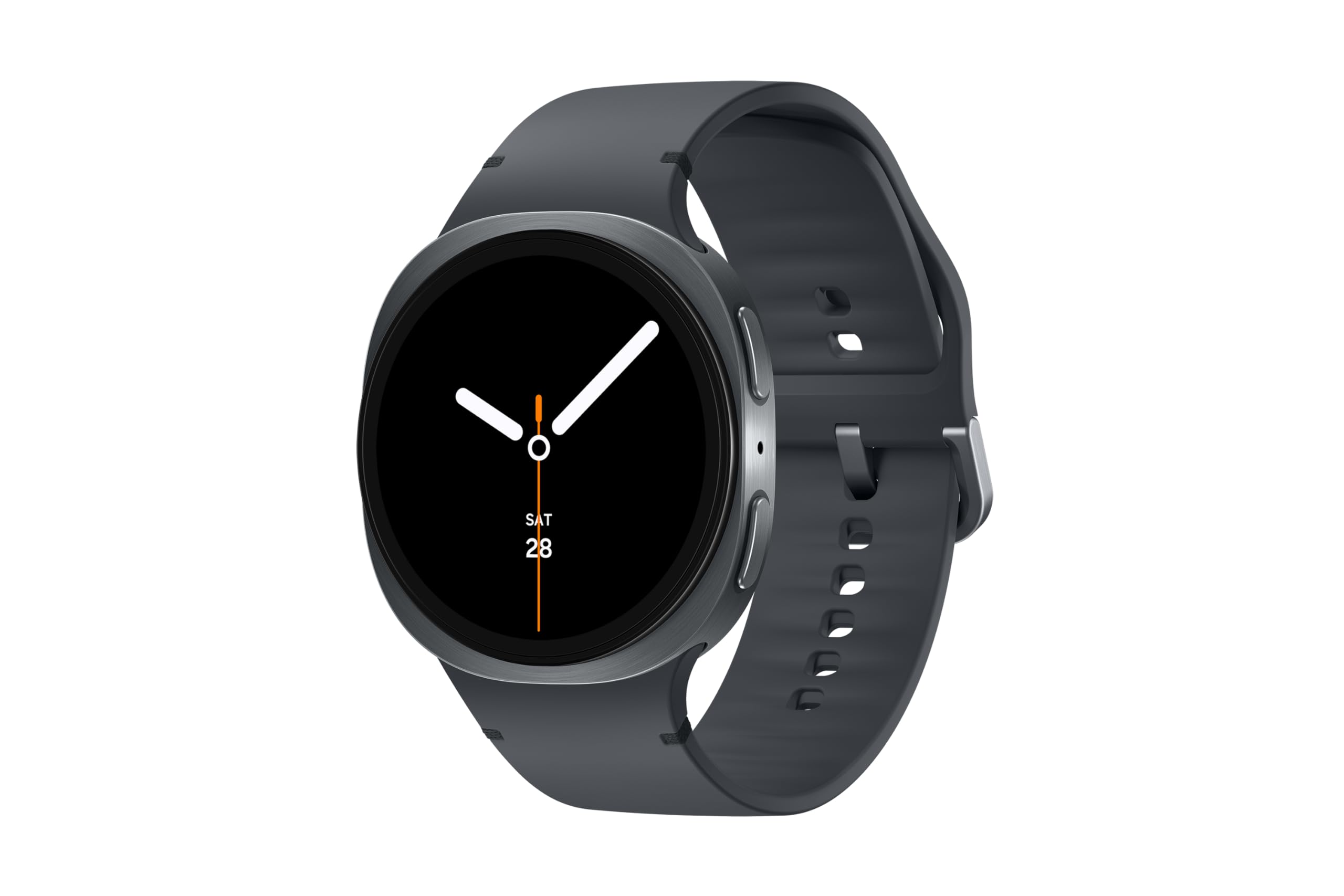
The 40mm variant of the Galaxy Watch 8 packs the same Exynos W1000 processor and comprehensive sensor suite as its larger sibling, but in a more manageable size for smaller wrists. Its sleep tracking capabilities include continuous HR, SpO2, and skin temperature monitoring, all fed into Samsung’s Sleep Coaching algorithm that categorizes your sleep as restless, sensitive, or restorative — giving you a label you can act on rather than just a number.
The Super AMOLED display is sharp even in bright sunset rooms, and the 3000-nit peak brightness is overkill for sleeping but ensures you can see the time without squinting. ECG and blood pressure monitoring (where available) add a dimension of cardiovascular context to your sleep data; overnight BP dips are a known marker of restorative sleep, and this tracker can capture that trend over weeks.
Be aware that the international model may have region-locked features, and warranty coverage is limited. The 325mAh battery will need a charge every day and a half if you use continuous sleep tracking, so a nightly charging routine is required. For Android users who want the deepest sensor array available in a compact wearable, this is the most scientifically complete option in the mid-premium segment.
Why it’s great
- Bioactive sensor covers HR, SpO2, temperature, and ECG
- Sleep Coaching categorizes sleep style for actionable insights
- Compact 40mm case fits smaller wrists comfortably
Good to know
- International model may have restricted features in some regions
- Battery life requires near-daily charging with sleep tracking enabled
- Limited warranty compared to domestic versions
4. Apple Watch SE 3
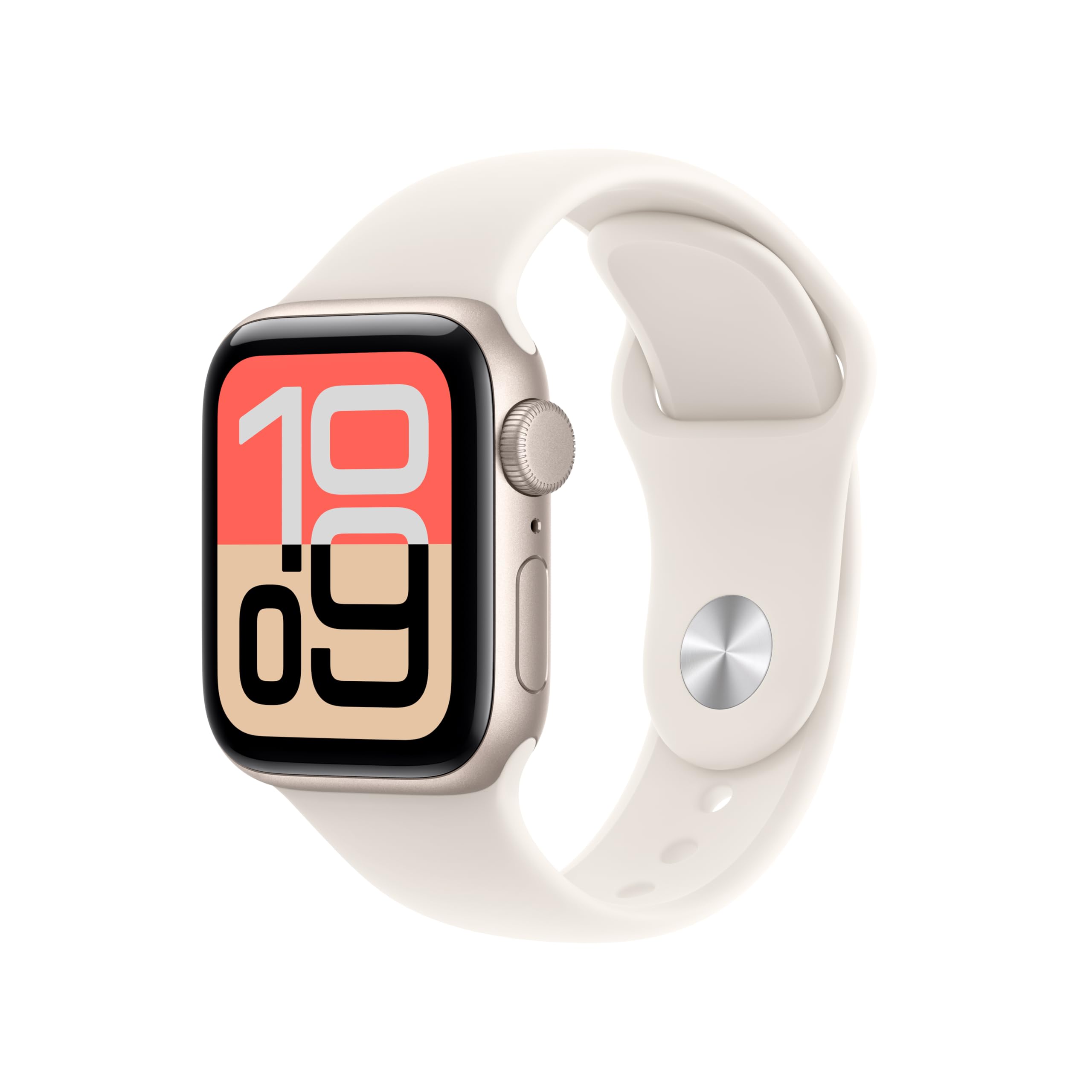
Apple’s Watch SE 3 brings temperature sensing and the Vitals app to a more accessible price point, making sleep tracking far more insightful than the SE 2. The wrist temperature baseline overnight can detect subtle changes correlated with illness or overtraining, and the Vitals app aggregates heart rate, respiratory rate, and wrist temperature into a single daily snapshot. Sleep apnea notifications add a potential health screening layer that goes beyond simple stage tracking.
The 18-hour battery life is the weakest link for dedicated sleep tracking. You will need to charge the watch every day, often during a morning routine or while showering, to ensure it has enough juice to last through the night. The fast charging (up to eight hours of battery in 15 minutes) mitigates this, but it still requires a daily discipline that other trackers in this class do not demand.
Workout Buddy and fall detection add safety features, but for sleep-purist use cases, the constant battery anxiety undermines the otherwise excellent sensor accuracy. If you are already deep in the Apple ecosystem and want a baseline sleep tracker that also handles fitness and safety, the SE 3 delivers — just budget time for daily charging.
Why it’s great
- Wrist temperature sensing provides early health change detection
- Vitals app offers a consolidated overnight health snapshot
- Fast charging recovers a day of battery in under 15 minutes
Good to know
- 18-hour battery life requires daily charging for overnight tracking
- No blood oxygen sensor present in this model
- Bulky case may feel uncomfortable for side sleepers
5. Fitbit Charge 6

The Fitbit Charge 6 refines the core sleep-tracking formula that made Fitbit a household name. It delivers automatic sleep stage detection (light, deep, REM) with a daily Sleep Score out of 100, and pairs that with a Daily Readiness Score that tells you whether your body is primed for a workout or needs recovery. The six-to-seven-day battery life is competitive, and the slim profile makes it one of the most wearable bands for overnight use.
Google integration adds Google Maps navigation and YouTube Music controls, but the real sleep value lies in the Fitbit app’s long-term trend visualization. You can see how your sleep duration, restless nights, and HRV correlate across weeks and months — a feature set that casual step trackers rarely offer. The SpO2 sensor provides overnight blood oxygen estimates, though it is not a medical-grade pulse oximeter.
Some users report inaccuracies in distance tracking and calorie burn estimation, which matter for daytime fitness but do not affect sleep stage precision. The app’s broken calorie display for some users is a distraction. If you prioritize a mature sleep algorithm and a rich mobile app experience over smartwatch gimmicks, the Charge 6 is the most balanced mid-range choice for sleep-focused buyers.
Why it’s great
- Fitbit’s Sleep Score algorithm is one of the most polished in the industry
- Daily Readiness Score ties sleep quality directly to recovery needs
- Comfortable slim design stays on the wrist all night
Good to know
- GPS and distance tracking can be unreliable during workouts
- Google login requirement may frustrate users of other platforms
- No on-device music storage for sleep soundtracks
6. Fitbit Inspire 3

The Fitbit Inspire 3 is the sleep enthusiast’s most worry-free wearable. Its 10-day battery life means you can wear it for a week and a half without ever seeing a low-battery warning during the night. The automatic sleep tracking is passive and reliable, providing a daily Sleep Score that breaks down your time in light, deep, and REM sleep without requiring any manual setup. The vibrating smart alarm wakes you silently during lighter sleep phases.
Beyond sleep, the Inspire 3 offers 24/7 heart rate, SpO2 estimates, and a daily Stress Management Score that uses heart rate variability to gauge physical stress load. The combination of sleep and stress data in one lightweight band is rare at this price tier. The color touchscreen is small but readable, and the band is available in two sizes to accommodate different wrist circumferences.
The proprietary charging cable is a common point of failure, and the strap hinge on some units fails after several months of nightly wear. It is not as rugged as the Charge 6, and it lacks built-in GPS. For users who simply want the most data-rich sleep tracker that demands the least amount of maintenance, the Inspire 3 is a near-ideal entry-level device with a battery that outperforms everything else on this list.
Why it’s great
- 10-day battery eliminates overnight charging anxiety
- Smart wake vibrating alarm improves morning alertness
- Lightweight and comfortable for all-night wear
Good to know
- Strap hinge durability issues reported over time
- No built-in GPS for outdoor activity tracking
- Proprietary charging cable is a single point of failure
7. Google Fitbit Air
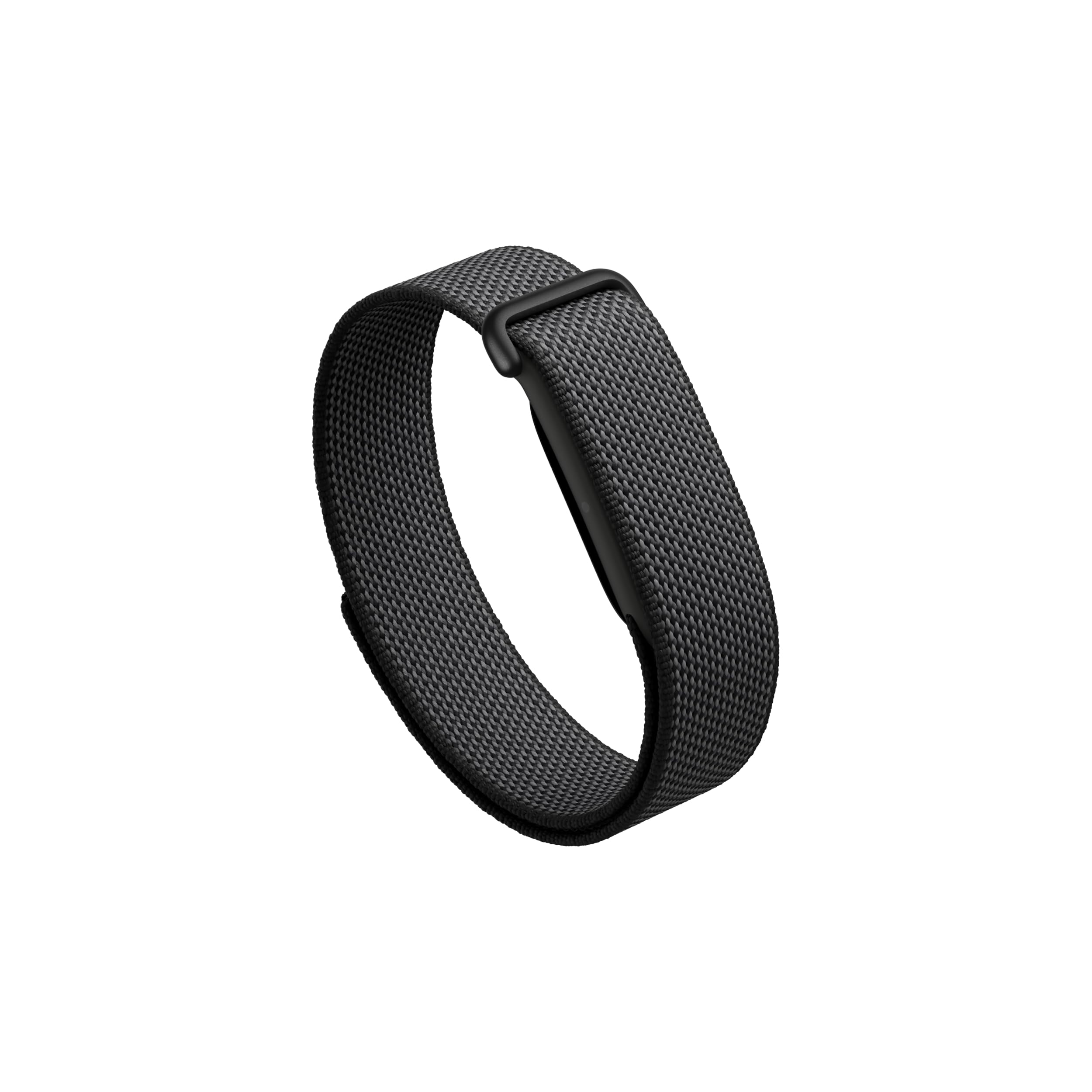
The Google Fitbit Air is a radical departure from screen-centric wearables — it has no display at all. This minimalist approach directly addresses the biggest barrier to consistent sleep tracking: screen distraction. Without a glowing panel, there is no urge to check notifications at 3 AM, and the compact pebble-shaped tracker is so unobtrusive you can wear it comfortably under any pajama strap. The haptic vibration alarm wakes you without light.
The trade-off is that you must rely entirely on the Google Health app for data review. The sleep analysis is powered by the same Fitbit algorithm but reported through Google’s new interface, which includes an AI Coach that offers personalized tips based on your sleep, recovery, and activity data. The seven-day battery life is strong, and the five-minute fast charge that gives you a full day of juice is a game changer for maintenance.
The learning curve is real — the app’s dashboard requires some exploration, and the AI Coach is still maturing. A seven-day calibration period is needed before the sensors deliver consistent accuracy. For users who want to maximize sleep quality by minimizing bedtime device interaction, the Fitbit Air is the most disciplined option. It is not for data loggers who need a screen, but for sleep purists, it is a breakthrough.
Why it’s great
- Completely screenless design eliminates blue light at night
- Ultra-comfortable pebble form fits under any sleepwear
- Five-minute fast charge provides a full day of battery
Good to know
- Requires a seven-day calibration period for sensor accuracy
- AI Coach features require a subscription for full access
- No at-a-glance data without pulling out your phone
FAQ
How accurate are sleep trackers compared to a medical sleep study?
Can a sleep tracker detect sleep apnea?
Why does the Apple Watch SE 3 need daily charging when others last a week?
Is a screenless tracker better for sleep quality?
Final Thoughts: The Verdict
For most users seeking maximum detail with minimal maintenance hassle, the best activity tracker for sleep tracking is the Fitbit Inspire 3 because its 10-day battery life and mature Fitbit sleep algorithm deliver reliable stage tracking without charging anxiety. If you want advanced sleep coaching and are willing to charge every day and a half, the Samsung Galaxy Watch 8 44mm offers the deepest structured guidance. And for uncompromising comfort and zero screen distraction, nothing beats the Google Fitbit Air.

Mo Maruf
I created WellFizz to bridge the gap between vague wellness advice and actionable solutions. My mission is simple: to decode the research and give you practical tools you can actually use.
Beyond the data, I am a passionate traveler. I believe that stepping away from the screen to explore new environments is essential for mental clarity and physical vitality.