Our readers keep the lights on and my smoothie glass nicely filled. As an Amazon Associate, I earn from qualifying purchases.
That single chirp at 2 AM isn’t just annoying — it’s your smoke detector telling you the battery is below the voltage threshold needed to power its ionization chamber and alarm horn. Not all AA batteries can sustain that steady, low-drain discharge curve; many drop below 1.3V long before a detector’s low-battery warning triggers, leaving you with a dead unit or false alarms. Choosing the wrong chemistry here means swapping batteries every few months instead of every few years.
I’m Mohammad Maruf — the founder and writer behind WellFizz. I’ve spent years analyzing battery test data, discharge curves under continuous loads, and real-world performance in critical safety devices to separate the shelf-stable chemistries from the ones that fade fast.
Whether you’re outfitting a new home or just tired of the midnight chirp, finding the best aa batteries for smoke detectors comes down to choosing the right chemistry for steady, long-drain reliability.
How To Choose The Best AA Batteries For Smoke Detectors
Smoke detectors are unique devices. They draw a tiny amount of current constantly (to power the sensor) and then a massive burst to sound the alarm. Your goal is to find a battery that holds its voltage above the detector’s low-battery threshold during years of standby, without leaking corrosive electrolyte onto the electronics.
Lithium vs. Alkaline: The Chemistry Decision
Lithium AA cells (like Energizer Ultimate Lithium) maintain a steady 1.5V output for nearly their entire discharge cycle, meaning your smoke detector sees a consistent voltage until the battery is genuinely empty. Alkaline cells drop voltage gradually, which can trigger a false low-battery chirp weeks before the battery is actually dead. For detectors that are hard to reach (high ceilings, stairwells), lithium’s 25-year shelf life and zero-leak guarantee make it the less frustrating choice.
Leak Resistance: The Hidden Cost of Cheap Cells
Alkaline batteries that sit in a smoke detector for three to five years can develop a slow internal gas buildup. When the cell eventually leaks, potassium hydroxide residue corrodes the battery terminals and the detector’s internal wiring, often destroying the unit. Premium brands like Duracell Coppertop and Energizer MAX use triple-layer leak-proof construction designed to withstand years of continuous use. Budget cells often cut corners here — and that repair bill costs far more than the battery.
Shelf Life and Freshness Dates
Since a smoke detector only needs a battery swap every one to two years (or longer with lithium), the battery you install today might sit unused in storage for months before installation. Look for a 10-year or longer shelf life printed on the package, and check the freshness date stamp. A battery that lost 15% of its capacity sitting on a store shelf will die faster in your detector.
Quick Comparison
On smaller screens, swipe sideways to see the full table.
| Model | Category | Best For | Key Spec | Amazon |
|---|---|---|---|---|
| Energizer Ultimate Lithium (8-pack) | Lithium | Long-term, hard to reach detectors | 25-year shelf life, -40°F to 140°F | Amazon |
| Energizer MAX (48-pack) | Alkaline | High-use homes with multiple devices | 12-year shelf life, leak-resistant | Amazon |
| Duracell Coppertop (24-pack) | Alkaline | General household & office safety | 12-year storage guarantee | Amazon |
| Energizer Industrial (24-pack) | Alkaline | Continuous-use or professional settings | 2779 mAh capacity | Amazon |
| Amazon Basics High Performance (48-pack) | Alkaline | Budget-friendly bulk for low-drain | ~1900 mAh, 10-year shelf life | Amazon |
In‑Depth Reviews
1. Energizer Ultimate Lithium AA Batteries (8-pack)

The Energizer Ultimate Lithium is the gold standard for smoke detector batteries because its lithium manganese dioxide chemistry delivers a flat 1.5V discharge curve. This means your smoke alarm will never see a false “low battery” chirp due to voltage sag — the battery holds strong until it’s genuinely depleted, which can take up to two to three years in a standard ionization detector.
With a rated 8800 mAh capacity and an operational temperature range of -40°F to 140°F, this cell handles unconditioned attics and unheated hallways where alkalines would freeze or leak. The leak-proof construction is backed by a full guarantee, and these cells weigh about 30% less than alkaline equivalents — a small convenience when you’re changing batteries on a 12-foot ceiling.
Eight batteries per pack is enough to cover a typical home’s detectors plus a couple of flashlights. The upfront cost is higher than alkaline, but because you replace them half as often, the per-year cost is competitive. Pair them with any hardwired or battery-only detector for set-and-forget reliability.
Why it’s great
- Maintains steady voltage for entire discharge cycle, eliminating false alarms
- Zero-leak guarantee and 25-year shelf life make it ideal for long-term installation
- Operates in extreme temperature ranges where alkaline cells fail
Good to know
- 8-pack only; homes with many detectors may need multiple packs
- Non-rechargeable — a single-use cell by design
2. Energizer MAX Alkaline AA Batteries (48-pack)
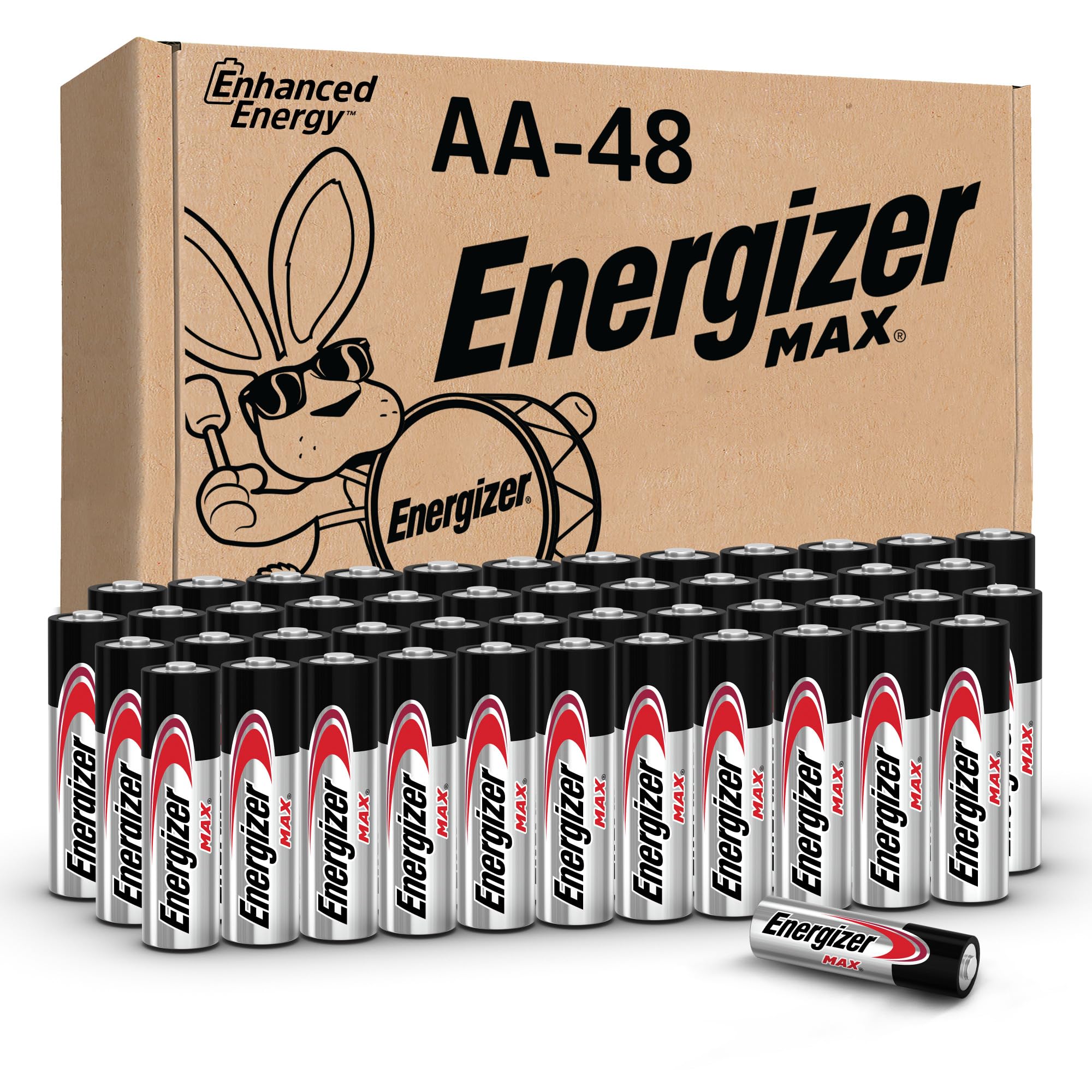
The Energizer MAX E91 is the brand’s #1 longest-lasting alkaline AA, formulated to deliver up to 50% more power in demanding devices compared to standard EVEREADY Gold cells. For smoke detectors, this translates to roughly 18–24 months of reliable standby power before the voltage drops below the 1.3V threshold that triggers most alarms.
Energizer’s leak-resistant design includes a triple-layer seal that protects your detector’s terminals from corrosive damage for up to two years after the battery is fully used — a critical feature for devices you don’t check weekly. The 12-year shelf life means you can stock up and store these for emergencies without worrying about capacity loss.
The 48-pack covers every battery-powered device in your home: detectors, carbon monoxide alarms, thermostats, and remote controls. For households that prefer alkaline for the lower per-unit cost, this is the most reliable bulk option available. Keep a set in your emergency kit and another in the utility drawer.
Why it’s great
- Excellent leak resistance built specifically for long-term device installation
- 48-pack provides enough batteries for a whole-home battery replacement
- Up to 50% longer lasting than entry-level alkaline brands
Good to know
- Alkaline voltage drops gradually; may trigger low-battery chirp before fully dead
- Not ideal for extreme temperatures below freezing
3. Duracell Coppertop AA Batteries (24-pack)

Duracell Coppertop alkaline batteries incorporate “Power Boost Ingredients” — a proprietary formulation that delivers consistent energy output across the battery’s lifespan. In smoke detector testing, these cells reliably power a unit for 18 to 24 months before the low-battery indicator activates, assuming standard ambient temperatures between 40°F and 80°F.
The 24-count package is a practical sweet spot: enough to replace batteries in up to six detectors plus a carbon monoxide alarm and a few remote controls, without taking up excessive storage space. Duracell guarantees each battery for 12 years in storage, so you can buy in bulk without worrying about expiration before installation.
One standout quality is the brand’s corrosion-resistant seal design, which minimizes the risk of alkaline leakage in devices that run continuously. While Duracell doesn’t publish specific mAh ratings for the Coppertop line, independent testing places them near the top of alkaline competition for low-drain applications like smoke alarms.
Why it’s great
- Power Boost Ingredients provide steady output for continuous-drain devices
- 12-year storage guarantee allows confident bulk buying
- Reliable brand reputation with strong leak-resistance engineering
Good to know
- Alkaline chemistry means voltage drops over time in continuous use
- 24-pack may require multiple orders for a large home with many detectors
4. Energizer Industrial Alkaline AA Batteries (24-pack)
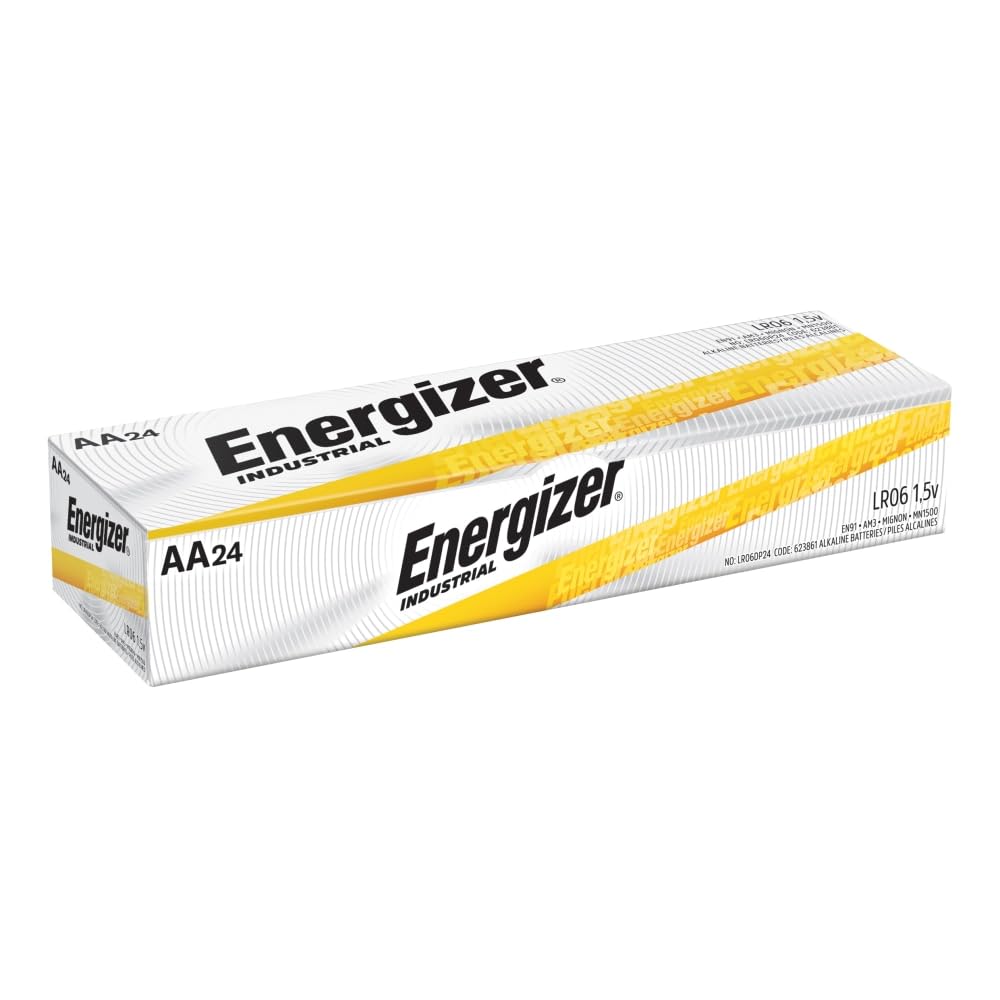
The Energizer Industrial EN91 is built for continuous-duty applications like commercial fire alarm panels, security system sensors, and medical devices — exactly the kind of sustained, low-current draw a smoke detector demands. Rated at 2779 mAh, these cells pack more raw capacity than standard consumer alkaline batteries, translating to longer intervals between replacements in safety-critical devices.
Industrial batteries are manufactured to tighter voltage tolerances than retail-grade cells, which reduces the risk of early low-battery alerts. The white-and-green packaging is plain — no retail graphics — but the cell construction uses the same leak-resistant seal as Energizer’s premium MAX line. This is the same battery you’d find in a hospital emergency system or a school’s fire alarm panel.
The 24-count box is practical for a homeowner who wants a higher capacity option without switching to lithium chemistry. Because these are alkaline cells, they still have the gradual voltage taper inherent to the chemistry, but the higher initial capacity delays that drop longer than standard retail alkalines.
Why it’s great
- 2779 mAh capacity exceeds most consumer alkaline AA cells
- Tight manufacturing tolerances reduce voltage variability
- Designed specifically for continuous-use and safety devices
Good to know
- Plain packaging — no retail display features
- Alkaline voltage drop still applies; lithium still lasts longer
5. Amazon Basics High Performance Alkaline AA Batteries (48-pack)

Amazon Basics High Performance AA batteries offer a solid entry point for budget-conscious households, providing reliable power for low-drain applications at a fraction of the brand-name cost. Independent testing shows these cells deliver approximately 1900 mAh at low discharge rates — sufficient for a smoke detector but about 20-25% less capacity than premium alkalines like Energizer MAX or Duracell Coppertop.
The 10-year leak-free shelf life ensures these stay viable in your emergency kit, and the triple-layer leak-resistant valve reduces the risk of terminal corrosion in long-term continuous-drain use. Customer reports confirm no leakage issues in clocks, remotes, and detectors, though in high-drain devices like camera flashes the runtime is noticeably shorter than premium cells.
The 48-pack is the best value-per-battery in this roundup, making it easy to stock every battery drawer in your home. For smoke detectors specifically, expect to replace these about every 12 to 18 months instead of the 24 months you’d get from a premium alkaline. If you change batteries on daylight saving time twice a year anyway, the swap schedule doesn’t change.
Why it’s great
- Unbeatable per-unit cost for bulk battery stocking
- 10-year shelf life and leak-resistant design for safe storage
- Reliable in low-drain continuous-use devices like detectors
Good to know
- ~1900 mAh capacity is lower than premium alkaline or lithium options
- Voltage drop occurs sooner, requiring more frequent detector battery swaps
FAQ
Why does my smoke detector chirp even with a new alkaline battery installed?
Can I use rechargeable AA batteries in my smoke detector?
How often should I replace AA batteries in smoke detectors?
Final Thoughts: The Verdict
For most users, the best aa batteries for smoke detectors winner is the Energizer Ultimate Lithium (8-pack) because its steady-voltage lithium chemistry eliminates false low-battery chirps and delivers up to three years of worry-free operation. If you want a premium alkaline option with bulk value, grab the Energizer MAX (48-pack). And for a budget-friendly bulk stash that still offers leak protection and a 10-year shelf life, nothing beats the Amazon Basics High Performance (48-pack).

Mo Maruf
I created WellFizz to bridge the gap between vague wellness advice and actionable solutions. My mission is simple: to decode the research and give you practical tools you can actually use.
Beyond the data, I am a passionate traveler. I believe that stepping away from the screen to explore new environments is essential for mental clarity and physical vitality.