Our readers keep the lights on and my smoothie glass nicely filled. As an Amazon Associate, I earn from qualifying purchases.
That sharp pain in your shin or the hot spot forming on your heel halfway through a 5K isn’t a training problem—it’s a gear failure. The difference between a personal best and a miserable slog often comes down to the grams of foam under your heel and the weave of the mesh around your midfoot. A 5K is a unique distance: too short for heavy maximalist trainers to be worthwhile, yet long enough that a flimsy, unsupportive shoe will punish your joints before you cross the finish line.
I’m Mohammad Maruf — the founder and writer behind WellFizz. I’ve spent years analyzing the biomechanics of racing flats and daily trainers, focusing on midsole compound density, stack height, and outsole rubber coverage to match specific race distances.
Whether you are chasing a sub-20-minute finish or just aiming to finish without pain, finding the right pair of best 5k running shoes means understanding how lightweight responsiveness and moderate cushioning work together to carry you across that three-point-one mile mark.
How To Choose The Best 5K Running Shoes
Selecting a shoe for a 5K requires a different filter than picking one for a half-marathon. The shorter distance demands a shoe that feels snappy underfoot without beating up your legs. Here are the critical factors to weigh before you buy.
Weight and Responsiveness
Every ounce you lift off the ground per stride adds up over 3.1 miles. Look for shoes under 250 grams (8.8 ounces) for men and under 210 grams (7.4 ounces) for women. The midsole should provide enough energy return to feel springy at faster paces, which typically means a PEBA or supercritical EVA foam rather than a dense, durable rubber blend.
Drop and Stack Height
A lower drop (4mm to 8mm) encourages a midfoot strike that is efficient for short-distance racing, while a moderate stack height (24mm to 32mm) offers enough protection from the road without sacrificing ground feel. Too high a stack makes the shoe feel unstable during sharp 5K turns.
Upper Fit and Breathability
Your foot will swell slightly during a 5K effort. A lightweight, engineered mesh upper with minimal overlays prevents hot spots and allows your foot to breathe. Avoid heavy padding around the collar and tongue unless you need extra lockdown for lateral movements on a track.
Traction and Outsole Coverage
A full-coverage rubber outsole is overkill for a 5K and adds unnecessary weight. Look for strategic rubber placement—high-wear zones under the forefoot and heel—with exposed foam elsewhere. This reduces weight while maintaining grip on dry pavement.
Quick Comparison
On smaller screens, swipe sideways to see the full table.
| Model | Category | Best For | Key Spec | Amazon |
|---|---|---|---|---|
| ASICS Superblast 2 | Premium | Versatile speed training | 45mm heel stack, PEBA foam | Amazon |
| Hoka Mach 6 | Premium | Lightweight comfort with rocker | 7.4 oz, 5mm drop | Amazon |
| Saucony Endorphin Pro 4 | Premium | Race-day carbon plate | Carbon plate, PWRRUN PB | Amazon |
| New Balance FuelCell Rebel V5 | Premium | Responsive daily trainer | FuelCell foam, 6mm drop | Amazon |
| Saucony Ride 18 | Mid-Range | Comfortable tempo runs | PWRRUN midsole, 8mm drop | Amazon |
| Saucony Endorphin Shift 3 | Mid-Range | Plantar fasciitis relief | 4mm drop, SPEEDROLL tech | Amazon |
| ASICS GT-1000 14 | Mid-Range | Stability for overpronation | LITETRUSS support, 8mm drop | Amazon |
| Brooks Launch 11 | Mid-Range | Wide toe box fan | BioMoGo DNA, 10mm drop | Amazon |
| Reebok Floatzig | Budget | Everyday casual wear | Floatride Energy foam | Amazon |
In‑Depth Reviews
1. ASICS Superblast 2
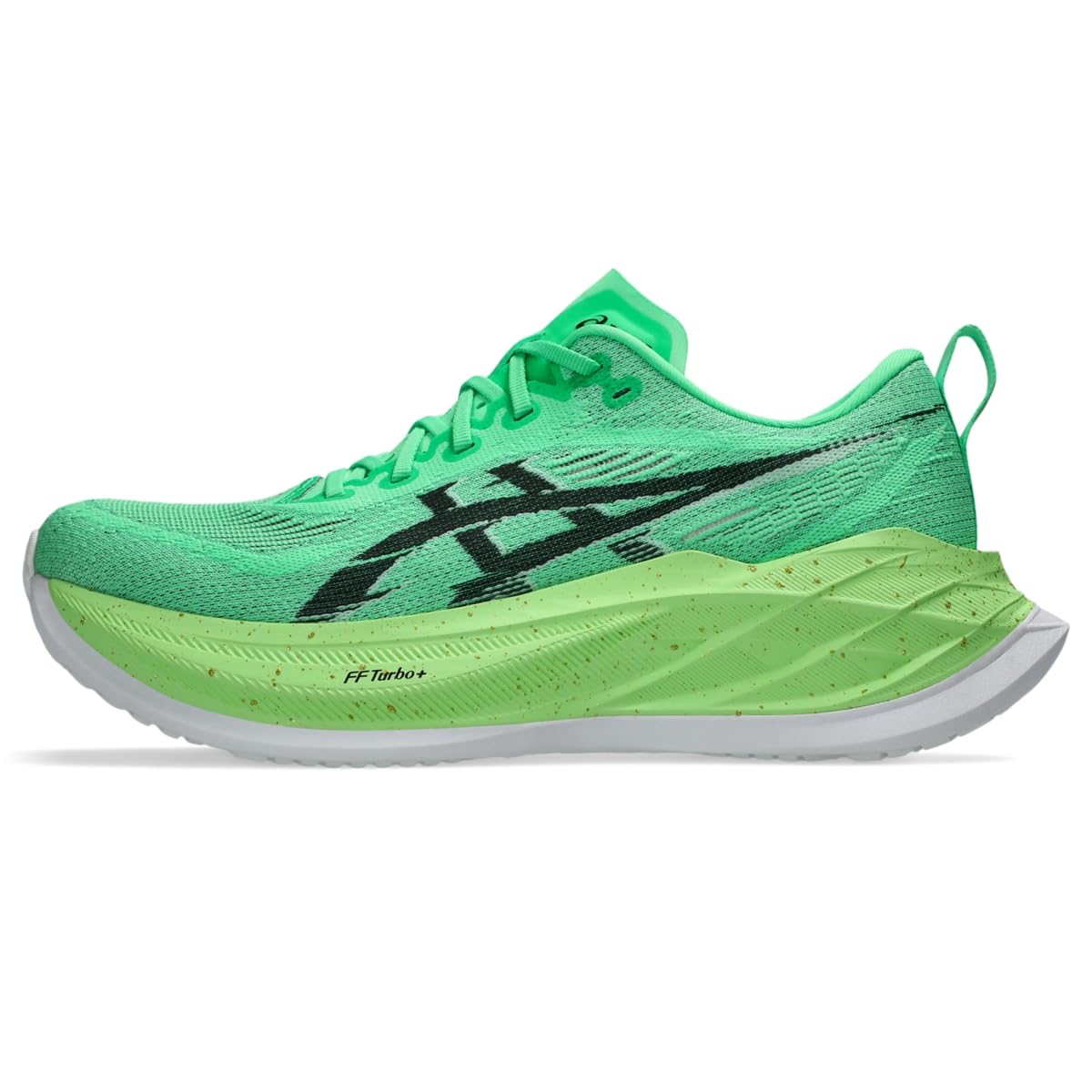
The ASICS Superblast 2 is the closest thing to a quiver-killer in the 5K shoe world. Its midsole uses a PEBA blend that delivers exceptional energy return without the stiffness of a carbon plate, making it equally comfortable at a 6:00-minute pace as it is at a 9:00-minute jog. The 45mm heel stack sounds tall, but the wide base and internal geometry provide surprising stability during tight turns.
Testers consistently mention that the shoe requires zero break-in—it feels dialed straight out of the box. The engineered mesh upper offers a secure lockdown without any pressure points, and the toe box has enough room to splay naturally at speed. For heavier runners, the Superblast 2 provides excellent joint protection without feeling mushy.
It is a premium investment, but the versatility means you can use it for everything from 5K races to long Sunday runs. The only caveat is that runners with very narrow feet might find the heel hold slightly loose, though the lacing system compensates well.
Why it’s great
- Phenomenal energy return across all paces
- No break-in period required
- Excellent stability despite high stack height
Good to know
- Premium price point reflects the PEBA foam
- Heel lock might feel loose for very narrow feet
2. Hoka Mach 6
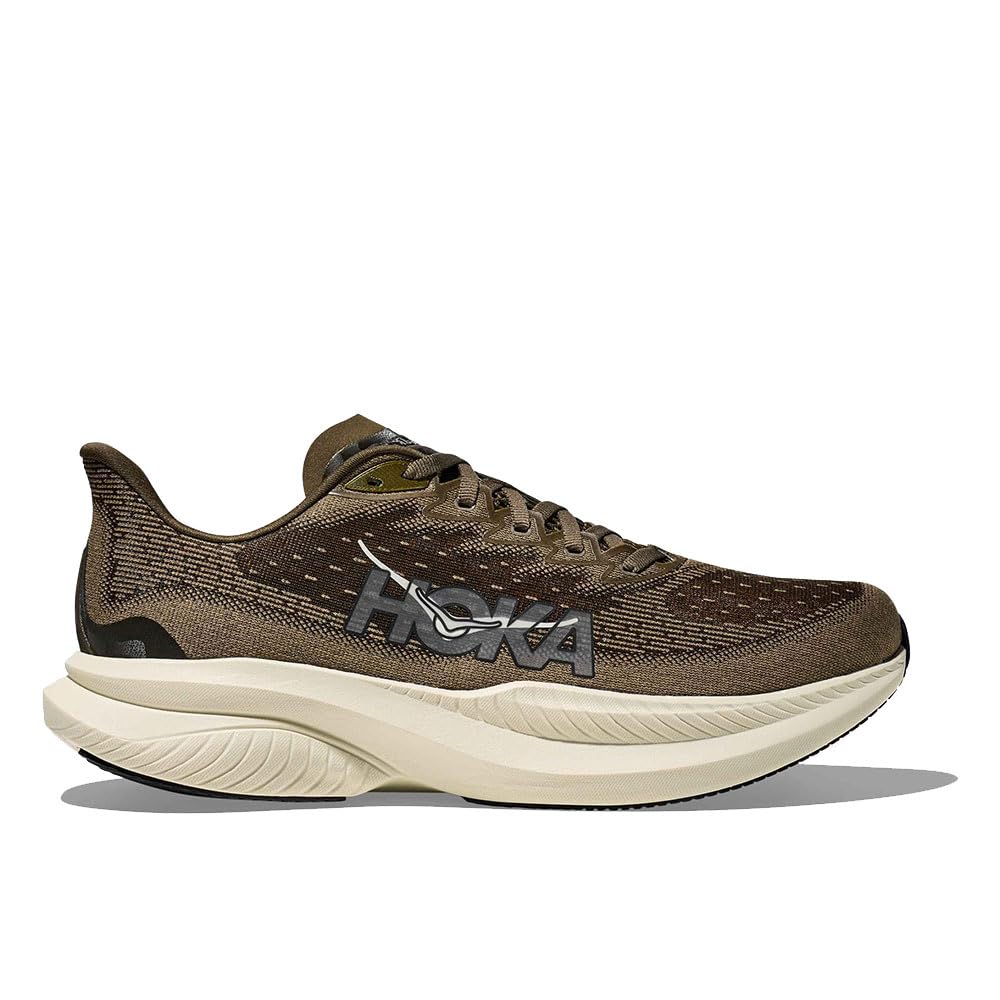
Hoka trimmed the fat on the Mach 6, bringing it down to a remarkably light 7.4 ounces. The midsole uses a supercritical EVA foam combined with a pronounced rocker that propels you forward effortlessly. This combination is a natural fit for 5K efforts where you want a smooth, rolling stride without thinking about your footstrike.
Reviewers praise the Mach 6 for its natural, slipper-like feel that doesn’t sacrifice structure. The upper breathes exceptionally well, and the heel collar stays locked without any irritating rubbing—a common issue in previous Mach models. The 5mm drop encourages a midfoot landing, which aligns perfectly with efficient 5K pacing.
Some runners note that the foam feels less bouncy than PEBA-based competitors, but the trade-off is a more controlled, planted ride that instills confidence at higher speeds. The outsole rubber coverage is minimal, keeping weight down, but wet-road traction is still reliable.
Why it’s great
- Extremely lightweight at 7.4 oz
- Smooth rocker motion aids natural turnover
- Excellent breathability and no-rub heel
Good to know
- Less bouncy than PEBA-foam shoes
- Minimal outsole rubber may wear faster on rough roads
3. Saucony Endorphin Pro 4
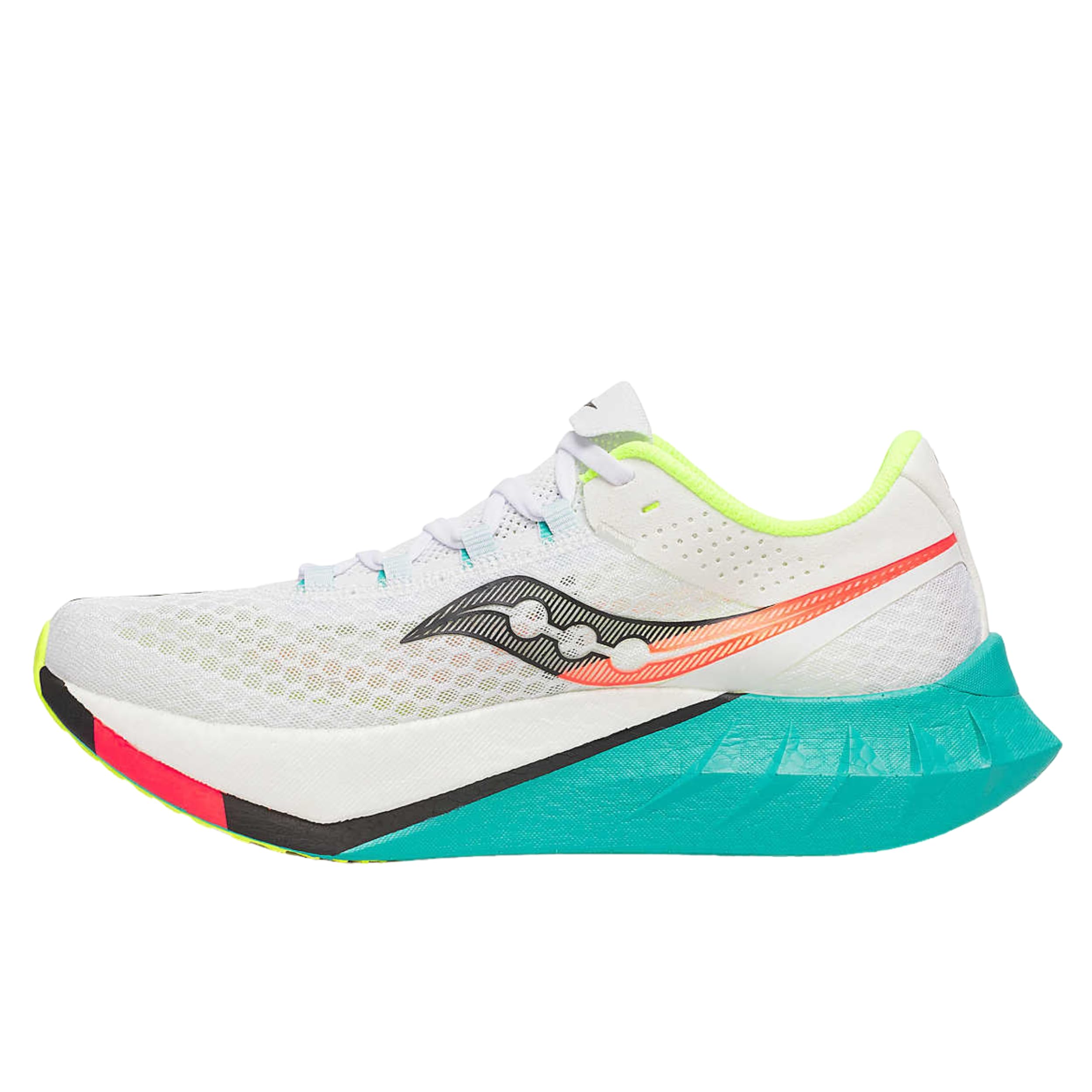
The Endorphin Pro 4 is built with a full-length carbon plate sandwiched in PWRRUN PB foam, creating a spring-loaded sensation that rewards aggressive pacing. For a 5K, where every second counts, this shoe delivers a tangible propulsive kick that helps maintain turnover even when fatigue sets in. The fit is race-ready: snug through the heel and midfoot with a slightly roomier forefoot.
Multiple reviewers confirm that the shoe feels true to size and provides a stable platform even at sharp turns—a common carbon-plate weak point. The upper is paper-thin in the best way, reducing weight to just over 7 ounces while still holding the foot securely. The outsole uses a thin layer of rubber in high-wear zones to keep weight down.
The biggest consideration is that the Pro 4 is a dedicated racer; it lacks the plushness for daily training and the foam may feel harsh at easy paces. It also has a tendency to show wear on the exposed foam edges after a few hundred miles.
Why it’s great
- Aggressive carbon plate propulsion
- Excellent lockdown and true-to-size fit
- Lightweight construction under 8 oz
Good to know
- Not suitable for easy recovery runs
- Exposed foam edges may wear prematurely
4. New Balance FuelCell Rebel V5
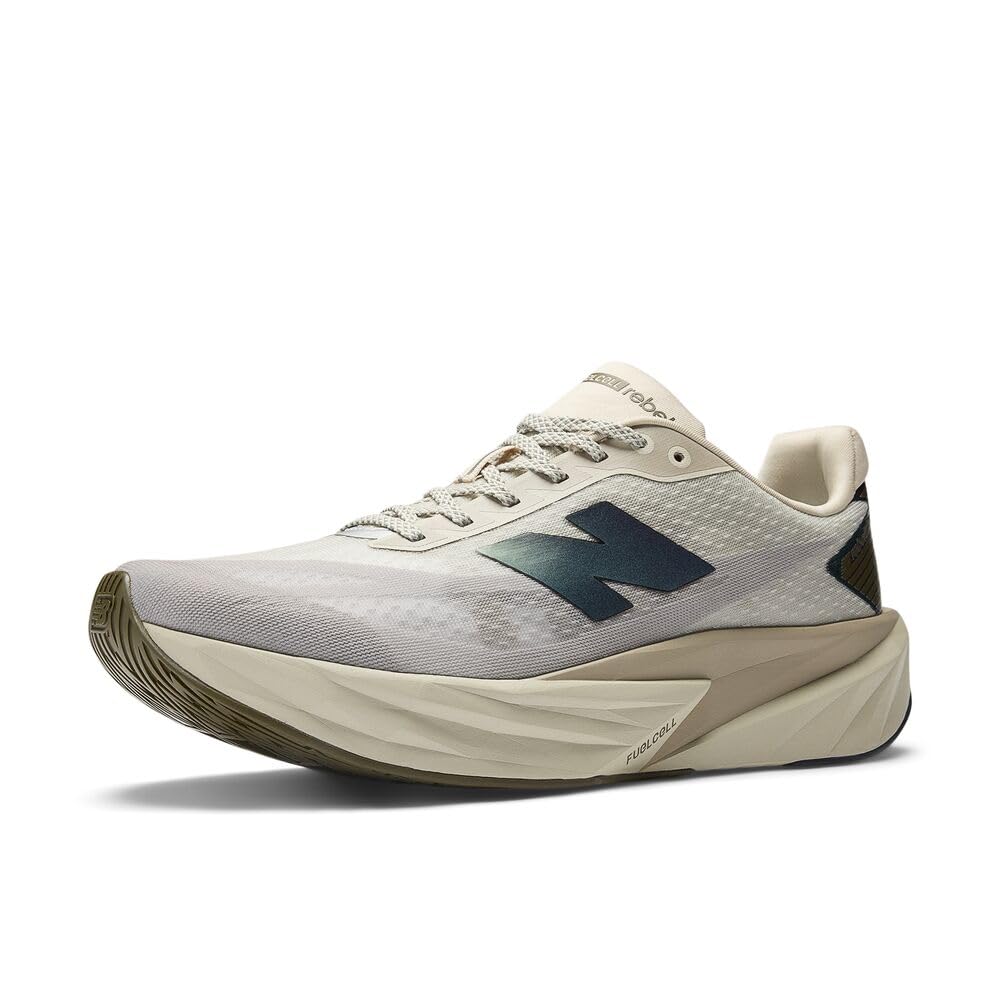
The FuelCell Rebel V5 strikes a strong balance between cushioning and responsiveness for 5K training. Its FuelCell foam is soft enough for daily miles yet firm enough to feel snappy when you pick up the pace. Runners describe the ride as cloud-like with a surprising amount of ground feel, making it ideal for learning how to run faster without losing sensory feedback from the road.
Reviewers consistently highlight the shoe’s lightweight build and breathable upper, which accommodates orthotics securely. The 6mm drop is a sweet spot for runners transitioning from a neutral to a slightly lower profile. The outsole has decent rubber coverage for durability, though some testers note the foam compresses faster than PEBA-based alternatives.
Where the Rebel V5 falls short is in pure energy return compared to plated racers. It feels great for tempo runs and interval work but won’t give you the same pop as a carbon shoe on race day. It also requires a short break-in period for the tongue to soften.
Why it’s great
- Soft yet responsive FuelCell foam
- Great ground feel for tempo work
- Secure fit even with orthotics
Good to know
- Foam may compress faster than PEBA options
- Tongue requires brief break-in period
5. Saucony Ride 18
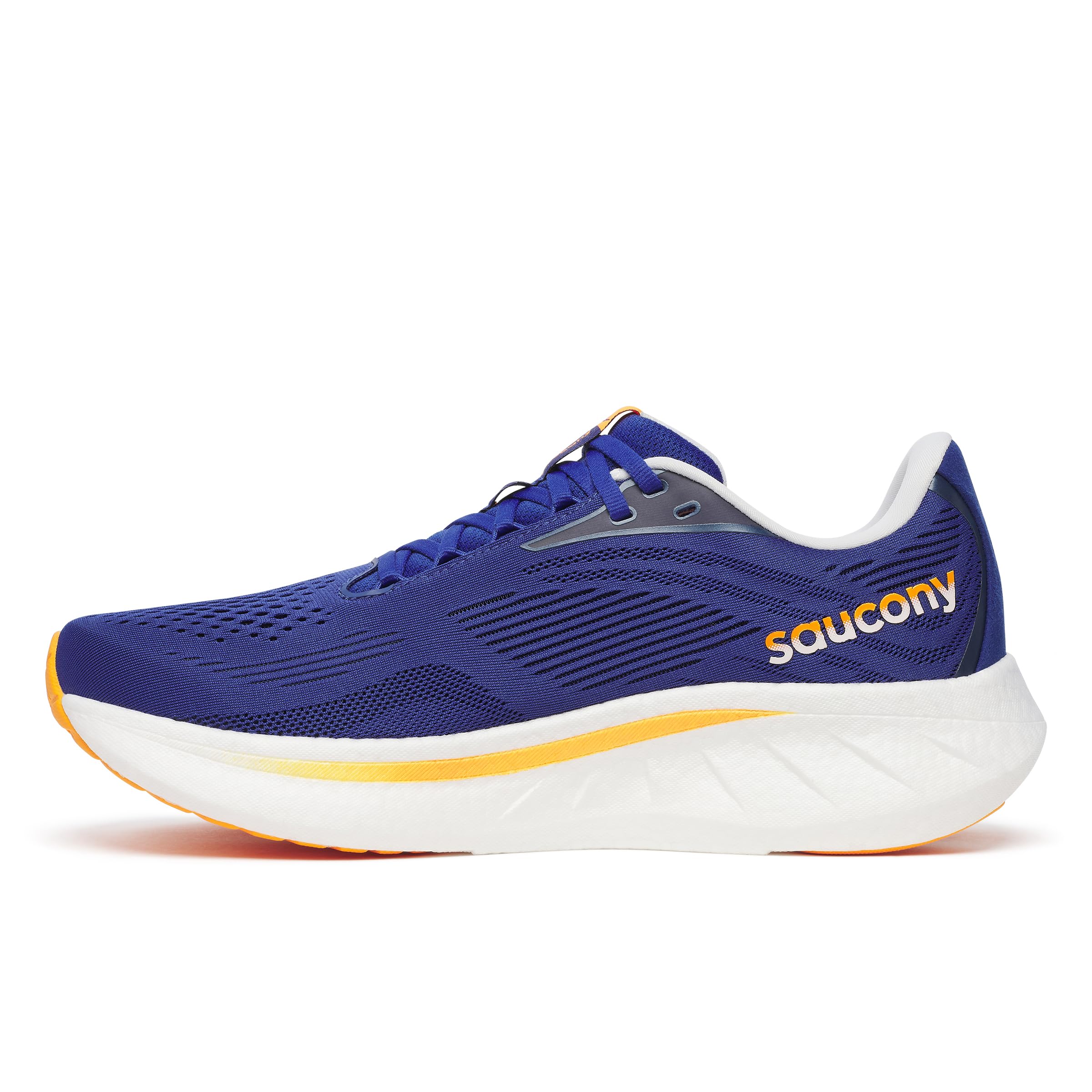
The Saucony Ride 18 is a workhorse daily trainer that excels at 5K tempo runs. Its PWRRUN midsole provides a balanced ride that is neither too soft nor too firm, offering just enough cushion for speed work while maintaining a direct connection to the pavement. The 8mm drop is a neutral starting point for most runners and helps maintain a consistent stride.
Users frequently mention the exceptional comfort and stable cushioning, even for those with mild overpronation. The upper is breathable and the fit runs slightly larger than previous versions, which some find accommodating while others need to size down. The outsole traction is reliable on both wet and dry surfaces.
The Ride 18 is less exciting than plated or super-foam shoes, but it excels in durability and predictability. It won’t give you the same race-day pop, but for consistent training leading up to a 5K, it is a reliable partner that protects your legs over hundreds of miles.
Why it’s great
- Predictable, balanced cushioning for daily training
- Stable platform for mild overpronation
- Durable outsole for long mileage
Good to know
- Fits slightly larger than previous versions
- Less excitement for race-day performance
6. Saucony Endorphin Shift 3
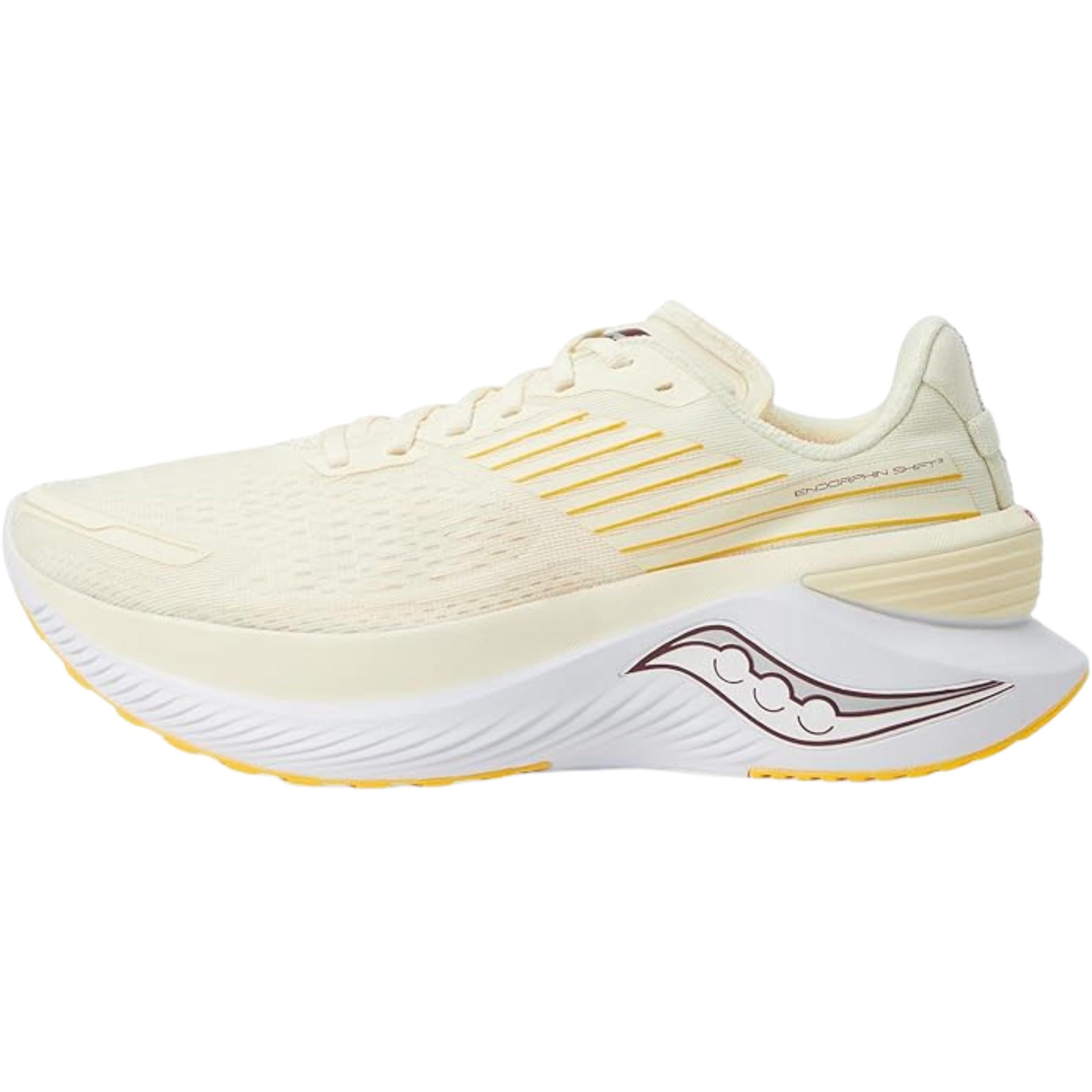
The Endorphin Shift 3 is unique in this list—it prioritizes pain relief and stability without sacrificing a forward-leaning ride. The SPEEDROLL technology creates a gentle rocker motion that reduces the work your calves and Achilles have to do, which is a game-changer for runners battling plantar fasciitis or heel pain. The 4mm drop is one of the lowest here, encouraging a natural midfoot strike.
Multiple reviews confirm that this shoe eliminated foot pain where orthotics failed. The cushioning is firm but well-balanced, providing a stable platform that doesn’t collapse under heavier runners. The upper is supportive and the outsole grips well, though some users note the toe box is slightly narrower than the earlier versions.
The trade-off for that pain relief is a less responsive ride. The Shift 3 doesn’t snap back as aggressively as a speed shoe, making it better suited for recovery runs or slow jogs leading up to race day rather than the race itself. It also has a tendency to wear down in the heel after about 6 months of regular use.
Why it’s great
- Excellent relief for plantar fasciitis
- Smooth rocker motion eases calf strain
- Stable, firm cushioning for heavier runners
Good to know
- Less responsive for speed work
- Heel wear may be significant after 6 months
7. ASICS GT-1000 14
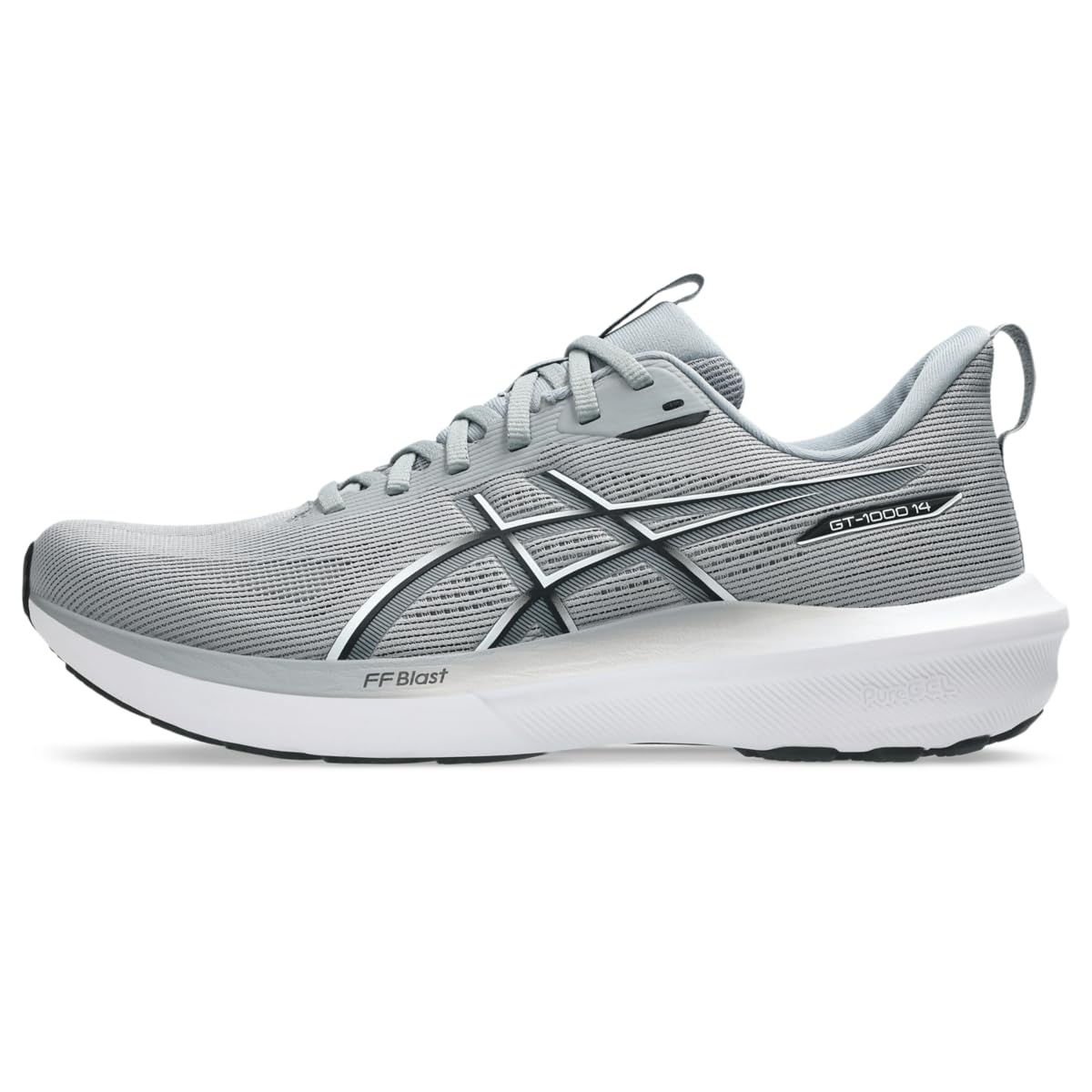
The ASICS GT-1000 14 is the go-to stability shoe for runners who overpronate and need a reliable platform for 5K training. Its LITETRUSS support system is a medial post that corrects excessive inward rolling without adding the bulk of traditional stability shoes. The midsole is notably more cushioned than the GT-2000, providing a softer landing that still feels lightweight.
Users praise the GT-1000 14 for its excellent arch support and comfortable, well-cushioned sole. The Xtra wide option is a boon for runners with wider feet who struggle to find stability shoes that fit without pinching. The outsole has solid rubber coverage, and the upper breathes well for warm-weather runs.
Some reviewers from the running community note that the foam may feel dead within a year of regular use, though the lower price point makes it a more budget-friendly option than the GT-2000 or Kayano. It also lacks the snappy feel of neutral trainers, making it more of a workhorse than a speed demon.
Why it’s great
- Excellent stability for overpronation
- Better cushioning than previous GT-1000 models
- Xtra wide option available
Good to know
- Foam may lose springiness within a year
- Not designed for race-day speed
8. Brooks Launch 11
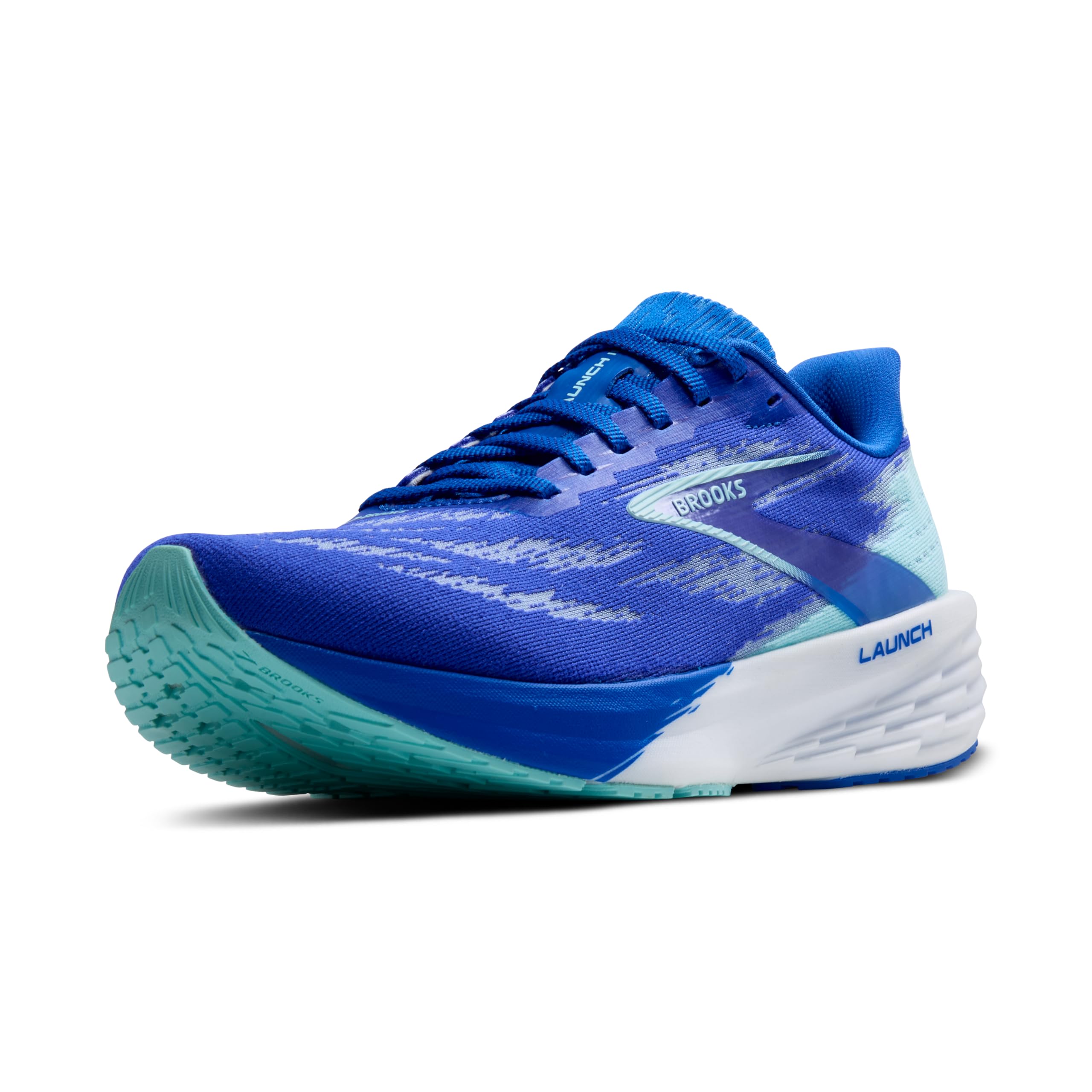
The Brooks Launch 11 is a solid mid-range option that prioritizes a wide toe box for natural splay without sacrificing overall fit. Its BioMoGo DNA cushioning provides a comfortable, responsive ride that works well for both 5K training and casual wear. The 10mm drop is a higher offset, which may appeal to heel-strikers looking for a more cushioned landing.
Reviewers consistently mention the excellent traction on wet surfaces and the durable construction that shows minimal wear over time. The upper is lightweight and breathable, and the fit runs true to size for most foot shapes. The shoe also offers good arch support, making it a viable option for daily use beyond running.
Where the Launch 11 struggles is at faster paces—the BioMoGo DNA foam lacks the energy return of PEBA or supercritical foams, making it feel a bit dead when you push hard. It also leans toward the heavier side for a 5K shoe, which might compromise your turnover on race day.
Why it’s great
- Excellent wide toe box without sloppiness
- Great traction on wet surfaces
- Durable construction for long-term use
Good to know
- Foam lacks energy return for faster paces
- Heavier than ideal for race day
9. Reebok Floatzig
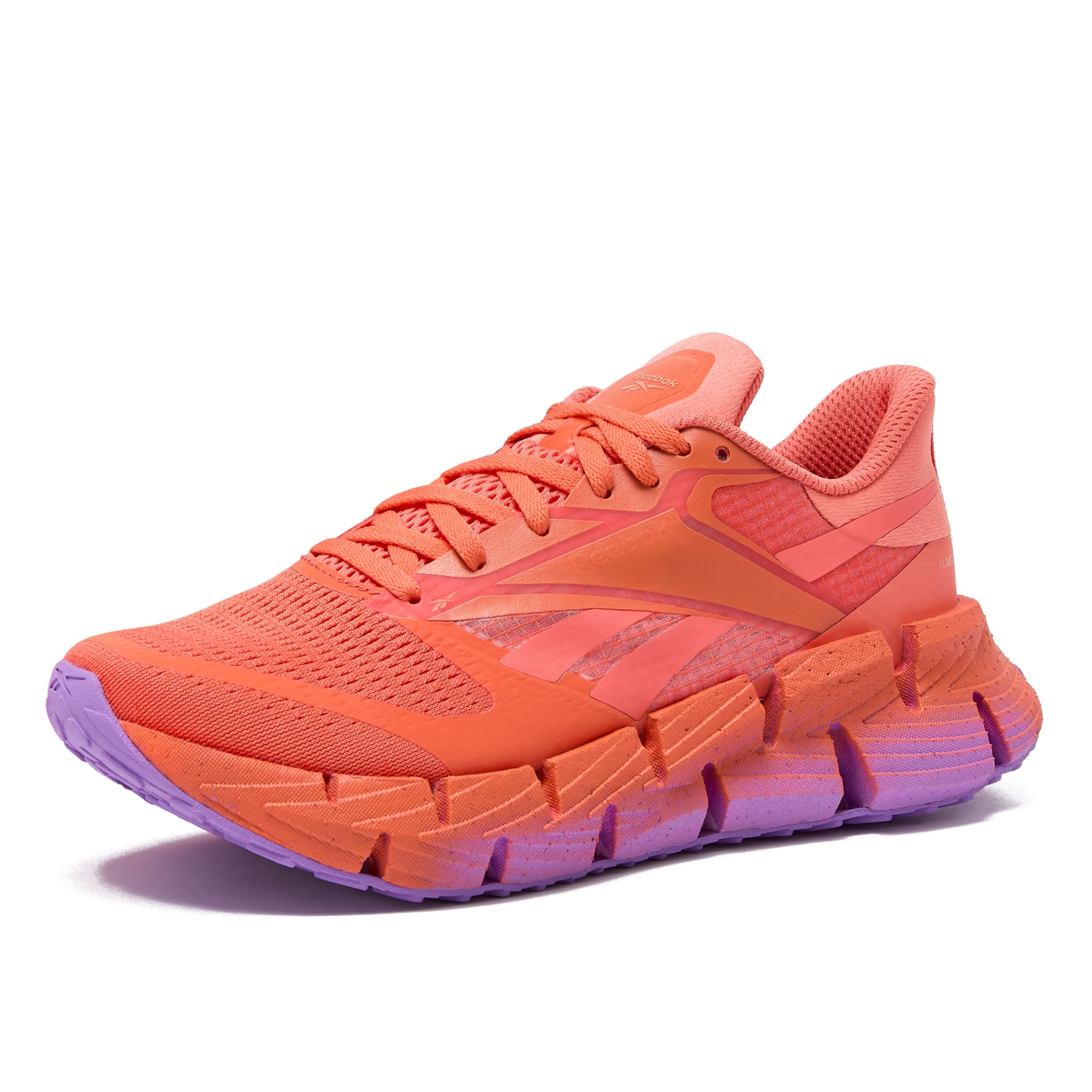
The Reebok Floatzig is an entry-level option that focuses on comfort and style at a budget-friendly price point. Its Floatride Energy foam provides a soft, cushioned feel that works well for casual runners or those new to 5K distances. The design is eye-catching, and the materials feel high-quality for the price.
Reviewers highlight the shoe’s excellent comfort for everyday use, particularly for those with heel pain or plantar fasciitis. The arch support is adequate for general wear, and the fit runs true to size. The lightweight build makes it easy to wear for extended periods without fatigue.
However, the Floatzig is not a performance shoe. The foam lacks the responsiveness needed for tempo runs or race-day efforts, and the outsole has less rubber coverage, raising concerns about durability on rough roads. It is best viewed as a comfortable lifestyle shoe rather than a dedicated 5K trainer.
Why it’s great
- Soft, comfortable Floatride Energy foam
- Stylish design suitable for casual wear
- Good heel support for everyday use
Good to know
- Not responsive enough for 5K speed work
- Outsole durability may be limited on rough roads
FAQ
Can I use marathon trainers for a 5K race?
How do I know if I need a stability shoe for 5K?
What is the ideal stack height for a 5K shoe?
Do I need a carbon plate for a 5K?
How often should I replace my 5K shoes?
Final Thoughts: The Verdict
For most runners, the best 5k running shoes winner is the ASICS Superblast 2 because its PEBA foam delivers exceptional energy return across any pace with zero break-in. If you want a lightweight rocker that feels like wearing slippers, grab the Hoka Mach 6. And for a dedicated race-day carbon-plate experience, nothing beats the Saucony Endorphin Pro 4 for chasing a personal best.

Mo Maruf
I created WellFizz to bridge the gap between vague wellness advice and actionable solutions. My mission is simple: to decode the research and give you practical tools you can actually use.
Beyond the data, I am a passionate traveler. I believe that stepping away from the screen to explore new environments is essential for mental clarity and physical vitality.