Our readers keep the lights on and my smoothie glass nicely filled. As an Amazon Associate, I earn from qualifying purchases.
Selecting the right chapter books for a fourth grader can transform their reading journey from a chore into a passion. It’s about matching their growing curiosity with stories that challenge, comfort, and captivate.
I’m Mohammad Maruf — the founder and writer behind WellFizz. My expertise lies in deep market research, where I analyze consumer data and product specifications to identify what truly engages young readers and supports their developmental milestones.
This guide synthesizes that analysis, focusing on narrative strength, age-appropriate themes, and proven reader engagement. Ultimately, selecting the best 4th grade chapter books means prioritizing stories that build empathy, expand vocabulary, and turn pages eagerly for young readers.
How To Choose The Best 4Th Grade Chapter Books
Choosing a chapter book for a 9- or 10-year-old isn’t just about finding a story they can read; it’s about finding one they’ll want to finish. The ideal book acts as a bridge, building confidence while introducing more complex narratives.
Consider Reading Level and Lexile
Look for books with a Lexile measure typically between 650L and 850L for fourth grade, but prioritize engagement over strict metrics. Sentences should be varied but not overwhelming, with vocabulary that expands their language without causing frustration.
Evaluate Themes and Emotional Depth
Fourth graders are developing empathy and grappling with bigger concepts like friendship, justice, and resilience. Books that handle these themes with honesty—whether through fantasy or realistic fiction—provide safe spaces for emotional exploration.
Assess Length and Chapter Structure
Books between 150 and 250 pages are often a sweet spot. Short chapters can make the reading feel manageable and rewarding, encouraging a “just one more chapter” mentality that builds reading stamina.
Balance Standalones with Series
Standalone novels offer complete, satisfying arcs, while series books provide familiar characters and worlds that can hook reluctant readers. A mix of both keeps reading fresh and exciting.
Quick Comparison
On smaller screens, swipe sideways to see the full table.
| Model | Type | Best For | Key Feature | Amazon |
|---|---|---|---|---|
| Wonder | Contemporary | Building empathy & kindness | Multi-perspective narrative | Amazon |
| Holes | Adventure/Mystery | Clever, puzzle-loving readers | Interwoven plotlines | Amazon |
| The Girl Who Drank the Moon | Fantasy | Imaginative, myth-loving kids | Newbery Medal winner | Amazon |
| A Wrinkle in Time | Sci-Fi Fantasy | Budding scientists & thinkers | Classic Newbery winner | Amazon |
| Charlie and the Chocolate Factory | Classic Fantasy | Whimsical humor & moral lessons | Timeless Roald Dahl tale | Amazon |
| Hatchet | Survival Adventure | Reluctant readers (especially boys) | Fast-paced survival story | Amazon |
| Wish | Contemporary Fiction | Kids navigating family changes | Heartwarming coming-of-age | Amazon |
| The One and Only Ivan | Animal Story | Animal lovers & gentle souls | Based on a true story | Amazon |
| Where the Red Fern Grows | Classic Adventure | Developing emotional resilience | Powerful bond between boy & dogs | Amazon |
| Junie B. Jones First Boxed Set | Early Chapter Books | Transitioning to chapter books | Four books in one set | Amazon |
| Magic Tree House Boxed Set, Books 1-4 | Adventure Series | History & science curiosity | Educational time-travel adventures | Amazon |
In‑Depth Reviews
1. Wonder

August “Auggie” Pullman’s story is a masterclass in teaching kindness without preachiness. Born with a craniofacial difference, Auggie navigates fifth grade, facing bullying, forging friendships, and ultimately teaching his community about compassion. The narrative shifts between Auggie, his sister, and his friends, offering a rounded view of the impact one person can have.
RJ Palacio’s writing is accessible yet deeply moving, making complex emotions understandable for young readers. The short chapters and relatable middle-school dynamics keep pages turning, while the themes of acceptance and courage resonate long after the book ends. It’s a story that widens the heart, as noted by many reviewers who found themselves emotionally invested.
For fourth graders, “Wonder” provides a mirror for those who feel different and a window for others to build empathy. It’s frequently used in classrooms for its powerful message and engaging structure, making it a cornerstone for discussions on kindness and resilience.
Why it’s great
- Powerful, multi-perspective storytelling that builds empathy.
- Perfectly balances serious themes with age-appropriate humor and hope.
- Excellent catalyst for family or classroom discussions on kindness and difference.
Good to know
- Deals with heavy emotional themes that might require some guidance.
- The family dog’s storyline is particularly heart-wrenching for sensitive readers.
2. Holes

Louis Sachar’s Newbery Medal-winning novel is a brilliantly constructed puzzle. Stanley Yelnats is sent to Camp Green Lake, a juvenile detention camp where boys dig holes under the hot sun. The story masterfully intertwines Stanley’s present-day ordeal with the history of his family’s curse and the outlaw Kissing Kate Barlow.
The plot is engaging and fast-paced, with short chapters that make it ideal for readers building stamina. Sachar weaves themes of friendship, fairness, and fate into an adventure that feels both fun and meaningful. Many reviewers, both kids and adults, praise its cleverness and the satisfaction of seeing all the pieces fit together.
For fourth graders, “Holes” offers a compelling mystery that rewards attention, encouraging critical thinking. Its blend of humor, slight absurdity, and deeper commentary on justice makes it a perennial favorite that stands up to multiple readings.
Why it’s great
- Intricately woven plot that is both intelligent and highly entertaining.
- Excellent for demonstrating how backstory enriches a main narrative.
- Teaches valuable lessons about friendship, perseverance, and digging for the truth.
Good to know
- The desert setting and the concept of punitive labor might be intense for some.
- Some younger readers may need help following the dual timelines initially.
3. The Girl Who Drank the Moon

Kelly Barnhill’s Newbery Medal winner is a lush, poetic fantasy about a witch named Xan, a magical baby named Luna, and a society fueled by fear. The story explores how magic is perceived—as a threat, a gift, or a burden—through beautifully drawn characters including a poetic swamp monster and a tiny dragon.
The writing is enchanting and rich, appealing to readers who love to get lost in detailed worlds. Barnhill tackles themes of sorrow, hope, and the corrupting nature of power with a gentle hand, making complex ideas accessible. Reviewers often mention being mesmerized by the imagery and the urgent, moving pace of the narrative.
This book is perfect for fourth graders ready for more sophisticated fantasy. It encourages thinking about the stories we tell and the nature of good and evil, all within a framework of adventure and wonder that captures the imagination.
Why it’s great
- Exquisitely written with poetic language that elevates standard fantasy.
- Features a diverse cast of characters across different ages and species.
- Thoughtfully explores themes of grief, love, and defiance against tyranny.
Good to know
- The prose can be dense for readers just transitioning into advanced chapter books.
- The multi-perspective structure requires a bit more focus to follow.
4. A Wrinkle in Time
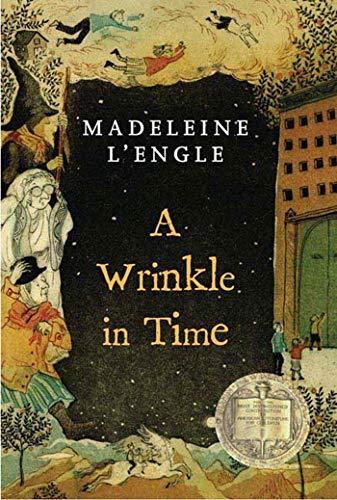
Madeleine L’Engle’s groundbreaking Newbery winner blends science fiction, fantasy, and timeless themes of good versus evil. Meg Murry, her brilliant brother Charles Wallace, and friend Calvin embark on a universe-hopping quest to rescue Meg’s missing father, guided by three mysterious celestial beings.
This novel is celebrated for its strong, intellectually curious female protagonist and its seamless integration of scientific concepts (like the tesseract) with spiritual and philosophical questions. It’s a book that refuses to talk down to children, instead inviting them into a complex and wondrous cosmos. Many reviewers note its lasting impact, inspiring a love for science and speculative fiction.
For fourth graders, it’s a challenging but rewarding read that stretches the imagination. It validates intelligence and courage in unconventional forms, making it particularly resonant for kids who feel like they don’t quite fit in.
Why it’s great
- Pioneering blend of science, fantasy, and moral philosophy.
- Features a resilient, brainy heroine who uses her flaws as strengths.
- Encourages big-picture thinking and curiosity about the universe.
Good to know
- The abstract concepts and dated references may require adult clarification.
- The pacing can be uneven, with dense descriptive passages.
5. Charlie and the Chocolate Factory

Roald Dahl’s classic tale of poverty, vice, and sugary reward remains a masterclass in children’s storytelling. Charlie Bucket’s humble goodness is rewarded with a golden ticket to Willy Wonka’s fantastical factory, while the other, more spoiled children meet memorably poetic ends.
Dahl’s signature blend of dark humor, vivid imagination, and rhythmic language makes for an incredibly engaging read-aloud or independent read. The story is a clear, but never boring, morality play about greed, gluttony, and the virtues of kindness and patience. Reviewers consistently praise its ability to captivate high-energy children and its timeless lessons.
For fourth graders, it’s accessible fun with enough sly commentary to provoke thought. The short chapters and episodic structure of the factory tour make it an excellent confidence-builder for developing readers.
Why it’s great
- Utterly imaginative and hilarious, with a clear moral core.
- Perfect for reading aloud due to Dahl’s rhythmic, playful prose.
- The Oompa-Loompa songs provide built-in breaks and humor.
Good to know
- Some parents may find the punishments of the naughty children harsh.
- Charlie’s passive nature can be a point of discussion versus more active protagonists.
6. Hatchet

Gary Paulsen’s iconic survival story drops 13-year-old Brian Robeson into the Canadian wilderness with nothing but a hatchet after a plane crash. The novel is a minute-by-minute account of his struggle to find food, make shelter, and maintain hope against overwhelming isolation.
The prose is taut and immediate, pulling readers directly into Brian’s experience. It’s a story about resourcefulness, resilience, and the mental strength required to overcome catastrophe. It’s frequently recommended for reluctant readers, especially boys, due to its non-stop action and lack of sentimentalism.
For fourth graders, “Hatchet” is a gripping page-turner that also serves as a manual for problem-solving and perseverance. It validates practical intelligence and the power of focused observation, making the protagonist’s victories feel earned and deeply satisfying.
Why it’s great
- Unrelentingly tense and engaging, ideal for hooking reluctant readers.
- Celebrates practical knowledge, patience, and learning from failure.
- Provides a profound sense of accomplishment as Brian masters his environment.
Good to know
- The premise (plane crash, potential death) can be intense for sensitive readers.
- Some may find the solitary, internal narrative lacking in dialogue or other characters.
7. Wish

Barbara O’Connor’s “Wish” is a tender story about 11-year-old Charlie Reese, sent to live with relatives in a new town. Struggling with a broken family and a heart full of anger, Charlie clings to a secret wish, documented through a list of wishing rituals, while slowly being drawn into the kindness of her new community.
The writing is simple, sincere, and emotionally potent, making complex feelings of displacement and hope accessible. Charlie is a scrappy, relatable protagonist whose journey from loneliness to belonging feels authentic. Reviewers note its raw emotion and its beautiful portrayal of found family and friendship.
This book is a superb choice for fourth graders navigating their own social or family changes. It demonstrates that healing isn’t about a magic fix, but about opening up to the love that’s already present.
Why it’s great
- Authentically captures the voice and turmoil of a child in crisis.
- Beautifully illustrates how friendship and stability can heal a wounded heart.
- Short chapters and straightforward prose make it an easy, compelling read.
Good to know
- The protagonist’s anger and initial rudeness might be off-putting at first.
- Deals directly with themes of parental incarceration and neglect.
8. The One and Only Ivan

Katherine Applegate’s Newbery Medal-winning novel is told from the perspective of Ivan, a silverback gorilla living in a cage at a shopping mall. His world changes with the arrival of a baby elephant, Ruby, sparking a desire for a better life. Based on a true story, the narrative is poignant, hopeful, and written in spare, poetic vignettes.
The unique format—short sections that read like Ivan’s thoughts—makes it highly accessible and allows for powerful emotional beats. It tackles themes of friendship, art, animal rights, and the meaning of home with a gentle but unflinching hand. Reviewers of all ages mention being moved to tears and inspired by Ivan’s quiet courage.
For fourth graders, it’s an unforgettable introduction to perspective-taking and advocacy. The animal point of view creates immediate empathy, and the based-on-truth element adds a layer of gravity that sparks meaningful conversation.
Why it’s great
- Unique, first-person animal perspective that fosters deep empathy.
- Powerful themes of freedom and compassion presented accessibly.
- Short, manageable sections are perfect for readers building confidence.
Good to know
- The subject matter (animal captivity) is inherently sad and may be upsetting.
- The minimalist, journal-style format is different from traditional chapter books.
9. Where the Red Fern Grows

This timeless novel is a deep exploration of love, loss, and the bond between a boy and his dogs. Billy works for two years to save up for two Redbone Coonhounds, Old Dan and Little Ann, and trains them to become champion hunters in the Ozarks. The story is a heartfelt memoir of determination, loyalty, and the painful transition into adulthood.
Rawls’ writing is descriptive and earnest, immersing readers in the setting and the emotional landscape of Billy’s journey. It’s a book that doesn’t shy away from the harsh realities of life and death, making its emotional payoff profound. Many reviewers cite it as a book that shaped their childhood and taught them about grief and love.
For mature fourth graders, it’s a powerful lesson in emotional resilience. It’s important to note that the ending is famously heartbreaking, so it’s best for readers who are ready to process deep emotion with guidance.
Why it’s great
- A quintessential, beautifully written story about devotion and hard work.
- Teaches profound lessons about love, sacrifice, and coping with loss.
- The outdoor adventure and hunting details are captivating for many readers.
Good to know
- The ending is extremely sad and can be traumatic for unprepared readers.
- Contains scenes of animal injury and death that are graphic for the age group.
10. Junie B. Jones First Boxed Set Ever!

This four-book set introduces Junie B. Jones, a kindergartener (and later first grader) with a huge personality, a unique way with words, and a penchant for getting into relatable scrapes. The books are written in Junie B.’s authentic, grammatically creative voice, which kids find hilarious and engaging.
The stories are short, heavily illustrated, and focus on everyday school and family dramas. They are perfect for readers just bridging the gap from picture books to chapter books, offering the accomplishment of reading a “real book” with the support of frequent pictures. Reviewers consistently note how these books hook young readers, especially girls, and build confidence.
For a fourth grader who is a hesitant or newer reader, this set provides a low-pressure, high-fun entry point. The boxed set format offers immediate continuation, which is key for maintaining momentum.
Why it’s great
- Hilarious, first-person narration that kids find utterly authentic and funny.
- Perfect length and illustration level for building independent reading stamina.
- Four books in one set provides great value and immediate reading material.
Good to know
- Junie B.’s grammar and sometimes bratty behavior are divisive among some parents.
- The reading level is below typical fourth grade, best for struggling or reluctant readers.
11. Magic Tree House Boxed Set, Books 1-4

Mary Pope Osborne’s beloved series launches with this set, containing the first four adventures of siblings Jack and Annie. They discover a treehouse filled with books that whisks them through time to the age of dinosaurs, a medieval castle, ancient Egypt, and the high seas with pirates.
The books are fast-paced, heavily illustrated, and expertly blend adventure with factual information. Jack’s notebook provides a model for curiosity and research, while the short chapters and cliffhanger endings are tailor-made for emerging readers. The series is renowned for getting kids, especially boys, excited about reading and history.
For fourth graders, these can serve as high-interest, lower-difficulty reads that fuel curiosity about the world. They are excellent for encouraging independent reading and can act as a springboard for further learning about the historical periods visited.
Why it’s great
- Brilliantly combines exciting adventure with educational content.
- Short chapters and frequent pictures support reading confidence.
- Provides a positive model for sibling teamwork and problem-solving.
Good to know
- The reading level is aimed at younger readers (2nd-3rd grade).
- Some parents note the prose is simple and the grammar informal.
Understanding the Specs
Lexile Measure & Readability
This metric indicates text complexity. For fourth grade, aim for books between 650L and 850L, but consider your child’s confidence. A slightly lower Lexile with a captivating plot can build fluency, while a challenging book on a beloved topic can motivate strategic reading. The key is a “just right” challenge that doesn’t lead to frustration.
Narrative Themes & Emotional Weight
At this age, children are ready to explore themes beyond simple friendship tales. Look for books that introduce concepts like justice, resilience, empathy, and loss in age-appropriate ways. The best books don’t provide easy answers but offer a framework for understanding complex emotions, often through fantasy allegory or realistic fiction.
FAQ
My child gets discouraged by long books. What should I look for?
Are award-winning books like Newbery Medalists always a good choice?
How can I use chapter books to improve my child’s reading comprehension?
Should I be concerned about sad or scary moments in these books?
Final Thoughts: The Verdict
For most people, the best 4th grade chapter books winner is the Wonder because it masterfully builds empathy through its multi-perspective narrative and remains profoundly engaging. If you want a clever, puzzle-box plot that rewards smart readers, grab the Holes. And for a magical, award-winning fantasy that expands the imagination, nothing beats the The Girl Who Drank the Moon.

Mo Maruf
I created WellFizz to bridge the gap between vague wellness advice and actionable solutions. My mission is simple: to decode the research and give you practical tools you can actually use.
Beyond the data, I am a passionate traveler. I believe that stepping away from the screen to explore new environments is essential for mental clarity and physical vitality.