Our readers keep the lights on and my smoothie glass nicely filled. As an Amazon Associate, I earn from qualifying purchases.
Finding a 4K camera that delivers sharp, usable footage without draining your savings used to mean accepting grainy low-light performance or electronic-only stabilization that left you queasy. Today, the market has shifted — real 1-inch sensors, mechanical gimbals, and interchangeable lens systems have all dropped into a price range once reserved for basic point-and-shoots. The challenge is no longer about finding 4K, but about identifying which implementation of 4K actually works for your specific shooting style.
I’m Mohammad Maruf — the founder and writer behind WellFizz. My research focuses on parsing the spec sheets that matter most for real-world video capture, from sensor architecture and bit depth to stabilization methods and codec support.
I’ve sorted through the current landscape to build a practical guide to the best 4k camera on a budget, highlighting models that prioritize image quality, smooth stabilization, and reliable performance without demanding a premium price.
How To Choose The Best 4K Camera On A Budget
When every dollar counts, you need to allocate your budget toward the component that most directly determines your final image quality. Here’s how to prioritize the specs that matter.
Sensor Size Is Non-Negotiable
Ignore marketing about megapixel count; a 1-inch CMOS sensor captures significantly more light than the smaller 1/2.3-inch sensors found in most sub- cameras. More light means cleaner shadows, less noise at higher ISOs, and better dynamic range for scenes with both bright highlights and dark shadows. If you plan to shoot indoors or during golden hour, seek out the 1-inch sensor.
Stabilization Type Defines Your Shooting Capability
Three-axis mechanical gimbal stabilization (found in pocket cameras and many drones) physically moves the sensor or lens assembly to counteract shake, delivering buttery smooth footage even while walking. In-body image stabilization (IBIS) in mirrorless cameras serves a similar function but pairs best with unstabilized lenses. Electronic stabilization crops into the frame and can introduce a jello-like wobble. For handheld vlogging, prioritize hardware stabilization.
Bit Depth and Color Science for Post-Production Flexibility
A camera that records 8-bit 4:2:0 color is fine for direct-to-YouTube uploads, but if you plan to color-grade your footage, look for 10-bit recording with a flat log profile (like Sony’s S-Log, DJI’s D-Log M, or Canon’s C-Log). This gives you far more latitude to adjust exposure, recover shadows, and apply creative looks without introducing banding or artifacts.
Autofocus Reliability for Active Subjects
Face and eye detection autofocus has become standard, but implementation varies widely. Phase-detection AF (like Canon’s Dual Pixel) is faster and more sticky than contrast-detection systems. For vloggers who move around the frame, or anyone filming unpredictable subjects like kids or pets, phase-detection AF with tracking is a worthwhile priority.
Quick Comparison
On smaller screens, swipe sideways to see the full table.
| Model | Category | Best For | Key Spec | Amazon |
|---|---|---|---|---|
| DJI Osmo Pocket 3 | Pocket Gimbal Camera | Vlogging & B-Roll | 1-inch CMOS, 3-Axis Gimbal | Amazon |
| Xtra Muse | Pocket Gimbal Camera | Budget Vlogging | 1-inch CMOS, 4K/120fps | Amazon |
| Canon EOS R100 Kit | Mirrorless Camera | Photography & Hybrid | 24.1MP APS-C, 4K/24p | Amazon |
| Sony ZV-1F | Compact Vlog Camera | Ultra-Wide Vlogging | 20mm F2.0, 1-inch Sensor | Amazon |
| OM System E-M10 Mark IV | Mirrorless Camera | Portable Travel Hybrid | 20MP, 5-Axis IBIS, 4K | Amazon |
| DJI Mini 4K Drone Combo | Camera Drone | Aerial Video | 249g, 3-Axis Gimbal | Amazon |
| Ruko U11MINI 4K | Camera Drone | Touchscreen Aerial | 8K Photos, 4K/30p | Amazon |
| ANNKE Security Camera System | Surveillance System | Home Security | 2TB HDD, 2K Cams | Amazon |
| Prisual PT20X-4K-N | PTZ Camera | Live Production | 20x Zoom, NDI, PoE | Amazon |
In‑Depth Reviews
1. DJI Osmo Pocket 3
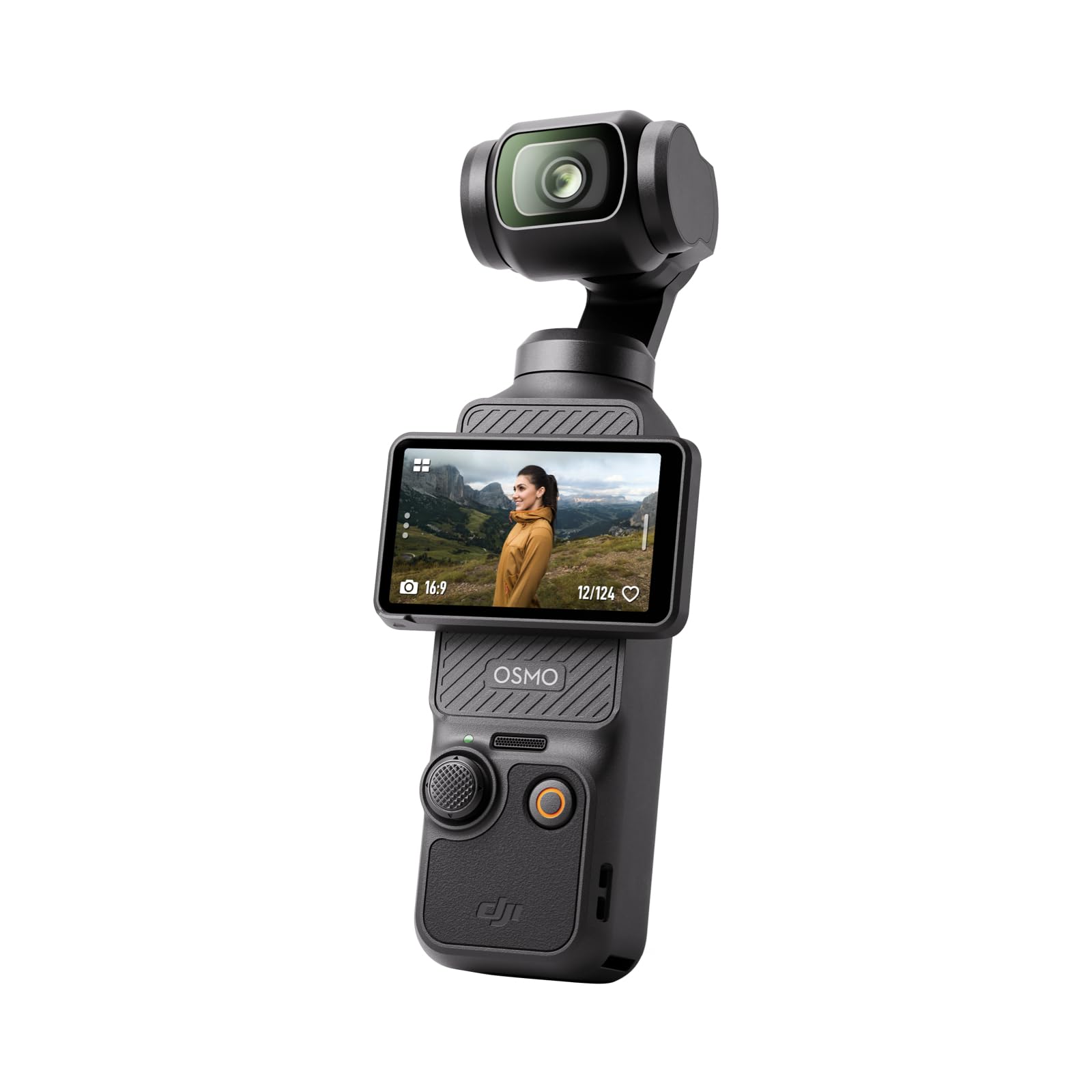
DJI’s Osmo Pocket 3 sets the bar for budget 4K video capture with its combination of a 1-inch CMOS sensor and a true 3-axis mechanical gimbal. This hardware pairing means you get clean, low-noise footage in dim interiors and walking shots that look like they were captured on a full gimbal rig — because they were. The 2-inch rotatable touchscreen automatically switches between horizontal and vertical orientation, which streamlines social-media content creation without cropping or rotating in post.
The ActiveTrack 6.0 system locks onto a subject and keeps them centered even when you spin, jump, or move erratically, making it nearly impossible to lose focus during a run-and-gun shoot. DJI has also integrated D-Log M 10-bit color, giving editors the latitude to pull up shadows and grade creatively without stepping up to a larger camera system. The onboard stereo audio and direct connection to DJI Mic 2 transmitters further reduce the need for external gear.
Battery life averages over 2.5 hours of continuous recording, which is exceptional for a compact camera. The only notable friction is the mandatory registration and app-install requirement before first use, but once you’re past that, the Pocket 3 delivers flagship stabilization and image quality at a mid-range price. For creators who want smooth handheld 4K without spending thousands, this is the current gold standard.
Why it’s great
- 1-inch sensor provides excellent low-light performance
- True 3-axis gimbal eliminates stabilization cropping
- 10-bit D-Log M color for flexible post-production
- Compact enough for everyday carry
Good to know
- Requires device registration before full use
- No interchangeable lens system
2. Xtra Muse Vlogging Camera
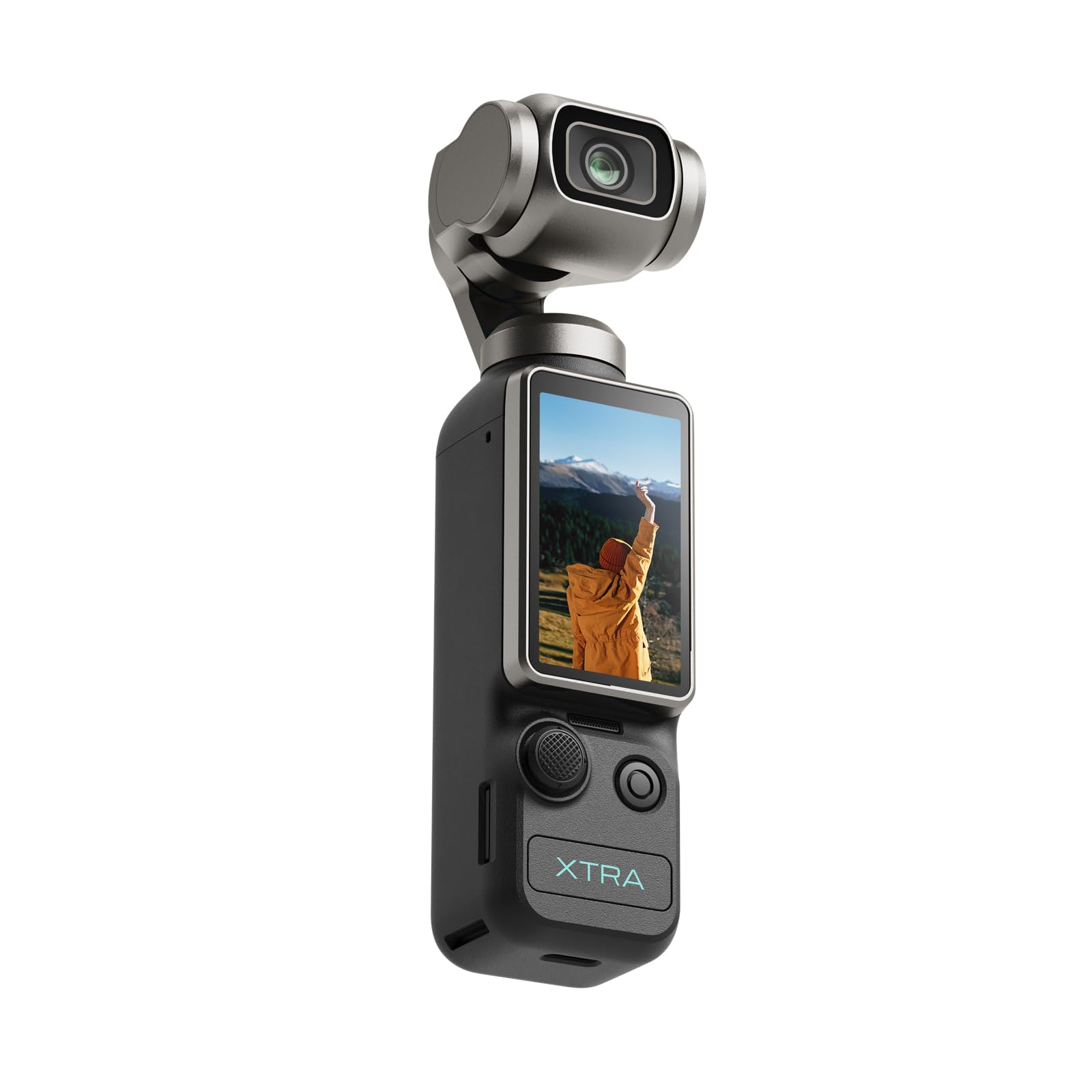
The Xtra Muse enters the market as a direct challenger to the DJI Pocket ecosystem, offering a 1-inch CMOS sensor and a built-in 3-axis gimbal at a significantly lower entry point. The headline feature is 4K video at 120 frames per second, which enables smooth slow-motion playback at quarter speed — a capability usually reserved for cameras costing twice as much. Footage from the 1-inch sensor shows good dynamic range in mixed lighting, with natural skin tones and controlled noise up to ISO 1600.
Tracking performance is surprisingly robust for a first-generation product. The Master Follow mode reliably keeps a moving subject centered, and the fast hybrid autofocus system locks on quickly after scene changes. The 2-inch touchscreen interface is intuitive, and the included carrying bag, wrist strap, and threaded handle make it ready for tripod mounting right out of the box. Recent firmware updates have added compatibility with DJI Mic 2 transmitters, addressing one of the original gaps in audio flexibility.
Battery life sits at around 161 minutes in standard recording, which competes well with the category leader. Low-light performance is solid but not quite at the level of the Pocket 3’s sensor tuning — expect slightly more noise in very dim environments. For vloggers and creators who prioritize slow-motion 4K and want to stay well within budget, the Xtra Muse offers exceptional value per dollar.
Why it’s great
- Records 4K at 120fps for smooth slow-motion
- 1-inch sensor with solid dynamic range
- Built-in 3-axis gimbal eliminates shake
- Priced well below competitors with similar specs
Good to know
- Low-light noise is noticeable above ISO 1600
- No 10-bit color profile for grading
3. Canon EOS R100 Kit

Canon’s EOS R100 is the most affordable entry point into the RF mirrorless system, and it brings the dual benefits of an APS-C sensor and Dual Pixel CMOS AF to budget-conscious photographers and videographers. The 24.1-megapixel sensor delivers sharp, detailed stills with the natural bokeh that comes from a larger-than-1-inch format, while the DIGIC 8 processor handles 4K video capture at up to 24 frames per second. This is a hybrid shooter’s camera — strong for photography, capable for video.
The included RF-S 18-45mm F4.5-6.3 IS STM lens provides optical image stabilization and a versatile zoom range that covers wide-angle to standard portraits. The autofocus system detects human faces, animal faces, and vehicle subjects, making it responsive for tracking moving subjects in both stills and video. The compact body weighs less than 400 grams, and the ergonomic grip makes it comfortable for extended handheld shooting sessions.
Video frame rate is the biggest compromise here — 4K is capped at 24fps, and 1080p goes up to 60fps. The APS-C sensor crops in 4K mode, which reduces the effective field of view of your lens. There is also no in-body image stabilization, relying instead on the lens-based stabilization. For beginners who want an interchangeable-lens system with reliable autofocus and a path to upgrade lenses over time, the R100 is the logical starting point.
Why it’s great
- APS-C sensor delivers superior image quality over 1-inch
- Dual Pixel AF is fast and reliable for stills and video
- Interchangeable lens system for future upgrades
- Extremely lightweight and travel-friendly
Good to know
- 4K video limited to 24fps
- No in-body stabilization
- 4K capture introduces a crop factor
4. Sony ZV-1F

Sony designed the ZV-1F specifically for vloggers who need a wide-angle lens that keeps their face and background in frame even at arm’s length. The 20mm equivalent F2.0 lens is significantly wider than the standard 24mm found on most compact cameras, which makes a real difference when you’re holding the camera out for a selfie-style shot. The 1-inch 20.1-megapixel sensor delivers clean 4K video with good color science straight out of camera.
The dedicated background defocus button is one of those features that simplifies a normally complex operation — one press blurs the background for a more cinematic look, and a second press restores full sharpness. Sony’s Eye AF and real-time tracking keep faces in focus even when the subject moves around the frame, while the directional 3-capsule microphone with the supplied windscreen captures clear audio even in breezy outdoor conditions. The side-articulating touchscreen makes it easy to monitor your framing while recording yourself.
Battery life is the most common frustration, averaging around 45 minutes of continuous recording. This is manageable with spare batteries but does interrupt longer shooting sessions. The fixed lens also means no optical zoom range — instead, you get a Clear Image Zoom that crops digitally. For pure vloggers who value that ultra-wide, arm’s-length framing and reliable autofocus above all else, the ZV-1F is a purpose-built tool.
Why it’s great
- Ultra-wide 20mm lens is ideal for vlogging
- F2.0 aperture enables decent subject separation
- Excellent Eye AF and subject tracking
- Built-in directional mic reduces wind noise
Good to know
- Battery life is short at ~45 minutes
- Fixed lens with no optical zoom
5. OM SYSTEM Olympus E-M10 Mark IV

OM System’s E-M10 Mark IV packs 5-axis in-body image stabilization into a compact Micro Four Thirds body, delivering up to 4.5 stops of compensation. This means you can handhold the camera at shutter speeds that would be blurry on most other budget 4K cameras, and it makes video footage noticeably smoother even without a gimbal. The 20-megapixel Live MOS sensor produces excellent image quality for both stills and 4K video, with Olympus’s renowned JPEG color science.
The flip-down monitor is a unique design choice that enables a dedicated selfie mode — when the screen flips down, the camera automatically switches to a front-facing user interface optimized for self-portraits and vlogging. The kit lens is an M.Zuiko Digital ED 14-42mm F3.5-5.6 EZ pancake zoom that keeps the overall package small enough to slip into a jacket pocket. The 121-point contrast-detection autofocus is quick and accurate for still photography, though it lacks the subject-tracking sophistication of phase-detection systems during video.
The Smartphone OI Share app enables background Bluetooth connectivity for easy image transfer and remote control. The 16 Art Filters provide creative looks that save post-processing time for casual shooters. Battery life is solid but the camera uses a proprietary charger rather than USB-C direct charging, which is an inconvenience. For hybrid shooters who prioritize stabilization above all else in a compact interchangeable-lens body, the E-M10 Mark IV is a unique value in this price tier.
Why it’s great
- 5-axis IBIS delivers 4.5 stops of stabilization
- Compact and lightweight with pancake kit lens
- Dedicated selfie mode with flip-down screen
- Excellent JPEG color science and Art Filters
Good to know
- No USB-C charging, proprietary charger only
- Contrast-detection AF struggles with video tracking
6. DJI Mini 4K Drone Combo

The DJI Mini 4K Drone brings the core aerial capture experience to a budget-friendly price point while staying under the 249-gram threshold that exempts it from FAA registration and Remote ID requirements for recreational use. The 4K UHD camera is mounted on a 3-axis gimbal that isolates the lens from the drone’s movement, producing smooth cinematic footage even in light wind conditions. The 1/2.3-inch sensor captures 12-megapixel stills and video that looks best in good lighting.
The combo kit includes two batteries for a total of 62 minutes of flight time, which is enough for multiple flights during a single outing. The 10-kilometer HD video transmission system provides a rock-solid connection in open areas, and the Level 5 wind resistance means you can fly confidently in conditions that would ground lesser drones. QuickShots like Helix, Dronie, and Rocket automate professional camera movements, making complex aerial shots accessible to beginners with no piloting experience.
There is no obstacle avoidance system, so you must fly with awareness in tight spaces. The 4K recording is capped at 30fps, and there is no slow-motion option. The DJI Fly app must be downloaded from DJI’s website due to a Google Play listing issue, which adds a minor setup step.
Why it’s great
- Under 249g, no FAA registration needed for recreation
- 3-axis gimbal produces smooth aerial footage
- Two batteries for 62 minutes total flight
- Automated QuickShots for cinematic capture
Good to know
- No obstacle avoidance sensors
- 4K capped at 30fps
- App must be sideloaded from DJI website
7. Ruko U11MINI 4K
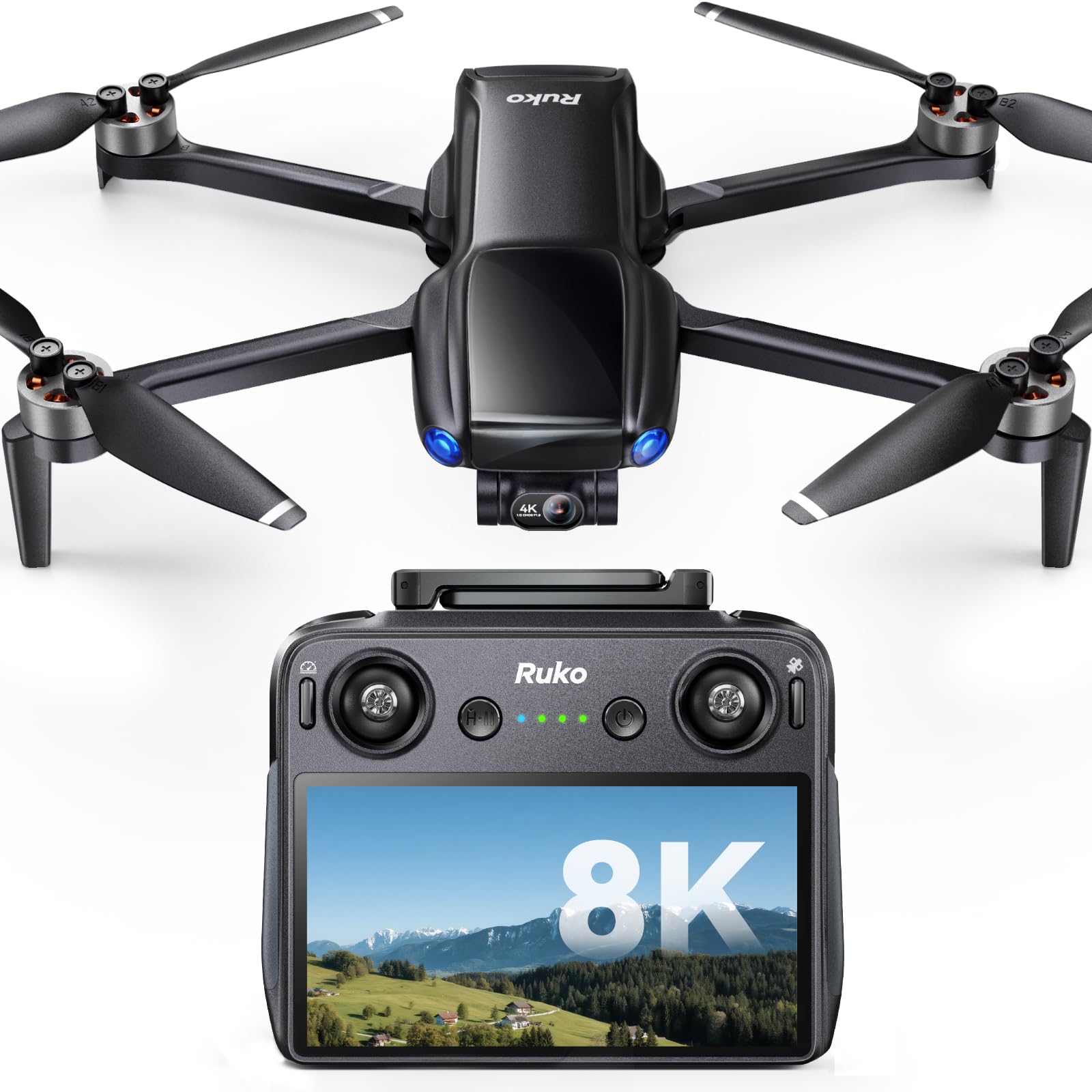
Ruko’s U11MINI 4K distinguishes itself from the category norm with its integrated 5.5-inch 1080p touchscreen controller, which entirely eliminates the need to tether a phone for a live feed. This standalone approach reduces setup time and eliminates app compatibility headaches — you power on the controller and drone, and the feed is immediately visible on the built-in display. The drone itself weighs under 249 grams, keeping it FAA-exempt for recreational flight.
The 1/2-inch CMOS sensor captures 4K video at 30fps and 8K still photos, with the 3-axis mechanical brushless gimbal absorbing flight vibrations for stable footage. The R2 digital transmission system claims 20,000 feet of range with a lag-free feed, and the quadruple positioning system (GPS, barometric, TOF, optical flow) ensures precise hovering and landing even in challenging environments. The two intelligent batteries deliver 64 minutes of total flight time and support PD 3.0 fast charging.
Beginner-friendly features include AI takeoff and landing, one-key return, and failsafe return-to-home on low battery or lost signal. GPS modes include Follow Me, Waypoints, and Point of Interest, which add significant creative flexibility. Some users report slow firmware download speeds and occasional controller unresponsiveness that requires a reboot. For drone enthusiasts who prefer not to drain their phone battery or deal with app pairing, the standalone controller is a meaningful draw.
Why it’s great
- Built-in 5.5-inch controller, no phone required
- Under 249g, FAA-exempt for recreational use
- 3-axis gimbal for stable footage
- PD 3.0 fast charging batteries
Good to know
- Firmware downloads can be extremely slow
- Some reports of intermittent controller responsiveness
8. Prisual PT20X-4K-N PTZ Camera
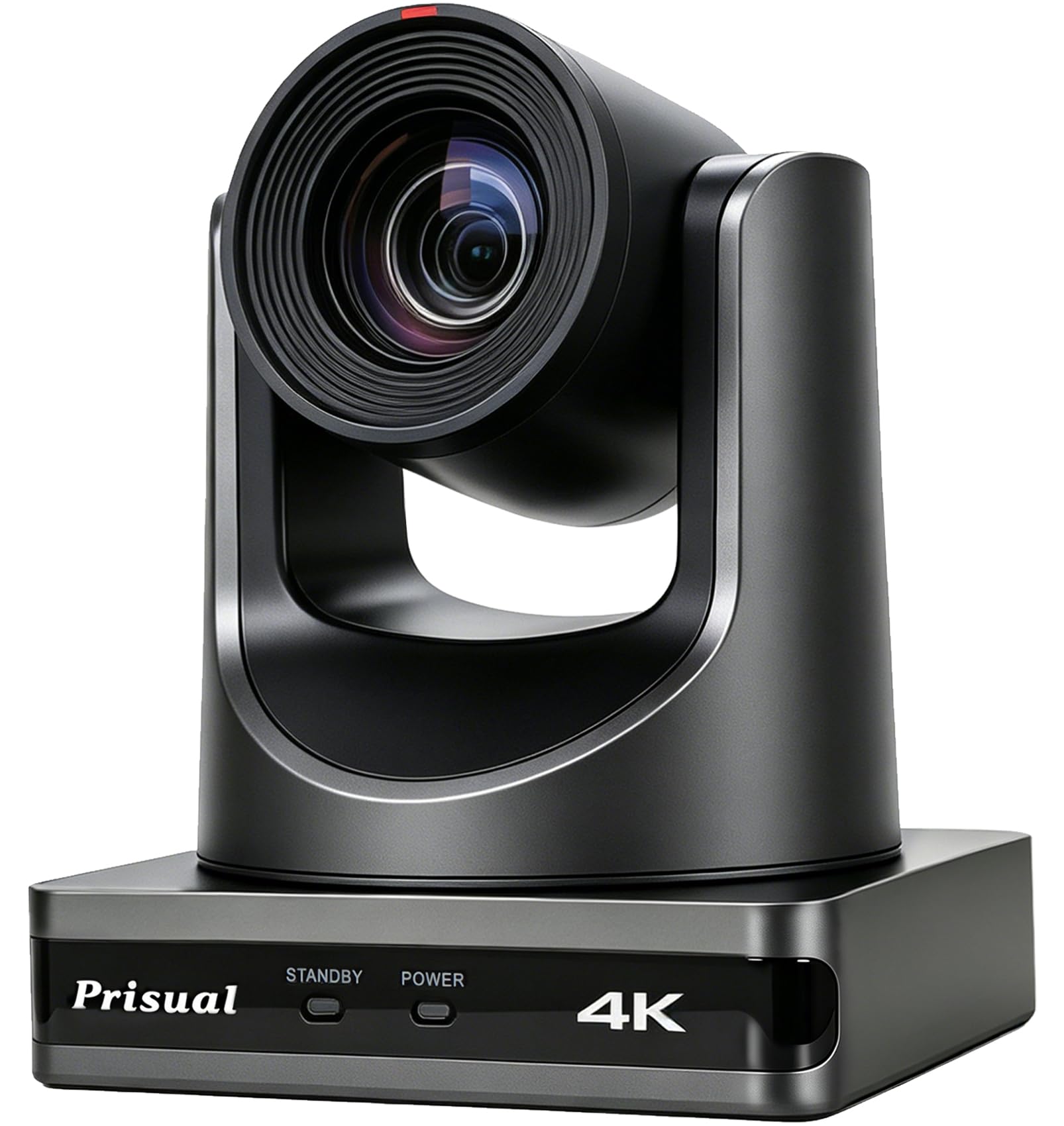
The Prisual PT20X-4K-N is a dedicated PTZ (pan-tilt-zoom) camera designed for live production environments like churches, conference rooms, and streaming studios. The Sony 1/1.8-inch CMOS sensor delivers true 4K UHD output at 30fps with 8.42MP effective resolution, and the 20x optical zoom (6.25–125mm equivalent) captures detail from wide room shots to tight speaker close-ups without losing resolution. The built-in tally light provides visual confirmation of live versus preview status.
AI auto-tracking follows a moving subject automatically, enabling unattended camera operation for presentations and performances. The camera supports VISCA, Pelco-D, and Pelco-P control protocols over RS232/485, IP, and USB, and integrates seamlessly with OBS, Zoom, and Wirecast via HDMI or IP streaming. Power over Ethernet eliminates the need for separate power cabling, and the multi-interface output means you can send video to multiple destinations simultaneously.
NDI functionality is available through a separate license purchase, and full NDI performance requires that upgrade. The 2D/3D noise reduction handles low-light venues down to 0.5 lux, producing usable images in dimly lit environments without excessive grain. The web management interface is functional but somewhat dated in layout, and some initial IP configuration steps may be required. For churches and event spaces needing a reliable, budget-friendly 4K PTZ camera, this is a strong contender.
Why it’s great
- True 4K with 20x optical zoom
- PoE simplifies single-cable setup
- AI auto-tracking for unattended operation
- Compatible with major streaming software
Good to know
- NDI license is sold separately
- Web interface could use a modern refresh
9. ANNKE Wireless Security Camera System
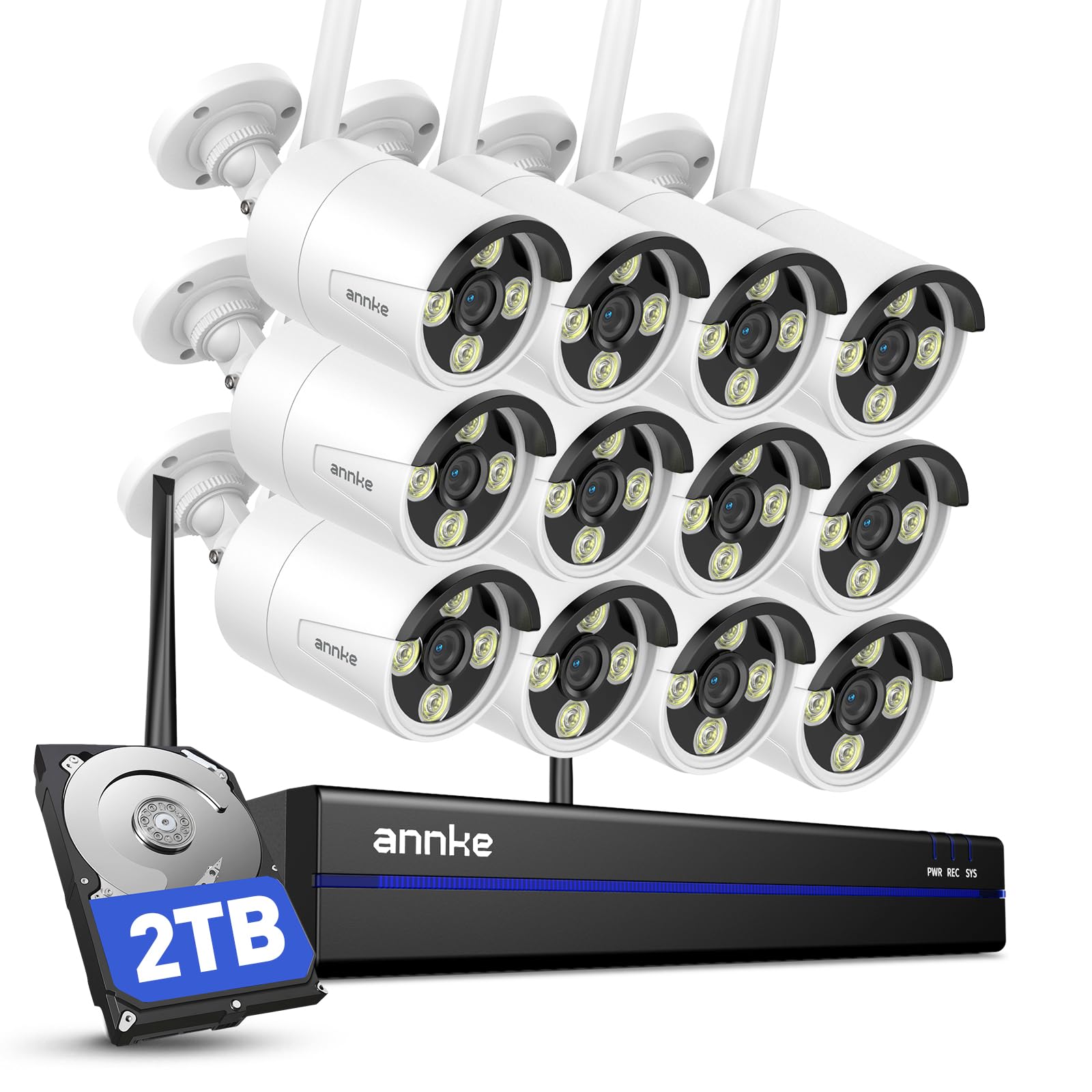
ANNKE’s 16-channel NVR system with twelve 2K wireless cameras and a pre-installed 2TB hard drive is a comprehensive home security solution that fits within a 4K camera budget. While the cameras record at 2K rather than UHD 4K, the NVR itself supports 4K input, and the overall package provides 24/7 recording with AI human detection that reduces false alerts from blowing leaves or passing cars. The dual-band 2.4/5.8GHz WiFi provides stable connectivity for all 12 cameras.
Two-way audio via the built-in microphone and speaker allows you to communicate with visitors or delivery drivers through the ANNKE Sight app. Night vision extends to 100 feet in infrared mode and 33 feet in full-color mode, ensuring coverage after dark. The system is designed for plug-and-play setup: each camera needs a power outlet, but no video cables are required for transmission. The 2TB HDD is expandable up to 8TB, giving room for extended event storage.
Event playback reliability has been reported as inconsistent, with some users experiencing clips that load but then go black. The camera lenses are fixed, so you cannot zoom in digitally for detail identification. The AI detection is tuned primarily for human shapes, so it may not trigger for animals or vehicles unless configured specifically. For homeowners needing wide coverage with continuous recording capability, this system offers strong value despite some software quirks.
Why it’s great
- 12 cameras with 2TB recording capacity
- AI human detection reduces false alerts
- Easy plug-and-play wireless setup
- Two-way audio for visitor communication
Good to know
- Cameras record at 2K, not 4K UHD
- Event playback can be unreliable
- Each camera requires a nearby power outlet
FAQ
What is the minimum sensor size I should accept in a budget 4K camera?
Does 4K at 120fps matter for budget cameras?
Can I use a budget drone’s 4K camera for professional video?
What does bit depth mean for video quality?
Final Thoughts: The Verdict
For most users, the best 4k camera on a budget winner is the DJI Osmo Pocket 3 because it combines a 1-inch sensor with true mechanical stabilization and 10-bit color in a form factor that goes everywhere. If you want an interchangeable lens system for hybrid photography and video, grab the Canon EOS R100 Kit. And for aerial capture with no FAA registration headaches, nothing beats the DJI Mini 4K Drone Combo.

Mo Maruf
I created WellFizz to bridge the gap between vague wellness advice and actionable solutions. My mission is simple: to decode the research and give you practical tools you can actually use.
Beyond the data, I am a passionate traveler. I believe that stepping away from the screen to explore new environments is essential for mental clarity and physical vitality.