Our readers keep the lights on and my smoothie glass nicely filled. As an Amazon Associate, I earn from qualifying purchases.
Finding a running shoe in a 4E width is about more than just personal comfort — it’s the single most critical factor for long-term foot health and running performance. A shoe that pinches or constricts can lead to everything from black toenails and blisters to chronic plantar fasciitis, while a shoe that’s too loose causes instability and heel slip. The 4E category exists exactly in the gap between “available wide” and “actually fits,” and the best options combine a generous forefoot and toebox with a secure, supportive midfoot that locks the foot in place without applying pressure.
I’m Mohammad Maruf — the founder and writer behind WellFizz. Over the last decade, I’ve analyzed hundreds of footwear spec sheets, digging into last construction, stack heights, drop measurements, and material density to understand which models genuinely deliver for runners who need extra space without sacrificing performance.
Whether you’re logging daily pavement miles, tackling technical trails, or simply looking for all-day walking comfort, the best 4e running shoes on this list were selected by comparing real-world reviews, verified technical specs, and the specific fit characteristics that matter most to a wide-foot runner.
How To Choose The Best 4E Running Shoes
Selecting a 4E running shoe requires thinking beyond just the width label. The same 4E designation can fit dramatically differently depending on the shoe’s last shape, upper material, and where the extra volume is distributed. Understanding what to look for ensures you get a shoe that fits your specific foot shape, not just any wide shoe.
Foot Volume and Toe Box Shape
Not all 4E shoes are built the same. Some makers add width evenly across the entire foot, while others concentrate it in the toe box. If you have a high instep or bunions, look for models with a naturally anatomical or foot-shaped last. A pointed or tapered toe box, even in 4E, can still pinch your toes together. The best shoes for wide feet offer a toe box that mirrors the natural splay of your foot, especially for longer runs where swelling occurs.
Midsole Cushioning and Drop Profile
Stack height and heel-to-toe drop directly affect your gait and comfort. A higher stack (30-40mm) provides more impact absorption, which is ideal for road running and heavy heel strikers, but can reduce ground feel. A lower drop (0-4mm) encourages a more natural midfoot strike and is common in minimalist or zero-drop models. Your choice should match your running style and any previous injury history, such as Achilles or knee issues. A plush midsole can mask problems, while a firmer one offers better feedback.
Upper Material and Breathability
For 4E widths, the upper must be flexible enough to accommodate a wide foot without creating pressure points, but also structured enough to hold the foot securely. Engineered mesh is the gold standard — it stretches where needed and provides ventilation. Heavily stitched or layered uppers can cause irritation, especially on the outer edge of the foot. Look for seamless linings and padded collars that prevent friction and hot spots on longer runs.
Durability and Outsole Traction
A wide shoe puts a different stress distribution on the outsole compared to a standard width. Check for high-abrasion rubber placement in the heel and forefoot. A blown rubber outsole is lighter and softer but wears faster, while carbon rubber is heavier and lasts longer. For trail running in 4E, a deep lug pattern (5mm or more) is essential for grip on loose surfaces. Road runners can prioritize smoother, continuous rubber for better flexibility and grip on pavement.
Heel Lock and Stability Features
One of the biggest challenges in a 4E shoe is preventing heel slippage. A shoe that is wide in the forefoot may also be wide in the heel. Look for models with an internal heel counter, a padded heel collar, and extra lace eyelets for a runner’s lock. Some brands use a gusseted tongue that prevents the tongue from sliding sideways, improving the overall fit security. Without a solid heel lock, you lose energy on each stride and risk blisters.
Quick Comparison
On smaller screens, swipe sideways to see the full table.
| Model | Category | Best For | Key Spec | Amazon |
|---|---|---|---|---|
| ASICS Gel-Nimbus 28 | Road / Premium | Max cushion daily trainer | Stack: 40.5mm / 30.5mm | Amazon |
| ALTRA Torin 8 | Road / Zero Drop | Natural foot shape / wide toebox | Drop: 0mm, Cushion: 28mm | Amazon |
| Saucony Endorphin Pro 4 | Race / Speed | Tempo runs / Race day | Drop: 8mm, Carbon plate | Amazon |
| New Balance Fresh Foam X Hierro V9 | Trail | Off-road hiking / trail running | Drop: 4mm, Megagrip outsole | Amazon |
| ASICS Gel-Cumulus 27 | Road / Mid-Range | Balanced cushion / budget | Drop: 8mm, Gel rearfoot | Amazon |
| Brooks Caldera 8 | Trail | Long trail runs / max cushion | Drop: 6mm, TrailTack outsole | Amazon |
| Saucony Ride 18 | Road / Daily | Daily miles / balanced cushion | Drop: 8mm, Weight: 9.7oz (4E) | Amazon |
| Under Armour Micro G Stellar | Walk / Casual | Walking / working on feet | Drop: 10mm, Micro G foam | Amazon |
| Brooks Launch 11 | Road / Speed | Speed work / lighter strides | Drop: 10mm, BioMoGo DNA | Amazon |
In‑Depth Reviews
1. ASICS Men’s Gel-Nimbus 28 Running Shoes
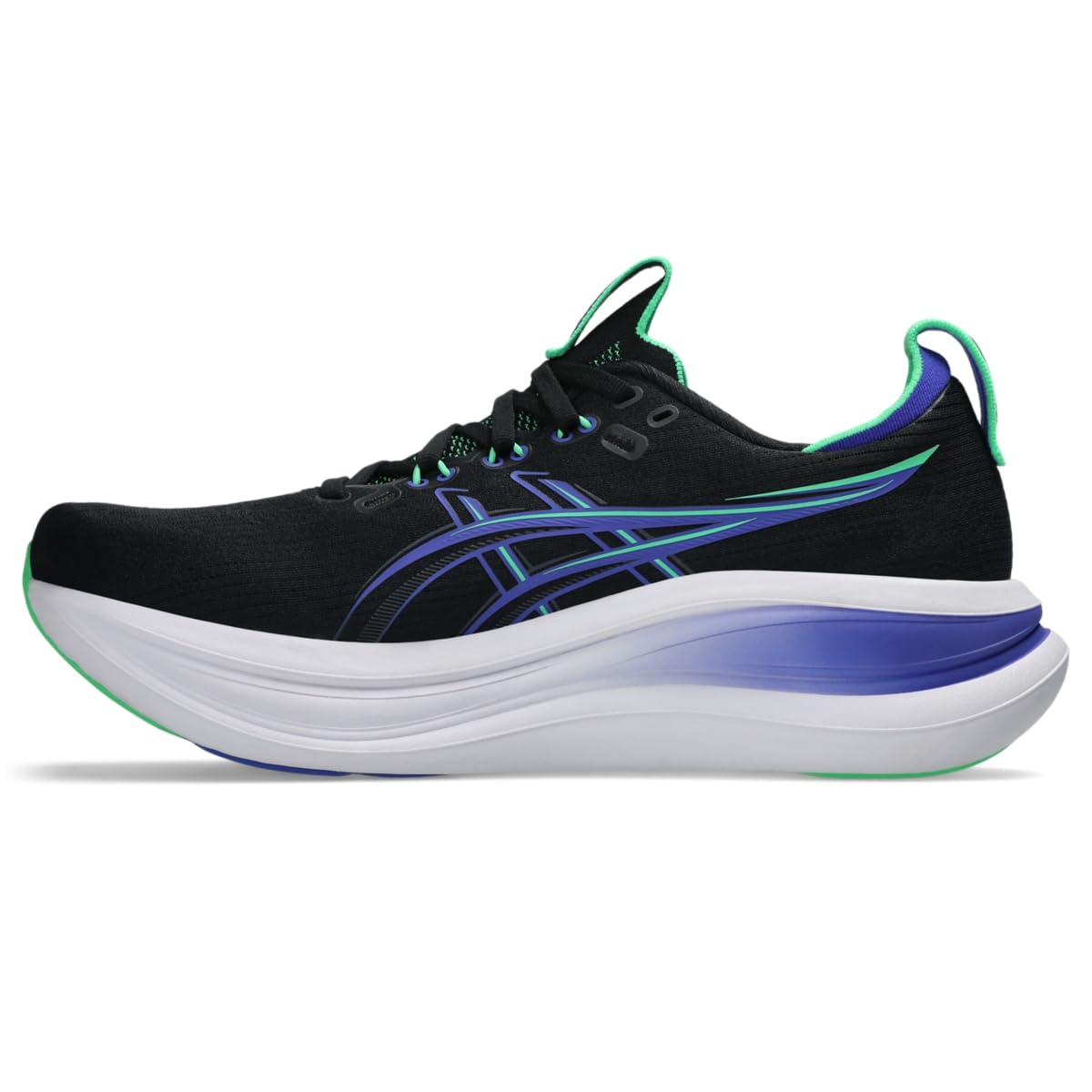
The Gel-Nimbus 28 represents ASICS’s pinnacle of plush cushioning, and in a 4E width, it delivers a genuinely accommodating fit without turning sloppy. The redesigned tongue and rear pull loop make entry easier, while the 40.5mm heel stack and 30.5mm forefoot stack provide a remarkably soft landing that absorbers impact for heavy heel strikers. Reviewers consistently note that the 4E version offers ample room in the toe box without causing excessive movement in the heel, thanks to a structured internal heel counter that locks the foot in place.
Multiple users have praised the shoe for its excellent grip even on wet surfaces and the natural-feeling arch support that doesn’t intrude on flat feet. The FlyteFoam Blast+ midsole is resilient enough for daily mileage and maintains its bounce over time, with some runners reporting good performance past 300 miles. The engineered mesh upper is breathable and adapts to the foot’s shape, reducing the risk of hot spots on longer runs.
One consistent piece of feedback is that the Nimbus 28 runs slightly smaller and narrower than its predecessor (the Nimbus 26), so users accustomed to a 4E in older models may need to size up by half a size. The plush cushioning, while excellent for road running, may feel too soft for runners who prefer ground feedback. Still, for a daily trainer that prioritizes comfort and shock absorption, this is a top-tier choice.
Why it’s great
- Exceptional 40.5mm stack height provides maximum impact protection for long runs.
- Breathable, flexible upper molds well to wide feet without pressure points.
- Heel counter design effectively prevents slippage despite the generous width.
Good to know
- Tends to run slightly smaller than previous Nimbus models, may require a half size up.
- Plush cushioning reduces ground feel, not ideal for runners who want feedback.
2. ALTRA Men’s Torin 8 Road Running Shoe
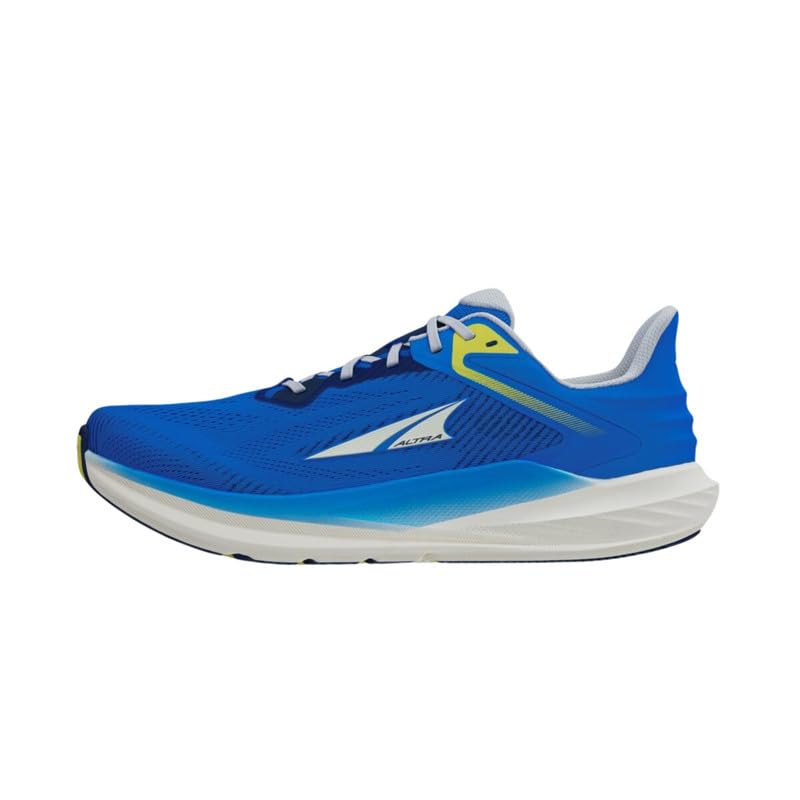
ALTRA’s Torin 8 is a standout for runners who prioritize toe splay and a natural foot position. The FootShape toe box is genuinely wider than most 4E shoes from other brands, offering enough room in the forefoot to allow toes to spread naturally without feeling like the front of the shoe is a box. The zero-drop platform (0mm heel-to-toe drop) encourages a midfoot strike, which can reduce stress on knees and hips for runners who adapt to the lower profile. The 28mm stack height provides adequate cushioning for road running without being overly plush.
Users report that the Torin 8 feels stable and secure, with a redesigned upper that uses a more rigid heel counter than previous versions to prevent slippage. The engineered mesh is airy and dries quickly, making it suitable for warmer weather running. Several reviewers who previously used Brooks or Mizuno in a 2E width found the ALTRA’s 4E to be noticeably more accommodating, particularly in the toe box area. The shoe’s construction has also proven durable, with one user logging over 500 miles before replacement.
The zero-drop design requires a transition period for runners accustomed to higher heels. The toe box, while wide, can feel stiff initially and may require a break-in period of 20-30 miles. Some users with very high insteps have also noted that the lacing system can create pressure on the top of the foot. If you’re committed to a natural stride and need maximum toe room, this is an excellent option.
Why it’s great
- FootShape toe box provides the widest and most natural splay of any 4E shoe tested.
- Zero-drop platform encourages a more efficient midfoot strike over time.
- Durable construction with several users reporting 500+ miles of service.
Good to know
- Zero-drop design requires a gradual transition to avoid calf or Achilles strain.
- Initial toe box stiffness requires a break-in period of a few runs.
3. Saucony Men’s Endorphin Pro 4 Sneaker
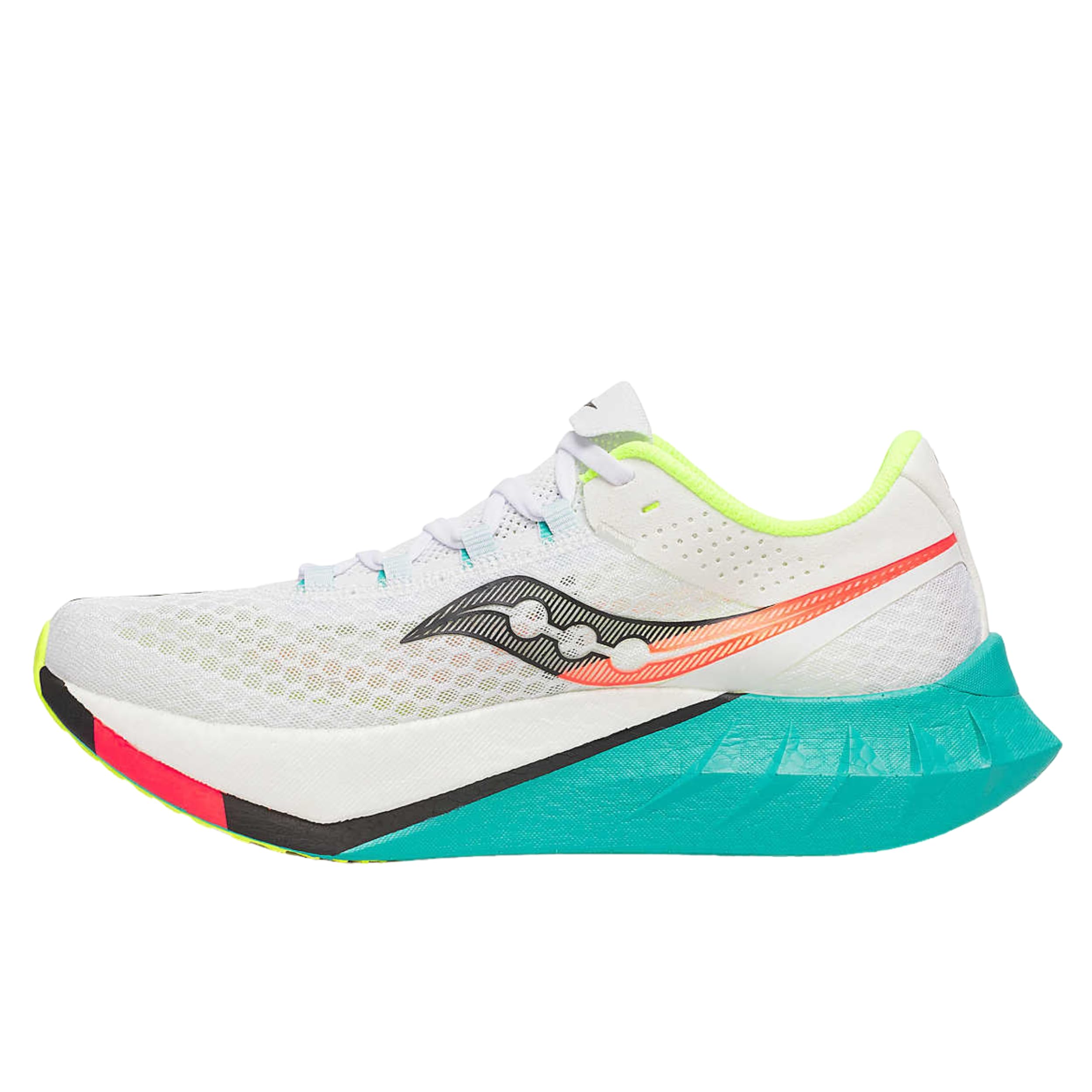
The Endorphin Pro 4 is Saucony’s high-performance carbon-plated racer, and the 4E version ensures that wide-footed runners don’t have to sacrifice speed for fit. The PWRRUN PB midsole provides a lively, responsive ride with a pronounced bounce that makes it ideal for tempo runs, intervals, and race day. The 8mm drop is standard for a performance shoe and works well with a forefoot or midfoot strike. The 4E width offers a snug but comfortable fit that locks the foot in place without any restriction in the toe box.
Users who have owned previous Endorphin models report that the Pro 4 maintains the series’s excellent fit and durability, with many logging over 400 miles before noticing any performance drop. The carbon plate provides a noticeable forward propulsion that can help improve stride efficiency, particularly at faster paces. Reviewers also note that the shoe is lightweight for its category, with a 4E version staying under 9.5 ounces. The upper is a breathable mesh that does not retain heat.
The Endorphin Pro 4 is expensive compared to daily trainers, and the heel wing tips have been noted to erode or peel off over time for some users. While the shoe works for daily training, its best performance is reserved for faster efforts. The 4E fit, while good, might feel slightly tighter than other Saucony 4E options for extremely wide feet. This is best for runners who want a dedicated speed shoe in a wide width.
Why it’s great
- Carbon plate delivers noticeable propulsion and speed for race day or tempo runs.
- PWRRUN PB midsole is responsive and durable, with users reporting 400+ miles.
- Lightweight construction under 9.5 oz in 4E, excellent for a performance shoe.
Good to know
- Premium price point, best for runners who race regularly rather than daily trainers.
- Heel wing tips can show wear or peel off over extended use.
4. New Balance Men’s Fresh Foam X Hierro V9
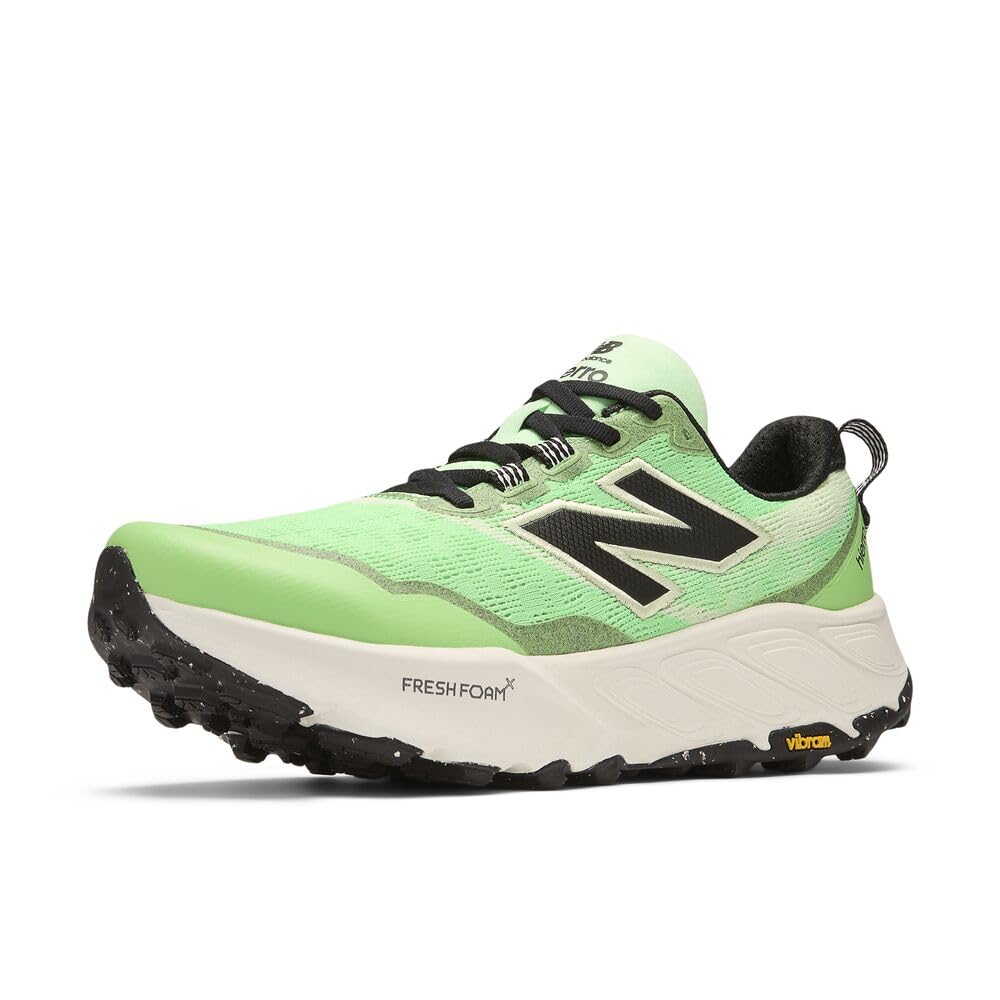
The Fresh Foam X Hierro V9 is New Balance’s premier trail running shoe, and the 4E width offering makes it a strong contender for runners who need extra space on technical terrain. The Fresh Foam X midsole delivers a balanced cushion that is soft enough for comfort over rocky ground but firm enough to prevent bottoming out on sharp stones. The 4mm drop is standard for trail shoes and provides a stable platform for uneven surfaces. The Vibram Megagrip outsole is a standout feature, providing excellent traction on wet rock, loose gravel, and packed dirt.
Users report that the 4E fit is true to size, with a toe box that offers good splay without being overly wide in the heel. The shoe is also praised for its durability, with several runners logging over 450 miles before the midsole began to lose its bounce. The upper is a durable mesh that resists tearing from branches and rocks. The shoe also works well as a hiking boot alternative for day hikes, offering more cushion than a traditional hiking boot.
The Hierro V9 tends to run small, with many users suggesting sizing up by half a size. The toe box, while wide, can feel tight for extreme splay or runners with very high-volume feet. The Fresh Foam X, while cushioned, may not be plush enough for road running and is best reserved for mixed or off-road use. The outsole also shows moderate wear on the heel after heavy use, particularly on asphalt sections of mixed routes.
Why it’s great
- Vibram Megagrip outsole provides industry-leading traction on wet and loose terrain.
- Fresh Foam X midsole offers a balanced cushion that works well on rocky trails.
- Durable upper and outsole construction, with many users exceeding 450 miles.
Good to know
- Runs small in the toe box, consider sizing up by half a size for comfort.
- Best suited for trail use; less ideal as a dedicated road running shoe.
5. ASICS Men’s Gel-Cumulus 27 Running Shoes
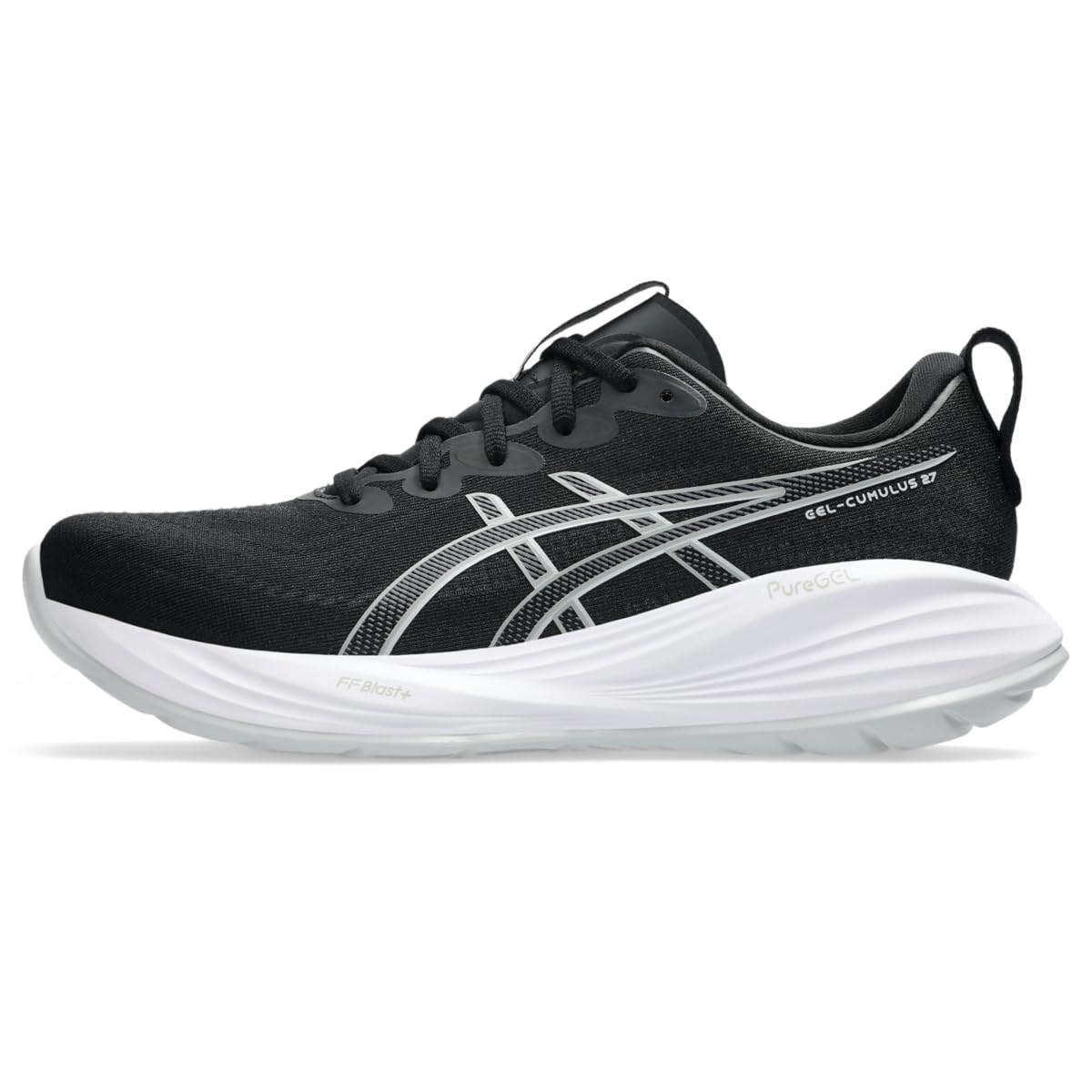
The Gel-Cumulus 27 is ASICS’s trusted workhorse that sits between the entry-level and premium tiers, offering excellent value for a 4E shoe. It provides a softer, more forgiving ride than the Nimbus thanks to a generous layer of rearfoot GEL technology and a full-length FlyteFoam midsole. The 8mm drop is a standard neutral-friendly profile that suits a wide range of runners. In a 4E width, the shoe offers a comfortable toe box that is less aggressive than the ALTRA but wide enough for most wide-foot runners.
Users praise the Cumulus 27 for its immediate comfort — many note that it requires zero break-in time. The shoe is breathable, lightweight, and works well for both short and long runs. Reviewers who also tried HOKA shoes in wide widths found the ASICS Cumulus to have a better toe box shape and more secure fit in the heel. The colored sole design also resists dirt better than lighter-colored shoes. Several users have used the Cumulus 27 for months of daily wear without significant durability issues.
One common complaint relates to the lacing system. The tongue is not gusseted, and some users report lace pressure on the top of the foot, particularly on longer runs. Using thicker socks can mitigate this issue. The outsole rubber is adequate for road running but can show wear on rough or abrasive surfaces faster than some premium competitors. For the price, however, the Cumulus 27 delivers strong performance for daily training.
Why it’s great
- Excellent value for a 4E shoe, delivering strong cushioning and comfort at a lower price.
- FlyteFoam midsole with rearfoot GEL provides a soft, forgiving ride with zero break-in.
- Breathable upper and secure heel lock for a comfortable fit on runs up to 15 miles.
Good to know
- Ungusseted tongue can create lace pressure on the top of the foot.
- Outsole rubber wears faster on abrasive surfaces compared to premium models.
6. Brooks Men’s Caldera 8 Ultra Trail Running Shoe
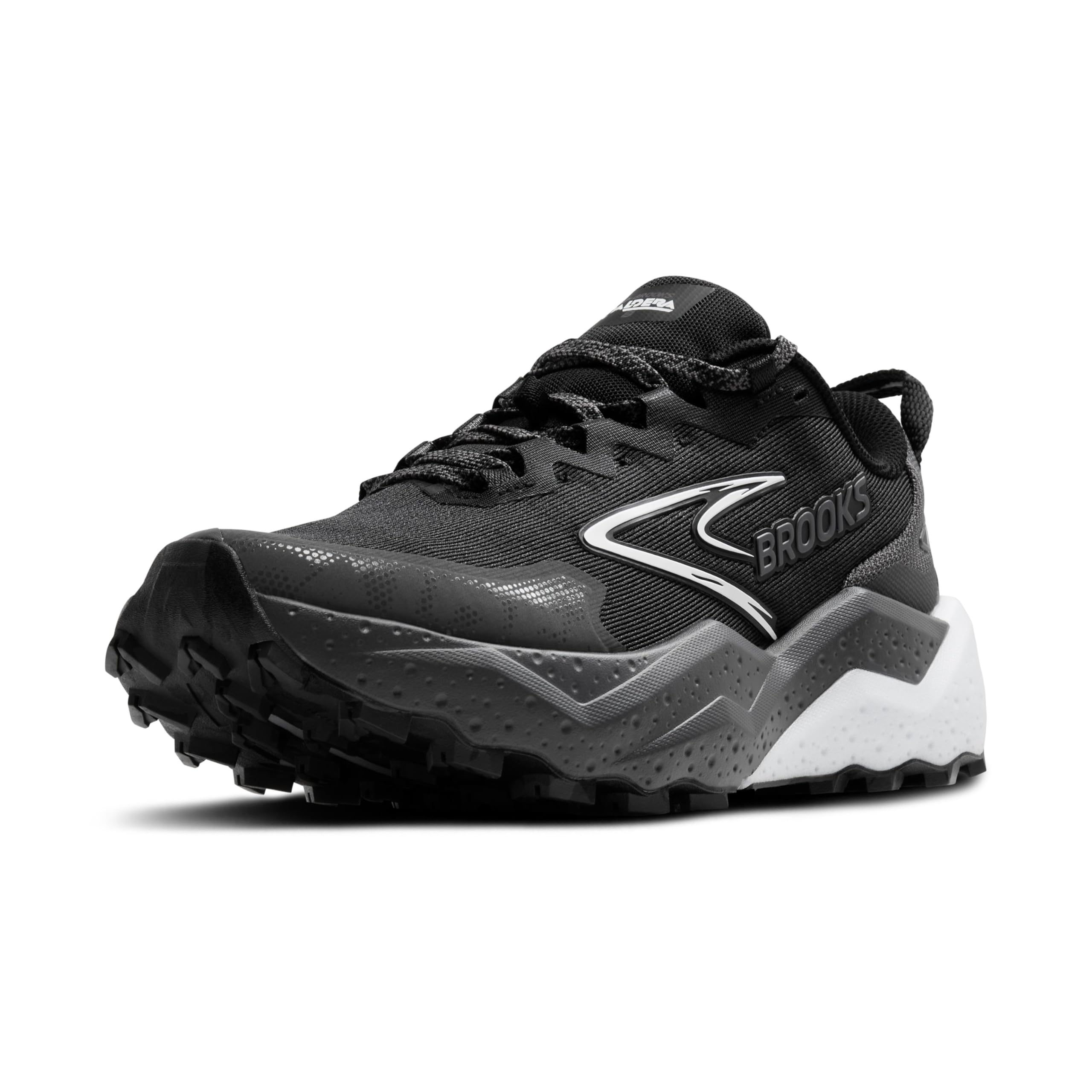
The Caldera 8 is Brooks’s maximalist trail shoe, built for long days on the trail with serious cushioning. The 4E width provides a generous fit that accommodates swollen feet on multi-hour runs without causing irritation. The DNA LOFT v3 midsole offers a plush, stable platform that absorbs shock from uneven ground, while the 6mm drop keeps the ride balanced for both uphill and downhill sections. The TrailTack outsole provides reliable traction on moderate trails, including wet rocks and loose gravel.
Users consistently report that the Caldera 8 is one of the most comfortable trail shoes they have worn, with many using it for 10+ hour work shifts as a walking shoe. The shoe is also praised for its secure heel hold and good arch support, even for flat-footed runners. One reviewer noted that the shoe was a better alternative to HOKA and Topo trail shoes, offering superior cushioning and stability. The upper is breathable and dries quickly after wet runs.
The Caldera 8’s outsole is not as aggressive as purpose-built trail shoes for technical terrain or deep mud, making it better suited for well-groomed trails or packed dirt. The cushioning, while plush, can feel too soft for runners who prefer a firmer ground feel. Some users also report that the shoe’s comfort declines after about 4-5 months of daily wear, signaling the need for replacement sooner than some premium competitors.
Why it’s great
- DNA LOFT v3 midsole provides plush, stable cushioning perfect for long trail runs.
- 4E fit is generous and comfortable for wide feet, even with swelling during longer runs.
- TrailTack outsole offers reliable grip on moderate trail surfaces.
Good to know
- Best for groomed trails, less suited for deep mud or highly technical terrain.
- Cushioning may degrade faster for daily wear, with replacement needed around 4-5 months.
7. Saucony Men’s Ride 18 Sneaker
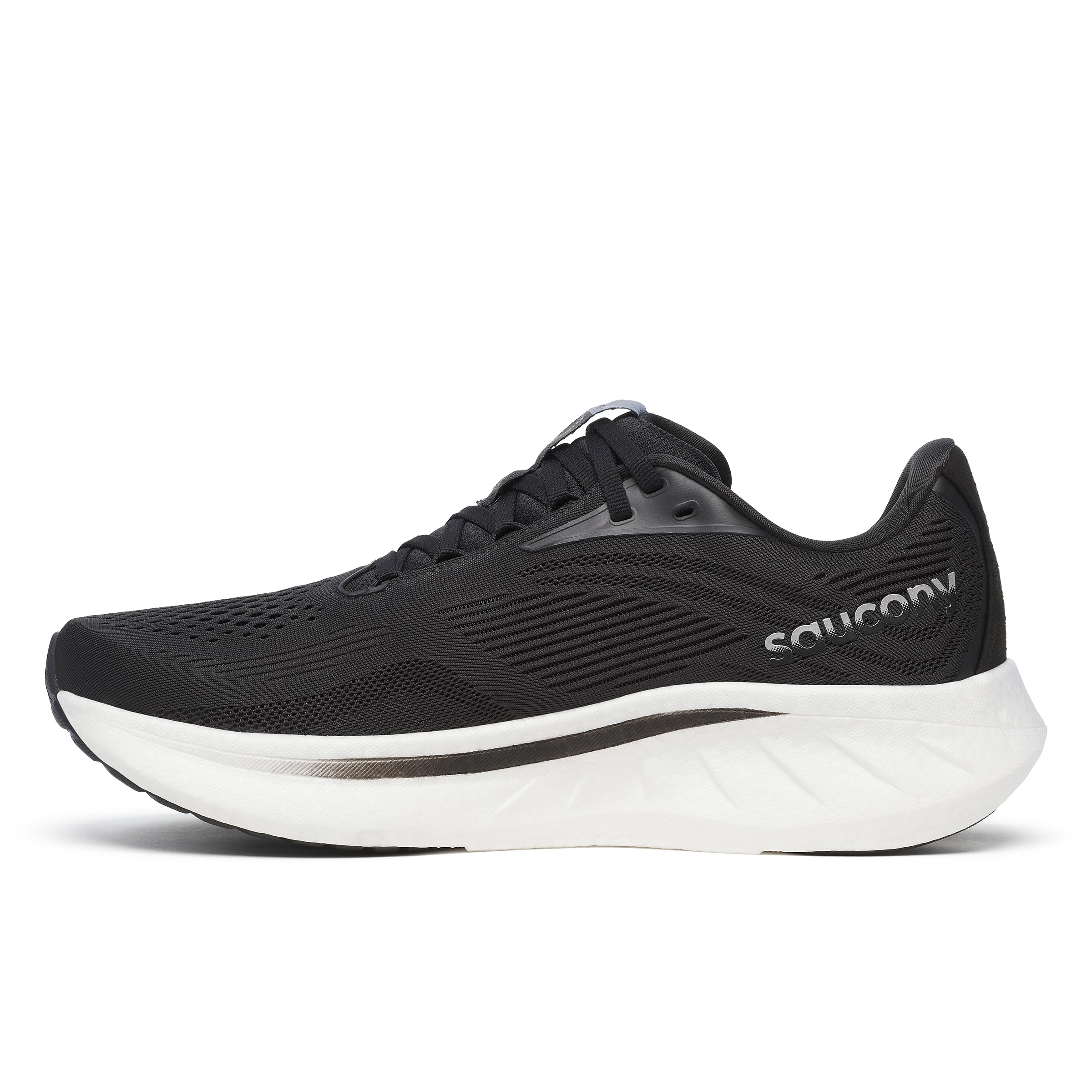
The Ride 18 is Saucony’s reliable daily trainer that strikes a balance between cushioning and responsiveness. The 4E width delivers a comfortable fit for wide feet that isn’t overly bulky. The PWRRUN midsole is firm enough for tempo efforts but cushioned enough for easy recovery days, making it a versatile option for runners who want one shoe for everything. The 8mm drop is a standard neutral-friendly profile that works for both heel and midfoot strikers. Reviewers over 60 have praised the shoe’s comfort and support for helping with knee and shin issues.
Users who have transitioned from the Ride 17 to the Ride 18 note a slightly larger fit, which offers more room in the toe box for those who need it. The shoe is lightweight for a daily trainer, with the 4E version weighing under 10 ounces. The outsole provides good traction on dry and wet pavement, and the engineered mesh upper is breathable and flexible. Several users report that the Ride 18 works well for both running and walking, with secure fit that prevents heel slip.
The Ride 18 is less cushioned than the Triumph or Nimbus, so it may not be ideal for runners who prefer a plush ride on all runs. The toe box, while wider than previous versions, may still feel restrictive for runners with very high-volume feet or bunions. Some reviewers also note that the fit may be too large for those who used a 4E in older Saucony models, requiring a half-size down. It’s a solid daily trainer, but not a max-cushion shoe.
Why it’s great
- PWRRUN midsole offers a versatile balance of cushioning and responsiveness for daily training.
- Lightweight design under 10 oz in 4E, good for tempo runs and speed work.
- Breathable upper and secure fit suit both running and walking.
Good to know
- Less plush than max-cushion competitors, may not suit runners who want a soft ride.
- Runs larger than previous models, may require a half size down for a secure fit.
8. Under Armour mens Micro G Stellar
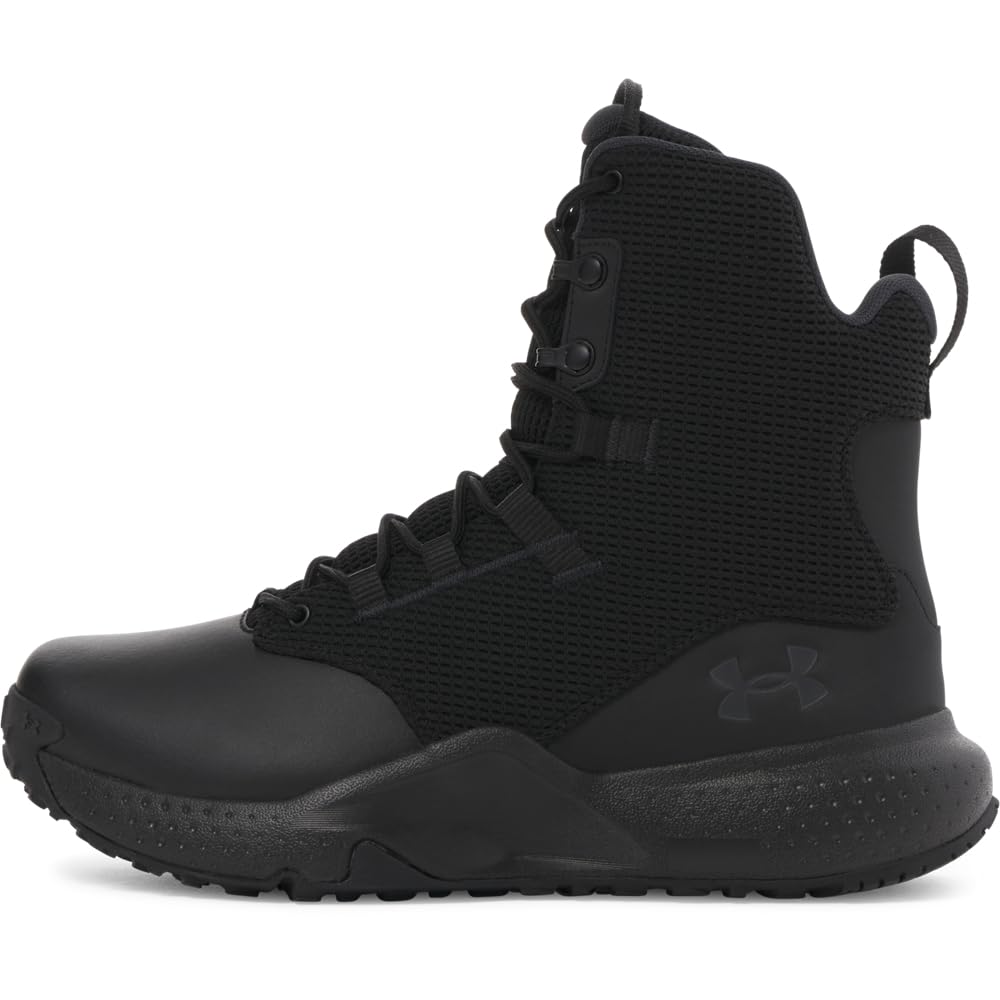
The Under Armour Micro G Stellar is an entry-level option that focuses on comfort and utility for everyday wear rather than hardcore running performance. It comes in a 4E width and is designed primarily for walking, standing, and casual use. The Micro G foam midsole is soft and forgiving, providing a comfortable platform for those who spend long hours on their feet. The 10mm drop is slightly higher than typical running shoes and encourages a more forward-leaning stance, which some walkers prefer. The upper is a lightweight mesh that provides good ventilation.
Users who work jobs that require constant walking, such as retail or hospitality, report that the Micro G Stellar keeps their feet comfortable throughout the day. The shoe is easy to remove, has an ergonomic shape that fits the foot well, and is described as extremely comfortable by several reviewers. The outsole provides good grip on indoor surfaces, though some users report iffy traction on snow and ice. The style is versatile enough to pair with casual work attire or jeans.
The Micro G Stellar is not designed for serious running. The midsole lacks the energy return and durability of dedicated running shoes, and the outsole wears faster with regular running use. The 4E fit is adequate but not as refined as purpose-built running shoes — the heel may feel looser, and the toe box is not as spacious as the ALTRA or New Balance options. This is a solid choice for budget-conscious users who need a wide shoe for walking and light activity.
Why it’s great
- Excellent value for a 4E shoe focused on walking and everyday comfort.
- Micro G foam midsole provides a soft, forgiving platform for long shifts.
- Lightweight mesh upper keeps feet cool and comfortable in warm environments.
Good to know
- Not designed for running, lacks the cushioning and durability for regular running miles.
- Heel hold is less secure than dedicated running shoes, may cause slip for some.
9. Brooks Men’s Launch 11 Neutral Running Shoe
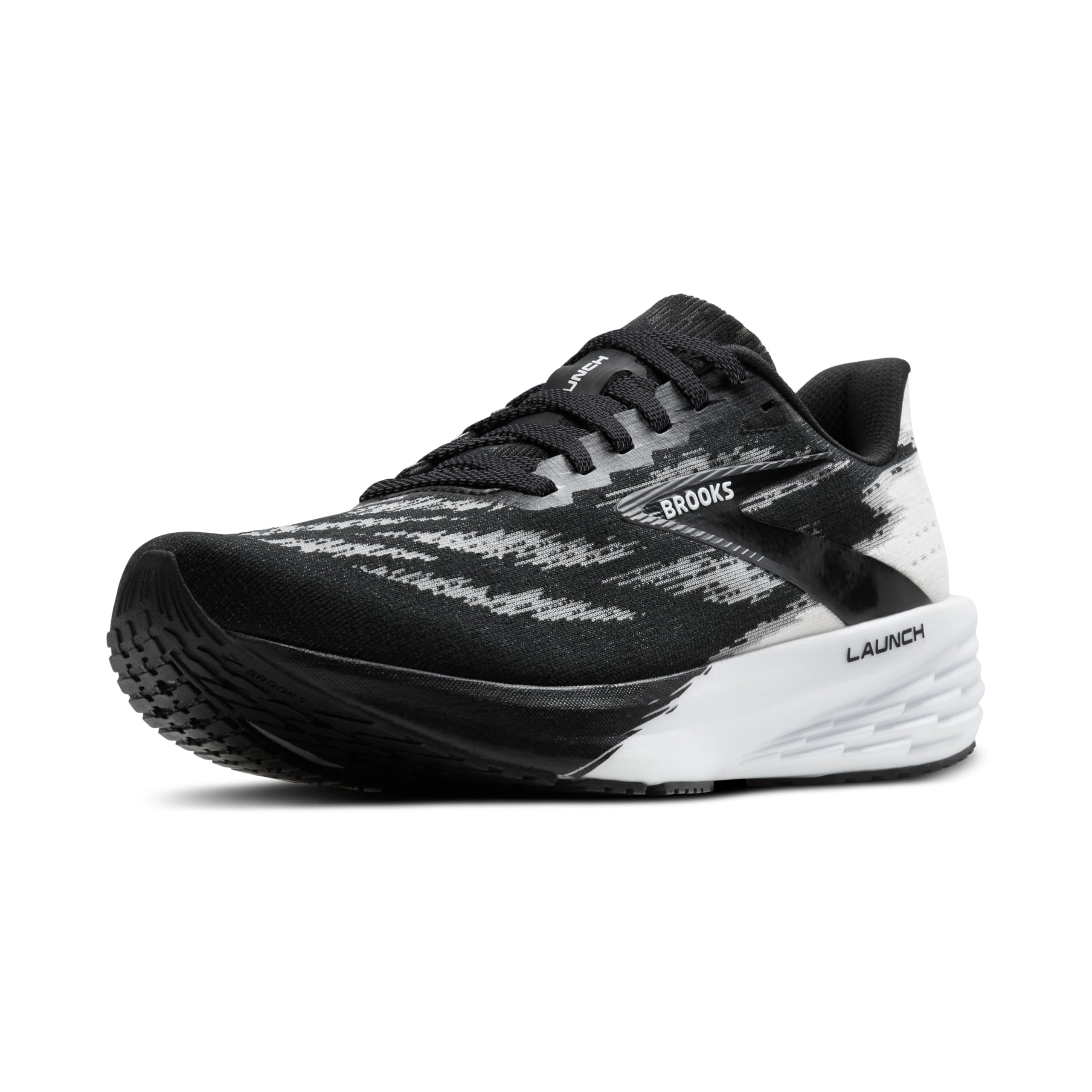
The Launch 11 from Brooks is a lightweight, flexible speed trainer that connects well with runners who want a faster feel without losing cushioning. In a 4E width, the toe box is generous enough to allow natural splay without feeling sloppy, and the heel counter provides a secure lock. The BioMoGo DNA midsole is Brooks’s mid-range cushioning formula that offers a responsive, energetic ride that works well for tempo runs and speed work. The 10mm drop is a standard fast-feel profile that encourages a forward lean.
Users who need a wide toe area find the Launch 11’s fit to be a highlight, noting that it provides ample room without being overly wide in the forefoot. The shoe is praised for its breathability, lightweight construction, and stylish design. The outsole provides excellent grip on wet surfaces, adding confidence on rainy days. Several reviewers use the Launch 11 for everything from running to gym workouts to casual wear, citing its versatility and comfort. The durability is good, with minimal wear reported after several months of use.
The Launch 11 is not a max-cushion shoe, so it may feel firm for runners who prefer a plush ride on easy days. Some users report that the shoe runs narrow, even in the 4E width, particularly in the midfoot area, which may not suit runners with very wide feet. The toe box, while wide, is still tapered compared to dedicated wide-toe-box shoes like the ALTRA Torin. It is best used as a secondary shoe for speed work or shorter distance efforts.
Why it’s great
- BioMoGo DNA midsole provides a responsive, energetic ride for speed training.
- Generous toe box in 4E allows for natural splay without making the shoe feel loose.
- Lightweight construction and breathable upper, suitable for warm weather and gym use.
Good to know
- May feel narrow in the midfoot for runners with very wide feet.
- Firm cushioning, less suitable for easy recovery runs or long-distance plushness.
FAQ
Should I size up when buying 4E running shoes?
Can I use 4E running shoes for walking or hiking?
How do I clean my 4E running shoes?
Final Thoughts: The Verdict
For most users, the best 4e running shoes winner is the ASICS Gel-Nimbus 28 because it combines a 40.5mm max-cushion stack with a 4E fit that doesn’t sacrifice heel security, making it ideal for daily mileage and long runs. If you want a natural, zero-drop stride with the widest toe box available, grab the ALTRA Torin 8. And for trail runners or hikers who need Vibram Megagrip traction in a 4E platform, nothing beats the New Balance Fresh Foam X Hierro V9.

Mo Maruf
I created WellFizz to bridge the gap between vague wellness advice and actionable solutions. My mission is simple: to decode the research and give you practical tools you can actually use.
Beyond the data, I am a passionate traveler. I believe that stepping away from the screen to explore new environments is essential for mental clarity and physical vitality.