Our readers keep the lights on and my smoothie glass nicely filled. As an Amazon Associate, I earn from qualifying purchases.
A 4-season sleeping bag is your ticket to winter camping, alpine bivouacs, and shoulder-season backpacking where temperatures can plummet below freezing. Unlike a 3-season bag, a true winter bag must handle sub-20°F temps, block wind, and manage moisture from both condensation and your own breath without losing its insulating loft. Choosing the wrong one means shivering through the night or carrying a 15-pound behemoth you never needed.
I’m Mohammad Maruf — the founder and writer behind WellFizz. My market analysis focuses on cold-weather gear, where I evaluate temperature ratings against real-world use, insulation density, and the packability-versus-warmth tradeoff that defines the 4-season category.
After analyzing hundreds of verified buyer reports, this guide breaks down the best options across warmth levels, insulation types, and weight classes to help you find the right 4 season sleeping bag for your specific winter adventures.
How To Choose The Best 4 Season Sleeping Bag
Winter camping demands more from a sleeping bag than just extra filling. The right choice balances temperature rating, insulation type, weight, and fit against the specific conditions you expect. Here are the critical factors to consider before buying.
Temperature Ratings: The Truth Behind the Number
Most bags are rated by an EN/ISO standard that provides three numbers: comfort (the temp a cold-sleeper can rest at), limit (the temp a warm-sleeper can survive), and extreme (danger zone). A bag rated “0°F” often has a comfort rating near 15-20°F. For true 4-season use, look for a limit rating at least 10-15°F below the coldest temperature you expect to encounter.
Insulation Type: Down vs. Synthetic
Down (goose or duck) offers the best warmth-to-weight ratio and compresses smallest, but loses almost all insulating ability when wet. Synthetic fill like Cirroloft, TechLoft, or FireLine Max insulates even when damp, dries faster, and costs less — but is heavier and bulkier. For wet climates or high-condensation winter camping, synthetic is safer; for dry cold and lightweight backpacking, down wins.
Fit and Shape: Mummy vs. Rectangular
Mummy bags taper at the feet and hug the body closely, minimizing dead air that your body must heat. This shape is far more thermally efficient for sub-freezing use. Rectangular or semi-rectangular bags offer more room to move but lose heat faster. For 4-season use, a mummy or tapered bag with an insulated hood and draft collar is strongly preferred unless car camping.
Extra Features That Matter in Winter
Draft collars (a padded tube around the neck), draft tubes along the zipper, and a well-designed hood with a drawcord are non-negotiable for retaining heat in a 4-season bag. A zipper baffle prevents cold air from seeping through the zipper track. Consider whether the bag can zip to a partner bag if you camp as a pair, and whether the stuff sack uses compression straps to reduce pack volume.
Quick Comparison
On smaller screens, swipe sideways to see the full table.
| Model | Category | Best For | Key Spec | Amazon |
|---|---|---|---|---|
| Browning McKinley -30° | Premium | Extreme cold car camping | -30°F rating, 12.8 lbs | Amazon |
| US Military Modular Sleep System | Premium | Modular extreme cold system | Combined rating to -50°F | Amazon |
| Rab Ascent 10°F | Premium | Lightweight backpacking | 650FP Down, 47.6 oz | Amazon |
| Marmot Sawtooth 15°F | Mid-Range | Versatile 3-season + winter | 650FP Down, 3.3 lbs | Amazon |
| Big Agnes Echo Park 0° | Premium | Roomy car camping comfort | Patented PadLock system | Amazon |
| The North Face Dolomite One 15° | Mid-Range | Versatile 3-in-1 system | Modular 3-layer design | Amazon |
| Kelty Cosmic Down 20° | Mid-Range | Lightweight backpacking value | 550FP Down, 2 lbs 6 oz | Amazon |
| Kelty Cosmic Synthetic 0° | Mid-Range | Wet cold conditions | Synthetic, 4 lbs 11 oz | Amazon |
| TETON Sports ALTOS 0° | Budget | Entry-level backpacking | 2.8 lbs, compressible | Amazon |
In‑Depth Reviews
1. Browning McKinley -30° Sleeping Bag

For extreme cold car camping where weight is irrelevant, the Browning McKinley -30° delivers the deepest cold protection in this lineup. Its oversized 90″ x 36″ dimensions provide ample room for large sleepers, and the two-layer offset TechLoft Silver insulation eliminates the cold spots that plague single-layer bags.
Verified buyers report staying warm in conditions as low as -2°F while wearing only silk long johns, and the 210T ripstop nylon outer handles brush and tent floors without damage. The integrated hood with drawcord and the insulated chest baffle seal warmth effectively, though the brushed polyester liner requires care to avoid pilling over years of use.
The main tradeoff is bulk: at 12.8 pounds, this bag is strictly for vehicle-based camping or basecamp use. The compression sack reduces volume but not enough for backpacking. For anyone who sleeps cold and wants a guarantee against single-digit temps, this is the most reliable shelter in the list.
Why it’s great
- Tested warmth to sub-zero temps with minimal layering
- Roomy 36-inch width accommodates broad shoulders and tall frames
- TechLoft Silver construction prevents cold spots effectively
Good to know
- Too heavy and bulky for any backpacking trip
- Velcro closure on liner can snag and damage the shell fabric
- Packs down to 21″x17″ even with compression, large for storage
2. US Military 4-PC Modular Sleep System
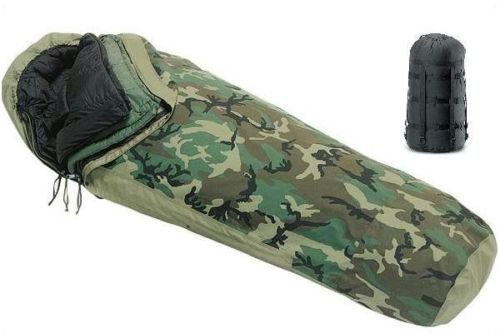
The US Military MSS is the gold standard for modular cold-weather sleep systems, combining a lightweight patrol bag, a heavier intermediate bag, and a waterproof Gore-Tex bivy cover. Used alone, the patrol bag handles 30°F; combined with the intermediate bag, the system is rated to -50°F with proper clothing — a range no single bag can match.
Veteran buyers confirm the system performed in Arctic conditions, and the Gore-Tex bivy effectively replaces a tent in dry weather while adding 10-15°F of warmth through wind protection. The whole setup compresses to roughly 28 liters — too large for ultralight backpacking but reasonable for winter car camping or military-style loadouts.
The drawbacks are significant for casual users: the combined weight nears 9 pounds, and the system is expensive. However, for anyone who needs a single solution spanning summer to polar conditions, the MSS eliminates the need to own multiple bags. The drawstring closure on the outer bag and the two-way zipper on the bivy take some practice but become intuitive.
Why it’s great
- Modular design offers massive temperature range (30°F to -50°F)
- Gore-Tex bivy provides waterproof, windproof outer layer
- Proven performance in military Arctic operations
Good to know
- Heavy (9 lbs full system) — not for lightweight backpacking
- Packs large at ~28L even with compression
- Premium price point for a complete system
3. Rab Men’s Ascent 10°F Down Sleeping Bag
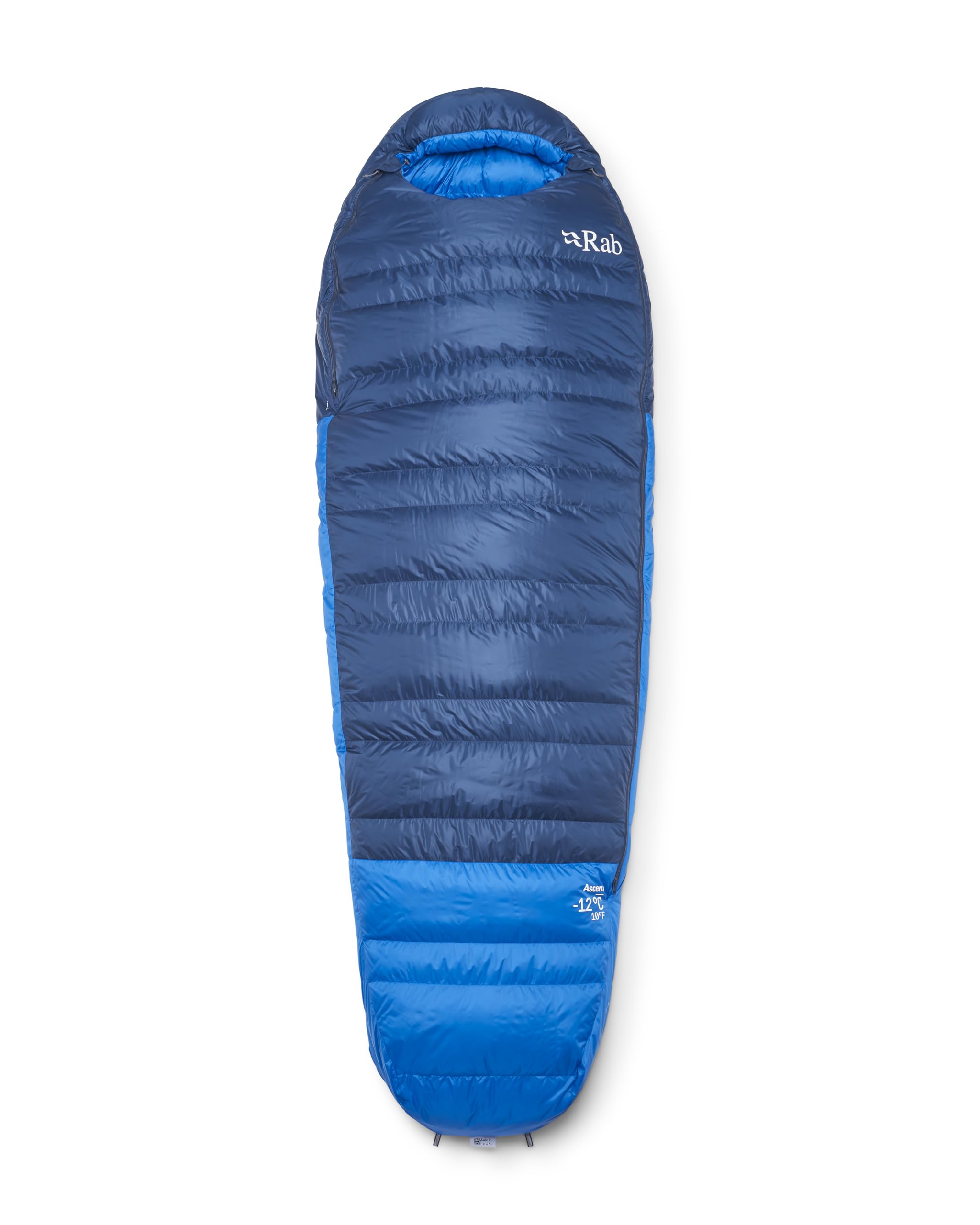
The Rab Ascent is built for alpine backpackers who need genuine warmth at a reasonable carrying weight. Its 650-fill European duck down with hydrophobic treatment retains loft in damp tents, and the Pertex Quantum shell is both downproof and wind-resistant. At 47.6 ounces for the regular size, it competes with bags 10-15°F warmer in weight.
The anatomic hood with drawcord and the 3D draft collar seal heat effectively around the neck, and the L.O.F.T baffling prevents down migration. The 10°F limit rating (23°F comfort) means it’s best for spring and fall mountaineering rather than deep winter, but paired with a good pad and base layers it handles freezing temps confidently.
Some buyers note the ¾-length zipper makes entry and exit trickier than a full-length zipper, and the narrow mummy cut is snug for broad-shouldered users. The included stuff sack packs the bag down to 8.7″ x 15.7″, excellent for 40-50L packs. For weight-conscious winter trips where you don’t face -20°F, this is the most efficient choice.
Why it’s great
- Outstanding warmth-to-weight ratio at 47.6 oz
- Hydrophobic down treatment resists moisture in damp tents
- Pertex Quantum shell blocks wind while remaining breathable
Good to know
- Snug mummy cut — verify shoulder width for broader builds
- ¾-length zipper limits ventilation and entry options
- Comfort rating of 23°F means it’s marginal for sub-10°F conditions
4. Marmot Mens Sawtooth 15°F Sleeping Bag
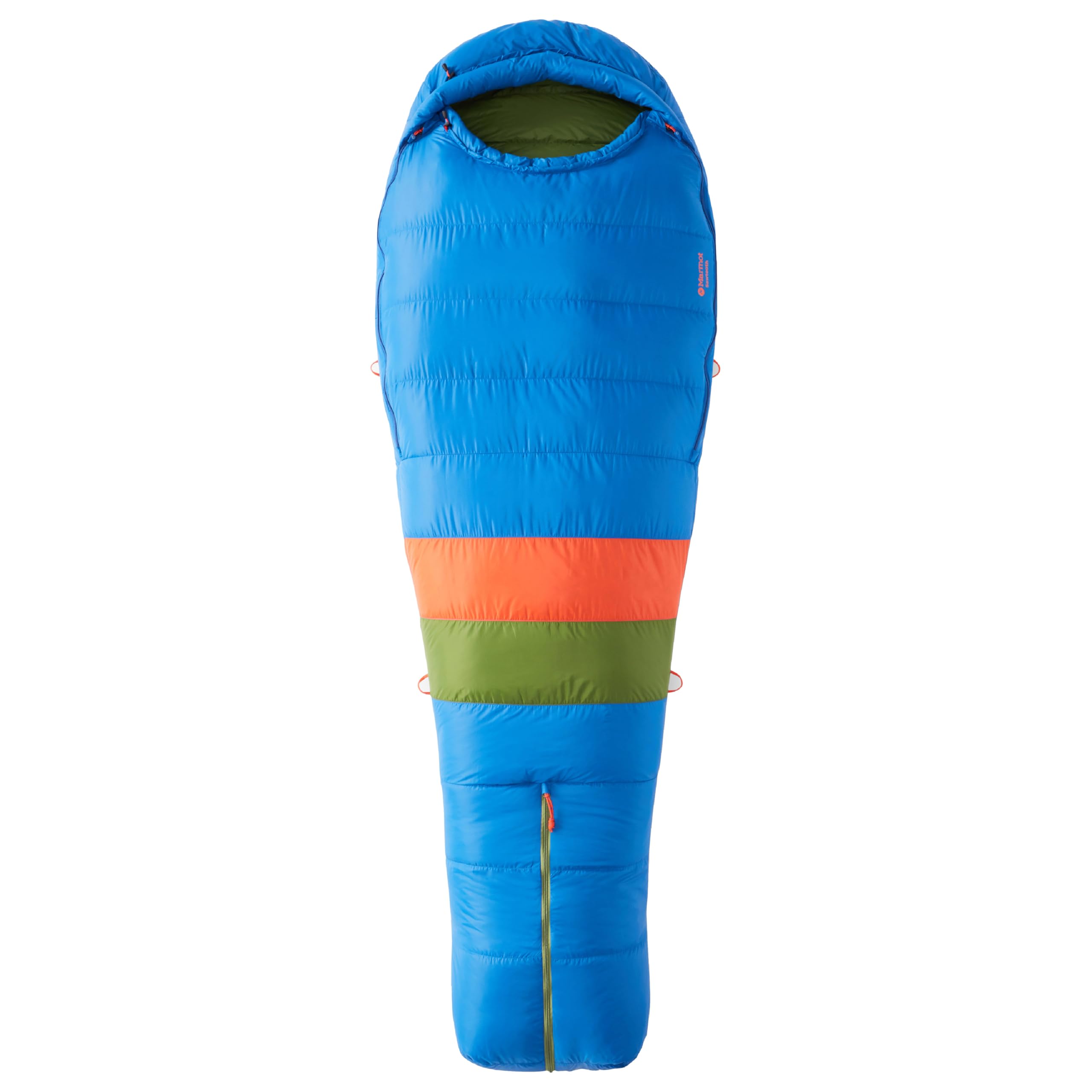
The Marmot Sawtooth 15°F bridges the gap between 3-season and winter use better than most. Its 650-fill down provides a strong warmth-to-weight ratio, and the dual zippers with an unzippable footbox give users the option to vent on warmer nights. It packs to roughly 5 liters in a compression sack, making it viable for backpacking trips that might dip below freezing.
Buyers consistently praise the spacious footbox and the quality of the zippers, which move smoothly even in cold conditions. The hood design integrates well with a pillow, and the internal stash pocket is large enough for a phone or headlamp. The included mesh storage sack is useful for maintaining down loft between trips.
The main criticism is the color scheme — the blue-with-orange-stripe pattern is polarizing. More practically, the 15°F limit rating (comfort around 28°F) means it’s best suited for shoulder-season backpacking and mild winter camping rather than deep cold. For 3-season backpackers who occasionally camp into November, this is the most practical all-rounder.
Why it’s great
- Versatile 15°F rating works for 3-season and mild winter use
- Unzippable footbox adds ventilation and sleeping space
- Quality zippers and durable construction from a trusted brand
Good to know
- Not warm enough for single-digit or sub-zero conditions
- Polarizing color scheme may not appeal to all users
- Includes oversized storage bag — a separate compression sack is recommended
5. Big Agnes Echo Park 0° Sleeping Bag
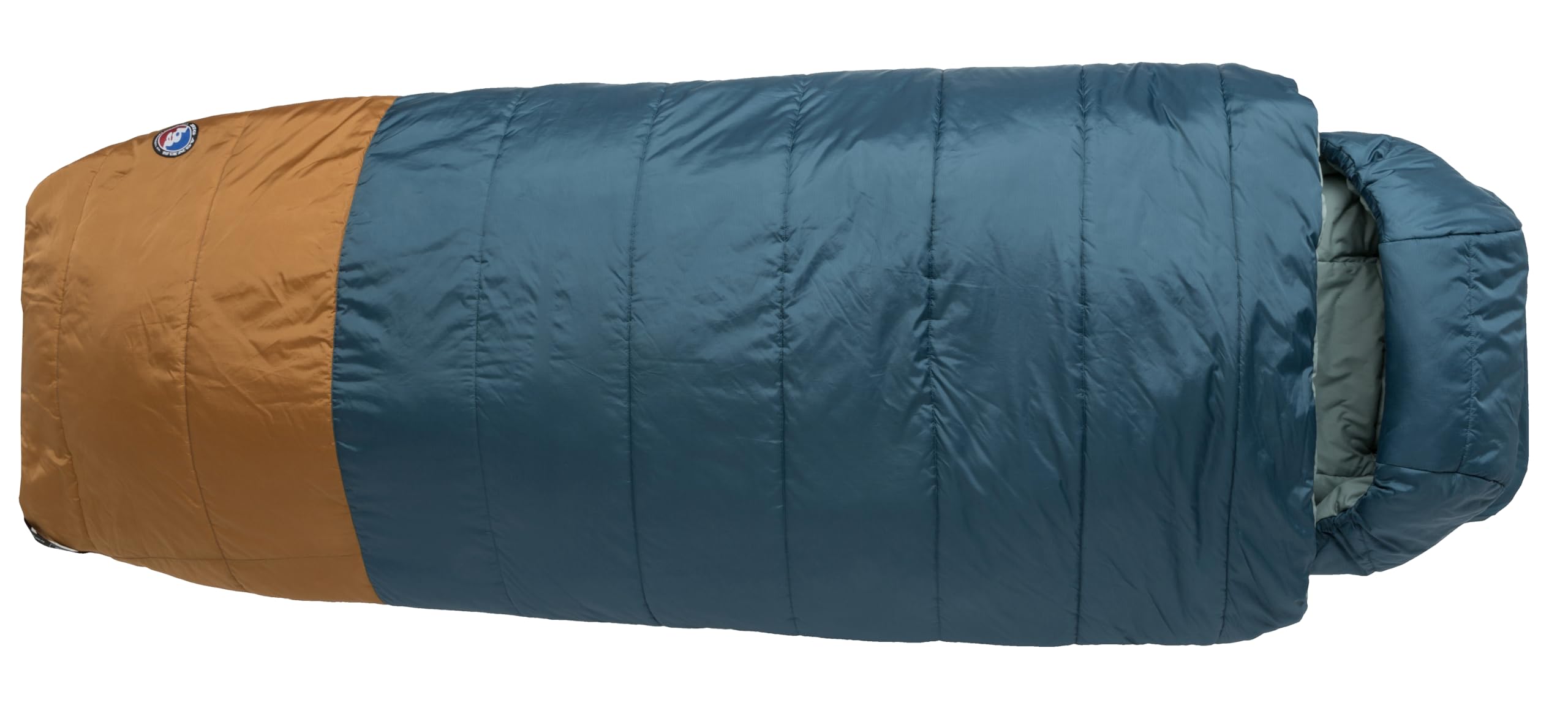
The Big Agnes Echo Park 0° redefines car camping comfort with its extra-wide cut, Patented PadLock system that mates the bag to your sleeping pad, and a soft cotton-poly liner that feels like home bedding. The FireLine Max Eco insulation delivers genuine 0°F warmth, though most users find it comfortable to about 20°F without additional layering.
The design includes oversized hand pockets that let you tuck your arms in like a comforter, a spacious footbox, and a Pillow Barn pocket that keeps your pillow in place all night. The dual zippers allow entry from either side and excellent ventilation control — critical for a bag this warm when temperatures climb above freezing.
The main limitation is size: the Echo Park is too large for backpacking, even with compression. Several buyers noted that the bag volume barely fits inside a standard 50L pack. The PadLock system requires a compatible Big Agnes pad (sold separately) to function fully. For car campers and overlanders who prioritize sleeping comfort over packability, this is a standout choice.
Why it’s great
- Extra-wide cut provides unmatched sleeping space for restless sleepers
- PadLock system eliminates rolling off your sleeping pad
- Cotton-poly liner is soft and quiet, unlike typical nylon shells
Good to know
- Not packable for backpacking — strictly for car/base camping
- PadLock system requires a compatible Big Agnes pad
- Real-world comfort limit is closer to 20°F than 0°F
6. The North Face Dolomite One 15°F 3-in-1
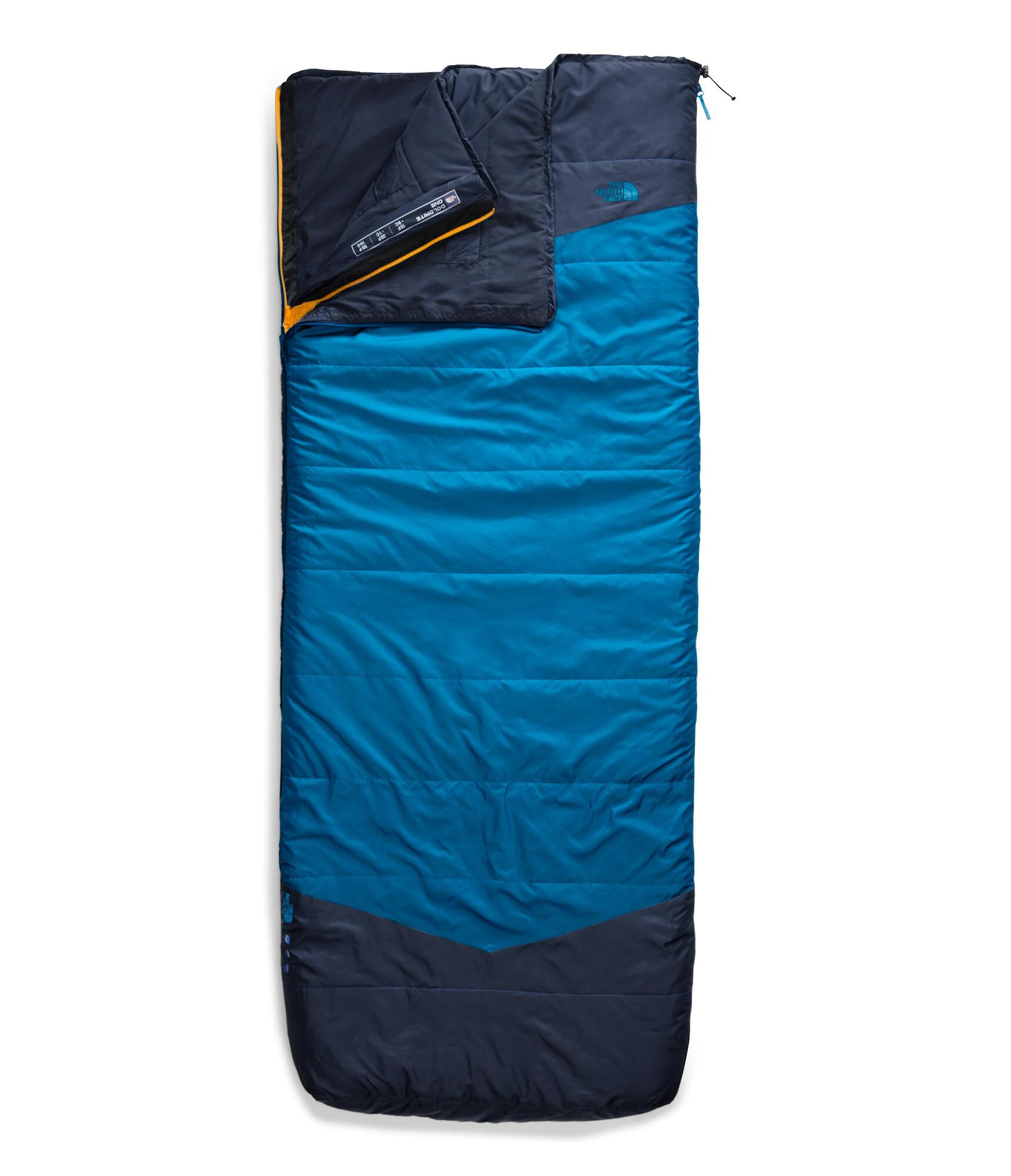
The North Face Dolomite One uses a clever 3-in-1 layering system: a 50°F-rated top layer for summer, a 30°F-rated fleece-lined mid-layer for cool nights, and both combined for a 15°F winter setup. This modular approach gives you three bags in one, making it a versatile pick for campers who experience wide temperature swings.
Buyers consistently praise the quality of the zippers and the Velcro flap that seals the foot area to prevent heat loss. The rectangular shape provides generous room — 33 inches wide — and the fleece lining on the mid-layer adds noticeable warmth and comfort against the skin. The combination handles below-30°F nights effectively when both layers are zipped together.
The clear downside is bulk: even the regular size weighs 5 pounds, and the full stack takes up significant space in a car trunk. It’s not suitable for backpacking. Some users found the zippering system a bit confusing at first. For car campers who want one bag for spring, summer, fall, and mild winter, the Dolomite One’s versatility is hard to beat.
Why it’s great
- Three temperature ranges in one bag — covers 50°F through 15°F
- Fleece-lined mid-layer is cozy and warm against skin
- Rectangular shape offers generous sleeping space
Good to know
- Too bulky for backpacking — designed for car camping
- Zippering the layers together takes a few tries to learn
- 5-pound regular weight adds up when layering
7. Kelty Cosmic Down 20°F Mummy Bag

The Kelty Cosmic Down 20° is a lightweight backpacking classic that punches above its price point. With 550-fill RDS-certified down and recycled shell fabrics finished with PFAS-free DWR, it’s both environmentally conscious and thermally efficient. The mummy shape packs down to 13″ x 7″ in the included stuff sack, making it easy to fit in a 50L pack.
Verified buyers report comfort into the high 20s°F with just a base layer, and the draft collar and hood seal heat well. The dual-direction zippers are easy to operate in the dark, and the bag’s light weight (2.6 lbs) makes it a favorite for long-distance hikers and motorcycle campers. The ethical down traceability adds peace of mind for conscientious buyers.
The drawbacks are predictable for a lightweight mummy: it’s snug at the shoulders, and broad-chested users may find it restrictive. The 20°F limit rating (comfort near 32°F) means it’s more of a “3.5-season” bag than a true 4-season option. For cold-weather backpackers who don’t face sub-20°F temps, this is the best value down bag available.
Why it’s great
- Excellent warmth-to-weight at just 2.6 lbs for the regular size
- Packs incredibly small — fits easily in backpack or saddlebag
- RDS-certified down with traceable sourcing
Good to know
- Snug mummy fit — check shoulder girth if you’re broad
- 20°F limit rating is marginal for genuine winter camping
- Some users find the zipper catches on fabric near the shoulder
8. Kelty Cosmic Synthetic 0° Backpacking Bag
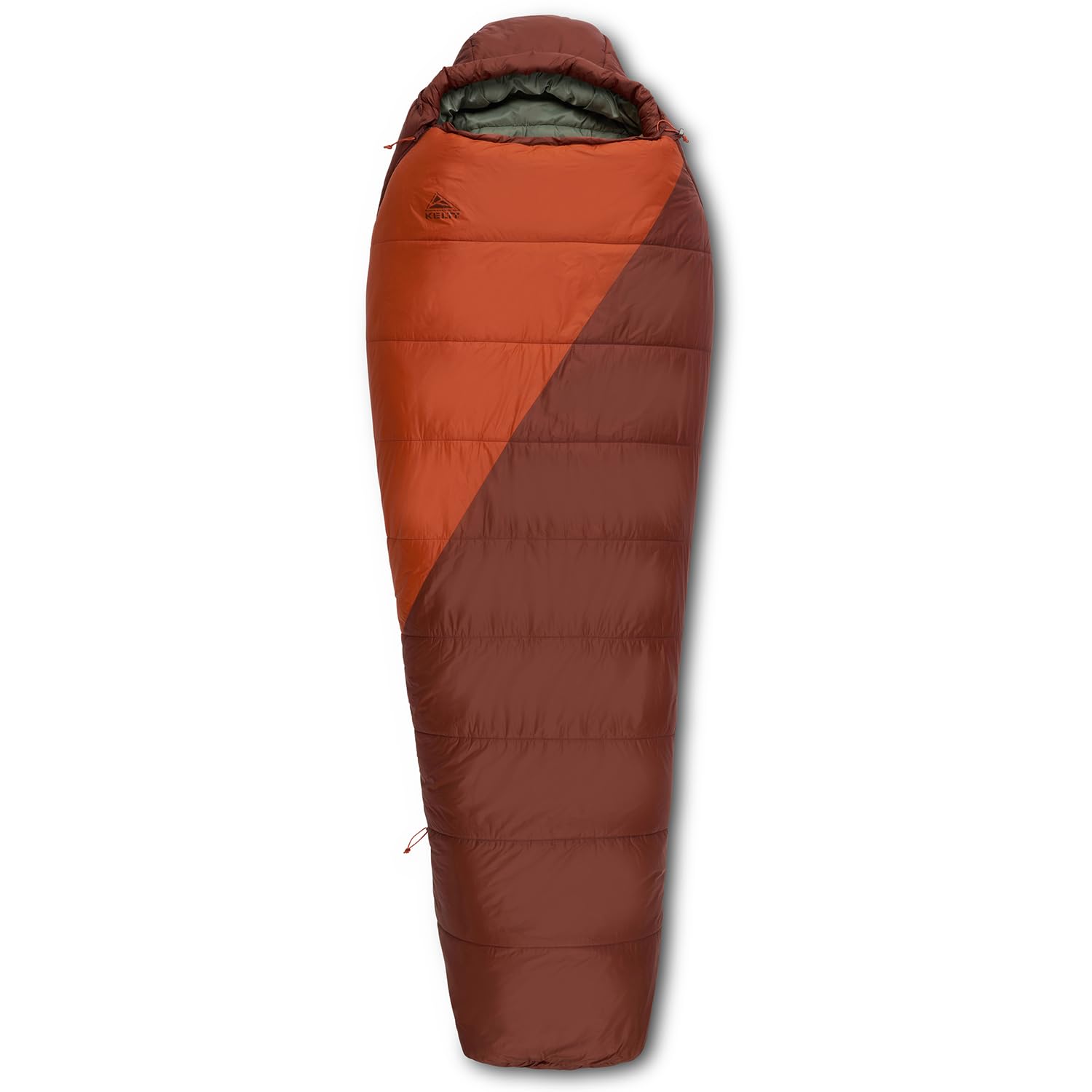
The Kelty Cosmic Synthetic 0° offers genuine winter warmth (0°F limit, 18°F comfort per ISO) in a synthetic package that performs reliably in damp conditions. The Cirroloft insulation maintains loft even when exposed to condensation or tent moisture, making it a safer choice for wet winter environments where down would clump. The long size fits sleepers up to 6’6″.
Buyers who tested it in sub-freezing snow camps report being toasty warm, and the integrated compression stuff sack reduces pack volume better than most synthetics. The spacious footbox and natural fit design provide more wiggle room than a typical mummy bag. The recycled nylon shell with PFAS-free DWR sheds light moisture effectively.
At 4.95 pounds for the long model, this is not a bag for ultralight trips, but for basecamp use or short backpacking hauls in wet snow, the synthetic insulation’s reliability outweighs the weight penalty. Some users note the zipper tends to snag near the bicep area. For winter campers in the Pacific Northwest or other damp climates, this is the smart synthetic choice.
Why it’s great
- Performs well even when damp — perfect for wet winter camping
- ISO-rated 0°F limit provides genuine cold-weather confidence
- Spacious footbox and natural fit for a synthetic mummy
Good to know
- Heavy at nearly 5 lbs — not ideal for lightweight backpacking
- Zipper snag is a common complaint near the shoulder area
- Bulkier than equivalent down bags when packed
9. TETON Sports ALTOS 0° Mummy Sleeping Bag
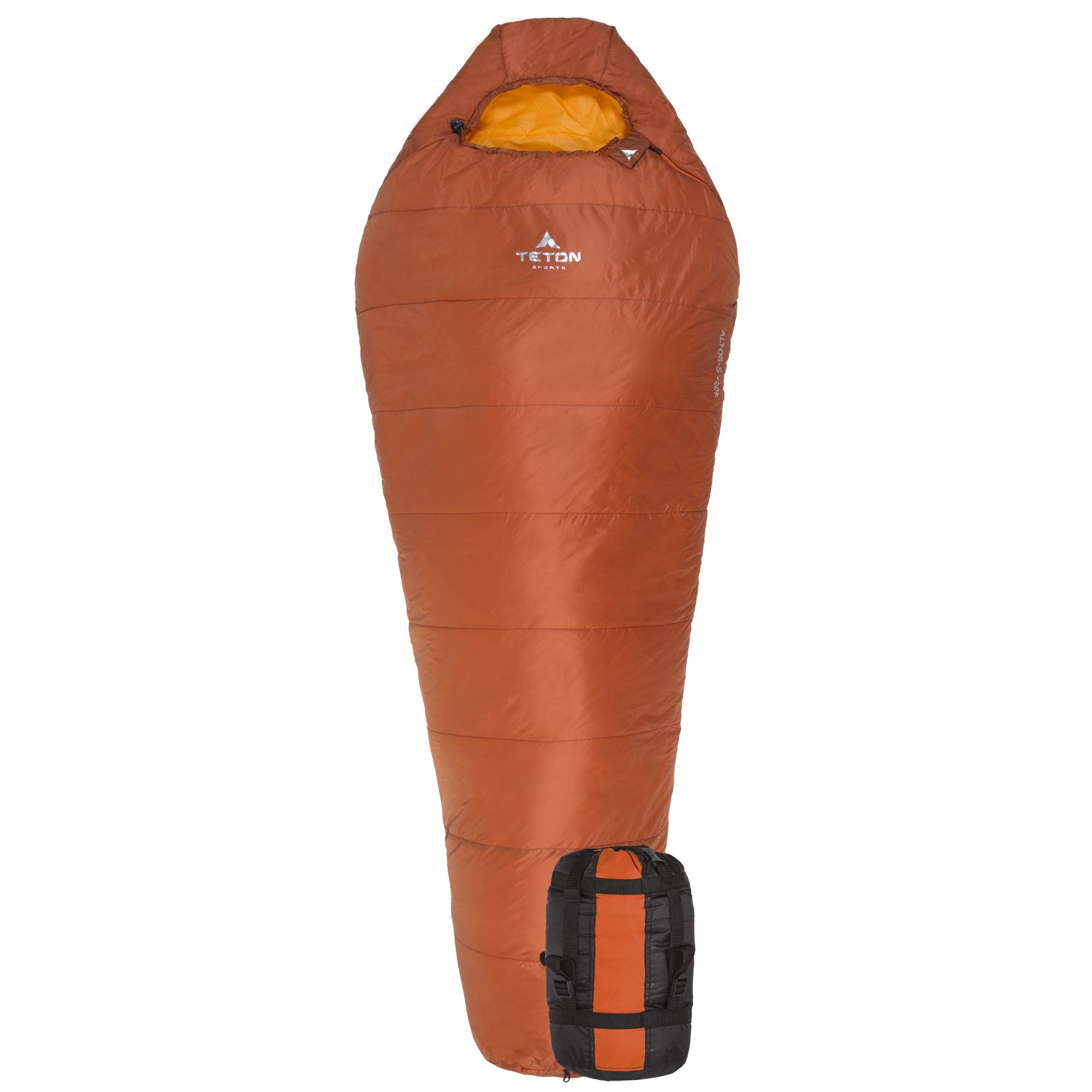
The TETON Sports ALTOS 0° is the lightweight entry-level choice for backpackers on a budget. At just 2.8 pounds with a compressible synthetic fill (Dupont Sonora), it approaches down-like packability without the price tag. The mummy shape features a built-out footbox for toe room and a water-resistant shell that handles condensation in a tent.
Real-world tests show the ALTOS keeps sleepers comfortable down to about 28°F with a proper pad and base layers, though the 0°F rating is optimistic for deep winter. The material is thin but durable, and the compression sack makes packing quick. Buyers who have owned the bag since 2018 report it still performs well, and the 20°F comfort rating works for most 3-season backpacking plus cooler nights.
The main limitations are the lack of a true draft collar and the thin shell fabric, which can feel warm at the touch but doesn’t block wind as effectively as heavier materials. The hood is functional but not as substantial as premium models. For new backpackers who want a lightweight bag for fall camping without spending hundreds, the ALTOS is an unbeatable value.
Why it’s great
- Remarkably lightweight at 2.8 lbs for its warmth level
- Compressible enough for backpacking packs
- Excellent value — proven performer at entry-level price
Good to know
- No draft collar — let’s cold air in at the neck
- Thin shell is less wind-resistant than heavier fabrics
- Real comfort limit is ~28°F, not 0°F
FAQ
Can I use a 4-season sleeping bag in summer?
What’s the difference between a 3-season and 4-season sleeping bag?
Should I choose down or synthetic for winter camping?
How does pad thickness affect sleeping bag performance?
Can two 4-season sleeping bags be zipped together?
Final Thoughts: The Verdict
For most users, the 4 season sleeping bag winner is the Browning McKinley -30° because it delivers verified sub-zero warmth at a mid-range price point without sacrificing room or durability. If you need lightweight backpacking performance, grab the Rab Ascent 10°F for its exceptional warmth-to-weight ratio. And for modular versatility spanning summer to Arctic conditions, nothing beats the US Military Modular Sleep System, which adapts to any environment with its three-layer design.

Mo Maruf
I created WellFizz to bridge the gap between vague wellness advice and actionable solutions. My mission is simple: to decode the research and give you practical tools you can actually use.
Beyond the data, I am a passionate traveler. I believe that stepping away from the screen to explore new environments is essential for mental clarity and physical vitality.