Our readers keep the lights on and my smoothie glass nicely filled. As an Amazon Associate, I earn from qualifying purchases.
A 4-season tent is not simply a thicker 3-season model—it is a structural commitment to surviving horizontal snow, freezing ridge-top winds, and the condensation battle that defines cold-weather camping. Buyers often discover too late that insufficient pole architecture or a weak floor coating turns an alpine night into a misery of flapping fabric and damp gear. Serious backpackers need a shelter that sheds snow loads, blocks drafts at the base, and breathes well enough to keep frost off the interior mesh.
I’m Mohammad Maruf — the founder and writer behind WellFizz. My research focuses on cross-referencing pole-gauge thickness, hydrostatic head ratings, and real-world wind-test reports to separate winter-worthy shelters from car-camping shells dressed in marketing language.
After evaluating dozens of models by material spec, weight-to-strength ratio, and actual user accounts from alpine and sub-zero conditions, I’ve narrowed the field to the nine options that genuinely earn the label. This guide examines each contender through the lens of cold-weather performance to help you find the best 4 season backpacking tent for your specific expedition needs.
How To Choose The Best 4 Season Backpacking Tent
Selecting a winter tent involves more than counting poles. You must evaluate the fabric’s waterproof rating, the pole’s resistance to snow load, and the ventilation system’s ability to exhaust moist breath without letting in freezing drafts. Buyers who skip these factors often end up with a shelter that either collapses under a light dusting or soaks the interior with condensation by morning.
Hydrostatic Head and Fabric Weight
The hydrostatic head rating—measured in millimeters—tells you how much water pressure the fabric can withstand before leaking. For 4-season use, look for a minimum of 2000 mm on the fly and 3000 mm on the floor. Heavier denier fabrics (68D or above) resist abrasion from ice crust and rocky snowfields better than ultralight 20D nylon, though the trade-off is packed weight.
Pole Architecture and Wind Resistance
Dome and geodesic frames handle snow loading and wind shear far better than simple tunnel or A-frame designs. Pre-bent aluminum poles (7000-series or equivalent) create the steep walls needed to shed snow rather than collect it. Cross-pole configurations add lateral rigidity against gusts that would flatten a standard pole set.
Stove Jack Compatibility and Cold-Weather Ventilation
Hot tents with integrated stove jacks allow the use of a wood-burning stove inside, transforming the shelter into a base camp for deep-winter trips. Even without a stove, a proper 4-season tent must have adjustable vents that can be closed against the wind but opened to release moisture. A snow skirt seals the bottom edge so spindrift and drafts don’t creep under the fly.
Quick Comparison
On smaller screens, swipe sideways to see the full table.
| Model | Category | Best For | Key Spec | Amazon |
|---|---|---|---|---|
| Naturehike Dune Hot Tent | Premium | Winter basecamp with stove | PU10000mm+ fly; 75D polyester | Amazon |
| NEMO Kunai | Premium | Mountaineering and alpine | 30D PeU nylon; 3000 mm floor | Amazon |
| NEMO Dagger OSMO | Premium | Lightweight 3-4 season hybrid | OSMO poly-nylon; 44 in peak | Amazon |
| Naturehike Massif | Mid-Range | Group winter camping with stove | 161 sq ft; 2-room design | Amazon |
| ALPS Mountaineering Tasmanian | Mid-Range | Budget winter durability | 5000 mm floor coating | Amazon |
| Kelty Late Start 4P | Mid-Range | Versatile family winter use | 56 sq ft; 1200 mm fly | Amazon |
| OneTigris Stella | Value | Solo winter backpacking | 4.4 lb; 3000 mm rating | Amazon |
| OneTigris Raven NEST | Value | Bushcraft with wood stove | 70D nylon; stove jack | Amazon |
| Kelty Late Start 2P | Value | Entry-level winter backpacking | 30 sq ft; 3 min setup | Amazon |
In‑Depth Reviews
1. Naturehike Dune Hot Tent
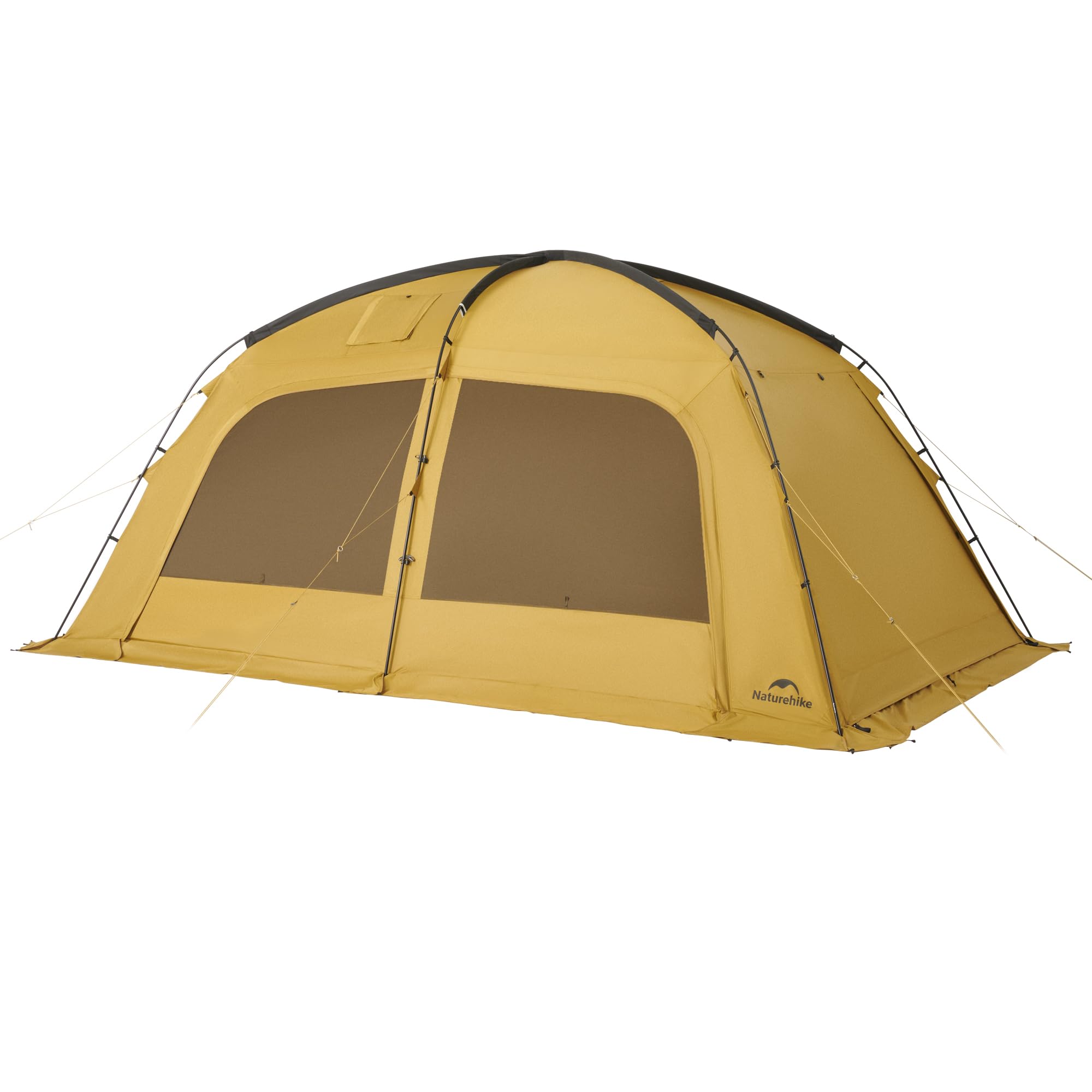
The Naturehike Dune Hot Tent sets the benchmark for winter shelters that double as base camps. Its 75D 210T polyester fly carries a PU10000mm+ hydrostatic head—one of the highest in this class—which translates to zero leakage under persistent rain, sleet, or melting snow. The tunnel shape offers a generous 132-square-foot floor area, and the integrated stove jack is built with a fiberglass ring that resists yellowing and discoloration from repeated use.
Six mesh doors provide exceptional cross-ventilation, a critical feature when running a stove inside or managing condensation in sub-zero temperatures. The double-layer universal heat-resistant webbing accommodates various pipe diameters and is user-replaceable, which extends the tent’s lifespan. Reviewers consistently note that the Dune survived 50 mph gusts and heavy snowfall without damage, and the reflective interior coating helps retain stove heat efficiently.
Setup is straightforward for a tunnel-style shelter, though the center pole should be erected first to create proper tension. At roughly 17 pounds, it is a group or base-camp tent rather than a solo ultralight option. The optional canopy adds impressive shaded square footage for larger gatherings, making this a versatile choice for extended cold-weather stays.
Why it’s great
- Exceptional PU10000mm+ waterproof rating handles heavy snowmelt and rain
- Integrated stove jack with heat-resistant webbing for safe wood-stove use
- Six mesh doors and top vents provide outstanding moisture control
Good to know
- Tunnel design requires careful staking for stability in high winds
- Heavy pack weight makes it unsuitable for solo backpacking
2. NEMO Equipment Kunai 3–4 Season Backpacking Tent
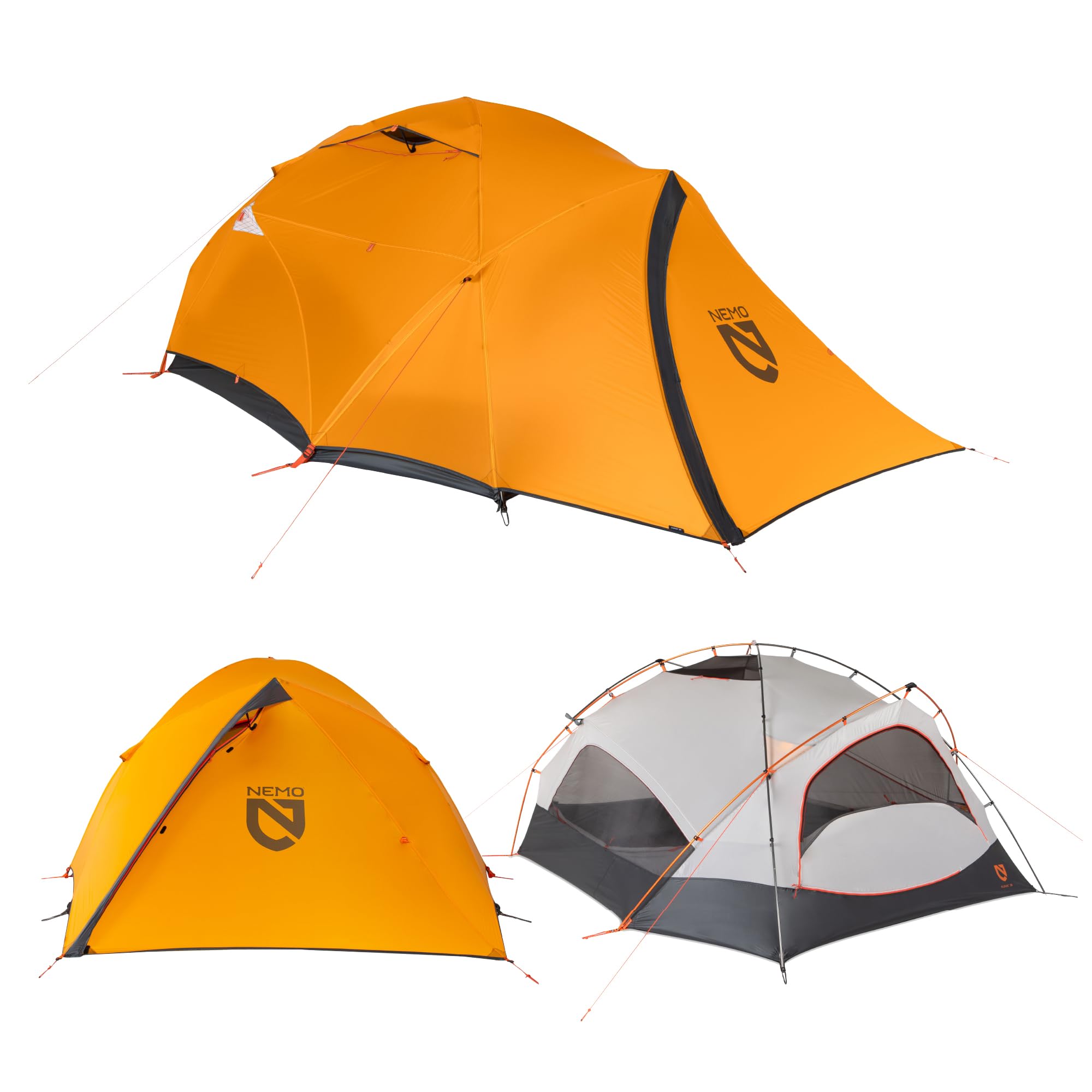
The NEMO Kunai is a purpose-built mountaineering shelter that bridges the gap between lightweight backpacking and true winter expedition use. Its 30D PeU nylon ripstop fabric with a 3000 mm rating withstands scouring winds and blowing snow, while the Dimension Polyant 375D X-Ply composite sailcloth at high-stress points adds structural reinforcement without adding bulk. The tapered profile and aggressive brow pole create a steep wall angle that sheds snow accumulation efficiently.
The wind-blocking inner tent is a standout feature among 4-season designs—it blocks drafts that typical mesh inners allow, keeping the sleeping area noticeably warmer in sub-freezing conditions. Reviewers report the tent maintained a temperature roughly 20°F warmer inside than outside during winter camps. The large door vent and zippered mesh windows allow adjustable airflow, which helps manage the condensation that plagues fully sealed winter shelters.
At 5.6 pounds, it is light enough for serious alpine missions but still robust enough for hut-to-hut travel. Some users note that the vestibule is compact—adequate for boots and a small pack but not for bulky gear. The footprint is sold separately, and the tent benefits from extra guylines for exposed ridge-line setups. It fits two sleepers snugly, but taller users may find it tight for sharing.
Why it’s great
- Wind-blocking inner tent keeps sleeping area warmer in extreme cold
- X-Ply composite sailcloth reinforcement at stress points prevents tearing
- Lightweight pack weight for a true 4-season alpine tent
Good to know
- Vestibule is small, with limited gear storage space
- Footprint and extra guylines are not included
3. NEMO Equipment Dagger OSMO Lightweight Backpacking Tent
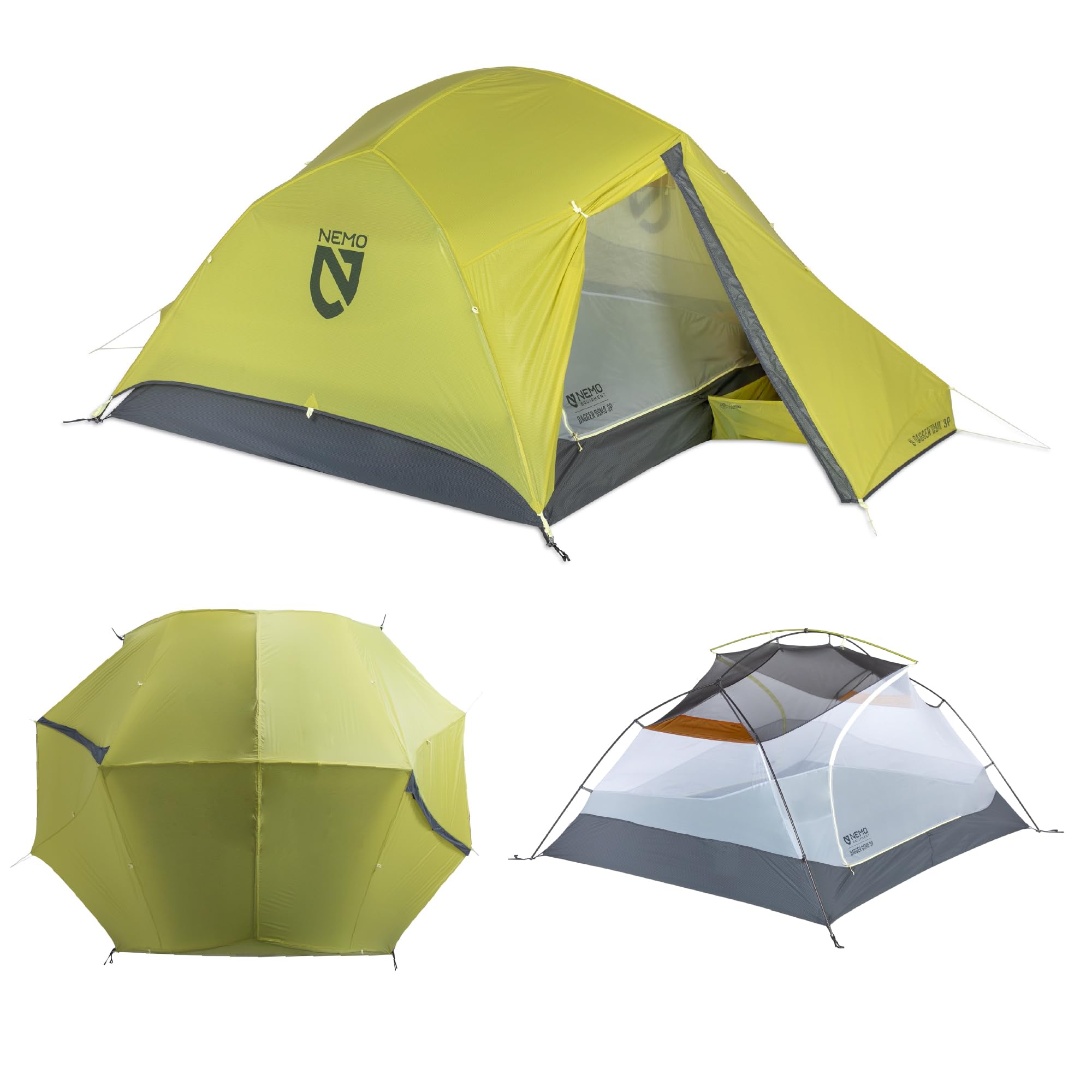
The NEMO Dagger OSMO is a 3-season tent that pushes into 4-season territory through its high-performance OSMO poly-nylon ripstop fabric and refined geometry. The OSMO material is solution-dyed and PFAS-free, offering water repellency that lasts four times longer than standard coatings and stretches three times less when wet. While not a full winter fortress, it handles snow loads better than typical three-season models due to its stable pole structure and vertical sidewalls.
Interior space is where this tent excels—the 44-inch peak height combined with near-vertical walls creates a roomy feel that many dedicated 4-season tents lack. The Volumizing Stash strut increases vestibule space by 22 percent, giving you room to cook or store gear under cover. Reviewers who used it in 30-50 mph wind and 6 inches of snow reported it stayed upright, though they noted the need for frequent snow removal from the roof to prevent overload.
Setup is intuitive once you learn the Jake’s foot anchoring system, and the color-coded poles simplify the process in the dark or in gloves. At 4.6 pounds, it is significantly lighter than most true 4-season tents, making it a strong choice for winter backpackers who prioritize weight but accept that it is not rated for extreme alpine conditions. The included stakes are heavy-duty aluminum—better than the flimsy stakes found on many budget tents.
Why it’s great
- OSMO fabric offers exceptional water repellency and low stretch when wet
- Vertical sidewalls and 44-inch peak provide generous living space
- Lightweight pack weight appeals to winter backpackers
Good to know
- Not a true 4-season tent—requires snow-load management
- Thin fabric demands careful site selection and a footprint
4. Naturehike Massif Hot Tent

The Naturehike Massif Hot Tent caters to groups who need a roomy winter shelter with stove capability. Its 2-room design—with a removable inner tent and a large central hall—provides 161 square feet of floor area, enough for two separate sleeping zones plus a living area with tables and chairs. The 5.9-foot peak height allows most users to stand upright, and the vestibule adds covered gear storage with a shade awning for daytime use.
The 30D silicone-coated polyester fly and 70D nylon inner provide a 3000 mm waterproof rating that handles rain and melting snow without issue. The stove jack is positioned centrally, which distributes heat evenly to both sleeping compartments. Reviewers who used it in single-digit temperatures reported that the tent stayed warm with a small wood stove, and the snow skirt sealed the bottom against spindrift effectively. The TPU sky-view window on the roof allows natural light and stargazing, though some users mention it can collect condensation if not vented properly.
At 17.6 pounds, it is unquestionably a car-camping or base-camp shelter rather than a backpacking option. Setup requires two people due to the complex pole structure. Some users report that the vestibule height is low—tall campers may find their head contacts the roof when seated—but the overall space and stove compatibility make it a compelling base camp tent for winter group trips.
Why it’s great
- Spacious 161 sq ft floor with separate sleeping and living zones
- Central stove jack distributes heat to both compartments
- Snow skirt and TPU sky-view roof enhance cold-weather comfort
Good to know
- Heavy pack weight limits use to car camping and base camps
- Construction complexity requires two people for smooth setup
5. ALPS Mountaineering Tasmanian 2-Person Tent

The ALPS Mountaineering Tasmanian delivers serious winter-grade materials at a price point that undercuts most dedicated 4-season tents. Its 5000 mm coating on the floor is one of the highest hydrostatic head ratings in this comparison, creating a reliable moisture barrier against snowmelt and saturated ground. The full-coverage rainfly and shock-cord aluminum poles form a geodesic-like structure that stands up to wind loads better than many budget dome designs.
Two vestibules and two doors provide easy entry from either end—a convenience that reduces heat loss when one person exits. The interior storage includes mesh pockets and a gear loft, while the fully closable vents and mesh-only doors allow customized ventilation. Reviewers who tested it in 8°F snow, rain, and high winds report it stayed dry with minimal condensation, and the vestibules fit a sitting person for shelter during storms.
The trade-off is weight—at 7 pounds 15 ounces, it is heavy for a 2-person tent, making it better suited for splitboard expeditions or short winter carries than long alpine traverses. Some users mention that the rain fly pole sleeves are difficult to insert, and the orange color is highly visible. The included stakes are adequate but not burly enough for hard-packed snow; upgrading to snow stakes is recommended.
Why it’s great
- 5000 mm floor coating provides outstanding moisture protection
- Two vestibules and doors improve group usability and ventilation
- Proven performance in sub-freezing temperatures and heavy wind
Good to know
- Heavy pack weight limits backpacking distance
- Rain fly pole sleeves can be tricky to thread in cold conditions
6. Kelty Late Start 4P Tent
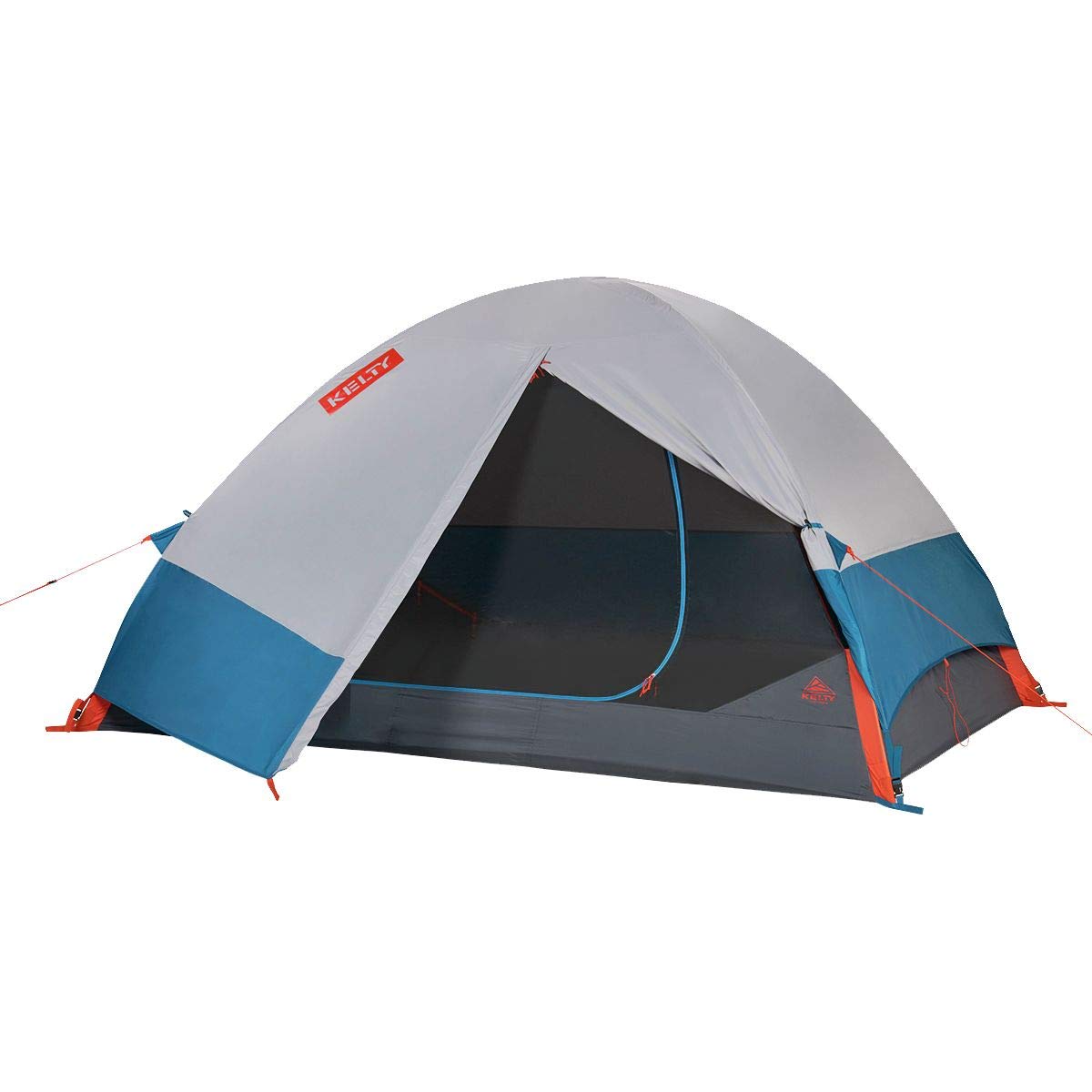
The Kelty Late Start 4P occupies a unique niche as a roomy shelter that works for both car camping and moderate winter trips without breaking the bank. The 68D polyester bathtub floor and flysheet carry a 1200 mm coating, which is sufficient for light snow and rain but not designed for heavy, persistent precipitation. The Quickcorner pole sleeves and pre-bent aluminum poles allow setup in under three minutes, even with cold fingers.
The 56-inch peak height and 56-square-foot floor give four people enough room to sit up and store gear, though the single-door layout means only one entry point. Additional guylines provide good airflow in rough conditions, and Kelty uses PFC-free DWR coatings to reduce environmental impact. Reviewers consistently praise the simplicity of the Quickcorner system and the tent’s ability to stay dry in moderate storms when seam-sealed properly.
The 1200 mm fly coating is the limiting factor here—this is a transitional-season tent that can handle early-winter camping but is not designed for alpine storms. At roughly 8 pounds, it is heavier than dedicated backpacking tents but acceptable for short carries to a winter base. The single vestibule is adequate for gear storage but could be tighter for four people’s equipment.
Why it’s great
- Quickcorner pole system enables fast setup in cold conditions
- Roomy 56 sq ft floor with tall 56-inch peak for family use
- PFC-free fabrics and coatings reduce environmental impact
Good to know
- 1200 mm fly coating is not sufficient for heavy alpine precipitation
- Single door and vestibule limit group convenience
7. OneTigris Stella 4 Season Camping Tent

The OneTigris Stella brings true 4-season construction to a lightweight solo-friendly package. The single-layer 20D sil-nylon fly carries a 3000 mm waterproof rating that handles winter precipitation reliably, and the total pack weight sits at just 4.4 pounds—impressive for a tent with full snow protection. The 40D nylon bottom resists abrasion from rocky campsites and ice crust, while the removable blackout outer tent gives flexibility for different light conditions.
Setup is straightforward with flexible poles that cross at the dome apex and anchor to the four corners. Reviewers report it survived 30-40 mph wind and rain storms without leaks, and the dome shape sheds snow efficiently. The mesh inner tent provides good airflow in milder conditions, but the lack of side vents can lead to condensation when the fly is fully sealed in sub-zero conditions—a common compromise in single-layer 4-season tents.
The Stella is sized for one adult with gear or two sleepers who are comfortable in close quarters. The vestibule is small, fitting boots but little else. Tall campers may find the 3.7-foot peak height restrictive. At its price point, it offers exceptional value for solo winter backpackers who need a genuine 4-season shelter without spending premium-tier money.
Why it’s great
- Lightweight 4.4 lb pack weight for solo winter backpacking
- 3000 mm waterproof rating handles snow and rain reliably
- Dome shape efficiently sheds snow and resists wind
Good to know
- Condensation can build up without side vents in sealed mode
- Vestibule is compact—gear storage is limited
8. OneTigris Raven NEST Hot Tent
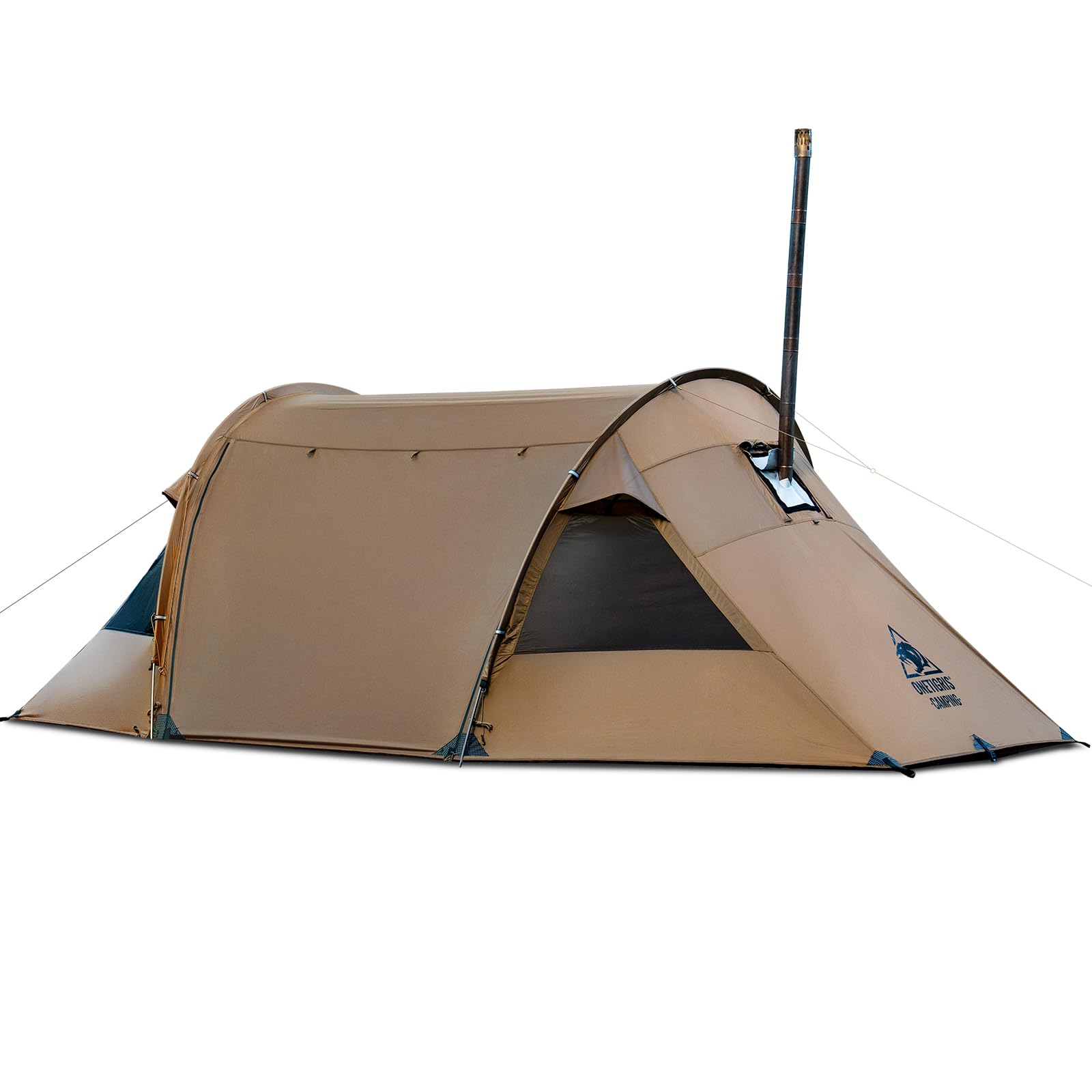
The OneTigris Raven NEST is a tunnel-style hot tent designed for bushcrafters and winter campers who want a spacious, stove-heated base camp. The 70D silicone-coated and PU-coated nylon fabric provides a 3000 mm waterproof rating with heat-taped YKK zippers, ensuring the shelter remains watertight even in melting snow. The tunnel shape, reinforced with extra tie-out points at the top frame, offers upgraded wind resistance compared to earlier OneTigris designs.
Interior space is generous: the 2-room layout fits two folding cots, a table, chairs, and a wood-burning stove while still allowing room to move. The integrated stove jack enables safe use of a stove, and reviewers using it in single-digit temperatures reported maintaining interior temperatures in the 70s°F with a small stove. Two large side doors can be used as awnings in fair weather, adding covered work or sitting space outside the tent.
Setup involves two poles and eight stakes, which is quick for a tunnel design. However, initial setup can be difficult because the fabric is stiff when new and needs to stretch after the first few pitches. The vestibule is functional but not huge—the fly overhang fits a pack but not much more. At roughly 9.3 pounds, it is too heavy for backpacking but ideal for canoe trips, sled expeditions, or short carries to a winter base.
Why it’s great
- Spacious 2-room interior fits cots, table, and wood stove
- 3000 mm waterproof rating with heat-taped YKK zippers
- Side doors function as awnings for extra covered space
Good to know
- Initial setup is tight due to stiff new fabric
- Heavy pack weight limits use to car camping or short carries
9. Kelty Late Start 2P Tent

The Kelty Late Start 2P serves as a capable entry point for winter camping on a budget, offering the same Quickcorner setup system as its larger sibling in a compact two-person form. The 68D polyester fly carries a 1200 mm coating—enough for light snow and rain but not engineered for sustained heavy precipitation. The pre-bent aluminum poles and color-coded buckle attachment points allow a single person to pitch the tent in under three minutes, which is valuable when setting up in fading light or cold weather.
The interior floor measures 30 square feet with a 43-inch peak height, which fits two adults on standard pads with some gear inside. Reviewers describe it as a roomy 1.5-person tent for winter use, with enough space for a couple or a solo camper with extra equipment. The full-coverage rainfly includes additional guylines for improved airflow in rough conditions, and the bathtub floor with taped seams keeps ground moisture at bay in moderate conditions.
The 1200 mm fly coating and 68D fabric are the limiting factors—this is a 3-season tent that can stretch into light winter duty but should not be taken into alpine storms. At roughly 4.5 pounds, it is lightweight for its class, and the inclusion of featherlight stakes and a Shark Mouth stuff sack simplifies packing. For budget-conscious campers who camp in early winter or mild snow conditions, this tent offers a solid value proposition.
Why it’s great
- Quickcorner setup with color-coded buckles enables fast winter pitching
- Lightweight pack weight for a value-driven two-person tent
- Bathtub floor with taped seams keeps moisture out in moderate conditions
Good to know
- 1200 mm fly coating is not adequate for heavy alpine precipitation
- Best suited as a 3-season tent for mild winter use
FAQ
Can I use a 4-season tent in summer without overheating?
What is the minimum hydrostatic head I should look for in a winter tent?
Do I need a stove jack for winter camping?
Final Thoughts: The Verdict
For most users, the best 4 season backpacking tent winner is the Naturehike Dune Hot Tent because it combines a premium PU10000mm+ fly, an integrated stove jack, and exceptional ventilation in a spacious tunnel design that handles serious alpine conditions. If you want a lightweight alpine shelter, grab the NEMO Kunai for its wind-blocking inner and sailcloth reinforcement at just over five pounds. And for a budget winter workhorse, nothing beats the ALPS Mountaineering Tasmanian with its 5000 mm floor coating and proven track record in sub-zero conditions.

Mo Maruf
I created WellFizz to bridge the gap between vague wellness advice and actionable solutions. My mission is simple: to decode the research and give you practical tools you can actually use.
Beyond the data, I am a passionate traveler. I believe that stepping away from the screen to explore new environments is essential for mental clarity and physical vitality.