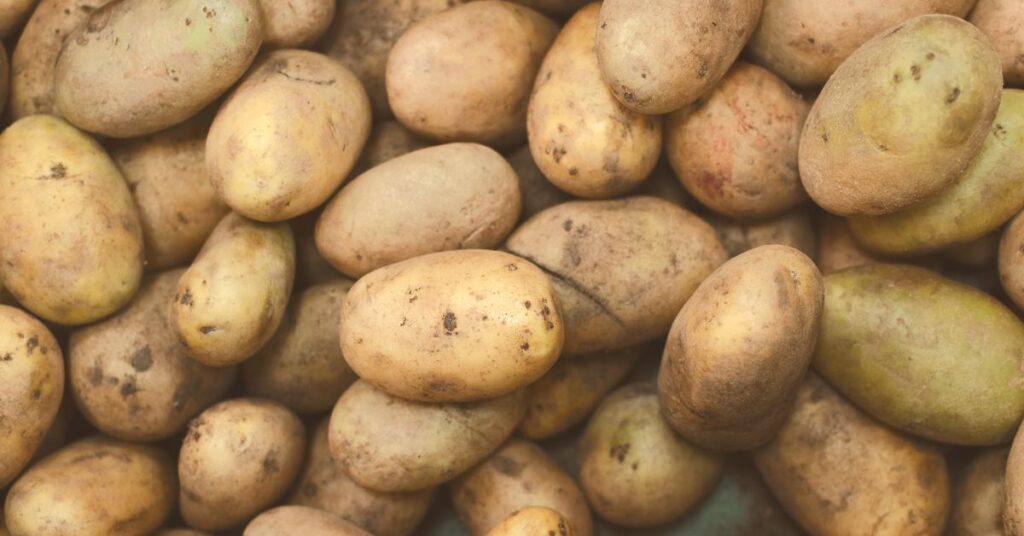
Potatoes are complex carbs because their starch is a long-chain carbohydrate, yet cooking style can change how fast that starch turns into glucose.
Potatoes get labeled as “bad carbs” and “fast carbs” often. That’s usually about blood sugar, not about what they’re made of. If you’ve wondered whether a potato counts as a simple carb or a complex one, you’re in the right place.
You’ll get clear definitions, cues for common potato forms, and meal moves that keep potatoes satisfying without feeling like a carb bomb. No drama.
Why Potatoes Count As Complex Carbs
Carbs fall into a few buckets: sugars, starches, and fiber. Sugars are short chains that break down fast. Starches are longer chains of glucose linked together. Fiber is also a carb, but your body can’t fully break it down. Potatoes are mostly starch, so they land in the complex-carb group.
That definition is clean, but it doesn’t explain why potatoes can feel quick in some meals. Texture, temperature, and what else you eat with them can change the pace.
| Potato Form | Carb Structure | What Many People Notice |
|---|---|---|
| Boiled, skin on | Mostly starch + some fiber | Filling, steadier than fries |
| Baked, skin on | Starch with a drier texture | Can feel “fast” if eaten plain |
| Mashed | Starch broken up by mashing | Often hits quicker |
| French fries | Starch + added fat | Tasty, easy to overeat |
| Chips | Starch in thin, crisp pieces | Quick to snack through |
| Potato salad, chilled | Some starch becomes resistant | Often feels steadier |
| Cooked, cooled, reheated | More resistant starch remains | Less “spike” for many people |
| Instant potato flakes | Starch pre-gelatinized | Digesting tends to be quick |
Potatoes As Complex Carbs With Starch Details
Starch isn’t one single thing. In potatoes, it’s a mix of two main shapes: amylose and amylopectin. Amylose chains are more straight. Amylopectin chains branch. That mix affects texture, and it also affects digestion speed.
When starch granules cook, they soak up water and swell. That makes the starch easier for enzymes to reach. When you mash, puree, or heavily process a potato, you also break it into smaller pieces. More surface area can mean faster breakdown into glucose.
Starch Chains Versus Simple Sugars
A simple carb is often a sugar like glucose, fructose, or sucrose. Those molecules don’t need much cutting apart during digestion. A complex carb is a chain of sugars stuck together. Your body has to clip those links before the sugars move into your bloodstream.
So yes, potatoes are complex carbs on the chemistry side. The “fast carb” reputation comes from cooked starch behavior, not because a potato is made of sugar the way soda is.
Fiber And The Potato Skin
Potatoes aren’t a high-fiber food like beans, but the skin adds a bump. Leaving the skin on also slows down how fast you can chew and swallow. That sounds small, yet it can change how much you eat before you feel full.
If you want steadier digestion, pick varieties you enjoy with the skin on, scrub them well, and cook them in a way that keeps their structure intact.
Resistant Starch And Cooling
Some cooked starch can “set up” again as it cools. Part of it turns into resistant starch, which acts more like fiber in your gut. That doesn’t erase carbs, but it can slow how quickly the meal turns into blood glucose.
Cooling works best when the potato stays in chunks, like potato salad or roasted wedges stored for later. Reheating can still keep some of that resistant starch in place.
Are Potatoes Simple or Complex Carbs? In Daily Eating
So, are potatoes simple or complex carbs? They’re complex carbs by structure, since they’re mostly starch. Still, your body reacts to meals, not labels. A plain, hot, fluffy potato can digest faster than you’d expect, while a chilled potato salad with a protein side can feel steadier.
If you want a reputable definition of carb types, MedlinePlus carbohydrate types lists sugars, starches, and fiber. The ADA starches and sugars breakdown also calls starches “complex carbohydrates.” That matches the way potatoes fit: starch first, sugar second.
Now comes the practical part: what makes one potato meal feel slow and another feel quick? It’s a mix of structure, temperature, and what else is on the plate.
What Makes Potato Carbs Feel Fast Or Slow
There’s no single “potato number” that predicts your response. Two potatoes can have similar grams of carbs and still hit differently. Use these levers to shape the meal.
Cooking Method And Texture
Soft, fluffy textures tend to digest quicker. Think mashed potatoes, baked potatoes split open, or anything whipped until smooth. Chunky textures slow things down because more starch stays packed inside pieces.
Try boiling or steaming chunks, then tossing them with a little olive oil, herbs, and salt.
Cooling, Then Reheating
If you cook potatoes ahead, cool them in the fridge, then reheat, you may keep more resistant starch than a fresh-cooked batch.
Food safety matters here: cool cooked potatoes promptly, store them cold, and reheat until hot all the way through.
What You Pair With Potatoes
Protein, fat, and fiber from other foods can slow digestion. That doesn’t mean you need a heavy meal. A simple plate works: potatoes plus eggs, yogurt-based dip, chicken, tofu, or beans, plus a heap of vegetables.
Acidic sides like vinegar-based slaw or lemony dressing can also slow the meal’s pace for some people, since acidity can affect stomach emptying.
Portion Size And Pace
Even a complex carb can feel “fast” if the portion is large and you eat it quickly. Potatoes are easy to overserve because one medium potato looks harmless. Measuring once or twice can reset your eyeballs.
A handy starting point for many meals is about a fist-sized portion of cooked potato, then adjust based on hunger, activity, and your own glucose response if you track it.
Simple Ways To Make Potatoes Work In Your Meals
You don’t need to quit potatoes to eat in a steady way. Most of the win comes from structure, pairing, and repeatable habits you can stick with.
Keep Them In Chunks Most Of The Time
- Boil or steam chunks until tender, not falling apart.
- Roast wedges on a sheet pan so edges crisp while the center stays firm.
- Save heavy mashing for when you want it.
Use Cooling As A Meal-Prep Move
- Cook a tray of potato wedges, cool, then store for two to three meals.
- Make potato salad with vinegar, mustard, herbs, and chopped vegetables.
- Reheat leftovers in a pan so you keep some crisp edges.
Build A Balanced Plate
A potato-only meal is easy to blow through. A plate with protein and vegetables slows the meal and keeps you satisfied longer. Think “half the plate” vegetables, a palm-sized protein, then potatoes as the starchy side.
| Your Goal | What To Do | Why It Helps |
|---|---|---|
| Steadier blood sugar | Choose chunks over mash | Less surface area for enzymes |
| More fullness | Keep skin on when you can | More fiber and chew time |
| Meal-prep ease | Cook, cool, then reheat | More resistant starch stays |
| Fewer snacky bites | Serve on a plate, not a bag | Portion stays visible |
| Better flavor | Use herbs, garlic, and acid | Less need for heavy toppings |
| Lower calorie load | Roast with light oil, not deep-fry | Less added fat per bite |
| More nutrients | Add colorful vegetables | More vitamins and minerals |
Reading Labels When Potatoes Are Packaged
Whole potatoes don’t come with a Nutrition Facts panel, but many potato foods do. Chips, frozen fries, instant potatoes, and ready-made potato salads can vary a lot in oil, salt, and added sugars.
When you check a label, look at total carbs, fiber, and added sugars. Fiber doesn’t digest into glucose the same way, so the mix matters. “Net carbs” math on the front of a package isn’t consistent across brands, so stick to the panel numbers.
Also check serving size. A “serving” of chips can be a small handful, and it’s easy to eat two or three without noticing.
Common Potato Carb Mix-Ups
Most confusion comes from mixing up the potato itself with how it’s prepared.
Sweet Potatoes Versus White Potatoes
Sweet potatoes and white potatoes are both starchy vegetables. Both are complex carbs. Sweet potatoes often bring more fiber and a different vitamin mix, but the same cooking cues apply: texture and portion size shape the response.
Chips And Fries
Chips and fries are still potato carbs, but they’re also a delivery system for oil and salt. They’re easy to eat fast, and they don’t take up much space on the plate. If you want crunch, try roasted wedges with a crisp exterior, or pair a small portion of chips with a high-protein meal so you don’t keep reaching into the bag.
Instant Potatoes
Instant potato flakes are cooked and dried, then rehydrated. That processing can make the starch easier to digest. If instant potatoes are your go-to, keep the portion modest and add protein and vegetables right on the plate.
Quick Checklist Before You Cook
- Pick a cooking method that keeps the potato in pieces.
- Keep the skin on when it fits the dish.
- Cook extra, cool safely, and use leftovers in salads or reheated sides.
- Pair potatoes with protein and plenty of vegetables.
- Serve a measured portion, then pause before going back for more.
If you’re still asking, “are potatoes simple or complex carbs?” remember this: the potato is a complex carb, but the meal can be built to feel quick or steady. Choose texture, temperature, and a smart plate, and potatoes can fit into a lot of eating styles without drama.

Mo Maruf
I created WellFizz to bridge the gap between vague wellness advice and actionable solutions. My mission is simple: to decode the research and give you practical tools you can actually use.
Beyond the data, I am a passionate traveler. I believe that stepping away from the screen to explore new environments is essential for mental clarity and physical vitality.