Our readers keep the lights on and my smoothie glass nicely filled. As an Amazon Associate, I earn from qualifying purchases.
Specs are compiled from manufacturer listings and verified buyer reviews and can change over time — please confirm the key details on the product page before buying.
You’re here because your hands are tired, your staple puller just bent, and you need one tool that can cut wire, yank staples, and hammer posts without making you switch grips a hundred times a day. A great pair of fencing pliers handles cutting, pulling, and hammering in one tool without forcing you to switch grips. We’ve compared the top contenders on the market by their build quality, cutting power, and the real experiences of people who’ve actually worked a fence line with them.
I’m Mohammad Maruf — the founder and writer behind WellFizz. This guide is built by comparing the manufacturers’ published specifications and the patterns across verified customer reviews, so you get each pick’s real strengths and trade-offs instead of marketing spin.
Get the honest breakdown of the best fencing pliers for pulling, cutting, and hammering through the toughest jobs, with clear picks for pros and weekend warriors. fencing pliers
Our Picks at a Glance

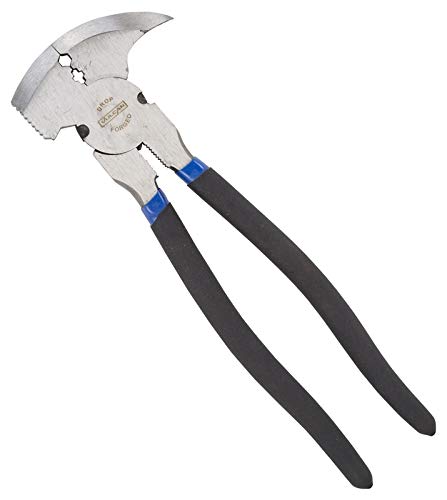
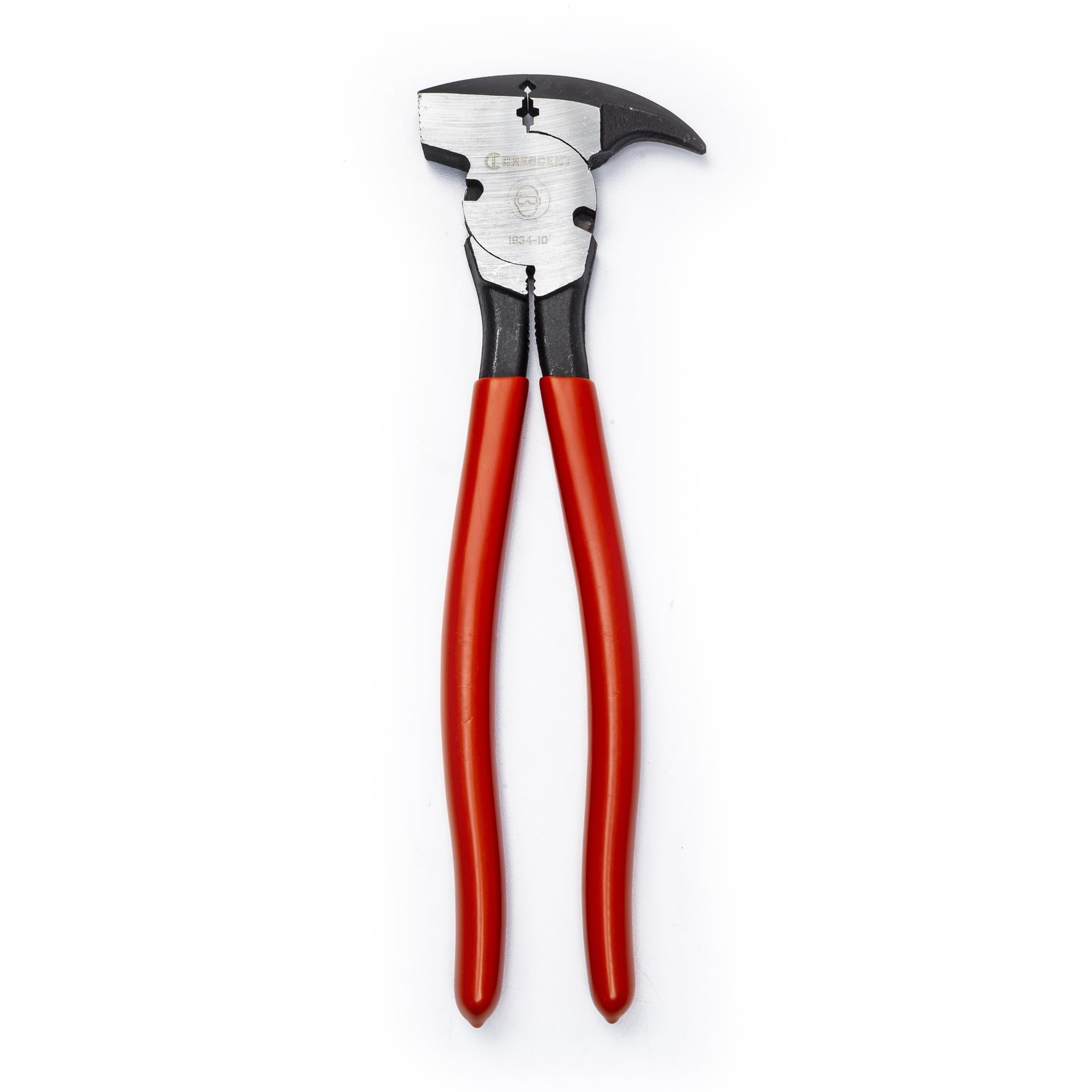
How To Choose The Best Fencing Pliers
You need fencing pliers that survive being dropped on rocks, hammered against posts, and used one-handed while you hold wire taut. The right pair hinges on drop-forged steel, cutter placement near the pivot, and a grip that stays secure through a full day of fence work. Here’s how to pick the one that fits your work.
Start with the Steel and the Joint
The body’s steel is the foundation of durability. Drop-forged steel is the benchmark because the process aligns the metal’s grain to make the tool denser and tougher than simple cast steel. A tight, wobble-free joint transfers force directly into the wire. A tight, wobble-free joint transfers your force into the wire instead of losing it to sloppy movement, which is why the Malco picks up praise for having zero wiggle at the hinge.
Look at the Cutter Placement
Serious fencers prioritize shears positioned near the pivot pin for maximum cutting leverage. That location multiplies your hand’s leverage, letting you slice through thick galvanized wire without a vice-like squeeze. The TEKTON takes this approach with 80-degree angled teeth that create a slicing action rather than a crushing one, which makes cutting heavier strands noticeably easier.
Match the Head to Your Wire Type
Match the head shape to your wire type. Barbed wire needs a cutter that can handle two twisted strands at once, and a sharp beak (the pointy part of the jaw) to reach under staples. High-tensile smooth wire demands clean, precise shears. If you’re working with electric fence tape or clips, a thinner, rounder nose — like the one on the Maasdam — gives you better access for tying and crimping without mangling the clip.
Quick Comparison
| Model | Best For | Weight | Cutting Capacity | Handle Grip | Amazon |
|---|---|---|---|---|---|
| TEKTON PSP10010★ Best Overall | All-around durability | 1.7 pounds | 8-18 AWG steel wire | Non-slip standard | Amazon |
| Edward ToolsBest Value | Budget-friendly versatility | 1 pounds | General steel wire | Non-slip grip | Amazon |
| Crescent 193410CVNN-05Top Performer | Barbed wire construction | 1.7 pounds | Heavy-duty offset cut | Dipped ergonomic | Amazon |
| Maasdam 8090 | Long-reach tying & crimping | — | General wire | Ergonomic | Amazon |
| Crescent 193610CVSMNN | easy wire cutting | 1.8 pounds | Induction-hardened | Dipped ergonomic | Amazon |
| Channellock 85 | Professional hard use | 1.4 pounds | Heavy-duty side cut | Plastic dipped | Amazon |
| Malco FP2 | Wobble-free leverage | 15.2 ounces | 9-gauge tight fit | Textured | Amazon |
| C.K Classic T3866 | Heavy wire and splicing | 0.65 kg | Up to 5 mm diameter | PVC coated | Amazon |
In‑Depth Reviews
1. TEKTON 10-1/2 Inch Fencing Pliers | PSP10010
Our pick — over 4.5★ from 300+ verified ratings; the strongest balance of quality and price.
The heavy hitter that turns a full day of fence work into a series of satisfying, efficient swings.
It pulls staples, hammers them in, cuts barbed wire, and twists strands together — all with the same comfortable rhythm, which is why the quality is the most-praised thing about it across dozens of owner experiences. The non-slip grips keep your hand locked in even when the work gets sweaty, and the smooth open-close action means your wrist isn’t fighting the tool.
The cutting power comes from a smart bit of engineering: the induction-hardened wire shears sit close to the pivot pin to boost your leverage, and the angled 80-degree teeth create a slicing cut rather than a crushing one. It will handle solid galvanized steel wire from 8 to 18 AWG, and even two-strand barbed wires from 12.5 to 18 AWG. That means you can cut the fence you’re repairing AND the new wire you’re stringing without breaking out a second tool.
At 10.5 inches and 1.7 pounds, it feels substantial in the hand. That weight suits intermittent use better than all-day swinging, per one owner’s note. But for the buyer who wants one tool that does everything well without a second thought, the TEKTON is the crowd favorite, holding a 4.7-star rating.
What Wins People Over
- Parallel jaws grip the crown of a staple or nail head to pry it out easily
- Flat striking face resists chipping better than typical serrated surfaces
- Long, pointed claw reaches under staples for better access
The Fair Trade-Off
- At 1.7 pounds, it’s a heavy tool for all-day work
- Most comfortable for intermittent use, not marathon fencing runs
Reach for this if: you want one do-everything tool with a reputation for quality that lasts through miles of fence work — the 4.7-star crowd favorite.
Think twice if: your days are 8-plus hours of continuous fencing; the 1.7-pound weight will tire your forearm out.
2. Edward Tools Fencing Pliers
The light, budget-minded field tool that replaces a whole pouch of separate hand tools.
If you’re new to fencing or only repair fence occasionally, this tool is your entry point. It combines seven functions—two wire cutters, a hammer end, staple starter, staple puller, staple claw, grip jaws, and two wire splicers—into one 1-pound drop-forged steel tool with a rust-resistant polished finish. Owners say “this one set of fencing pliers takes the place of having to pack several hand tools.”
It’s lighter and smaller than many rivals—about 1 inch shorter and 1/8 inch thinner than a Harbor Freight pair, by one owner’s measurement. That makes it easy to store in a glovebox or tractor cab, and the non-slip grip keeps it steady. The lifetime warranty adds rare confidence at this price level.
You pay for that lightness somewhere, and here it’s in the metal’s long-term confidence. Some owners note it feels like it may not outlast a heavier forged tool, and at least one had a wire cutter that didn’t close all the way. If your fencing is occasional, this is a smart pick; if you’re building 10 acres of fence this season, spend up.
Smart budget buy: For the occasional fencer, this is the ideal balance of function and cost. The all-in-one design covers every basic move, and the lifetime warranty backs it up.
Know the limit: The 1-pound build is lighter than premium options, so if you have big faith in heavy duty daily use, this isn’t your tool.
3. Crescent Dipped Handle Heavy-Duty Fence Tool Pliers
The pro-oriented Crescent that real fence builders single out for its sharp staple access and easy cutting.
There’s a reason the 4.7-star rating here comes with a devoted following. The Crescent’s defining feature is its angled, offset cutting head, which is designed specifically to reach into tight spots and slice through heavy-duty wire without the tool body getting in the way. Owners say it cuts through fencing easily and is particularly useful for barbed wire construction, which is the hardest daily job a fence tool faces.
One owner wrote, “Recently fenced 10 acres up, using these saved my fingers a few times and definitely helped ease the process.” That’s the payoff of an ergonomic dipped grip that reduces strain and a head shape that keeps your wrist at a natural angle. The polished, corrosion-resistant alloy steel head lasts season after season, and the 1.7-pound weight feels solid without being heavy.
The catch is the dipped handle. While it’s comfortable, a few hardcore builders find the coating gets in the way during actual fence work and have gone so far as to grind it off for a smoother seam. There’s also a note that the metal runs softer than older heirloom pairs. But for the working rancher who wants pro-level function from the start, this is a genuinely strong, versatile pick.
The Pro Side
- Angled head provides offset cutting for better access to tight wire
- Easy-to-clean dipped grip is comfortable to hold
- Polished alloy steel head resists rust
The Honest Caveat
- Dipped coating can hinder fence work for some builders
- Metal is softer than older, heirloom-quality pairs
Built for the builder: Real fence pros call this out for staple access and barbed-wire cutting, making it a trusted choice for serious work.
Consider elsewhere if: you hate coated handles; the dip is a deal-breaker for some hands.
4. Maasdam 8090 Fence Pliers, Round Nose
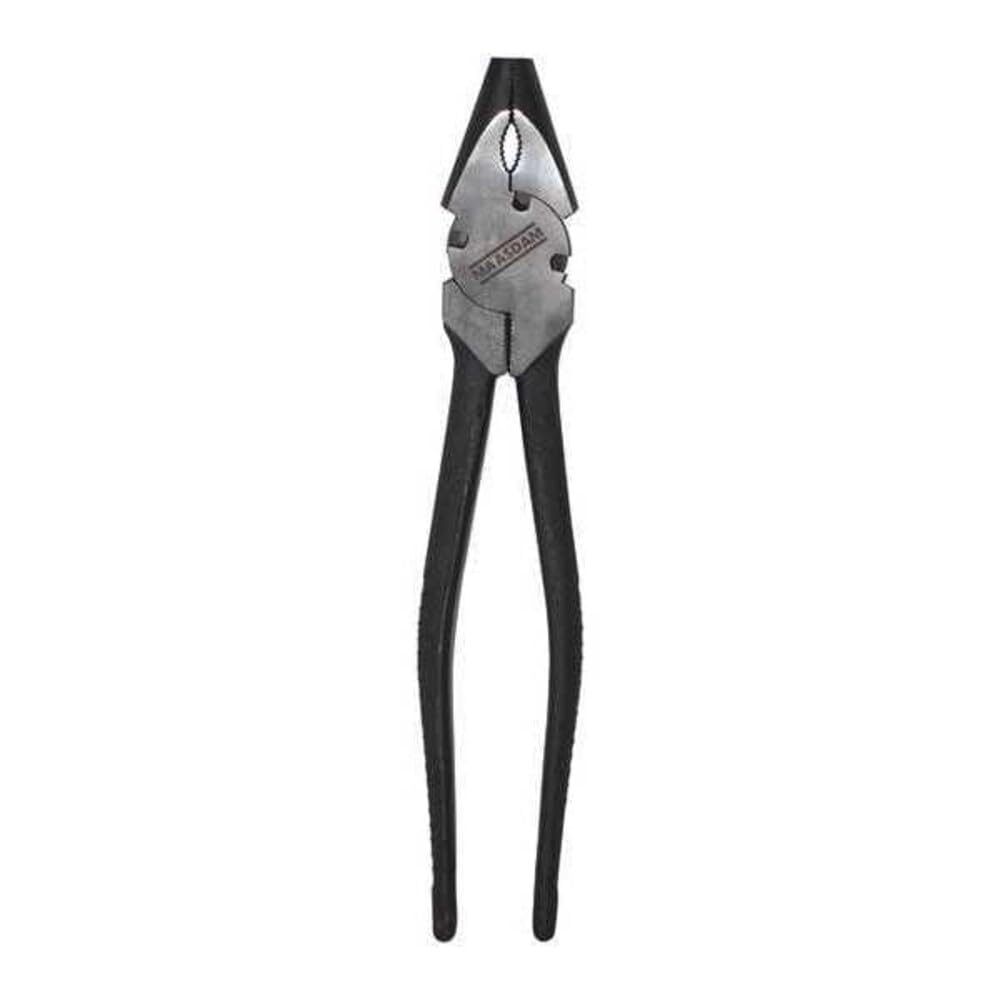
The round-nose specialist that wins over working fencers with its extended reach and smooth, precise action.
If you do delicate work—tying wire, crimping clips, or reaching tight spots—this tool’s extended nose is the standout feature. Owners note “the nose of the pliers work well for tying and crimping wire.” It handles horse fence and chain-link fence, earning consistent “works amazing” feedback.
The 10-inch length and smooth working action make it a “perfect do it all fencing tool” for everyday repair and construction. It’s notable that professional fencers have hunted this model down — one owner who did commercial high-security fencing called it “a must have tool,” having replaced a pair that had been stolen years ago. That kind of repeat buying is a strong signal of trust in the build.
The honest downside is size, not quality. Even its fans admit it’s “a bit too big” for some hands, and the tool functions best for those who don’t mind a longer profile. The Maasdam doesn’t shout about its specs, but the 4.5-star consensus is clear: this is a quality, functional specialist that earns its place in a working kit.
A fencer’s specialist: If your work leans towards tying, crimping, and detail work with wire, the extended round nose is a genuine advantage over bulkier all-rounders.
Check the fit: Several owners mention it runs big in the hand; smaller grips may find it unwieldy.
5. Crescent 10″ Heavy-Duty Solid Joint Fence Tool Pliers
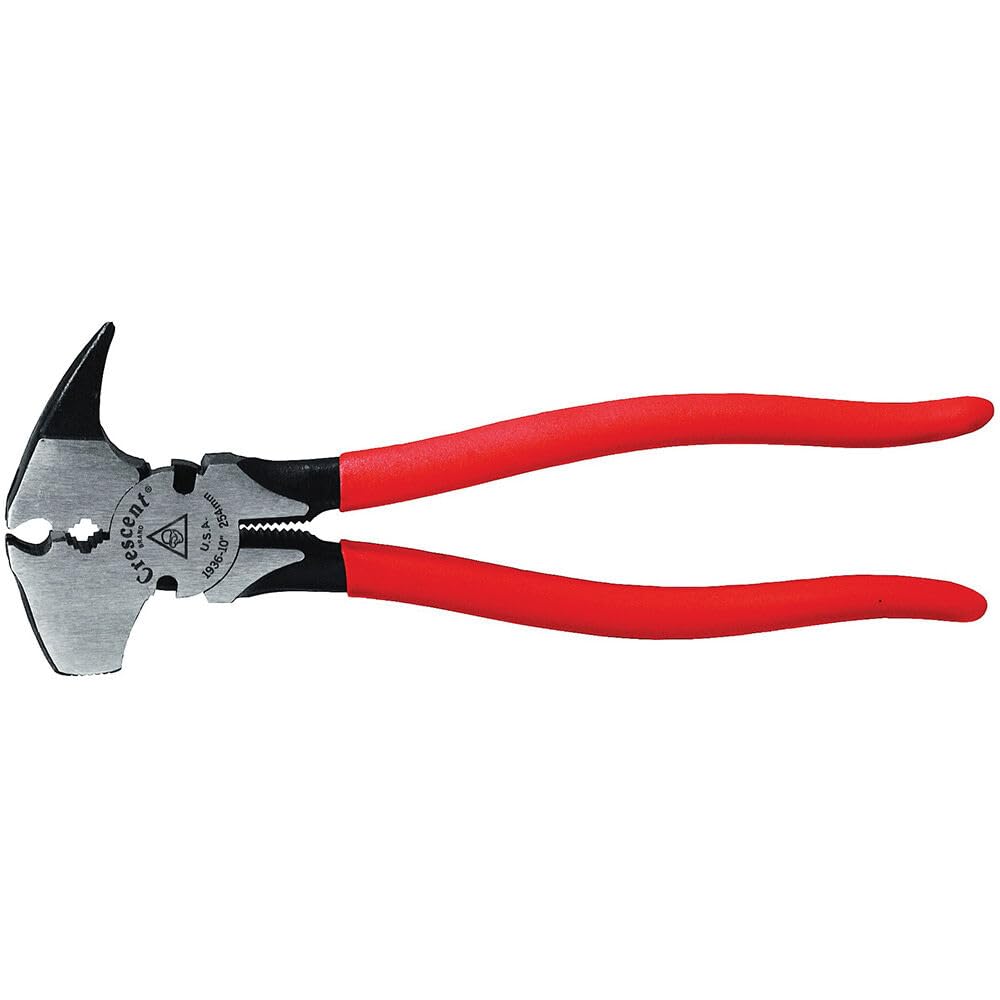
The sharper, 1.8-pound Crescent that slices wire “with almost no effort” and grabs staples on the first try.
Choose this Crescent if the Dipped Handle version’s coating bothers you but you still want the brand’s dependable quality. The headline feature is the electronically induction-hardened wire cutter, and owners say it “cuts wire with almost no effort and stays sharp.” The top jaws are shaped to grab and remove staples, and they do that job very well, per owner feedback.
Forged from alloy tool steel, the 1.8-pound build feels substantial in the hand without being a burden. The corrugated hammer head on the back gives you a solid striking surface for driving staples, and the padded, ergonomic dipped handles reduce hand fatigue during repetitive tasks. It is unambiguously a tool built for professional, all-day use.
The one real limitation is for a niche job: the staple beak doesn’t fit narrower flooring staples, which one owner noted would need some grinding to accommodate. This is a fence tool first and foremost. But if you’re building a fence — the actual job it’s made for — buyers rave that it’s “a must have tool,” and warn against buying a cheaper version that will leave you disappointed.
The Sharp End
- Induction-hardened cutter slices wire with minimal effort
- Corrugated hammer head drives staples with control
- Padded handles cut down hand fatigue
The Narrow Fit
- Staple beak does not fit narrow-width staples without grinding
- Built for fence work, not general purpose staple removal
Grab this for: easy cutting and staple pulling on the fence line, with a grip that keeps you working longer.
Look elsewhere if: you need to pull narrow flooring staples; the beak simply won’t fit them.
6. Channellock Fence-Tool Pliers 85
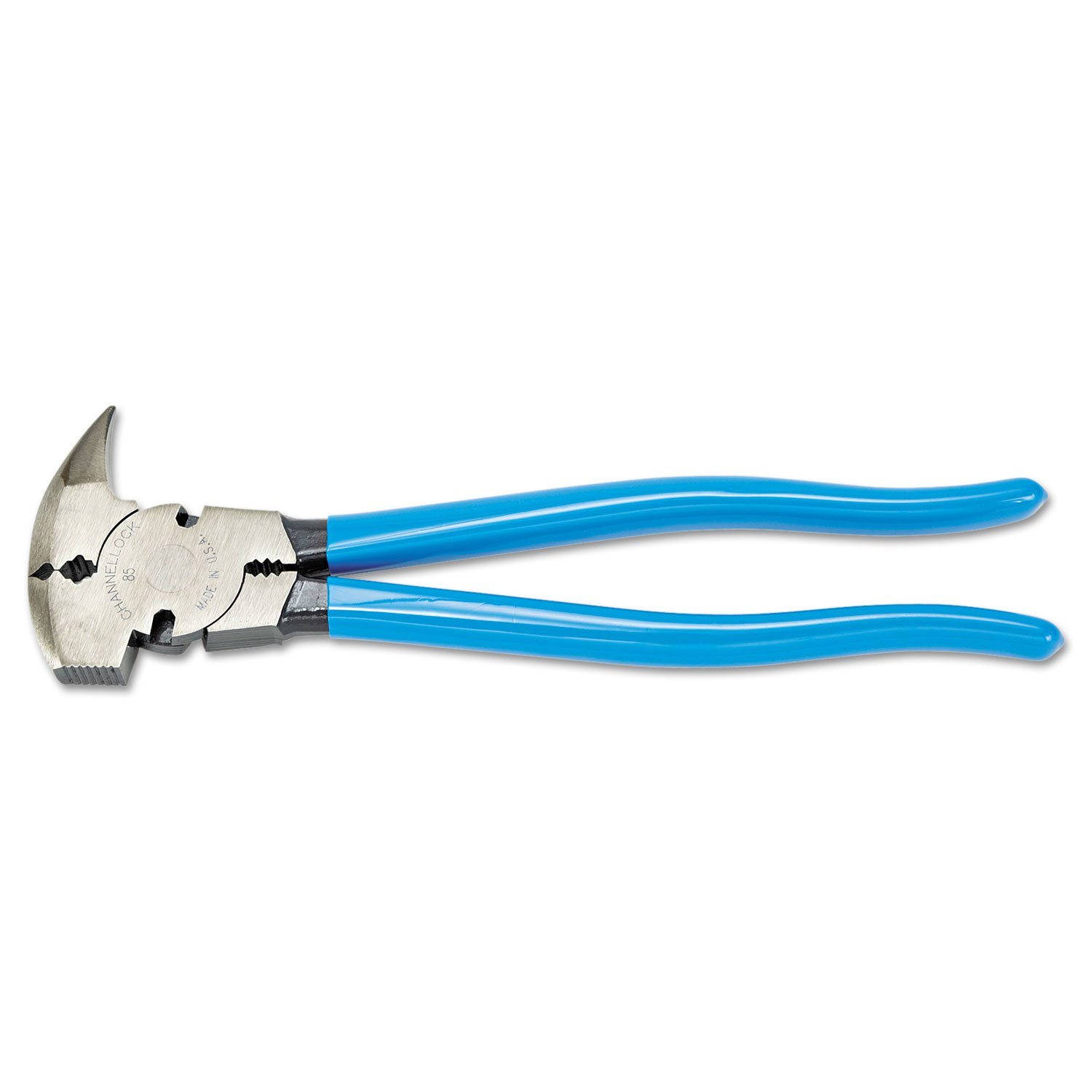
The 4.8-star “best in class” tool that shrugs off a beating and earns the rare family seal of approval.
This is the closest thing to a lifetime guarantee you can hold in your hand. With the highest rating on this list, the Channellock 85 is described by owners as “best in class” and noted for holding up to a beating that would break offshore copies. The 10-inch body and 3/4-inch jaw make it a multipurpose fencing, lineman, and compound plier all at once, designed for electricians and professionals who demand reliability from daily use.
The secret is the steel. Owners who’ve used cheaper offshore versions say the metal isn’t strong enough, but this one “really hold[s] up to a beating.” One memorable testimonial says it earned “rare wife approval”—she reportedly loved hammering nails with it more than any hammer she’s used. At 1.4 pounds, it’s lighter than the TEKTON and Crescent options while still feeling tough.
The plastic dipped handles are a point of personal taste. One owner noted they might eventually scuff and cut from wire twisting, but for now enjoys them. The bigger honest caveat is the price — it’s at the premium end of this list. But as one owner put it, “you get what you pay for,” and with a reputation like this, that’s a solid trade for a tool you’ll likely pass down.
The premium workhorse: This is a buy-once, keep-forever tool for the professional or the serious hobbyist who needs absolute reliability.
The premium cost: You’ll pay more upfront, but the durability is the reason it carries the highest owner rating of the group.
7. Malco FP2 10 in. Fencing Pliers
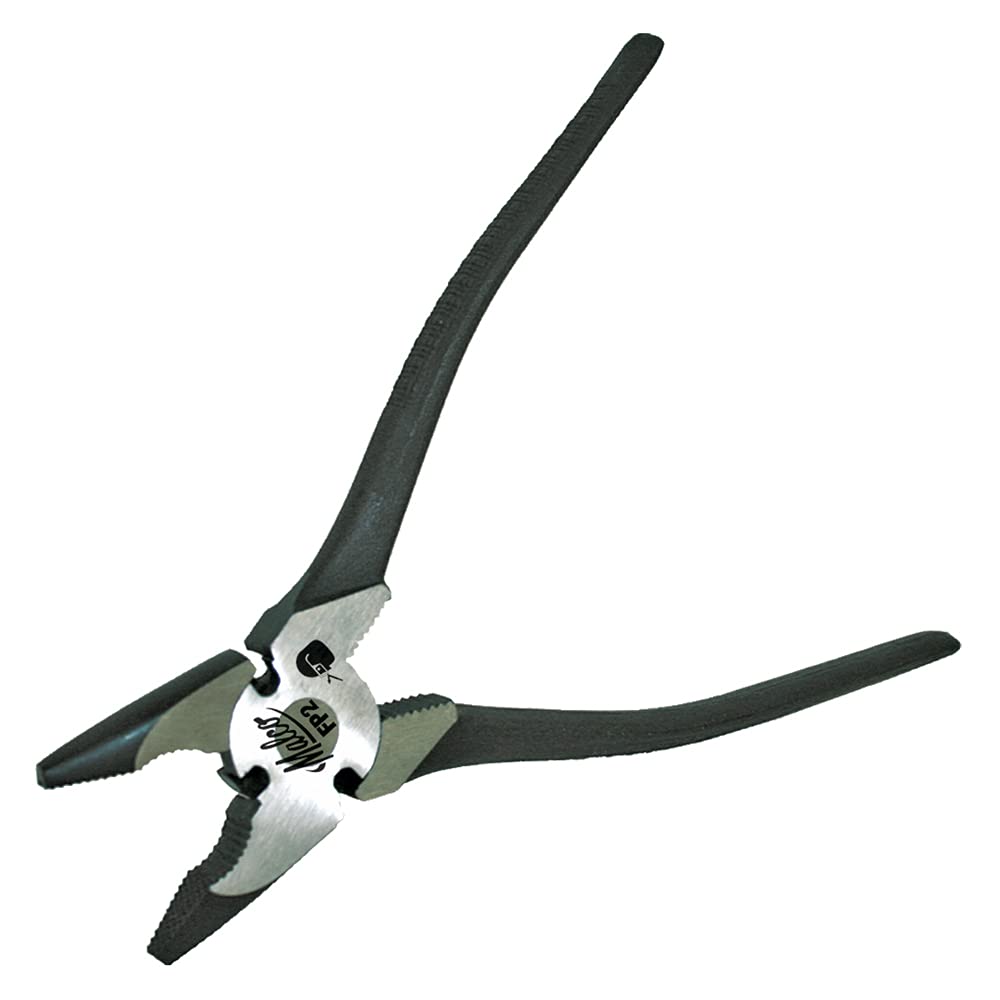
The lightweight 15.2-ounce pick with a zero-wiggle joint that buyers call “perfect for my job.”
If you want a high-leverage tool that doesn’t wear out your arm, the Malco FP2 is the standout. At just 15.2 ounces, it’s the lightest full-size option here, and owners rave about the “incredible joint! No wiggle, Zero!” — proof of the precision of its hardened steel construction. That tight hinge means all your energy goes into the cut, not into fighting a loose tool.
Control is the design focus. The compact rounded nose and three serrated jaw areas give you multiple gripping points for different wire angles, and owners note it “can handle any angle of wire cutting.” Textured handles keep control with gloves or wet hands, and the 10-inch high-leverage length gives you the muscle for tougher wire.
The mixed feedback here is honest: some find the action too stiff at first — it takes a bit to work in the factory grease — and the 9-gauge wire is a tight fit in the cutter. Owners with larger hands find it ideal, while those with smaller grips may find the opening too wide. But the 4.6-star crowd sees through those quirks to a durable, quality tool that’s “worth the money.”
Why It’s Praised
- At 15.2 ounces, it’s the lightest full-size plier here
- Zero-wiggle joint gives precise, efficient cutting
- Three serrated jaw areas handle any cutting angle
The Friction Points
- Needs a break-in period to work past the factory grease
- 9-gauge wire is a tight fit in the cutters
- Opening may be too wide for smaller hands
The featherweight power pick: for fencers who want maximum leverage without the arm fatigue of heavier tools.
skip it if: you have smaller hands — the wide opening is a recurring complaint from those owners.
8. C.K Classic T3866 Fencing Plier

The old-school, 265 mm heavyweight that loyal owners replace with the exact same model three decades later.
Some tools last generations, and the C.K Classic is one. It’s for buyers who want heavy-duty drop-forged steel and the ability to cut the thickest wire. The star spec is cutting capacity—the two strong joint shears slice wire up to 5 mm in diameter, thicker than most residential fence wire, so you can tackle heavier agricultural jobs.
It’s designed for the complete range of fence work: hammering, drawing staples, tensioning, twisting, and splicing wires. The PVC-coated handle delivers comfort and grip for long sessions, and at 265 mm in length it gives you serious leverage. This is the kind of build that inspires the review: a fencer who replaced their old C.K fencing tool “which had been great for 30 years+” and hopes the new one matches. That’s the ultimate loyalty test, and it passed.
The honest trade-offs are weight and price. At 0.65 kg, it’s one of the heavier tools here, and it’s at the premium end of the budget. But for the working farmer or vintage-tool enthusiast who values a proven, sturdy design, the C.K Classic is a strong, reliable companion that doesn’t cut corners.
The generational tool: if you want one pair to possibly outlast you, the forge quality and 5 mm cutting capacity make this a serious contender.
The premium heft: at 0.65 kg and a premium price, this is for the dedicated professional, not the occasional fixer.
Understanding the Specs
Cutting Capacity (AWG and mm)
This tells you the thickest wire the pliers can cleanly slice through. American Wire Gauge (AWG) is common in the US — a lower number means thicker wire, so 8 AWG is much tougher than 18 AWG. European and professional tools often express this in millimeters (mm). The TEKTON’s range of 8-18 AWG covers standard galvanized steel, while the C.K’s 5 mm rating handles heavier agricultural wire. Match the tool’s capacity to the thickest wire on your property.
Drop Forged Steel vs. Standard Steel
Drop forging is a manufacturing process where a heated metal billet is hammered into shape under extreme pressure. This aligns the internal grain structure of the steel, making the tool denser, tougher, and more resistant to shock than metal that is simply cast or stamped. For a tool that will be hammered on and used as a lever, drop-forged construction is the marker of a serious, long-lasting pair of pliers. Brands like Channellock and Crescent emphasize this in their builds.
FAQ
Can these pliers cut barbed wire?
What is the difference between a fencing plier and a lineman’s plier?
How do I maintain and prevent rust on my fencing pliers?
Will these pliers work for pulling out old, rusty staples?
Is a heavier fencing plier always better?
Can I use these pliers to tighten and splice wire?
What is AWG and why does it matter for the cutter?
Are more expensive fencing pliers worth the higher price?
Final Thoughts: The Verdict
Across the board, the winner is the TEKTON 10-1/2 Inch Fencing Pliers because it combines heavy-duty build quality, a smart leverage-boosting cutter design, and the most-praised owner satisfaction in the group. If you want a pro-level tool that slices barbed wire with ease and has a grip that reduces strain, grab the Crescent Dipped Handle. And for the professional who values absolute durability above all, the Channellock 85 is the premium pick that owners call best in class.
How We Picked
We do not accept paid placement. Every pick is matched to a real buyer and a real use-case; we do not hands-on test units.
Sources & Methodology
Specifications: manufacturer listings and product documentation. Review insights: verified customer reviews, as of August 2026. Pricing: not shown on this page (it changes often); check the current price via the retailer link.
As an Amazon Associate, WellFizz earns from qualifying purchases. This does not affect which products we feature.
Related Guides

Mo Maruf
I created WellFizz to bridge the gap between vague wellness advice and actionable solutions. My mission is simple: to decode the research and give you practical tools you can actually use.
Beyond the data, I am a passionate traveler. I believe that stepping away from the screen to explore new environments is essential for mental clarity and physical vitality.