Our readers keep the lights on and my smoothie glass nicely filled. As an Amazon Associate, I earn from qualifying purchases.
Specs are compiled from manufacturer listings and verified buyer reviews and can change over time — please confirm the key details on the product page before buying.
A couch cover must withstand daily sitting, spills, and pets to be worth the money. Fabric that pills, fades, or frays within a season is a poor investment. This guide details durable materials, weaves, and weights to ensure your project lasts for years.
I’m Mohammad Maruf — the founder and writer behind WellFizz. This guide is built by comparing the manufacturers’ published specifications and the patterns across verified customer reviews, so you get each pick’s real strengths and trade-offs instead of marketing spin.
We’ve ranked top fabrics by durability, feel, and sewing ease to help you choose. This is your honest look at the best fabric for couch cover choices that actually stand up to real life.
Our Picks at a Glance

How To Choose The Best Fabric For Couch Cover
The ideal couch cover fabric balances feel, durability, and ease of sewing. A plush fabric without durability will fail under daily use, such as a dropped remote or a jumping dog. Assess the room’s usage and traffic to determine the fabric’s required toughness.
Match the Fiber to the Job
Polyester is the backbone of this category because it resists stains, holds color, and handles daily friction well. If you have kids or pets and worry about spills, look for a fabric described as water-resistant or waterproof — that is a clear signal it is built for messes. For a formal living room where the couch is more for show, a softer, napped fabric like velvet or suede gives you that rich, luxurious look without needing to be indestructible.
Decode the Weight and Weave
A heavier fabric generally means more durability, but it can also mean it is stiff and harder to sew or staple around curved arms. A fabric that is too thin might look great but won’t hide the lumps and bumps of your old cushions. Consider the weave: a plain, tight weave will resist fraying and is easier for a home sewer to manage than a delicate, slippery one. If you are covering a high-traffic sofa, prioritize weight and weave over a soft hand-feel.
Think About the “Hand” and Maintenance
Run your hand across the sample in your mind. Do you want a cool, smooth touch, or a velvety nap? This is called the “hand” of the fabric, and it drives how the final couch feels. Check the care instructions too. A cover you can spot-clean is a lifesaver for daily life, and a machine-washable option is even better for removable covers. Match the fabric to your household’s wear patterns and your sewing experience, not just the photo.
Quick Comparison
| Model | Best For | Material | Width | Care | Amazon |
|---|---|---|---|---|---|
| TinaKim Linen Type★ Best Overall | All-purpose upholstery | 100% Polyester | 58″ | Machine Wash | Amazon |
| Suede Velvet Horse BellyStyle Pick | Cowhide looks, soft feel | 100% Polyester | 54″ | Spot Clean | Amazon |
| K-Musculo 600DTough Pick | Indoor/outdoor toughness | 600D Polyester | 58″ | Spot Clean | Amazon |
| Picheng Faux Leather | Refurbishing worn spots | Faux Leather | 54″ | Spot Clean | Amazon |
| TAOHULIN PU Leather | Leather-look repairs | PU Faux Leather | 54″ | Spot Clean | Amazon |
| Mybecca Microsuede | Luxury feel, light upholstery | 100% Polyester | 58″ | Machine Washable | Amazon |
| Sewdudely Corduroy | Soft, stretchy slipcovers | Corduroy | 60″ | Machine Wash | Amazon |
| TinaKim Velvet | Luxurious statement pieces | 100% Polyester | 58″ | Machine Wash | Amazon |
In‑Depth Reviews
1. TinaKim Couch Upholstery Fabric
Our pick — over 4.5★ from 700+ verified ratings; the strongest balance of quality and price.
The crowd-favorite workhorse that takes a beating and still looks like the day you stapled it.
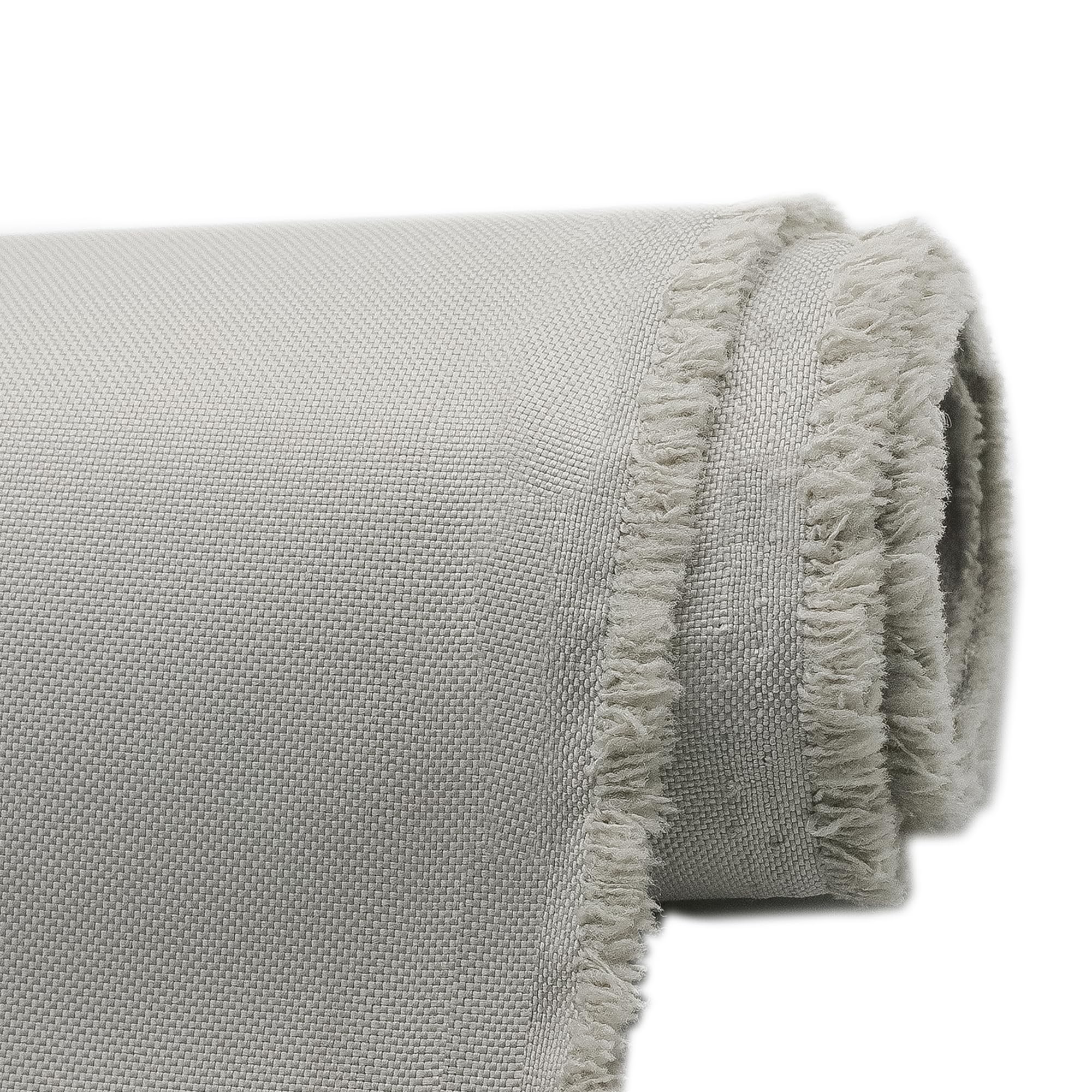
This linen-look fabric is the top pick because it nails the hardest part of any couch cover project: durability without a stiff, plastic-y feel. It is a 100% polyester weave with a slub texture, meaning it mimics the casual look of linen while giving you the stain and wear resistance of a synthetic. At 1.8 pounds for a 2-yard cut (57 x 72 inches), it has real substance, which is why buyers describe it as “very thick and heavy duty” and “factory-quality.”
What wins people over is the sheer versatility. It is sold for upholstery, chairs, tablecloths, pillows, and seat covers, so the same bolt can handle a dining chair refresh and a full sofa project. The reviews back this up: fabric quality is the top praise by a wide margin, followed by durability and color accuracy. Someone even reupholstered a 20-year-old Steelcase chair and reported it still “holds up like new” after six months of daily use — the kind of real-world proof that separates this from thinner options.
The machine-washable care instruction is a huge practical win, too. If you are making a removable cover, you can toss it in the washer without a second thought. The feel is soft to the touch rather than scratchy, which is rare for a fabric this sturdy. It is the safest, most proven choice for a first-time upholsterer who wants results that look professional.
Why it leads the list
- Thick, heavy-duty 100% polyester that hides lumps and wears well
- Machine washable for easy maintenance
- Soft texture with a convincing linen look
Consider this first
- Some buyers noted the color can run a bit duller than the photo
- Wish-it-was-thicker comments appear, though most find the weight perfect
Reach for this if: you want one reliable fabric that works for chairs, sofas, and repairs without guessing.
Keep in mind: color accuracy is the only real caveat; order a swatch if the exact shade is critical.
2. Suede Velvet Horse Belly Print Fabric
A suede-soft polyester that fools the eye into seeing real cowhide on your couch.
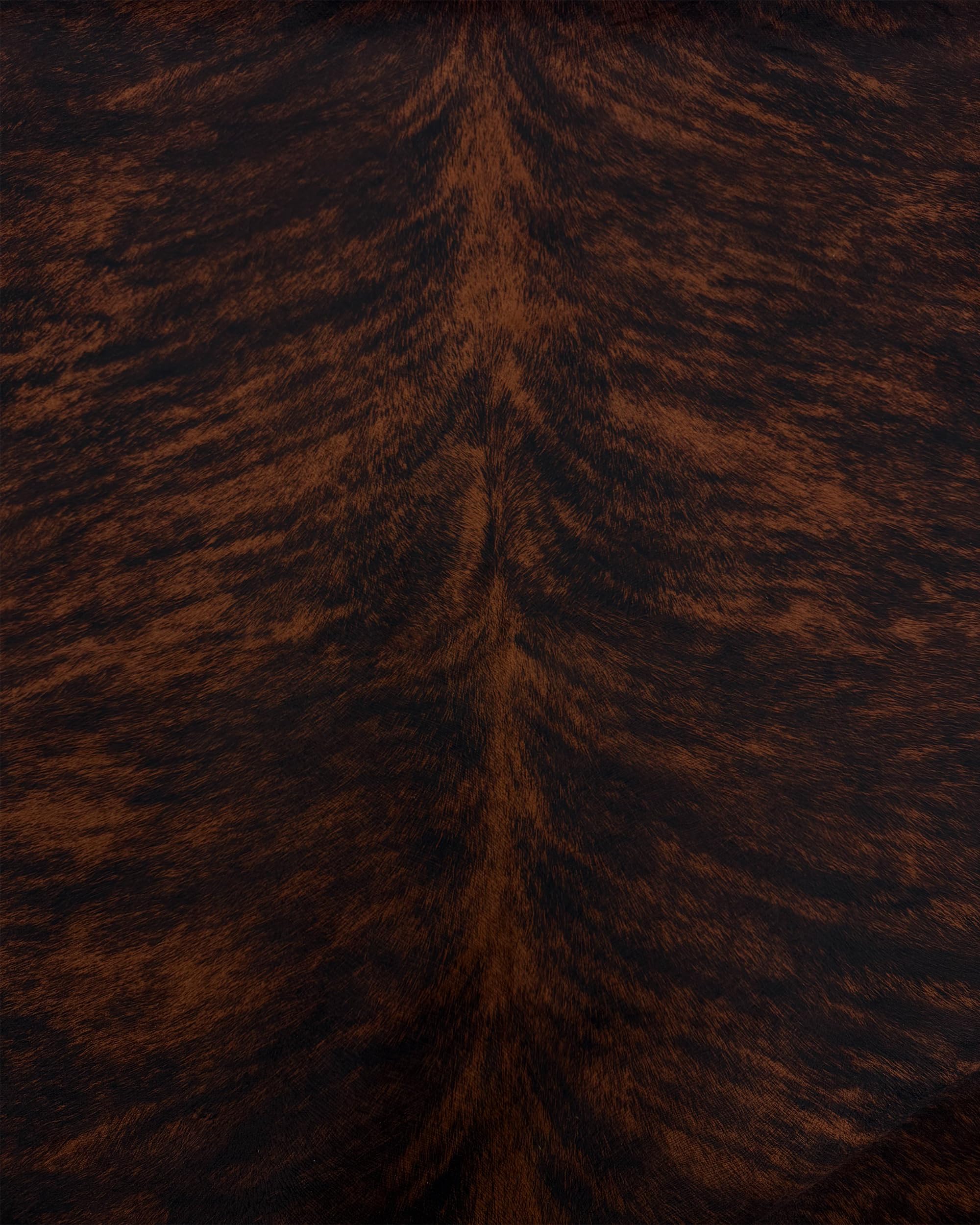
Want a Western statement couch without the cost or upkeep of genuine leather? This fabric delivers that look. It is a 100% polyester suede (a soft, napped material) with a horse belly print, and buyers consistently say it has a “real cowhide appearance” that is “not flimsy.” At 54 inches wide and 0.6mm thick, it drapes over curves easily yet holds its shape during upholstery, so your cover stays put on armrests and corners.
The defining trait here is softness — it is described as feeling just like suede, with a gentle, napped surface that makes a couch inviting to touch. It weighs 1 pound per yard, which gives it a substantial feel without being hard to manage. Beyond couches, it is positioned for jackets, bags, chair covers, pillow covers, and wall panels, so a single yard can do a lot of different projects.
The one trade-off to know: care is spot clean only. This is not a fabric for high-mess households or removable covers that need the washing machine. But for a showpiece couch in a living room or a vintage bench restoration, the look is worth it. Buyers praise it for being “easy to work with” and note the pattern is cleaner than more popular alternatives on the market.
Who it suits: Anyone doing a restoration project where the visual payoff matters more than spill-proof practicality.
The honest limit: Spot-clean care means it is not the pick for kids and pets.
3. K-Musculo 600D Upholstery Fabric
The outdoor-grade canvas that shrugs off rain, scratches, and the family dog.
This is the fabric to grab when your couch lives a rough life. It is a 600D polyester, a material weight famous in the bag and awning world for strength, and the seller makes sure you know it: water-resistant, rainproof, and scratch-resistant. That translates to a cover that sheds spills instead of soaking them in, and resists the wear of daily use far better than a soft fashion fabric.
The non-stretch quality is a genuine advantage for upholstery. It means the fabric stays put when you pull it tight over a cushion, giving a stable, wrinkle-free base that is easy to staple. Buyers love that “there is no fraying with canvas” — this is a fabric that cuts clean and sews without unraveling at the edges, saving you time and frustration. A standard home sewing machine handles it with ease, even an older one.
Compared to the softer picks above, this one is stiffer and more utilitarian. The mixed reviews on stiffness and thickness are note — it is not a plush, sink-into-it material. But for a porch swing cushion, a lawn chair repair, or a couch in a workshop, that toughness is exactly what you want. It wipes clean easily, so maintenance is just a quick wipe-down after a spill.
The case for it
- Water-resistant and scratch-resistant for high-traffic spots
- No fraying makes sewing and cutting much easier
- Holds shape with zero stretch for a clean, tight fit
The trade-off
- Stiffer feel than soft velvets or linens
- Thickness is moderate, not heavy duty
Pick this for: covered porches, patios, or any couch that faces spills and scratches.
Look elsewhere if: you want a plush, luxurious hand-feel for a formal living room.
4. Picheng Soft Skin Grain Faux Leather
A soft-touch faux leather that brings the look of a leather couch at a fraction of the price.
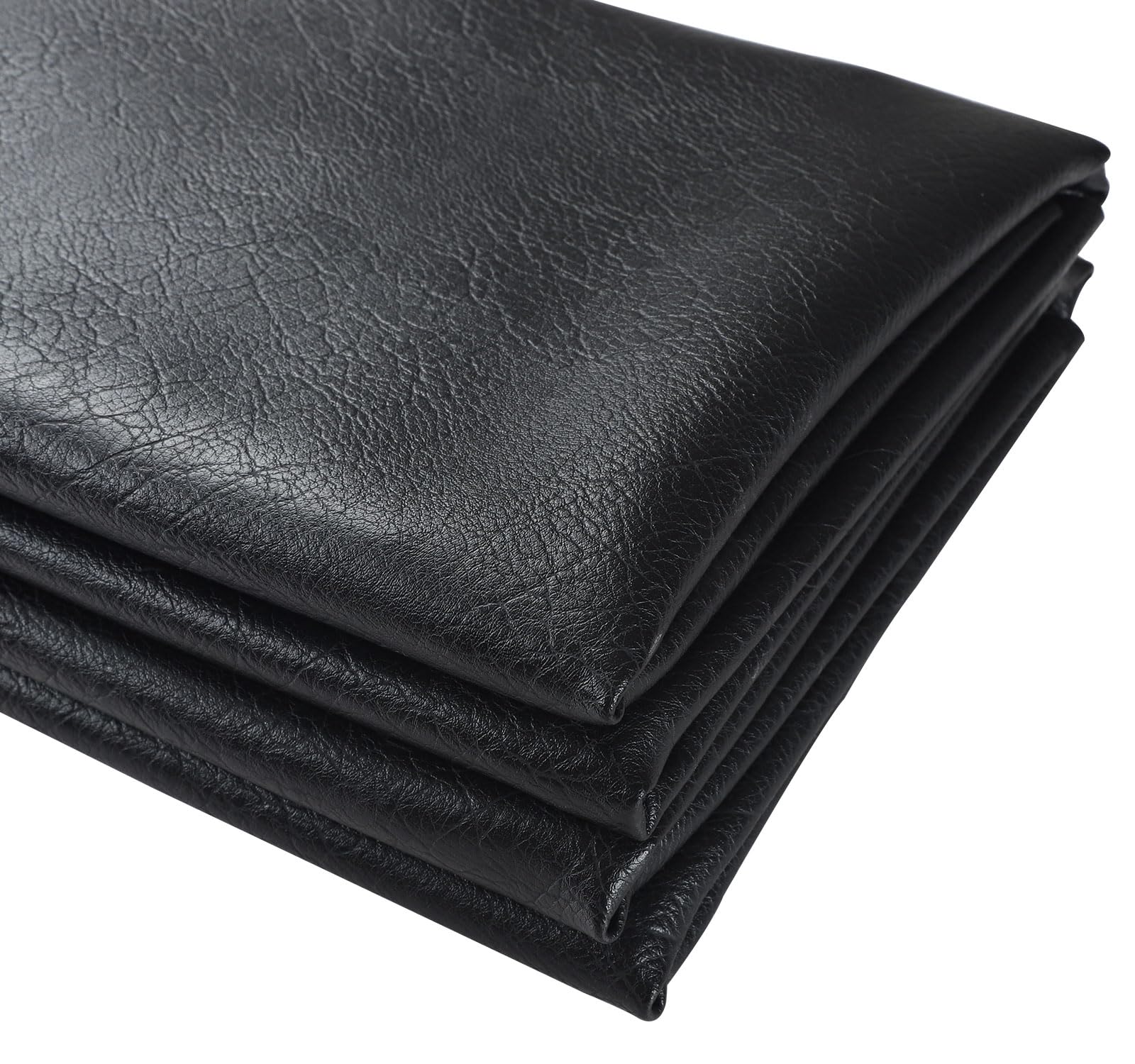
This is the answer for fixing a worn, peeling leather couch without buying a new one. It is a soft skin-grain faux leather with a cotton backing, which gives it the pliable, smooth feel of real leather while being much easier to work with. At 54 x 36 inches and 1.1mm thick, it is substantial enough to recover a chair, barstool, or cushion and hide the flaws underneath.
The material quality earns the most praise here. Buyers describe it as looking and feeling like real leather, with a beautiful retro grain that adds character. It is waterproof, which makes it practical for everyday use, and the cotton backing means it sews and staples cleanly without tearing at the edges. Projects like reupholstering barstools come out “looking really great” with minimal effort.
The honest caveat is packaging: because it ships folded, you may see crease and wrinkle marks that need time to relax. The seller advises laying it flat, pulling it tight, or ironing the back to reduce them, and most buyers find the marks fade or disappear with a little patience. Decide if you are up for that small prep step — if you are, the result is a couch or chair that looks genuinely upscale.
Best for: refurbishing old sofas, faded car seats, or a tired leather armchair.
Before you buy: budget a little time to let the fold creases relax out of the fabric.
5. TAOHULIN PU Leather Fabric

The budget-friendly leather-look fabric that saved one buyer a thousand-dollar couch.
If you have a faux leather couch whose back is peeling, this fabric is your inexpensive rescue plan. It is a PU (polyurethane) leather, which the seller notes is softer, more durable, and more breathable than PVC vinyl. At 0.8mm thick, it is slightly lighter than the Picheng option above, but still substantial enough for sofa, chair, and headboard upholstery. The grain mimics litchi veins for a textured, comfortable hand feel.
The standout story here is a buyer with a peeling leather couch who used this to recover the back and “saved thousands” by not buying new furniture. That kind of result comes from the material’s ease of use — it cuts, staples, and wraps around corners without much fuss. The appearance earns strong praise, with owners noting it looks good on reupholstered stools and chairs.
There is a practical learning curve with leather-look fabrics at this level. Folding it around corners can take some effort, and you will want a good staple gun to punch through multiple layers at the folds. A few buyers mention the shade can run slightly lighter than the photo. For the price, it is a great value for saving a tired couch, just not for a perfect, showroom-quality finish.
What it delivers
- Genuine leather look for a fraction of the cost
- Softer and more flexible than PVC alternatives
- Breathable material good for high-wear spots
What to expect
- Corner folds need patience and a strong staple gun
- Color can be slightly lighter than the listing photo
Grab it for: a budget rescue of peeling leather furniture or commercial upholstery projects.
skip it if: you demand exact color matching or a perfectly flat, wrinkle-free surface.
6. Mybecca Microsuede Fabric

The buttery-soft poly suede that mimics Alcantara for a fraction of the price.
Microsuede is the fabric that gives you the feel of genuine suede leather with none of the drawbacks, and this 100% polyester version is one of the best-priced ways to get it. It is 58 inches wide and sold per yard, with a twill weave and a sueded, brushed hand that feels genuinely luxurious. The napped surface looks and feels like real suede, which is why buyers use it for car interiors and home decor alike.
The material quality is the most-praised aspect by a wide margin, and the versatility is remarkable. It is positioned for apparel like jackets and skirts, but also for duvet covers, pillows, window treatments, and light upholstery. One buyer wrapped the interior trim of a BMW with it, using spray adhesive, and reported it stuck very well and looked great. It is wear-resistant, pet-friendly, and stain-proof, which makes it a practical luxury for a couch that gets used.
The catch with microsuede is fraying and stretch. The reviews note it can fray at the cut edges, so finishing your seams is essential, and the stretch is almost zero in one direction but about 5% in the other, which can make wrapping tight contours tricky. It is also machine-washable, but you must use cold water and line dry to keep its shape. For a light upholstery project or throw pillows, this is a gorgeous, affordable upgrade.
Choose it for: a soft, suede-like feel in lighter upholstery or auto trim projects.
Plan for: edge finishing to manage fraying and careful seam allowance for the slight stretch.
7. Sewdudely Corduroy Fabric
A soft, stretchy corduroy that drapes beautifully for slipcovers, not heavy upholstery.
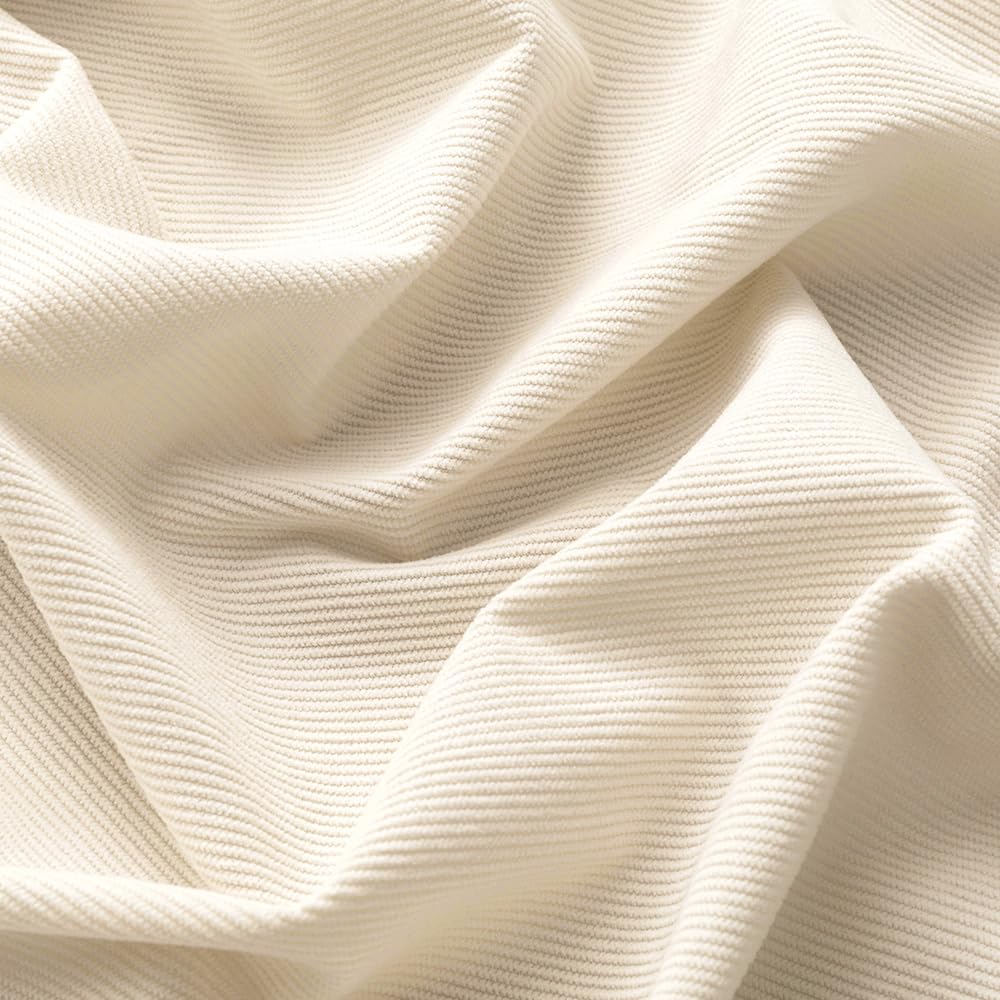
Corduroy brings a warm, retro charm to a couch, and this version does it with a fine 16-wale ribbed texture that feels velvety soft. It is 60 inches wide, giving you generous coverage for sofa slipcovers and pillow covers. The defining feature is the 10% stretch across the grain, which makes it forgiving to sew and easy to fit over cushions — a clear advantage over stiff upholstery materials.
The color and weight are the bright spots here. Buyers love the accurate color and note the fabric has a nice drape, meaning it hangs and falls smoothly rather than standing stiff. It is lightweight and structured, cuts cleanly with standard scissors, and feeds well through most sewing machines. The corduroy resists excessive fraying and is machine washable on a gentle cycle, which is practical for removable covers.
The honest fit note is that this is not true heavyweight upholstery corduroy. The thickness attracts criticism — many find it too thin for covering a worn sofa and better suited to clothing or quilting projects. Some buyers question whether it is genuine corduroy because it lacks the ribbed weight they expected. If you want a soft, drapey slipcover for a couch in good shape, this works. For hiding a beat-up frame, you need something with more heft, like the TinaKim linen pick.
Why it appeals
- 10% stretch makes fitting and sewing much easier
- Soft, velvety 16-wale texture with a retro look
- Machine washable and resists fraying
Set expectations
- Thinner than traditional upholstery corduroy
- Not the right choice for hiding a worn-out sofa frame
Best used for: stylish slipcovers, pillow covers, and apparel rather than hard-wearing upholstery.
Choose something else if: you need a thick fabric to mask lumps and smooth over damage.
8. TinaKim Soft Velvet Fabric

A smooth, no-shed velvet that made kitchen chairs look better than the factory originals.
Velvet is the fastest way to make a couch look expensive, and this 100% polyester version delivers that look without the high maintenance of silk or the cost of high-end blends. It is a medium-weight velvet, 57 inches wide, with a smooth finish and a natural light drape. The no-stretch quality is a real advantage for upholstery because it stays smooth and taut once you staple it down, with no bagging or sagging over time.
Buyers praise the quality most, calling it “substantial,” “soft,” and “high-end.” One reviewer DIY-ed kitchen chairs that came out “better than the original manufacture product,” and another reupholstered a rocking chair over 100 years old with lovely results. It does not shed at all—a common fear with velvet—so you won’t find fuzz on your clothes after a long sit.
The one thing to watch is color. There are consistent notes that the shade can run lighter than the product photos, so if you are matching an exact tone, expect some variation. It is machine washable and dryable, which is a practical bonus for covers you might want to refresh. For a statement couch, a headboard, or statement pillows, this velvet gives you the plush, luxurious feel of a designer piece.
What stands out
- Plush, luxurious look with a soft touch
- No shedding and machine washable for easy care
- No-stretch weave holds a crisp, tailored shape
Check before ordering
- Color runs lighter than the listing photos for some buyers
- Medium weight means it is not for extreme heavy-duty wear
Choose this for: a luxurious, high-impact makeover of chairs, sofas, or headboards.
Order a sample if: matching a specific shade is essential, since the color can differ from the photo.
Understanding the Specs
Fiber Content
The material makeup of the fabric determines its personality. 100% polyester is the workhorse of this category because it resists stains, holds color, and handles friction well — it is the safe default. Faux leather and PU leather offer a different aesthetic — a smooth, wipe-clean surface that mimics leather — but they are less breathable and can feel stiff. The choice is about your priority: polyester for toughness and easy care, leather-look for a specific visual style.
Fabric Weight and Thickness
This is your best predictor of durability. A heavier fabric, like the TinaKim linen at 1.8 pounds, will hide lumps, resist wear, and last longer. A thinner one, like the corduroy option, drapes nicely but may tear or show wear faster. For a couch that gets daily use, err on the side of heavier. The trade-off is that heavy fabric is harder to sew and staple, so weigh your project’s demands against your skill level. The suede velvet at 0.6mm and the Picheng leather at 1.1mm give you concrete reference points for thickness.
FAQ
Is 100% polyester fabric good for a couch cover?
What is the difference between a fabric that is water-resistant and one that is waterproof?
How much fabric do I need to cover a standard three-seat couch?
Can I machine wash any upholstery fabric?
What does “fraying” mean and why should I care about it?
Which fabric type is best if I have pets?
What does “no stretch” fabric mean for my upholstery project?
How do I remove fold creases from faux leather fabric?
What is the difference between faux leather and PU leather?
Which is better for a couch cover, linen or velvet fabric?
Final Thoughts: The Verdict
Across the board, the fabric for couch cover winner is the TinaKim Linen Type because it pairs the durability of a heavy 100% polyester with a soft, attractive texture and machine-washable care. If you want a tough, water-resistant fabric for a porch or high-traffic couch, grab the K-Musculo 600D. And for a luxurious, high-impact makeover that feels plush and looks expensive, the TinaKim Velvet is the one to reach for. The crowd favorite is the linen pick — with over 700 owners behind it and a 4.6-star average, it’s the safest bet for a project you want to get right the first time.
How We Picked
We do not accept paid placement. Every pick is matched to a real buyer and a real use-case; we do not hands-on test units.
Sources & Methodology
Specifications: manufacturer listings and product documentation. Review insights: verified customer reviews, as of August 2026. Pricing: not shown on this page (it changes often); check the current price via the retailer link.
As an Amazon Associate, WellFizz earns from qualifying purchases. This does not affect which products we feature.
Related Guides

Mo Maruf
I created WellFizz to bridge the gap between vague wellness advice and actionable solutions. My mission is simple: to decode the research and give you practical tools you can actually use.
Beyond the data, I am a passionate traveler. I believe that stepping away from the screen to explore new environments is essential for mental clarity and physical vitality.