Our readers keep the lights on and my smoothie glass nicely filled. As an Amazon Associate, I earn from qualifying purchases.
Specs are compiled from manufacturer listings and verified buyer reviews and can change over time — please confirm the key details on the product page before buying.
If you have flat feet, every step you take sends a jolt through your arches, ankles, and knees. A stability shoe with a medial post and firm midsole counters overpronation to keep your ankle and knee aligned during workouts. This guide compares eight stability sneakers for flat feet, highlighting real support, trade-offs, and which to skip.
I’m Mohammad Maruf — the founder and writer behind WellFizz. This guide is built by comparing the manufacturers’ published specifications and the patterns across verified customer reviews, so you get each pick’s real strengths and trade-offs instead of marketing spin.
Flat feet need firm arch support and a stable base to prevent pain during exercise. Here are eight real options with honest pros and cons to find the exercise shoes for flat feet that genuinely deliver comfort and support for your everyday workouts.
Our Picks at a Glance
How To Choose The Best Exercise Shoes For Flat Feet
Flat feet mean your arch collapses and your foot rolls inward when you walk or run—a movement called overpronation. A good stability shoe counters that roll with firmer foam and a wider base, so your ankle and knee stay aligned.
Stability vs. Cushioning: The Core Trade-Off
You want a shoe that is firm enough to support a collapsed arch but plush enough to absorb impact. Pure max-cushion shoes often feel amazing at first but let your foot roll too much. A stability shoe with a medial post (a firmer section on the inner side) gives flat feet the structure they need.
Fit and Toe Box Matter as Much as Support
If your toes are cramped, your arch has no room to function naturally. Look for a wide toe box that lets your toes splay, plus a heel that hugs snugly to stop slipping. Many flat-footed buyers report that a half-size up or a wide width is the difference between a good shoe and a painful one.
Quick Comparison
| Model | Best For | Support Tech | Cushioning | Weight | Amazon |
|---|---|---|---|---|---|
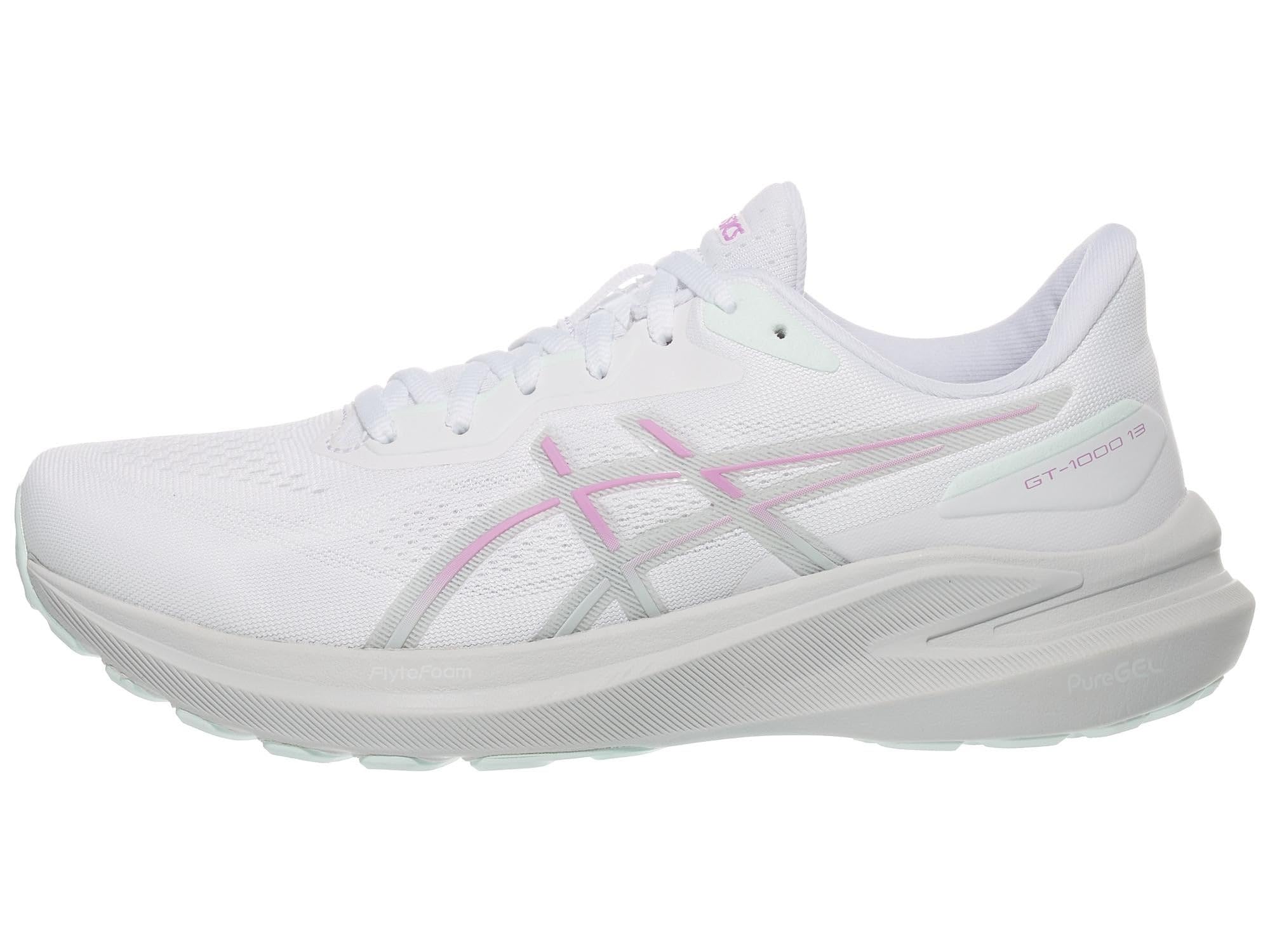
| ASICS GT-1000 13★ Best Overall | All-day comfort and stability | 3D Guidance System | FLYTEFOAM + PureGEL | 1.44 lbs | Amazon |
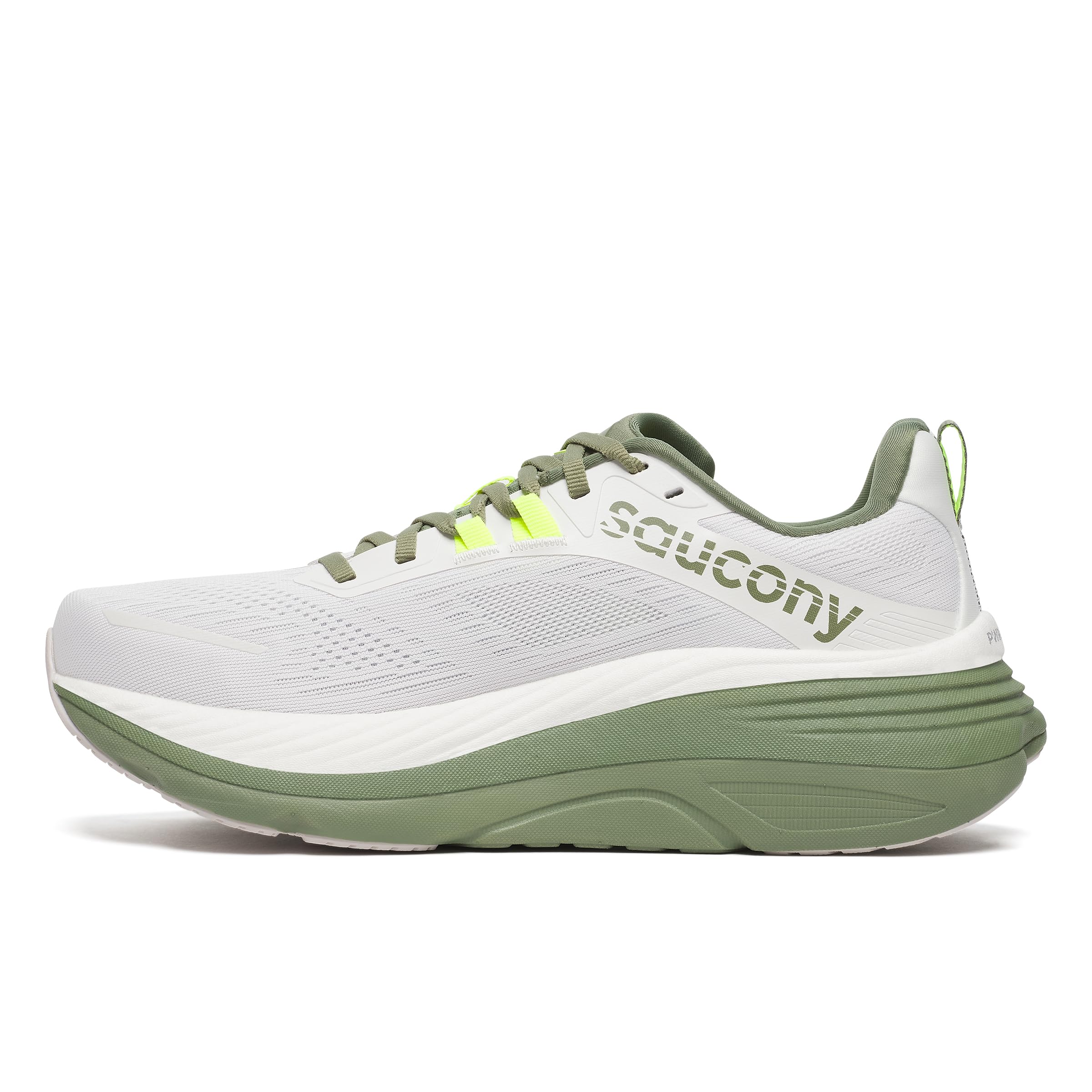
| Saucony Hurricane 24Max Cushion | Max cushioning with stability | CenterPath Technology | PWRRUN PB + PWRRUN | 10.6 oz (302g) | Amazon |
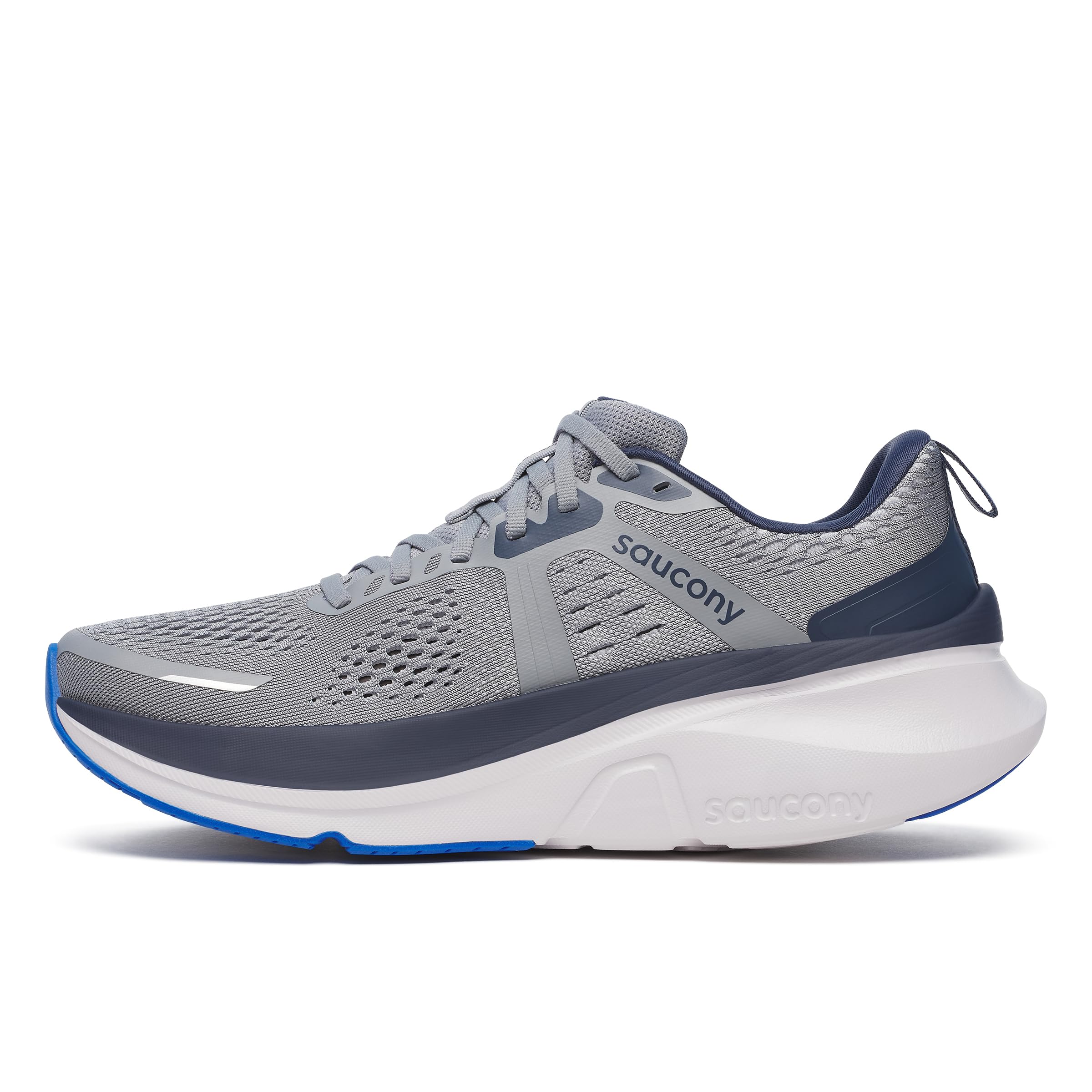
| Saucony Guide 18Supportive Cushion | Supportive everyday trainer | Center Path Technology | PWRRUN | 1.87 lbs | Amazon |
| ASICS Gel-Cumulus 27 | Plush cushioning for neutral runners | PureGEL tech | FF BLAST PLUS | 1.44 lbs | Amazon |
| New Balance Vongo V6 | Wide fit and pillow-soft cushion | Fresh Foam X | Fresh Foam X | 2.1 lbs | Amazon |
| FitVille Rebound NEO V2 | Extra-wide feet and easy slip-on | Arch Support | Rebound foam | — | Amazon |
| New Balance Hierro V9 | Trail grip and adventure terrain | Fresh Foam X dual-density | Fresh Foam X + Vibram | 2.1 lbs | Amazon |
In‑Depth Reviews
1. ASICS Women’s GT-1000 13 Running Shoes
Our pick — over 4.5★ from 850+ verified ratings; the strongest balance of quality and price.
The all-rounder that earned its crown on 12-hour shifts and 8-mile runs alike
This is the shoe that flat-footed owners keep coming back to — many owners mention it as their fifth pair, which says more than any spec sheet could. The 3D GUIDANCE SYSTEM provides a stable, cushioned ride that reduces overpronation. Owners running 6-8 miles three times a week report no blisters, pinching, or heel slip.
The FLYTEFOAM midsole and PureGEL technology work together to absorb shock, which is why people with ankle injuries and surgery recovery find it the only shoe they can wear for long hours. The mesh and synthetic upper adapts to swelling without squeezing your toes. If you have wide feet, the wide 9W fits perfectly with room to spare in the toe box.
Comfort dominates the conversation here — it’s the single most-praised aspect among owners, far ahead of appearance and fit. Customers note it works well for walking, gym workouts, and strength training with no break-in period. A few runners with a toe-strike style note the sole feels thin for their landing; durability is the one question mark.
Why it wins: The most consistent all-around support for flat feet across every activity — work, gym, walking, running.
The trade-off: If you’re a dedicated toe-striking runner, the sole may not have the bounce you want at speed.
Reach for it if: You need one shoe that handles long standing shifts, workouts, and casual runs without a second thought.
Look elsewhere if: Your priority is pure maximal cushioning for fast-paced running rather than everyday versatility.
2. Saucony Men’s Hurricane 24 Sneaker
A max-cushion stability shoe that controls overpronation without feeling like a brick
This shoe pairs plush PWRRUN PB foam with a supportive PWRRUN frame for both cushioning and stability. The dual-cushioning system pairs plush PWRRUN PB foam with a supportive PWRRUN frame, so you get energy return and stability in one stride. At 10.6 oz (302g) with a 6mm offset, it’s built for distance — reviewers point out handling 20-mile runs and daily 2-hour zone 2 sessions in these.
The wider base and higher sidewalls are exactly what overpronators need, controlling both pronation and supination. One buyer walked 100 miles across varied terrain without foot soreness, praising the springy foam. It runs roomy in the forefoot and toe box, though sizing can be tricky — a few owners needed a 10 wide instead of their usual 9.5.
It provides flat-foot support without an intrusive arch bump, keeping your foot stable all day. It’s softer than a neutral NB 1080 but firmer than a Brooks Glycerin GTS, putting it in a balance for all-day wear. The trade-off: it’s heavy and not built for speed work or 5K personal records. Shoppers say fit consistency varies between pairs, with quality control differing across production runs.
The standout: Genuine stability that lets flat-footed runners go long distances without shin or ankle pain.
The catch: Heavier than most rivals, so speed training isn’t its game.
Grab it for: Long runs, recovery days, and daily walking where cushioning and control matter most.
Skip it for: Race-day speed or if you need a consistent fit every single time you order.
3. Saucony Men’s Guide 18 Sneaker
The supportive trainer that solved achy feet for a new job’s 3-to-5-mile daily walks
This is the shoe for collapsed arches and severe overpronation. The Center Path Technology keeps your foot centered and supported with a higher sidewall and a rocker shape that eases toe-off. Owners with a collapsed arch say it finally stopped the overpronation that every other shoe failed to control unless the arch was built up about an inch.
The PWRRUN foam is soft and responsive without being marshmallowy, and the roomy midfoot design accommodates flat, wide feet. Runners over 50 years old who usually swore by racing flats found this their first cushioned trainer that actually works. One buyer walks 3-5 miles daily for work and credits these with solving their achy feet problem entirely.
Comfort is what everyone mentions first — 30-minute runs without heel pain and a feel like walking on bubble wrap. The sole durability is the recurring concern, with one owner disappointed by how fast the tread wore down. Sizing runs slightly large for some, so worth checking before you commit.
The highlight: Exceptional arch support that tames severe overpronation and plantar fasciitis symptoms.
The honest limit: Soles wear faster than some want; not a shoe for heavy mileage per pair.
Choose it if: You have a collapsed arch or overpronate severely and want a cushioned daily trainer.
Pass if: You want a shoe that will survive hundreds of high-mileage training miles.
4. ASICS Women’s Gel-Cumulus 27 Running Shoes
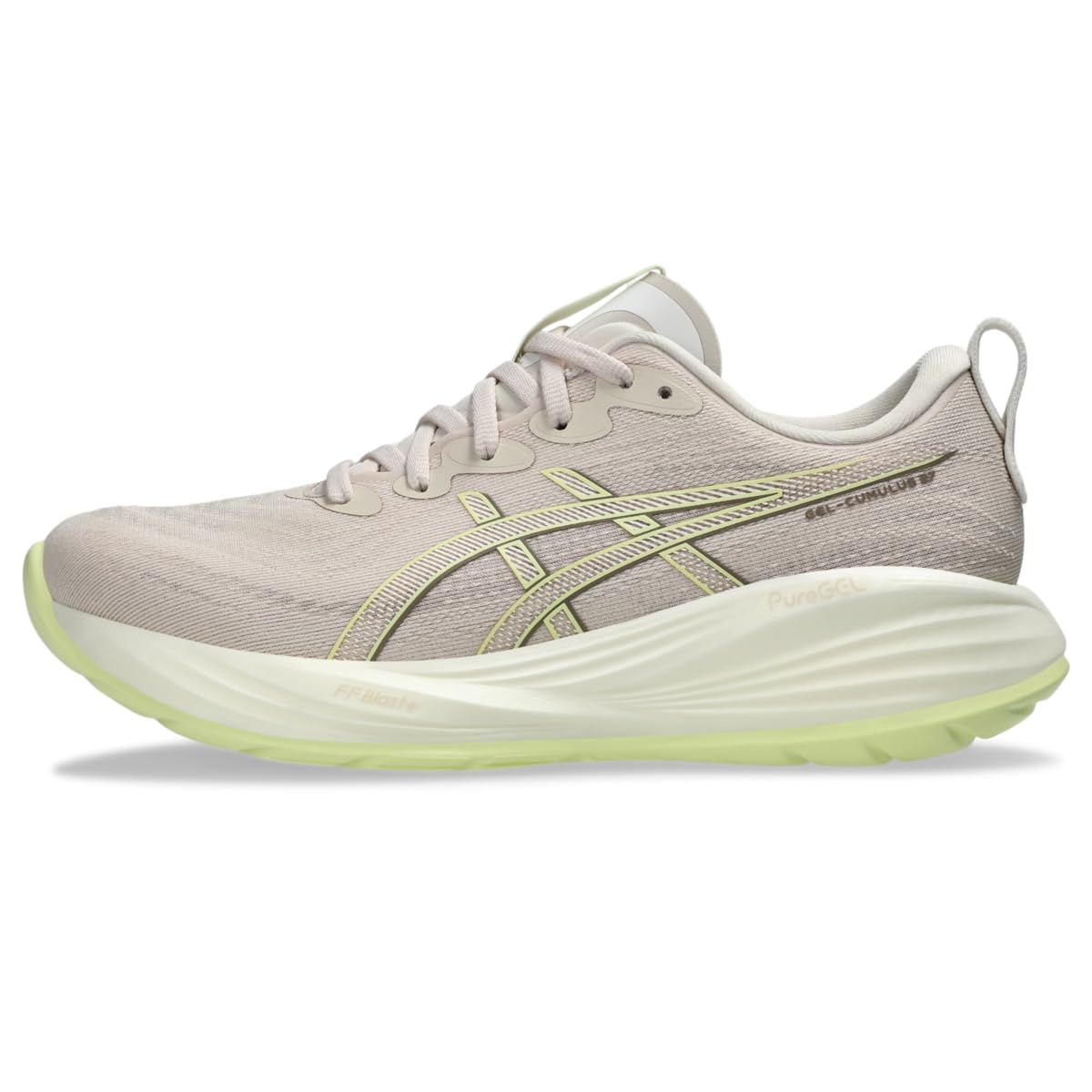
The cloud-like neutral trainer that went straight from the box into a 3-mile run with zero soreness
This is ASICS’ lightest and most padded GEL-CUMULUS ever, and it shows in every stride. The PureGEL technology increases softness and shock absorption to reduce stress on your joints, while FF BLAST PLUS foam and a FLUIDRIDE outsole deliver a smooth, bouncy ride. An overpronator bought them and wore them straight from the start for a 3-mile run with no soreness at all.
Buyers praise the lightweight, bouncy cushioning, breathable upper, and solid pavement grip. It’s a favorite for metatarsalgia sufferers, who report the ball-of-foot elevation relieves pain during yard work and long walks. The fit is true to size, though the toe box runs small, making it better for shorter distances than marathon-length runs.
Comfort is overwhelmingly the most-praised aspect, with quality and cushioning close behind. One reviewer noted significant improvement in back pain. The main gripe, though, is the long unpadded tongue that can jab the top of your foot during long wear — a dealbreaker for 8-hour shifts for some, though most find it a non-issue.
The praise
- Super lightweight and bouncy cushioning
- Breathable upper keeps feet dry
- Relieves metatarsalgia and back pain
The drawbacks
- Small toe box — not great for long runs
- Unpadded tongue can jab the foot
Ideal for: Walkers and short-distance runners who want maximum pillowy comfort underfoot.
Not for: Marathon training or anyone with wide toes who needs a roomy forefoot.
5. New Balance Women’s Fresh Foam X Vongo V6 Running Shoe
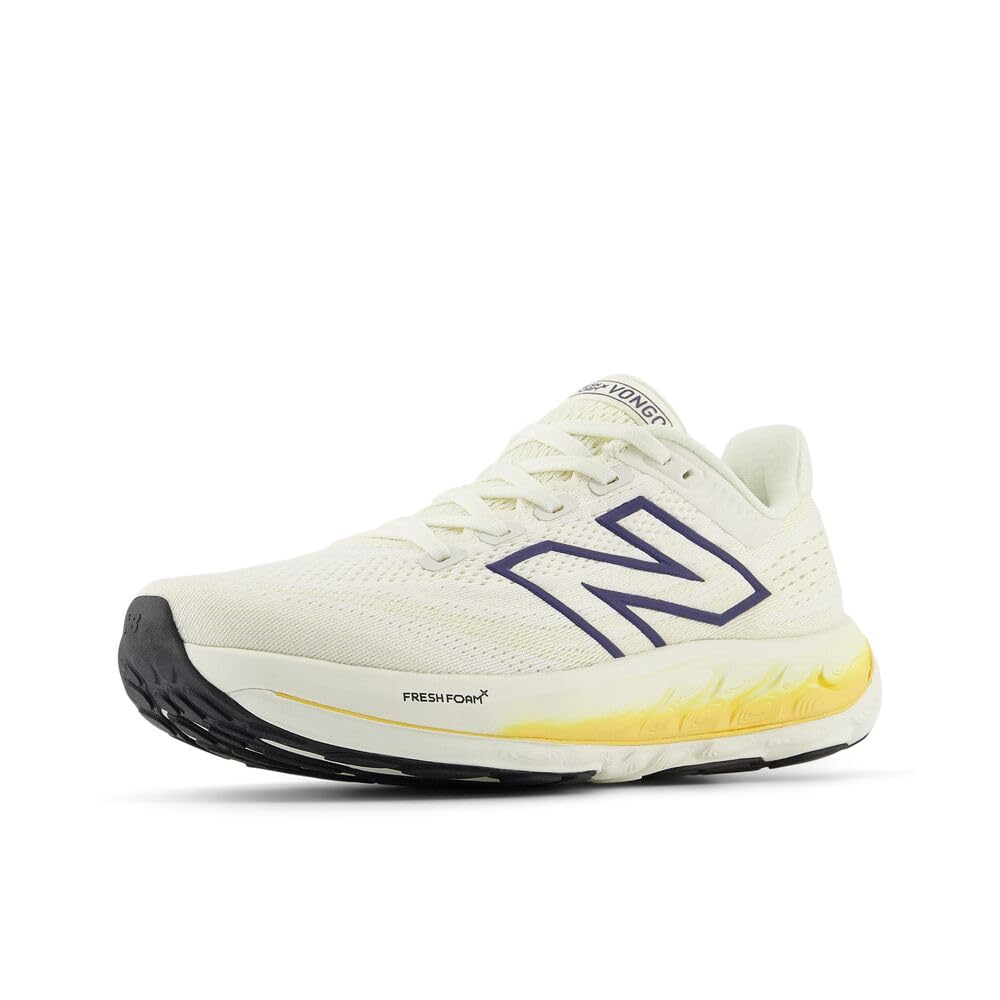
The wide-fit stabilizer that cushioned a 12-hour shift straight from the start
If you overpronate and need serious cushioning, this is the shoe that feels like running on pillows. The firm sole provides plenty of support to prevent overpronation, while the Fresh Foam X midsole stays soft and plush. One buyer wore the wide fit for a 12-hour shift with zero break-in period and no discomfort.
It’s a favorite for lower back pain relief, thanks to the stabilizing platform that keeps your gait aligned. The wide fit runs true and accommodates custom orthotics easily, which is a huge plus for flat-footed owners who need extra help. It’s also machine washable, making it a practical choice for daily wear.
Comfort is the top praise by a wide margin, with arch support and fit close behind. It’s the shoe to grab if you want that pillowy feel without sacrificing stability. Durability is the mixed note — most owners find it holds up well, but a few report the soles coming apart. Fit can also be inconsistent if you’re reordering the same size.
Why it’s loved: Pillow-soft Fresh Foam X cushioning that still supports overpronation and back pain.
The watch-out: Durability varies by pair, so inspect yours early.
Best for: Long shifts, walking, and lighter runs where cushioning and a wide, orthotic-friendly fit matter.
Caution if: You need a truly firm stability post or you log heavy weekly mileage and need guaranteed durability.
6. FitVille Extra Wide Walking Shoes Men’s Rebound NEO V2

The slip-on wide fit that handled 2.5 miles on day one with no blisters
For men with extra-wide feet and fallen arches, this shoe is a revelation. The wide toe box is ideal, and you can just slip them on without tying — no laces to fight with. A size 10.5W buyer walked 2.5 miles on day one with no blisters and no break-in period at all.
The arch support is strong enough that people who normally need a hard orthopedic insert found they didn’t need it here. The balanced sole provides a stable platform, and buyers report little pain from bunions, noting relief after a 2-mile walk. The fit is described as “spot on” for wide feet, with a roomy toe box that accommodates normal socks.
Fit is the most-praised aspect, with comfort and quality close behind. Buyers compare them favorably to pairs costing over, saying these outperform them in shape retention and style. The honest catch: durability gets mixed reviews, with one owner finding the heel foam worn out and the insole flat after 3.5 months. Sizing also runs large, so you may need to size down.
What owners love
- No break-in — 2.5 miles on day one, no blisters
- Wide toe box ideal for extra-wide feet
- Strong arch support replaces hard inserts
What to know
- Durability is mixed — foam can wear after months
- Runs large, so consider sizing down
Grab them if: You have extra-wide or flat feet and want a slip-on shoe that works immediately from the start.
Skip if: You need a pair to survive years of heavy daily training — durability is the weak spot.
7. New Balance Women’s Fresh Foam X Hierro V9
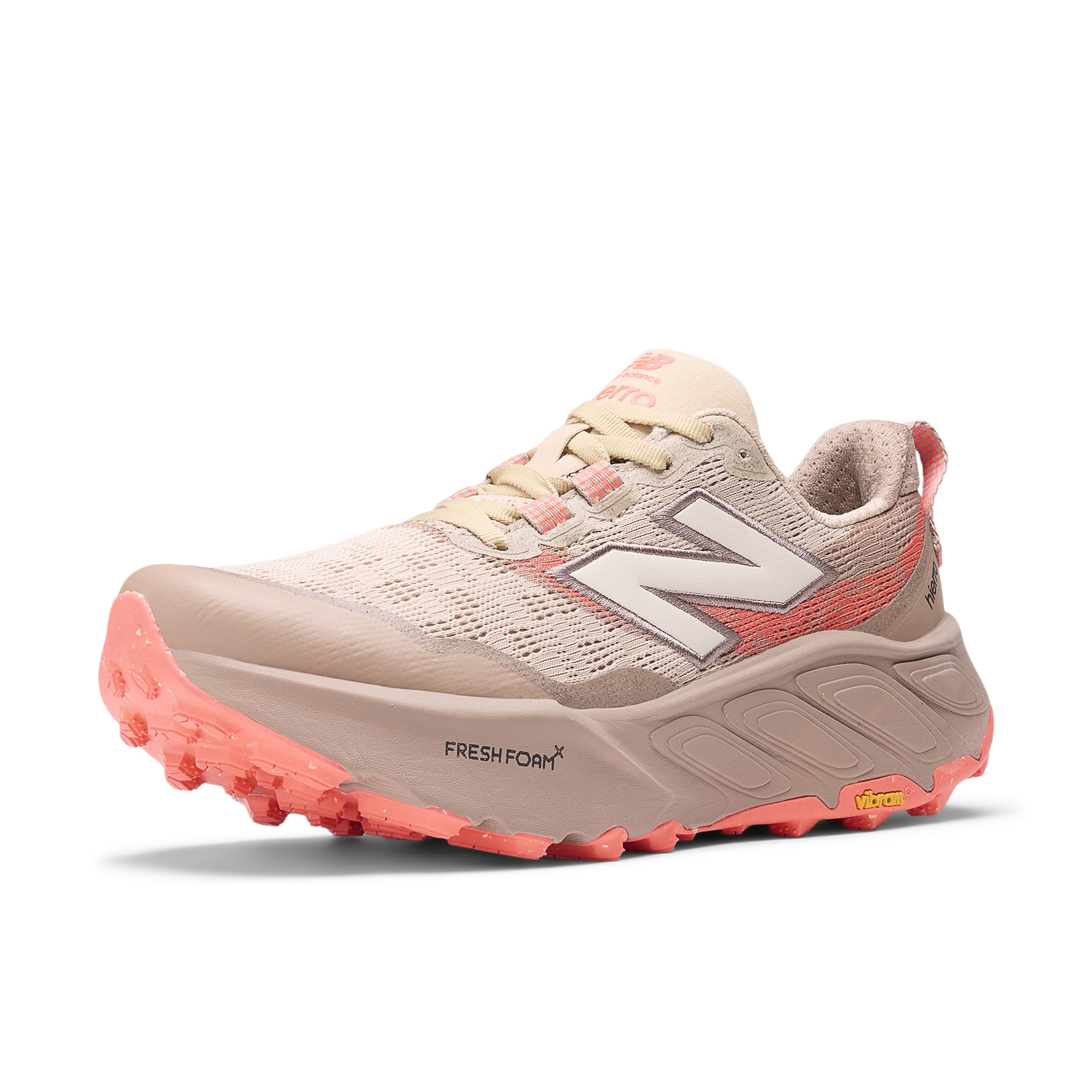
The trail shoe with Vibram grip that made a 4-hour hike feel like walking on fluffy pillows
If your workouts happen on dirt, rocks, and roots, this is the flat-foot-friendly trail shoe to beat. The Vibram Megagrip outsole with Traction Lug technology and deeper 6mm lugs delivers superior grip on wet and dry terrain, while Toe Protect technology shields your feet from rocks. The dual-density Fresh Foam X midsole pairs plush comfort with stable support.
The arch support is excellent, and the heel cushioning gets special praise — one buyer enjoyed a 4-hour hike with no discomfort. The breathable knit upper with gusseted tongue keeps debris out while maintaining airflow, and the shoe saves joints on rolling terrain. It fits narrow heels and wide toes well, making it work for low arches.
Comfort and arch support are what owners mention first, with the amazing heel cushion leading the praise. It adds about an inch of height and is durable enough for daily trails — one owner wore it for 6 months of daily hiking with the heel tread still going strong. The catch: it runs a full size small, so size up. The 42mm heel stack is also too high for technical, rocky trails where ankle stability matters.
The standout: Incredible trail grip and shock-absorbing cushion that saves your joints on hikes.
The honest note: Size up a full size, and be careful on very technical terrain where the tall stack can turn ankles.
Choose it for: Trail walks, hikes, and runs where grip and cushioning are non-negotiable.
Pass if: You’re on gnarly rocky trails and need a lower, more stable platform.
Understanding the Specs
Heel Drop and Stack Height
Heel drop is the difference in height between your heel and forefoot, measured in millimeters. A higher drop, like 8mm, shifts pressure forward and suits runners who heel-strike. Stack height is the total foam under your foot — more foam means more cushion but less ground feel. A too-high stack (over 40mm) can feel unstable on technical terrain.
Pronation Support and Stability Features
Overpronation is when your foot rolls inward excessively, which is common with flat feet. Shoes with a medial post, a wider base, or technologies like ASICS’ 3D Guidance System or Saucony’s CenterPath add structure to counter that roll. A true stability shoe guides your foot gently rather than forcing it into a rigid position.
FAQ
Are stability shoes the same as motion control shoes?
Can I use custom orthotics in these shoes?
How do I know if I overpronate?
Should I size up for wide feet?
What is the difference between the ASICS GT-1000 and GT-2000?
Are max-cushion stability shoes good for flat feet?
How long should a stability shoe last?
Can I use these shoes for gym workouts and strength training?
What does CenterPath Technology do in Saucony shoes?
Do these shoes work for plantar fasciitis?
Final Thoughts: The Verdict
For most buyers, the exercise shoes for flat feet winner is the ASICS GT-1000 13 because it balances support, comfort, and versatility across work, gym, and running. If you want maximum cushioning that still controls pronation, grab the Saucony Hurricane 24. And for lightweight daily training with strong overpronation support, the ASICS GT-2000 14 is the one to reach for. Fit is personal, so order from a place with easy returns and test them on a short walk before committing.
How We Picked
We do not accept paid placement. Every pick is matched to a real buyer and a real use-case; we do not hands-on test units.
Sources & Methodology
Specifications: manufacturer listings and product documentation. Review insights: verified customer reviews, as of August 2026. Pricing: not shown on this page (it changes often); check the current price via the retailer link.
As an Amazon Associate, WellFizz earns from qualifying purchases. This does not affect which products we feature.
Related Guides

Mo Maruf
I created WellFizz to bridge the gap between vague wellness advice and actionable solutions. My mission is simple: to decode the research and give you practical tools you can actually use.
Beyond the data, I am a passionate traveler. I believe that stepping away from the screen to explore new environments is essential for mental clarity and physical vitality.