Our readers keep the lights on and my smoothie glass nicely filled. As an Amazon Associate, I earn from qualifying purchases.
Specs are compiled from manufacturer listings and verified buyer reviews and can change over time — please confirm the key details on the product page before buying.
Every plushie maker hits the same fork in the road: pick a fabric that looks perfect in photos but sews like a nightmare, or grab something so slick it slides right off your cutting mat. The real battle is between minky (that smooth, buttery-soft knit) and faux fur (that shaggy, realistic pile), and the right choice depends entirely on whether you are building a cuddle buddy or a showpiece. This guide breaks down the best fabric for plushies by how each one actually behaves under a sewing machine, not just how it feels in your hand.
I’m Mohammad Maruf — the founder and writer behind WellFizz. This guide is built by comparing the manufacturers’ published specifications and the patterns across verified customer reviews, so you get each pick’s real strengths and trade-offs instead of marketing spin.
Choosing the right fabric for plushies means balancing three things: pile length (how long the fuzz is), stretch (how much it gives while you sew), and shedding (how much fuzz ends up on your floor).
Our Picks at a Glance

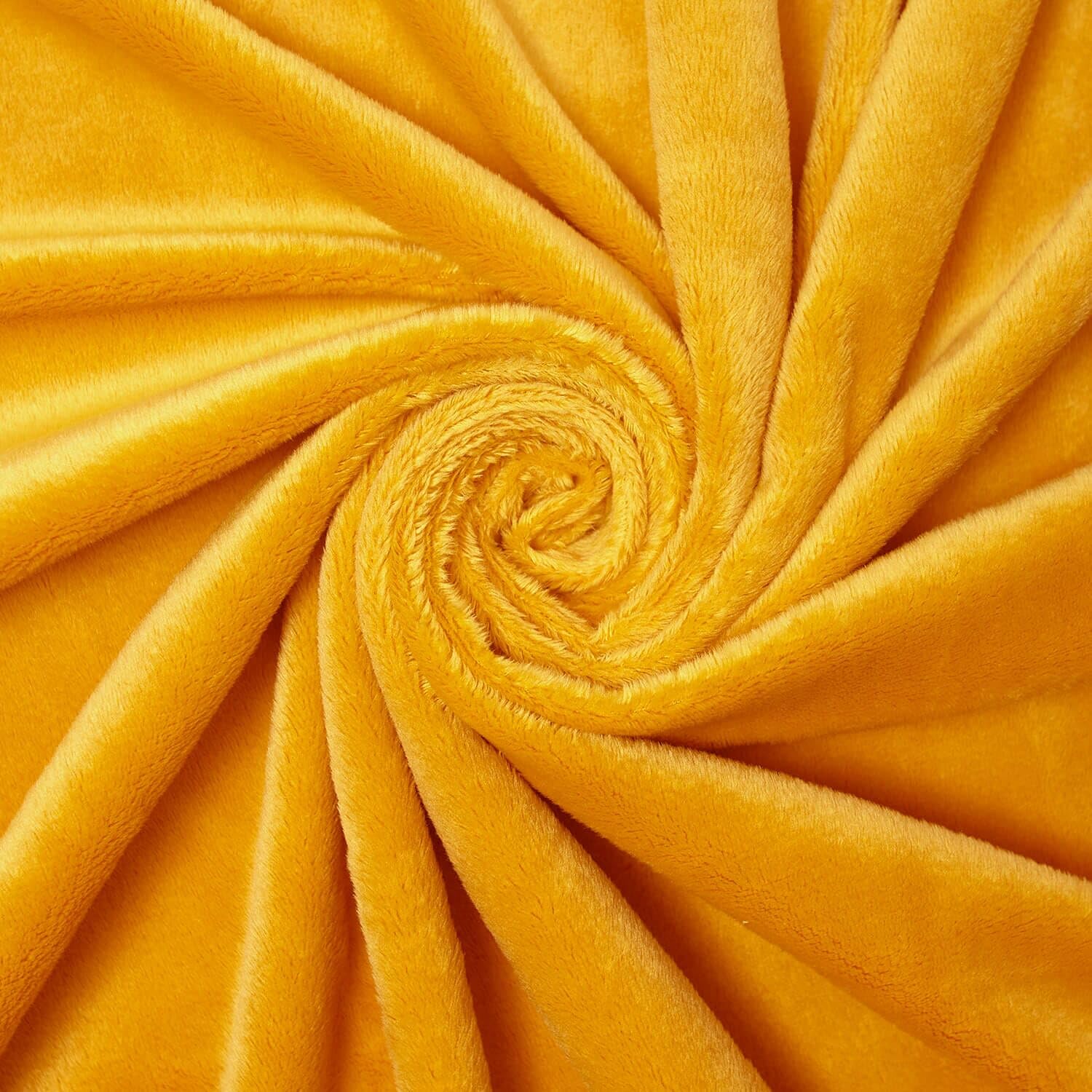
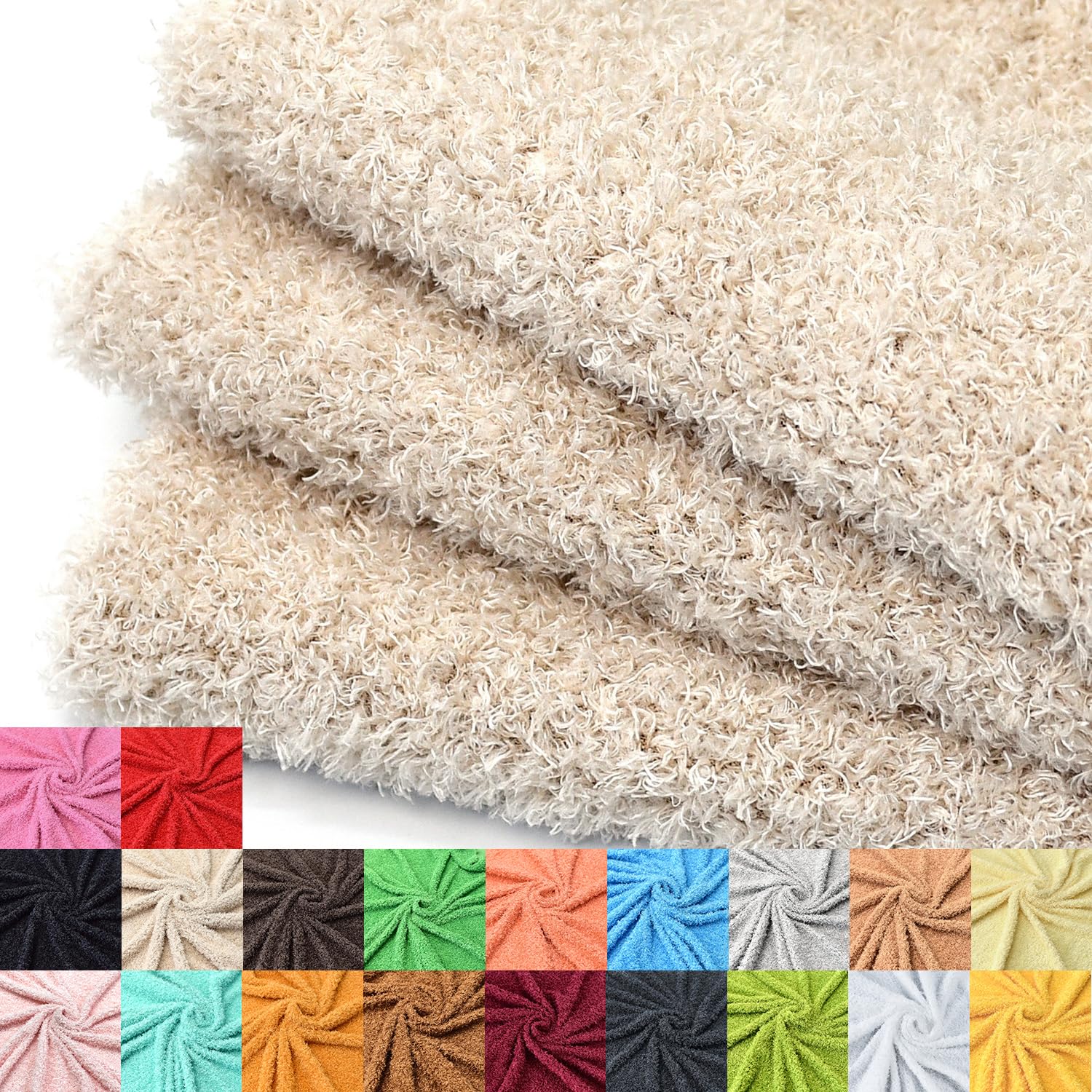
How To Choose The Best Fabric For Plushies
Choosing the right material is the difference between a plushie you are proud of and one that fights you at every seam. The two families you will choose between are minky (a smooth, dense knit with a short nap) and faux fur (a longer, silkier pile that mimics real animal coats). Each has a distinct personality, and knowing which one fits your skill level and your project’s goal is half the battle.
Pile Length: The Feel And The Look
Pile length is simply how tall the fuzzy fibers stand up from the backing. A short pile around 1.5mm gives you that velvety, close-cropped fur that shows colors vividly and sews cleanly. A longer pile like 2.5 inches gives you that dramatic, shaggy, realistic mane — perfect for manes, tails, and costumes, but much harder to control under the needle. For a classic huggable teddy, a mid-length pile around 3mm offers that satisfying squish without the grooming nightmare.
Stretch And The Beginner Trap
Minky is a knit, which means it stretches in every direction. That is fantastic for stuffing curves and giving your plushie a soft, squishy body, but it is brutal on beginners who skip pinning. If your pattern pieces are cut on the bias (diagonal), they can stretch out of shape and pucker at the seams. The fix is simple: pin or clip aggressively, or use a walking foot to keep the layers feeding evenly. Faux fur, with its woven backing, stretches far less and is noticeably easier to control.
Shedding And The Mess Factor
Almost every fuzzy fabric sheds some fuzz when you cut it — that is the nature of the beast. The difference is in how much. A tightly woven backing keeps the pile locked in place, while a looser knit lets fibers drift everywhere. If you are sewing in a shared living space, look for language like “low shed” or a woven backing that prevents stretching. You will also want a vacuum nearby, because even the best faux furs leave a dusting of fluff on your table.
Quick Comparison
| Model | Best For | Pile Length | Width | Weight | Amazon |
|---|---|---|---|---|---|
| Shannon Minky Cuddle 3★ Best Overall | Luxurious smooth plushies | Short | 60″ | 8 oz | Amazon |
| FWD Smooth Minky FleeceBest Value | Weighty dense plush bodies | Short | 59/60″ | 320 GSM | Amazon |
| Surf turtle Curly TeddyCurly Pick | Curly woolly teddy texture | 0.47″ | 36″ | — | Amazon |
| Ice Fabrics Solid Minky | Quilt backing and blankets | Short | 58/60″ | — | Amazon |
| Barcelonetta Plush Minky | Velvety soft stuffed animals | 3mm | 60″ | 0.44 kg | Amazon |
| kullaloo Plush Fabric | Short-nap colorful plushies | 1.5mm | 39.5″ | — | Amazon |
| Ice Fabrics Shaggy Mohair | Costume and shaggy fur | Long | 60″ | 0.34 kg | Amazon |
| EOVEA Shaggy Faux Fur | Fursuits and big shaggy projects | 2.5″ | 60″ | 350-500 GSM | Amazon |
| M Mute Touch Fleece Pack | Small doll clothes and variety | Short | 20″ | — | Amazon |
In‑Depth Reviews
1. Shannon Minky Solid Cuddle 3 Amethyst
Our pick — over 4.5★ from 400+ verified ratings; the strongest balance of quality and price.
The gold standard for smooth, buttery plush — the one brand plushie makers keep coming back to.
If you want that classic, high-end stuffed-animal feel — the kind you remember from store-bought toys — this is the fabric to beat. It is a 100% polyester minky with a dense, velvety hand feel that owners consistently describe as more luxurious than the big-box craft store brands. The color payoff is strong too, with buyers noting the shades arrive true to what you see on screen, and one fan was so impressed after the first 2 yards that they ordered 4 more.
The trade-off is that minky is a knit, so it has real stretch. Beginners will find the fabric wants to shift and pucker at the seams, and the standard advice from experienced sewists is to pin or clip aggressively before you stitch. It also sheds a little fuzz when you cut it. But the finished result — a soft, professional-looking plush — makes the extra care worth it.
Its 4.8-star average across hundreds of reviews highlights the fabric’s premium quality and softness. The knit reverse even holds up well to marking with a fabric pen or chalk pencil, which makes transferring your pattern pieces much easier. For a plushie you plan to keep for years, this is the safest bet on the list.
Why it wins
- Genuinely luxurious hand feel that beats typical craft-store minky
- True-to-screen colors that make finished plushies pop
- Wide 60″ cut means fewer seams on larger projects
The learning curve
- Stretchy knit demands heavy pinning or clipping
- Sheds a bit of fuzz at the cutting stage
Reach for this if: you want a premium, smooth finish and are willing to pin carefully.
Look elsewhere if: you want a shaggy, realistic fur texture — this is the opposite of that.
2. FWD Smooth Minky Plush Fleece
A dense 320 GSM minky that gives your plushie real body without feeling stiff.
Most minky fabrics are fairly light, but this one is a heavyweight at 320 GSM (grams per square meter — the standard measure of fabric density) and 0.95 mm thick. That density translates directly into a plushie that holds its shape beautifully and feels substantial in your hands, rather than floppy and thin. It is described as the “ultimate smooth, luxurious cuddly fabric” by owners, and one maker used it to craft a panda bear stuffed animal that their grandson adores.
This is also a surprisingly versatile pick. Beyond plushies, owners have used it to re-cover cat tree platforms when their cats outgrew the original beds — proof of how well the fabric handles real-world wear. It sews easily, takes to cutting cleanly, and the 59/60-inch width gives you plenty of room for large pattern pieces. The only real knock is that it took a while to ship for some buyers, though they all agreed it was worth the wait.
Buyers agree it’s a quality, soft fabric perfect for plushies. Its 4.8-star average reflects the dense, premium feel that owners consistently praise. If you are making a plushie you want to feel weighty and well-made, this gives you the most fabric substance for your money on this list.
What stands out
- Heavy 320 GSM density gives plushies a substantial feel
- Smooth, luxurious texture that reads as premium
- Easy to sew and cut cleanly
Worth noting
- Shipping can be slow for some orders
Who it suits: makers who want a dense, weighty plush without paying a premium markup.
Who it misses: anyone needing a long-pile fur — this is strictly a smooth, short-nap fabric.
3. Surf turtle Apricot Curly Teddy Fleece
For that classic curly teddy-bear coat that looks like it came from a vintage toy shop.
If you want a plushie with real personality — those tight, woolly curls that make a teddy look instantly nostalgic — this is your fabric. The pile runs about 0.47 inches long with a distinctly curly texture, and the apricot color is warm and inviting. Owners who make teddy bears report the finished toys come out “so soft I always want to hug it,” and the material is easy enough to sew that one bear maker found it very workable despite a bit of stretch.
The honest catch is the mess it makes. This fabric sheds its little fibers noticeably when you cut it — owners warn to be ready to vacuum everything, yourself included, after a sewing session. The good news is that shedding stops once the pieces are sewn together, so the finished plushie stays clean. It also arrives vacuum-packed, which can leave it wrinkled and looking thin until you fluff it back up with a hair dryer or a little time.
There is also some disagreement among owners about how stretchy it is — some find it manageable, others call it a little difficult to work with. Owners repeatedly say the adorable result is “well worth any inconvenience.” For a one-of-a-kind curly teddy, this delivers a texture none of the smooth minky options here can match.
The appeal
- Genuine curly woolly texture for vintage-style teddies
- Soft and cuddly finished result
- Easy to sew, cut, and splice for DIY crafts
The trade-offs
- Sheds fibers heavily while cutting
- Arrives wrinkled from vacuum packaging
- Stretchiness is a mixed bag
Pick this for: a show-stopping curly teddy where texture matters more than clean sewing.
skip it if: you hate cleanup — this one demands a vacuum.
4. Ice Fabrics Solid Minky Ivory

A stain-resistant, no-shrink minky that stays soft through endless washing.
This is the minky for plushies that will actually get used and abused — think bedtime buddies for kids or blankets that get dragged everywhere. It is 100% polyester, hypoallergenic, quick-drying, and notably does not shrink, which makes it a safe bet for projects expected to go through a lot of wear and tear. Owners describe the texture as “butterly soft” and almost velvety, and it works beautifully as a plushie body or as a quilt backing.
Versatility is the real story here. Beyond stuffed animals, owners have used it for little blankets, quilt backings with no stretch issues, and even a lightweight lap blanket that a cat loves to sit on. It sews and cuts easily, and the color arrives as pictured. The ivory shade runs a touch paler than some expect, but for pale character dolls and neutral plushies that is often exactly what you want.
The stain-resistant, easy-care nature is a genuine bonus if you are making toys for young children. Machine wash cold and tumble dry low, and the softness holds up even after repeated washes — no ironing ever. Its 4.7-star average across many reviews confirms it as a versatile, reliable workhorse.
Why it works
- Doesn’t shrink and stays soft through repeated washes
- Hypoallergenic, quick-drying, and stain-resistant
- Excellent for quilt backing with no stretch issues
Keep in mind
- Ivory is paler than some photos suggest
- Slight fur shedding during cutting
Choose this if: you need a durable, washable minky for toys that will see heavy use.
Think twice if: you want a deep, saturated color — the ivory reads light.
5. Barcelonetta Plush Minky White

A 3mm pile length that splits the difference between smooth minky and real fur.
Owner feedback highlights a beautiful sheen and a quality that reads higher than the price suggests. One craft project used it for a whaleshark stuffy with perfect results, and others have used it for quilt backings and children’s blankets that kids apparently adore. It also works well with fabric glue and foam for no-sew projects, which broadens its appeal beyond traditional sewing.
The honest caveat is that minky is never the easiest fabric to sew — it is “lovely but hard to sew” according to some owners, so beginners should pin carefully. The color also gets mixed feedback in terms of matching photos, though the white here is fairly straightforward. At 60 inches wide with a 36″ x 60″ yard cut, you get generous coverage for most plushie patterns.
What impresses
- 3mm pile adds plush depth without fur-like upkeep
- Hypoallergenic — a good call for kids’ toys
- Works with fabric glue and foam for no-sew projects
The fine print
- Minky is tricky to sew for beginners
- Color accuracy gets mixed reviews
Best suited for: a soft, velvety plushie with a bit more fuzz than standard minky.
Not for: anyone avoiding stretchy knits — this still behaves like a knit.
6. kullaloo Plush Fabric Brown

A short 1.5mm nap that keeps colors vivid and sews with far less fuss.
This is the pick for plushie makers who want the softness of minky without the stretching headaches. The 1.5mm pile is short enough that colors show through brilliantly — one owner specifically praised how the short nap lets the colors display well — and the slightly stretchy 100% polyester microfiber is described as “so easy to work with.” It also meets European Safety Toy and REACH directives, which means it is certified free from harmful substances — a meaningful reassurance for toys destined for kids.
The pre-cut size is 39.5 x 29.5 inches, which is more compact than the by-the-yard options above, so check your pattern needs before buying. Owners have used it for everything from stuffed animals and cuddle buddies to doll hair, and one even repaired a chewed beanie baby ear with it. It resists pilling and shedding, and it is machine washable in warm water with low-heat dryer safety.
The one consistent complaint is value — several owners feel it is overpriced for its size. You are paying for guaranteed quality and safety certification, but if you are making something large, the smaller cut means you will quickly need multiple pieces. The nap direction also matters: because this fabric has a directional pile, you must pay attention to which way the fuzz faces when cutting your pattern pieces.
The strengths
- Short 1.5mm nap shows colors vividly
- Meets European Safety Toy and REACH directives
- Resists pilling and shedding, easy to maintain
The cost
- Several owners find it overpriced for the size
- Nap direction matters when cutting
Go with this for: a safe, certified plush fabric where color vibrancy is the priority.
Look past it if: you need a large continuous piece — the pre-cut size runs small.
7. Ice Fabrics Shaggy Mohair Faux Fur

A realistic shaggy mohair that brings costume-grade glamour to your plush creations.
When you need a plushie that looks like a real animal — think fursuits, shaggy manes, or dramatic costume pieces — this faux fur delivers. It is a medium-weight shaggy mohair made from 77% acrylic and 23% polyester, with a non-slip polyester backing that holds the fur together and resists stretching. The texture feels realistic to the touch, and it is durable enough to be reused repeatedly, which is why it ends up in dog beds and weekend convention costumes alike.
Shedding is notably manageable here, with owners reporting minimal fiber loss during cutting and sewing. The backing is soft and felt-like, cuts cleanly without fraying, and holds up well to being shaved down for detailed fursuit work.
The material does have a tendency to hold creases from folding during shipping, but owners found those come out with a slicker brush. Its 4.5-star average and strong marks for quality, softness, and color accuracy make it a dependable step up to realistic fur. It is a half-yard cut at 60 inches wide, so budget accordingly for larger projects.
The strong points
- Realistic shaggy texture with a non-slip backing
- Minimal shedding during cutting and sewing
- Durable and reusable for costumes and pet beds
Watch out for
- Holds creases from folding (removable with a slicker brush)
- Shaving below 1″ exposes the backing
Turn to this for: realistic fur texture and costume-grade durability.
Pass on this if: you want a wash-and-go smooth minky — this needs more care.
8. EOVEA Shaggy Faux Fur White

A heavy 2.5-inch pile that fursuit makers trust for consistent, professional results.
This is the serious workhorse of the faux fur world. With a 2.5-inch long pile and a hefty 350-500 GSM weight, it is substantial enough for demanding applications like furniture upholstery, headboards, and full fursuits — not just small plushies. The woven polyester backing prevents stretching and keeps the pile secured during cutting and sewing, which is exactly what you need when you are working with large pattern pieces. It is also 80% acrylic and 20% polyester, cruelty-free, vegan-friendly, hypoallergenic, and odor-free.
The maker community speaks highly of it: owners have used it for fursuits, vanity bench reupholstery, and even Great Pyrenees Mardi Gras costumes. The pile direction is consistent edge to edge, which gives smooth professional-looking results. Cutting from the backing side with a blade or rotary cutter dramatically reduces shedding, keeping your workspace clean throughout the project.
Color accuracy is the main caveat — some owners find the shades perfect while others say they are not quite what was advertised, so order a small piece first if matching is critical. It is available in 30-plus colors and ships in pre-cut pieces, so remember that ordering multiple yards gives you separate pieces, not one continuous length. If you need one long cut for a big project, select the total yardage as your size option.
Why makers trust it
- Heavy 350-500 GSM weight for demanding projects
- Woven backing prevents stretching and secures the pile
- Consistent pile direction for professional seams
Heads up
- Color accuracy is inconsistent across shades
- Multiple pieces arrive separate, not continuous
Best for: fursuits and big shaggy builds where professional finish matters.
pass on it if: you are making a small, simple plushie — this is more fur than you need.
9. M Mute Touch Polar Fleece 20-Pack
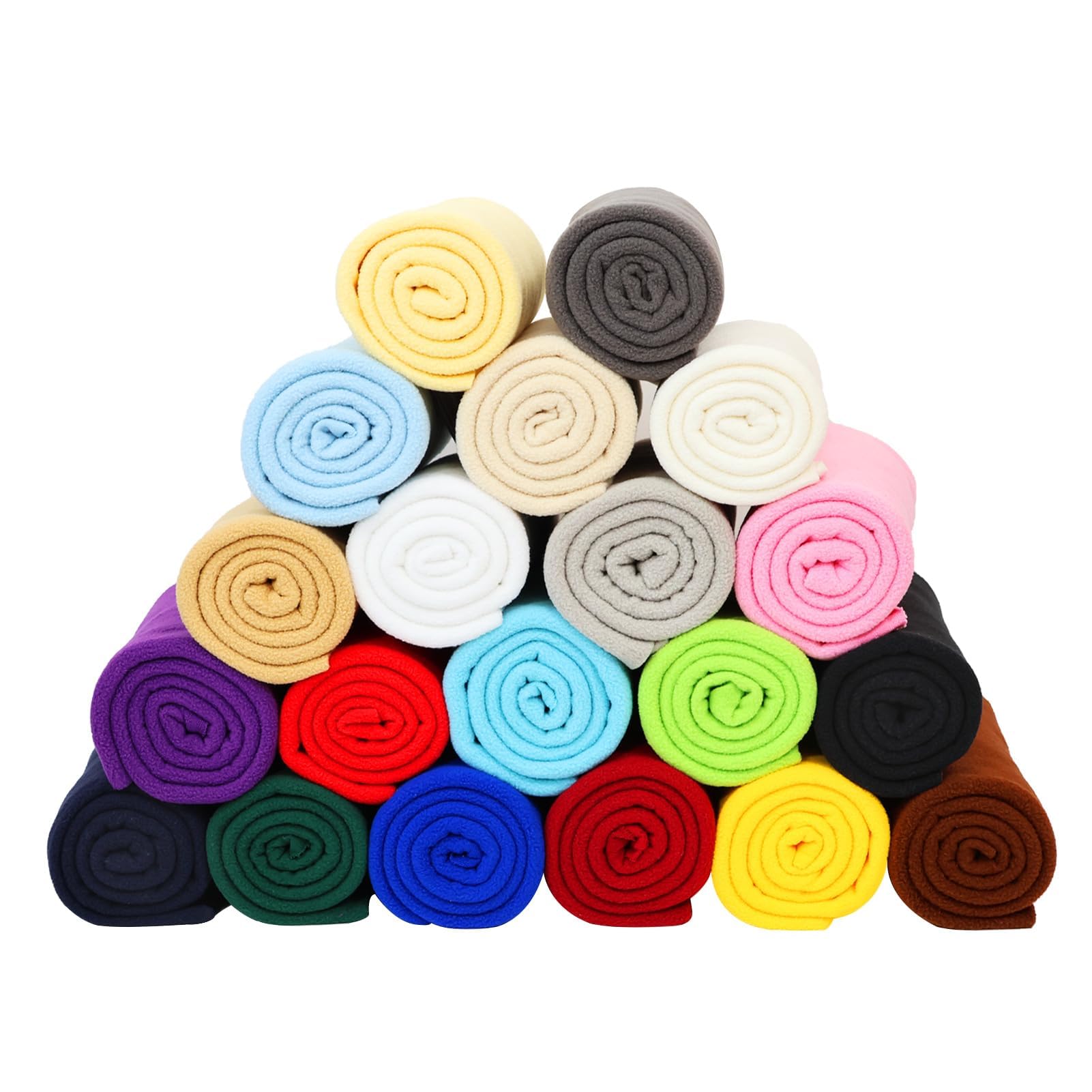
Twenty color squares that give you a full palette for tiny plushies and doll clothes.
If you are making small plushies, doll clothes, or just want to experiment with a rainbow of colors without buying a full yard of each, this pack is a fantastic starting point. You get 20 different vibrant colors in 20″ x 20″ pre-cut squares, which is plenty for small stuffies, puppet crafts, and little clothing pieces. The fleece is soft, lightweight, and quick-drying, and buyers report the colors stay vibrant and fade-resistant even after years of use.
The fabric is a thin polar fleece rather than a plush minky — it is fuzzy, not furry, and the thickness is a bit less than what you get buying fleece by the yard. For small doll clothing, that thinness actually works in your favor, as one owner noted it is perfect for the small outfits they make. The squares hold their shape well when pulled and are stretchy enough for easy sewing. It is also non-shedding on the front side, which keeps cleanup manageable.
Quality control is the honest weak point here. Some packs arrive with minor imperfections, like a stain on one square or creases from vacuum sealing, though the creases are ironable. One long-term user has relied on this for over 3 years of puppet crafting with no pilling, which speaks well to the fabric’s durability. For the sheer variety and value, this is a smart way to build out your plushie fabric stash.
The value play
- 20 colors in one pack for maximum variety
- Vibrant, fade-resistant colors that hold up over years
- Non-shedding front side keeps cleanup easy
The downsides
- Thinner than by-the-yard fleece
- Occasional defects like stains or creases on arrival
Grab this for: building a versatile palette for small projects on a budget.
Look elsewhere if: you need a thick, plush body fabric — this is on the thin side.
Understanding the Specs
Pile Length
Pile length is the height of the fuzzy fibers above the fabric’s backing. Short piles around 1.5mm give a velvety, close-cropped texture where colors show clearly. Medium piles around 3mm add noticeable plush depth while staying easy to sew. Long piles of 2.5 inches deliver dramatic, realistic fur for costumes and manes, but they are harder to control and groom. Match the pile to the look you want, not just the softness you feel.
GSM Weight
GSM stands for grams per square meter, and it measures how dense and heavy a fabric is. A higher number like 320 GSM means a substantial, weighty fabric that holds its shape well in a plushie body. A lower number means a lighter, drapier material that works better for clothing or small accessories. Heavier is not always better — think about what your finished plushie should feel like in your hands.
Stretch And Nap
Minky is a knit, so it stretches in all directions, which helps stuffing curves but demands careful pinning. Faux fur with a woven backing stretches far less and is easier to control. Nap (also called pile direction) refers to which way the fibers lie. When you cut pattern pieces, the nap must face the same direction on every piece, or the finished plushie will look patchy under light.
Shedding And Care
Every fuzzy fabric sheds some fibers when cut — the difference is how much. A tightly woven or non-slip backing locks the pile in place and keeps shedding minimal. For washability, look for fabrics that tolerate machine washing on cold with low-heat drying. Avoid ironing minky or faux fur entirely, as heat will crush and melt the synthetic fibers permanently.
FAQ
What is the difference between minky and faux fur for plushies?
How do I stop minky fabric from stretching while I sew?
Why does my faux fur shed so much when I cut it?
What does pile length mean for my plushie project?
Can I machine wash minky or faux fur plushies?
How much fabric do I need for a small plushie?
What is the best fabric for a beginner plushie maker?
Is minky fabric safe for baby toys?
Why do my plushie seams pucker with minky?
What does GSM mean and why does it matter for plushies?
Final Thoughts: The Verdict
For most plushie makers, the winner is the Shannon Minky Cuddle 3 because it delivers that premium, luxurious hand feel that turns a homemade plushie into something that looks store-bought — It earns its 4.8-star reputation across hundreds of owners. If you want a denser, weightier body fabric, the FWD Smooth Minky gives you 320 GSM substance without the premium markup. And for a realistic shaggy mane, the EOVEA 2.5-inch pile is the trusted choice that fursuit makers swear by for consistent, professional results.
How We Picked
We do not accept paid placement. Every pick is matched to a real buyer and a real use-case; we do not hands-on test units.
Sources & Methodology
Specifications: manufacturer listings and product documentation. Review insights: verified customer reviews, as of July 2026. Pricing: not shown on this page (it changes often); check the current price via the retailer link.
As an Amazon Associate, WellFizz earns from qualifying purchases. This does not affect which products we feature.
Related Guides

Mo Maruf
I created WellFizz to bridge the gap between vague wellness advice and actionable solutions. My mission is simple: to decode the research and give you practical tools you can actually use.
Beyond the data, I am a passionate traveler. I believe that stepping away from the screen to explore new environments is essential for mental clarity and physical vitality.