Our readers keep the lights on and my smoothie glass nicely filled. As an Amazon Associate, I earn from qualifying purchases.
Specs are compiled from manufacturer listings and verified buyer reviews and can change over time — please confirm the key details on the product page before buying.
You sit in the cold woods and let out a grunt. A real buck grunt, one that travels farther than your lungs could push it. That is what an electronic deer call does — it broadcasts a digital recording that sounds like a deer, not like you. The hard part is picking the one that sounds believable enough to bring a buck in close instead of sending it running. This guide matches the right call to your hunting style, so you know exactly which features actually work when you are on stand.
I’m Mohammad Maruf — the founder and writer behind WellFizz. This guide is built by comparing the manufacturers’ published specifications and the patterns across verified customer reviews, so you get each pick’s real strengths and trade-offs instead of marketing spin.
The right electronic deer call balances sound authenticity with volume control and battery staying power for the long sits in the stand.
Our Picks at a Glance


How To Choose The Best Electronic Deer Call
Choosing an electronic deer call depends on understanding how you hunt — from your position in the field to the species you are targeting. The specs that separate an effective tool from a frustrating one are simple once you know what they mean.
Remote Range and Placement Strategy
If you hunt from a blind or a tree stand, you need a remote-operated call you can place 50 to 300 yards away so your movement and scent stay hidden. A handheld call with no remote pins you to one spot and forces you to blow the call yourself, which risks spooking wary game. For long-range setups, look for a call with a stated remote range that matches the open country or timber you hunt.
Sound Authenticity vs. Raw Volume
A call can be loud but sound nothing like a deer — and a deer that hears a robotic grunt will bolt, not stroll in. The best electronic deer calls use high-quality digital recordings that replicate the rasp and tone of a real buck. Volume, measured in decibels (dB), matters for covering distance, but clarity is what seals the deal. A call that pushes 110dB or more is loud enough for open fields, while a quieter unit around 90dB may work better in dense woods where subtlety counts.
Battery Type and Runtime
Nothing ends a hunt faster than a dead caller. Electronic deer calls run on AA, AAA, or C batteries, and the number you need varies widely — some take four, others eight. Battery life is rarely stated in hours on the box, so check how many batteries a unit requires and whether it uses standard alkaline or rechargeable lithium cells. A call that sips power will outlast a weekend trip; one that drains in a few hours will leave you frustrated.
Quick Comparison
| Model | Best For | Remote Range | Max Volume | Batteries | Amazon |
|---|---|---|---|---|---|
| FOXPRO X24★ Best Overall | Premium long-range predator hunting | Extends past 150 yards | Extremely loud | 6 Lithium Ion (included) | Amazon |
| Icotec 350+Top Performer | Versatile remote calling with Bluetooth | 300 yards (no line of sight) | Very loud, clear | Not specified | Amazon |
| Hunters Specialties ExecutionerPremium Pick | High-volume multi-species calling | Great (per reports) | 120dB | 8 AA + 4 AA | Amazon |
| Western Rivers Mantis Pro 100 | Mid-range remote with decoy attachment | 300 yards | 110dB | 8 AA | Amazon |
| iHunt Ultimate Combo | App-based calling with huge sound library | 50 yards (Bluetooth) | 115dB | 4 C | Amazon |
| iHunt Phantom Link 150 | Bluetooth paired units for wide coverage | 150 yards (300 with pair) | Good (mixed reviews) | 4 AA | Amazon |
| Western Rivers Mantis 50 | Budget-friendly entry-level handheld | None (handheld only) | Louder than expected | 4 AAA | Amazon |
| Primos Revolver Grunt | Simple electronic grunt with bleat | None (handheld only) | Decent | Not specified | Amazon |
| Cass Creek Ergo Call | Compact all-rounder for beginners | None (handheld only) | Pretty loud | 3 AAA | Amazon |
In‑Depth Reviews
1. FOXPRO X24
Our pick — over 4★ from 100+ verified ratings; the strongest balance of quality and price.
Sound clarity and volume win people over here — owners say it projects loud and clear across a field, and even beginners bring in coyotes reliably.
You get 100 high-quality FOXPRO sounds built in, plus access to over 100 more from the FOXPRO Free Sound Library. That covers coyote, fox, crow, hog, and deer. The FOXMOTION feature fades sound from the left speaker to the right, mimicking a moving animal so wary predators do not just hear a stationary speaker. The remote offers a long range that buyers call the best they have ever used, with a backlit screen that stays easy to read in low light. One owner put it simply: this unit has brought in coyotes for hunters who “have no idea what I am doing.” The solid American-made build and 5-year warranty back the premium price. On the downside, the remote control gets mixed feedback — some owners find it takes a bit of learning to navigate the programming. This is a serious investment for the dedicated predator hunter who wants a do-it-all system, not a casual user.
What Wins in the Field
- Exceptional sound clarity that rivals real animal calls
- Long-range remote that leads its class here
- Versatile sound library for multiple species including deer
- Rugged build with 5-year manufacturer warranty
What to Consider
- Premium price point for dedicated hunters only
- Remote control has a learning curve for programming
Reach for this if: you are a serious predator hunter or need a premium multi-species caller with remote range that covers wide open country.
Look elsewhere if: you only hunt deer occasionally and want a budget-friendly handheld — this is more caller than you need.
2. Icotec 350+
Its industry-leading remote range — 300 yards without needing to see the unit — separates it, so you can place the caller deep into cover or behind a hill and still switch sounds from your stand.
It includes 30 professional sounds on a removable SD card, so you can swap out calls without buying a whole new unit. A backlit keypad on the remote makes night hunting practical, and the ability to play two sounds simultaneously on the remote (or more via Bluetooth) lets you layer a deer grunt with rattling antlers for a realistic sequence. Owners confirm the sound is “loud and clear” and reaches across multiple wooded acres. The build feels well-constructed, and buyers describe it as easy to use right from the start. This is a mid-premium pick that undercuts the FOXPRO on price while delivering comparable remote capability. It is a strong choice for the hunter who wants serious range without stepping all the way to a flagship price tag.
Perfect Setup for: hunters who work wide-open spaces or broken terrain where line-of-sight to the caller isn’t possible.
Trade-off: the sound library (30 calls) is smaller than some rivals; the SD card system helps you customize, but you may want to buy extra cards.
Grab this caller if: remote range is your top priority and you want a lightweight unit with Bluetooth flexibility.
3. Hunters Specialties Johnny Stewart Executioner
Its 3.5-inch horn speaker pushes 120dB, making it one of the loudest electronic deer calls at this price point — enough to carry across open fields and through dense timber.
Owners confirm that is more than enough to bring in a 60-70lb coyote from deep cover in seconds. It carries 100 Johnny Stewart premium calls, and the sequential call feature lets you set sounds to play in order, creating a natural-feeling sequence without fiddling with the remote every few minutes. The remote offers solid range and controls all the call functions. Buyers highlight that it is not bulky or heavy, and the remote operation is straightforward. This is a mid-premium option that competes well with much more expensive brands like Ecotech and Foxpro for a fraction of the cost. The main consideration is battery count — the speaker base needs 8 AA batteries and the remote needs another 4 AA, so stocking up for a weekend hunt requires planning. A small number of buyers report reliability issues, so treat the battery compartment carefully.
Field Strengths
- Extremely loud 120dB output for long-distance calling
- 100 premium sounds from a trusted brand name
- Sequential call feature for automated sequences
- Lightweight and easy to carry into the field
Field Cautions
- Requires 12 AA batteries total (8 + 4)
- Some early reliability reports from a few owners
Best suited for: hunters who need maximum volume for wide-open terrain and want a remote unit that doesn’t cost flagship money.
4. Western Rivers Mantis Pro 100

You get 300 yards of remote reach plus the ability to attach a decoy to the unit, adding a visual element to your setup — a unique feature at this price.
It stores 100 permanently downloaded sounds on 32 MB of internal memory, covering predators and deer. The 4-inch loudspeaker pushes up to 110dB, and the remote lets you adjust volume, call direction, and call sequences without moving from your spot. The swiveling legs let you stand the call up on its own, and the ABS construction is built to take weather abuse. Owners like the price-to-feature ratio: one called in “a whole pack within minutes of first use.” The remote is praised for its effective distance. However, sound quality does not feel entirely natural — some owners describe it as “mediocre,” though still effective for getting an animal’s attention. The trade-off at this price is that the call works well functionally but may not sound as organic as premium units. The most-discussed downside is mixed build quality, with a small number of buyers reporting the screen failing after limited use.
Smart choice if: you want remote operation at a mid-range price and the ability to pair a decoy with your caller.
Know before you buy: best treated as a weather-resistant tool, not waterproof; avoid submerging it.
Reach for it when: you need a remote caller that can decoy-attach and save money over the premium tier, especially for coyote and predator hunting.
5. iHunt Ultimate Electronic Game Call and Bluetooth Speaker Combo

At 115dB, it is loud enough for long-range and close-up work, and the free iHunt app gives you access to calls from 59 species — far more than any preloaded unit.
The call connects via Bluetooth up to 50 yards away, so you can keep your phone at your stand while the speaker sits out in the field. It uses 4 C batteries, which owners mention last well — one noted 98% battery remaining after three days of use. Buyers praise the volume and variety. In one field report, a dying rabbit sound on this unit attracted a big tom cat and two foxes from 40 yards in under a minute. The catch is the free app, which some owners find clunky, and the fact that many of the best calls require in-app purchases. A few users also report that rechargeable 1.2V C batteries do not power it properly — it needs standard 1.5V cells. This is a strong value pick for the tech-savvy hunter who wants endless sound variety without paying for preloaded libraries.
Why It Stands Out
- Massive 750+ call library across 59 species via app
- Loud 115dB output that carries across fields
- Weather-resistant design for outdoor conditions
- Long battery life on standard C cells
What to Watch
- App quality and Bluetooth connectivity get mixed reports
- Requires 1.5V batteries, not rechargeable 1.2V ones
- Best calls may need in-app purchases
Perfect for: hunters comfortable using a smartphone in the field who want a huge sound library on a budget.
skip it if: you have unreliable cell service or prefer a dedicated remote that doesn’t depend on a phone.
6. iHunt Phantom Link 150

Its IPX7 waterproof rating means it survives immersion in water up to 3 feet deep for 30 minutes, so a rainstorm or a creek crossing won’t kill it.
The extended Bluetooth range works at 150 yards (450 feet), and you can pair two units to get up to 300 yards of coverage. That sort of wide-area spread is ideal for large fields or when you want to set up multiple calling positions. It also doubles as a high-quality wireless Bluetooth speaker for music when you are not hunting. The battery runs for 10 hours of continuous play on just 4 AA batteries, which is efficient. The iHunt app gives access to over 750 calls from more than 50 species, matching the bigger Ultimate Combo. Owners who got the speaker working report it draws in hogs and coyotes effectively. The most-discussed issue is the Bluetooth pairing, which can be unreliable without strong cellular service, making it a poor choice for deep backcountry where your phone struggles for a signal. A smaller number of owners experienced units failing after a few uses, though the IPX7 build quality is generally praised.
Best use case: hunters who hunt near water, in rainy climates, or want to double their coverage area with a paired speaker.
Main trade-off: the app dependency means weak cell service can make the call frustrating to use — test it before a big hunt.
Grab this if: waterproofing is a must and you are comfortable relying on your phone as the remote in areas with decent cell coverage.
7. Western Rivers Mantis 50

It is a no-frills handheld caller that focuses on simplicity and value — preloaded with popular predator and deer sounds, with a sound activation trigger button for one-hand operation.
Owners consistently describe it as “a lot louder than I was expecting,” which is the standout trait for such a compact unit. It runs on 4 AAA batteries, which keeps weight low — the whole package is light enough to hook onto a belt or pack. The LCD screen has a backlit display for low-light conditions, and the pivoting legs lock into position so you can stand the call up on its own. The big trade-off is the lack of a remote: you must hold the unit or place it nearby, which means your scent and movement are more exposed to the game you are calling. Owners note this limitation honestly, with some saying they would spring for the remote version next time. Sound quality gets mixed feedback — some find it good for the price, others say it sounds artificial. The random repeat timed options help mix up your calling to sound more natural. This is best as a backup or a starter call for the hunter on a tight budget.
The Upside
- Very compact and portable with belt-loop attachment
- Louder than its small size suggests
- Backlit LCD screen for low-light visibility
- Affordable entry point for new electronic call users
The Downside
- No remote — must be used from your location
- No volume control, which can spook close game
- Sound quality described as digital and artificial by some
Best for: hunters who want a lightweight, packable backup call or are just starting out and don’t want to invest in a remote system.
pass on it if: you need a remote to place the call away from your stand, or if realistic sound quality is non-negotiable.
8. Primos Hunting Revolver Grunt
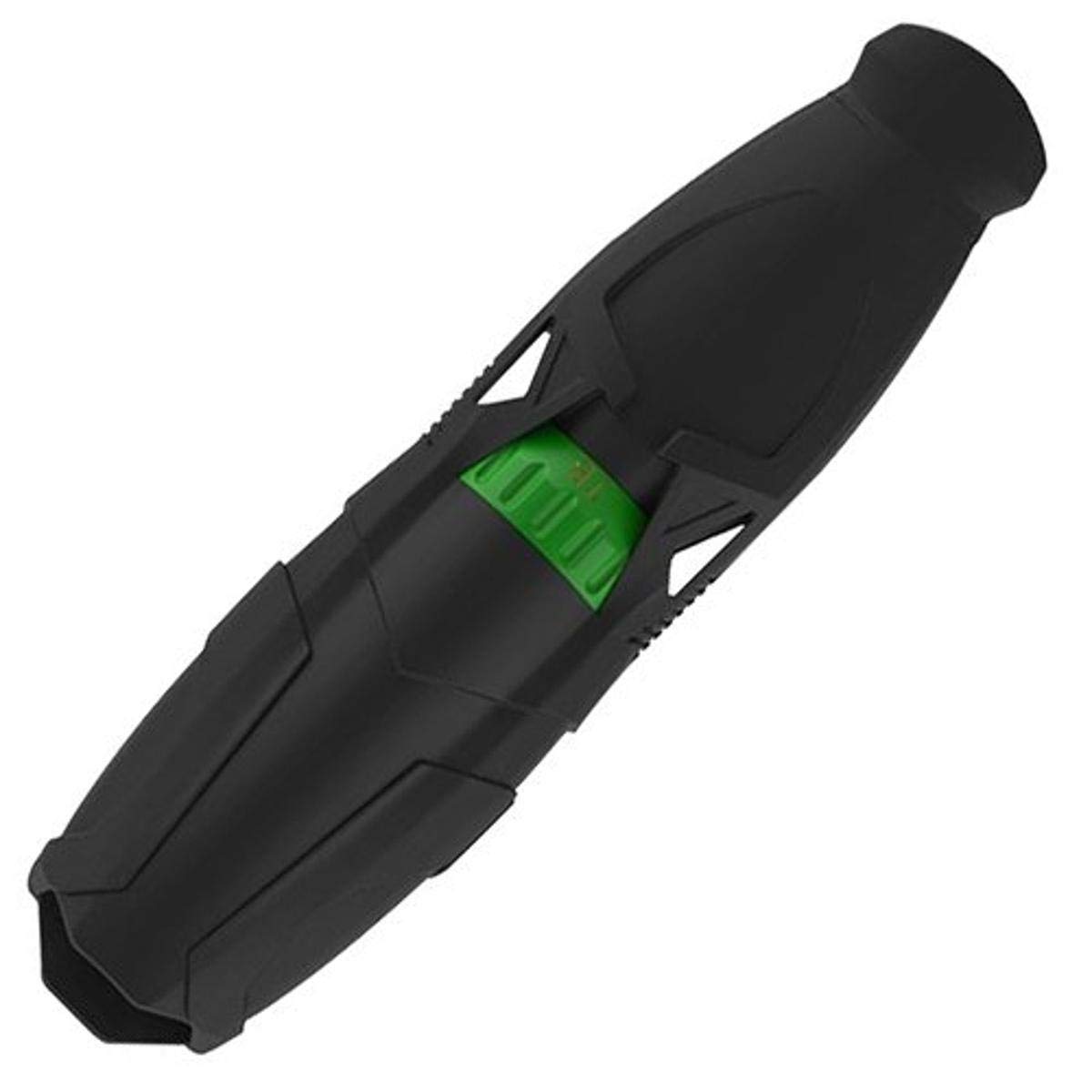
It produces a revolver grunt sound plus an estrus bleat setting, and owners say it “sounds like a deer” even for complete beginners.
The device is easy to use — just point and press — and the build quality from Primos is solid, made in the U.S.A. The design is straightforward: a simple digital playback unit that does one thing well. Many customers note calling in bucks on the estrus bleat setting during the season, which is the real test any deer call faces. The elephant in the room is reliability: the most-discussed issue is that the selection wheel can lock up, especially after several weeks of use, leaving the call stuck on one sound. A few owners describe this as a deal-breaker compared to cheaper calls that lasted them years. The unit is also physically larger than many expect, which can be a surprise if you are used to compact mouth calls. This is a great-sounding call when it works, but the durability caveat means it best suits someone who wants a simple, effective electronic grunt and is willing to replace it if needed.
What wins people over: the sound quality — it genuinely mimics a real deer grunt and bleat, which is the hardest thing to get right.
What to be aware of: the size is bigger than traditional grunt tubes, and the mechanism has shown a tendency to lock up in cold conditions.
Reach for this if: you want a dedicated deer-only electronic call with excellent sound and don’t need multi-species or remote features.
9. Cass Creek Ergo Call

At 7.13 x 5.39 x 1.3 inches, it is the most compact option here — small enough to disappear into a pocket — and has been bringing in game for over a decade.
It features 5 authentic digital recordings: Buck Grunt, Snort/Wheeze, Tending Grunt, Lost Fawn, and Rattling Antler. The EZ thumb dial controls volume, and an instant interrupt feature stops the call immediately so you can go silent when game is in close. The raised rubber edges give you a secure grip in wet or cold conditions. It takes 3 AAA batteries, keeping weight minimal at 0.12 kg. Buyers have been using this call for years with success: as one owner put it, “I used this crow version of this call and it works well, shot many many crows using it… it flat out brings them in…” The durability is decent, with some owners reporting 4-5 years of use before replacement. The sound quality is adequate for the price — clear enough with no static, but not as rich as premium calls. It lacks a remote, so you must be within arm’s reach of the unit. This is the ideal starter deer call for someone who wants to try electronic calling without spending much, or a handy backup for the truck.
Where It Shines
- Extremely compact and pocket-friendly design
- 5 useful deer-specific calls including rattling antler
- Simple one-hand operation with thumb volume dial
- Proven track record over many hunting seasons
Where It Falls Short
- No remote — must be hand-held or placed nearby
- Sound quality is functional, not premium
- Limited to deer calls only, no predator sounds
Who it’s for: the beginner deer hunter or the seasoned hunter who wants a pocket-sized backup that works without fuss.
Who should pass: anyone who needs a remote setup to keep scent hidden or wants ultra-realistic sound for pressured public-land deer.
Understanding the Specs
Decibel Output (dB)
Decibels measure how loud a call can project sound. A higher dB number means the call carries farther across open fields or through dense timber. Most electronic deer calls range from around 90dB to 120dB. The louder the call, the more likely it is to reach a distant buck, but extremely high volume can sound unnatural up close. Think of it like a speaker at a concert — enough volume to fill the venue, but it also needs to sound like the right instrument.
Remote Control Range
Remote range is the maximum distance you can stand from the call unit while still controlling it. This spec varies from none (handheld-only) to 300 yards or more. A longer range lets you place the caller far from your blind or tree stand, keeping your scent and movement hidden while you switch sounds. For open country or large fields, look for at least 150 yards. Dense woods may not require as much range, but a remote of any distance is better than none.
FAQ
Can I use an electronic deer call in any state?
What is the difference between a handheld call and a remote call?
How many different deer sounds do I realistically need?
Will an electronic deer call work for other animals too?
How long do batteries last in an electronic deer call?
Is a waterproof electronic deer call necessary?
Can I use a Bluetooth deer call without cell service?
What does “sequential call feature” mean?
How does the remote’s no-line-of-sight range work?
Is a loud electronic deer call always better?
Final Thoughts: The Verdict
For most hunters, the electronic deer call leader is the FOXPRO X24 because it offers the best sound clarity, longest remote range, and most versatile sound library in a rugged American-made package. If you want a powerful remote unit that saves significant money and still delivers 300-yard range, the Icotec 350+ is an excellent middle ground. And for the budget-conscious hunter who just needs a pocketable starter call, the Cass Creek Ergo Call has been proving itself in the woods for over a decade.
How We Picked
We do not accept paid placement. Every pick is matched to a real buyer and a real use-case; we do not hands-on test units.
Sources & Methodology
Specifications: manufacturer listings and product documentation. Review insights: verified customer reviews, as of July 2026. Pricing: not shown on this page (it changes often); check the current price via the retailer link.
As an Amazon Associate, WellFizz earns from qualifying purchases. This does not affect which products we feature.
Related Guides

Mo Maruf
I created WellFizz to bridge the gap between vague wellness advice and actionable solutions. My mission is simple: to decode the research and give you practical tools you can actually use.
Beyond the data, I am a passionate traveler. I believe that stepping away from the screen to explore new environments is essential for mental clarity and physical vitality.