Our readers keep the lights on and my smoothie glass nicely filled. As an Amazon Associate, I earn from qualifying purchases.
Specs are compiled from manufacturer listings and verified buyer reviews and can change over time — please confirm the key details on the product page before buying.
A dwarf tree isn’t a miniature novelty — it’s the only way to grow fruit when your yard is a patio, balcony, or postage-stamp lot. The challenge is finding a dwarf tree that stays small, produces real fruit, and arrives healthy — not as a dead twig. This guide evaluates dwarf trees by mature height, hardiness, and real owner experiences after the first season.
I’m Mohammad Maruf — the founder and writer behind WellFizz. This guide is built by comparing the manufacturers’ published specifications and the patterns across verified customer reviews, so you get each pick’s real strengths and trade-offs instead of marketing spin.
if you want a container-friendly fig, a self-pollinating lemon, or a sculptural spruce for year-round structure, these are the best dwarf trees worth making room for.
Our Picks at a Glance


How To Choose The Best Dwarf Trees
Not every tree labeled “dwarf” stays small enough for a container on your deck. Some reach 10 feet; others top out at 30 inches. Match the tree’s mature height to your actual space — not the space you wish you had. You also need to consider your climate zone, the tree’s pollination needs, and whether you can bring a potted tree indoors during a hard freeze. Three factors determine whether your dwarf tree thrives or just survives.
Know Your Hardiness Zone
The USDA hardiness zone tells you the coldest temperature a plant can handle. A dwarf mulberry rated for zones 5–11 will survive a Pennsylvania winter; a Meyer lemon rated for zones 8–11 will not. If you live in a cooler zone, look for trees that tolerate cold down to your zone number, or plan to overwinter your potted tree inside a garage or basement.
Mature Height vs. Container Size
A “dwarf” label is only useful if you check the number. The Dwarf Alberta Spruce grows to 8 feet — still small for a spruce but too big for a windowsill. The Fignomenal Fig tops out at 30 inches, making it a true tabletop candidate. Measure your space before you order, and remember that a tree sold in a 1-gallon pot will need a larger container within a year or two.
Self-Fertile vs. Pollination Partner
Many dwarf fruit trees are self-fertile, meaning a single tree produces fruit on its own. That includes the Meyer Lemon and the Russian Pomegranate. Others, like some mulberries, benefit from a second plant nearby. If you have room for only one tree, confirm the variety is self-fertile to avoid waiting for fruit that never comes.
Quick Comparison
| Model | Best For | Mature Height | Hardiness Zones | Self-Fertile | Amazon |
|---|---|---|---|---|---|
| Dwarf Juniper Bonsai★ Best Overall | Desktop greenery, gifting | 6″ (potted) | Indoors | N/A | Amazon |
| Dwarf Cavendish BananaBest Fruit Start | Tropical foliage, homegrown bananas | 10 ft | Outdoor | Yes | Amazon |
| Dwarf Everbearing MulberryCompact Fruit | Fast-growing fruit in small yards | 2–6 ft | 5–11 | Yes | Amazon |
| Russian Pomegranate | Cold-hardy fruit, ornamental blooms | 10 ft | Outdoor | Yes | Amazon |
| Fignomenal Fig | Container living, true miniature | 30 in | 8–11 | Yes | Amazon |
| Meyer Lemon | Indoor/outdoor citrus, instant fruit | 8–10 ft | 8–11 | Yes | Amazon |
| Dwarf Alberta Spruce | Evergreen structure, low maintenance | 6–8 ft | 3–8 | N/A | Amazon |
| Hello Organics Mulberry | Budget multi-pack, experimenters | 3–7 in (starter) | 7–10 | Yes | Amazon |
In‑Depth Reviews
1. Live Dwarf Juniper Bonsai Tree
Our pick — 4.5★ from 550+ verified ratings; the strongest balance of quality and price.
A 6-year-old living sculpture that arrives ready for your desk — no waiting, no guesswork.
This is the most straightforward path to owning a dwarf tree that already looks like something. At about 6 years old, the juniper has a thick, trained trunk and a glazed ceramic pot with a fisherman figurine, so it is a complete gift the moment it lands on your doorstep. The thing owners rave about most is the appearance — 98 mention the look — and it lives up to the photos. It needs direct sunlight (a bright window or patio) and consistent moisture; do not let the soil dry out.
Buyers consistently note it arrives healthy, with moist soil, and that a slightly dry look from shipping reverses after a thorough watering. The pot color and shape vary because each ceramic piece is fired at high temperature, so yours will be slightly unique. A few owners in very dry climates like New Mexico report struggling to keep the humidity high enough. If you live in an arid region, a daily spritz makes a real difference.
Hands-Down Winner
- Already 6 years old with a trained trunk — no decade of waiting.
- Arrives in a glazed ceramic pot with a fisherman figurine, ready to display.
- Compact 7 x 4 x 6-inch size fits any desk, shelf, or tabletop.
- Care instructions included; responds fast to water after shipping stress.
Watch For
- Very dry climates may require extra humidity or daily misting to keep it thriving.
- Pot color and shape vary, so you cannot pick your exact ceramic finish.
- As a living tree, it may not survive return shipping — order with care.
Instant heirloom: Ideal for anyone who wants a mature, artistic dwarf tree with no assembly and no waiting — perfect for gifting or a single desk accent.
Not for arid homes: If you live in a desert climate and cannot commit to misting, the juniper will struggle without a humidifier or greenhouse cabinet.
2. Banana Tree Dwarf Cavendish (4 Pack)
Four banana plants for the price of a coffee run — if you can handle newborn-size starters.
You are getting four Dwarf Cavendish banana plants, which means four chances at a tropical backyard or greenhouse. The plants produce large, lush leaves that instantly create a tropical vibe even before fruit appears. Mature height reaches about 10 feet, so they are “dwarf” only compared to full-size 20-foot banana trees — still a substantial plant. Both the Banana pack and the Hello Organics Mulberry pack contain four plants each, offering multiple chances for a successful harvest.
The review pages sum it up: when these arrive healthy, they grow fast and produce many offspring. But the size at arrival is contentious — some receive 3-inch “newborns” with broken stems and poor packing. The recurring gripe is that the plants can be tiny and fragile in transit. A buyer should know these are starter plugs, not garden-ready trees, and that a few owners have lost every plant despite careful potting. If you are patient and willing to nurture, the upside is real; if you want instant impact, look elsewhere.
Why You’d Want It
- Four plants in one order — multiply your chances of success and fill space fast.
- Healthy arrivals grow vigorously with new leaves and multiple offshoots.
- Produces edible bananas when mature; great for organic home harvesting.
Honest Reality
- Starter plants are often only 3–6 inches tall — not the bushy plant you picture.
- Some arrive broken or dead due to poor packing; returns involve living plants.
For the patient propagator: Great for a buyer who wants multiple banana plants at a low entry cost and is ready to baby tiny plugs through their first season.
Skip if you want instant: Not for anyone expecting a 2-foot plant on arrival — these are newborns that need weeks of care before they look like a real tree.
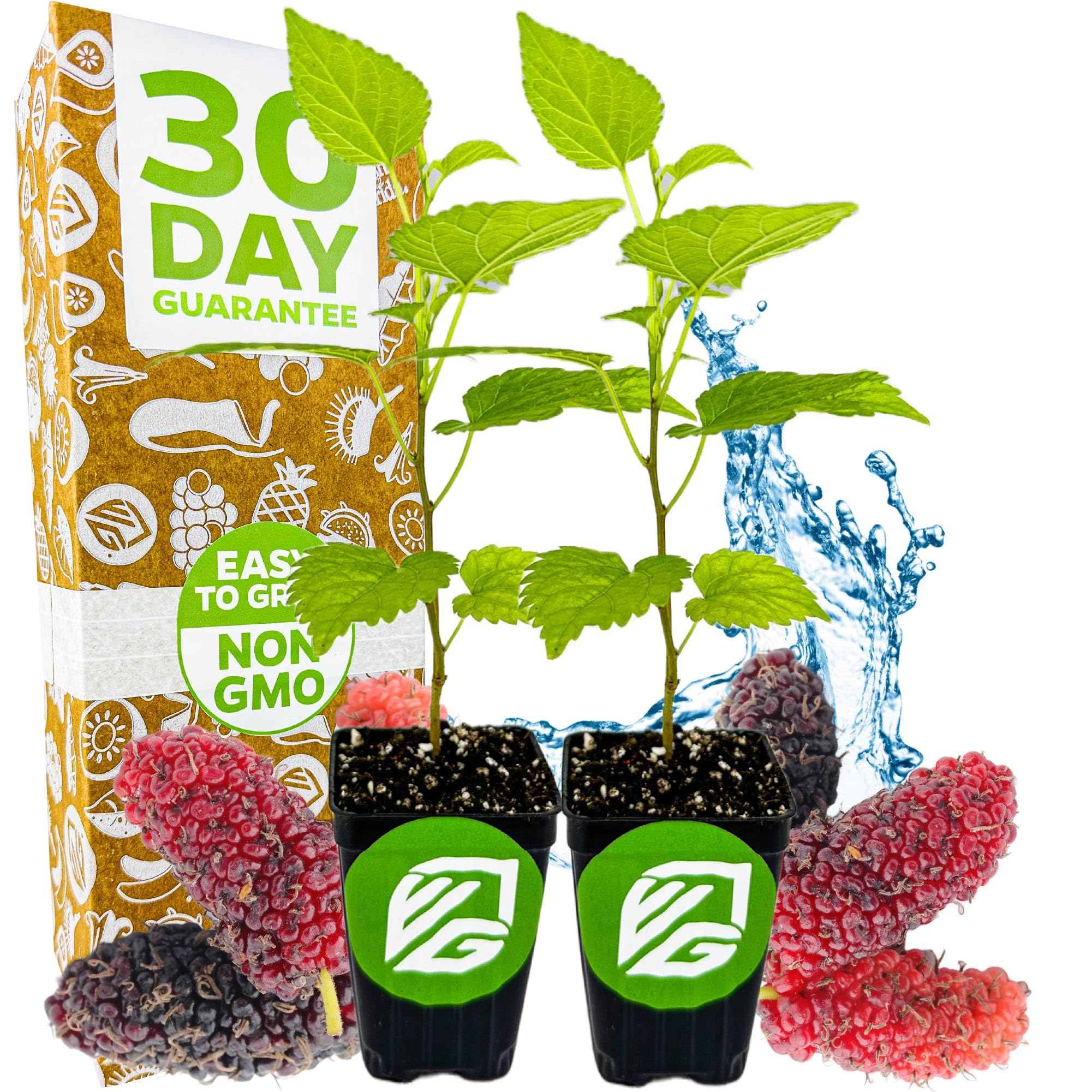
3. Dwarf Everbearing Black Mulberry Tree (Wellspring Gardens, 2-Pack)
A true dwarf that stays below 6 feet — and packs a full-size mulberry punch.
This is the mulberry that actually earns the dwarf label. Average mature height is 2 to 6 feet, making it one of the few fruit trees you can keep in a large patio pot for years. It is rated for USDA zones 5–11, so it survives everything from a Midwest winter to a Gulf Coast summer. The 2-pack gives you two plants for cross-pollination, though the variety is self-fertile. Buyers report it arrives well-packed, often 12 inches tall, with a healthy root plug and sturdy leaves.
What wins people over is the resilience — owners describe a plant that bounced back in a week after dogs stripped every leaf, then doubled in size within a month. That speed of recovery is rare for a mail-order tree. However, a minority receive a “tiny plant” whose leaves drop immediately. The dwarf genetics are real, but some buyers question whether a 3-foot plant in one season is truly dwarf. The 30-day warranty from Wellspring Gardens adds a layer of protection.
Thrives on neglect: A low-maintenance fruit tree that fits a pot, survives zone 5 winters, and bounces back from abuse — ideal for a first-time fruit grower who wants fast results without a 10-foot monster.
Container fruit made easy: Perfect for a patio or balcony gardener who wants a genuine small-stature tree that produces sweet fruit and can handle less-than-perfect care.
Check your expectations: A very small starter plug may take a full season to reach 12 inches; not for anyone who wants instant landscape impact.
4. Russian Pomegranate Tree

A pomegranate that shrugs off frost and drought — and still gives you fruit.
This is the tree for anyone who has killed a citrus from overwatering or underwatering. The Russian Pomegranate is cold-hardy and drought-tolerant — it survives hard freezes and needs “little to no watering” once established. The item weight of 4 pounds tells you it is a well-rooted, substantial plant in a 1-gallon pot, not a flimsy plug. It reaches about 10 feet at maturity, producing large red fruit that ripens in mid to late September.
Owners consistently praise the plant’s health — 50 cite it as the top attribute — and note it arrives 15 to 18 inches tall with vibrant green leaves and moist soil. It is self-fertile so a single tree fruits alone. The vibrant flowers appear in early to mid-spring, adding ornamental value before the fruit sets. Be aware the mature height of 10 feet is not a true miniature; this tree needs a garden bed or a very large pot. A few buyers find it smaller than expected at first, but it doubles in size within a season.
low-maintenance fruit: Perfect for the gardener in a fluctuating climate who wants a tough, productive tree that does not demand daily watering or winter coddling.
Reach for this if: You live where winters bring frost and summers bring drought — this pomegranate handles both better than any other fruiting tree on this list.
Look elsewhere if: You only have a 12-inch patio pot; 10 feet of tree demands a 15+ gallon container or in-ground planting.
5. Fignomenal Dwarf Fig Tree (2-Pack)
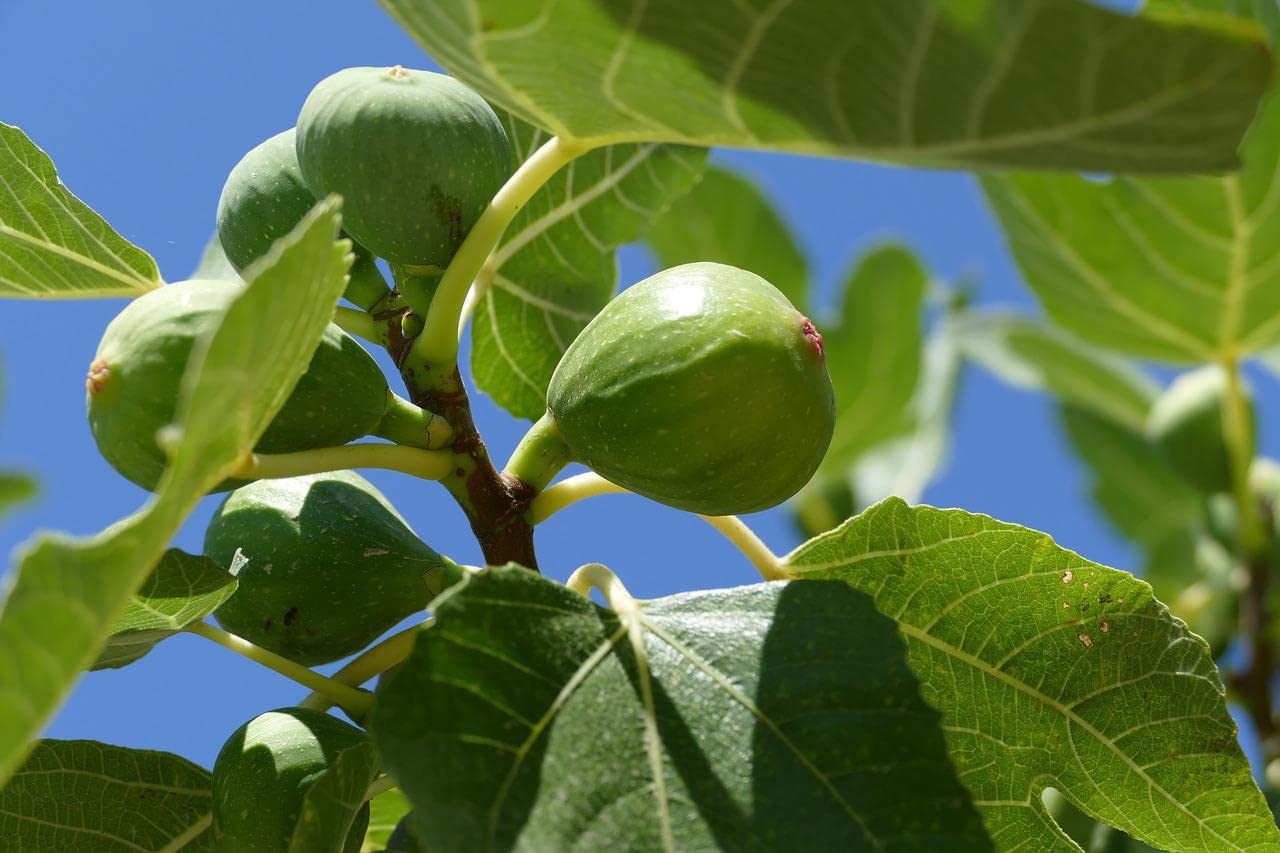
A fig tree that stays under 3 feet — and fruits indoors all year.
Here is the smallest true fruiting tree on the list. The Fignomenal Fig tops out at just 30 inches tall with an equal spread, making it the only dwarf on this list that genuinely fits on a corner table or a windowsill. It is self-fertile, so you get figs without a second plant. The brown-skinned fruit has a pinkish center and is described as deliciously sweet. It is rated for zones 8–11 outdoors but can be moved indoors in cooler zones (4–7) as long as you bring it back inside before temperatures drop to the 60s.
Customer feedback is uniformly positive — “one of the healthiest and nicest plants I’ve ever bought online” is a typical line. Buyers found they could even take 10 cuttings from the original and the plant remained sturdy. The 14-day Greenwood Guarantee covers shipping stress if you contact them promptly. The only practical limit is that a 30-inch tree yields a modest harvest; this is more about the joy of growing your own figs than replacing a grocery run.
Why It Stands Out
- True 30-inch mature height — the smallest fruit tree you can buy.
- Self-fertile and flowers/fruits year-round indoors or out.
- Owners mention it arrived “beautiful and healthy” with room to take cuttings.
One Trade-Off
- Small tree means a smaller fruit yield; it is a novelty harvest, not a production plant.
- Must be moved indoors before temperatures dip into the 60s in cooler zones.
For the indoor gardener: Reach for this if you have a sunny window and want to pick fresh figs in any climate — the most compact fruit tree available.
The catch: Not for you if you want a big crop; this is a tiny tree with tiny yields, more about the experience than the volume.
6. Meyer Lemon Tree — Garden State Bulb

Arrives with flowers and fruit already on the branches — instant gratification in a pot.
This Meyer Lemon tree is the closest you can get to buying a fruit tree that is already producing. Owners regularly report it arriving with 2 to 6 lemons growing and multiple blooms, meaning you are not waiting years for a first harvest. The plant comes in a 1-gallon grower’s pot and is vigorous enough that many describe it as “larger than expected.” The 8-pound item weight confirms it is a substantial, soil-filled plant, not a bare-root stick. It is winter-hardy in zones 8–11 outdoors and can be grown indoors (near a bright window) in zones 4–11.
Appearance is the top praised aspect — 102 buyers mention it — and the tree is described as having luscious green leaves and sturdy branching. Health comes second at 87. The durability aspect is mixed: some owners lose leaves after flowering, particularly in lower-light indoor conditions. The tree demands very direct sunlight to maintain its leaves and fruit. A few customers note it arrives in excellent condition but declines indoors unless placed in perfect light. If you have a sunny south-facing window, this is a dream; if your home is dim, look at a hardy succulent instead.
Fruit on arrival: No other dwarf tree on this list gives you lemons in the first week. The 1-year limited guarantee from Garden State Bulb backs it if it fails.
Reach for this if: You have a very sunny indoor spot or live in zones 8–11 and want a lemon tree that delivers fruit in the first year — the most productive starter you can buy.
Think twice if: Your home lacks bright, direct sunlight; the Meyer Lemon will drop leaves and fruit without it, and a dim room is a dealbreaker for this tree.
7. Dwarf Alberta Spruce (Picea glauca ‘Conica’)

A slow-growing evergreen pyramid that anchors your porch or garden for decades.
If you want year-round green structure with zero fruit mess, this is the dwarf tree. The Dwarf Alberta Spruce reaches 6 to 8 feet tall at maturity with a 3- to 4-foot spread, so it is small for a spruce but still a statement piece. It is rated for zones 3–8, making it the cold-hardiest tree on this list — it laughs at a Minnesota winter. Growth is slow, which means it holds its tidy conical shape for years with minimal pruning. The #2 container size means it is fully rooted in soil and ready to plant immediately.
Owners consistently call it “beautiful, full, and healthy” on arrival, often noting it is larger than expected and better quality than local nurseries offer. Appearance scores 23 mentions as the top positive. A minority report the tree dies suddenly, which may be related to planting stress or spider mites. The 5-pound weight confirms a substantial root ball. This is a low-maintenance choice for anyone who wants structure — no fruit, no flowers, just reliable green.
No-fuss evergreen: The Dwarf Alberta Spruce is the easiest tree here — plant it, water it moderately, and watch it slowly become the centerpiece of your front entry for years.
For the minimalist: Ideal if you want green structure without fruit cleanup, flower petals, or constant pruning — a low-maintenance evergreen for cold climates.
Not for: Anyone expecting fruit or fast growth — this spruce is glacially slow and produces nothing but beautiful foliage.
8. Hello Organics Dwarf Everbearing Mulberry (4 Plants)
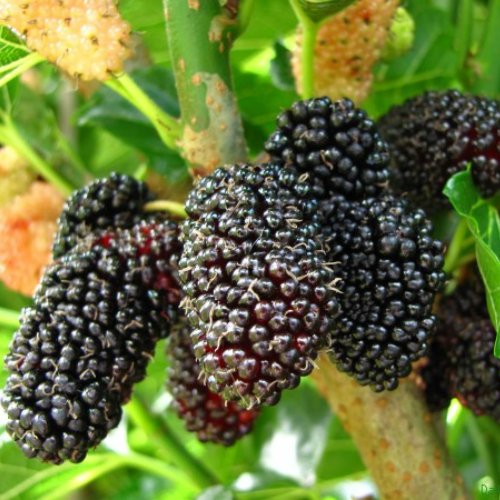
Four starter plants for the price of one — a low-risk gamble if you have the patience.
This is the entry-level mulberry pack: four 2-inch rooted plants shipped in 2-inch tray pots, standing 3 to 7 inches tall. The Dwarf Everbearing variety (Morus nigra) is easy to grow, low maintenance, and can produce several crops per year even in the first season. The seller recommends starting them in 4-inch pots with organic potting soil. The plants are rated for zones 7–10 and need partial shade to moderate watering.
Plant health is the most-discussed aspect at 99 mentions, but it is marked MIXED — meaning some thrive while others struggle. Owners who succeed report impressive growth, with one saying the plants grew two inches during the night. Others receive broken stems or tiny plugs that die quickly. The two-year outcome from one owner is telling: all four survived, grew strong, but remained too small to fruit. The 3- to 7-inch starter size is very small compared to the Wellspring Gardens 2-pack, which arrives at 12 inches. This is a quantity play, not a quality shortcut.
The Upside
- Four plants for a very low entry cost — hedge your bets on survival.
- Low-maintenance variety that fruits multiple times per year.
- Some reviewers point out explosive growth with healthy roots and new shoots.
The Downside
- Starter plugs are only 3–7 inches — fragile and vulnerable to shipping stress.
- Mixed health outcomes: some arrive broken or die quickly despite careful potting.
For the experimenter: Best for a gardener who enjoys the process of raising plants from tiny plugs and wants four chances at success without a big investment.
Look elsewhere if: You want one strong, ready-to-grow tree — the Hello Organics pack is a project, not a showpiece; the Wellspring Gardens 2-pack gives you a bigger start for a similar cost.
Understanding the Specs
Mature Height vs. Container Size
The most misleading number on a dwarf tree label is “mature height.” A tree that says 10 feet is not small enough for a windowsill — it needs a 20-gallon pot or in-ground space. A true dwarf like the Fignomenal Fig at 30 inches can live in a 12-inch pot forever. Always measure your space vertically and horizontally, then subtract a foot for the pot. If the mature height exceeds that, the tree will eventually outgrow the spot.
Hardiness Zones and Overwintering
The USDA hardiness zone tells you the average coldest winter temperature a plant survives. A zone 8 plant tolerates down to about 10°F; a zone 5 plant handles -20°F. If your zone number is lower than the tree’s range, you must bring the potted tree inside or into an unheated garage before the first freeze. The Meyer Lemon (zones 8–11) is a classic example — it thrives indoors near a bright window but dies if left out in a zone 6 winter.
Self-Fertile vs. Cross-Pollination
Self-fertile trees set fruit with their own pollen. That includes the Meyer Lemon, Russian Pomegranate, and Fignomenal Fig — you only need one tree. Other varieties, especially some mulberries, produce heavier crops with a second plant nearby. If you have room for only one tree, confirm the label says “self-fertile” or “self-pollinating.” If it doesn’t, you may get flowers but no fruit.
Shipping Stress and Starter Size
Live plants experience shock during shipping — changes in temperature, light, and moisture. A tree in a 1-gallon pot with moist soil and secure packaging (like the Meyer Lemon at 8 pounds) travels better than a tiny plug in a 2-inch tray. Smaller starters (3–7 inches) are more vulnerable to drying out or breaking. If you order a bare-root or small plug, pot it immediately and keep it in indirect light for a few days before moving to full sun.
FAQ
How small do dwarf trees actually stay?
Can I grow a dwarf tree indoors year-round?
What is the hardiest dwarf tree for cold climates?
Will a single dwarf tree produce fruit or do I need two?
How long does it take for a dwarf tree to fruit?
What size pot does a dwarf tree need?
Why did my dwarf tree arrive looking dry or with broken branches?
What is the best dwarf tree for a beginner?
Can I keep a dwarf tree in a pot permanently?
Final Thoughts: The Verdict
If you want one dependable pick, the best dwarf trees winner is the Dwarf Juniper Bonsai because it delivers a complete, mature, living work of art with zero guesswork — the only tree on this list that looks finished the day it arrives. If you want fruit in the first year, grab the Meyer Lemon; it arrives with flowers and lemons already growing. And for the smallest possible fruit tree, the Fignomenal Fig stays under 30 inches and fruits year-round from a sunny windowsill.
How We Picked
We do not accept paid placement. Every pick is matched to a real buyer and a real use-case; we do not hands-on test units.
Sources & Methodology
Specifications: manufacturer listings and product documentation. Review insights: verified customer reviews, as of July 2026. Pricing: not shown on this page (it changes often); check the current price via the retailer link.
As an Amazon Associate, WellFizz earns from qualifying purchases. This does not affect which products we feature.
Related Guides

Mo Maruf
I created WellFizz to bridge the gap between vague wellness advice and actionable solutions. My mission is simple: to decode the research and give you practical tools you can actually use.
Beyond the data, I am a passionate traveler. I believe that stepping away from the screen to explore new environments is essential for mental clarity and physical vitality.