Our readers keep the lights on and my smoothie glass nicely filled. As an Amazon Associate, I earn from qualifying purchases.
Specs are compiled from manufacturer listings and verified buyer reviews and can change over time — please confirm the key details on the product page before buying.
Ethiopian coffee is about flavor, not just caffeine. You want the bright, fruity complexity that makes Ethiopian coffee famous — a cup that tastes like lemon, floral, or wine notes. Many bags labeled “Ethiopia” taste flat, over-roasted, or stale. This guide finds the bags that deliver the vibrant, sweet, citrusy profile you want.
I’m Mohammad Maruf — the founder and writer behind WellFizz. This guide is built by comparing the manufacturers’ published specifications and the patterns across verified customer reviews, so you get each pick’s real strengths and trade-offs instead of marketing spin.
The right bag improve any brew method, from pour-over to espresso. Here is where to start when picking out the best ethiopian coffee that actually tastes like Ethiopia.
Our Picks at a Glance

How To Choose The Best Ethiopian Coffee
Ethiopia is the birthplace of Arabica, and its beans offer class-leading genetic diversity. The flavor is bright, with notes of lime zest, jasmine, blueberry, or dark chocolate depending on region and processing. Not every bag labeled “Ethiopia” delivers that magic. Here are the key factors that separate a genuinely good Ethiopian pour from a generic dark roast.
Roast Level — The Brightness Decider
Ethiopian coffee is prized for its acidity and fruit-forward character. A light to medium-light roast preserves those bright notes, letting the citrus and floral flavors shine. A dark roast, by contrast, roasts out those delicate acids and turns the cup toward generic bitterness. If you want the classic Ethiopian experience — the one that tastes like lemon tea or berries — look for a light or medium roast specifically.
Freshness and Roast Date
Coffee is a perishable agricultural product. The clock starts ticking the moment the bean leaves the roaster. A bag without a roast date on it is a gamble; you could be buying beans that were roasted months ago and have lost their volatile aromatics. Most roasters recommend using the beans within two to four weeks of the roast date for peak flavor. A resealable bag with a one-way degassing valve helps keep those gases out, but it cannot fix beans that were stale before they were packaged.
Processing Method — Natural vs. Washed
This is the most important variable after the roast itself. A natural (dry) process, where the coffee cherry dries around the bean, produces intense, almost jammy fruit flavors — think blueberry, strawberry, or wine. A washed (wet) process removes the cherry before drying, resulting in a cleaner, more tea-like cup with crisp acidity and floral notes, often jasmine or bergamot. Which one you prefer is personal, but it is worth knowing what you are buying so you are not surprised by a wine-bomb when you expected tea.
Quick Comparison
| Model | Best For | Roast Level | Weight | Certifications | Amazon |
|---|---|---|---|---|---|
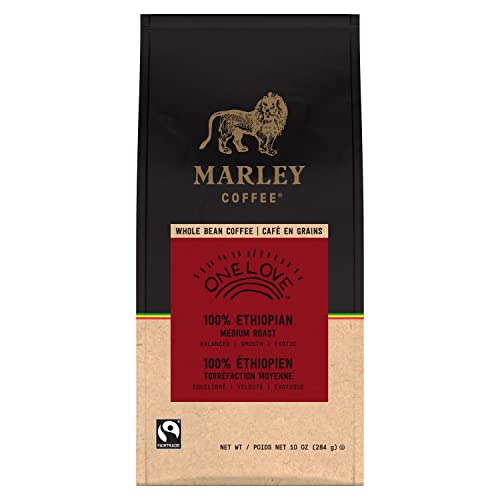
| Marley Coffee One Love Ethiopian★ Best Overall | Brand familiarity and big-batch brewing | Medium | 10 oz | Kosher | Amazon |
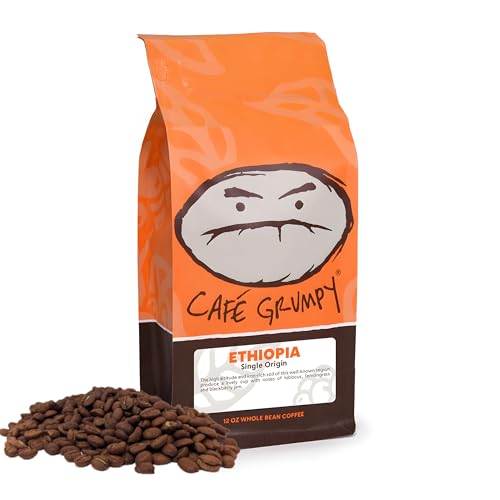
| Café Grumpy Ethiopia YirgacheffeAlso Great | Full-flavored depth and complexity | Medium | 12 oz | Kosher, Fair Trade | Amazon |
| GROUNDWORK Ethiopia Heirloom BlendBest Value | Organic, complex light roast on a budget | Light | 12 oz | USDA Organic, Kosher | Amazon |
| Fresh Roasted Organic Yirgacheffe | Clean cup with low acidity | Light | 12 oz | USDA Organic, Fair Trade, Kosher | Amazon |
| Java Planet Low Acid Organic | Gentle on the stomach | Medium | 16 oz | USDA Organic, Fair Trade | Amazon |
| Cooper’s Cask Ethiopian Bold Light Roast | Bright lemon-honey experience | Light | 12 oz | — | Amazon |
| illy Arabica Selections Ethiopia | Familiar, reliable jasmine notes | Light | 8.8 oz | — | Amazon |
| Bones Coffee Ethiopia Single-Origin | Fruity sweetness with no bitterness | Medium | 12 oz | Vegan, Keto-friendly | Amazon |
| GORA Ethiopian Medium Roast | Ethiopian-sourced and roasted freshness | Medium | 8.8 oz | USDA Organic | Amazon |
In‑Depth Reviews
1. Marley Coffee One Love 100% Ethiopian Wholebean Coffee, Medium Roast, 10 Ounces
Our pick — over 4★ from 400+ verified ratings; the strongest balance of quality and price.
A chocolatey medium roast with a recognizable brand that works for daily drinking.
Marley Coffee’s One Love blend is a 100% Arabica, kosher-certified, medium-roast Ethiopian bean with a rich chocolatey flavor profile. The bag is resealable, which helps maintain freshness between uses, and the beans are a solid choice for a daily brew or a dessert coffee. Owners who love it call it “the best coffee for my taste” and praise the smooth, balanced flavor. The brand itself carries a legacy that some buyers find meaningful (the founder is Rohan Marley).
The recurring complaint is about packaging and freshness. A small number of owners mention receiving only one bag instead of a multi-pack, and some say the beans arrived with no roast date and tasted nearly stale. The roast level also skews darker than expected for a “medium” — one owner found it so dark that it lost the distinctive Ethiopian flavor and tasted generic. If you get a fresh bag, it is a pleasant, chocolatey medium roast. If you get an older bag, it is a miss. The stars are high overall (4.4 stars across 442 owners), but freshness is not a guarantee.
When it hits: smooth, chocolatey, and balanced — a genuinely nice medium roast.
When it misses: inconsistent freshness and roast date transparency create a gamble.
Reach for it if: you buy by brand and want a chocolatey, crowd-pleasing medium roast Ethiopian.
Skip if: freshness and roast date transparency matter more to you than brand name.
2. Café Grumpy Ethiopia Yirgacheffe Single Origin Whole Coffee Beans
The Brooklyn roaster that makes Ethiopian beans taste like berries and tea, not dirt.
This is the bag that delivers what you actually want from an Ethiopian pour-over: complexity. The roast is medium, which is just light enough to let the bean speak. The tasting notes here are malted milk chocolate, apricot, and Earl Grey tea — a combination that sounds like a bakery but drinks like a clean, fruity cup. Owners call it “incredibly delicious and smooth,” and the fragrance straight out of the bag is distinctly berry-like. Unlike some roasters that hide the roast date, Café Grumpy prints it on the bag, and recent bags land within a month of roasting.
It is a women-owned Brooklyn roaster with a farm-to-table ethos, and the beans are Fair Trade certified. That 12 oz bag goes fast because the flavor pulls you back for a second and third cup. The only real limitation is the run size — at a small roaster, batches sell out, and availability can be inconsistent if you get attached. If you love Ethiopian coffee, you are going to love this blend. It is a must-try.
What wins people over
- Deep, complex flavor with apricot and milk chocolate notes
- Visible premium Arabica bean quality in every handful
- Roast date printed on the bag — usually within the last month
- Works beautifully for espresso, French press, and pour-over
The caveat
- Premium pricing for a 12 oz bag; the quality justifies it, but it stings
Reach for it if: you want a fruit-forward, refined Ethiopian brew with genuine Arabica character and a roaster you can trust.
Think twice if: the bag size feels small for your daily volume — you will go through it quickly.
3. GROUNDWORK Ethiopia Heirloom Blend – Whole Bean Coffee Light Roast
The lightest roast on the list, and the one that tastes like caramel with real depth.
At 12 oz with a light roast profile, this is the bag that preserves the citrus, dark fruit, and milk chocolate notes you expect from a Heirloom Ethiopian blend. It is USDA Organic and Kosher certified, and the flavor is what wins owners over most. The coffee is mellow and full-bodied — fresh beans, no stale aftertaste, and a finish that one owner said “tastes like caramel, but with complexity.”
Unlike the smaller illy bag (which is 8.8 oz), this one gives you 12 oz. The roast is light enough to keep the acidity sharp, so pour-over fans get the brightness they crave. The catch is that the bag does not come with a roast date printed on it, so freshness is a roll of the dice. Some bags land feeling truly fresh; others are quieter on the aroma front. If you care about a guaranteed roast date, you may lean toward Café Grumpy.
Why it stands out
- Light roast keeps the citrus and dark fruit notes intact
- USDA Organic, Kosher, and Non-GMO certified
- Owners consistently praise the flavor and smoothness
- 12 oz bag beats smaller options on value
Consider this
- No roast date printed on the bag — freshness is inconsistent
Best for: the organic shopper who wants a bright, fruity light roast without paying premium-roaster prices.
Skip if: a printed roast date is non-negotiable for you.
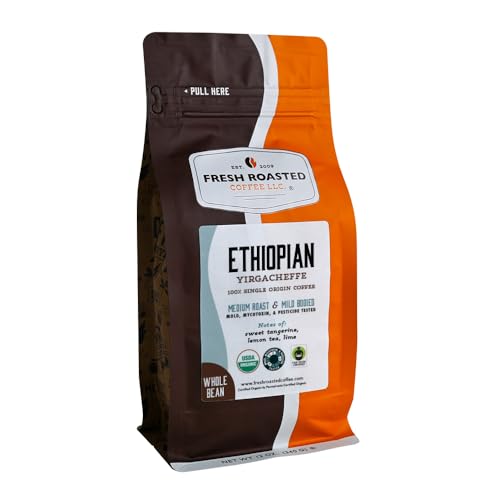
4. Fresh Roasted Coffee, Organic Ethiopian Yirgacheffe Whole Bean Coffee
A light roast Yirgacheffe that tastes like sweet tangerine and finishes clean as tea.
If purity is your priority — and I mean lab-tested purity — this is the bag. The beans are USDA Organic, Fair Trade, and Kosher certified, and they have been screened by a certified laboratory for mold, mycotoxins, and pesticides. The lab found zero trace levels of any contaminants in sampled coffees. That is a rare level of transparency for a product you can buy on Amazon.
The flavor profile matches the hype: sweet tangerine and lime on the front, with a vibrant acidity that finishes with a clean, dry lemon tea note. Owners describe it as well-balanced with low acidity, incredibly smooth, and without that icky bitter taste that other coffees leave behind. It is milder than a typical Kenyan or Sumatran, so expect a gentler cup. The one honest trade-off is that some bags arrive darker than the “light roast” label suggests, and a few owners found the overall flavor profile too mild for their taste.
Worth the premium: third-party lab testing for mold and pesticides is a legitimate differentiator — rare in this price tier.
Roast watch: occasional batch variation means you might get a bean that is closer to medium than light.
Reach for this if: you want a clean, low-acid Ethiopian with verifiable purity and bright citrus notes.
Look elsewhere if: you prefer a bolder, darker roast profile.
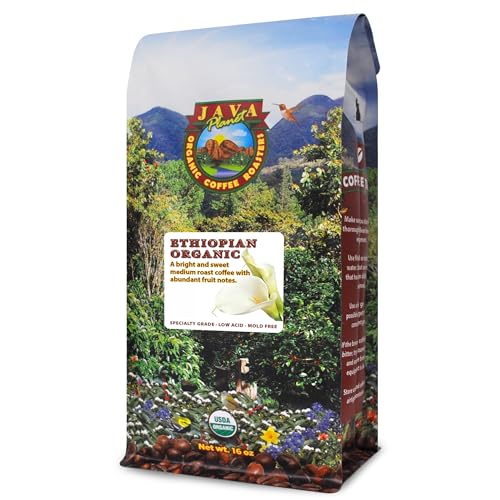
5. Java Planet Low Acid Organic Ethiopian Coffee Beans, Medium Roast, 16 oz
The 16 oz bag that delivers Ethiopian fruit notes without the acid reflux.
This is the medium roast that manages to preserve the abundant fruit notes of a natural-washed Ethiopian coffee while keeping acidity low enough that people with sensitive stomachs can enjoy it without trouble. The beans are USDA Organic, Fair Trade, and independently tested for mold and heavy metals. At 16 oz, it is the largest bag on this list, and the value is obvious against the 12 oz competitors.
Owners call it high-quality, sophisticated, and refined, and one owner with acid reflux specifically noted that this coffee eliminated the problem entirely. The roast is accurate to the medium label — a good middle ground that is not too dark to kill the fruit but not so light that it aggravates digestion. The catch is that at this price point, some owners find it expensive compared to similar single-origin bags. It is a premium product with a premium tag, but you are paying for the certification, the testing, and the larger bag size.
Biggest draw: the low-acid claim is backed by real owner experience — multiple reviewers confirm it solves acid reflux issues.
Fair warning: the medium roast means the fruit notes are dialed back compared to a light roast; expect more sweetness, less brightness.
Best for: anyone with acid reflux who still wants a flavorful, organic Ethiopian single origin.
Think twice if: you want the extreme brightness of a light roast Ethiopian.
6. Ethiopian Bold Light Roast Coffee, Gourmet Single-Origin Coffee Beans from Ethiopia, 12oz Bag (Cooper’s Cask Coffee)

The lightest roast in the lineup that actually tastes like lemon tart and raw honey.
Cooper’s Cask, a family-owned small-batch roaster in Rhode Island, uses a special drying method that leaves the fruit peel pulp on the coffee cherry, which pushes the flavor into bright and clean territory. The official tasting notes are lemon tart, raw honey, and floral nectar, and owners confirm it is full-bodied with no bitter aftertaste and a “pronounced, clean, non-bitter coffee flavor,” according to the roaster.
For flavor alone, this is among the most positively reviewed Ethiopian coffees here — 97 owners specifically praise the flavor, and 82 praise the overall coffee quality. It works beautifully for espresso and pour-over, and the small-batch roasting means each bag gets attention. The one thing to note: the roast is actually light, not “bold” like a dark roast. If you expect a heavy, brooding cup, you will be surprised. This is a light, vibrant, floral coffee that demands you grind it fresh and brew it carefully. It is best for pour-over and espresso fans who love bright, clean flavors; skip it if you prefer a dark, heavy roast.
What owners rave about
- Intensely bright, clean flavor with no bitterness
- Rich floral aroma that fills the kitchen
- Small-batch roasted with visible care
One note
- The “bold” name is misleading — this is a light roast, not heavy
Reach for it if: you want a genuinely bright, floral light roast Ethiopian that tastes like lemon and honey.
pass on it if: you prefer a darker, fuller body with less acidity.
7. illy Arabica Selections Ethiopia Whole Bean Coffee, Light Roast with Notes of Jasmine, 8.8 oz
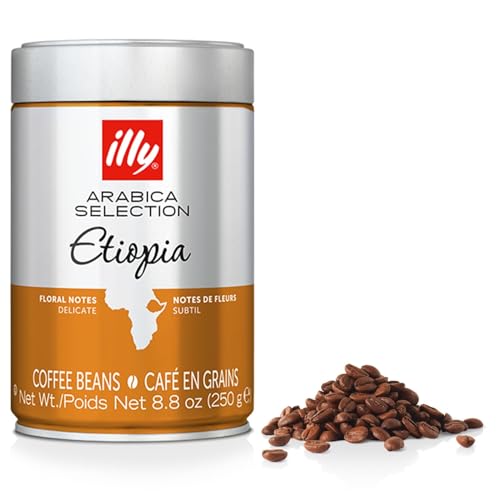
The iconic Italian can that brings gentle jasmine notes to your kitchen counter.
illy is a household name for a reason. Their signature Arabica roast is refined and consistent, and this Ethiopian selection offers a light roast with delicate notes of jasmine. It is a very different experience from the intense, fruit-forward naturals — this is a washed-process Ethiopian that tastes clean, floral, and smooth.
The mixed point here is value for money. Some owners find it pricey for what it is — a quality but not transcendent Ethiopian coffee — while others think it is worth every penny for the consistency and the brand trust. The taste quality is the highest-mentioned aspect, with 91 owners praising it. If you want a reliable, no-fuss light roast with jasmine notes and you are okay with a smaller can, this is a solid pick.
Smoothest operator: the roast profile is famously consistent — what you get this month is what you will get next month.
The small can: 8.8 oz goes fast if this is your daily driver.
Best for: the buyer who values brand consistency and a clean, floral flavor profile over raw intensity.
Think twice if: you want a bigger bag for less money or a fruitier natural-process profile.
8. Bones Coffee Company Ethiopia Single-Origin, Whole Coffee Beans, Medium Roast, 12 oz

The bean that tastes almost sweet without sugar, with fruity notes that surprise you.
This medium roast from Bones Coffee Company is a lighter medium — closer to a light roast in feel — and that is exactly right for Ethiopian beans. The tasting notes are citrus, floral, and berries, and owners confirm the coffee is “fruity, almost sweet, not bitter.” It works beautifully for Greek-style coffee, where it produces ample foam and a rich, almost chocolaty flavor. The bag is resealable, and the beans are vegan and keto-friendly with no added sugar or dairy.
The main catch is inconsistency in roast level. Some owners find the taste too bitter or harsh — a minority report, but worth noting. The coffee quality aspect is the most-praised (26 owners mention it positively), but the flavor aspect is mixed, meaning some love the delicate profile and others find it not to their taste. If you want a fruit-forward, medium-light Ethiopian with a low bitterness level, this is a strong contender. If you prefer a darker, bolder profile, pass.
Standout strength: the near-sweetness that makes it drinkable black for people who usually add sugar.
Watch for: roast variation — a few bags land with a harsher profile than expected.
Reach for it if: you want a fruity, non-bitter Ethiopian that works for espresso or Greek coffee.
Skip if: bitterness is a dealbreaker — a small number of buyers report it.
9. GORA Ethiopian Coffee Beans – Medium Roast Whole Bean, Single Origin Arabica, 100% Organic, 250 Grams
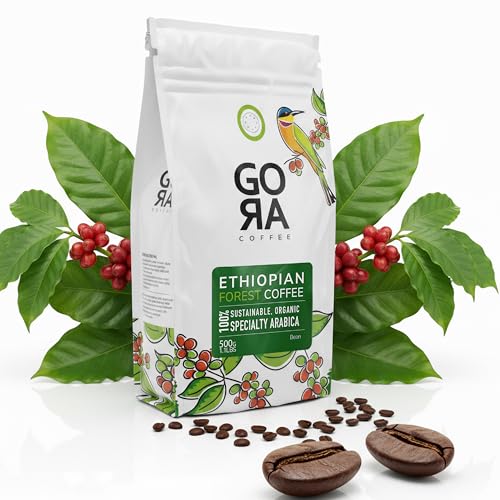
The beans are roasted in Ethiopia itself, then shipped to your grinder.
Most coffee on this list is roasted in the US or Europe. GORA does something different: the beans are sourced, roasted, and packaged in Ethiopia, then shipped. That means the coffee hits your kitchen closer to its origin state, with less time sitting in a warehouse between roasting and arrival. The roast is a medium that preserves chocolate and subtle fruit notes, and owners describe it as “smooth, rich flavor with no bitterness” and “easy to drink even without cream or sugar.”
The bag size is 250 grams — about 8.8 oz — which is on the smaller side, but GORA offers larger sizes (500g and 1kg) if you fall in love. The quality aspect is the most-praised, with 12 owners calling it high quality. The flavor aspect is mixed, though — some find it too weak or acidic, especially for espresso. If you pull a lot of espresso shots, you may find the acidity a challenge. This is a better fit for pour-over or cold-brew methods, where the delicate notes can shine.
Why it is unique
- Sourced, roasted, and packaged in Ethiopia — true origin freshness
- Organic, smooth, and free of bitterness according to owners
- Also available in 500g and 1kg sizes for committed drinkers
Consider this
- 8.8 oz is a small bag; large sizes are the way to go
- Acidity can be too bright for espresso drinkers
Best for: the purist who wants coffee roasted at the source in Ethiopia, and who brews with a pour-over or cold brewer.
Think twice if: you mainline espresso and need low acidity in every shot.
Understanding the Specs
Roast Level
This is the single most important spec for Ethiopian coffee. A light roast preserves the bean’s natural acidity and fruit-forward character — you taste the lime, the jasmine, the berry. A dark roast roasts those delicate acids right out, leaving behind a more generic bitterness. If you want a classic Ethiopian cup, you want a light or medium-light roast. Medium roasts offer a middle ground, balancing fruit sweetness with chocolate body, but they sacrifice some of the origin’s unique brightness.
Processing Method — Natural vs. Washed
This is a key differentiator that many listings do not explicitly state, but you can infer it from the tasting notes. Natural-process (dry) Ethiopian coffees taste like a fruit punch — blueberry, strawberry, wine. Washed-process (wet) coffees are tea-like and floral — jasmine, bergamot, lemon. Some bags, like the GROUNDWORK heirloom blend, use both processes to create complexity. If you see notes of dark fruit and milk chocolate, it is likely a natural or blend. If you see jasmine and lime, it is likely washed. Pick the one that matches your palate.
FAQ
What makes Ethiopian coffee different from other origins?
What does “Yirgacheffe” mean on the bag?
Should I buy whole bean or ground Ethiopian coffee?
How should I store my Ethiopian coffee beans?
Why does my Ethiopian coffee taste bitter even though I bought a light roast?
How much caffeine is in Ethiopian coffee compared to other origins?
Is natural-process Ethiopian coffee stronger in flavor than washed?
Can I use Ethiopian coffee for cold brew?
How long does a bag of whole bean Ethiopian coffee stay fresh?
What is the best brewing method for Ethiopian coffee?
Final Thoughts: The Verdict
For most buyers, the ethiopian coffee winner is the Café Grumpy Ethiopia Yirgacheffe because it combines a genuine fruit-forward flavor with a trusted roaster that prints a roast date. If you want a bright, citrusy light roast on a budget, grab the GROUNDWORK Ethiopia Heirloom Blend. And for a clean, lab-tested Yirgacheffe with no bitterness, the Fresh Roasted Organic Yirgacheffe is the one to reach for.
How We Picked
We do not accept paid placement. Every pick is matched to a real buyer and a real use-case; we do not hands-on test units.
Sources & Methodology
Specifications: manufacturer listings and product documentation. Review insights: verified customer reviews, as of July 2026. Pricing: not shown on this page (it changes often); check the current price via the retailer link.
As an Amazon Associate, WellFizz earns from qualifying purchases. This does not affect which products we feature.
Related Guides

Mo Maruf
I created WellFizz to bridge the gap between vague wellness advice and actionable solutions. My mission is simple: to decode the research and give you practical tools you can actually use.
Beyond the data, I am a passionate traveler. I believe that stepping away from the screen to explore new environments is essential for mental clarity and physical vitality.