Our readers keep the lights on and my smoothie glass nicely filled. As an Amazon Associate, I earn from qualifying purchases.
Specs are compiled from manufacturer listings and verified buyer reviews and can change over time — please confirm the key details on the product page before buying.
Pick a fabric that sags or stretches the wrong way, and your corset will never hold its shape under lacing pressure. You need a material that is stiff enough to cinch without collapsing, yet comfortable against your skin — a balance that is surprisingly hard to get right. This guide shows you exactly which fabrics deliver real structure for your next corset project, based on the manufacturers’ published specs and patterns across verified customer reviews.
I’m Mohammad Maruf — the founder and writer behind WellFizz. This guide is built by comparing the manufacturers’ published specifications and the patterns across verified customer reviews, so you get each pick’s real strengths and trade-offs instead of marketing spin.
The choice depends on weave, weight, and stretch. Here is everything you need to confidently choose the best fabric for corset that will hold its shape through every single wear.
Our Picks at a Glance

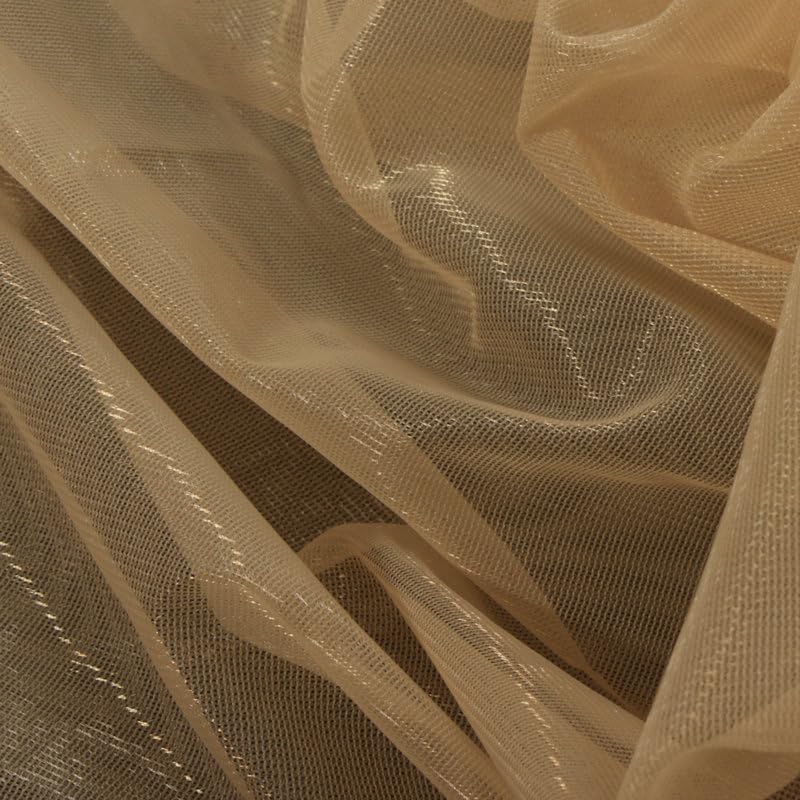
How To Choose The Best Fabric For Corset
Your corset has two main jobs: hold its shape under compression, and feel comfortable against your skin. Choosing the wrong fabric means fighting with a floppy mesh or sweating in a layer that does not breathe. Here is the short list of what actually matters.
Stretch vs No Stretch
For a structural corset that actually cinches your waist, you need a fabric with zero or near-zero stretch. A power mesh or non-stretch netting gives you the stable base to attach bones and grommets to. A little bit of horizontal give helps with fitting curves, but vertical stretch is a dealbreaker — it will lose all tension under load.
Weight and Hand Feel
Mesh fabrics for corsets are typically a lightweight, sheer polyester that does not add bulk. If you are using the fabric as a lining layer (the part that touches skin), cotton lawn is the go-to: it is thin, breathable, and softens beautifully after washing. For the strength layer that provides the actual compression, you want a stiffer mesh — think buckram if you need serious rigidity for hats or costume pieces, or a medium-weight power mesh for something that still drapes a little.
Width and Length per Yard
Corset panels are cut on the bias (at a 45-degree angle) to follow the body’s curves, which demands generous width. Standard fashion fabrics are around 58-60 inches wide. A 5-yard pre-cut gives you plenty of material for multiple mock-ups or a full corset with some room for mistakes — something beginners especially appreciate.
Quick Comparison
| Model | Best For | Width | Length / Cut | Stretch | Amazon |
|---|---|---|---|---|---|
| Barcelonetta Cotton Lawn Fabric★ Best Overall | Lining Layer / Skin Contact | 58 in | 2 Yards | N/A (Cotton Woven) | Amazon |
| Power Corset Mesh FabricAlso Great | Best Overall Corset Base | 63 in | 5 Yards | Non-Stretch | Amazon |
| Corset Mesh Fabric Non Stretch Netting | Structured Transparent Corsets | 63 in | 5 Yards | Minimal Horizontal / No Vertical | Amazon |
| FabricLA Cotton Lawn Fabric | Premium Lining / Versatile Sewing | 60 in | 5 Yards | N/A (Cotton Woven) | Amazon |
| 3 Yards White Cotton Fabric (Muslin) | Mock-ups / Quilting / Backing | 59 in | 3 Yards | N/A (Cotton Woven) | Amazon |
| Buckram Fabric by burlapfabric.com | Hats / Cosplay / Rigid Structure | 25 in | Continuous Cut to 50 Yds | N/A (Stiff Cotton Mesh) | Amazon |
In‑Depth Reviews
1. Barcelonetta Cotton Lawn Fabric
Our pick — 4.5★ from 200+ verified ratings; the strongest balance of quality and price.
The soft, breathable cotton lawn that owners keep re-buying as their go-to lining fabric.
If your corset uses a structural mesh as the strength layer, you likely want something soft and breathable between that mesh and your skin. This is that layer. Made from 100% cotton lawn (cotton lawn is a lightweight, fine-weave cotton fabric), it is thin and has a smooth texture that feels good against bare skin — a world away from the scratchiness of synthetic mesh. At 58 inches wide and 72 inches long (2 yards), it is a more modest cut, but as a lining piece for a single corset, 2 yards is plenty to cut panels on the bias.
Owners praise the fabric quality more than any other aspect, with many noting it is “soft and drapey” and holds up beautifully as a lining. The major catch is sheerness: it is slightly sheer, similar to voile (a lightweight, semi-sheer fabric). One buyer called it “very white, blue-ish almost,” noting the white is an intense, cool shade that may not match other off-white trim. Use it as a lining (where it sits behind the structural layer) and the sheerness is never an issue — in fact, it is a feature for summer dresses and breezy underlayers.
Customers note: “I like it so much I keep re-buying it — excellent for linings!” The quality here is the headline — 50 buyers single it out, with softness following at 25 mentions.
Reach for it if: you need a soft, breathable 100% cotton lining for your corset that gets even softer with washing and won’t irritate skin.
Think twice if: you need a structural fabric that holds shape — this is a lining only; pair it with a Power Corset Mesh or non-stretch netting for the actual corset base.
2. Power Corset Mesh Fabric
The go-to non-stretch power mesh that corset makers keep coming back to.
This fabric stays stable under pressure — exactly what a corset base needs. It is a 100% polyester non-stretch mesh (non-stretch means zero give in every direction), so you can bone it, grommet it, and cinch it down without the fabric warping on you. At 63 inches wide and a full 5-yard pre-cut (200 inches total length), you have 5 yards (200 inches) of material, which gives you room for practice pieces or a full garment without buying another roll.
Buyers report the mesh is sturdy enough for undergarment practice runs and serious corset projects alike. The sheerness means you can use it as a transparent overlay layer — perfect for a see-through corset panel over a contrasting lining. Owners mention the material is sheer enough to require careful handling with skin-toned underlayers for a smooth invisible-corset look, but that is exactly what the multiple nude shade options are for.
Why It Works
- 200-inch length means no piecing panels together for a full corset
- Zero stretch in any direction keeps bone channels true and grommets secure
- Generous width (63 in) gives you plenty of bias-cut room for curving panels
- Buyers love it specifically for corset making — the feedback is consistently positive
What to Know
- Sheer fabric requires careful color matching with underlayers if used as a transparent layer
- Non-stretch means zero forgiveness — your pattern fitting needs to be precise from the start
Reach for it if: you need a stable, affordable non-stretch mesh that can handle real compression and comes in a generous 5-yard cut for serious corsetry.
Consider something else if: your project requires a soft lining layer against the skin — this is a structural mesh, not a comfort layer.
3. Corset Mesh Fabric Non Stretch Netting
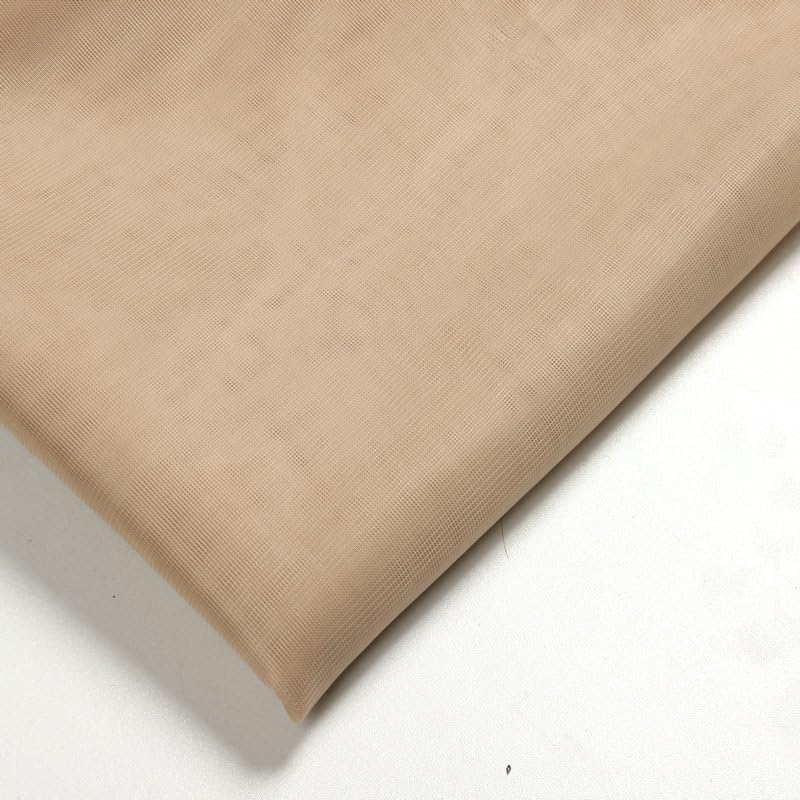
A sheer netting with super-fine polyester filaments for a smooth, stable corset base.
Unlike the Power Corset Mesh, which is fully rigid in every direction, this one has a subtle difference: it has a little bit of horizontal stretch (across the fabric’s width) but almost no vertical give (up and down the fabric). That small amount of horizontal flex helps the fabric follow the body’s curves during fitting without sacrificing the vertical stability needed for compression. The super-fine polyester filaments create a smooth surface that feels comfortable against the skin — a clear step up in feel from harsher mesh fabrics like standard netting.
Owners consistently note that it is “perfectly sheer” and ideal for corset making, with one buyer saying, “I loved working with this material.” The 5-yard pre-cut (200 inches) matches the Power Corset Mesh’s generous length, giving you 2 yards more than a standard 3-yard piece. The most-discussed trait is the stretchiness — some want absolutely zero stretch for a rigid buckram-like structure, but others appreciate the slight horizontal give for easier shaping.
Where It Shines
- Super-fine polyester offers a smooth, less scratchy feel against bare skin compared to standard mesh
- The slight horizontal stretch makes curving panels around the waist easier without the fabric puckering
- Sheer, non-stretch vertical structure is perfect for transparent corset overlays and layering
- Generous 5-yard (200-inch) pre-cut means you get a full corset plus extra for practice or mock-ups
The Trade-Off
- The minimal horizontal stretch may be too much give for those seeking absolute rigidity like buckram
- Vertical stretch is near zero, but the horizontal play can cause slight shifting if you over-tighten bones
Best for: corset makers who want a sheer netting with just enough curve-following flex for better fit without losing vertical structure.
Not the pick if: you need a fully rigid, zero-stretch base for extreme compression or hat/costume pieces where even a millimeter of give is unacceptable.
4. FabricLA Cotton Lawn Fabric

A generous 5-yard cut of lightweight cotton lawn that turns a single purchase into multiple projects.
Compared to the Barcelonetta cotton lawn’s 2 yards, the FabricLA version gives you a full 5 yards (180 inches) at 60 inches wide — that is 8 more inches of width per yard for bias-cut corset panels and enough material for a full corset lining plus a few garments or quilting projects on the side. Made from 100% cotton, it has that thin, soft, breathable feel that makes it ideal for summer dresses, blouses, and as a skin-comfort layer inside a corset.
Owners consistently praise the fabric quality — it is the most-discussed positive trait, followed by its lightweight nature and softness. It does have a mixed verdict on sheerness: some find it charmingly semi-sheer for Victorian underclothes or summer tops, while others wish it were more opaque. The real-world consequence is that it works perfectly as a lining (where sheerness is irrelevant) and as a main fabric only if you are fine with a bit of transparency in the final garment.
Project Value
- 5 yards at 60 inches wide gives you 5 yards of material for bigger projects
- Lightweight 100% cotton softens with each wash and feels comfortable directly against skin
- Highly versatile — works for corset linings, summer blouses, Victorian underclothes, quilting, and dye projects
- Owners specifically praise the quality (21 mentions) and the lightweight feel (13 mentions)
Watch For
- Sheerness is mixed — some buyers find it merely sheer, others say it is essentially opaque; pre-wash is recommended
- The actual width may run 56 inches rather than the advertised 60 inches, as some owners have noted
Best for: anyone who needs a generous 5-yard cut of soft cotton lawn for a full corset lining plus extra for other sewing projects.
Not for you if: you need an opaque main fabric — this is a lining-weight lawn with some sheerness; pair it with a structural mesh for the outer corset layer.
5. 3 Yards White Cotton Fabric (Muslin)
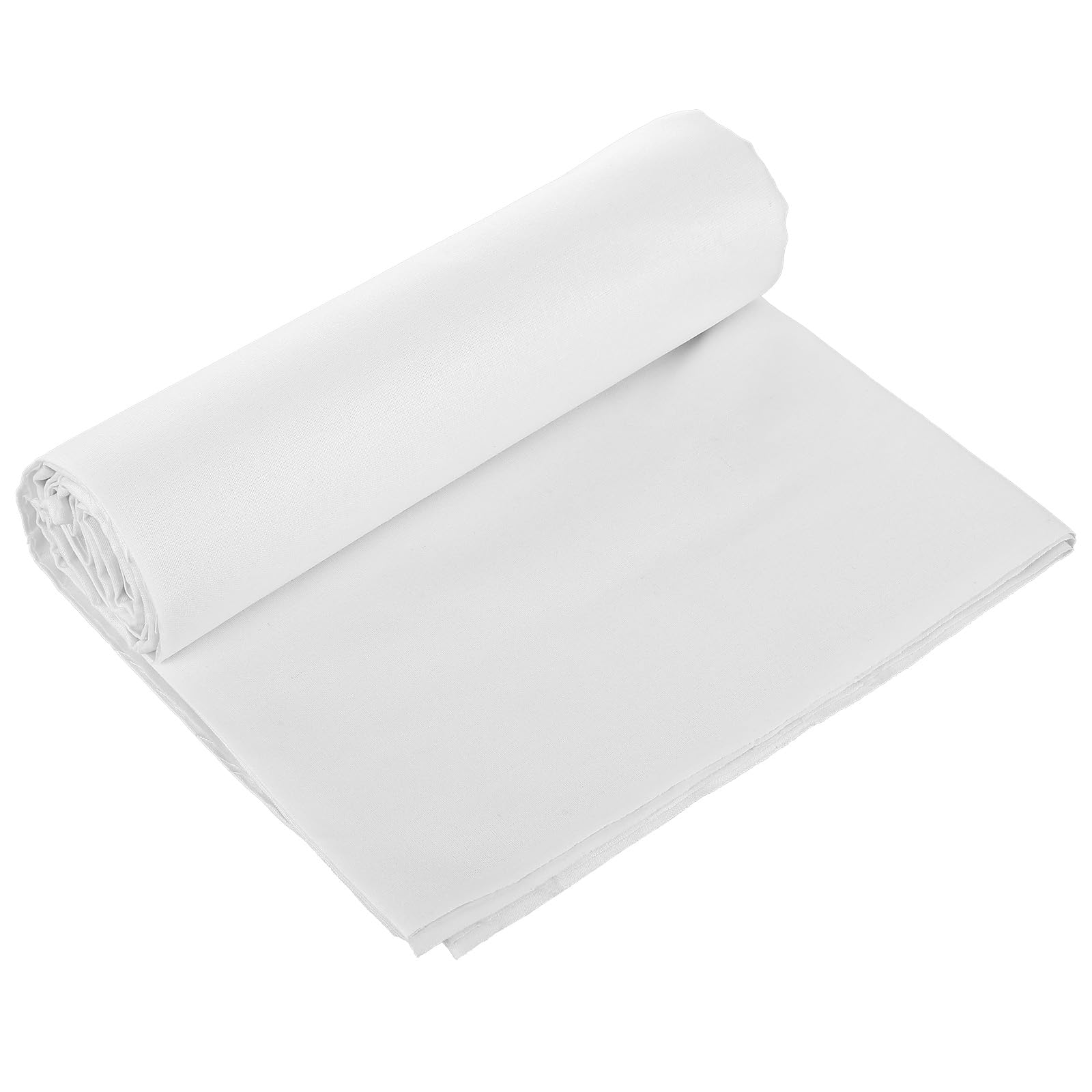
A classic bleached muslin that is the budget-friendly workhorse for corset mock-ups and quilt backing.
If you are still perfecting your corset pattern or need a stable backing fabric for a quilt, this 100% cotton muslin (muslin is a plain-weave cotton fabric, often used for test garments) is the right call. It is a medium-weight plain weave at 59 inches wide and 3 yards long — a smaller cut than the mesh options, but muslin is not a structural corset material; it is your pattern-testing fabric. At this weight, it will not shrink much after washing, and it has a smooth surface that takes pins and chalk markings easily without fraying.
Buyers consistently call it “soft, perfect for my quilt backing” and a “quality fabric.” The standout real-world use is in quilting — owners have used it on up to three quilts and keep ordering more. As a corset mock-up fabric, its medium weight gives you a reasonable sense of how a cotton-based corset will behave without wasting expensive mesh on your first draft. The main difference from a structural corset mesh: it has no compression resistance, so it works purely as a toile (test garment) fabric, not the final corset itself.
Good to know: the “natural” muslin may have small cottonseed spots visible — that is normal for unbleached natural cotton and not a defect.
Reach for it if: you need an inexpensive, medium-weight cotton for corset mock-ups, quilting projects, or stable backing fabric that is easy to cut and sew.
Look elsewhere if: you need the final structural fabric for a corset — this muslin lacks the non-stretch properties and rigidity that corset mesh provides.
6. Buckram Fabric by burlapfabric.com

The stiff finish cotton buckram that hat makers and cosplayers rely on for severe shapes.
Buckram is in a class of its own for rigidity. Made from 100% cotton with a stiff finish, this is the fabric you reach for when a corset needs to hold an extreme shape — think costume armor pieces, theatrical corsets, or hat bodies. At 25 inches wide, it is significantly narrower than the other fabrics in this guide, which is standard for buckram (it is sold narrow to be used as a structural insert, not a full-width garment fabric).
The feedback on this product reveals a clear split: some buyers call it “just the right weight and stiffness” for hat making and cosplay bows, while others find it “not stiff enough for hat bases” and “light weight” — so the stiffness is genuinely mixed depending on the project’s demands. It is sold by the yard as a continuous cut up to 50 yards, meaning you can order exactly the length you need. Note that it is not fusible (it requires sewing or stitching, not iron-on application), which tripped up some buyers expecting an interfacing (interfacing is a fabric layer fused with heat to add stiffness).
When to Use It
- 100% cotton with a stiff finish holds severe shapes for hats, costume armor, and rigid corset inserts
- Continuous cut up to 50 yards means you order exactly the yardage you need with no waste
- Mesh (leno or basket weave) construction allows airflow while maintaining structure
- Owners praise it for cosplay bows and hat-making projects, with many coming back for repeat purchases
What to Measure
- At 25 inches wide, it is too narrow for a full corset panel — use it as a reinforcing insert, not the main body
- Stiffness is polarizing: some find it perfect, others find it too light for heavy-duty hat bases
- Not fusible — this is a fabric that requires stitching, not iron-on application
Best for: hat bodies, cosplay armor pieces, and rigid corset interfacing that demands a stiff, shape-holding cotton mesh.
Not the pick if: you need a full-width corset fabric (25 inches is too narrow) or you are looking for a fusible iron-on interfacing — this is a sew-in structural fabric only.
Understanding the Specs
Non-Stretch vs Stretch
The single most important spec for corset fabric. A non-stretch mesh (often called power mesh or corset netting) gives you a stable base for bones and grommets that will not deform under compression. Some meshes have a tiny bit of horizontal stretch to help the fabric follow your waist curve — that is useful for comfort, but vertical stretch (up and down the fabric) will make your corset sag and lose shape. Always check the stretch direction in the product description.
Fabric Width and Yardage
Corset panels are typically cut on the bias, which eats up more fabric width than straight-cut garments. Standard corset mesh comes 60-63 inches wide, giving you enough diagonal room to cut curving panels in a single piece. A 5-yard pre-cut (180-200 inches) is the balance for a single corset — it gives you room for mock-ups, mistakes, and multiple panel pieces. A 2-yard cut works for lining fabric only.
Mesh vs Cotton Lawn
These serve two completely different roles in a corset. Mesh (polyester or cotton leno weave) is the strength layer — it provides compression, holds bones, and gives the corset its shape. Cotton lawn is the lining layer — it sits between the mesh and your skin for breathability and comfort. Many corsets use both: a non-stretch mesh for structure, lined with a soft cotton lawn for comfort.
Sheerness and Transparency
Both corset meshes and cotton lawns can be sheer (see-through) or opaque. A sheer mesh is desirable for transparent corset overlays and layering — you can see the skin or a contrasting lining beneath. A sheer cotton lawn is useful as a lining because it disappears under the outer fabric. Watch the color match: a “bright white” mesh under a cream-colored outer fabric, or vice versa, will show through.
FAQ
What is the best fabric for a corset base?
Can I use cotton lawn for the outer layer of a corset?
What is the difference between power mesh and buckram?
How many yards do I need for a single corset?
Is corset mesh see-through?
Can I use normal cotton fabric for a corset?
What does non-stretch mean in corset fabric?
How do I care for corset mesh and cotton lawn?
Final Thoughts: The Verdict
For the majority of shoppers, the fabric for corset winner is the Power Corset Mesh Fabric because its non-stretch polyester base, generous 63-inch width, and 5-yard pre-cut give you the most reliable structure for real compression. If you need a soft, breathable lining layer, grab the Barcelonetta Cotton Lawn — 100% cotton that owners keep re-buying for its quality and softness. And for rigid hat/costume pieces where extreme shape-holding is everything, the Buckram Fabric is the one to reach for.
How We Picked
We do not accept paid placement. Every pick is matched to a real buyer and a real use-case; we do not hands-on test units.
Sources & Methodology
Specifications: manufacturer listings and product documentation. Review insights: verified customer reviews, as of July 2026. Pricing: not shown on this page (it changes often); check the current price via the retailer link.
As an Amazon Associate, WellFizz earns from qualifying purchases. This does not affect which products we feature.
Related Guides

Mo Maruf
I created WellFizz to bridge the gap between vague wellness advice and actionable solutions. My mission is simple: to decode the research and give you practical tools you can actually use.
Beyond the data, I am a passionate traveler. I believe that stepping away from the screen to explore new environments is essential for mental clarity and physical vitality.