Our readers keep the lights on and my smoothie glass nicely filled. As an Amazon Associate, I earn from qualifying purchases.
Specs are compiled from manufacturer listings and verified buyer reviews and can change over time — please confirm the key details on the product page before buying.
You want a family tree DNA test that actually finds living relatives and deep ancestral roots, not just a pie chart of regions. The largest customer database gives you the best chance of matching with a living relative who holds the missing piece of your family tree. The top tests here cover over 3,600 geographic regions (places like specific valleys or countries) so your results are far more detailed than just a continent label.
The key difference between these tests is the size of each company’s customer database. A larger database means more potential DNA matches to fill in gaps in your family tree. Each test on this list converts a small saliva sample into a detailed report of your ancestry and potential relatives. Here are the best family tree dna test options you can buy online today.
Our Picks at a Glance
How To Choose The Best Family Tree DNA Test
Picking a kit depends on what you actually want to uncover. If your goal is to find and message living relatives, the test with the largest customer database wins. If you want to build a historical family tree complete with census records and immigration documents, look for a test that pairs well with a genealogy subscription. If knowing your predispositions or carrier status for certain health conditions matters to you, you need a test that includes FDA-authorized reports on those areas.
Database Size and Relative Matching
More people in the database means more potential cousins in your match list. A test from a company with millions of users is far more likely to find a third cousin who shares your great-grandparents than a smaller service. This is the single most practical factor for anyone trying to fill in gaps in their family tree.
Ancestry vs. Health Features
Some tests stick strictly to ancestry — your ethnic breakdown across regions, your maternal and paternal lines (called haplogroups), and relative matching. Others layer on health insights: carrier status for inherited conditions, genetic health risks, and wellness reports for diet, exercise, and sleep. Decide upfront if you want medical data, because you cannot return a health kit for a refund once the reports are generated.
Privacy and Data Control
Every major test lets you control what you share and with whom. The best services use data encryption and give you the choice to opt in or out of relative matching and research pools. Read the privacy policy on storing and deleting your raw DNA data before you mail in your sample.
Quick Comparison
| Model | Best For | Database Size | Geographic Regions | Health Reports | Amazon |
|---|---|---|---|---|---|
| AncestryDNA★ Best Overall | Relative matching & tree building | Largest pool | 3,600+ | No | Amazon |
| AncestryDNA + World ExplorerDeep Dive | Deep genealogy research | Largest pool | 3,600+ | No | Amazon |
| FamilyTreeDNA | Advanced Y-DNA & ancient origins | Smaller pool | Varies | No | Amazon |
| tellmeGen Starter | Budget wellness + ancestry combo | Smaller pool | Over 130 reports | Yes | Amazon |
| 23andMe Ancestry | Detailed ethnicity & traits | Large pool | 4,500+ | No | Amazon |
| 23andMe Health + Ancestry | Health insights + ancestry combo | Large pool | 4,500+ | Yes, FDA-authorized | Amazon |
| 23andMe+ Premium | Pharmacogenetics & advanced health | Large pool | 4,500+ | Yes, plus pharmacogenetics | Amazon |
In‑Depth Reviews
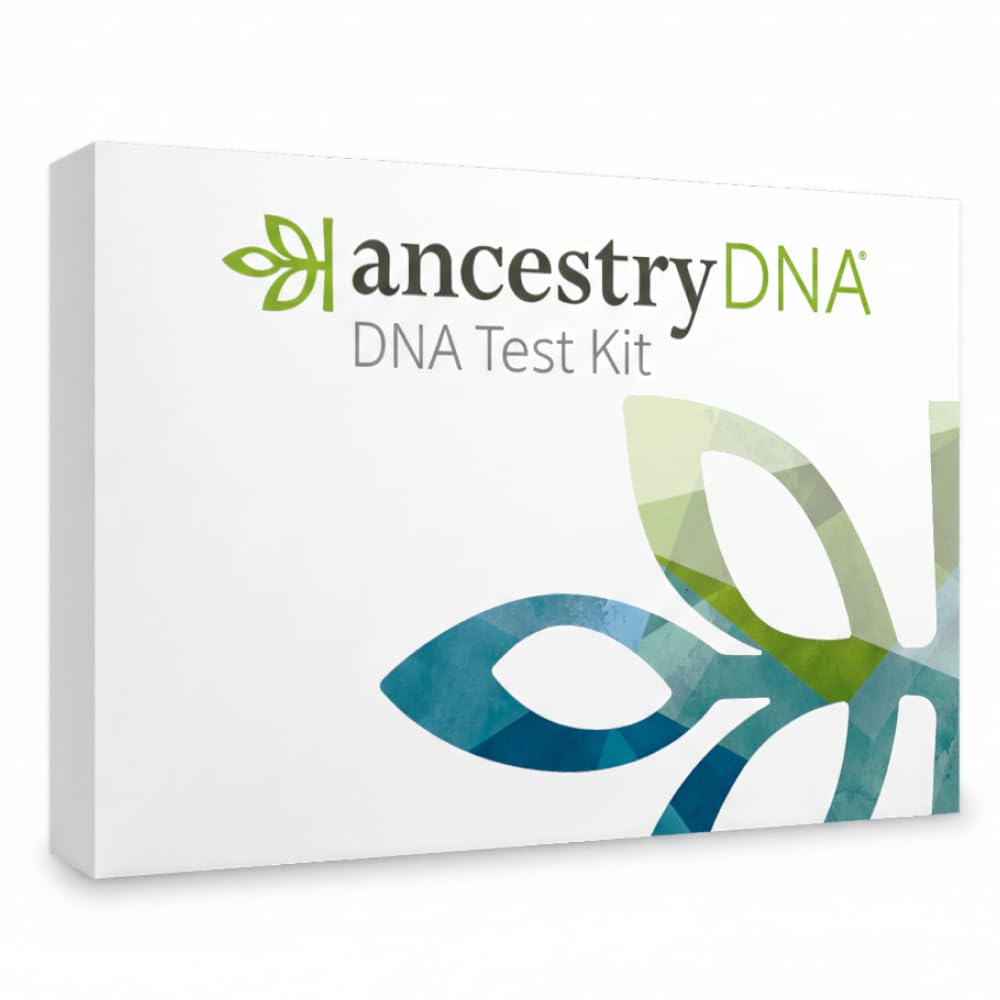
1. AncestryDNA – Personalized Genetic Results, DNA Ethnicity Test
Our pick — over 4.5★ from 91,000+ verified ratings; the strongest balance of quality and price.
The crowd favorite for open up more living relatives than any other kit on the market.
This is the kit that sets the standard for family tree DNA testing. The reason is simple: AncestryDNA has the largest database of users, which translates directly into more matches with real living relatives. Buyers consistently report that the ethnicity estimate here is comparable to competitors, but the huge database makes the relationship calculations far more accurate. The process involves a simple saliva sample that you mail in, and results typically arrive in roughly six weeks. The kit covers over 3,600 regions and journeys worldwide, and its SideView technology shows you which origins and matches come from each parent’s side without requiring your parents to take a test. One buyer summed it up by saying the test gave them an “ethnicity estimate comparable to competitors; huge database with accurate relationship calculations.”
What wins people over is the sheer scale of the relative-matching network. Builders of family trees find this test genuinely useful because its user base is the largest pool for connecting with cousins who hold old photos, records, or stories. The basic version does not include health data, so this is strictly for ancestry exploration. Some users mention that results can shift slightly with database updates, and the interface, while simple, could feel basic to hardcore genealogists who want chromosome browsers. For the price, the value is clear: a straightforward spit kit with a fast average turnaround of a few weeks and a depth of relative connections that no other service matches.
The box is compact — 9.5 x 5.5 x 1.7 inches and only 2.4 ounces — so it slips into a standard mailbox easily. The standard kit weighs 2.4 ounces, while the AncestryDNA kit with the World Explorer membership weighs 0.32 ounces, meaning the standard kit is heavier due to the larger packaging. Still, the card-stock box is more than sturdy enough to protect the collection tube during shipping.
What Owners Rave About
- Largest DNA database for relative matching — the most chances to find cousins
- Ethnicity estimate covers more than 3,600 global regions
- SideView technology separates maternal and paternal results automatically
- Simple saliva collection with fast 4-6 week turnaround
Where to Keep Your Expectations Realistic
- No health or medical reports included with this base kit
- Some genealogy record access requires a paid Ancestry subscription
- Results can shift slightly as the reference database expands
Your best move if: your primary goal is to find living relatives and build a family tree with the biggest possible network of potential cousins.
Look elsewhere if: you want FDA-authorized health reports or a chromosome browser for advanced genetic analysis.
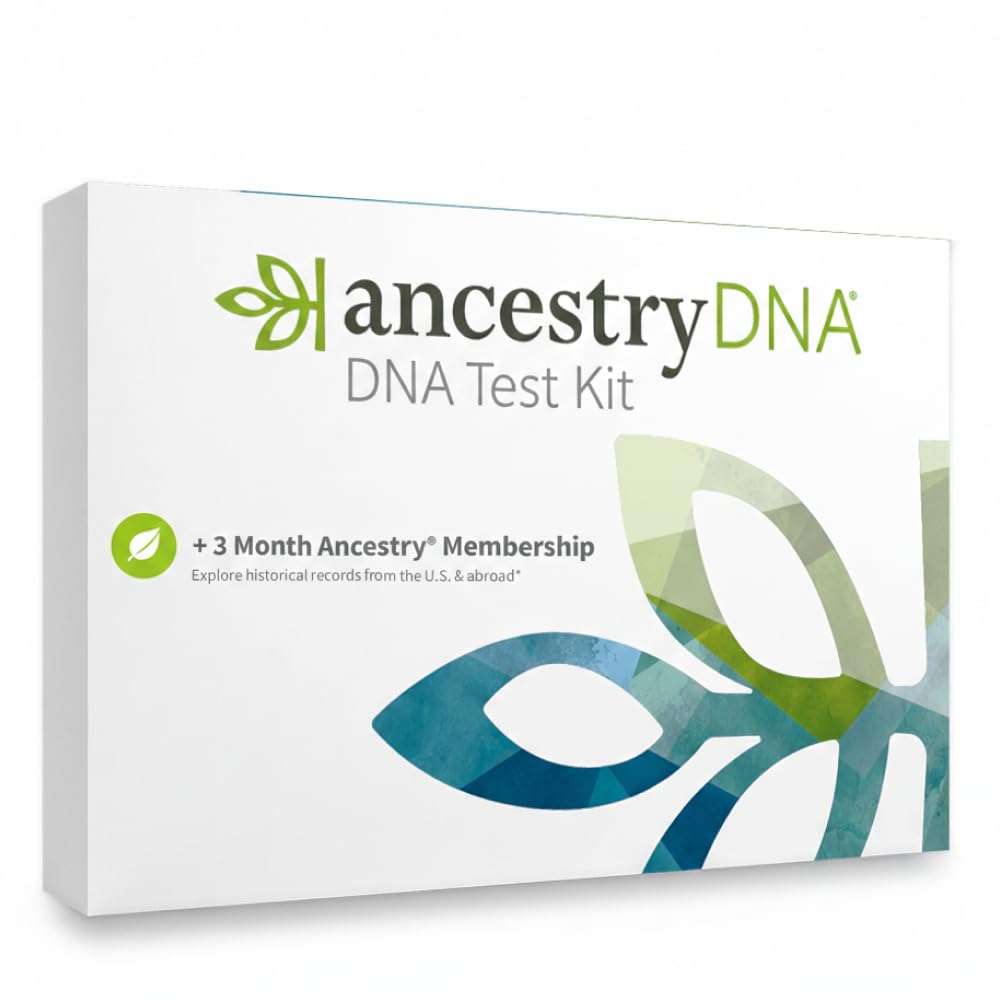
2. AncestryDNA Genetic Test Kit + 3-Month World Explorer Membership
The same powerful DNA kit plus a time-limited pass to billions of historical records.
This is the exact same AncestryDNA test as the standard kit above, but it bundles a 3-month World Explorer membership that opens up billions of family history records. Instead of just seeing your ethnicity estimate, you can dive into census documents, immigration records, and military rolls that put a real story behind each percentage. The kit itself is tiny — 6.37 x 4.37 x 0.93 inches and just 0.32 ounces — making it nearly 50% smaller in each dimension than the standard Ancestry box, which is 9.5 x 5.5 x 1.7 inches. One reviewer noted that “it only took 3 months to get results” but emphasized that the included membership makes the kit worth it, especially if you don’t plan to keep a subscription active long-term.
The membership is tied to the person who activates the kit. You redeem it during the activation process, and you can choose to convert it into an auto-renewing subscription by submitting billing information. For anyone serious about digging into their family tree, this is a smart way to test-drive the full Ancestry record system without committing to a year of payments. Reviews highlight that the kit is easy to use with clear instructions, and the genetic profiling provides both regional heritage breakdowns and personal trait insights. The consensus: this bundle delivers the best of both worlds — the largest DNA matching database plus the research tools to trace each line back through official documents.
The trade-off is that this small kit profile (0.32 ounces) might feel unsubstantial in the hand for the cost, as one buyer pointed out. And of course, the health and medical reports are absent here as well — this is strictly a genealogy powerhouse. For someone who already knows they want to build a tree with sources, the three months of record access saves real money compared to buying the test and the subscription separately.
Three-month head start: Combining the top DNA database with billions of searchable records, this is the fastest route from spit sample to a fully sourced family tree for the serious researcher.
Reach for this if: you are ready to move beyond just an ethnicity report and want to build a documented genealogy with census and immigration records.
Think twice if: three months of access is too tight for your schedule — you can always buy the basic kit and add a subscription later.
3. FamilyTreeDNA Family Finder Ancestry & DNA Test

A cheek swab instead of spit, with tools for serious genealogists who want the raw data.
FamilyTreeDNA takes a distinct approach: it uses a non-invasive cheek swab instead of a saliva tube, which many find easier, particularly for elderly family members. What sets this test apart is the Chromosome Browser — a tool that lets you compare the actual DNA segments you share with a match. This is a critical feature for serious researchers who want to verify relationships scientifically rather than just look at an estimated percentage. The kit also includes the myOrigins Chromosome Painter, which uses colors to visualize which segments of your genome come from which populations, and ancientOrigins, which estimates how much of your autosomal DNA traces back to ancient European groups like Neolithic Hunter-Gatherers and Bronze-age Metal Invaders.
The database here is smaller than AncestryDNA or 23andMe, so your pool of potential relative matches is narrower. This is the recurring caveat in owner feedback. Buyers who appreciate this kit tend to be those who want to upgrade later to Y-DNA or mitochondrial DNA tests (which trace direct paternal or maternal lines much further back), or who value the 25-year sample storage that FTDNA offers. The turnaround for basic ethnicity results is often around 16 days, with Y-DNA results taking a few weeks longer. The company processes everything in its own in-house laboratory, and there are no subscription fees for the tools you get.
Ease of use is the top thing owners praise, but accuracy gets mixed marks — the ethnicity estimates themselves are less granular than the competition, and the website interface is less user-friendly than the sleek apps from 23andMe or Ancestry. There is no mobile app at all, which catches some buyers off guard. The box weighs 1.06 ounces and measures 9 x 1.8 x 6.5 inches.
What Makes It Unique
- Simple cheek swab — much easier for family members who dislike spitting into a tube
- Chromosome Browser lets you compare shared DNA segments with matches
- No subscription fees for the core tools; sample stored for 25 years
- Can upgrade to Y-DNA or mtDNA testing without submitting a new sample
Honest Trade-offs
- Smaller match database than AncestryDNA or 23andMe
- No mobile app — website-only access feels dated
- Ethnicity estimates are less detailed than the competition
Ideal for: the serious genealogist who wants granular DNA tools (chromosome browser, Y-DNA upgrades) and prefers a cheek swab collection method.
Not your first choice if: maximizing the number of living relative matches or having a polished mobile app is your priority.
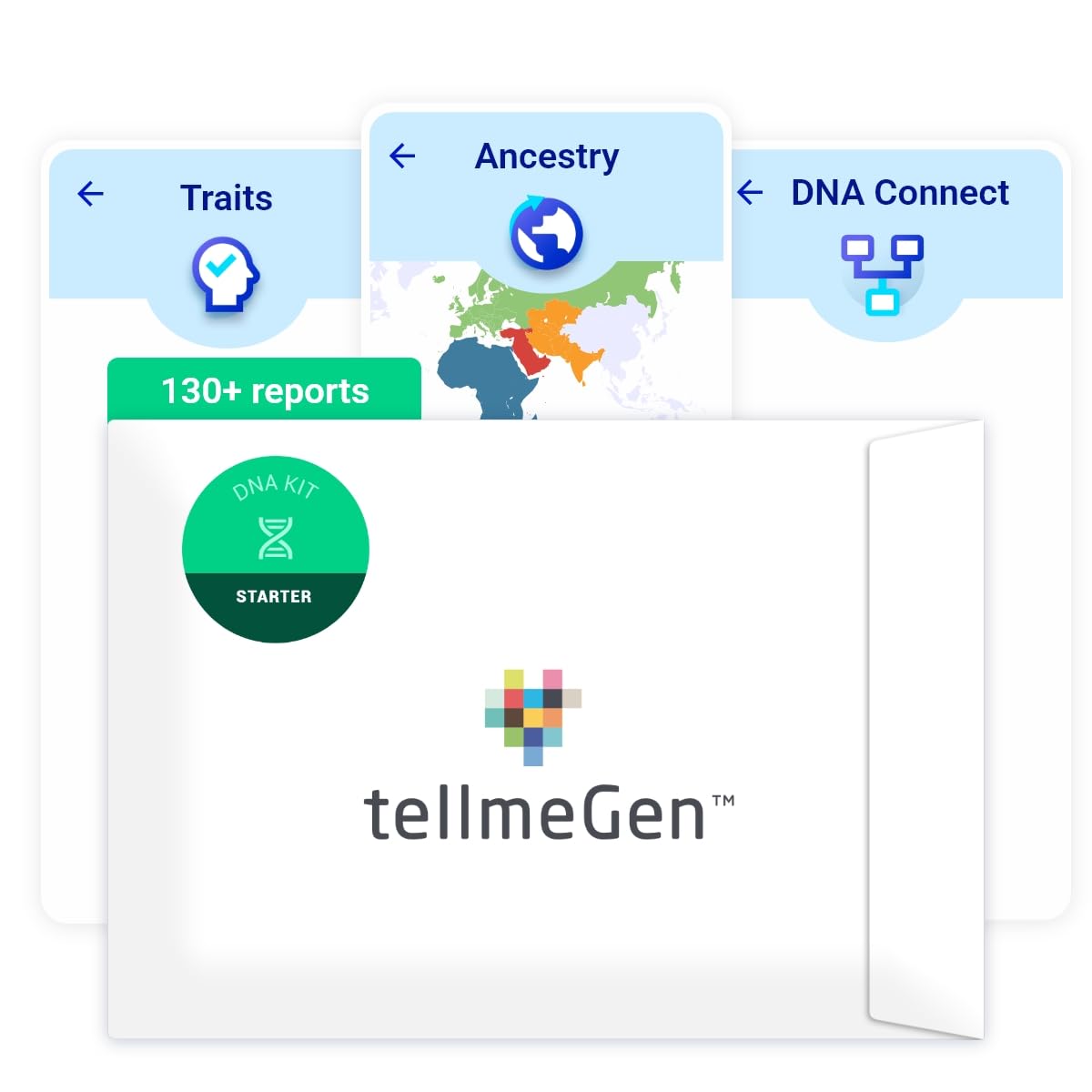
4. tellmeGen DNA Test Starter (Ancestry – Traits – Fitness and Diets)
A low-cost entry that throws ancestry, traits, and wellness reports into one small box.
TellmeGen packs a surprising amount of content for the money. The Starter kit gives you access to over 130 reports covering ancestry origins, personal traits (like sleep duration, cilantro aversion, and photic sneeze reflex), fitness insights, and dietary recommendations — all without any paid subscription required. The DNA Connect Family Finder lets you explore maternal and paternal lineage, see your percentage of Neanderthal DNA, and connect with relatives worldwide. The collection is a straightforward saliva sample, and results arrive in 4 to 6 weeks after you mail it in with a prepaid label.
The catch is that the reports are densely technical. As one buyer put it, “it provides tons of dense technical data, but no insight into vulnerabilities or areas for focus for your health.” This is a kit for someone comfortable reading raw data and drawing their own conclusions — not for someone who wants a neatly interpreted health action plan. The database of users for relative matching is much smaller than the giants (Ancestry and 23andMe), so you shouldn’t expect a long list of cousin matches. But for the price, you get a remarkably wide breadth of information: ancestry plus a full suite of wellness and trait reports. Customer service gets consistent praise for being attentive, and the reports are periodically updated with the latest science.
The box is small at 6.38 x 4.33 x 1.38 inches and weighs just 0.35 ounces, smaller and lighter than most competitors. Exporting your raw data for third-party analysis is not straightforward, which may frustrate tinkerers.
Bang for your buck: Over 130 reports spanning ancestry, traits, fitness, and diet — all with no recurring subscription fees — makes this the most reports-per-dollar option on the list.
Grab this if: you want ancestry plus wellness data without committing to a pricier health kit, and you are comfortable interpreting dense technical reports.
skip it if: you need clear, interpreted health recommendations or a large pool of DNA relatives to match with.
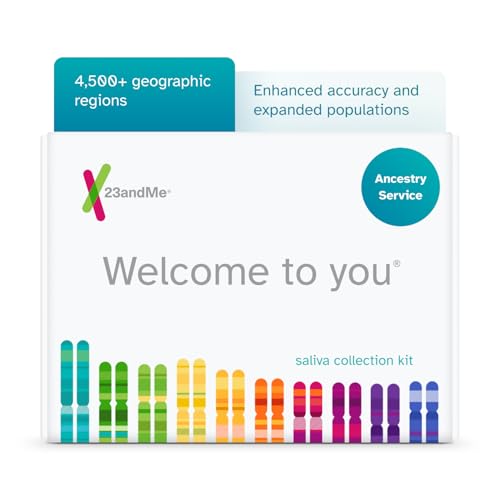
5. 23andMe Ancestry Service – DNA Test Kit
The finest-grained regional breakdown available — sometimes down to a specific valley or village.
23andMe’s Ancestry Service offers coverage across more than 4,500 geographic regions, which is notably broader than the 3,600+ regions AncestryDNA covers. That extra depth means you might see your ancestry pinned to a specific valley in Ireland or a village in Germany rather than just a broad country-level label. The kit includes an Ancestry Timeline that estimates when your most recent ancestors from each population lived, a Neanderthal ancestry percentage, and maternal and paternal haplogroups. The DNA Relative Finder lets you opt in to connect with people who share your DNA, and the automatic Family Tree builds itself based on your genetic relationships. On top of all that, you get over 30 personal trait reports — covering everything from hair color to cilantro preference — that make the experience feel more personal than a straight ancestry test.
Owners praise the ease of use above all, and many describe the process as simple: register the kit online, spit into the tube to the fill line, snap the solution cap, and mail it back in the prepaid box. Results tend to arrive in 4 to 5 weeks. The trait reports are frequently called out as accurate for things like eye color prediction. Where buyers split is on the value for money and the overall informativeness: some find the data fascinating and detailed, while others feel the results are too vague or that the relative-finder pool is limited by people who have chosen to hide their profiles. As the review pages note, this kit provides “informative, fun, and eye-opening” results for most, but it is an ancestry-only test — no health reports are included.
The box is compact at 6.5 x 5 x 1.3 inches and weighs 3.2 ounces — lighter than the standard AncestryDNA box but heavier than the tiny AncestryDNA + World Explorer package.
Sharper map, more regions: With 4,500+ regions versus the 3,600+ in our top pick, 23andMe offers a more granular ethnic breakdown, and the trait reports add a fun layer the competition doesn’t match.
Choose this if: you want the most detailed geographic breakdown possible, fun trait reports, and a clean, modern interface on both web and mobile.
Look at our top pick instead if: your highest priority is finding living relatives through the absolute largest database.
6. 23andMe Health + Ancestry Service – FDA-Authorized Reports
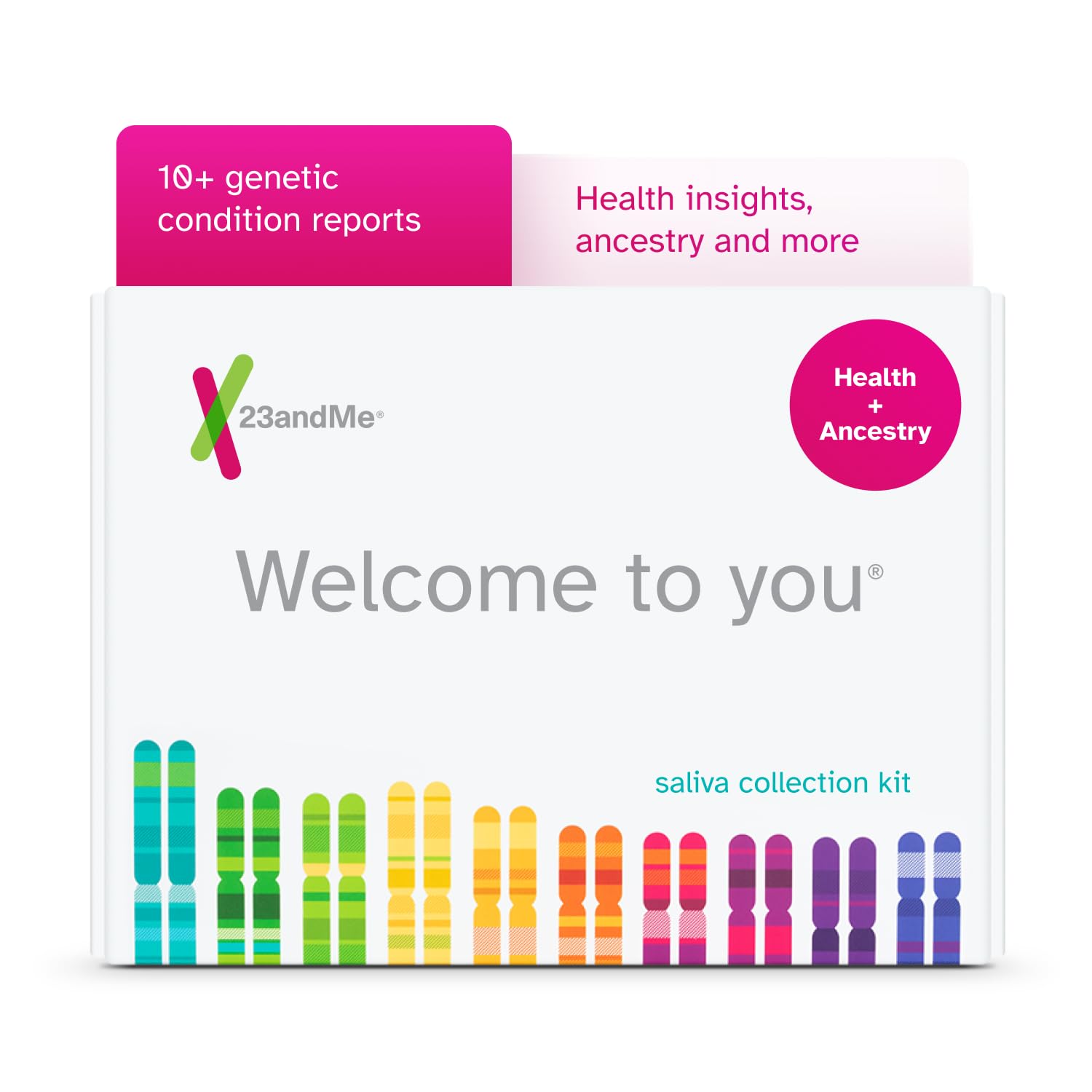
The gold standard for combining ancestry exploration with FDA-authorized health reports.
This is the kit that changes the conversation from “where did I come from” to “what should I keep an eye on.” It includes everything from the Ancestry Service above (4,500+ regions, haplogroups, relative finder, trait reports) and then adds over 100 personalized genetic insights with FDA-authorized reports on health predispositions, carrier status for inherited conditions, and wellness guidance for diet, exercise, and sleep. The health predispositions reports tell you about your genetic likelihood for conditions like celiac disease or late-onset Alzheimer’s, while the carrier status reports reveal if you carry variants for conditions like cystic fibrosis or sickle cell anemia. As one buyer mentioned, “Knowledge is power.”
The single most praised aspect is the informativeness — owners overwhelmingly find that this kit gives them comprehensive data not available from ancestry-only competitors. The process is identical to the standard 23andMe: spit in the tube, mail it back, and wait 4 to 5 weeks. Some buyers report results in as little as 2 weeks during non-holiday periods. The health reports are what buyers call “science-backed” and “actionable,” though some caution that trait predictions (like earlobe type) can occasionally be off. There is also the recurring note that the test is weaker on Native American ancestry estimates compared to what some free third-party tools like GEDmatch can pull from the same raw data.
The box dimensions are the same as the Ancestry-only 23andMe kit — 6.5 x 5 x 1.3 inches — but it weighs slightly more at 4.8 ounces due to the thicker instruction booklet and additional materials. A portion of the purchase may be eligible for FSA or HSA reimbursement, which is a practical detail if you have a flexible spending account.
Why Owners Love It
- FDA-authorized health predisposition and carrier status reports you can share with a doctor
- Includes all ancestry features — 4,500+ regions, haplogroups, relative finder
- Wellness insights for diet, exercise, and sleep based on your genetics
- Results often arrive faster than the stated 4-5 weeks
What to Consider
- Higher price point than ancestry-only kits — only buy if you actually want the health data
- Native American ancestry estimation is weaker than some free third-party tools
- Health reports can’t be returned — once generated, the service is final
Reach for this if: you want both a detailed ancestry breakdown and FDA-authorized health insights in a single at-home test kit.
Stick with the ancestry-only kit if: you are only interested in your family history and don’t need the health reports or carrier status information.
7. 23andMe+ Premium Advanced Ancestry & Health – 1-Year Membership
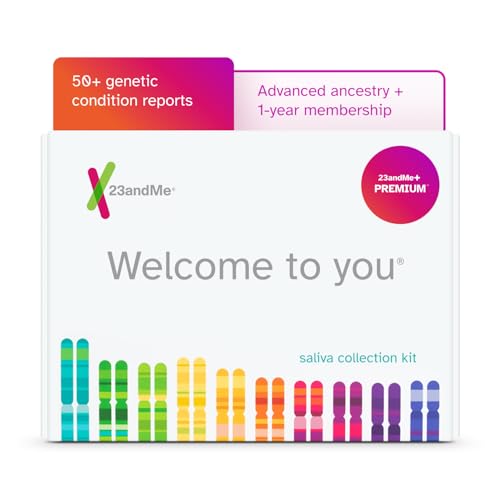
The everything-included bundle with pharmacogenetics reports that show how your body processes medications.
This is 23andMe’s top-tier offering. It includes everything from the Health + Ancestry kit (all 100+ reports, ancestry breakdown, trait reports, relative finder) and then adds a full year of access to exclusive Premium features. The biggest headline feature is Pharmacogenetics — reports that suggest how your body might process certain medications, like SSRIs or blood thinners. This is a genuinely different category of information that no other kit on this list provides. You also get Health Tracks (ongoing preventive health monitoring), a personalized Health Action Plan, advanced filters for sorting ancestry matches, access to up to 5,000 DNA Relatives, and a feature called Historical Matches that links your DNA to ancient figures.
Buyers consistently describe the kit as great for giving “an overview of your medical problems now and in the future” and appreciate the accuracy of the ancestry maps, which one owner said matched known family history perfectly. The process is the same: register the barcode, spit in the tube, mail it in the prepaid box, and wait for results on the app. Some owners caution that while the health portion is valuable to share with a doctor, canceling the auto-renewal after the first year can be a hassle — one review noted it took a month to resolve due to website issues. The breach that hit 23andMe was mentioned in reviews as a concern, though it was attributed to a password-spray attack, not a system hack.
The box weighs 3.84 ounces and measures 6.5 x 5 x 1.3 inches. A portion of the purchase may be eligible for FSA or HSA reimbursement, and it’s listed in TIME’s Best Inventions Hall of Fame 2025.
The full spread: Pharmacogenetics reports, 4,500+ region ancestry, health predispositions, and a year of Premium features — this is the most comprehensive home DNA kit available today.
Buy this if: you want the deepest possible genetic insights — especially pharmacogenetics for medication guidance — and plan to actively use the Premium features for a full year.
Choose the standard Health + Ancestry kit if: pharmacogenetics and historical matches aren’t essential to you, and you prefer not to manage a subscription.
Understanding the Specs
Database Size and Relative Matching
The most practical factor in choosing a family tree DNA test. A larger customer database means a higher probability that you will match with cousins — people who share a common ancestor with you. AncestryDNA holds the largest database, followed by 23andMe, then FamilyTreeDNA and tellmeGen. If finding living relatives is your primary goal, the database size should be your first consideration.
Regional Coverage
This number tells you how many geographic populations the test uses to generate your ethnicity estimate. More regions (4,500+ from 23andMe versus 3,600+ from AncestryDNA) means potentially more granular results — sometimes a specific valley or village rather than just a country. The resolution of these estimates depends on the reference populations each company has sampled, and results can shift as those reference panels grow.
Health vs. Ancestry Only
Some tests restrict themselves to ancestry (ethnicity, relative matching, haplogroups). Others add health reports that may include carrier status for inherited conditions, genetic health risks, wellness insights for diet and exercise, and pharmacogenetics (how your body processes medications). Health reports require FDA authorization in the United States, which only 23andMe currently holds among the kits on this list. Decide if you want medical data before selecting a kit.
FAQ
Which DNA test has the largest database for finding relatives?
How long does it take to get results from a home DNA test?
Can I use these tests to find health information?
What is a haplogroup and why does it matter?
Is my DNA data private and secure?
Which test is better for building a family tree — AncestryDNA or 23andMe?
Can I take the test with a cheek swab instead of spitting?
What happens if I want to upgrade or test other family members later?
How accurate are the ethnicity estimates?
Final Thoughts: The Verdict
Across the board, the family tree dna test winner is the AncestryDNA because its largest customer database gives you the highest probability of finding real, living relatives and building out your family tree. If you want a more detailed geographic breakdown down to the village level with fun trait reports, grab the 23andMe Ancestry Service. And for the serious researcher who wants a chromosome browser, cheek swab collection, and the ability to upgrade to deep Y-DNA testing later, the FamilyTreeDNA Family Finder is the one to reach for.
How We Picked
We do not accept paid placement. Every pick is matched to a real buyer and a real use-case; we do not hands-on test units.
Sources & Methodology
Specifications: manufacturer listings and product documentation. Review insights: verified customer reviews, as of July 2026. Pricing: not shown on this page (it changes often); check the current price via the retailer link.
As an Amazon Associate, WellFizz earns from qualifying purchases. This does not affect which products we feature.
Related Guides

Mo Maruf
I created WellFizz to bridge the gap between vague wellness advice and actionable solutions. My mission is simple: to decode the research and give you practical tools you can actually use.
Beyond the data, I am a passionate traveler. I believe that stepping away from the screen to explore new environments is essential for mental clarity and physical vitality.