Our readers keep the lights on and my smoothie glass nicely filled. As an Amazon Associate, I earn from qualifying purchases.
Specs are compiled from manufacturer listings and verified buyer reviews and can change over time — please confirm the key details on the product page before buying.
Have you ever felt your toes pinched in a normal sneaker or wondered why your feet ache after a long walk? The answer might be in your shoes. Barefoot sneakers let your feet move the way nature intended — with a wide toe box (space for toes to spread), zero drop (no height difference between heel and toe), and a flexible sole that lets you feel the ground beneath you. The best barefoot sneakers improve how your entire body feels by the end of the day.
I’m Mohammad Maruf — the founder and writer behind WellFizz. This guide is built by comparing the manufacturers’ published specifications and the patterns across verified customer reviews, so you get each pick’s real strengths and trade-offs instead of marketing spin.
After digging through hundreds of owner experiences across dozens of models, these are the best barefoot sneakers that actually deliver on the promise of natural movement without sacrificing everyday comfort.
Our Picks at a Glance
How To Choose The Best Barefoot Sneakers
Barefoot sneakers follow a specific set of design rules, not just a style. Choosing the right pair requires understanding three key category-defining features.
Zero Drop Is Non-Negotiable
A true barefoot shoe has zero height difference between heel and forefoot. This flat platform lets your foot land naturally, which can reduce pressure on your knees and lower back over time. Any heel lift disqualifies a shoe from being barefoot.
Your Toes Need Room to Spread
Wide toe boxes vary significantly in shape and fit. Some shoes widen only at the very tip, while others — like Altra’s FootShape fit — give your entire forefoot space to splay naturally. If your toes feel cramped or squished the moment you put the shoe on, look for a model with a more anatomical toe box shape.
Flexibility and Ground Feel
A barefoot sole should bend easily in your hands without resistance. The thin, flexible sole is what lets you feel the texture of the ground, which trains your foot’s small stabilizing muscles. A thick, stiff sole blocks that sensory feedback and defeats the purpose.
Quick Comparison
| Model | Best For | Stack Height | Weight | Key Material | Amazon |
|---|---|---|---|---|---|
| ALTRA Women’s Escalante 4★ Best Overall | All-day comfort & daily walks | 28 mm / 32 mm | 8.5 oz | Engineered Mesh | Amazon |
| Merrell Men’s Vapor Glove 6 LeatherBest Minimalist | Minimalist style & casual wear | 6 — 6 mm | 9.17 oz | Leather | Amazon |
| Xero Shoes PrioGym Favorite | Gym & weightlifting | — | — | Flexible sole | Amazon |
| New Balance Men’s Minimus Tr V2 | HIIT & cross-training | — | — | Wide grippy sole | Amazon |
| Xero Shoes Men’s HFS II | Long pavement walks | — | — | Rubber outsole | Amazon |
| New Balance Men’s MT10V1 Minimus Trail | Trail running & off-road | — | 6.6 oz | Vibram outsole | Amazon |
| Vivobarefoot Primus Lite III | Eco-conscious & versatile training | — | — | Recycled materials | Amazon |
| Vivobarefoot Motus Flex | Calisthenics & primal movement | — | — | Flexible outsole | Amazon |
| Flux Adapt Graphene XT | Heavy lifting & HIIT | — | 10.2 oz | Graphene-infused | Amazon |
In‑Depth Reviews
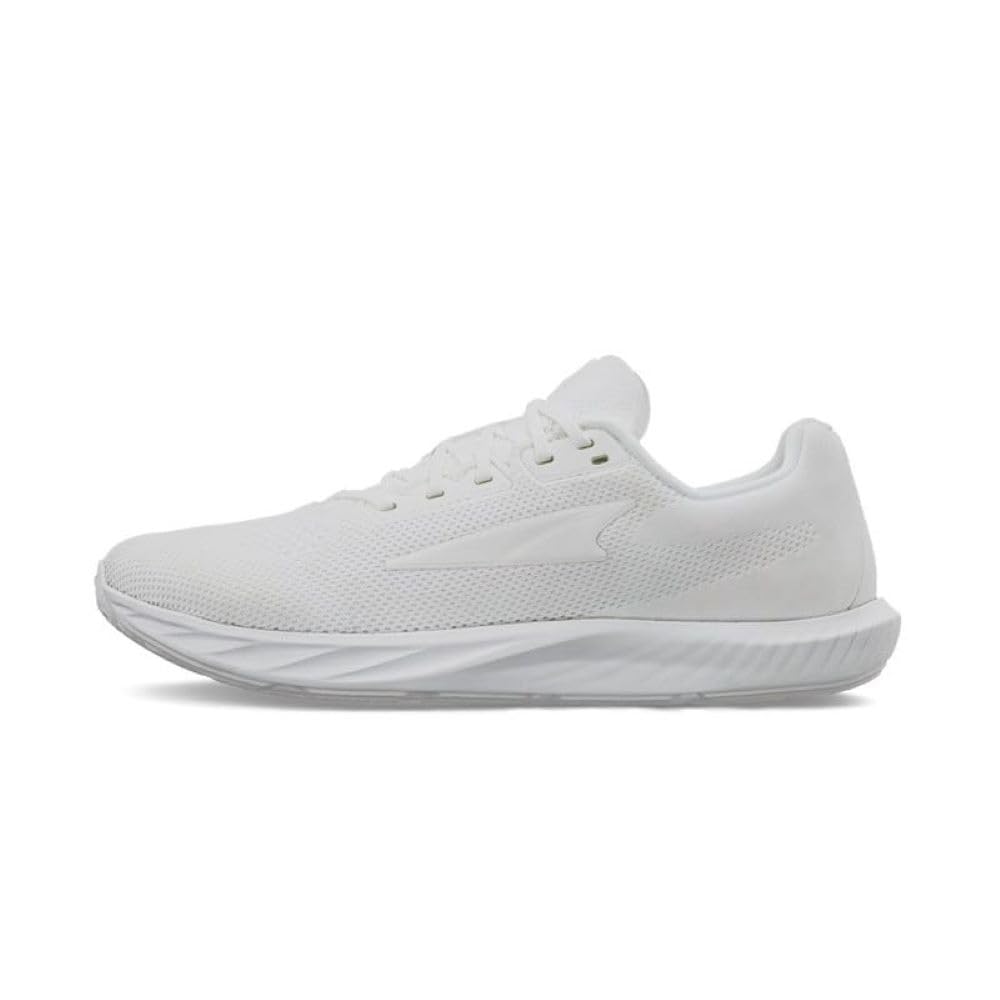
1. ALTRA Women’s Escalante 4 Road Running Shoe
Our pick — 4.5★ from 800+ verified ratings; the strongest balance of quality and price.
The crowd-proof icon that adds a touch of cushion without losing the barefoot spirit.
The Escalante 4 is built around Altra’s FootShape fit — a roomy toe box that lets your toes spread naturally, which owners say is a “miracle” for bunions and cramped forefeet. The Altra EGO midsole foam gives you a responsive but comfortable ride, making this an easy shoe to wear all day without that numb-toe feeling you get from narrow sneakers. At 8.5 oz, it is light enough for fast training runs but plush enough for daily errands.
The trade-off is durability — the soles can wear down faster than some buyers expect, especially if you are hitting pavement daily. Also, the consensus says these run small; ordering half a size up is the fix nearly everyone recommends. If you have a tall forefoot, the low toe height might feel odd. But for sheer comfort from the start with zero break-in, this is the pair most owners end up reaching for every single day. The thing owners cannot stop talking about is the comfort — 166 people single it out as the best feature.
Why It Wins
- Roomiest toe box in this lineup — toes spread freely, no pinching
- Zero-drop platform with moderate cushion for easy transition to barefoot
- Lightweight at 8.5 oz, feels almost like a sock
What to Watch
- Runs small; most owners size up half a size
- Durability on soles is a recurring concern for pavement walkers
- Low vertical space in the toe area may feel tight for some feet
The daily driver: If you want one pair of barefoot sneakers that works for walking, light running, and casual wear without a break-in period, the Escalante 4 is the safest bet here.
Who might pass: If you need a shoe for rugged trail running or heavy gym lifting, a more minimal or lugged outsole would serve you better.
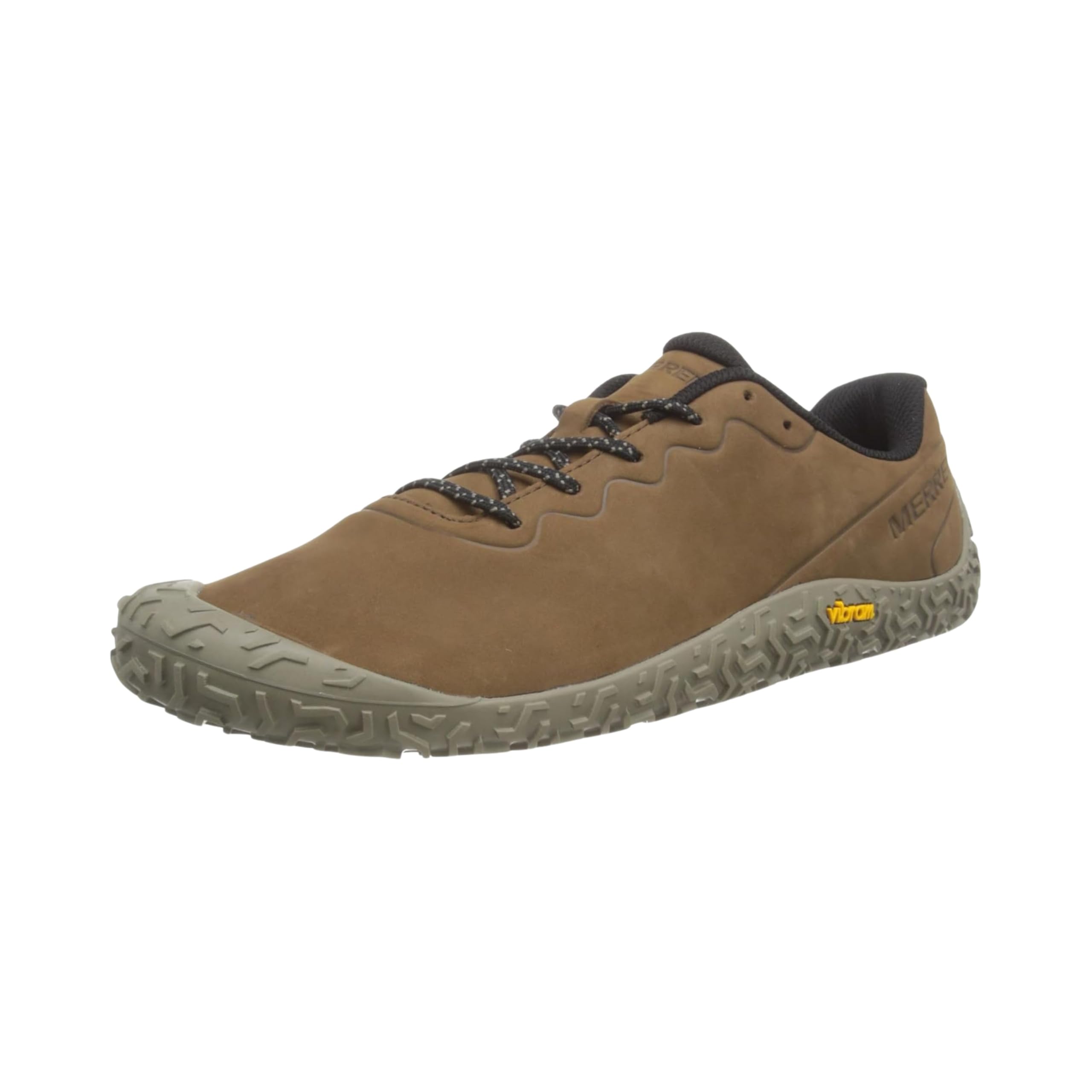
2. Merrell Men’s Vapor Glove 6 Leather Trail Running Shoe
Pure leather minimalism that bridges the gap between the trail and the office.
With a total stack height of just 6 mm, the Vapor Glove 6 Leather is about as close to barefoot as you can get while still having a sole between you and the ground. The 100% leather upper gives it a polished look that disappears under jeans or chinos, and the Vibram EcoStep outsole uses 30% recycled rubber for grip on wet and dry surfaces. At 9.17 oz (men’s), it is impressively light for a leather shoe.
Several owners call this a “great barefoot shoe” that holds up well in both the data center and on casual walks. But the catch is clear: the unlined leather interior can be rough when worn without socks — buyers report it can shred toes. And a few owners found the soles wore out too fast on trails, with one noting the manufacturer blamed “bad gait” rather than a design issue. For everyday wear and light terrain, the comfort and quality win out.
What Owners Love
- Extremely comfortable leather upper that looks smart
- Ultra-low 6 mm stack height offers maximum ground feel
- Lightweight at 9.17 oz for a genuine leather shoe
Consider This
- Unlined leather interior can irritate toes when worn sockless
- Sole durability on trail use gets mixed feedback
- Some find the style less notable than non-leather versions
The dress-barefoot crossover: Reach for these if you want a minimalist shoe that looks appropriate at the office, runs, or the pub — without calling attention to itself.
Not for rugged trails: If your daily path involves sharp rocks or heavy dirt, the thin sole may not last as long as you would like.
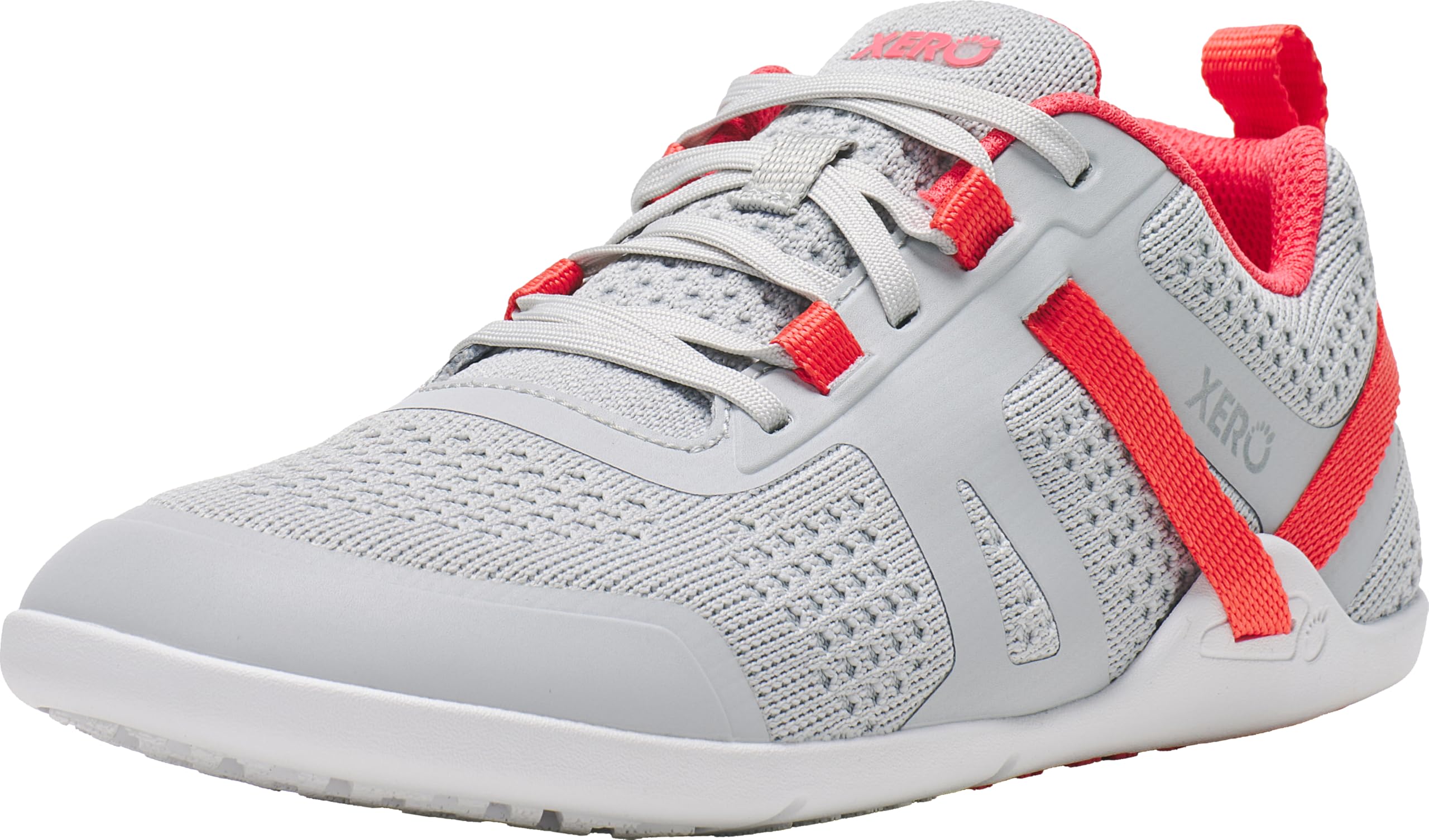
3. Xero Shoes Prio
The barefoot entry point that lifting fans and long-shift workers both swear by.
The Xero Prio is a versatile minimalist shoe that has become a go-to for weightlifting, evening walks, and even 12-hour nursing shifts. Owners consistently praise the comfort — 102 people call it out — and the generous toe box that lets toes splay naturally. The sole is remarkably bendy without feeling cheap or unstable, and the zero-drop platform forces a more natural gait over time. Many owners mention an adjustment period with calf soreness as their feet adapt.
Fit is where things get complicated. Multiple customers note sizes are inconsistent even across the same model in different colors, and the recommendation often lands on going up a full size. Some find the toe box not wide enough for truly wide feet. Durability also splits opinion — some report soles peeling at first use, while others are thrilled with how long they last. For the price, the Prio hits a balance for someone new to barefoot shoes who wants a do-everything pair.
The real trade-off: Sizing is a total gamble. Go up at least one full size from your normal sneaker size, and be prepared for some inconsistency between colorways.
Who it fits: If you are making the leap from conventional sneakers and need a stable, flexible shoe for the gym and daily wear, the Prio is a solid start.
4. New Balance Men’s Minimus Tr V2
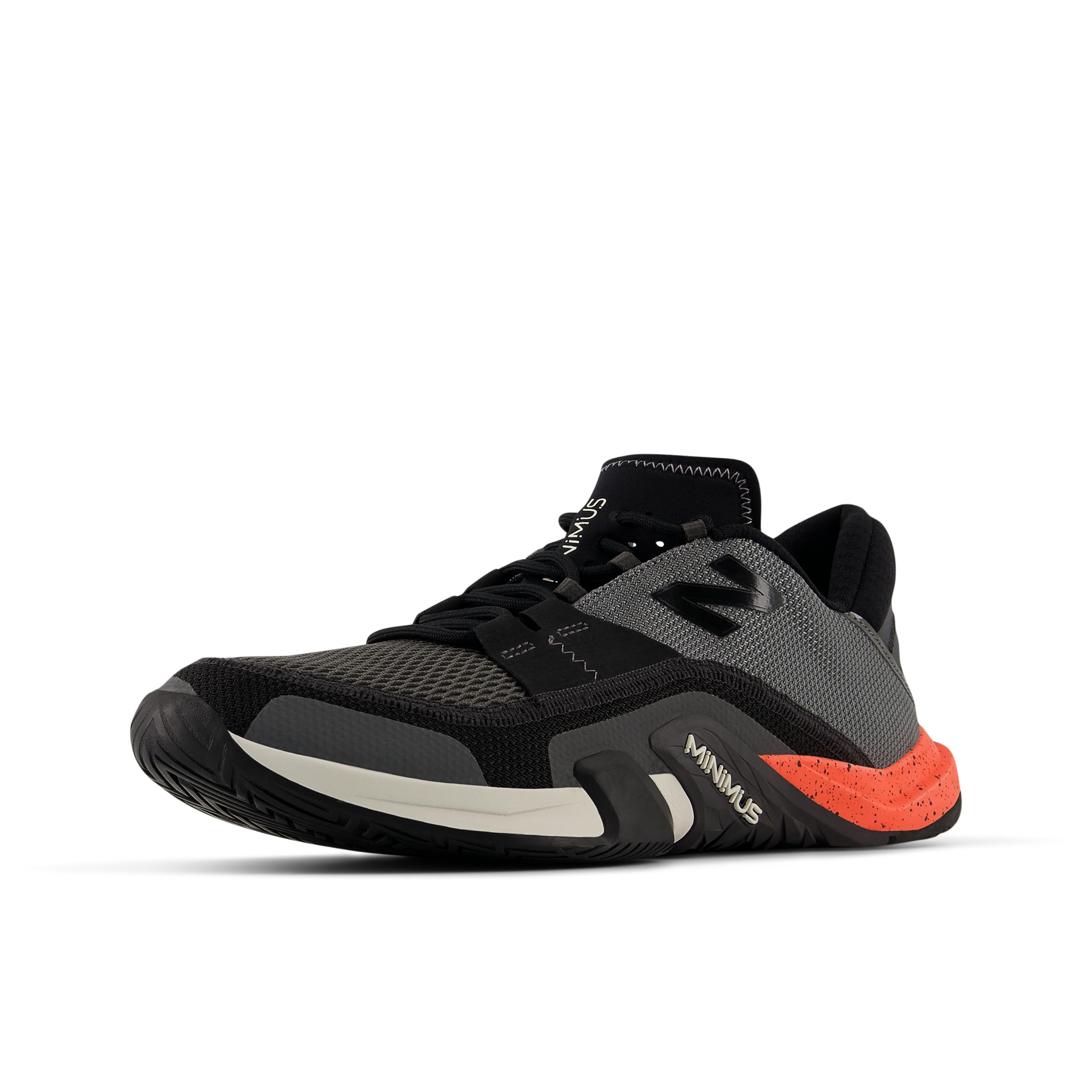
A gym-first barefoot shoe built for explosive training, not pavement pounding.
The Minimus Tr V2 is purpose-built for the gym. New Balance designed it for explosiveness, and owners confirm it shines in HIIT workouts, P90x, and weightlifting. The zero-drop platform and wide, grippy sole give a stable base for squats and dynamic moves. At 9.76 oz (package weight hint), it is light and flexible enough for lateral drills. Comfort gets the most mentions by far — 62 buyers praise it.
The caveat? Sizing is all over the place. The consistent advice is to order a full size up and possibly a width up. Some purists also note the V2 is beefier and less minimal than the beloved V1 — a stiffer sole, a slightly narrower toe box, and more padding. If you loved the original Minimus, these may feel like a step away from the barefoot ethos. But for a dedicated gym shoe that keeps your feet planted, it is tough to top.
What Works
- Excellent grip and stability for HIIT, lifting, and cross-training
- Comfortable for all-day wear on your feet
- Lightweight with a flexible sole that moves with you
Watch Out For
- Runs small; most owners go up a full size
- V1 fans find the V2 too padded and stiff, losing the original’s minimal feel
- Narrower toe box than some barefoot purists expect
Your HIIT partner: If you want a true barefoot shoe for the gym floor — lifting, burpees, box jumps — this is the one. Do not buy it for long runs.
Skip if: You are looking for that sock-like, nothing-there barefoot feeling. This one adds a bit more shoe than the original Minimus did.
5. Xero Shoes Men’s HFS II Barefoot Running Shoes

The pavement specialist that is stiffer than its predecessor, yet more comfortable for long distances.
The HFS II is Xero’s do-it-all daily trainer, but it carves a specific niche for long walks on concrete. Owners consistently call it the best Xero for 5-mile pavement walks, crediting the thicker sole (relative to the original HFS) for making hard surfaces more tolerable. The upper has more cushioning around the ankle, and the lugged tread improves grip on wet ground. Many owners found these ideal for travel, all-day wear, and social events thanks to the stylish look.
That extra thickness comes at a cost: the HFS II has less ground feel than the original, so purists may find it less satisfying. Sizing runs small — go up half a size — and some with wide feet still find the toe box tight compared to brands like Altra. A few owners from a specific batch (FW25) report the outsoles wearing holes at around 71 days. For a comfortable, breathable shoe that splits the difference between barefoot and conventional, this is a top contender.
The long-haul pick: If your daily routine involves miles of concrete — city walking, school drop-offs, campus treks — the HFS II handles it better than most barefoot options without feeling like a regular sneaker.
Not for maximum ground feel: If you want to feel every pebble underfoot, the original HFS or the Prio will serve you better.
6. New Balance Men’s MT10V1 Minimus Trail Running Shoe
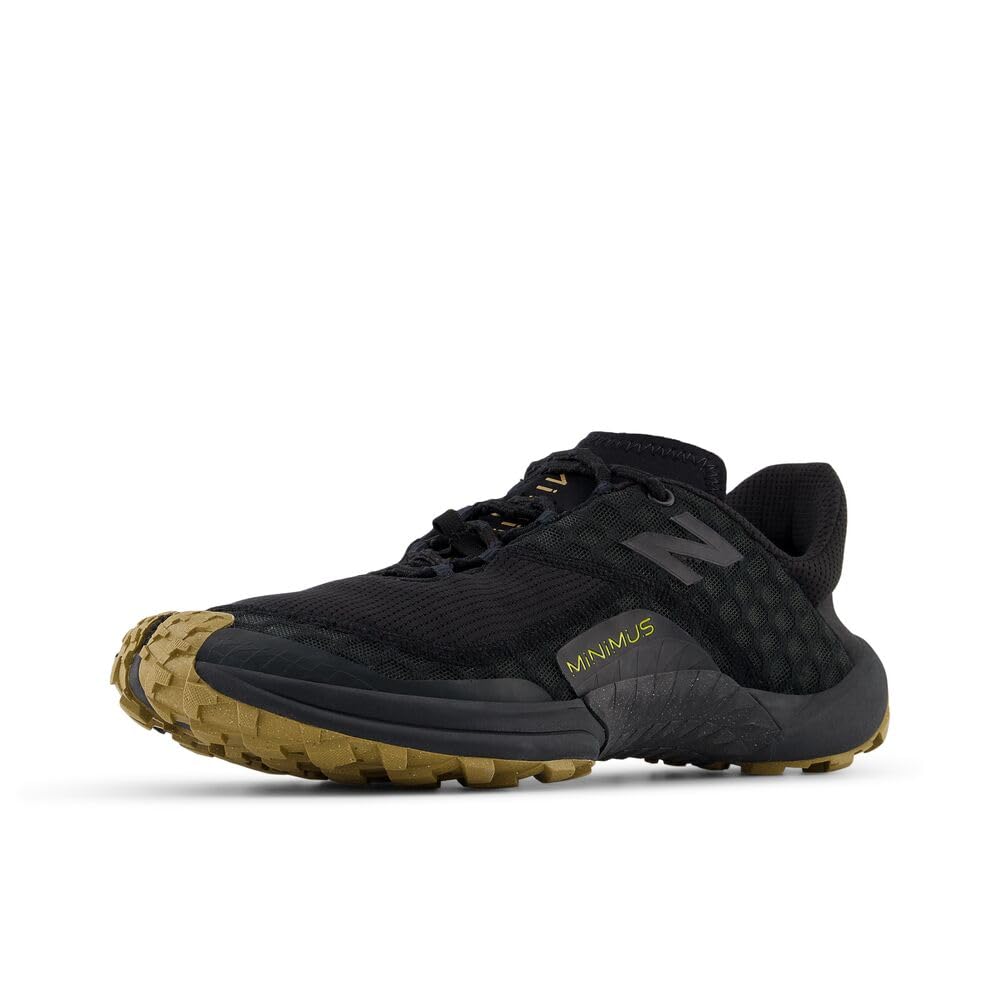
The beloved original returns for off-road adventurers who crave a near-barefoot feel.
The MT10V1 is a reissue of a fan-favorite trail shoe, and it brings back the fit and feel that made the original a cult classic. The Vibram outsole uses strategically placed flex grooves to let the foot move naturally on dirt, gravel, and rocky paths. At just 6.6 oz, it is almost impossibly light for a trail shoe. The forefoot toe splay and midfoot wrap hold your foot steady during technical runs — owners say the fit is spot-on for 12-wide feet and breathability is excellent.
The feedback is not all glowing. Some owners find the sizing runs small, recommending you go up a full size. A few report durability issues, with the sole detaching after about two months of average wear. And for very wide feet, the toe box may still be too snug — one buyer loved the shoe but had to return it for that reason. If you already know your New Balance size and your feet are not exceptionally wide, this is a superb trail companion.
Off-Road Strengths
- Extremely lightweight at 6.6 oz for a trail-ready shoe
- Vibram outsole with flex grooves for natural foot bend on uneven terrain
- Excellent ground feel and breathability
Heads Up
- Runs small; many owners size up a full size
- Reported durability issues — sole separation after a few months
- Toe box may be too snug for very wide feet
Your trail companion: If you want a barefoot shoe that handles dirt, rocks, and technical terrain with serious grip and a light feel, the MT10V1 is a standout.
Be careful with sizing: Do not assume your normal New Balance size will fit — go up one full size to be safe.
7. Vivobarefoot Primus Lite III Mens Barefoot Shoes

The shoe for those who would rather be barefoot, wrapped in sustainable design.
Vivobarefoot’s Primus Lite III is made for people who hate wearing shoes. The thin, flexible soles offer maximum sensory feedback — owners say they “almost forget they are wearing shoes.” The wide toe box and zero-drop design encourage natural foot function, and the brand is committed to sustainability, using recycled plastics and bio-based materials. One owner logged 750 miles of running and daily wear with no shin or knee pain after adapting.
The catch is durability and price. Several reviewers point out the outer mesh rips easily and the soles wear smooth at the ball of the foot within two to three months. At a premium price tier, that is a tough pill to swallow — one reviewer called them “overpriced and fragile.” Sizing is also tricky: they tend to run large, so ordering down is common. For the eco-conscious buyer who prioritizes ground feel above all else, these are tough to top. For long-term toughness, other options might last longer.
The barefoot purist’s pick: If you want the most natural, sock-like feel and care about sustainable materials, the Primus Lite III delivers an class-leading sensory experience.
The durability concern: Reports of mesh tearing and sole wear within a few months mean these may not be the most cost-effective choice for heavy daily use.
8. Vivobarefoot Men’s Motus Flex Barefoot Training Shoe

Vivobarefoot’s most barefoot-feeling trainer designed for movement, not just standing.
The Motus Flex is purpose-built for calisthenics, primal movement, and bodyweight training. Owners describe it as “the ultimate barefoot trainer for strength and balance,” praising the zero-drop platform and grippy outsole that make you feel planted during lifts and dynamic drills. The shoe is lightweight and has held up remarkably well for daily use — one owner wore them for a year with no rips or tears, still looking nearly new. The barefoot feel is so pronounced that several shoppers say it helps them feel completely natural.
Sizing is the big hitch here. Almost every review mentions they run large — owners consistently recommend ordering half a size down, and some go a full size. The price is also at the higher end of this list. If you can nail the fit, owners overwhelmingly say these are “pretty flawless” for training, though the white colorway shows dirt quickly. For a dedicated trainer that prioritizes ground connection and flexibility, this is the top choice.
Training Edge
- Exceptional barefoot feel — owners say you feel “completely natural”
- Durable construction that holds up to daily training over many months
- Grippy outsole for stable lifts and dynamic movement
Fit Warning
- Runs large; order half to a full size down from your usual
- Premium price tier — not budget-friendly
- White color gets dirty quickly
For movement athletes: If calisthenics, primal movement, or bodyweight training is your thing, the Motus Flex offers the most natural connection to the floor in this list.
Fit first: Nail the size by going down at least half a size — otherwise, you will be swimming in them.
9. Flux Adapt Graphene XT Barefoot Shoes
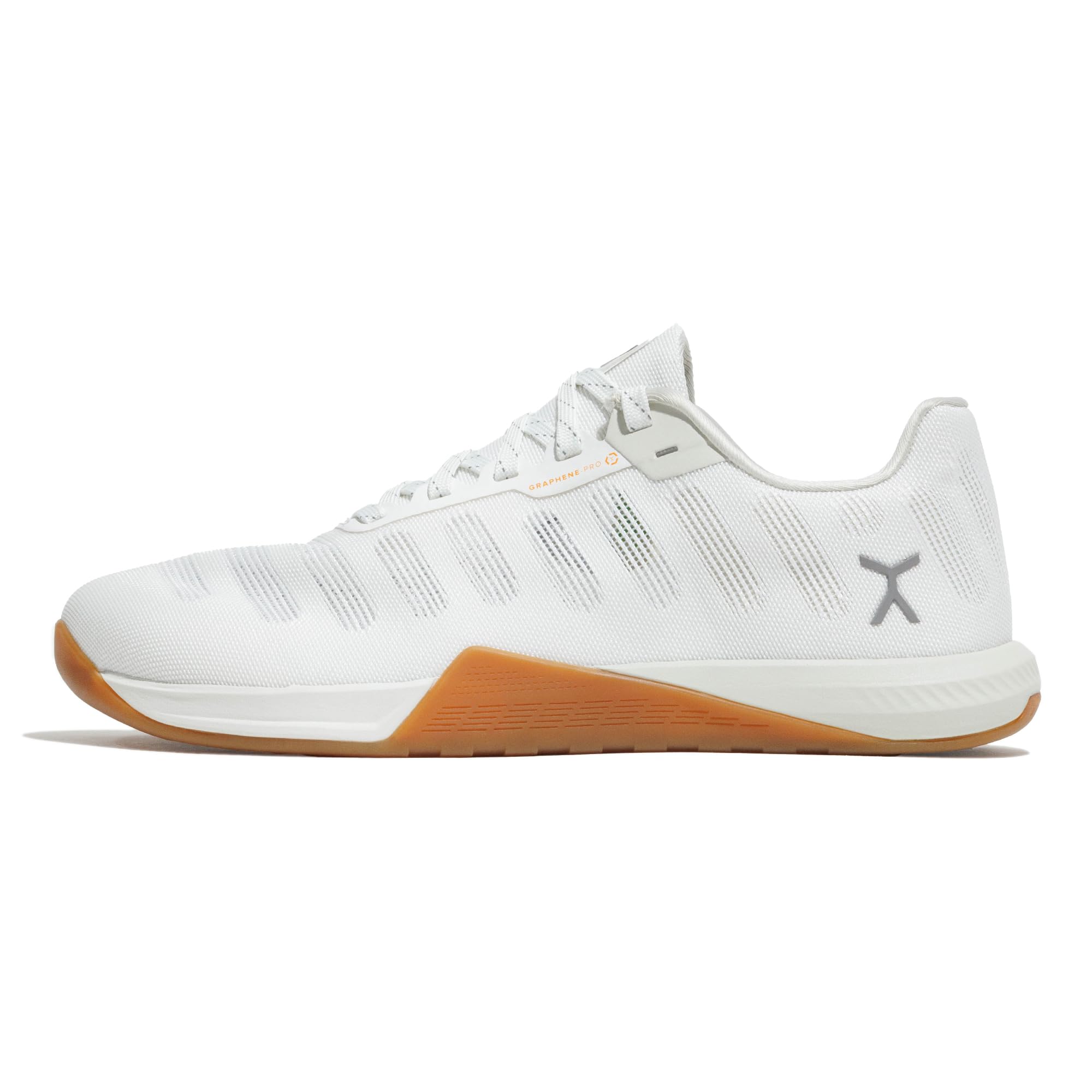
Graphene meets barefoot design for a trainer that promises extraordinary durability and grip.
Flux uses graphene — a material the brand says is 200x stronger than steel — in the outsole of the Adapt Graphene XT, creating a shoe that grips hard surfaces without wearing down fast. The wide toe box is a genuine relief for those with wide feet and toe pain, with owners reporting it solved discomfort they had in other shoes. The ballistic mesh upper is breathable yet sturdy, and the zero-drop platform makes it suitable for gym workouts, sports, and everyday wear. One owner reported near-zero sole wear after six months of use.
There are some rough edges. The size chart has been called inaccurate by a few buyers, and the graphene outsole nubs can break off during heavy use. One owner had a squeaky midsole within a week. The general advice — size up half a size — is echoed throughout the reviews. For the price, you get a shoe that feels locked in for lifting and comfortable for all-day wear, but the QA issues mean it is not the most reliable choice from the start.
For the innovation-curious: If you want a barefoot shoe with cutting-edge materials that holds up impressively to gym abuse, the Flux Adapt is a compelling option.
QA gamble: Some units come with defects (squeaks, broken outsole nubs), so buy from a place with a good return policy.
Understanding the Specs
Stack Height
This is the total thickness of the sole under your foot, measured in millimeters. A lower stack height (like 6 mm on the Merrell Vapor Glove) gives you more ground feel — you will sense every pebble and texture. A higher stack (like 28 mm on the ALTRA Escalante) adds cushion for hard pavement but reduces sensory feedback. There is no right answer; it is about what your feet tolerate and where you walk.
Zero Drop vs. Minimal Drop
“Zero drop” means the heel and forefoot sit at the same height off the ground. This encourages a midfoot or forefoot strike, which can reduce impact on your knees and hips. A shoe that has any heel lift — even 4 mm — changes your gait. If you are new to barefoot shoes, zero drop takes about two weeks of adjustment as your calves and achilles adapt.
FAQ
How long does it take to adjust to barefoot sneakers?
Do barefoot shoes help with foot pain or bunions?
Can I run in barefoot sneakers?
How do I know what size to order for a barefoot shoe?
Is a wide toe box the same as a wide shoe?
Will barefoot shoes make my feet stronger?
Can I wear barefoot shoes for weightlifting?
How durable are barefoot sneakers compared to regular ones?
Can I wear barefoot shoes if I have flat feet or high arches?
Are barefoot shoes good for everyday casual wear?
Final Thoughts: The Verdict
Across the board, the best barefoot sneakers winner is the ALTRA Escalante 4 because it combines the roomiest toe box, a responsive midsole, and an easy break-in period that works for walking, running, and errands alike. If you want the most minimal, office-ready option, grab the Merrell Vapor Glove 6 Leather. And for a dedicated training shoe that feels like a second skin, the Vivobarefoot Motus Flex is the one to reach for.
How We Picked
We do not accept paid placement. Every pick is matched to a real buyer and a real use-case; we do not hands-on test units.
Sources & Methodology
Specifications: manufacturer listings and product documentation. Review insights: verified customer reviews, as of July 2026. Pricing: not shown on this page (it changes often); check the current price via the retailer link.
As an Amazon Associate, WellFizz earns from qualifying purchases. This does not affect which products we feature.
Related Guides

Mo Maruf
I created WellFizz to bridge the gap between vague wellness advice and actionable solutions. My mission is simple: to decode the research and give you practical tools you can actually use.
Beyond the data, I am a passionate traveler. I believe that stepping away from the screen to explore new environments is essential for mental clarity and physical vitality.