Our readers keep the lights on and my smoothie glass nicely filled. As an Amazon Associate, I earn from qualifying purchases.
Specs are compiled from manufacturer listings and verified buyer reviews and can change over time — please confirm the key details on the product page before buying.
Picking the right compost for your garden can feel like a chemistry experiment gone wrong. Buy the wrong bag, and you risk burning delicate roots, fighting fungus gnats, or simply pouring money into dirt that does nothing. The real trick is matching the compost type — worm castings, manure, or plant-based blends — to what your specific soil actually needs. This guide cuts through the noise so you know exactly which bag to grab.
I’m Mohammad Maruf — the founder and writer behind WellFizz. This guide is built by comparing the manufacturers’ published specifications and the patterns across verified customer reviews, so you get each pick’s real strengths and trade-offs instead of marketing spin.
Whether you are feeding a tidy herb tower or overhauling a whole vegetable patch, the right compost for garden makes the difference between plants that just survive and ones that truly thrive.
Our Picks at a Glance


How To Choose The Best Compost For Garden
Compost is not one-size-fits-all. A manure-based bag that works wonders for a clay-breaking vegetable bed can turn a delicate container plant into a crispy mess. Here is what actually matters when you are staring at the shelf.
Worm Castings vs. Manure: Which Kind Do You Need?
Worm castings (the digested waste from earthworms) are gentle, odorless to most noses, and packed with microbes. They release nutrients slowly and will not burn roots even if you use a generous handful. That makes them ideal for seedlings, houseplants, and any plant you are nervous about shocking. Manure-based compost, particularly well-composted cow manure, is heavier and better for breaking up tough clay soil and adding organic bulk to raised beds. The catch is that if manure is not fully composted, it can burn roots and can smell strong for a day or two.
The Mixing Ratio Tells You the Strength
Every bag should list a mixing ratio on the label. A 1:7 ratio (one part compost to seven parts existing soil) means the product is concentrated — a little goes a long way. A 1:1 ratio means you can use it generously, almost as a soil replacement. If you are amending a container, respect the ratio. If you are top-dressing an established garden, you can be looser, but the bag’s ratio is your safety line against over-feeding.
Texture and Moisture Content
Open the bag and check: good compost feels crumbly and smells earthy, like a forest floor after rain. If it is clumpy, chunky with undecomposed twigs, or has a strong ammonia scent, the composting process was incomplete. You also want a moisture level that is damp but not soggy — if the bag is heavy and dripping, you are paying for water weight and possibly buying a product that is already rotting.
Quick Comparison
| Model | Best For | Type | Weight | Unit Count | Amazon |
|---|---|---|---|---|---|
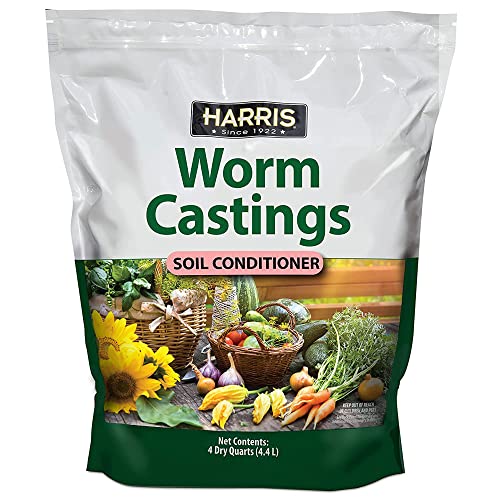
| Harris Worm Castings★ Best Overall | Concentrated indoor/outdoor feeding | Worm Castings | 5 lb | 80 oz | Amazon |
| Back to the Roots Worm CastingsTop Performer | Gentle all-around garden booster | Worm Castings | 5 lb | 80 oz | Amazon |
| Black Kow Cow ManureSoil Buster | Clay-breaking and raised beds | Manure Compost | 6 lb | — | Amazon |
| Coast of Maine Tomato & Veggie | Container tomatoes and vegetables | Potting Mix | — | 20 qt | Amazon |
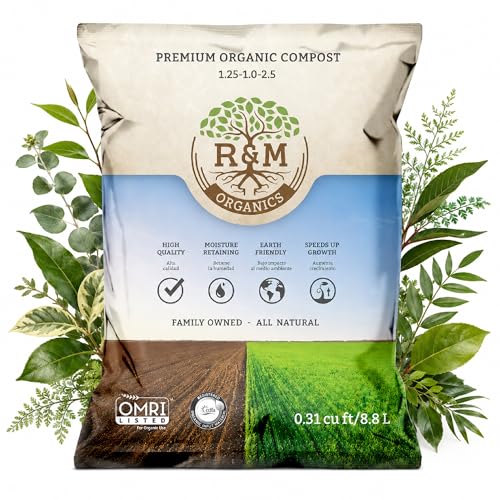
| R&M Organics Premium Compost | Rescuing stressed plants | Manure Based | 10 lb | 160 oz | Amazon |
| Espoma Land and Sea | Lobster-meal boost for heavy feeders | Blended Compost | 24 lb | 1 cu ft | Amazon |
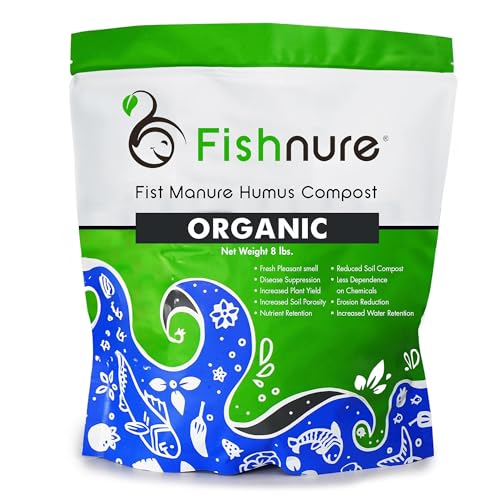
| Fishnure Humus Fish Compost | Long-lasting beds and no-till | Fish Compost | 8 lb | 128 oz | Amazon |
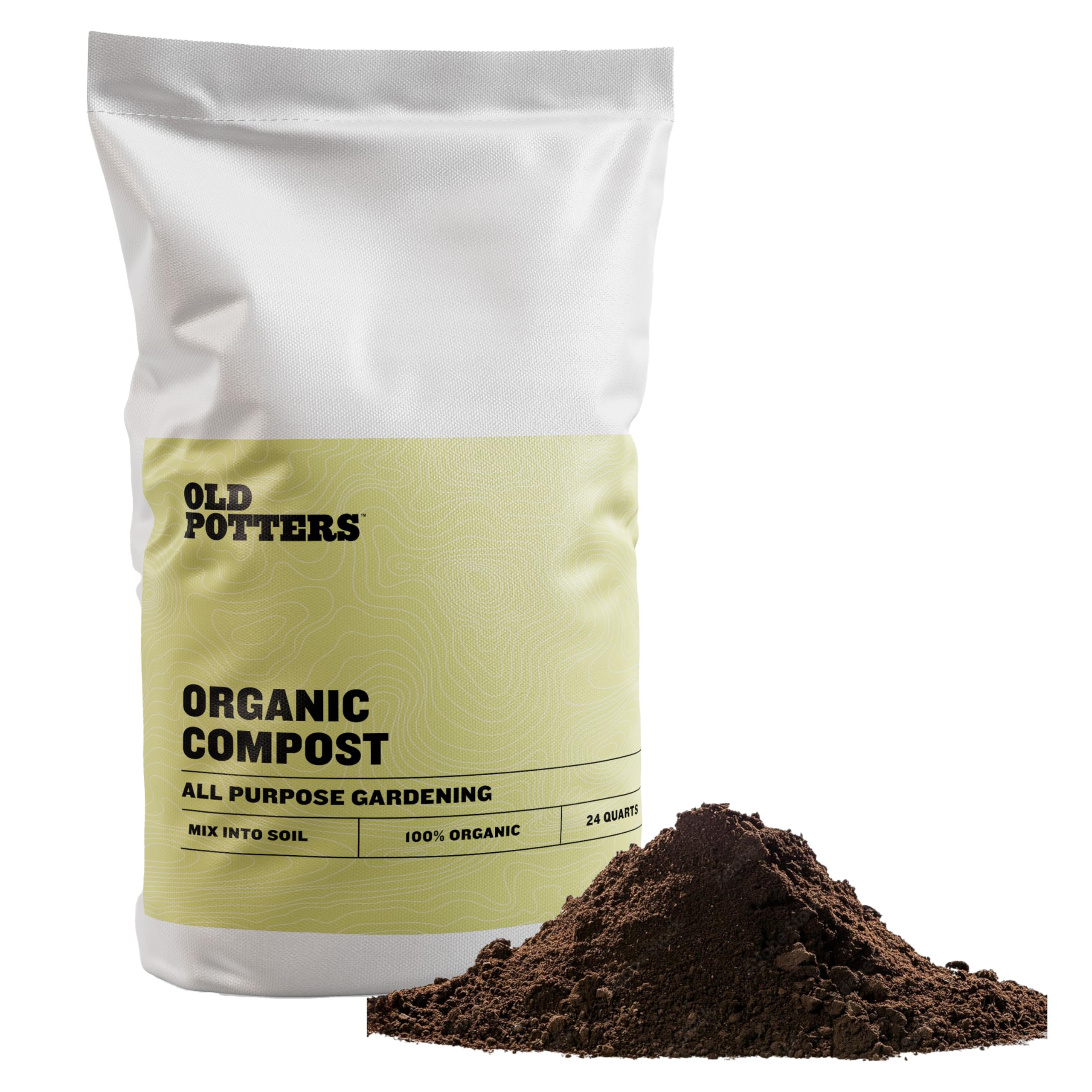
| Old Potters Organic Compost | Heavy feeders and tough conditions | Plant Based | ~25 lb | 768 fl oz | Amazon |
| Wiggle Worm Pure Castings 40lb | Large gardens and desert soils | Worm Castings | 40 lb | 640 oz | Amazon |
In‑Depth Reviews
1. Harris Worm Castings Organic Fertilizer
Our pick — over 4.5★ from 550+ verified ratings; the strongest balance of quality and price.
The concentrated worm casting that turns a tired herb tower into a jungle.
The Harris bag gives you a concentrated feeding punch per scoop, with a unit count of 80 oz. That concentrated power means a little handful goes a long way, whether you are feeding a single potted pepper or a whole raised bed. The crowd-favorite rating from buyers explains why people keep coming back: they say it works without any fuss.
Owners describe mixing it into a tower garden bursting with herbs, lettuce, kale, and spinach, and report that everything grew big fast. They love that it has zero smell, arrives double-bagged to stay dry, and costs less than replacing all your potting dirt. The only minor note is that the mixing ratio is strong — if you dump the whole bag into a small container, you are wasting product. Follow the 1:7 guideline and this bag lasts a surprisingly long time. Because it is so concentrated, skip it if you have just one small windowsill pot — a forgiving, ready-to-pour top-dress blend serves you better.
What wins people over
- Very high concentration (148.92 oz) means excellent value per scoop
- Odorless and double-bagged for clean indoor use
- Increases plant size noticeably, even in tight tower systems
The real trade‑off
- Over-feeding is easy if you ignore the 1:7 ratio — less is more here
- Not a complete potting soil; you must mix it with existing dirt
2. Back to the Roots Organic Worm Castings
The gentle all-rounder that won’t burn your monarch-friendly milkweed.
Buyers use this 5-pound (80 oz) bag for everything from citrus trees to starter seeds. They rate the quality highest, calling it “better than what I usually get at Costco” because it stays moist and fresh rather than dry and dusty. It blends easily into chunky soil mixes, like those with coco chips, perlite, or charcoal, without compacting the soil — a real advantage for houseplant fans who have learned that dense castings can suffocate roots.
Buyers report citrus trees bouncing back and seedlings taking off fast. It is safe enough for milkweed, which matters for butterfly gardens, and works as a side-dress sprinkled around established plants in spring. The only mixed note is odor: most find it smells like clean earth, but a few sensitive noses detect a mild manure undertone. Compared to the Harris bag above, this one is less concentrated (80 oz vs 148.92 oz), so you use a little more volume per plant, but it is also more forgiving if you over-apply. It suits any gardener with a mixed garden who wants a single bag that does it all without worrying about burn — but if you need maximum concentration per dollar, the Harris bag offers more volume for the same 5-pound weight.
Why it stands out
- Excellent texture — doesn’t clump or compact in chunky mixes
- Safe for sensitive plants and beneficial insects like monarchs
- High satisfaction with plant health revival and growth
One honest caveat
- Mild earthy odor is normal; most find it pleasant, but not everyone agrees
- An occasional batch may contain small foreign debris — check before use
3. Black Kow Composted Cow Manure
The old-school manure that busts up clay and feeds garden veggies.
Black Kow is composted cow manure with a 1:1 mixing ratio, meaning you can use it generously — almost half-and-half with your native dirt. That helps sandy soils hold moisture by stopping nutrients from leaching through, and it breaks up clay so roots can actually spread. This 6-pound bag provides real bulk for amending heavy soils.
Owners are straightforward: “It really helped my garden veggies” and “my mama puts this in everything she plants.” The big honest note is the smell — the initial aroma is strong and barnyard-like. Most owners find the results worth the brief odor, but if you are working on a small balcony or near an open window, the scent will travel. This is a workhorse product for ground-level gardening, not a delicate container amendment. Use it to prep a new bed or top-dress hungry plants like squash and corn. If you garden on a patio or indoors, the smell will be a dealbreaker — a gentler worm casting like the Back to the Roots bag is a better fit.
What it does best
- Heavy 6-lb bag provides real bulk for amending clay and sandy soils
- Contains beneficial bacteria (microorganisms that break down nutrients into a form plants can use) so roots can take up food
- 1:1 ratio makes it easy to use without calculating precise mixes
What to know upfront
- Strong barnyard smell is genuine — air the garden area after applying
- Bag size is modest; for large beds you may need multiple bags
4. Coast of Maine Organic Planting Soil for Vegetables & Tomatoes

The complete potting soil for tomatoes that thrives right out of the bag.
This is a full potting mix (a ready-to-use soil blend), not a concentrated amendment — you can pour it straight into a 5-gallon pot and plant immediately. With 20 quarts, it gives you enough to fill a couple of large containers or top off a small raised bed. The main ingredient blend includes composted manure and sphagnum peat moss (a spongy material that holds moisture and air) for drainage, and owners mention excellent moisture retention — they see visible new growth within days of planting zucchini and heirloom tomatoes.
Soil quality is the most praised aspect, with buyers calling it the best potting soil they have used. The catch is a recurring infestation issue: a number of customers found fungus gnats or mold in the bag. This is a known risk with rich, organic potting mixes stored in warm warehouses. If you are a careful container gardener, plan to use it quickly and monitor for gnats. Also, the mix may contain undecomposed twigs, so if you are growing root crops like carrots, you will want to screen it first. It is perfect for container tomato growers who want a complete mix they can open and use without amending — but if you prefer to control every ingredient in your soil, this mix has variables you cannot adjust.
What owners love
- Ready-to-use — no mixing required for container planting
- Rich texture provides excellent moisture retention and drainage simultaneously
- Lightweight and easy to handle for patio gardeners
The honest downside
- Fungus gnat and mold issues are a recurring complaint from buyers
- May contain undecomposed twigs that need picking out for fine-root plants
5. R&M Organics Premium Organic Compost
The bag that brings near-dead azaleas and tomato plants back to life.
This 10-pound (160 oz) product is made from composted dairy cow manure. It has a fine, topsoil-like texture with no clumps and hardly any smell — buyers describe it as “earthy” rather than barnyard. The recommended application is a quarter-inch layer, and the mixing ratio is a generous 5:1 (five parts soil to one part compost), meaning you get a lot of coverage from a single bag.
The most-discussed aspect is quality. One owner reports that a suffering tomato plant’s yellow leaves turned green, with new growth and flower buds appearing within a week. Another used it to rescue azaleas damaged by roof-cleaning chemicals. The main honest note is about staining — the compost is dark and rich, and it will leave marks on carpets, patios, and light-colored pots. If you are top-dressing indoors, put down a tray first. Buy this when you have a specific plant in trouble and need a reliable, gentle but effective rescue bag. If you need bulk volume for a giant vegetable patch, you will get better value from a 40-pound option like the Wiggle Worm.
Its standout strengths
- Fine, crumbly texture with no strong manure smell
- Proven to revive stressed, yellowing plants within a week
- Easy 5:1 mixing ratio stretches the 10 lb bag across many containers
A practical warning
- Dark color stains patios, carpets, and light pots — handle with care indoors
- Pricier per pound than larger bulk bags
6. Espoma Organic Land and Sea Gourmet Compost

The lobster-and-crab meal blend that sends hostas and tomatoes into overdrive.
This 24-pound, 1-cubic-foot bag is blended with lobster meal, crab meal, and a proprietary myco-tone blend of endo and ecto mycorrhizae (beneficial fungi that help roots absorb more nutrients from the soil). The weight is the second-heaviest in this guide — only the Wiggle Worm 40-pound bag is bigger — giving you serious bulk for large-scale amending. Customers note using it for three years straight and seeing fantastic results, especially with hostas and heavy-feeding vegetables like zucchini and tomatoes.
The price is higher per bag, and value for money is a mixed topic in the reviews — some find it pricey. But the quality score is the highest single aspect mentioned, and the consensus is that the results justify the cost if you are a serious gardener. It works well as a soil amendment when mixed with existing garden soil and adds enough nutrient density that you can reduce your other fertilizers. One owner noted it noticeably improved tomato yield and zucchini production in a single season. Reach for it if you are a dedicated vegetable grower or flower enthusiast who wants maximum flavor and yield from your plants — but stick with a simpler bag if you just need general maintenance for a low-key lawn or a few easy perennials.
Why it earns the premium
- Unique lobster and crab meal adds trace minerals unavailable in standard compost
- Contains endo/ecto mycorrhizae (fungi that partner with roots to extract more food) for better root-to-soil interaction
- 24 lb bag gives you serious volume for large beds
One fair warning
- It is the priciest option per pound — budget gardeners may find cheaper alternatives with similar results
7. Fishnure Humus Fish Compost Fertilizer
The fish-based compost that smells like nothing and feeds for years.
Fishnure is a humus (fully decomposed organic matter) fish compost that stays odorless and will not decompose further in your soil. The 8-pound bag covers an impressive 480 square feet (60 sq ft per pound), making it the highest coverage-to-weight ratio here. It is OMRI-listed (independently verified to meet organic standards by the Organic Materials Review Institute) for organic use. The slow-release granules are gentle enough for seed starting and tough enough for fruit trees.
Reviewers point out that cannabis, mangoes, and potatoes grew huge and healthy in just days. The humus structure creates a lasting soil that improves water retention and aeration without the risk of burning roots. The recurring honest note is that the bag sometimes contains small stones — a known side effect of the sifting process. Check your soil for rocks when you apply, and most owners consider it a minor inconvenience for the overall results. It is perfect for organic gardeners with large beds who want a one-and-done slow-release amendment that does not stink. If your garden is all small containers where rocks could be an issue, a worm casting like the Back to the Roots bag is more uniform.
What owners celebrate
- No fishy smell at all — a true breakthrough for fish-based fertilizer
- 480 sq ft coverage per bag is excellent value for large gardens
- OMRI-listed organic certification gives confidence
The honest trade-off
- Small rocks can appear in the mix — sifting is occasionally needed
- Higher upfront cost per bag than manure or worm casting options
8. Old Potters Organic Compost
The 100% plant-based compost that tames even the worst clay-and-rock soil.
Old Potters is a plant-based compost (no manure), so it is chemical-free and safe for all types of gardens. At roughly 25 pounds with a volume of 768 fluid ounces (24 quarts), it offers a solid middle ground between the compact 5-pound casting bags and the giant 40-pound bulk options. The organic composition is among the most praised aspects, with owners noting it turns dark green after watering with filtered tap water.
The quality rating leads the praise. One owner used it in zone 7a (a climate region with cold winters and hot summers) with bare-root climbing roses, combining it with worm castings and mycorrhizal fungi — all 10 rose varieties grew vigorously and bloomed early. The main honest note is the smell: it has a very strong, unpleasant odor upon opening, even after resealing. Plan to use it outdoors or ventilate the room. Also, some buyers found it clumpy and clayish, requiring manual crumbling before use. It is best for gardeners with challenging native soil who need a sturdy, high-volume plant-based amendment. It is not the right fit if you are a sensitive-sniffer working indoors — the fresh-bag odor is intense.
What makes it special
- 100% plant-based and chemical-free — safe for the most sensitive gardens
- Works wonders in extreme conditions: clay, rocks, freezing winters
- Large 25 lb bag provides generous volume for serious planting
Heads-up moments
- Very strong initial smell — open the bag outdoors or in a ventilated space
- Can be clumpy and clayish; needs breaking up before spreading
9. Wiggle Worm 100% Pure Worm Castings Plus Worm Egg Material, 40lbs
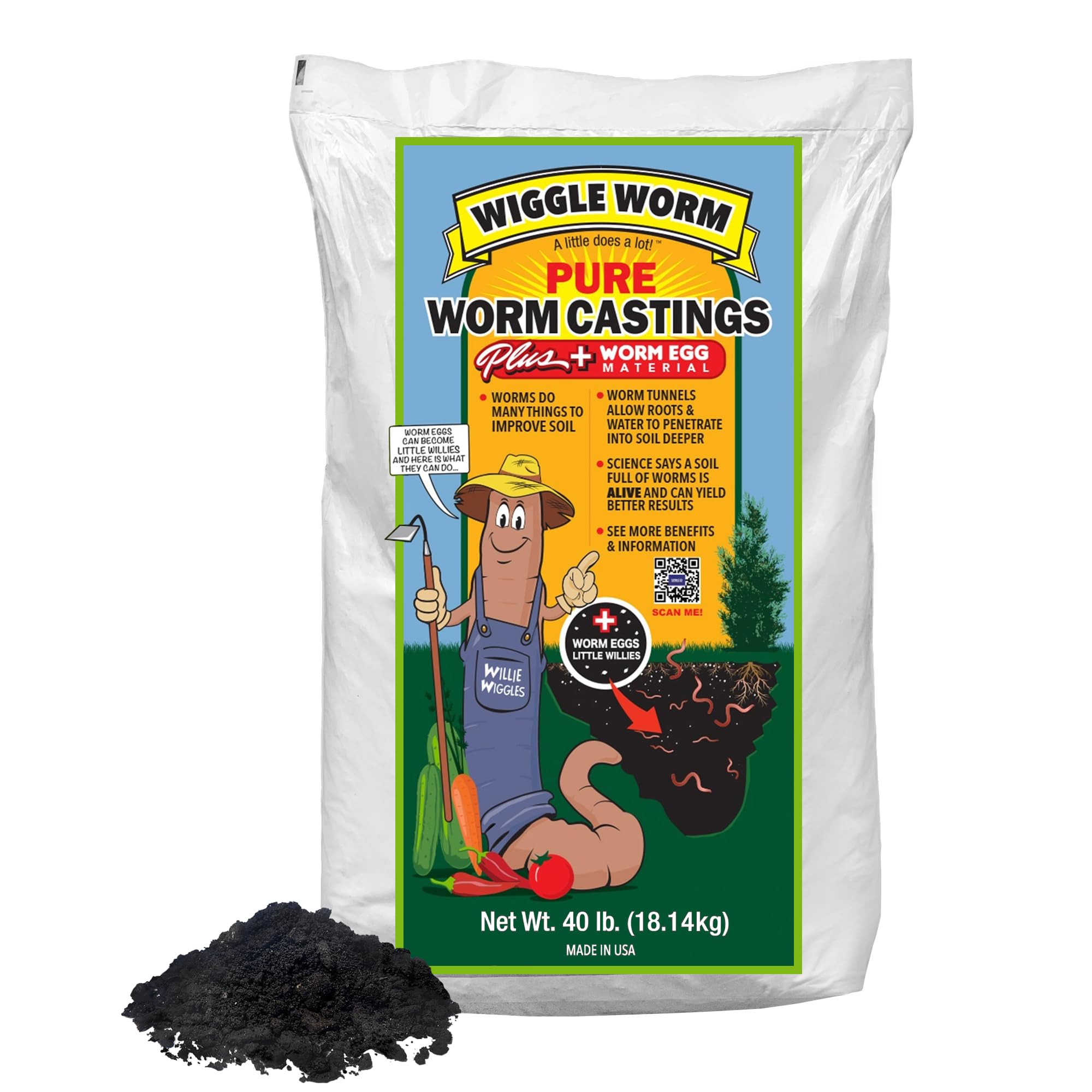
The 40-pound giant that delivers pure castings and a chance for live worms.
This is the serious gardener’s bulk play. At a massive 40 pounds with a unit count of 640 ounces, it offers 40 pounds compared to the Harris bag’s 5 pounds and the Back to the Roots bag’s 5 pounds. But the secret ingredient is the worm egg material — tiny cocoons that can hatch in your soil, adapt, and start producing even more castings directly in your garden. The result is a living soil ecosystem that improves year after year.
The most praised aspect is quality. Owners in harsh environments like the Mohave desert swear by it, reporting they successfully grow gardenias, hibiscus, and strawberries through triple-digit heat and freezing winters. The content is finely textured, clean, and odor-free with no trash or clumps. The trade-off is debris — the bag does contain small rocks and wood chips that make it through the sifting process, and the mix of live worm eggs means you may occasionally see a worm crawling around. That is the feature, not a bug, but it surprises some indoor gardeners. Reach for this if you have a large garden, raised beds, or are building a no-till system that benefits from living soil. pass on it if you garden in small containers indoors and want refined, debris-free castings — the Harris or Back to the Roots bags are cleaner.
Why it is the bulk champion
- 40 lb bag offers the best per-pound value for serious gardeners
- Worm egg material creates self-sustaining soil fertility over time
- Finely textured, no clumps — blends easily into container and bed soil
What to be aware of
- Small rocks and wood debris are common — sifting helps if you want pristine soil
- Live worm eggs mean you may see baby worms in your pots; fine for gardens, startling for houseplant owners
Understanding the Specs
Mixing Ratio
This is the single most important number on a compost bag. It tells you how much compost to add relative to your existing soil. A 1:7 ratio (like the Harris bag) means one part compost to seven parts soil — very concentrated, so a little goes far. A 1:1 ratio (like Black Kow) means you can use half compost and half soil. Ignoring the ratio is how plants get burned or starved. If the bag does not list a ratio, start conservatively at 1:4.
Unit Count vs. Weight
Weight (in pounds) tells you how much physical stuff you are carrying home, but unit count (in ounces or fluid ounces) tells you how much active compost you get. A 5-pound bag of worm castings might hold 80 oz or 148.92 oz — the difference is huge. Always check the unit count to compare value between bags of similar size.
FAQ
Can I use worm castings as a complete potting soil?
Will worm castings burn my plants if I use too much?
What is the difference between worm castings and regular compost?
Why does my compost bag have a strong smell?
How long does a bag of compost last once opened?
Can I use cow manure compost on my indoor houseplants?
Is there a risk of fungus gnats from bagged compost?
What does OMRI-listed mean on a compost bag?
Can I mix different types of compost together?
How often should I apply compost to my garden beds?
Final Thoughts: The Verdict
Across the board, the best compost for garden is the Harris Worm Castings because it delivers the highest concentration per bag (148.92 ounces), carries the strongest owner enthusiasm with the top satisfaction rating, and works equally well for a single herb tower or a full vegetable patch — all without any smell or burn risk. If you want a forgiving all-rounder with the broadest trust among buyers, grab the Back to the Roots Worm Castings. And for bulk soil-building or living-soil gardening, the Wiggle Worm 40-pound bag is the one to reach for.
How We Picked
We do not accept paid placement. Every pick is matched to a real buyer and a real use-case; we do not hands-on test units.
Sources & Methodology
Specifications: manufacturer listings and product documentation. Review insights: verified customer reviews, as of July 2026. Pricing: not shown on this page (it changes often); check the current price via the retailer link.
As an Amazon Associate, WellFizz earns from qualifying purchases. This does not affect which products we feature.
Related Guides

Mo Maruf
I created WellFizz to bridge the gap between vague wellness advice and actionable solutions. My mission is simple: to decode the research and give you practical tools you can actually use.
Beyond the data, I am a passionate traveler. I believe that stepping away from the screen to explore new environments is essential for mental clarity and physical vitality.