Our readers keep the lights on and my smoothie glass nicely filled. As an Amazon Associate, I earn from qualifying purchases.
Specs are compiled from manufacturer listings and verified buyer reviews and can change over time — please confirm the key details on the product page before buying.
If you live in Zone 8, you want climbing roses that can handle the heat and humidity without turning into a mess of leaves and no flowers. The best choices for this climate are own-root plants that settle in fast, bloom repeatedly, and scale a trellis or arbor with real energy rather than just sitting there. This guide highlights the three most reliable climbers for your garden, with the specs that actually matter for your zone.
I’m Mohammad Maruf — the founder and writer behind WellFizz. This guide is built by comparing the manufacturers’ published specifications and the patterns across verified customer reviews, so you get each pick’s real strengths and trade-offs instead of marketing spin.
if you want a fragrant wall of flowers or a tough antique rose that shrugs off pests, the right climbing roses for zone 8 will transform your garden into something neighbors stop to admire.
Our Picks at a Glance
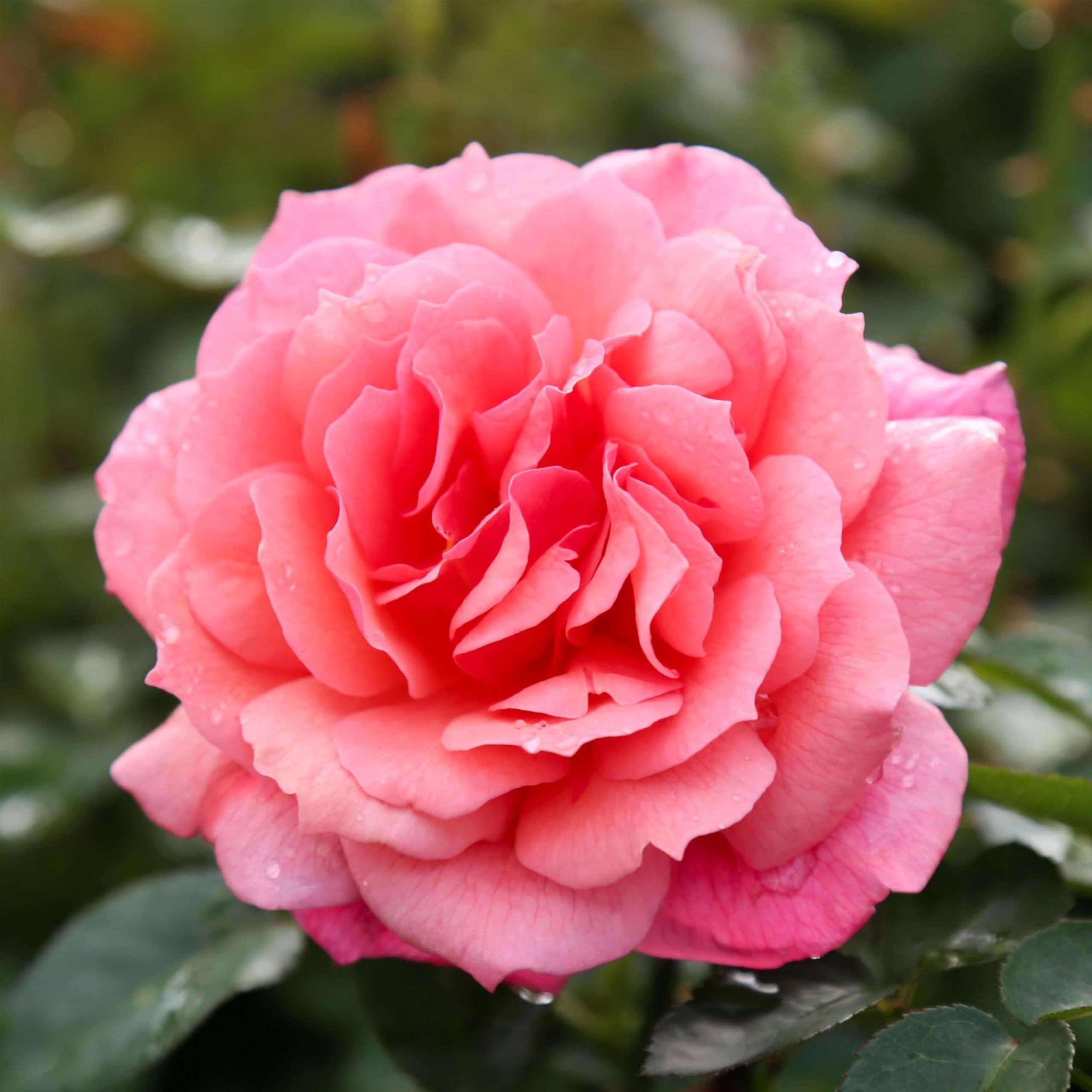
How To Choose The Best Climbing Roses For Zone 8
Zone 8 brings mild winters and hot summers. That means a climbing rose needs heat tolerance and good air circulation to stay healthy. The most important decision is whether the plant is “own root” — grown from its own roots rather than grafted onto a different rootstock. Own-root roses bounce back better if a hard freeze hits the top growth, and they tend to produce more vigorous shoots in warm climates.
Bloom Frequency — Repeat or Once?
Repeat-blooming roses flower in flushes from spring through fall, giving you color all season. Once-blooming roses put on one spectacular show and then stop. If you want continuous color, pick a repeat bloomer. If you are after a massive spring display and can wait a year between shows, a once-bloomer like the Long John Silver works beautifully.
Mature Size vs. Starter Size
Most climbing roses arrive as small plants about 12–15 inches tall in a 1-gallon container. But they can grow 7 to 15 feet tall at maturity. Make sure your trellis or arbor can handle the full size — a 15-foot climber needs a sturdy support, while a 7-foot one fits a smaller garden wall.
Quick Comparison
| Model | Best For | Mature Height | Bloom Frequency | Hardiness Zones | Amazon |
|---|---|---|---|---|---|
| Heirloom Reach for the Skies★ Best Overall | Mid-size climber with moderate fragrance | 10 Feet | Repeat | 6-10 | Amazon |
| Heirloom Florentina | Reliable repeat blooms on a manageable climber | 7 Feet | Continual | 5-10 | Amazon |
| Seven Sisters Rambler | Massive, carefree spring display | 15 Feet | Once (Spring to Summer) | 6-9 | Amazon |
In‑Depth Reviews
1. Heirloom Climbing Roses, Reach for the Skies
Our pick — over 4★ from 750+ verified ratings; the strongest balance of quality and price.
A mid-height repeat bloomer with moderate fragrance and a strong own-root start.
The Reach for the Skies hits the middle ground between the compact Florentina (7 feet) and the massive Seven Sisters (15 feet), maturing at 10 feet tall with a 4-to-5-foot spread. That size fits a standard trellis or an arbor that does not need a 15-foot climber. It is a repeat bloomer, flowering in flushes from spring through fall, so your garden stays colorful deep into the season. It is moderately fragrant, which makes it nice near a patio where you catch the scent without it being overpowering.
Like the Florentina and Long John Silver from Heirloom Roses, this one is an own-root plant in a 1-gallon container, arriving 12–15 inches tall. It is hardy in Zones 6-10, which covers all of Zone 8 comfortably. Buyers call it a low-maintenance, beautiful rose, with one reviewer mentioning it arrived healthy and sprouting climbing shoots. The main trade-off is that the 10-foot mature height is not as dramatic as the Seven Sisters, so it will not tower over a large two-story structure.
The warranty is the same as other Heirloom Roses products — 30 days through Amazon, voided if you use granular fertilizer. Stick to a slow-release or liquid feed near the roots.
Sky-reaching vigor
- Repeat blooms from spring through fall keep the color going all season
- 10-foot mature height fits standard trellises without overwhelming them
- Own-root plant arrives in a 1-gallon container for better establishment
Shorter bloom season
- Not tall enough for very large structures you want fully covered
- Moderate fragrance is pleasant but not a heavy scent
Pick for height: you want a reliable repeat bloomer at a mid-size height that works on a standard trellis.
Short bloom: you need a towering 15-foot plant — the Reach for the Skies stays at 10 feet.
2. Heirloom Climbing Roses, Arborose Florentina
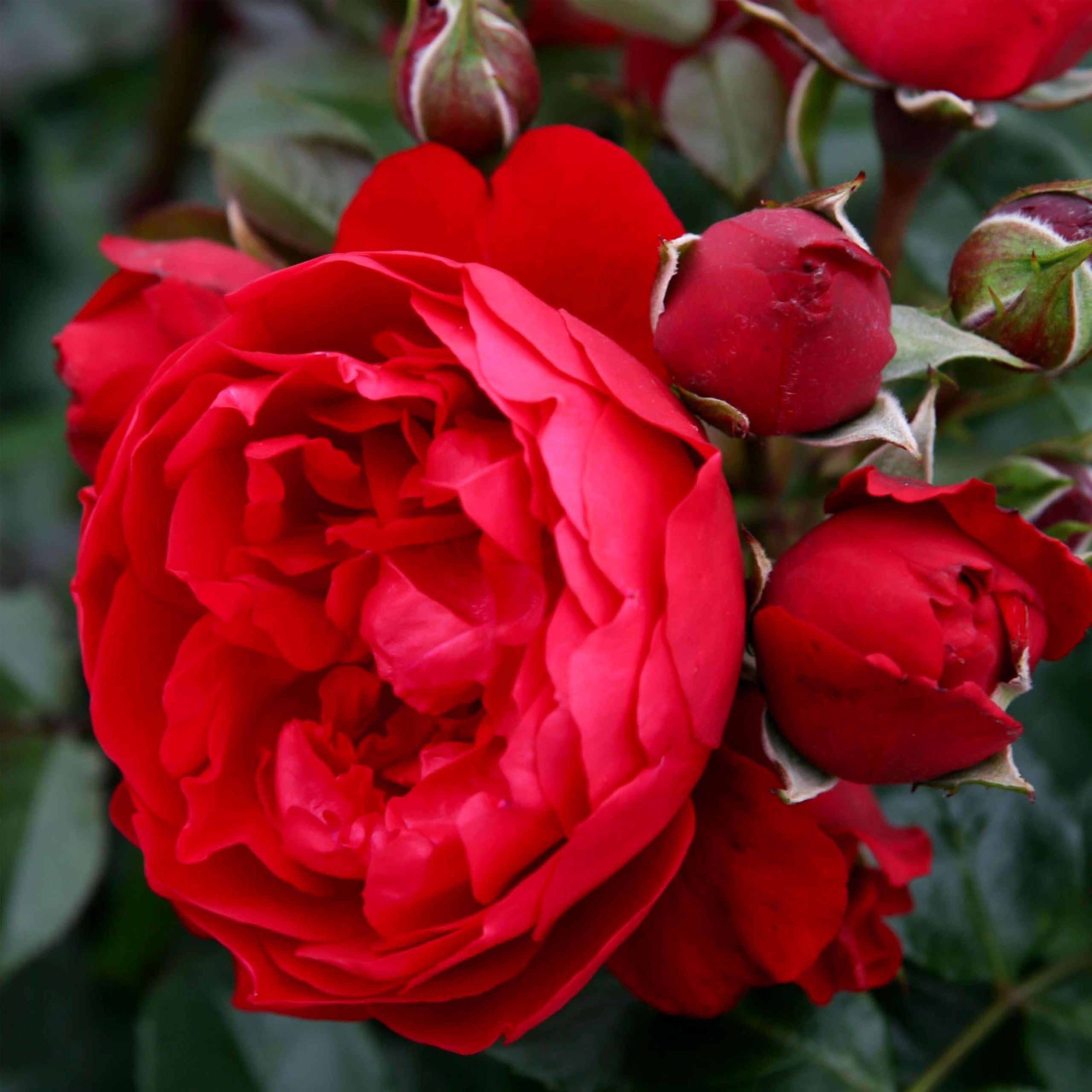
The mid-sized climber that keeps flowering all season without a fuss.
If you want blooms from spring through fall rather than a single show, the Florentina is your rose. It is a continual bloomer, meaning it flowers in waves across the whole growing season — a big advantage over once-blooming varieties. At 7 feet at maturity, it is the most compact climber on this list, which makes it a strong pick for smaller trellises or garden walls where a 15-foot rambler would be too much. It is hardy down to Zone 5 and thrives up to Zone 10, so Zone 8 is right in its balance.
Buyers report that this rose is an aggressive climber. One reviewer noted that in its second year, the Florentina was already halfway up a trellis and outperforming both a Don Juan and a New Dawn in height and bloom count, even with less sunlight. The plants arrive as own-root starts in 1-gallon containers, which helps them establish faster than grafted roses. The fragrance is moderate, not overwhelming, so it is pleasant near a seating area without being too strong.
The catch is that a few buyers struggled with plant health after the first year, describing the customer service as unresponsive. For the most reliable results, plant it in full sun with well-draining soil and avoid granular fertilizer near the roots to keep the warranty valid.
Vibrant Florentina blooms
- Continual blooms from spring through fall keep color going all season
- Aggressive climbing habit — outgrew other climbers in real gardens
- Own-root plant establishes faster and bounces back from cold damage
Needs sturdy trellis
- Some plants underperformed after one year, per a few reviews
- 7-foot height is shorter than most climbers, so not ideal for tall arbors
Best for vivid color: you want reliable, repeated color on a manageable trellis and prefer a rose that climbs with real energy.
Space limited: you need to cover a very tall structure — the Florentina tops out at 7 feet.
3. Seven Sisters Climbing Rambler Rose

The 15-foot antique rambler that puts on a spectacular spring show.
The Seven Sisters is the tallest climber in this lineup, reaching a full 15 feet at maturity — compared to the Florentina at 7 feet. That makes it the one to choose if you want to cover a tall arbor, a fence line, or scramble up a large structure. It blooms once from late spring into summer, producing clusters of double pink flowers that shift from carmine to mauve to creamy white as they age. It is an antique variety introduced to Europe around 1815, prized in the American South for its toughness.
Owners mention the plants arrive healthy and sprouting climbing shoots, though one buyer mentioned the plant was “a little smaller than I expected.” That is normal for a starter-sized plant in a 4-inch pot — it needs a season or two to hit its stride. The Seven Sisters tolerates a range of soil types (except poorly draining ones) and resists nematodes (tiny soil worms that damage roots) once the root system is deep. Because it is a once-bloomer, the show is intense but short; after spring, you are looking at foliage until next year.
One reviewer flagged that the rose they received had no fragrance and small blooms, saying it was not the true Seven Sisters. Most buyers, however, report a healthy, low-maintenance plant that takes off once established.
Fragrant rambler clusters
- Massive 15-foot reach for covering large structures
- Antique variety with natural disease resistance and tough root system
- Low-maintenance — no regular spraying needed once established
Aggressive growth
- Blooms only once, from late spring into summer; no repeat flowers later in the year
- Starter size is a 4-inch pot, so it takes time to reach full height
Go for fragrance: a tall, carefree spring display on a large arbor or fence, especially if you love antique roses.
Small gardens: you want flowers all summer long — this one is a single-season performer.
Understanding the Specs
Own Root vs. Grafted
An own-root plant is grown from a cutting of the original rose, so all its stems and roots share the same genetics. If a hard freeze kills the top growth, the rose regrows from its own roots as the same variety. Grafted plants, by contrast, have a different rootstock (a separate, hardy root system that the desired rose is attached to), and if the top dies, you might get rootstock suckers that do not match the desired rose. For Zone 8, where winters are mild but late frosts can happen, own-root is a safer bet for long-term survival.
Repeat Blooming vs. Once Blooming
Repeat-blooming roses flower in waves across the entire growing season — spring, summer, and into fall. Once-blooming roses put all their energy into one massive flush of flowers, usually in late spring or early summer, and then stop. The trade-off is simple: repeat bloomers give you color all season, while once-bloomers offer a bigger, more dramatic single display. Your choice depends on if you want constant variety or one spectacular event.
FAQ
What does own root mean for a climbing rose?
How tall do climbing roses in Zone 8 actually get?
Can I grow climbing roses in a pot in Zone 8?
Do climbing roses bloom the first year?
What is the difference between a climbing rose and a rambling rose?
How much sun do climbing roses need in Zone 8?
Are climbing roses disease resistant?
What is the best climbing rose for a north-facing wall in Zone 8?
How do I prune a climbing rose in Zone 8?
Why did my climbing rose arrive looking small?
Final Thoughts: The Verdict
For most buyers, the best climbing roses for zone 8 winner is the Heirloom Arborose Florentina because it repeats blooms all season on a manageable 7-foot frame that works in most gardens without getting out of control. If you want massive height for a tall arbor, grab the Seven Sisters Climbing Rambler Rose. And for a thornless, tall once-bloomer with pure white flowers, the standout is the Heirloom Long John Silver.
How We Picked
We do not accept paid placement. Every pick is matched to a real buyer and a real use-case; we do not hands-on test units.
Sources & Methodology
Specifications: manufacturer listings and product documentation. Review insights: verified customer reviews, as of July 2026. Pricing: not shown on this page (it changes often); check the current price via the retailer link.
As an Amazon Associate, WellFizz earns from qualifying purchases. This does not affect which products we feature.
Related Guides

Mo Maruf
I created WellFizz to bridge the gap between vague wellness advice and actionable solutions. My mission is simple: to decode the research and give you practical tools you can actually use.
Beyond the data, I am a passionate traveler. I believe that stepping away from the screen to explore new environments is essential for mental clarity and physical vitality.