Our readers keep the lights on and my smoothie glass nicely filled. As an Amazon Associate, I earn from qualifying purchases.
Specs are compiled from manufacturer listings and verified buyer reviews and can change over time — please confirm the key details on the product page before buying.
Finding a jacket that keeps you truly warm without turning you into a stiff, bulky mess is harder than it sounds. The best cold weather jackets for men balance real insulation — measured in grams or fill power — with smart features like wind-blocking shells, water-repellent coatings, and a cut that lets you layer underneath without losing arm movement. This guide breaks down seven coats that actually deliver on their promises, from heavy-duty work-ready parkas to lightweight insulated shells for daily commutes.
I’m Mohammad Maruf — the founder and writer behind WellFizz. This guide is built by comparing the manufacturers’ published specifications and the patterns across verified customer reviews, so you get each pick’s real strengths and trade-offs instead of marketing spin.
You need a jacket that keeps you warm when the temperature drops, whether you are working outside or running errands. The best cold weather jackets for men match the insulation type, weight, and weather protection to your daily routine.
Our Picks at a Glance

How To Choose The Best Cold Weather Jackets For Men
Three factors separate a jacket you reach for every morning from one that sits in the closet: insulation type and weight, weather barrier, and fit. Each one changes how the coat performs in your actual day.
Insulation: Thinsulate vs. Down vs. Synthetic Fill
Insulation weight — stated in grams for synthetic fills like Thinsulate, or in fill power for down — tells you how much warmth the jacket holds. A 150-gram Thinsulate coat, like the Carhartt Yukon, delivers heavy warmth that works even when wet. A 600-fill down jacket, like The North Face Aconcagua, traps heat with less weight but loses insulation power when soaked. Synthetic fills (common in mid-range puffer jackets) offer a middle ground: warm, water-resistant, and usually more affordable.
The Shell: Wind and Water Protection
A jacket’s outer fabric determines whether you stay dry. Look for a DWR (durable water repellent) coating on nylon or polyester shells — the Carhartt uses a Rain Defender finish, while the Columbia Tipton Peak adds full waterproof breathability. Windproofing matters just as much; a shell that stops wind from cutting through the insulation is what makes 20-degree weather feel manageable rather than miserable.
Fit and Length for Your Routine
An active fit (snugger, less bulk) suits walking and commuting, while a loose fit leaves room for layering a hoodie or sweater underneath. Length is equally practical: an extra-long parka, like the Levi’s Arctic Cloth model, covers your upper thighs and seals out drafts when you sit or bend. For job-site work or shoveling, a droptail hem and rib-knit storm cuffs keep cold air from sneaking up your back or sleeves.
Quick Comparison
| Model | Best For | Insulation | Shell Material | Weather Protection | Amazon |
|---|---|---|---|---|---|
| Carhartt Yukon Extremes★ Best Overall | Extreme cold & work | 150g Thinsulate | 500-denier Cordura nylon | Wind Fighter + Rain Defender DWR | Amazon |
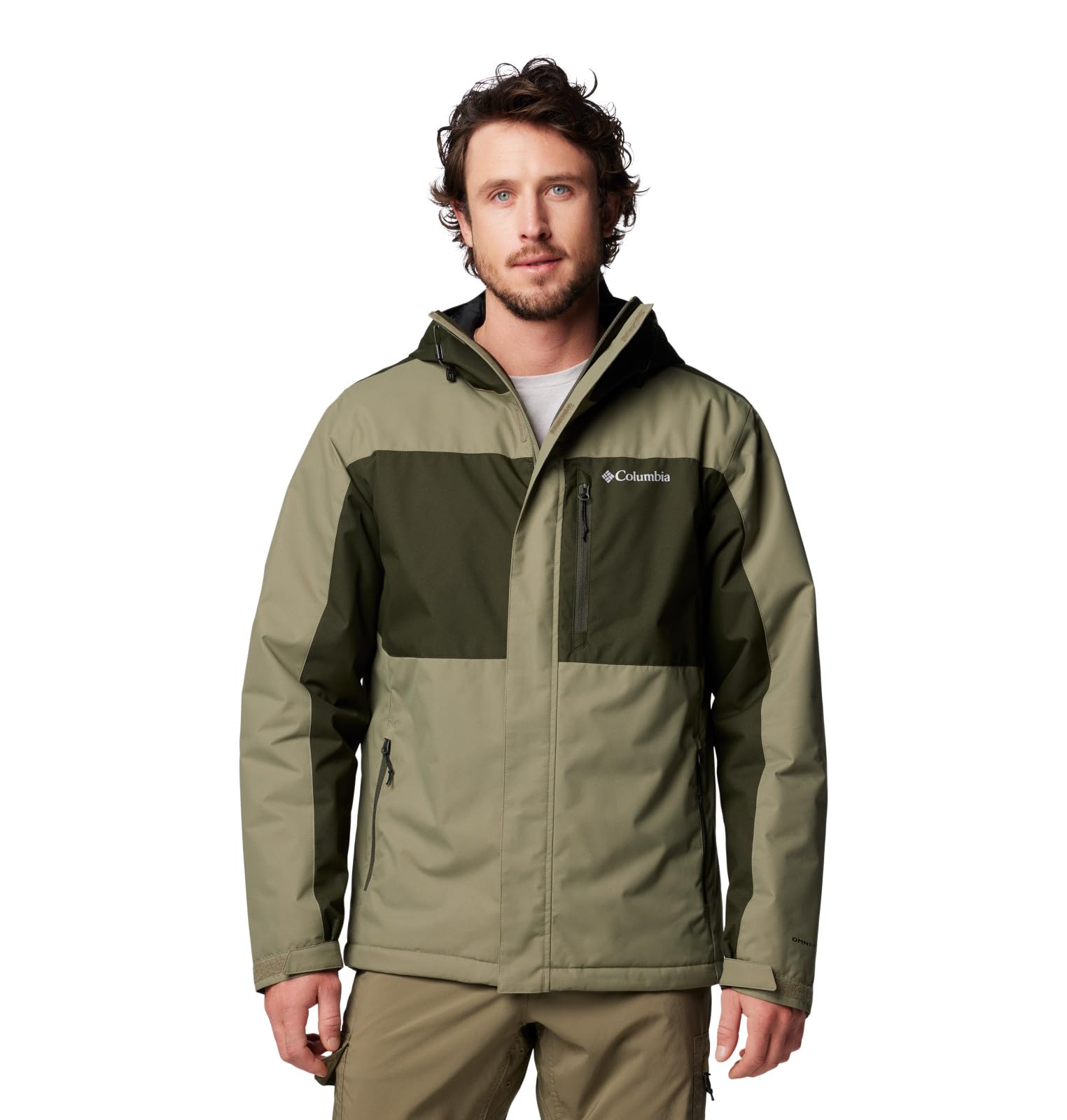
| Columbia Tipton Peak IIIBest For Wet Cold | Wet, cold weather | Synthetic + Omni-Heat | Waterproof nylon | Waterproof + breathable | Amazon |
| The North Face Aconcagua 3 | Lightweight warmth | 600-fill down | Nylon with DWR | Water-repellent, wind-resistant | Amazon |
| Levi’s Arctic Cloth Parka | Heavy warmth + style | Faux down insulation | Arctic Cloth fabric | Water-repellent, wind-resistant | Amazon |
| Columbia Powder Lite II | Light daily wear | Recycled synthetic + Omni-Heat | Nylon | Rain & stain repellent | Amazon |
| Pioneer Camp Puffer Jacket | Waterproof value | Thicken synthetic fill | Waterproof shell | Waterproof, windproof | Amazon |
| Pioneer Camp Sherpa Fleece | Casual mid-layer warmth | Sherpa fleece lining | Dual-density fleece | Wind-resistant cuffs & hem | Amazon |
In‑Depth Reviews
1. Carhartt Men’s Yukon Extremes Loose Fit Insulated Coat
Our pick — 4.5★ from 900+ verified ratings; the strongest balance of quality and price.
The work-site beast that shrugs off subzero temps and job-site abuse.
This is the coat you grab when the forecast says “stay inside.” The 150-gram 3M Thinsulate insulation (a synthetic fill that traps heat even when damp) keeps you warm, and the 500-denier Cordura nylon shell (a heavy-duty fabric) resists tears from daily construction-site use. Buyers report wearing it in temps down to 25 below zero in Colorado and staying warm for hours, especially with matching bibs. The shell uses Wind Fighter technology to block gusts and a Rain Defender DWR coating (a water-repellent finish) so light snow beads up instead of soaking in.
Unlike the Columbia Powder Lite II, which prioritizes lightweight packability, the Carhartt is built for heavy, stationary cold where bulk is a feature, not a flaw. Triple-stitched main seams, corduroy-trimmed collar, and rib-knit storm cuffs seal out drafts. The loose fit leaves room for a hoodie or sweater underneath. A few owners note the sleeves feel tight across the armpits at first, but the fabric loosens up after a few wears.
Built to Last
- 150g Thinsulate delivers serious warmth in static cold
- 500-denier Cordura shell resists tears and abrasion
- Wind Fighter + Rain Defender stop wind and light snow
- Triple-stitched seams and storm cuffs for draft protection
Gripes to Know
- Sleeves can feel tight across the armpits until broken in
- No zippered or Velcro closure on outer hand pockets
- Fabric is stiff, so it rides up when sitting in a truck
Reach for this if: you work outdoors in extreme cold or need a coat that can handle heavy daily wear and subzero wind chills.
Look elsewhere if: you want a lightweight, packable jacket for mild winter errands or something with a sleek city silhouette.
2. Columbia Mens Tipton Peak Iii Insulated Jacket
A waterproof shell and synthetic insulation that works in rain, sleet, and snow.
This Columbia jacket is the one you grab when the forecast mixes rain and snow. It pairs a fully waterproof and breathable shell with synthetic insulation plus thermal-reflective Omni-Heat lining — a silver dot pattern that bounces your body heat back toward you. Reviewers call it “like having your own personal oven” and report wearing it comfortably in temperatures between 15 and 50 degrees Fahrenheit. Unlike the Carhartt Yukon, which is built for dry extreme cold, the Tipton Peak handles wet winter conditions without soaking through.
The regular fit leaves enough room for a light sweater underneath without feeling baggy, and extended and tall sizing is available. The hood seals well with Velcro, and the pockets are placed high enough to stay clear of a backpack hip belt. The jacket compresses reasonably well for travel, though it is not as packable as the down-powered North Face Aconcagua.
Wet Weather Winner
- Waterproof and breathable shell handles rain and snow
- Omni-Heat reflective lining boosts warmth without bulk
- Velcro-sealed hood and convenient pocket layout
- Available in extended and tall sizes
Trade-Offs
- Not as warm as heavy 150g Thinsulate coats in subzero dry cold
- Less packable for travel compared to down jackets
Best for: everyday commuters and outdoor enthusiasts who face mixed winter precipitation — rain, sleet, and snow all season long.
Not ideal if: you need a coat for extreme, dry subzero cold or want the lightest possible packable layer.
3. THE NORTH FACE Men’s Aconcagua 3 Jacket
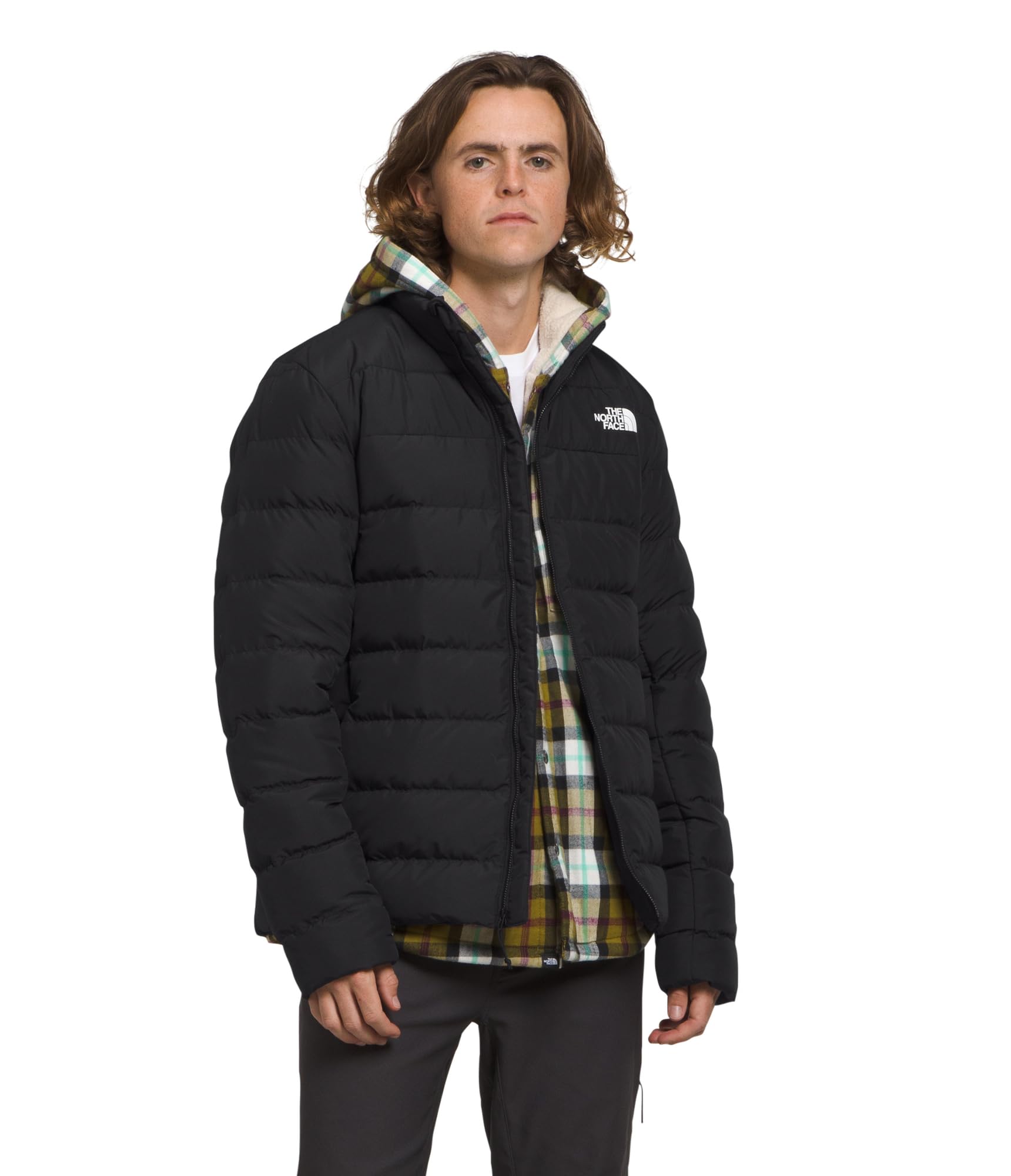
Light enough to pack, warm enough for the trail — real down that punches above its weight.
If you want genuine down insulation without the heavy bulk, the Aconcagua 3 is the pick. It uses 600-fill waterfowl down — a standard that means each ounce of down takes up 600 cubic inches of loft, trapping lots of warm air for its weight. The shell is treated with a non-PFC DWR coating that makes light snow and drizzle bead off. Weighing just 1.5 pounds, this jacket packs down small enough for a carry-on and still keeps you warm in the 20s with a simple base layer underneath.
Reviewers consistently call it comfortable, true to size, and easy to clean. The main trade-off is that real down loses its insulating power when wet, so this is not a coat for steady rain. A few owners also mention small feathers occasionally poking through the fabric after washing. Compared to the synthetic insulation in the Columbia Tipton Peak, the Aconcagua offers a better warmth-to-weight ratio but demands drier conditions.
Down-Light Advantage
- 600-fill down delivers excellent warmth with very low weight
- Packs down small for travel — 1.5 lbs total
- DWR coating sheds light snow and drizzle
- True-to-size fit that layers easily
Feather Fallout
- Down loses warmth when soaked — not for wet rain
- Some feathers poke through fabric, especially after washing
Choose this for: travelers and hikers who need a warm, packable jacket for dry cold conditions and want the natural loft of real down.
skip it if: you face wet winters with rain or sleet — go with a waterproof synthetic jacket instead.
4. Levi’s Men’s Arctic Cloth Extra Long Parka Jacket
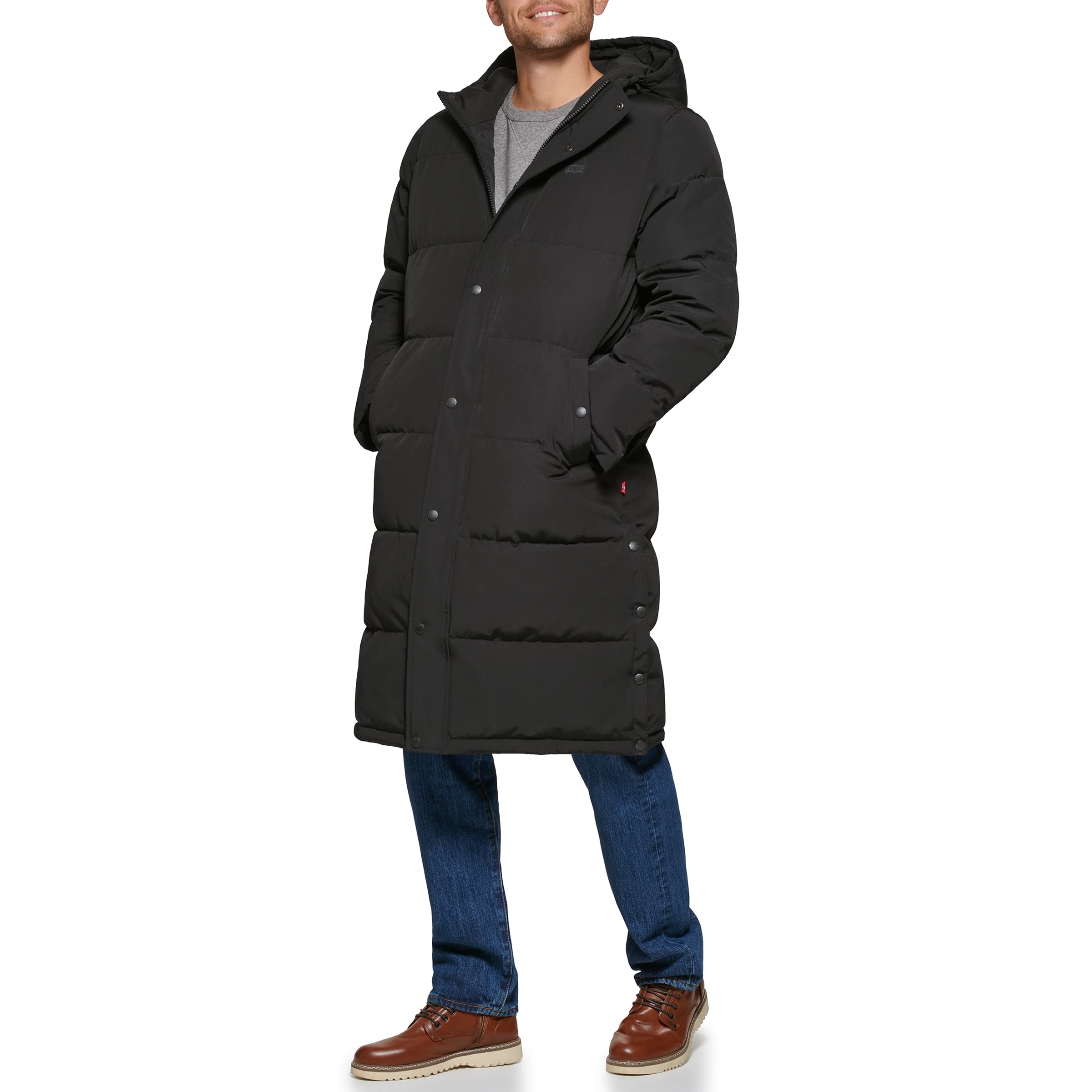
A long parka that keeps your thighs warm without looking like a sleeping bag.
The Levi’s Arctic Cloth Parka covers you from neck to mid-thigh, using heavy-weight Arctic Cloth fabric that repels water and interior faux down insulation that traps body heat effectively. The extra-long length means cold drafts do not sneak up your back when you bend or sit, a problem with shorter jackets. Reviewers mention it is “very warm, comfortable, and versatile,” and that the camo pattern gets compliments. The horizontal quilted panels and snap-button overlay over the center zipper give it a cleaner look than most heavy parkas.
Unlike the Carhartt Yukon, which focuses on job-site toughness, the Levi’s parka balances warmth with everyday style — people actually ask about it. The side buttons can be undone for easy access to pants pockets and for comfortable truck sitting. A few owners mention that the seam on a pocket border may rip after heavy use, but a quick stitch fixes it. The fit runs true to size, and the heavy weight keeps you warm even in frigid climates.
Long & Warm
- Extra-long silhouette covers thighs and blocks drafts
- Arctic Cloth fabric repels water and resists wind
- Faux down insulation traps heat effectively
- Stylish quilted panels with functional side button openings
Wear Points
- Pocket border seams may rip under heavy load
- Heavy weight — not for layering under another coat
Grab this if: you want a long, warm parka that looks good enough for daily wear and keeps your legs covered in deep cold.
Pass on it if: you need a packable layer for travel or prefer a shorter jacket for easier movement.
5. Columbia mens Powder Lite II Jacket

A featherweight jacket that punches above its weight for mild winter commutes.
For the days when the temperature dips below freezing but the sun is out, the Powder Lite II is the light, comfortable answer. It uses recycled synthetic insulation paired with Columbia’s Omni-Heat thermal-reflective lining — a silver interior that reflects your body heat back at you. Reviewers describe it as “very lightweight” and note they can feel the reflective material subtly bouncing warmth at them. The jacket packs down and compresses nicely, making it easy to stow in a backpack when you go indoors.
Unlike the heavier Carhartt or the down-filled North Face, the Powder Lite II is best for fall and mild winter temperatures — think 30s and 40s Fahrenheit. It does not have a hood, and the zipper lacks an external flap to block wind, so it is not built for subzero wind chills or steady rain. But for quick errands, morning walks, or layering under a larger shell for extreme cold, this is a smart, affordable choice. Extended and tall sizing is available.
Light Layer Leader
- Omni-Heat reflective lining traps body heat with minimal bulk
- Packs down and compresses well for travel
- Recycled synthetic insulation is eco-friendly
- Machine washes and dries easily without damage
Limited Weather Protection
- No hood for wet or windy conditions
- Zipper lacks an external wind flap
- Best for mild winter, not extreme cold
Best for: daily commuters who need a packable, lightweight jacket for fall and mild winter — and want it to wash and dry easily.
Look elsewhere for: heavy snow, subzero temps, or any condition where you need a hood and full wind seal.
6. Pioneer Camp Mens Winter Coat Warm Winter Puffer Jacket

A waterproof puffer that performs like coats costing twice as much.
This Pioneer Camp puffer jacket delivers waterproof and windproof protection at a budget-friendly price. The thicken synthetic fill keeps you warm, and the shell sheds snow and rain effectively. One reviewer wore it in 35-degree weather with a 9 mph breeze (feeling like 28 degrees) over just a light T-shirt and long-sleeve shirt and stayed warm. The adjustable hood, elastic cuffs, and waist drawstring let you lock out drafts when the wind picks up. Reviewers also note it is “super waterproof and VERY warm,” with one buyer loving it so much they bought a second one.
There is one honest catch: the product description calls it a down jacket, but it uses artificial fill rather than genuine down. Multiple reviewers point this out, though most still rate it highly because the jacket is warm, fits well, and looks good. Compared to the Columbia Powder Lite II, it offers a hood and full waterproofing for a similar price, making it the better choice if you expect wet snow or rain. The XL fits a 6’3″ person well, and the color matches the photos.
Weather-Ready Value
- Waterproof and windproof shell handles wet snow and rain
- Adjustable hood, elastic cuffs, and waist drawstring seal out drafts
- Very warm for its weight — reviewers praise the heat retention
- Stylish puffer look that works for casual and outdoor use
Honest Trade-Off
- Labeled as down but uses artificial fill — a description error
- Not for extreme subzero cold without heavy layering
Reach for this if: you need a waterproof, windproof winter coat on a budget and want a hood and adjustable fit for mixed winter weather.
Think twice if: you specifically want genuine down insulation or need a coat rated for subzero temps.
7. Pioneer Camp Men’s Polar Fleece Sherpa Lined Jacket
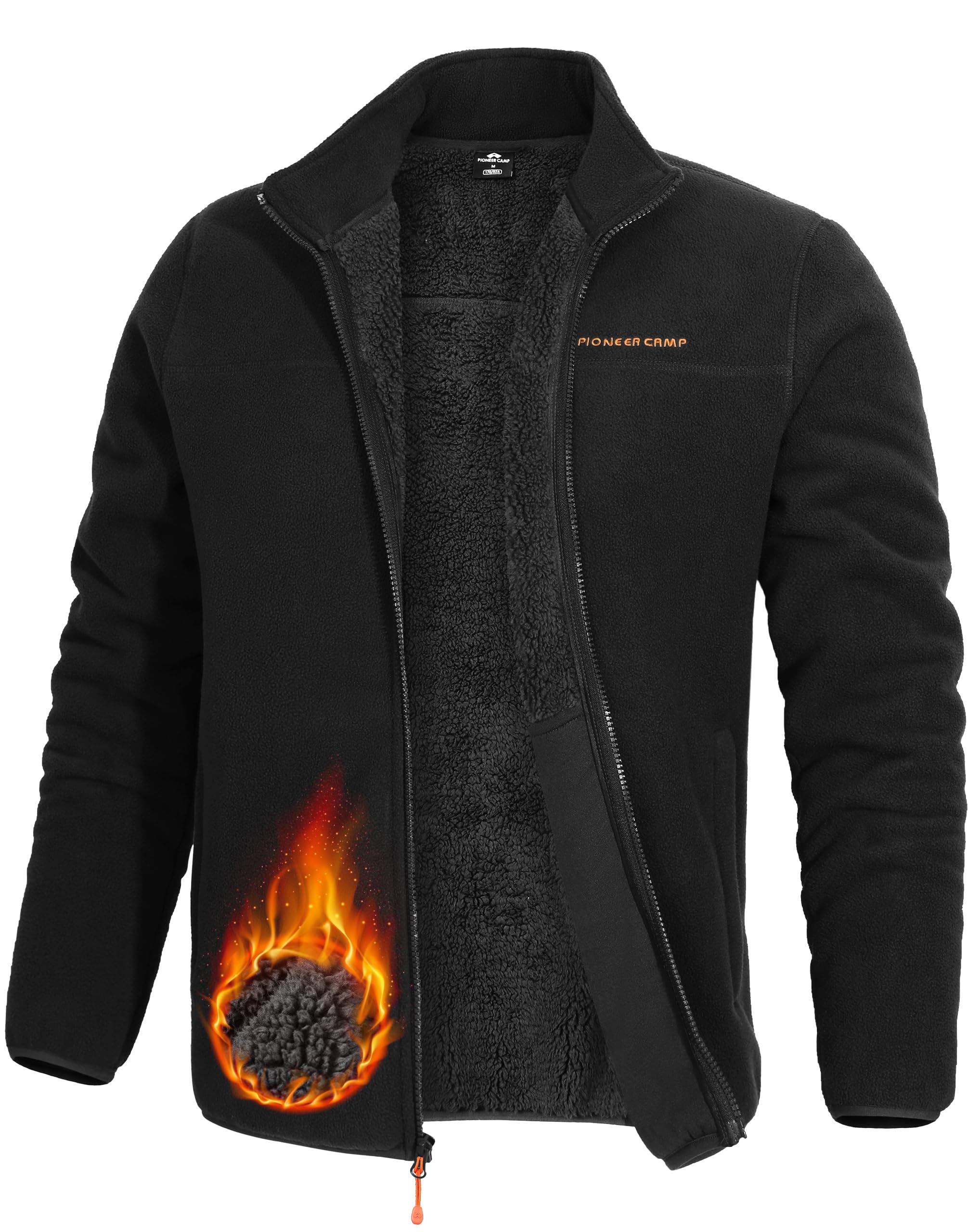
A fleece so cozy you will want to wear it indoors — and warm enough for 20-degree errands.
This is not a standalone coat for a blizzard. But as a mid-layer under a shell or a standalone jacket for mild cold, the Pioneer Camp Sherpa Fleece is a standout. The thick dual-density fleece with sherpa lining feels like a soft, warm blanket you can wear outside. One buyer wore it running errands in 20-degree Fahrenheit weather and felt “very comfortable.” The elastic cuffs and waistband keep wind from sneaking in without feeling restrictive. The zipper pocket on the side securely holds your phone or wallet.
Reviewers consistently call it “warm, comfortable, soft” and note that it fits well for athletic builds, though a few say it runs slightly fitted for a “regular” shape. It cannot match the waterproofing or extreme warmth of the Carhartt or North Face jackets, but at a budget-friendly price, it is an excellent value for casual wear. Compared to the heavier puffer from the same brand, this fleece is lighter and more breathable, making it better for active use like walking or shoveling when you do not want to overheat.
Cozy & Breathable
- Dual-density fleece with sherpa lining is soft and very warm
- Elastic cuffs and waistband block wind without tightness
- Zipper pocket keeps essentials secure
- Lightweight enough for active use without overheating
Not a Heavy Coat
- Not waterproof — rain or wet snow soaks through
- Fitted cut may feel snug on broader builds
Perfect for: casual errands, layering under a waterproof shell, or mild winter days when you want warmth without bulk or sweat.
Not for: heavy rain, deep snow, or static cold below zero — this is a fleece, not an arctic parka.
Understanding the Specs
Thinsulate vs. Down vs. Synthetic Fill
Insulation type determines how warm the jacket is for its weight. Thinsulate (measured in grams, like 150g) is a synthetic fiber that stays warm even when damp — ideal for wet snow or sweaty work. Down (measured in fill power, like 600-fill) traps more air per ounce, making it lighter and warmer for the weight, but it loses almost all insulation value when wet. Standard synthetic fill (often labeled “thicken” or “polyfill”) is a middle ground: cheaper, decently warm, and water-resistant without the premium price tag.
DWR and Waterproof Ratings
DWR (durable water repellent) is a chemical coating on the outer fabric that makes water bead up and roll off. It works well for light snow and drizzle but wears off over time — you reapply it with spray-on treatments. A fully waterproof jacket has a sealed membrane (like Columbia’s waterproof breathable shell) that stops liquid water entirely, which matters if you are out in steady rain or wet snow for hours. Windproofing is separate but equally important — a jacket that blocks wind keeps your insulation working at full power.
FAQ
What is the warmest jacket for extreme cold?
Should I choose down or synthetic insulation?
How do I know if a jacket is truly waterproof?
What does 600-fill down actually mean?
Can I wear a fleece jacket as my main winter coat?
What is Omni-Heat technology?
How should a cold weather jacket fit?
Do I need a hood on my winter jacket?
How do I care for a down jacket?
Are expensive winter jackets worth the money?
Final Thoughts: The Verdict
For most buyers, the top cold weather jackets for men is the Carhartt Yukon Extremes because it pairs 150-gram Thinsulate insulation with a 500-denier Cordura shell that survives subzero temps and job-site wear. If you deal with wet, rainy winters and need waterproof protection, choose the Columbia Tipton Peak III. And for lightweight, packable warmth on dry cold days, the The North Face Aconcagua 3 with 600-fill down (a natural insulation that compresses small) is a strong option.
How We Picked
We do not accept paid placement. Every pick is matched to a real buyer and a real use-case; we do not hands-on test units.
Sources & Methodology
Specifications: manufacturer listings and product documentation. Review insights: verified customer reviews, as of July 2026. Pricing: not shown on this page (it changes often); check the current price via the retailer link.
As an Amazon Associate, WellFizz earns from qualifying purchases. This does not affect which products we feature.
Related Guides

Mo Maruf
I created WellFizz to bridge the gap between vague wellness advice and actionable solutions. My mission is simple: to decode the research and give you practical tools you can actually use.
Beyond the data, I am a passionate traveler. I believe that stepping away from the screen to explore new environments is essential for mental clarity and physical vitality.