Our readers keep the lights on and my smoothie glass nicely filled. As an Amazon Associate, I earn from qualifying purchases.
Specs are compiled from manufacturer listings and verified buyer reviews and can change over time — please confirm the key details on the product page before buying.
When a harsh Zone 6 winter hits, you want climbing roses that come back strong every spring instead of turning into sad twigs. The real difference depends on mature height, fragrance strength, and whether the plant is own-root (so what survives the cold is exactly what blooms). This guide compares two Heirloom own-root climbers built for Zones 5-10, giving you the straight numbers on height, bloom power, and what real buyers experienced in their first season.
I’m Mohammad Maruf — the founder and writer behind WellFizz. This guide is built by comparing the manufacturers’ published specifications and the patterns across verified customer reviews, so you get each pick’s real strengths and trade-offs instead of marketing spin.
The question is not whether a climber looks good in a photo — it is which one will thrive at your specific home after a hard freeze. These two own-root roses, both rated for hardiness Zones 5-10, are the strongest contenders for anyone hunting for the best climbing roses for zone 6 and need a dependable plant that can handle the cold while producing heavy blooms year after year.
Quick Picks
- Heirloom Climbing Roses, Arborose Jasmina — Top Performer
- Heirloom English Climbing Roses, The Pilgrim — Big Coverage
How To Choose The Best Climbing Roses For Zone 6
Buying a climbing rose for Zone 6 means sorting through a lot of pretty pictures and vague promises. Three specs cut through the noise and tell you if a plant will actually survive your winter, grow to the height you need, and bloom consistently without constant fussing.
Hardiness Zone Range
The number that decides life or death in your garden. Zone 6 has average minimum winter temperatures of -10°F to 0°F. A rose must be rated for Zone 6 or lower (like Zones 5-10) to have a real chance of coming back. Anything rated only for Zones 7-9 is a gamble. Both roses here are rated for hardiness Zones 5-10, meaning they are tested for colder winters than what Zone 6 typically delivers.
Own-Root vs. Grafted Plants
An own-root rose grows from cuttings of a single variety, so the entire plant — root, stem, and flower — is genetically identical. If winter kills the top growth, the roots send up shoots that bloom the exact same rose. A grafted rose has a different rootstock, so if the top dies in winter, the new growth may be a different, often less desirable, variety. Both picks here are live own-root plants in 1-gallon containers.
Mature Height and Spread
Climbing roses are not small shrubs. You need the final size to match your support structure. A rose that tops out at 6-7 feet might look perfect on a short arbor but will never cover a tall fence. A rose reaching 8-12 feet needs a bigger trellis or wall. Measure your space before buying, and remember the plant arrives 12-15 inches tall — full growth takes a couple of seasons.
Quick Comparison
In‑Depth Reviews
1. Heirloom Climbing Roses, Arborose Jasmina
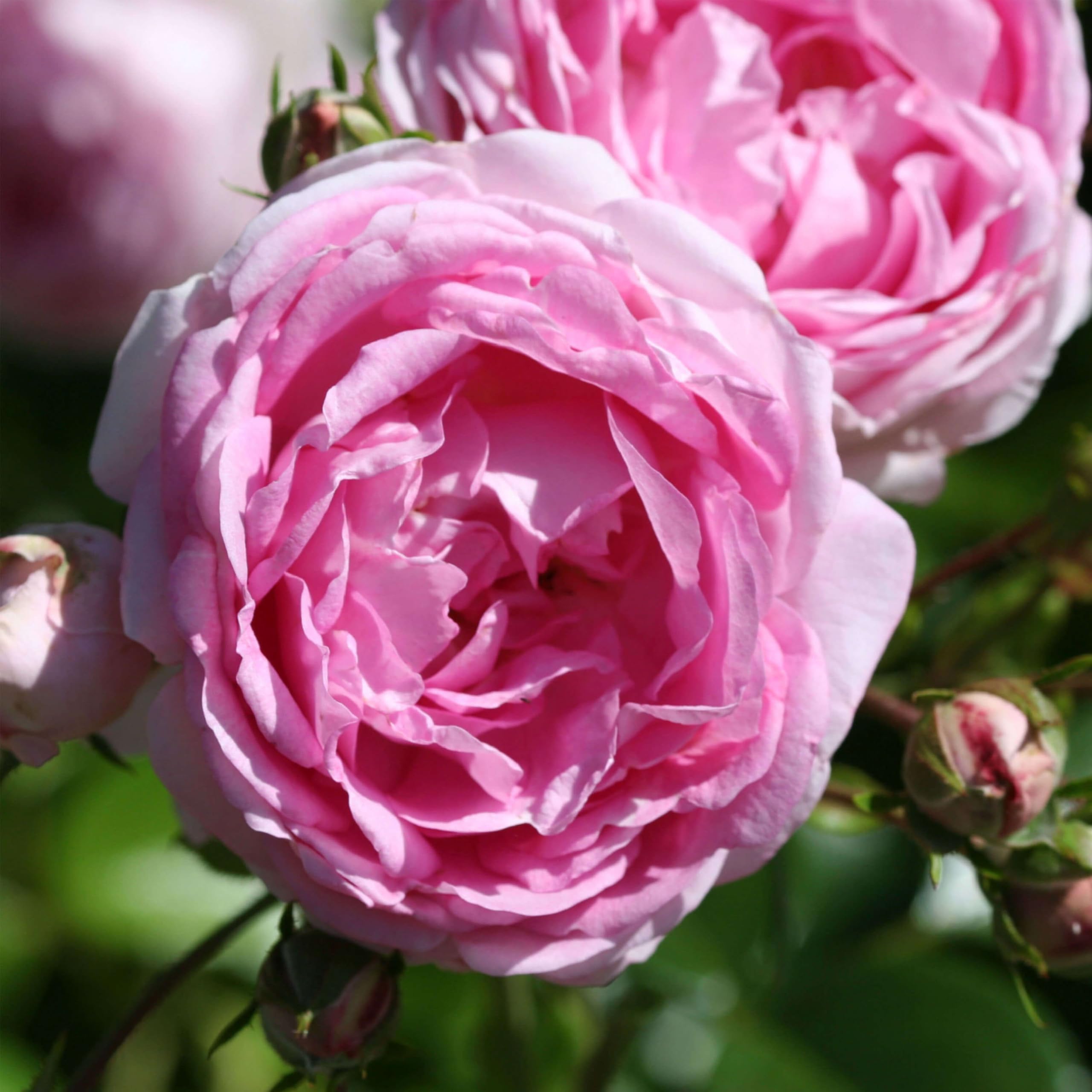
The compact climber built for smaller gardens and fragrant coverage at an accessible entry point.
The Arborose Jasmina tops out at 6-7 feet tall with a 5-6 foot spread, so it fits a standard arbor or a low fence without overwhelming the space — shorter than The Pilgrim’s 8-12 foot height. Your plant is own-root, meaning every shoot that survives a Zone 6 winter produces the same moderate-fragrance blooms rather than reverting to a different root variety. Buyers report two of three Eden Climbers had buds within 3 weeks, describing the plants as fast-growing, thriving, and durable in strong winds, with a color that matches the photos. Unlike The Pilgrim, this rose stays short enough that you do not need an 8-foot trellis for it to look its best.
The moderate fragrance is lighter than The Pilgrim’s exceptional scent, so if you want a wall of perfume near a seating area, you might want the stronger choice. The plant arrives 12-15 inches tall and may look bare after shipping (partially defoliated on purpose) — give it time to settle in before judging its health.
What Shines
- Compact 6-7 foot mature height fits standard arbors and short fences perfectly
- Own-root construction means winter die-back still produces the same rose
- Buyers praise fast early growth: buds within three weeks and strong wind tolerance
What to Weigh
- Moderate fragrance is less powerful than The Pilgrim’s exceptional scent
- Smaller mature spread (5-6 feet) may not cover a large wall or tall structure
Reach for this if: you need a low-maintenance climber for a short arbor or a small-space garden and want reliable Zone 6 performance without massive height to manage.
Look elsewhere if: you specifically want the strongest possible fragrance filling your yard, or you need a rose to climb an 8-10 foot structure — the Pilgrim is better suited there.
2. Heirloom English Climbing Roses, The Pilgrim

The taller, intensely fragrant climber that turns a plain fence into a bloom wall.
The Pilgrim reaches 8-12 feet tall (6-7 feet spread) — a full 33% taller height range than the Arborose Jasmina — so you use it to cover a tall fence, a pergola, or a full garage wall. This own-root plant blooms continually from Spring to Fall with an exceptional fragrance that buyers notice from a distance. One owner in Texas mentioned needing a yellow rose and found something perfect, noting the plant took two years from planting to first blooms but was worth the wait — a realistic timeline for own-root climbers at this size. It is rated for hardiness Zones 5-10 just like the Jasmina, so it handles Zone 6 winters with the same confidence, but it needs more vertical space to realize its full potential.
The trade-off is that bigger height means a bigger wait. Several reviews note that the plant takes 2-3 years to establish before delivering the large show, and one reviewer noted the plant arrived younger than expected and died within two weeks despite careful treatment. The soil type specified is sandy soil (versus the Jasmina’s loam), so if your garden is dense clay, you will need to amend the planting hole for drainage.
What Shines
- Tall 8-12 foot mature height beats the Jasmina by a significant margin for big structures
- Exceptional fragrance is the strongest in this comparison — fills a seating area with scent
- Own-root with continual blooming from Spring to Fall once established
What to Weigh
- Longer wait for full maturity: experienced owners mention 2-3 years to first big bloom show
- Prefers sandy soil, so heavy clay gardens require soil amendment for healthy roots
Best for: anyone with a tall trellis, pergola, or fence who wants maximum fragrant impact and does not mind waiting a season or two for the payoff.
skip it if: you need fast results in the first year or your space can only accommodate a modest 6-foot arbor.
Understanding the Specs
Own-Root vs. Grafted
An own-root plant means the entire plant — root, stem, flower — is the same variety. In Zone 6, where winter can kill above-ground growth, an own-root rose sends up new shoots from the roots that bloom the exact same flower. A grafted rose, if the top dies, sends up shoots from a different rootstock — you get a different rose or a plain root sucker. Both climbers here are true own-root plants in 1-gallon containers.
Hardiness Zones
The hardiness zone rating tells you the coldest winter temperature a plant can survive. Zone 6 averages -10°F to 0°F. A rose rated Zones 5-10 is tested for Zone 5 cold (colder than Zone 6), giving you a safety margin. A rose rated only Zones 7-9 is not safe for a typical Zone 6 winter. Both here are rated 5-10, which is the right range for reliable Zone 6 performance.
FAQ
Will these climbing roses survive a Zone 6 winter?
How tall do these roses grow at maturity?
Are these own-root roses or grafted?
How long until these roses bloom after planting?
What is the fragrance difference between the two?
What kind of soil do these roses need?
Do these roses bloom all season long?
What size does the plant arrive at?
Final Thoughts: The Verdict
For most Zone 6 gardeners, the best climbing roses for zone 6 winner is the Heirloom Arborose Jasmina because it hits the balance of compact 6-7 foot height, reliable own-root survival, and moderate fragrance at a more accessible entry point — and customers note fast growth within weeks. If you have a tall fence or pergola and want the strongest possible scent, grab the Heirloom The Pilgrim for its 8-12 foot height and exceptional fragrance, though expect a longer wait for the full show. Both own-root plants, both rated for hardiness Zones 5-10, and both ready for a Zone 6 garden that demands cold resilience.
How We Picked
We do not accept paid placement. Every pick is matched to a real buyer and a real use-case; we do not hands-on test units.
Sources & Methodology
Specifications: manufacturer listings and product documentation. Review insights: verified customer reviews, as of July 2026. Pricing: not shown on this page (it changes often); check the current price via the retailer link.
As an Amazon Associate, WellFizz earns from qualifying purchases. This does not affect which products we feature.
Related Guides

Mo Maruf
I created WellFizz to bridge the gap between vague wellness advice and actionable solutions. My mission is simple: to decode the research and give you practical tools you can actually use.
Beyond the data, I am a passionate traveler. I believe that stepping away from the screen to explore new environments is essential for mental clarity and physical vitality.