Our readers keep the lights on and my smoothie glass nicely filled. As an Amazon Associate, I earn from qualifying purchases.
Specs are compiled from manufacturer listings and verified buyer reviews and can change over time — please confirm the key details on the product page before buying.
If you squat or deadlift in squishy running sneakers, you leak power into the foam with every rep. A pair of cheap lifting shoes fixes that by giving you a solid, non-compressible platform under your heels and a raised heel to help you hit depth cleanly.
I’m Mohammad Maruf — the founder and writer behind WellFizz. This guide is built by comparing the manufacturers’ published specifications and the patterns across verified customer reviews, so you get each pick’s real strengths and trade-offs instead of marketing spin.
The three specs that matter most are heel height (how much the heel is raised), sole rigidity (how stiff the bottom is), and the fit across the toe box (the front part of the shoe).
Our Picks at a Glance
How To Choose The Best Cheap Lifting Shoes
The three things to check are the heel height, the material of the sole, and how the shoe fits your foot shape. Skip any pair that feels soft under the heel — you need zero squish when the weight comes down.
Heel Height and Your Mobility
Most budget lifting shoes have a heel between 0.6 inches and 0.75 inches. A taller heel lets you squat deeper without your lower back rounding if your ankles are tight. If you already have good ankle mobility, a lower heel works fine and feels more natural for deadlifting.
Sole Rigidity and Traction
A proper lifting shoe has a hard, non-compressible sole — usually TPU, rubber, or a composite. When you push through the floor, you want every watt of force going into the bar, not into your shoe foam. Look for honeycomb or multi-patterned rubber on the outsole so your feet stay planted on a smooth gym floor.
Straps and Fit
A single velcro strap across the midfoot locks your foot in place so it does not slide forward inside the shoe. This matters a lot under a heavy squat. Also check reviews for width — some budget models run narrow, so you may need to size up half a step if you have wide feet.
Quick Comparison
| Model | Best For | Sole Material | Heel Support | Closure System | Amazon |
|---|---|---|---|---|---|
| MANUEKLEAR★ Best Overall | Stability & Value | TPU + Rubber | Heightened, solid base | Laces + Strap | Amazon |
| adidas Powerlift 5Also Great | Best Starter Shoe | Hard composite | Solid, low heel | Laces + Strap | Amazon |
| Castiron Lift | Durability & Depth | Hard rubber | Slightly angled, solid | Laces + 2 Straps | Amazon |
| Osterland | Breathable Comfort | Hard rubber | Moderate, stable | Laces + Strap | Amazon |
| KCross | Entry-Level Deadlift/Squat | Hard sole | Solid elevation | Laces + Strap | Amazon |
In‑Depth Reviews
1. MANUEKLEAR Weight Lifting Shoes Men
Bulky, solid, and glued-to-the-floor stable for under sixty dollars.
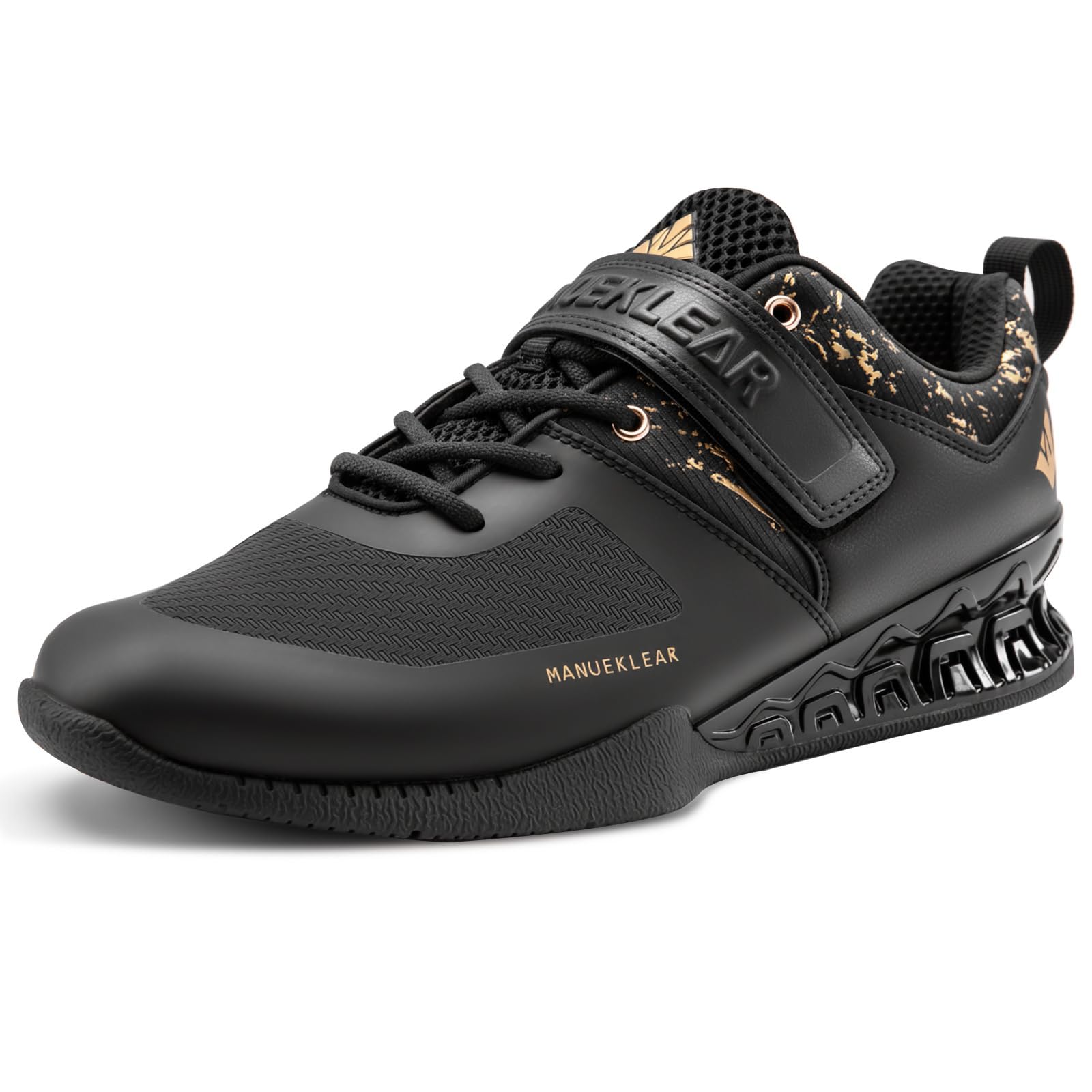
If you prioritize raw stability over sleek looks, the MANUEKLEAR shoe delivers a surprisingly heavy, rigid base that makes you feel planted under the bar. The sole uses a honeycomb-patterned rubber outsole that customers note held well when they walked into the gym’s aquatic area and intentionally tried to slip. It did not budge. The shoe runs about half a size small — one buyer who normally wears a 9.5 in Nike and Hoka shoes bought a size 10 and found the fit solid after a break-in.
The trade-off is weight. Reviewers point out these are on the heavier side, but they also note that once you have a couple hundred pounds on your back, the weight of the shoe stops being a factor. The heightened heel and thick strap system provide a locked-in feel that is rare at this price tier. It is not the best shoe for walking around the gym — you will want to swap them after your squat session — but for the actual lift, they perform like something from a tier above.
What Stands Out
- Honeycomb outsole provides exceptional slip resistance
- Solid, non-compressible base for heavy squatting
- Great color options and a personal note from the company
One Trade-Off
- Heavier than average — not ideal for fast transitions or walking
Wisest pick for: any lifter who wants the most support per dollar and does not mind a heavier shoe for the squat session.
Who might want to skip it: anyone who plans to wear one shoe for an entire full-body workout without swapping.
2. adidas Unisex Adult Powerlift 5 Weightlifting Shoes
The brand-name pick that fixes knee pain with a single, smart design choice.
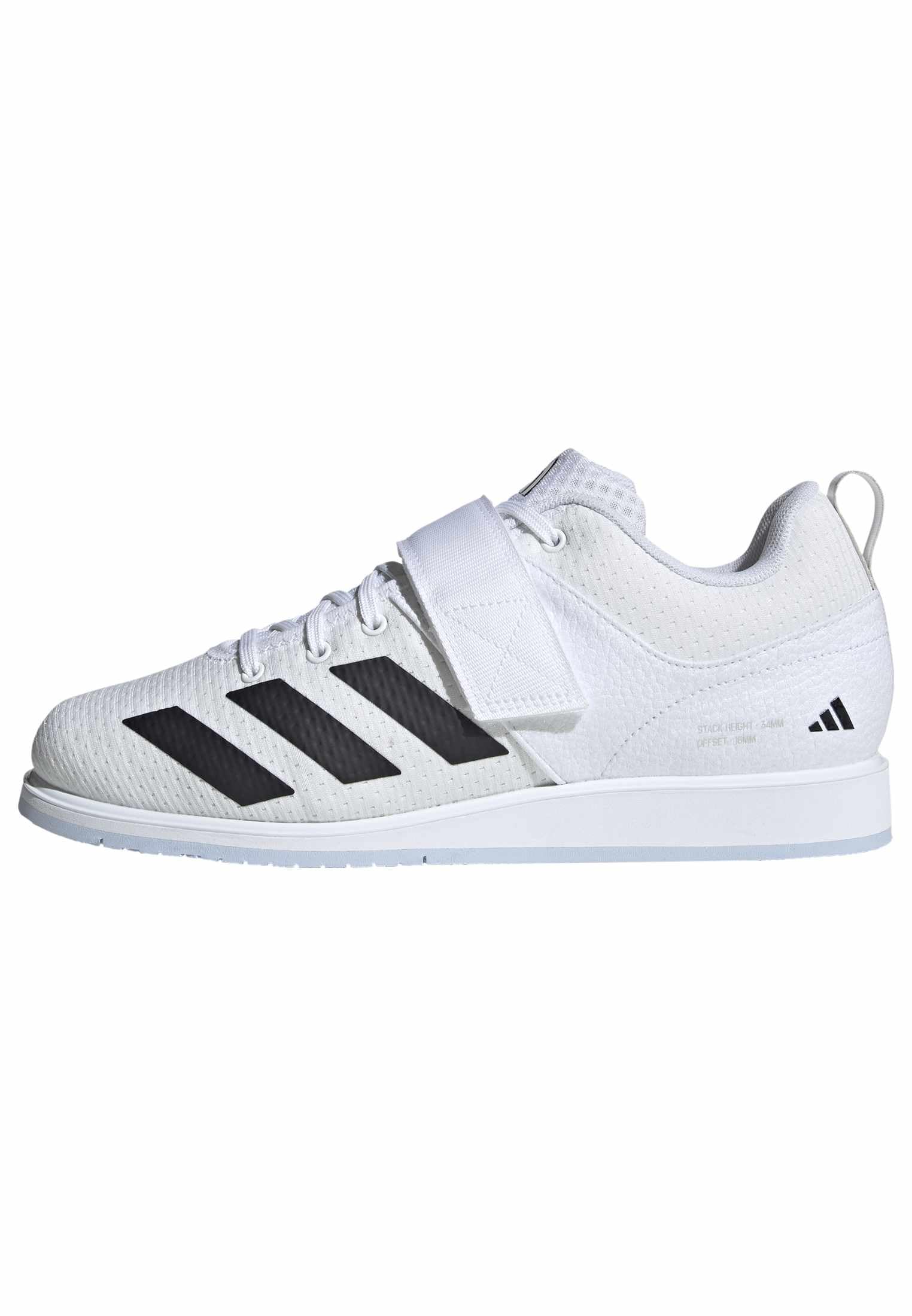
Many skeptical lifters find the adidas Powerlift 5 converts them to heeled shoes. It has a hard composite sole with a low heel — enough to change your squat angle without making you feel like you are walking on a wedge. Buyers report that after a few weeks of use, knee pain during squats almost completely disappeared. That is a direct result of the raised heel shifting your center of mass forward so your knees track properly over your toes.
The toe box runs narrow. Owners mention that if you have wide feet, you should definitely look elsewhere. Many owners recommend ordering half a size down based on the brand’s own sizing advice. The strap across the midfoot locks the shoe down without pinching, and after years of squatting in soft sneakers, testers say the stability difference is immediate. It is not the most feature-packed shoe on this list, but it is the most proven for the price.
Why Lifters Love It
- Hard, non-compressible sole eliminates power leak
- Raised heel improves squat depth and reduces knee strain
- Trusted brand with consistent sizing guidance
The Real Shortcoming
- Narrow toe box — not suitable for wide feet
Reach for it if: you have knee pain during squats and need a reliable, low-heel starting shoe from a known brand.
Look elsewhere if: your feet are naturally wide or you prefer a roomier toebox.
3. Weightlifting Shoes, Powerlifting Shoes Gym Shoes for Crossfit Lifting Footwear
Two years of weekly squats and still no sign of wear — that is rare at this price.
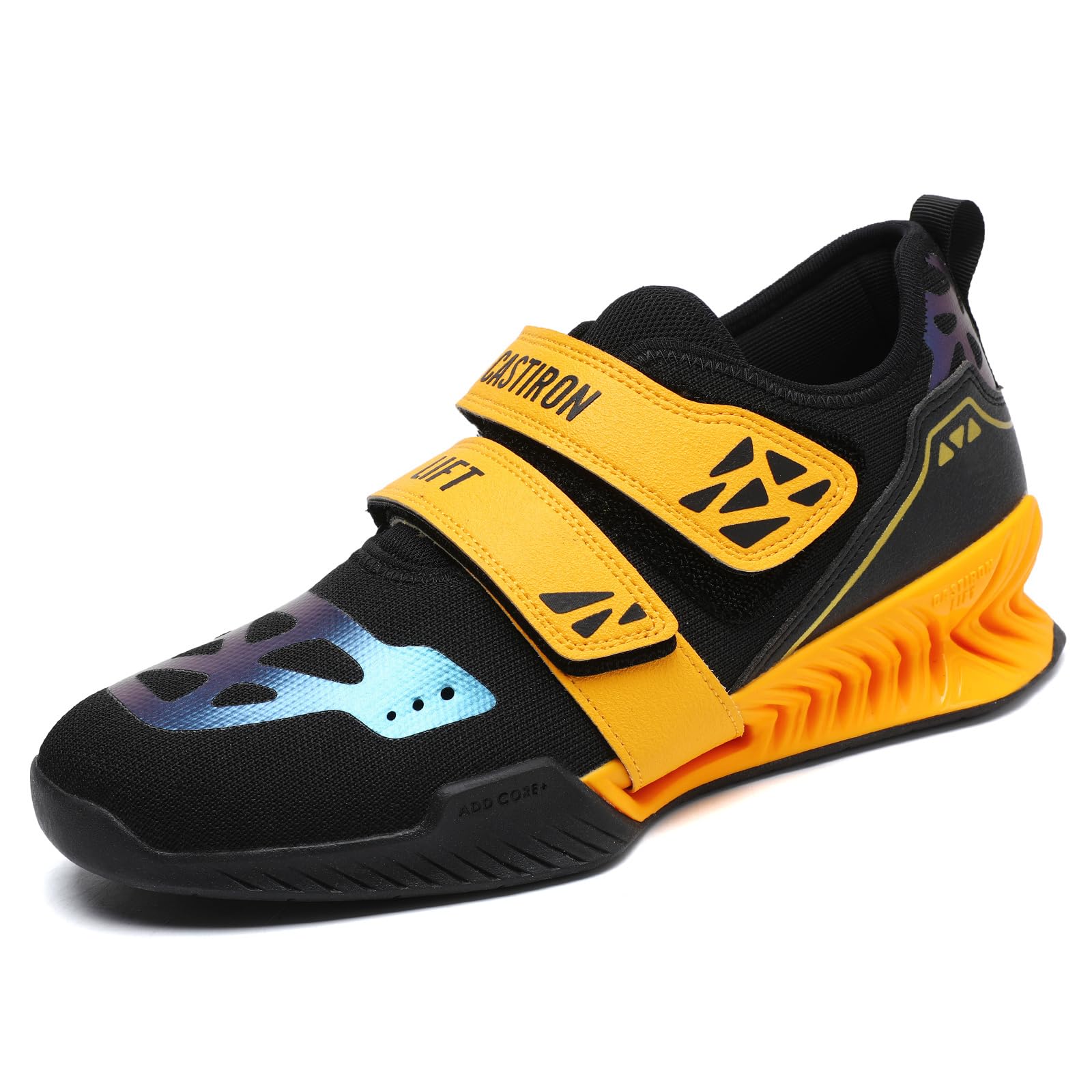
One reviewer noted they got these shoes about two years ago and use them specifically for squats, and after all that time the shoe is still fully intact with no issues. The hard rubber sole and dual-velcro strap system give a locked-in feel that makes your foot feel like it is part of the platform. The sole is slightly angled, which helps you lean into a deep squat without your heel lifting off the ground. Compared to the adidas Powerlift 5 which runs narrow, these fit true to size even for wider feet — one buyer with a wide women’s 8.5 said the men’s 6 fit like a snug perfect glove.
Reviewers also point out that the color scheme looks great in person and the materials feel more premium than the price suggests. The catch is that the heel angle takes a session or two to get used to if you have only ever squatted in flat shoes. Once you do, the stability improvement over regular gym sneakers is immediate and obvious.
Lasting Strengths
- Dual straps secure the midfoot better than single-strap designs
- Proven durability over two years of regular squatting
- True-to-size fit accommodates wider feet
One Adjustment
- improve heel angle takes a session or two to feel natural
Best for the long haul: if you want a shoe that will hold up for years of heavy squatting without needing to be replaced.
Not the top choice if: you prefer a flat, zero-drop shoe that mimics barefoot lifting.
4. Osterland Weightlifting Shoes
A rare lifting shoe you can wear through an entire workout without your feet feeling drenched.
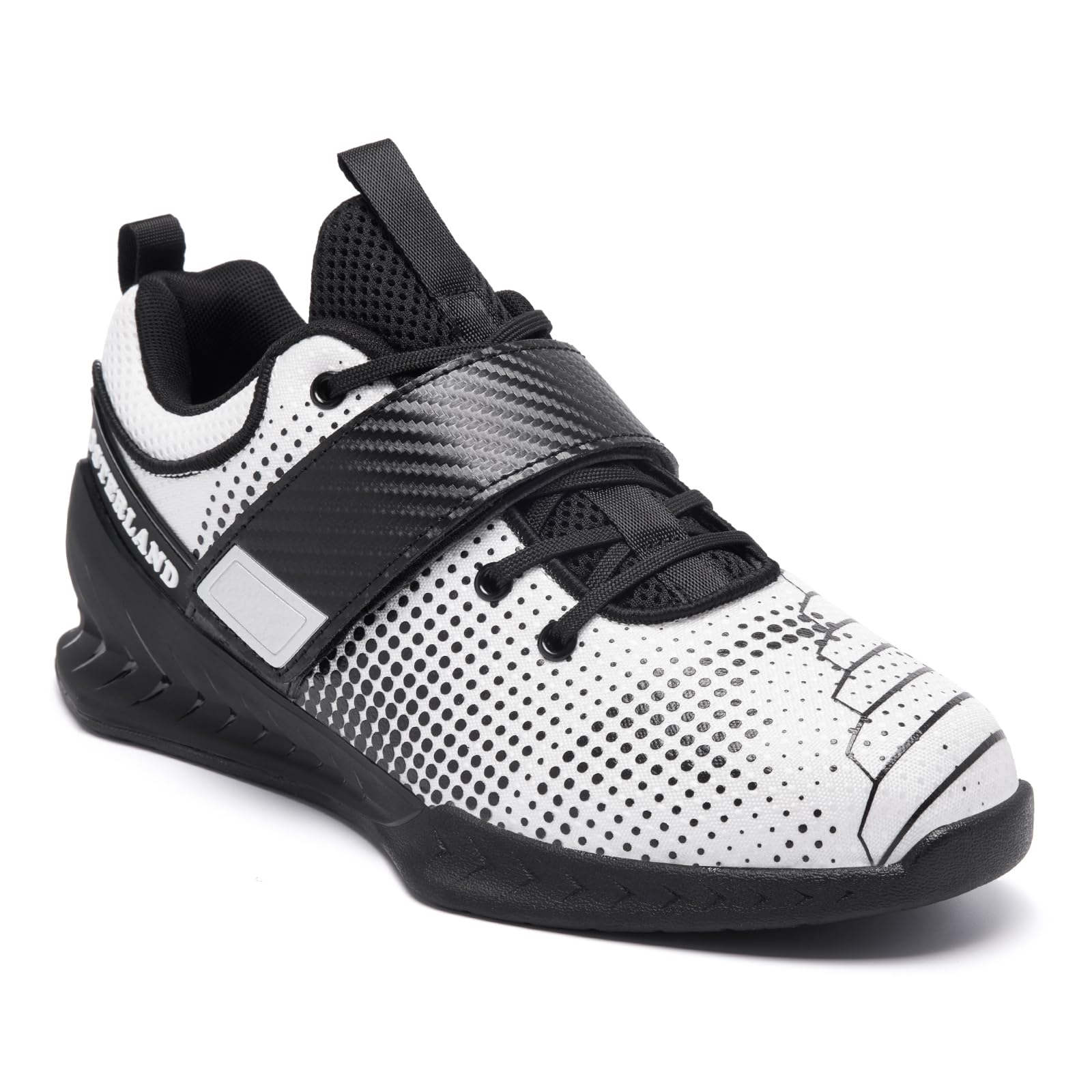
Most budget lifting shoes are heavy on rubber and light on airflow. The Osterland shoe uses a breathable mesh and microfiber upper that shoppers say wicks moisture really well — your feet stay dry even when the gym is warm. The sole is solid hard rubber (no compression), so when you push into the floor for a deadlift or squat, every ounce of force goes into the bar rather than into the shoe. This makes it a better all-day gym companion.
The fit runs true to US standard size, but the brand suggests going half a size up if you have wide feet because the toe box (the front part of the shoe) is on the narrower side. After about three months of weekly use, one buyer mentioned the pull tab on the tongue ripped. The shoe itself still performed well for squatting and helped them improve depth, but the durability of that specific detail is a weak point. For the price, the balance of breathability and stability is tough to top.
Why It Works
- Breathable mesh upper reduces foot sweat during long sessions
- Hard sole with no compression for clean force transfer
- Comfortable enough to walk around the gym without feeling like a block
A Minor Weakness
- Pull tab on the tongue showed wear after 3 months of weekly use
Ideal for the all-day lifter: if you want a shoe you can keep on for your whole session without constantly swapping or dealing with sweaty feet.
Might disappoint if: your primary goal is maximum ankle support with a super high heel — this one is more moderate.
5. KCross Deadlift Shoes – Weightlifting & Powerlifting Shoes

The lightest shoe on the list that still gives you a proper heel and a solid base.
At 2.2 pounds, the KCross shoe is a better option if you plan to keep the same shoe on for deadlifts, squats, and even some warm-up work. The heel elevation is moderate — it helped one new lifter release tension in their knees and made their ankles feel more sturdy under a heavy squat. The cross strap reinforces the midfoot nicely, and buyers recommend ordering half a size up: one reviewer who normally wears a 10.5 went with size 11 and found it snug and comfortable.
The arch support is not the strongest, and some lifters coming from barefoot-style shoes will find these really tight at first. It is a true weightlifting shoe, so the sole is rigid and the heel is raised — do not expect to run or jump in them. For a first-time buyer who wants a low-cost way to test whether heeled shoes help their squat form, this is a solid starter option that will not break the bank.
First-Timer Appeal
- Lightweight at 2.2 lbs — easier to throw in a gym bag
- Moderate heel helps release knee tension during squats
- Good price point for testing the weightlifting shoe format
Drawbacks
- Arch support is weaker than the MANUEKLEAR or Castiron lift
- Narrow fit — tight for anyone with wider feet
Great beginner shoe: best suited for lifters who are curious about heeled lifting shoes and want a lightweight, low-risk way to try them.
skip it if: you need strong arch support or plan to use the shoe for anything beyond squatting and deadlifting.
Understanding the Specs
Sole Rigidity
The most important spec in a cheap lifting shoe is how much the sole compresses under weight. A hard sole — made from rubber, TPU, or a composite — transfers every pound of force directly into the floor. Soft soles from running shoes absorb energy, which makes your squat feel wobbly and less powerful. Check that the outsole is described as non-compressible or solid hard rubber before buying.
Heel Height
A raised heel (usually between 0.5 and 0.75 inches) reduces the amount of ankle mobility you need to hit a deep squat. If your ankles are tight and you struggle to keep your chest up in the bottom of a squat, a higher heel helps you stay upright. For deadlifting, a lower heel or a flat shoe is usually preferred because it keeps your hips in a better starting position.
FAQ
Should I go up or down in size for cheap lifting shoes?
Can I deadlift in heeled lifting shoes?
Are lifting shoes worth it for beginners?
How long do cheap lifting shoes last?
What is the difference between a weightlifting shoe and a cross-training shoe?
Do I need a strap on my lifting shoe?
Will lifting shoes fix my knee pain during squats?
Can I wear lifting shoes for walking or cardio?
Final Thoughts: The Verdict
For the majority of shoppers, the best cheap lifting shoes winner is the MANUEKLEAR because it offers exceptional stability, a solid non-compressible base, and great value at under sixty dollars. If you want a proven brand and a low heel that eases knee pain, grab the adidas Powerlift 5. And for the beginner who wants the lightest entry-level option to test the waters, the KCross is the lightest entry-level option.
How We Picked
We do not accept paid placement. Every pick is matched to a real buyer and a real use-case; we do not hands-on test units.
Sources & Methodology
Specifications: manufacturer listings and product documentation. Review insights: verified customer reviews, as of July 2026. Pricing: not shown on this page (it changes often); check the current price via the retailer link.
As an Amazon Associate, WellFizz earns from qualifying purchases. This does not affect which products we feature.
Related Guides

Mo Maruf
I created WellFizz to bridge the gap between vague wellness advice and actionable solutions. My mission is simple: to decode the research and give you practical tools you can actually use.
Beyond the data, I am a passionate traveler. I believe that stepping away from the screen to explore new environments is essential for mental clarity and physical vitality.