Our readers keep the lights on and my smoothie glass nicely filled. As an Amazon Associate, I earn from qualifying purchases.
A bag of pottery clay can make or break your studio session. One batch comes too stiff, fighting your hands on the wheel. Another arrives waterlogged, slumping into a sad puddle. The difference between a clean pull and a frustrating collapse often comes down to the specific cone rating, plasticity, and grog content sitting inside that plastic-wrapped block. Choosing the right body for your kiln and your technique is the single most critical decision a potter makes before the first centering bump.
I’m Mohammad Maruf — the founder and writer behind WellFizz. I’ve spent hundreds of hours cross-referencing manufacturer data, customer kiln logs, and real-world firing reports to isolate which clay bodies consistently deliver on their promises for wheel throwers, hand builders, and sculptors alike.
Whether you fire at cone 06 or cone 10, the clay for pottery you choose directly controls your success rate, your glaze results, and your finished piece’s durability — this guide breaks down the top options by maturity range and working feel.
How To Choose The Best Clay For Pottery
Matching the clay body to your firing temperature and forming method prevents warped pots, pinholes, and glaze defects. Three factors dominate the decision: the cone range your kiln reaches, the plasticity your hands need, and the grog content your forms require.
Firing Temperature and Cone Number
Every clay body matures at a specific cone range. Low-fire clays (cone 06–04) vitrify at lower temperatures and stay somewhat porous unless glazed. Mid-range stoneware (cone 4–7) reaches a durable, semi-vitreous state ideal for functional ware. High-fire bodies (cone 8–10) become fully vitrified, dense, and highly durable. Choose the cone range that matches your kiln’s maximum temperature and your piece’s intended use.
Plasticity and Workability
Plasticity describes how easily the clay deforms without cracking. High-plasticity clays center quickly on the wheel and hold thin-walled shapes without collapsing. Low-plasticity clays, often those with high grog content, are better for hand building and sculpting where structural rigidity matters more than fine detail. Test a small batch before committing to 50 pounds.
Grog Size and Content
Grog — fired clay particles ground into the body — reduces shrinkage and thermal shock. Fine grog (mesh 80–100) suits wheel throwing and smooth surfaces. Coarse grog (mesh 30–50) provides grip and stability for large hand-built forms but feels abrasive on the wheel. Check the grog specification before buying if you plan to throw exclusively.
Quick Comparison
On smaller screens, swipe sideways to see the full table.
| Model | Category | Best For | Key Spec | Amazon |
|---|---|---|---|---|
| Laguna B-Mix 5 | Mid-Range Stoneware | Wheel throwing & smooth finishing | Cone 5, porcelain-like texture, cream fired | Amazon |
| Amaco White Art No. 25 | Low-Fire Earthenware | Crisp white glazing & tile work | Cone 04–06, low moisture expansion | Amazon |
| Seattle Pottery Vashon White | Mid-Range Stoneware | Forgiving throwing & slab building | Cone 4–6, grogged, creamy fired | Amazon |
| Rocky Mountain Red Rock Red | Low-Fire Terra Cotta | Warm red tones & extended hand work | Cone 06, de-aired, stays supple | Amazon |
| Old Potters White Low Fire | Low-Fire Earthenware | All-skill-level hand building | Cone 04–06, non-toxic, smooth | Amazon |
| Rocky Mountain Dover White | High-Fire Stoneware | Large wheel pieces & sculpture | Cone 6–10, 50 lbs, smooth throwing | Amazon |
In‑Depth Reviews
1. Laguna Clay Cone 5 B Mix (25lb)

Laguna’s B-Mix 5 is a legend in studio circles for a simple reason: it throws with a buttery smoothness that forgives less-than-perfect centering. The body comes pre-de-aired and pre-wedged, so you can cut a hunk straight from the bag and start pulling cylinders without worrying about air bubbles. Its fine-grained, porcelain-like texture allows thin-walled forms that still hold structural integrity through trimming.
Fired in oxidation at cone 5, it matures to a warm cream color that makes glazes — especially celadons and translucent washes — appear vivid and clean. The body handles well for both wheel throwing and moderate hand building, though it lacks grog for large sculptural slabs. Shrinkage sits around 12 percent, so account for that in your design dimensions.
Several reviewers report that this clay behaves beautifully straight from the box, requiring minimal wedging before throwing. It reclaims easily, maintaining its plasticity through multiple recycling cycles. If you fire at cone 5–6 and want a reliable mid-range workhorse, this is the bag to start with.
Why it’s great
- Extremely smooth and bubble-free out of the bag
- Fires to a beautiful cream color that enhances glazes
- Excellent plasticity for thin-walled wheel work
Good to know
- Not ideal for high-grog hand-building projects
- Shrinkage requires precise accounting in design
- Premium price for a 25lb bag
2. Amaco Low Fire Clay – White Art No. 25 (25 Lbs)
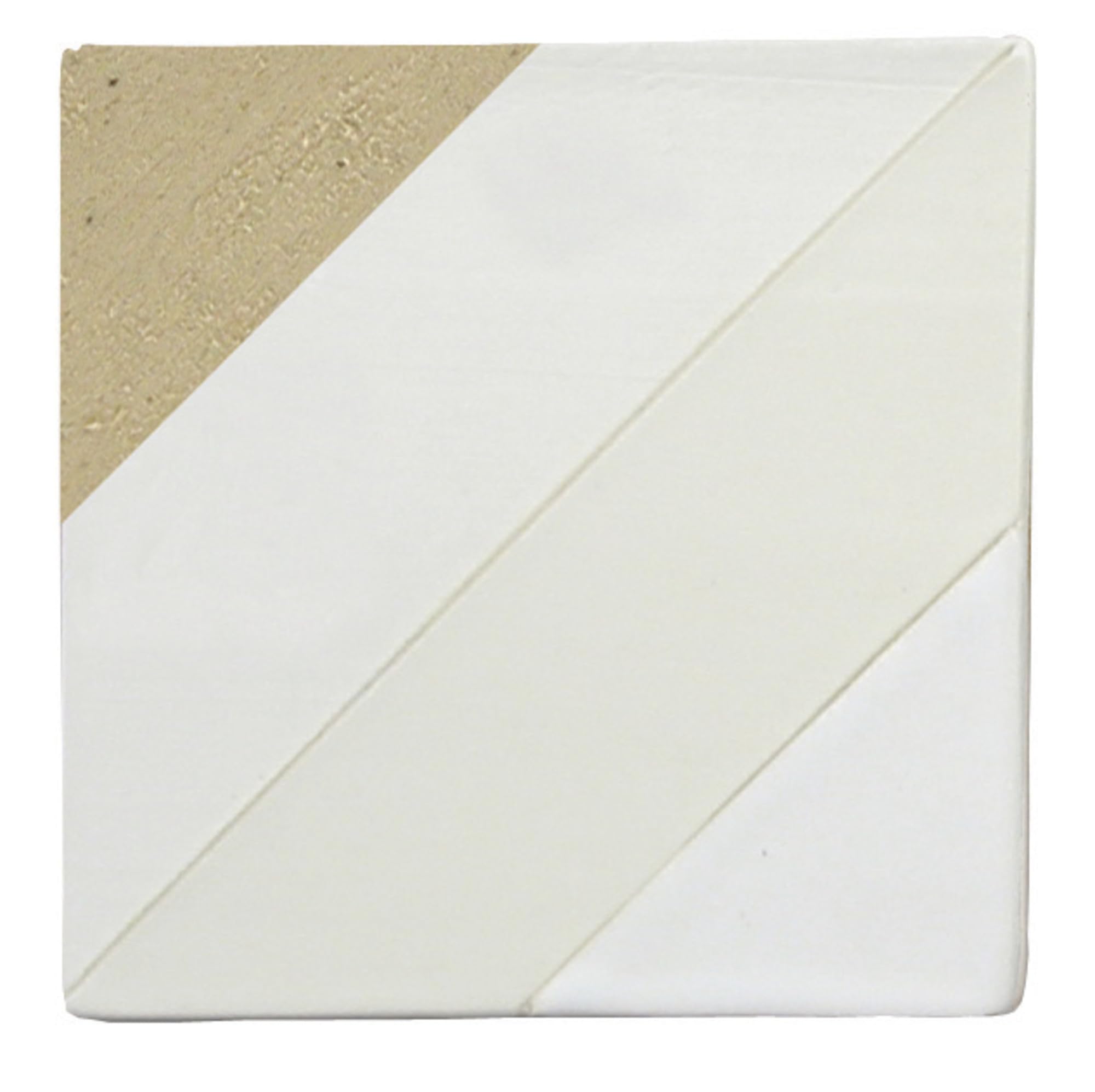
Amaco’s White Art No. 25 is the reference standard for low-fire earthenware. It fires brilliantly white at cone 05–06, providing a neutral canvas that lets underglazes, majolica, and transparent glazes retain their truest hue without the muddying effect of a darker bisque. The body’s low moisture expansion resists delayed crazing, a common failure in low-fire ware where micro-cracks appear weeks after firing.
Its plasticity is excellent, allowing potters to throw larger forms than typical low-fire bodies permit. Hand builders appreciate that it holds shape during drying without slumping, and thin-walled pinch pots remain sturdy through bisque. The 25-pound box is well-packed and arrives with consistent moisture throughout.
Some users mix in 20 percent fine sand to reduce cracking on complex forms, a testament to the clay’s accommodating nature. It is a touch more expensive per pound than generic alternatives, but the color fidelity and firing reliability justify the premium for serious surface decoration work.
Why it’s great
- Fires bright white for clean glaze colors
- Resists crazing due to low moisture expansion
- High plasticity for a low-fire body
Good to know
- Premium-tier pricing for a low-fire clay
- Not suitable for high-fire or functional dinnerware
- May require sand addition for complex builds
3. Seattle Pottery Supply Vashon White (25 lbs)
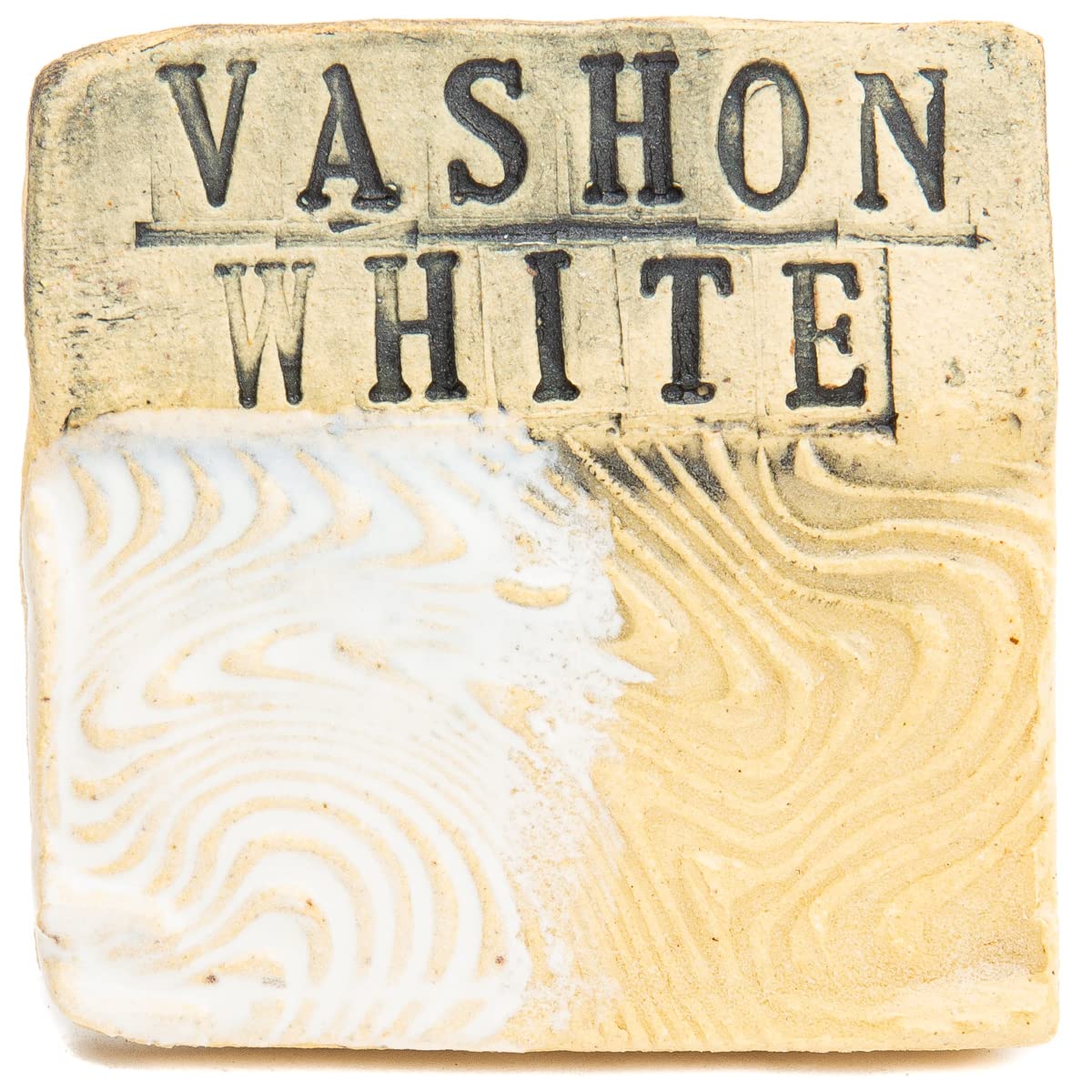
Vashon White from Seattle Pottery Supply fills the gap between a smooth throwing clay and a structured hand-building body. The formula includes fine grog, which gives it a slight tooth that prevents slipping on the wheel while still allowing clean centering and pulling. Fired to cone 4–6 in oxidation, it turns a creamy off-white that works beautifully with mid-range glazes, making colors pop without overwhelming them.
Hand builders appreciate the grog for slab work and tile pressing — the added particle structure reduces warping during drying and firing. Reviewers specifically note that the clay stays moist longer than many competitors, though it can firm up quickly if left uncovered, so a damp box is recommended for multi-session projects.
The main trade-off is that the grog, while fine, can feel slightly abrasive on the wheel for potters accustomed to porcelain-smooth bodies. This body excels as a daily driver for potters who split their time between throwing and hand building.
Why it’s great
- Fine grog prevents warping in slabs and tiles
- Fires to a clean cream color that suits mid-range glazes
- Forgiving for mixed-method potters
Good to know
- Grog can feel abrasive for pure wheel work
- Dries relatively quickly without a damp box
- Fires to a pinkish hue if not glazed
4. Rocky Mountain Clay Red Rock Red (25 lb)
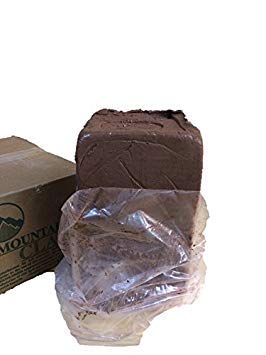
Red Rock Red delivers the rich, warm iron-oxide color that terra cotta lovers crave. Firing at cone 06, this low-fire earthenware comes de-aired and ready to throw, with a moisture content that keeps the clay supple for extended working sessions. Wheel throwers report that it stays perpetually soft without becoming sticky, making it ideal for slow, deliberate forming.
The body is versatile enough for both wheel throwing and hand building, though its lack of grog means large flat slabs may crack during drying if not supported. Hand builders have successfully used it for sculpture and coil pots, finding the plasticity forgiving for organic shapes. Its fired color ranges from a deep brick red to a lighter terracotta depending on firing atmosphere.
One unusual use case that emerged from reviews is encasing food for cooking (Beggar’s Chicken), where the clay hardens in the oven and cracks cleanly for removal. For studio potters, this is a solid choice for planters, garden ornaments, and decorative ware that benefits from a natural red bisque.
Why it’s great
- Rich terra cotta color without glazing
- Stays supple for long working sessions
- De-aired and ready to use immediately
Good to know
- No grog, so large slabs may crack
- Low-fire porous body requires glazing for food safety
- Fired color varies with kiln atmosphere
5. Old Potters Low Fire White Clay (10 lbs)

Old Potters Low Fire White Clay is a smooth, grog-free earthenware designed for accessibility. The 10-pound size is ideal for beginners testing the waters or for experienced potters who need a small batch for test tiles. The clay arrives moist and pliable, with enough plasticity to handle basic wheel throwing and simple hand-building projects without frustration.
Firing at cone 04–06, the white body produces a clean bisque suitable for underglaze painting and clear glazing. Reviewers note that it dries hard after about five days and fires without cracking when pieces are dried evenly. Home oven baking works for small, thin items at 225–250°F, making this a rare clay that bridges kiln firing and kitchen curing.
The main limitation is the small batch size — serious potters will blow through 10 pounds quickly. The clay’s smooth, grog-free nature also means it is less ideal for large hand-built forms that need structural reinforcement.
Why it’s great
- Non-toxic and safe for beginners and kids
- Can be home oven cured for small pieces
- Low entry cost for testing the hobby
Good to know
- 10-pound quantity runs out fast
- No grog limits large sculptural use
- Not suitable for high-fire applications
6. Old Potters White Stoneware Clay (10 lbs)

Old Potters White Stoneware Clay brings a mid-to-high-fire body into an accessible 10-pound format. The low iron content keeps the fired surface clean and white, minimizing interactions with glaze chemistry. This is especially useful for potters working with reactive glazes that change color based on underlying iron levels — the neutral base ensures predictable results.
The plasticity is notably high for a cone 6–10 body, making it one of the easier high-fire clays to throw on the wheel. Reviewers describe the texture as “buttery” and report excellent results with both wheel throwing and slab work. The clay fires well with underglaze and clear glaze combinations, showing no warping on flat slabs at cone 6.
A few users note the clay can develop a slight odor if stored for extended periods, a common issue with high-moisture stoneware. The 10-pound size is a good trial quantity before committing to a larger box, but frequent throwers will want the bigger format.
Why it’s great
- Low iron content for clean glaze results
- High plasticity for a cone 6–10 body
- Fires without warping on flat forms
Good to know
- 10-pound quantity is small for regular use
- May develop odor if stored long-term
- Very moist — careful water management needed on wheel
7. Rocky Mountain Clay Dover White (50 lbs)
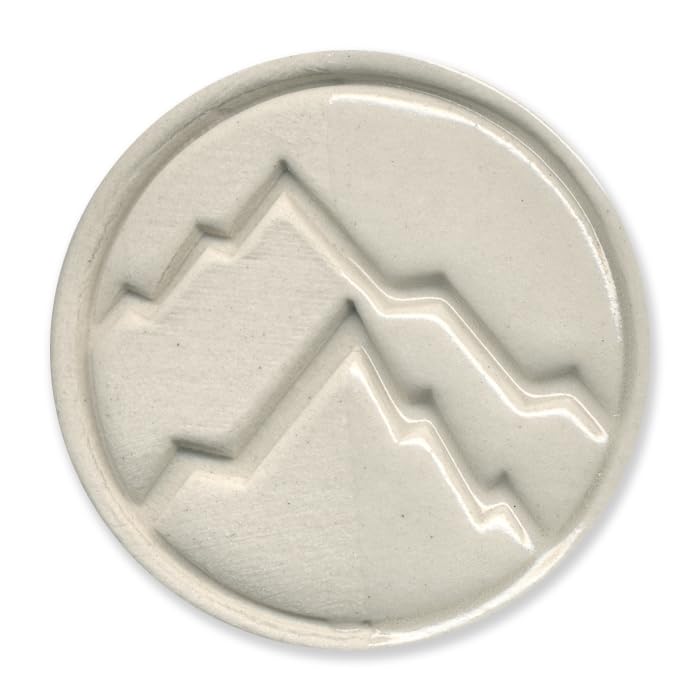
Rocky Mountain Clay’s Dover White is a 50-pound bulk block aimed at high-volume potters who need consistent high-fire material. The clay matures across a wide cone range of 6 to 10, giving you flexibility in firing schedules. Its smooth texture throws beautifully on the wheel, with reviewers describing the consistency as “like river stone” for its silky, non-sticky feel.
Hand builders also report success with the Dover White, particularly for larger sculptural pieces. The clay shrinks an estimated 10–15 percent during firing, so allowances must be made for critical dimensions. One notable user experience mentioned the clay arriving dry, which may be an occasional shipping issue rather than a consistent problem — wedging rehydrates the body effectively if needed.
The sheer volume of 50 pounds makes this a budget-per-pound winner for production potters. It handles large forms on the wheel without slumping and fires to a clean white that suits both functional ware and decorative sculpture. Intermediate to advanced potters will get the most consistent results from this body.
Why it’s great
- Large 50-pound block for high-volume throwing
- Wide firing range from cone 6 to cone 10
- Smooth, non-sticky throwing consistency
Good to know
- Shrinkage of 10–15% requires design adjustments
- Some variability in moisture content between batches
- Better suited for experienced potters than beginners
FAQ
Can I fire low-fire clay to cone 10?
How do I keep my clay from cracking during drying?
What is the difference between earthenware and stoneware?
Why does my white clay fire to a pink or tan color?
How long does moist pottery clay last in the bag?
Final Thoughts: The Verdict
For most users, the clay for pottery winner is the Laguna B-Mix 5 because it combines a buttery throwing experience with a porcelain-like finish that makes every glaze look its best. If you fire low-temperature and want a bright white canvas for surface decoration, grab the Amaco White Art No. 25. And for production potters needing bulk high-fire material that throws smoothly and fires reliably, nothing beats the Rocky Mountain Dover White in its 50-pound format.

Mo Maruf
I created WellFizz to bridge the gap between vague wellness advice and actionable solutions. My mission is simple: to decode the research and give you practical tools you can actually use.
Beyond the data, I am a passionate traveler. I believe that stepping away from the screen to explore new environments is essential for mental clarity and physical vitality.