Our readers keep the lights on and my smoothie glass nicely filled. As an Amazon Associate, I earn from qualifying purchases.
Building a form that holds its integrity from the first pull to the final trim demands a clay body that responds predictably under your hands. Whether you’re centering a ten-pound lump for a dinner bowl or coiling a sculptural vessel, the plasticity, grog content, and firing range of your chosen material dictate everything from wall thickness to glaze fit.
I’m Mohammad Maruf — the founder and writer behind WellFizz. My research across this category focuses on measurable plasticity, firing cone tolerances, and moisture retention, comparing the specific handling characteristics of each clay body so you can match the right material to your kiln schedule and technique.
This guide breaks down seven distinct options in the clay for ceramics market, from low-fire earthenware to mid-high stoneware, so you can confidently choose the right body for your studio practice.
How To Choose The Best Clay For Ceramics
Selecting your primary studio clay is one of the most consequential decisions you will make for your practice. The wrong body can frustrate your throwing rhythm, mis-fire in your kiln, or reject your chosen glaze. Understanding your kiln’s firing range, your preferred building method, and the physical feel of the clay will steer you toward the right block.
Match the Firing Cone to Your Kiln Schedule
Low-fire clays (cones 06-04) mature at lower temperatures — they are forgiving for beginners but limited in durability for functional ware. Mid-range clays (cone 5-7) provide a strong balance of durability and glaze interaction, while high-fire clays (cone 8-10) vitrify denser and are ideal for dinnerware. Check your kiln’s documented cone schedule before buying to avoid under- or over-firing.
Assess Plasticity and Grog for Your Technique
Wheel throwers benefit from higher plasticity to maintain a stable center and pull even walls. Hand-builders often prefer a touch of grog (fine fired clay particles) — it increases structure for coils and slabs while reducing cracking during drying. Pure smooth clay bodies offer crisp detail for sculpture or fine pinching but may slump under their own weight in vertical forms.
Consider Bag Size and Moisture at Arrival
Standard retail bags range from 10 to 25 pounds. The larger the bag, the longer you can maintain a consistent moisture level across multiple sessions. Some clays arrive noticeably softer or wetter than others — a high-moisture body may require less water on the wheel but can be tricky for detailed hand-building right out of the bag. Factor in your studio’s storage humidity when estimating working time.
Quick Comparison
On smaller screens, swipe sideways to see the full table.
| Model | Category | Best For | Key Spec | Amazon |
|---|---|---|---|---|
| Old Potters Low Fire White | Low Fire | Beginning throwers & hand-builders | Cone 04-3, 10 lbs | Amazon |
| Amaco Low Fire White No. 25 | Low Fire | Large pieces & tile making | Cone 04, 25 lbs | Amazon |
| Rocky Mountain Red Rock Red | Low Fire | Extended hand-building projects | Cone 06, 25 lbs | Amazon |
| Old Potters White Stoneware | Mid-High Fire | Wheel throwing & dinnerware | Cone 6-10, 10 lbs | Amazon |
| Rocky Mountain Dover White | Mid-High Fire | Intermediate to advanced potters | Cone 6-10, 25 lbs | Amazon |
| Laguna WED Clay | Water-Based Modeling | Sculpture & prototype modeling | Slow-drying, 25 lbs | Amazon |
| AMACO Air Dry Terra Cotta | Air Dry | Kiln-free decoration & sculpture | 25 lbs, fires to cone 04 | Amazon |
In‑Depth Reviews
1. Old Potters Low Fire White Clay, 10 lbs

This low-fire earthenware arrives soft, pliable, and entirely grog-free — exactly what you want for a smooth centering experience on the wheel or for detailed pinch pots. At cone 04-3, it matures fully in a standard electric kiln, firing to a hard white body that accepts underglazes and glazes with true color retention. Customers consistently report the clay stays moist inside the bag for weeks, requiring minimal wedging before use.
Hand-builders will appreciate the lack of grog, which keeps coil and slab surfaces smooth without grittiness interfering with fine detailing. The 10-pound bag size makes it an easy trial for those testing a new clay body or for classroom settings where each student needs a manageable block. Multiple verified buyers note the clay dries “very hard” after firing and holds crisp edges without chipping.
One specific advantage is its compatibility with microwave kiln shelves and small-sculpture bisque loads — the fine particle size reduces dust in your studio compared to stoneware bodies. While not ideal for large dinner plates due to its low-fire porosity, it remains a first-rate choice for decorative ware, ornaments, and practice forms.
Why it’s great
- Consistently arrives soft and air-free, ready to throw
- No grog — ideal for smooth surface finishes
- Fires to a clean white that shows glaze colors vividly
Good to know
- Smaller 10-pound bag — larger projects require multiple purchases
- Not vitrified enough for functional dinnerware
2. Old Potters Mid High Fire White Stoneware, 10 lbs

This stoneware body’s plasticity is its standout attribute — users describe it as “very moist” with a smooth, plastic-like consistency that reduces the need for water during throwing. Designed to fire from cone 5 to cone 10, it offers flexibility for those whose kiln might be calibrated differently. The low iron content limits interaction with the glaze surface, ensuring bright translucent colors over a white base.
On the wheel, this clay holds a steady center even for taller cylinder forms, and the high moisture content helps maintain structure during pull-up. The same quality benefits slab building — large slabs fire flat without warping, a detail noted by multiple customers who made mugs and flat dishes. The clay reclaims well; recycled batches reportedly darken slightly but become even easier to throw.
One buyer mentioned a subtle odor after several days of sitting in a damp studio, though the performance characteristics remained unaffected. The 10-pound size again limits production volume — heavy production potters will need to order multiple blocks. For mid-range firers who want a white functional body with forgiving moisture, this stoneware delivers reliable results.
Why it’s great
- High plasticity perfect for wheel centering and tall walls
- Fires white with minimal glaze interaction
- Flat slabs resist warping during firing
Good to know
- 10-pound bag only — high-volume users need multiples
- Some users report a slight odor over time
3. Rocky Mountain Clay’s Red Rock Red, 25 lbs
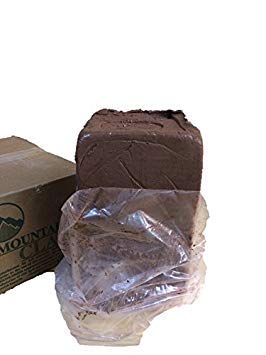
Red Rock Red is a classic terra cotta low-fire clay formulated for wheel throwing, hand-building, and sculpting. At 25 pounds, it offers a substantial block that stays supple longer than many white clays — a museum worker reviewing this product noted it remained workable for extended sessions while a comparable white body dried out quickly. The de-aired, moist consistency means minimal wedging before use.
This clay fires to cone 06 in an electric kiln, maturing into a rich red-brown earthenware. It is well suited for decorative pots, sculpture, and even some culinary applications — one customer successfully used it for baking Beggar’s Chicken (though some cracking occurred). The extended moisture retention benefits hand-builders who work slowly on large coil or slab forms, giving extra time to refine surfaces without constant misting.
Buyers consistently praise the packaging: the clay arrives well-wrapped and properly moist, even during warmer shipping months. The feel is smooth but with enough tooth to prevent slumping. If your kiln schedule is set for low fire and you want a bold natural color without glaze, this clay delivers a robust earthy finish straight from the bisque.
Why it’s great
- Large 25-pound block — ideal for production volume
- Stays supple significantly longer than white low-fire clays
- Rich terra cotta color without glazing
Good to know
- May crack if used for high-moisture cooking applications
- Limited to low-fire projects only
4. AMACO Air Dry Clay, Terra Cotta, 25 lbs
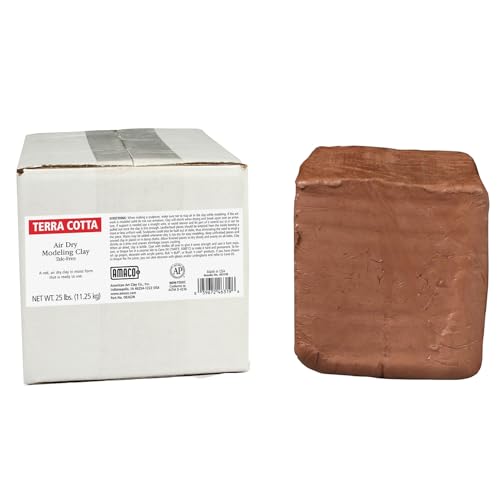
AMACO’s air-dry clay is an all-purpose body designed specifically for those without kiln access. The terra cotta formula has a slightly oily, soft consistency right out of the box that makes hand-sculpting and modeling effortless. Verified users highlight that thick children’s sculptures dry solid without cracking, and the fired cone 04 option gives a pathway for those who later gain kiln access to convert pieces to permanent, glazeable ware.
This clay differs from standard low-fire bodies because it can be left to air-dry slowly and evenly — no kiln required for decorative pieces. After drying, it accepts acrylic paint, pastels, and spray sealants for waterproofing. The 25-pound quantity provides generous material for large busts or classroom projects; one buyer used two boxes to complete a full-scale head sculpture without detail loss.
On the wheel, it is softer than traditional clays, making it better suited for a mini fingertip wheel or slow practice throws rather than production work. Some users caution that thin-walled pieces can be fragile if not adequately reinforced. Its dual-purpose nature — air-dry or fire to cone 04 — makes it a bridge material for artists moving from casual crafting to kiln-based ceramics.
Why it’s great
- Dual capability — air-dry or fire to cone 04
- Large 25-pound block at a budget-friendly tier
- Smooth, non-cracking dry performance for thick sections
Good to know
- Softer than traditional throwing clays — not for high-speed wheel work
- Thin dry pieces can chip easily without sealant
5. Rocky Mountain Clay’s Dover White, 25 lbs
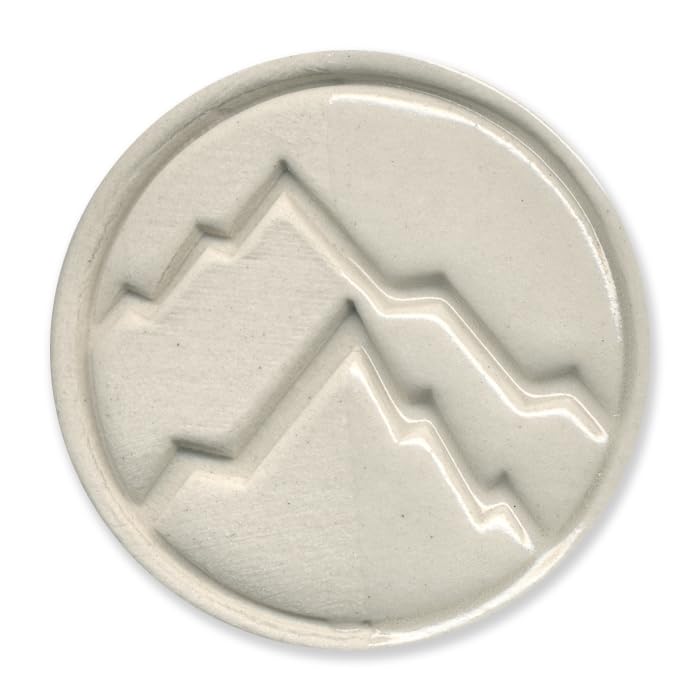
Dover White is a mid-high fire stoneware recommended for intermediate to advanced potters seeking a smooth, consistent body for throwing small to medium forms. At 25 pounds, it provides ample material for a production day. Customers praise its “gorgeous” throwing consistency — the clay centers cleanly, maintains even wall thickness, and produces a river-stone-smooth surface finish that requires minimal trimming or sanding.
The firing range of cone 6-10 gives leeway for glaze maturation across multiple schedules. The white bisque provides a neutral canvas for both opaque and translucent glazes. Hand-builders report success with large busts, noting the texture is “non-tiring” over long sessions — the plasticity holds shape without demanding constant re-wedging.
Some buyers received bags that arrived on the dry side, leading to cracking during hand-building. One user noted that the clay performs “excellent on the wheel for large pieces” but can be less forgiving for hand-building when moisture is low. If you maintain proper damp storage, this is a premier stoneware body for serious mid-fire production.
Why it’s great
- Smooth, non-tiring texture ideal for extended throwing sessions
- Fires to bright white with excellent glaze compatibility
- Large 25-pound size suits production potters
Good to know
- Moisture levels vary between batches — may arrive dry
- Better suited for throwing than hand-building if already dry
6. Amaco Low Fire White Art No. 25, 25 lbs
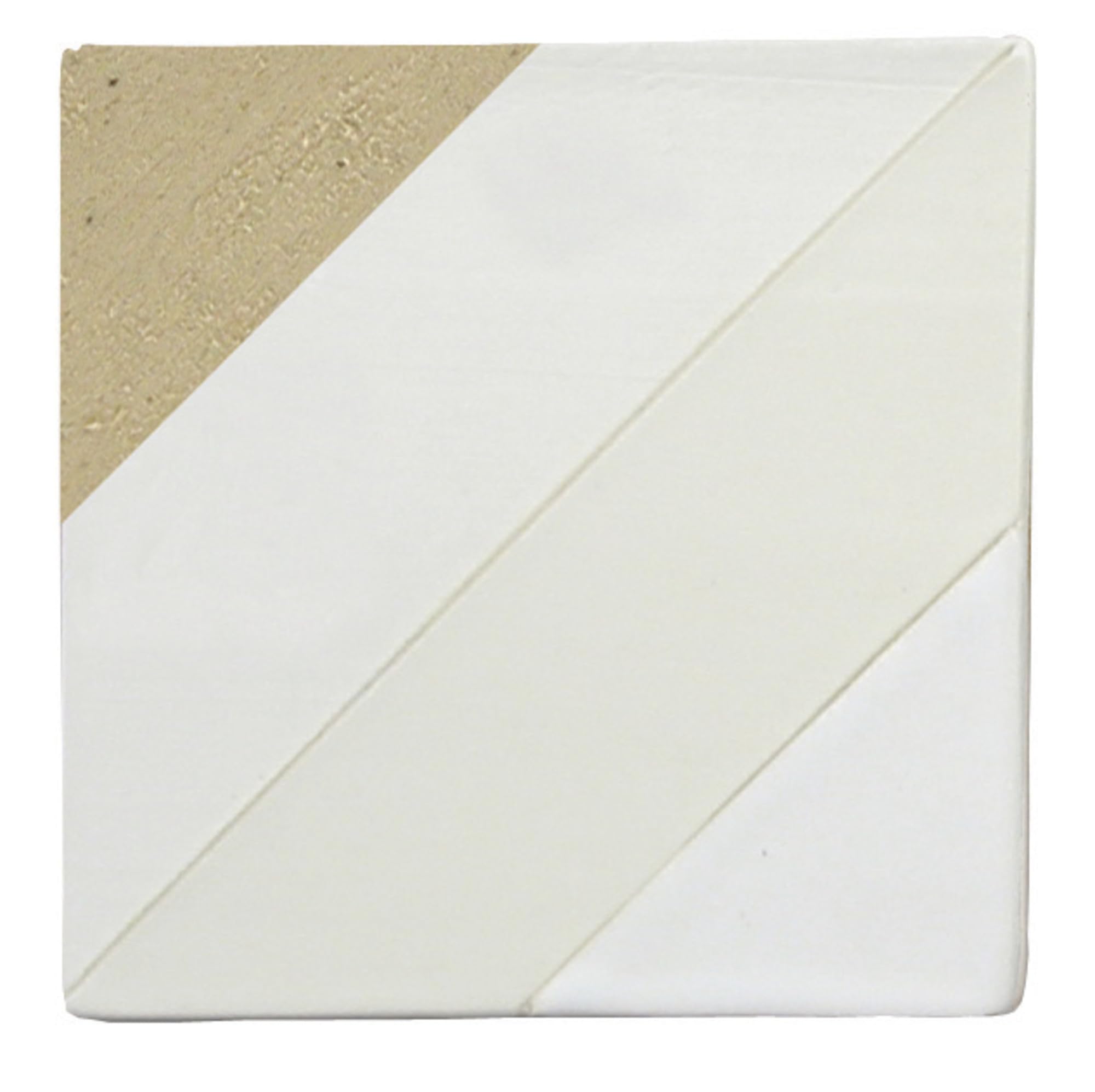
Amaco’s low-fire white is engineered for large-scale hand-building with minimal crazing — a common frustration with lower-quality earthenware bodies. The low moisture expansion formula means finished pieces resist the network of fine cracks that can appear months after glazing. This clay fires white at cone 05, providing a pristine surface for both opaque and transparent glazes that retain their true color and brilliance.
For tile makers, this clay presses and carves smoothly without warping, drying flat when air reaches both sides equally. Customers have used it successfully for pressed tiles, models, and large sculptures. Its plasticity supports thin walls in hand-building and holds up well for intricate detailing — one reviewer mixed 20% sand into the body to reduce cracking in larger hollow forms, noting the blend turned slightly pink but performed even better.
The 25-pound weight feels dense and well-packed. Some users note the price point is slightly above other low-fire options, but the consistent quality — especially for tile making — justifies the investment. If your studio prioritizes crisp white bisque that resists glaze defects and fires reliably, this is the low-fire body to stock.
Why it’s great
- Low moisture expansion resists crazing after glazing
- Fires bright white with excellent glaze clarity
- Warp-resistant for flat tile work
Good to know
- Premium price compared to similar low-fire bodies
- Not ideal for high-fire functional ware
7. Laguna WED Clay EM-217, 25 lbs

Laguna’s WED clay — originally developed for Disney’s animatronic modeling — is a highly specialized water-based body that mimics the handling of oil-based clays without the solvent cleanup. It is extremely pliable, slow-drying, and designed for “fast sculpt” work where speed and malleability matter more than high-temperature firing. This clay is not intended for wheel throwing or kiln-fired dinnerware; it is a sculptor’s medium for masks, maquettes, and large-scale mockups.
The gray color and fine, smooth texture allow for crisp detail work with dental tools and fine-loop tools without chipping or crumbling. The 25-pound block is dense and requires consistent misting or damp towel coverage to maintain workability across multiple sessions. Unlike ceramic clays, WED clay remains fragile if not molded with solid interior structure — but for the sculptor, its “fast sculpt” forgiving nature speeds up the prototype phase dramatically.
Customers in the entertainment and collectible industries praise its reliability for creature design and figure modeling. It is messier than polymer clays, so dedicated studio surfaces are recommended. For ceramic artists whose primary work is functional pottery, this is a niche addition — but for those who sculpt professionally, the Laguna WED clay is an essential reference material.
Why it’s great
- Extremely pliable and slow-drying for extended sculpting sessions
- Fine smooth texture captures intricate detail
- Industry standard for prototype and entertainment modeling
Good to know
- Requires constant moisture management — dries out if uncovered
- Not suitable for kiln-fired functional ceramics
FAQ
Can I mix low-fire and high-fire clays on the same kiln shelf?
How do I tell if my clay has arrived with the right moisture content?
What causes cracking in my thrown or hand-built pieces?
Final Thoughts: The Verdict
For most users, the clay for ceramics winner is the Old Potters Low Fire White Clay because its consistent softness, zero grog, and clean white bisque make it a dependable choice for throwers and hand-builders alike. If you want a premium stoneware body for dinnerware, grab the Old Potters White Stoneware. And for kiln-free decorative sculpture or large-scale projects, nothing beats the versatility of the AMACO Air Dry Terra Cotta.

Mo Maruf
I created WellFizz to bridge the gap between vague wellness advice and actionable solutions. My mission is simple: to decode the research and give you practical tools you can actually use.
Beyond the data, I am a passionate traveler. I believe that stepping away from the screen to explore new environments is essential for mental clarity and physical vitality.