Our readers keep the lights on and my smoothie glass nicely filled. As an Amazon Associate, I earn from qualifying purchases.
After knee replacement, the body’s natural inflammatory response can cause significant swelling and fluid retention in the lower leg, a condition that directly impedes mobility and slows the healing timeline. The specific graduated pressure from a medical-grade compression sock is not just about comfort—it is a clinically supported intervention to actively manage post-operative edema and prevent dangerous blood clots.
I’m Mohammad Maruf — the founder and writer behind WellFizz. This guide is built from hours of cross-referencing peer-reviewed post-surgical protocols, patient-reported outcomes on fit and tolerability, and technical pressure-grading data to identify which socks genuinely support recovery without causing additional discomfort.
Whether you are navigating the first weeks of home recovery or transitioning back to daily activity, choosing the right compression socks after knee replacement directly affects your comfort, mobility, and peace of mind during rehabilitation.
How To Choose The Best Compression Socks After Knee Replacement
Selecting the right compression garment after a knee replacement involves more than simply picking the highest pressure rating. The surgical site, calf circumference, and daily activity level all determine whether a sock helps or hinders your recovery. Below are the three critical factors specific to this recovery phase.
Pressure Gradient: 20-30 mmHg vs. 30-40 mmHg
The graduated compression rating is the single most important spec. Post-surgical protocols typically recommend 20-30 mmHg for moderate edema and general recovery. However, if you have significant swelling, a history of venous insufficiency, or a surgeon’s order for extra-firm support, 30-40 mmHg becomes necessary. The key is selecting a sock that provides the highest pressure at the ankle, gradually decreasing as it moves up the leg—this actively pushes fluid back toward the heart.
Length: Knee-High vs. Thigh-High
Knee-high socks are the most common choice for post-knee replacement recovery because they focus pressure on the calf and ankle, avoiding the surgical site. However, if swelling extends above the knee or if your surgeon recommends full-leg support to prevent deep vein thrombosis, a thigh-high sock with a silicone grip band is essential. A poorly fitting knee-high sock that bunches behind the knee can create construction, which worsens pain and defeats the purpose of compression.
Construction: Seamless Toe and Moisture-Wicking Fabric
After surgery, even minor irritation on the toes or skin can become a major discomfort during 12-18 hours of daily wear. Look for a seamless, flat-toe seam that does not rub against the incision or foot. Fabric matters equally: a blend of nylon and spandex (or bamboo viscose for sensitive skin) offers breathability and moisture control, reducing the risk of skin maceration—a genuine concern when wearing tight garments for extended periods.
Quick Comparison
On smaller screens, swipe sideways to see the full table.
| Model | Category | Best For | Key Spec | Amazon |
|---|---|---|---|---|
| JOBST Relief | Premium | Medical-grade post-surgery recovery | 20-30 mmHg, open toe | Amazon |
| Doc Miller Thigh High | Mid-Range | Full-leg support & pregnancy recovery | 15-20 mmHg, open toe, sizes to 4XL | Amazon |
| Truform 30-40 mmHg | Premium | Extra-firm compression for severe edema | 30-40 mmHg, thigh-high, open toe | Amazon |
| BBFREY Medical 3-Pack | Value | Budget-friendly daily wear | 20-30 mmHg, knee-high, 3 pairs | Amazon |
| Wellow Bamboo Viscose | Comfort | Soft compression for sensitive skin | 18-25 mmHg, knee-high, bamboo viscose | Amazon |
In‑Depth Reviews
1. JOBST Relief 20-30 mmHg Knee High

The JOBST Relief is a medical staple for post-surgical recovery, and its reputation is built on the precision of its graduated compression. At 20-30 mmHg, it delivers the exact pressure range most surgeons and physical therapists recommend for managing edema after knee replacement. The knit-in anatomical shape conforms to the leg without sagging or bunching behind the knee—a common failure point that can cause more harm than good by restricting blood flow at the surgical site.
Users consistently report that the material is thin yet durable, providing strong compression without excessive bulk. The open-toe design allows for easy access to the toes for monitoring circulation, a critical feature during the first weeks of recovery when temperature and color changes need to be tracked. The reinforced heel adds long-term durability, and the breathable construction prevents overheating during all-day wear.
The primary trade-off is the price point—this is a premium clinical product. Additionally, some users find the length runs slightly long, potentially rolling down below the knee if not sized precisely according to the manufacturer’s calf and ankle measurement guide. For post-knee replacement recovery, this is a top-tier investment in safety and comfort.
Why it’s great
- Precise 20-30 mmHg graduated compression ideal for post-surgery protocols
- Thin, breathable fabric that holds shape after months of daily washing
- Open-toe design for easy circulation checks and room for bandages
Good to know
- Premium pricing compared to mid-range options
- May run long; careful measurement required to avoid bunching
2. Doc Miller Thigh High Open Toe 15-20mmHg

For patients whose swelling extends above the knee or who require additional support during the later phases of rehab after knee replacement, the Doc Miller thigh-high offers a comfortable solution with a lower pressure gradient. The 15-20 mmHg rating is moderate, making it suitable for those transitioning from a higher-pressure medical sock to a maintenance level, or for those who find stronger compression uncomfortable near the surgical site.
The open-toe design is breathable and allows for hot or swollen toes, while the wide range of sizes (up to 4XL) accommodates different body types. Users highlight that the silicone grip band holds the stocking in place effectively without rolling down—a common complaint with thigh-high designs. The moisture-wicking fabric helps keep the leg dry, reducing the risk of skin irritation during extended wear.
The compression level is lighter than what most surgeons prescribe immediately after knee replacement (typically 20-30 mmHg), so this is better suited for recovery at weeks 4-6 rather than the immediate post-op phase. Some users also report slight itching under the top grip after hours of wear, which may be a concern for those with sensitive skin.
Why it’s great
- Thigh-high coverage for swelling that extends above the knee
- Sizes up to 4XL for a customized fit
- Open-toe keeps feet cool and allows bandage access
Good to know
- Lighter 15-20 mmHg may be insufficient for immediate post-op edema
- Top grip can cause irritation on sensitive skin after extended wear
3. Truform 30-40 mmHg Thigh High Dot-Top

When the post-operative edema is severe or when a history of venous insufficiency or thrombosis is involved, 30-40 mmHg is the standard of care. The Truform thigh-high delivers this extra-firm compression with a silicone beaded dot-top that provides exceptional grip without rolling down. This is a medical-grade product built for clinical reliability, with a fabric that is thicker and more opaque than lighter options, offering additional warmth and support.
Long-term users in healthcare and those managing chronic conditions report that the graduated compression is consistently strong—the ankle-pull feels significant, as it should. The open-toe design prevents tearing at the toe box, a weak point in many closed-toe alternatives. The made-in-USA construction and the ability to survive years of daily washing make this a durable investment for extended recovery periods.
The main challenge is putting them on; the high compression demands significant upper-body strength or a donning device. The dot-top silicone can also cause itchiness or allergic reactions in some users, so a sheer version without the dot grip is a better alternative if skin reactivity is a concern.
Why it’s great
- Medical-grade 30-40 mmHg for severe post-surgical swelling
- Thigh-high with secure silicone dot-top that does not roll down
- Durable construction that lasts years with proper care
Good to know
- Very difficult to put on without donning gloves or a device
- Dot-top material can cause itching and red marks for sensitive skin
4. BBFREY Medical 20-30 mmHg 3-Pack
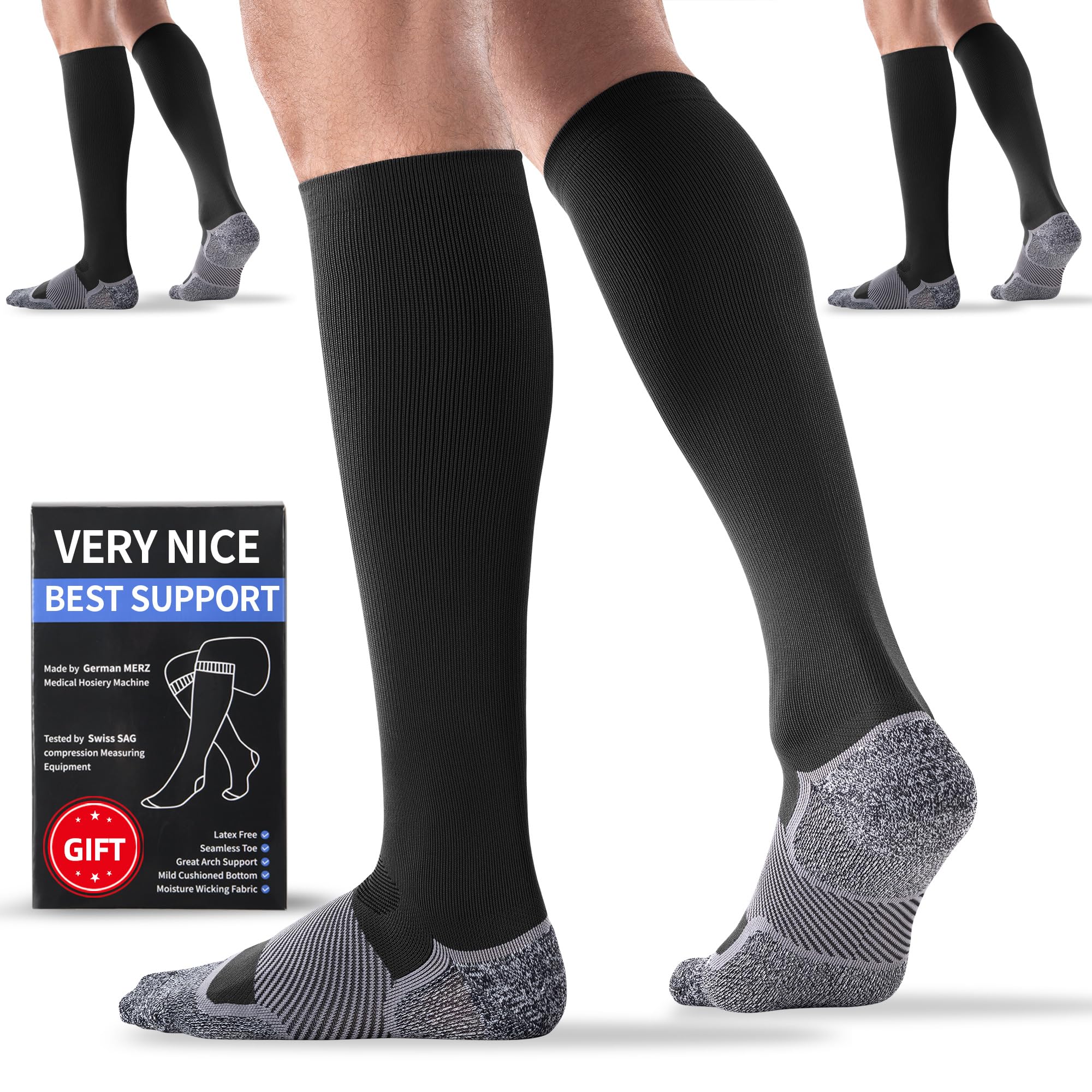
The BBFREY three-pack is the most budget-friendly entry point for post-knee replacement compression without compromising on the critical pressure spec. At 20-30 mmHg, it matches the recommended post-surgical range, and the graduated compression is confirmed by users who report significant reduction in ankle and calf edema after long wear. The fabric uses a microfiber nylon blend that is breathable and moisture-wicking, a necessity for the 11+ hour daily wear cycles typical of post-surgery recovery.
The flat toe seam and left-right anatomic design reduce blister formation, a thoughtful touch for patients who may have limited mobility and need to avoid any additional irritation. The lightly cushioned toe and heel add a layer of comfort under the foot, making these suitable for the first tentative steps during rehabilitation. Users consistently mention the quality of fabric and the value of getting three pairs for the price of a single premium sock.
The main limitation is color and pattern options—the available selection is limited compared to more fashion-oriented brands. Additionally, while the compression is accurate, some users with larger calf circumferences may find the top band slightly tighter than expected, so careful measurement against the size chart is essential.
Why it’s great
- Excellent value with three pairs at the recommended 20-30 mmHg
- Flat toe seam and left-right fit prevent blisters
- Breathable, moisture-wicking fabric for all-day wear
Good to know
- Limited color and pattern options available
- Top band may feel tight on larger calves; careful sizing required
5. Wellow Knee High 18-25 mmHg Bamboo Viscose
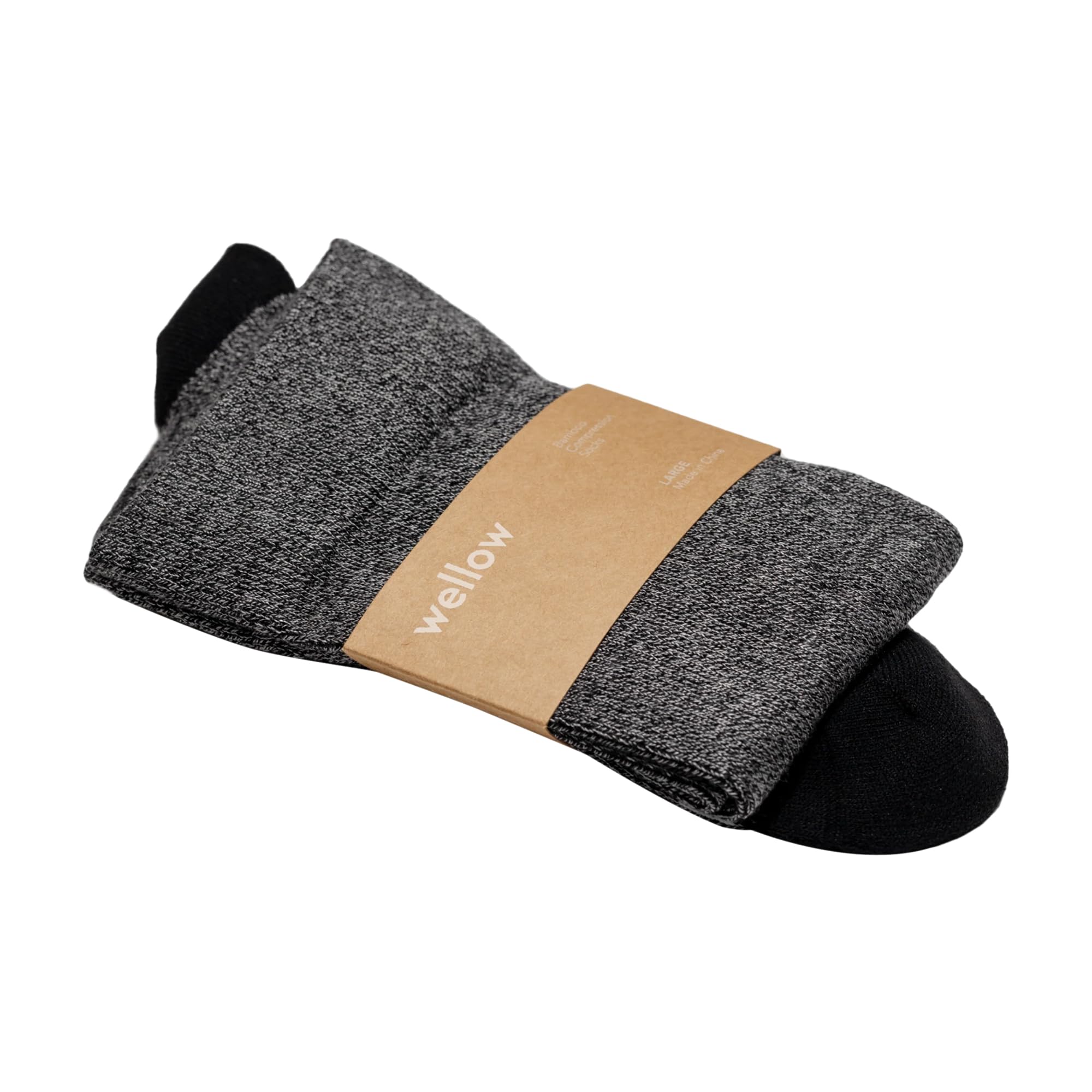
The Wellow sock prioritizes tactile comfort above all else, using a bamboo viscose blend that is noticeably softer and thicker than the typical nylon-spandex compression sock. With a pressure rating of 18-25 mmHg, it sits at the lower end of the post-surgical recommendation but is often perfectly suitable for maintenance recovery, travel, or for patients who find standard 20-30 mmHg socks uncomfortably tight especially near a healing incision.
Users frequently report that these are the most comfortable compression socks they have tried, with a softness that does not feel clinical. The compression is effective enough to prevent leg swelling during long periods of sitting or standing, yet the gentle gradient makes them easy to put on without a donning device. The wide color selection also appeals to those who want a less medical-looking garment during daily wear.
The trade-off for the plush feel is that the thicker fabric may be too warm for summer wear or for patients in warmer climates. Additionally, the 18-25 mmHg pressure is at the threshold for post-surgical protocols—if your surgeon specifically requires 20-30 mmHg for blood clot prevention, these may be too light to meet that clinical necessity.
Why it’s great
- Extremely soft bamboo viscose fabric for sensitive post-surgery skin
- Easier on/off than standard 20-30 mmHg socks
- Wide color range for a non-clinical look
Good to know
- Thicker fabric can be too warm for hot weather or active wear
- Lower 18-25 mmHg may not meet strict post-op DVT protocols
FAQ
Is 20-30 mmHg or 30-40 mmHg better after knee replacement?
Can knee-high compression socks cause problems behind my new knee?
How long should I wear compression socks each day after knee replacement?
Final Thoughts: The Verdict
For most users, the compression socks after knee replacement winner is the JOBST Relief 20-30 mmHg Knee High because it delivers the precise medical-grade compression, durability, and breathability required for safe post-surgical recovery. If you need full-leg support with a lighter touch, grab the Doc Miller Thigh High 15-20 mmHg. And for severe edema or extra-firm medical necessity, nothing beats the Truform 30-40 mmHg Thigh High.

Mo Maruf
I created WellFizz to bridge the gap between vague wellness advice and actionable solutions. My mission is simple: to decode the research and give you practical tools you can actually use.
Beyond the data, I am a passionate traveler. I believe that stepping away from the screen to explore new environments is essential for mental clarity and physical vitality.