Our readers keep the lights on and my smoothie glass nicely filled. As an Amazon Associate, I earn from qualifying purchases.
Pairing a high-end graphics card like the RTX 4080 Super with the wrong central processor creates a bottleneck, leaving performance on the table and turning a premium GPU into a middling experience. The balance between core count, clock speed, and cache architecture determines whether your 4080 runs at full tilt or gets held back by data waiting to be processed.
I’m Mohammad Maruf — the founder and writer behind WellFizz. I’ve spent hundreds of hours comparing benchmark data, thermal behavior, and real-world gaming results to isolate which processors actually deliver the frame rates and stability an RTX 4080 demands without unnecessary overspend.
This guide breaks down the top contenders and what makes each one tick, so you can confidently choose the best cpu for 4080 for your specific build.
How To Choose The Best CPU For 4080
Selecting the right processor for your RTX 4080 hinges on three interconnected factors: gaming resolution, workload type, and platform upgrade path. At 4K, the GPU shoulders most of the rendering load, so a mid-range 8-core CPU often suffices. At 1440p or 1080p, the processor becomes the primary driver of frame rates, making cache size and single-thread performance critical.
3D V-Cache vs High Clock Speed
AMD’s 3D V-Cache stacks additional L3 cache on the chip die, dramatically improving data hit rates in CPU-intensive games like simulation titles and esports shooters. Intel’s approach relies on higher boost clocks and a hybrid core architecture that balances throughput across heavily threaded workloads. For pure gaming with an RTX 4080, the cache advantage often outweighs the clock speed edge.
Power Delivery and Thermal Management
A high-end CPU paired with an RTX 4080 can push total system draw past 600 watts. Processors with a lower TDP, such as the 7800X3D, run cooler and require less aggressive cooling, while top-tier Intel chips may demand a 360mm AIO or custom loop to avoid thermal throttling during prolonged gaming sessions.
Platform Longevity and Memory Support
AMD’s AM5 socket supports multiple future CPU generations, allowing you to drop in a newer chip without swapping motherboards. Intel’s LGA 1851 platform is newer and requires an 800-series board for the latest Core Ultra processors. DDR5 memory speeds and latency also play a role — faster RAM reduces the penalty in cache-starved workloads.
Quick Comparison
On smaller screens, swipe sideways to see the full table.
| Model | Category | Best For | Key Spec | Amazon |
|---|---|---|---|---|
| AMD Ryzen 7 9800X3D | Gaming | Maximum frame rates | 104 MB total cache | Amazon |
| AMD Ryzen 7 7800X3D | Gaming | Best blend of value and performance | 96 MB L3 cache | Amazon |
| Intel Core i9-14900K | Hybrid Workload | Content creation and multitasking | 6.0 GHz boost clock | Amazon |
| Intel Core Ultra 9 285K | Efficiency | Cooler and quieter operation | 40 MB L3 cache | Amazon |
| CyberPowerPC Gamer Master (Ryzen 7 8700F) | Pre-built | Ready-to-go mid-range gaming | RTX 5060 Ti included | Amazon |
| Gigabyte RTX 4080 Super Windforce V2 | GPU | Baseline GPU for CPU testing | 2550 MHz boost core | Amazon |
| PNY RTX 4080 Super Verto OC | GPU | Quiet 4K gaming baseline | 2565 MHz boost core | Amazon |
| MSI RTX 4080 Gaming X Trio | GPU | Silent high-end GPU pairing | 2610 MHz boost core | Amazon |
| Alienware Aurora (Core Ultra 7 265F) | Pre-built | All-in-one gaming system | RTX 5070 included | Amazon |
| MSI Codex Z2 (Ryzen 7 8700F) | Pre-built | Upgradable mid-range system | RTX 5070 included | Amazon |
| Skytech Gaming O11 Vision (Ryzen 7 9850X3D) | Pre-built | High-end pre-built with X3D | RTX 5070 Ti included | Amazon |
In‑Depth Reviews
1. AMD Ryzen 7 9800X3D
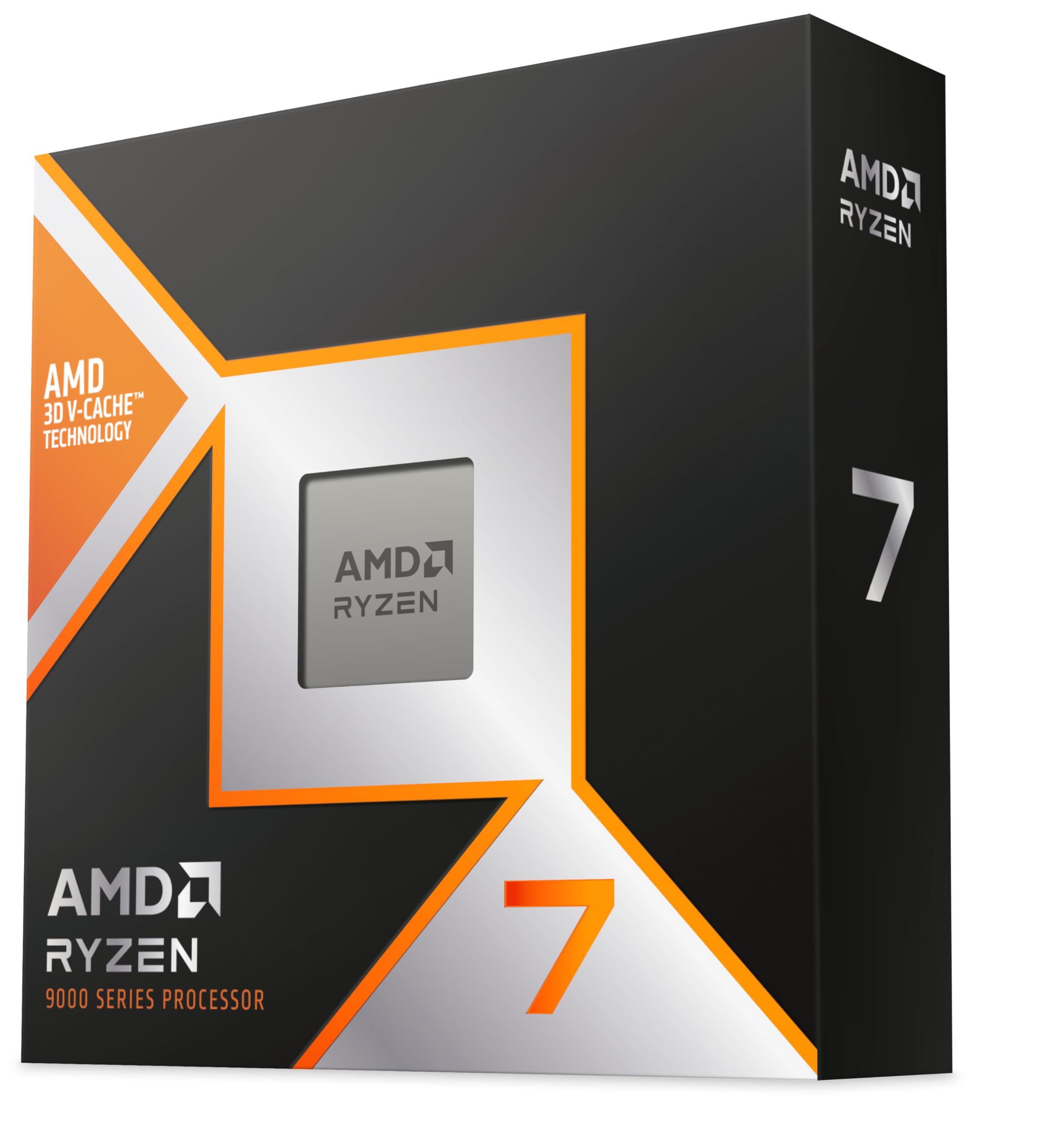
The 9800X3D builds on the Zen5 architecture with a second-generation 3D V-Cache that improves thermal conductivity, allowing higher sustained clock speeds compared to its predecessor. With 104 MB of total cache and an IPC uplift of roughly 16 percent, this processor eliminates micro-stutter in CPU-bound titles while keeping power draw manageable for a 360mm AIO or high-end air cooler.
In real-world gaming benchmarks, the 9800X3D delivers the highest frame rates currently available on the AM5 platform, often outperforming Intel’s top 14th-gen chips by double-digit percentages in simulation and strategy games. The 5.2 GHz boost clock ensures it also holds its own in lightly threaded productivity tasks without needing an overclock.
Thermal behavior shows idle temperatures around 40°C and gaming loads hovering in the mid-60s with a decent liquid cooler, which means it pairs effortlessly with the RTX 4080’s thermal output inside a mid-tower case. The drop-in compatibility with existing AM5 motherboards makes it a straightforward upgrade for anyone already on the platform.
Why it’s great
- Class-leading gaming frame times due to large L3 cache
- Lower peak power draw than competing flagship Intel chips
- AM5 platform supports future CPU upgrades
Good to know
- Requires a discrete cooler (not included)
- Premium price over non-X3D Ryzen 7 alternatives
2. AMD Ryzen 7 7800X3D

The 7800X3D remains the price-to-performance champion for RTX 4080 owners. Its 96 MB of stacked L3 cache dramatically reduces memory latency, which translates to higher 1% and 0.1% lows in games like Counter-Strike 2, Baldur’s Gate 3, and Microsoft Flight Simulator. The 4.2 GHz base clock and 5.0 GHz boost are lower than Intel’s flagships, but the cache advantage more than compensates in gaming scenarios.
Power consumption peaks at roughly 75 watts under full gaming load, which means a budget-friendly air cooler like the Thermalright Peerless Assassin keeps temperatures below 70°C. This low thermal output also reduces overall system heat, so the RTX 4080’s fans don’t have to spin as fast to maintain GPU clock speeds.
Customer reports confirm stable operation with DDR5-6000 EXPO memory on B650 and X670 boards, and the 5nm process ensures no driver issues across Windows 10 and 11. For gamers who prioritize frame consistency over raw single-thread scores, this is the most logical pairing for an RTX 4080.
Why it’s great
- Exceptional value for gaming performance with 4080
- Runs cool even with stock or budget coolers
- AM5 platform ensures a future upgrade path
Good to know
- Not the best for heavily threaded productivity workloads
- Limited overclocking headroom due to cache stacking
3. Intel Core i9-14900K
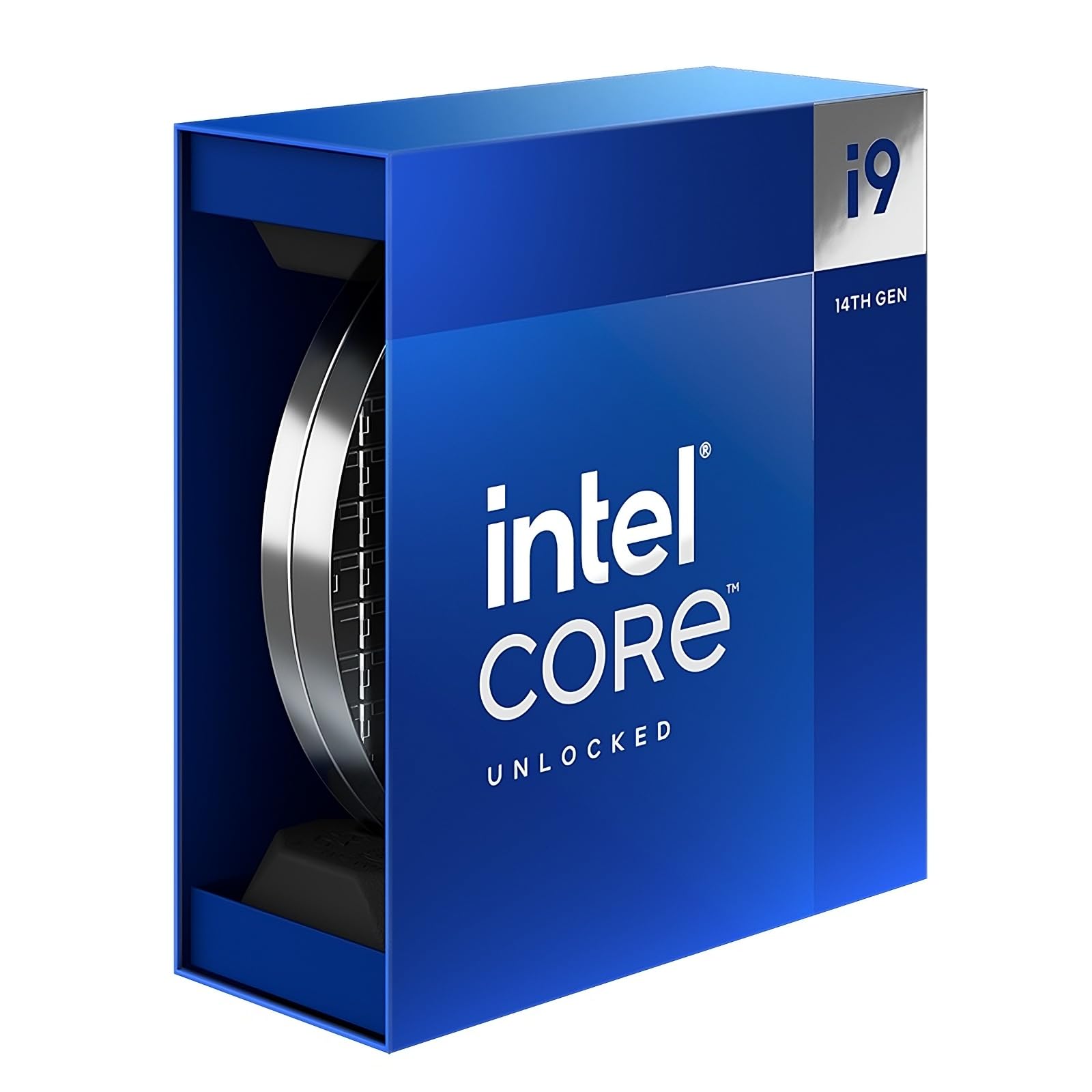
The 14900K delivers the highest single-core boost clock available on any consumer desktop processor, hitting 6.0 GHz out of the box. Its hybrid architecture combines eight Performance-cores and sixteen Efficient-cores, allowing it to excel in both gaming and heavily threaded tasks like video encoding, 3D rendering, and software compilation.
When paired with an RTX 4080, the 14900K provides frame rates that rival the 7800X3D in GPU-bound titles at 4K, while pulling ahead in productivity benchmarks thanks to the additional cores and higher memory bandwidth support. The 125W base power scales up to 253W under sustained turbo load, demanding a robust 360mm AIO or custom water loop to prevent thermal throttling during extended sessions.
Long-term stability has been a point of discussion, with some users reporting degradation issues on earlier BIOS revisions. Running the latest microcode and setting conservative LLC values mitigates most concerns, but buyers should update their motherboard BIOS immediately after installation.
Why it’s great
- Unmatched single-thread boost clock at 6.0 GHz
- 24-core hybrid design excels in multitasking
- DDR5 and PCIe 5.0 support for future peripherals
Good to know
- High peak power draw requires premium cooling
- Platform is end-of-life; no upgrade path beyond 14th gen
4. Intel Core Ultra 9 285K

The Core Ultra 9 285K represents Intel’s shift toward power efficiency without sacrificing multi-threaded performance. Based on the new Arrow Lake architecture and built on the Intel 4 process, this 24-core processor (8 P-cores plus 16 E-cores) delivers up to 5.7 GHz while drawing significantly less peak power than the 14900K under similar loads.
In gaming scenarios with an RTX 4080, the 285K performs within a few percentage points of the 14900K, making the difference negligible at 4K resolution. Where it pulls ahead is in sustained rendering tasks and professional CAD workloads, where consistent clock speeds and lower thermal output prevent performance degradation over long sessions.
The move to the LGA 1851 socket means existing LGA 1700 coolers are compatible, but you will need a new 800-series motherboard. Early adopter reports highlight excellent memory controller stability with CUDIMM RAM, making high-speed DDR5 configurations easier to achieve than on previous Intel platforms.
Why it’s great
- Better power efficiency than 13th/14th gen Intel chips
- Excellent memory controller stability with DDR5
- Runs cooler and quieter under sustained load
Good to know
- Requires new LGA 1851 motherboard
- Gaming performance roughly equal to 14900K, not faster
5. CyberPowerPC Gamer Master (Ryzen 7 8700F + RTX 5060 Ti)
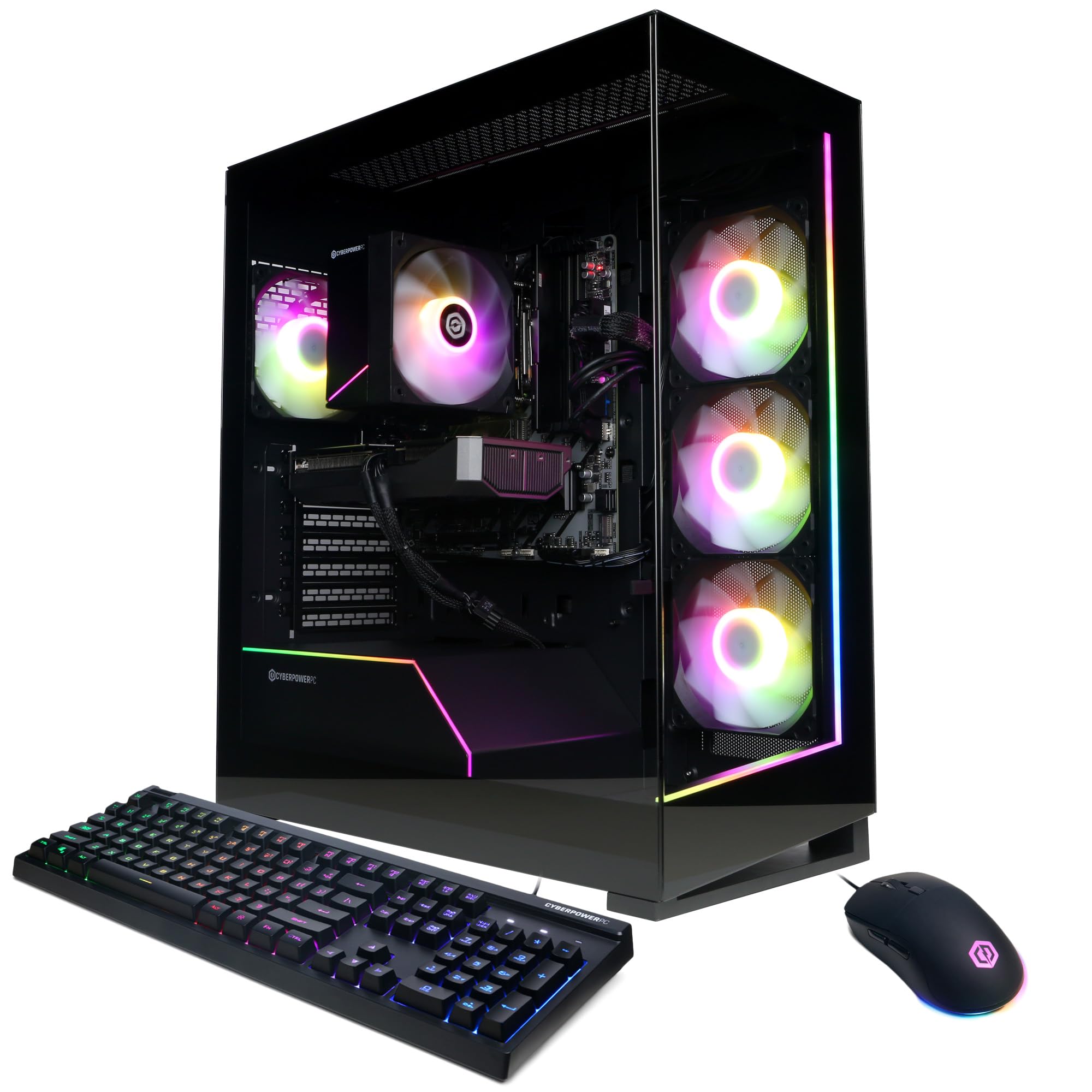
This pre-built system from CyberPowerPC packages a Ryzen 7 8700F with an RTX 5060 Ti, providing a complete mid-range gaming platform out of the box. The 8700F uses the same Zen4 architecture found in higher-end Ryzen 7 chips but lacks integrated graphics, which is irrelevant when a dedicated GPU is present.
The AM5 motherboard offers an upgrade path to future Ryzen generations, meaning you can drop in a 9800X3D later without swapping the board. The 16GB of DDR5 and 1TB Gen4 SSD handle current AAA titles comfortably, and the 850W motherboard BIOS supports the power draw of a future RTX 4080 upgrade.
Customer feedback highlights quiet operation and easy setup, though initial BIOS updates were required on some units to resolve USB power management issues. The included keyboard and mouse are functional but basic, so plan to replace them for a premium feel.
Why it’s great
- AM5 socket allows future CPU upgrades
- Quiet fans and solid build quality for the price
- Includes DDR5 and PCIe 4.0 storage
Good to know
- RTX 5060 Ti is not an RTX 4080; GPU upgrade needed later
- Some units required BIOS tweaks out of the box
6. Gigabyte GeForce RTX 4080 Super Windforce V2

The Gigabyte Windforce V2 is a reference-point RTX 4080 Super that demonstrates exactly what a well-matched CPU needs to feed. Its 2550 MHz boost clock and 16GB of GDDR6X memory provide the baseline for testing whether a processor can keep the GPU utilization above 95 percent.
The WINDFORCE cooling system uses three fans with alternate spinning to reduce turbulence, keeping the card under 70°C even during prolonged gaming. This thermal efficiency means the GPU won’t throttle, placing the onus entirely on the CPU to maintain consistent frame delivery.
When paired with a high-cache CPU like the 7800X3D or 9800X3D, the 4080 Super Windforce V2 shows minimal frame time variance at 4K, proving that the CPU is not the limiting factor. Owners should ensure their case has sufficient airflow to exhaust the GPU’s heat without raising CPU intake temperatures.
Why it’s great
- Excellent thermal performance under sustained load
- Supports full ray tracing and DLSS 3.5
- Metal backplate adds structural rigidity
Good to know
- Large size may conflict with smaller cases
- Fan bearing noise reported on some units after extended use
7. PNY GeForce RTX 4080 Super Verto OC

The PNY Verto OC sticks to an all-black, no-RGB design that appeals to builders who want a clean, professional-looking system. Its 2565 MHz boost clock is factory-overclocked out of the box, giving a small but measurable advantage in GPU-bound scenarios at 4K.
With 10240 CUDA cores and 736 GB/sec of memory bandwidth, this card pairs especially well with CPUs that have strong single-thread performance, such as the 14900K or 9800X3D. The included anti-sag bracket helps distribute the card’s weight, though some motherboards may require alternative mounting positions due to component clearance.
Under load, the Verto OC runs between 67°C and 77°C, which is well within the thermal envelope for a sustained gaming session. Owners who prioritize quiet operation should set a custom fan curve using MSI Afterburner, as the stock profile prioritizes temperature over noise.
Why it’s great
- Subtle all-black aesthetic without RGB
- Factory overclocked for extra headroom
- Includes support bracket for large GPU
Good to know
- Stock fan curve can be noisy without manual tuning
- Anti-sag bracket may not fit all motherboard layouts
8. MSI GeForce RTX 4080 Gaming X Trio

The MSI Gaming X Trio is one of the quietest RTX 4080 implementations available, with triple fans that remain inaudible at 98 percent load while keeping core temperatures around 62°C. This noise profile makes it an ideal companion for a CPU that also runs cool, such as the 7800X3D or a carefully tuned 9800X3D.
At 2610 MHz boost clock, it runs slightly faster than reference specs, providing a small but consistent edge in rasterization performance. The card’s large 13.27-inch length demands a spacious case, and the 12VHPWR connector requires three separate PCIe power cables rather than a daisy-chained pair.
Builders should confirm their PSU has three dedicated 8-pin connectors and that their case has at least 3cm of clearance beyond the card’s end for cable bend radius. The included support bracket is elegant and functional, helping protect the PCIe slot from sag-related wear over time.
Why it’s great
- Exceptionally quiet under full gaming load
- Higher boost clock than reference models
- Elegant, functional GPU support bracket
Good to know
- Requires a very wide case due to length and cable clearance
- Needs three separate PCIe power cables from PSU
9. Alienware Aurora Gaming Desktop ACT1250
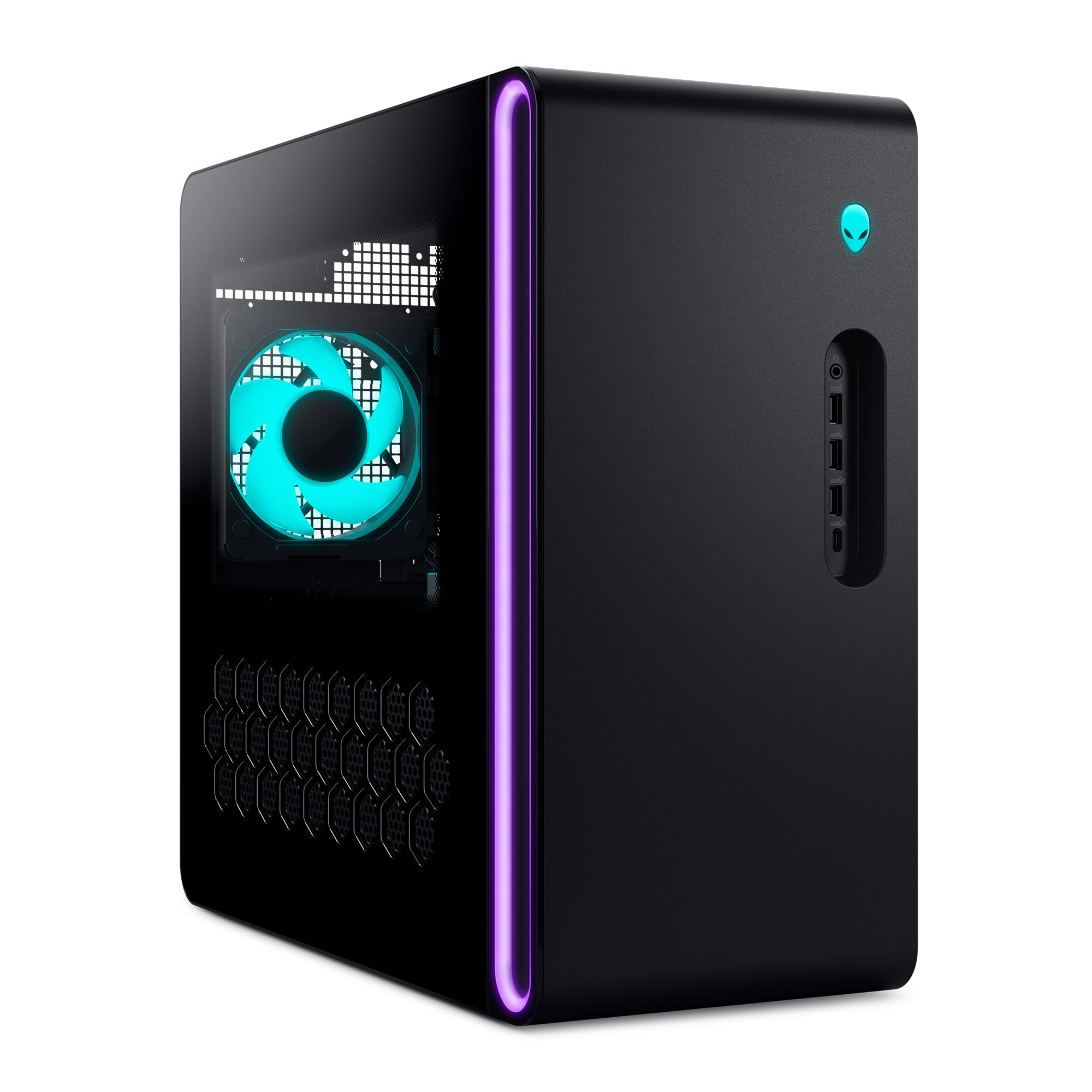
The Alienware Aurora ACT1250 offers a turnkey solution with an Intel Core Ultra 7 265F and an RTX 5070, providing enough graphics power for high-refresh 1440p gaming. The 265F uses the same Arrow Lake architecture as the Core Ultra 9 but with fewer cores, making it a budget-oriented entry into the LGA 1851 platform.
The 1000W Platinum-rated PSU provides ample headroom for a future GPU upgrade to an RTX 4080 Super, and the Alienware Command Center allows control over power states and fan curves. The case design includes front stadium lighting and a clear side panel, though some users report the cyan LEDs cannot be dimmed via software.
Customer feedback is mixed on Dell’s support experience, with some users reporting long RMA times for defective components. The system runs quietly in normal use, and the 1-year onsite service adds peace of mind for those who prefer not to troubleshoot hardware issues themselves.
Why it’s great
- 1000W Platinum PSU supports future GPU upgrades
- 1-year onsite service included
- Clean, modern case design with customizable lighting
Good to know
- Some units have defective lighting or USB-C alignment
- Dell support process can be slow for warranty claims
10. MSI Codex Z2 (Ryzen 7 8700F + RTX 5070)

The MSI Codex Z2 packages an AMD Ryzen 7 8700F with an RTX 5070, providing a balanced mid-range configuration that handles modern titles at 1440p with high settings. The 8700F’s Zen4 architecture and 5.0 GHz boost clock ensure the RTX 5070 stays fed in most gaming scenarios, though a future swap to a 9800X3D would unlock additional headroom for an RTX 4080 upgrade.
The 32GB of DDR5 memory and 2TB Gen4 NVMe SSD leave no bottleneck on the storage or memory side, and the four-system-fan configuration maintains good airflow. The MSI Center software allows RGB customization, and the tool-less side panel makes internal upgrades straightforward.
Some users have reported SSD failures and Bluetooth interference issues, likely due to the metal case shielding the internal antenna. Replacing the Wi-Fi/BT module with a PCIe card featuring an external antenna resolves the Bluetooth problem permanently.
Why it’s great
- Generous 32GB DDR5 and 2TB storage included
- AM5 socket allows drop-in CPU upgrade later
- Tool-less design simplifies future component swaps
Good to know
- SSD reliability issues reported on some units
- Bluetooth range limited by metal case interference
11. Skytech Gaming O11 Vision (Ryzen 7 9850X3D + RTX 5070 Ti)
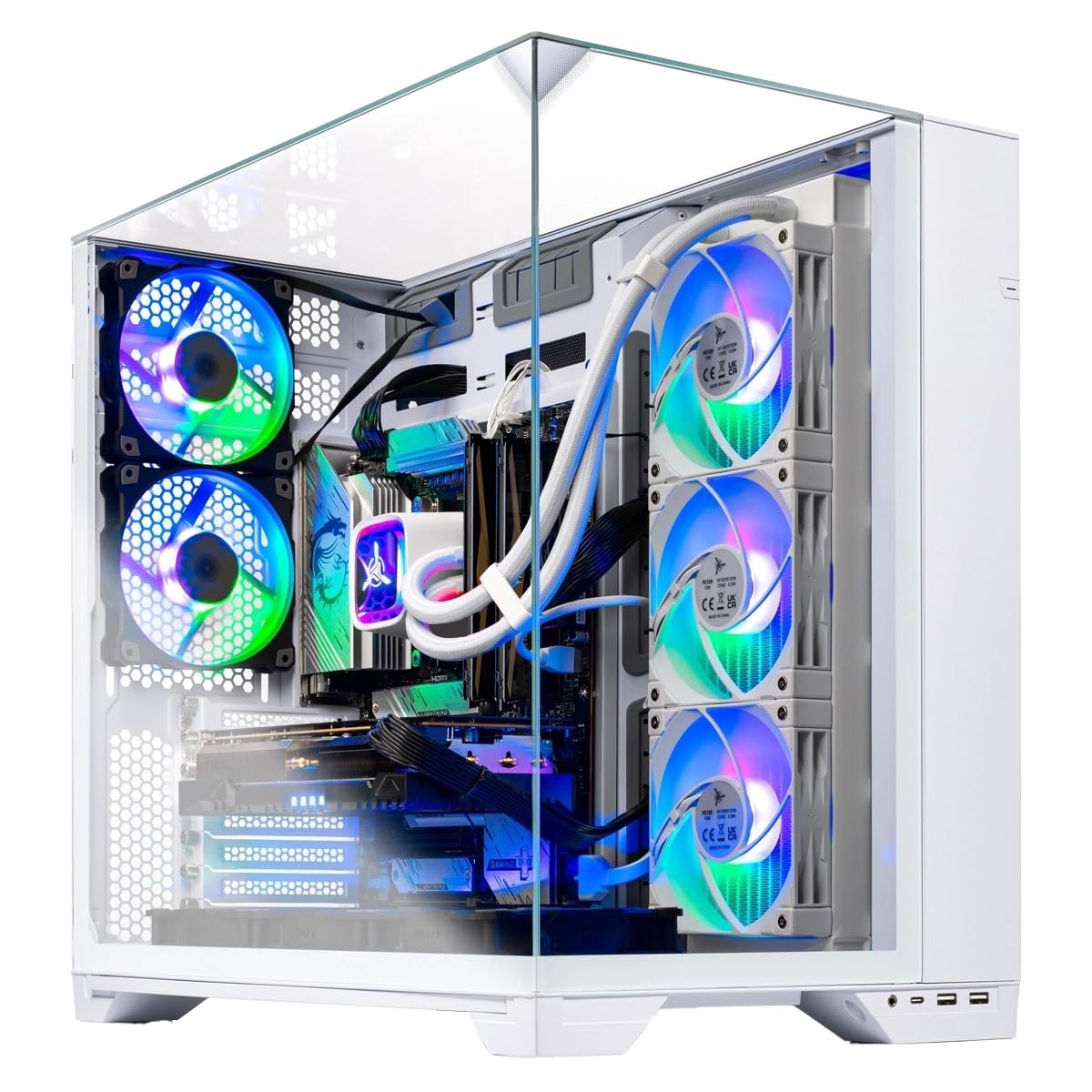
The Skytech O11 Vision is a pre-built system that brings 3D V-Cache to the RTX 4080 conversation through its Ryzen 7 9850X3D processor. With a 5.6 GHz turbo boost, 16GB of GDDR7 VRAM on the RTX 5070 Ti, and a 360mm AIO liquid cooler, this system targets high-refresh 1440p and entry-level 4K gaming without requiring any assembly.
The Lian Li O11 Vision case provides excellent airflow and a clear view of the components, while the 850W Gold ATX 3.0 PSU handles peak loads comfortably. The 2TB Gen4 NVMe SSD ensures fast level loading, and the inclusion of a keyboard and mouse makes this a true out-of-box experience.
Customer feedback is generally positive, with users reporting smooth performance in AAA titles at ultra settings. Some units shipped with varying component brands for the GPU, so the exact model of the RTX 5070 Ti may differ from unit to unit. The 1-year warranty covers parts and labor, with free lifetime technical support available.
Why it’s great
- X3D processor provides excellent gaming frame consistency
- 360mm AIO cooler keeps thermals under control
- Assembled in the USA with quality case airflow
Good to know
- GPU brand varies between units
- Premium price compared to building yourself
FAQ
Will a Ryzen 5 bottleneck an RTX 4080?
Does the RTX 4080 require a specific CPU generation?
How much RAM do I need with an RTX 4080 and a high-end CPU?
Is liquid cooling necessary for a CPU paired with an RTX 4080?
Final Thoughts: The Verdict
For most users, the best cpu for 4080 winner is the AMD Ryzen 7 7800X3D because it delivers elite gaming frame rates at a mid-range price while running cool enough for budget air coolers. If you want the absolute highest gaming performance and have room in your budget, grab the AMD Ryzen 7 9800X3D. And for content creators who need the core count for rendering alongside gaming, nothing beats the Intel Core i9-14900K.

Mo Maruf
I created WellFizz to bridge the gap between vague wellness advice and actionable solutions. My mission is simple: to decode the research and give you practical tools you can actually use.
Beyond the data, I am a passionate traveler. I believe that stepping away from the screen to explore new environments is essential for mental clarity and physical vitality.