Juggling a high-refresh-rate game with OBS encoding, Discord chat, and a browser full of stream alerts pushes a processor to its breaking point. The wrong CPU introduces micro-stutters that ruin both your gameplay footage and your on-screen reactions, making every stream feel amateurish. Choosing the right silicon is the single most impactful decision for a seamless broadcast experience.
I’m Mohammad Maruf — the founder and writer behind WellFizz. I’ve poured hours into analyzing core architectures, cache hierarchies, and benchmark data so you can buy with confidence instead of guesswork.
This guide breaks down the best cpu for gaming and streaming across every performance tier, comparing real-world frame times and multi-tasking throughput to match your exact workload.
How To Choose The Best CPU For Gaming And Streaming
Balancing a demanding game with real-time encoding requires more than just peak boost clocks. You need a processor that can allocate resources without choking either workload.
Core Count and Multi-Threading
Eight cores and sixteen threads remains the sweet spot for modern streaming. Fewer cores force the CPU to time-slice between the game engine and the encoder, creating visible frame drops. Six-core chips can work if you offload encoding to a dedicated GPU (NVENC), but for pure CPU encoding or heavy multitasking, eight cores provide the headroom to keep both tasks smooth.
Cache Architecture and Memory Latency
AMD’s 3D V-Cache technology stacks extra L3 cache directly on the CCD, drastically reducing memory latency in cache-sensitive titles. This translates to higher minimum frame rates and fewer hitches during encoding bursts. Intel’s hybrid architecture uses a combination of P-cores and E-cores to manage background stream tasks, but the flat cache topology means the core count matters more for gaming consistency.
Platform Longevity and I/O
Socket AM5 from AMD supports PCIe 5.0 for both graphics and storage, with a commitment to future CPU generations. Intel’s LGA1851 socket debuts with the Core Ultra 200 series, offering similar PCIe 5.0 lanes but a shorter upgrade path. Choosing a platform with DDR5 support and ample M.2 slots prevents bottlenecking your stream storage and game load times down the road.
Quick Comparison
On smaller screens, swipe sideways to see the full table.
| Model | Category | Best For | Key Spec | Amazon |
|---|---|---|---|---|
| AMD Ryzen 7 9800X3D | Processor | Premier Gaming & Encoding | 8C/16T, 5.2 GHz, 96MB L3 | Amazon |
| AMD Ryzen 7 7800X3D | Processor | High-End Gaming Value | 8C/16T, 5.0 GHz, 104MB Cache | Amazon |
| Intel Core Ultra 9 285K | Processor | Hybrid Workstation & Stream | 24C/24T, 5.7 GHz, 40MB Cache | Amazon |
| Intel Core Ultra 7 270K Plus | Processor | Mid-Range Enthusiast | 24C/24T, 5.5 GHz, 40MB Cache | Amazon |
| Micro Center Ryzen 5 7600X Bundle | Combo | Entry-Level AM5 Build | 6C/12T, 5.3 GHz, 38MB Cache | Amazon |
| Micro Center Ultra 7 265K Combo | Combo | Intel Mid-Range Build | 20C/20T, 5.5 GHz, 36MB Cache | Amazon |
| Cooler Master NR2 Pro (9800X3D) | Prebuilt | Compact ITX Streaming Rig | 8C/16T, 5.2 GHz, 96MB L3 | Amazon |
| Thermaltake View i570 (i9-14900KF) | Prebuilt | High-Core Intel Streamer | 24C/32T, 5.6 GHz, 32MB Cache | Amazon |
| iBUYPOWER Element (Ryzen 9 7900X) | Prebuilt | High-Core AMD Streamer | 12C/24T, 5.6 GHz, 64MB Cache | Amazon |
| MSI Codex Z2 (R7-8700F) | Prebuilt | Balanced Mid-Range Build | 8C/16T, 5.0 GHz, 18MB Cache | Amazon |
| KOTIN G60B (Ryzen 7 9700X) | Prebuilt | Feature-Rich Stream Ready | 8C/16T, 5.5 GHz, 32MB Cache | Amazon |
In‑Depth Reviews
1. AMD Ryzen 7 9800X3D
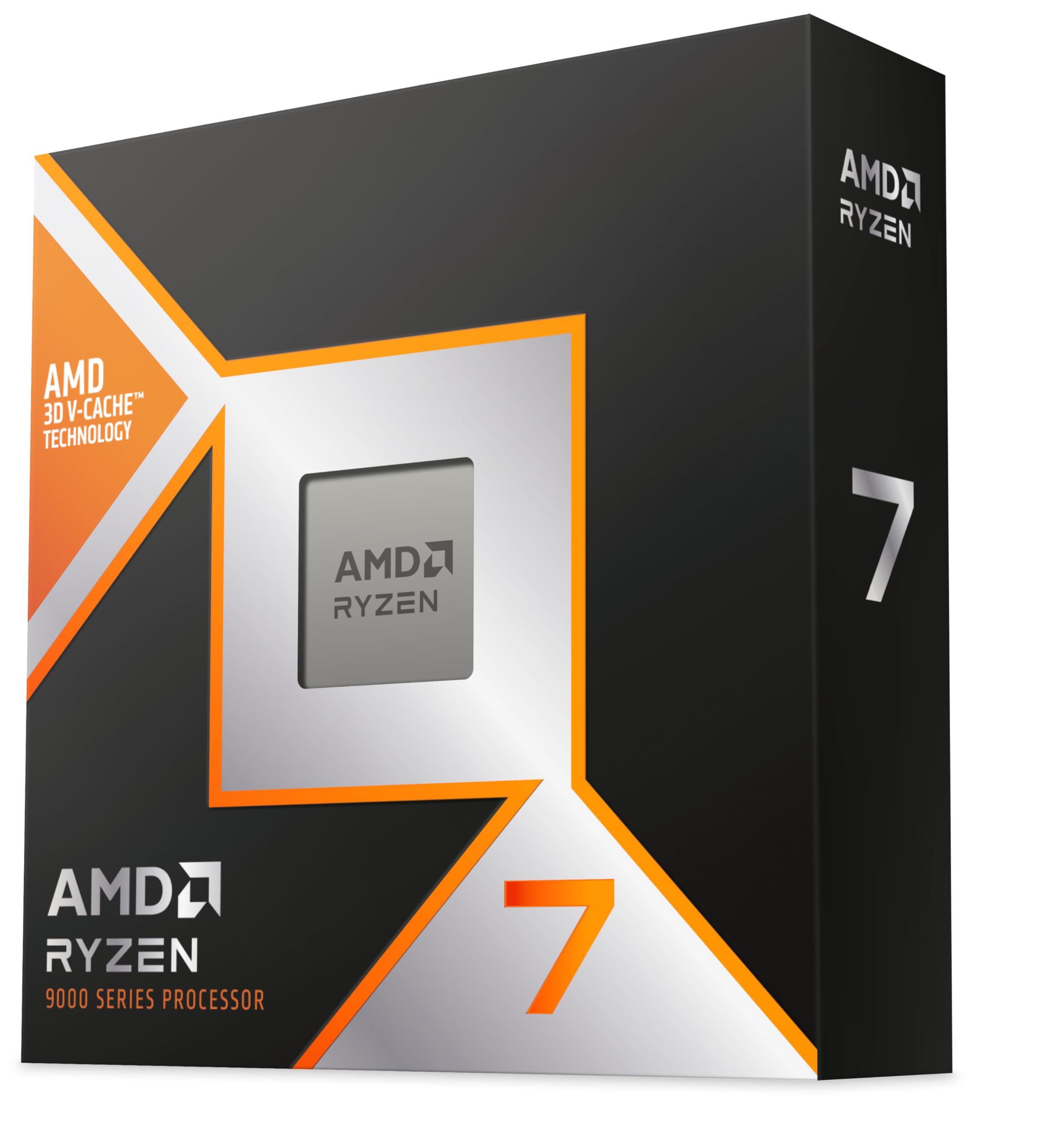
The AMD Ryzen 7 9800X3D leads the pack as the world’s fastest gaming processor thanks to its next-gen 3D V-Cache technology. With 8 Zen5 cores running up to 5.2 GHz and a massive 96MB L3 cache, this chip delivers exceptional frame consistency even while encoding a stream in the background. The stacked cache design dramatically reduces memory latency, which single-handedly eliminates the micro-stutter that plagues lesser processors during simultaneous gaming and streaming workloads.
Thermal performance has been refined over the previous generation, allowing the 9800X3D to maintain boost clocks under sustained loads. Users report impressive temperatures even with mid-range air coolers, making it a practical choice for both high-end builds and compact systems. The drop-in compatibility with existing AM5 motherboards means you can upgrade without a platform swap.
In CPU-heavy titles like Cyberpunk 2077 and Microsoft Flight Simulator, the 9800X3D pulls ahead of the 7800X3D by 10-15% in 0.1% and 1% lows, which directly translates to smoother streams. For the enthusiast who demands the absolute best in gaming frame times while maintaining a stable broadcast, this is the processor to beat.
Why it’s great
- Unmatched gaming frame consistency with 96MB 3D V-Cache
- Improved thermal characteristics over prior X3D generations
- Drop-in AM5 compatibility for easy upgrade path
Good to know
- Cooler not included in the box
- Premium price point may exceed some budgets
2. AMD Ryzen 7 7800X3D

The Ryzen 7 7800X3D remains one of the best value propositions for a dedicated gaming and streaming rig. Its 8 Zen4 cores and industry-leading 104MB of total cache (8MB L2 + 96MB L3) provide exceptional per-core performance for gaming, while the extra cache headroom absorbs encoding overhead without noticeably degrading frame rates. Users report running OBS at medium preset alongside demanding titles with zero perceptible lag.
Power efficiency is a standout feature here. With a typical gaming power draw around 75W and full-load temperatures hovering between 65-70°C with standard coolers, this chip stays remarkably cool and quiet even during extended streaming sessions. The 5.0 GHz boost clock may seem modest compared to higher-clocked alternatives, but the cache advantage more than compensates in real-world gaming scenarios.
Customer feedback consistently highlights the stability and reliability of this processor, with many users reporting seamless multitasking across games, streaming software, and background applications. For builders targeting 1440p or 4K gaming with a dedicated stream PC or single-PC setup, the 7800X3D delivers flagship-level performance without the flagship-level price.
Why it’s great
- Outstanding efficiency with low power draw and cooling needs
- Massive 104MB cache prevents gaming micro-stutters
- Proven stability with thousands of positive user reports
Good to know
- Base clock limited to 4.2 GHz for low-threaded tasks
- Cooler not included, factor in an aftermarket solution
3. Intel Core Ultra 9 285K

The Intel Core Ultra 9 285K represents Intel’s top-tier hybrid architecture with 8 P-cores and 16 E-cores, totaling 24 threads that boost up to 5.7 GHz. This configuration excels in multi-threaded encoding workloads, allowing the E-cores to handle stream encoding and background tasks while the P-cores focus entirely on game rendering. The result is a processor that absolutely crushes productivity and content creation alongside gaming.
Thermal behavior has improved over the 13th and 14th generation parts, with users reporting stable operation around 73-78°C under Cinebench loads with a 360mm AIO. The memory controller supports DDR5 up to 7200 MT/s, and the LGA1851 platform brings PCIe 5.0 support for the fastest GPUs and SSDs. For streamers who also edit, render, or compile, the 24 threads provide tangible gains that a pure gaming chip cannot match.
While gaming performance doesn’t consistently beat the 9800X3D in cache-sensitive titles, the Core Ultra 9 offers compelling versatility. The integrated Intel Graphics can serve as a dedicated encoding engine via QuickSync, freeing your discrete GPU for pure game rendering. This makes the 285K a strong choice for single-PC streamers who prioritize multitasking throughput over absolute peak gaming frame rates.
Why it’s great
- 24 threads handle encoding and background tasks with ease
- Improved thermals and stability over prior generations
- QuickSync encoding offloads stream work from GPU
Good to know
- Requires LGA1851 motherboard and 800-series chipset
- High power draw under turbo loads (250W max)
4. Intel Core Ultra 7 270K Plus
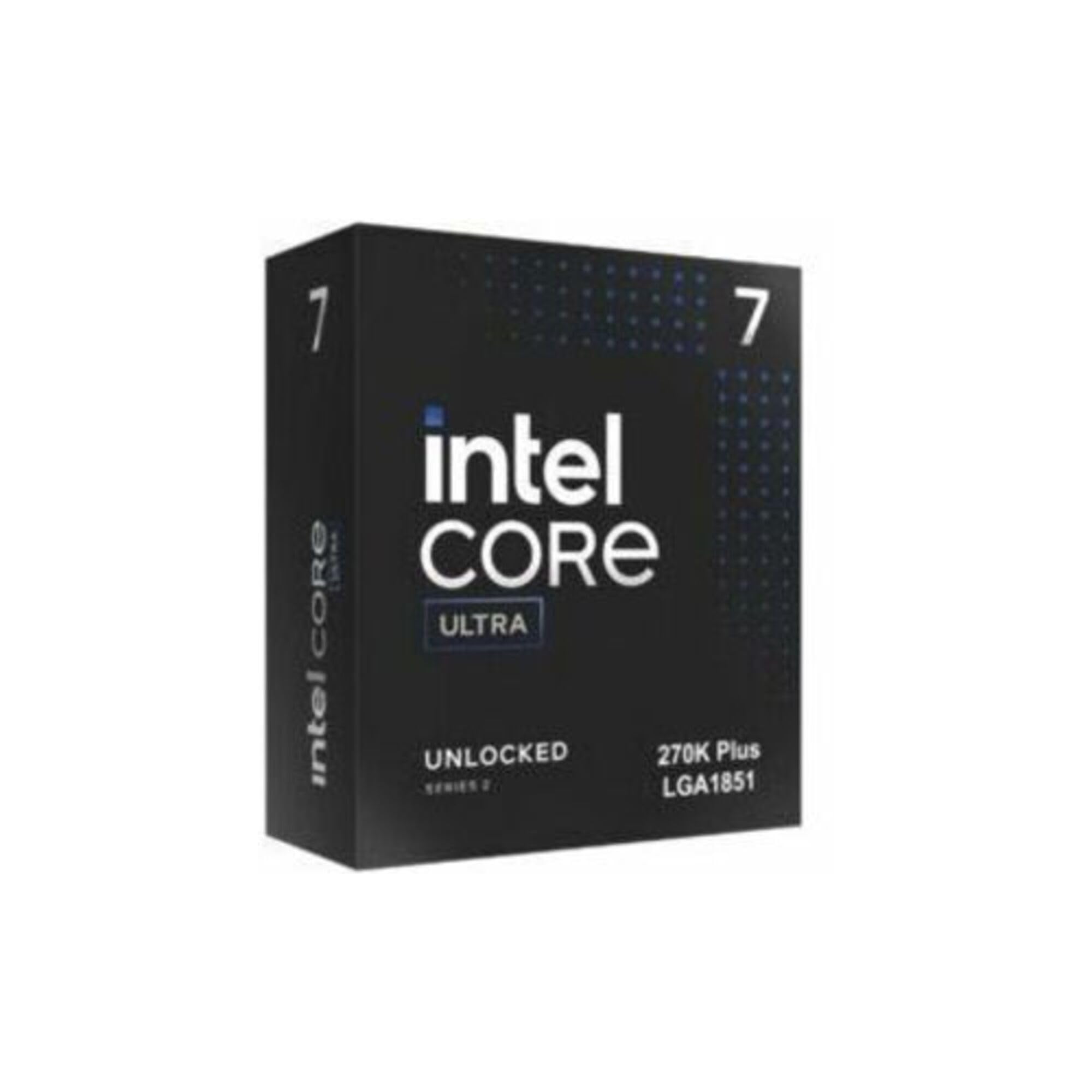
The Intel Core Ultra 7 270K Plus punches well above its price point, offering the same 24-core count (8 P-cores + 16 E-cores) as the flagship 285K at a significantly lower cost. Boost clocks reach 5.5 GHz, and the 40MB cache provides solid cache-to-core bandwidth for gaming. Users upgrading from previous-gen Intel parts report noticeable gains in VR environments and simulation gaming, where consistent frame timing is critical.
Real-world testing shows the 270K Plus often matches or even slightly outperforms the 285K in single-threaded gaming benchmarks, despite the lower peak boost. The unlocked multiplier allows enthusiast overclocking with Z-series motherboards, and the integrated memory controller handles DDR5 up to 7200 MT/s without issue. For a mid-range build that prioritizes core count for streaming overhead, this chip delivers remarkable value.
Customer feedback emphasizes the cost savings compared to both the 285K and comparable AMD offerings, with some users saving over a hundred dollars by choosing this chip without sacrificing gaming performance. The 125W base power and 250W turbo power require capable cooling, but the performance per dollar is outstanding for a hybrid architecture design.
Why it’s great
- Same 24-core count as the flagship for less cost
- Excellent single-threaded gaming performance
- Unlocked for enthusiast overclocking
Good to know
- Requires LGA1851 motherboard (800-series chipset)
- Needs robust cooling for sustained turbo loads
5. Micro Center AMD Ryzen 5 7600X + ASUS B650E Bundle
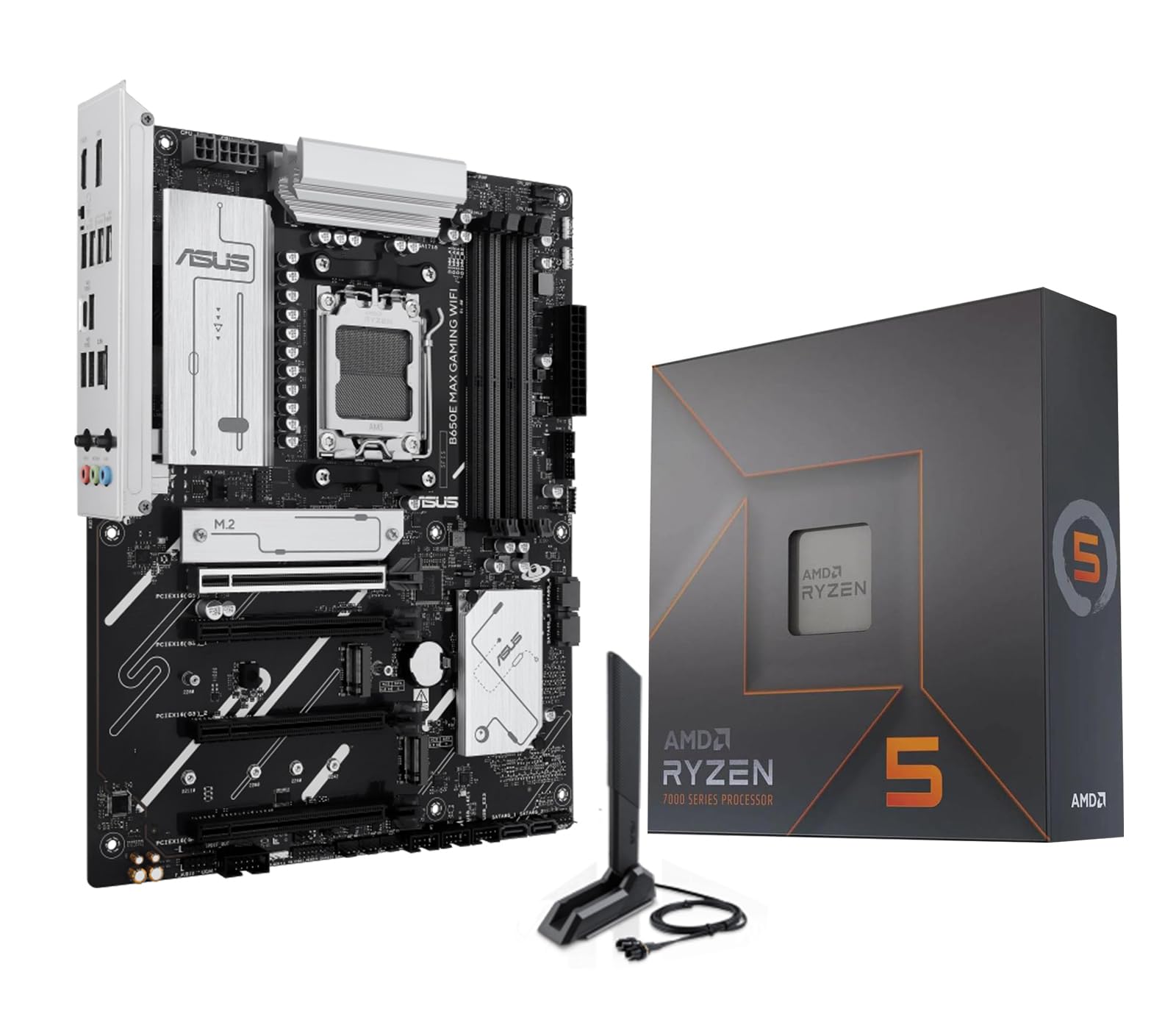
This Micro Center bundle pairs the Ryzen 5 7600X with an ASUS B650E Gaming WiFi motherboard, providing an economical entry point into the AM5 ecosystem. The 7600X features 6 Zen4 cores running up to 5.3 GHz with 38MB total cache, offering fast single-threaded performance for gaming. While six cores are on the lower end for heavy streaming, the chip can handle light encoding if you offload the bulk of stream work to NVENC on your GPU.
The included motherboard supports PCIe 5.0 for both GPU and storage, dual-channel DDR5 up to 8000 MT/s, and features like Wi-Fi 6E and Bluetooth 5.3. The 8+2+1 phase power design provides clean power delivery for the 7600X and leaves headroom for a future CPU upgrade. This combo effectively future-proofs your platform while keeping the initial investment manageable.
Customer reviews highlight flawless operation for modern games and smooth multitasking for less demanding streaming setups. The 3D V-Cache of the X3D parts isn’t present here, so cache-sensitive games may see less impressive 1% lows, but for 1080p high-refresh gaming paired with a dedicated stream card or second PC, this bundle is a competent and cost-effective starting point.
Why it’s great
- Complete AM5 platform bundle at a single purchase price
- Motherboard supports future Ryzen 9000/8000 series upgrades
- Strong single-threaded gaming performance for the cost
Good to know
- 6 cores limit heavy multitasking during streaming
- No cooler or thermal solution included
6. Micro Center Intel Core Ultra 7 265K + ASUS Z890 Bundle
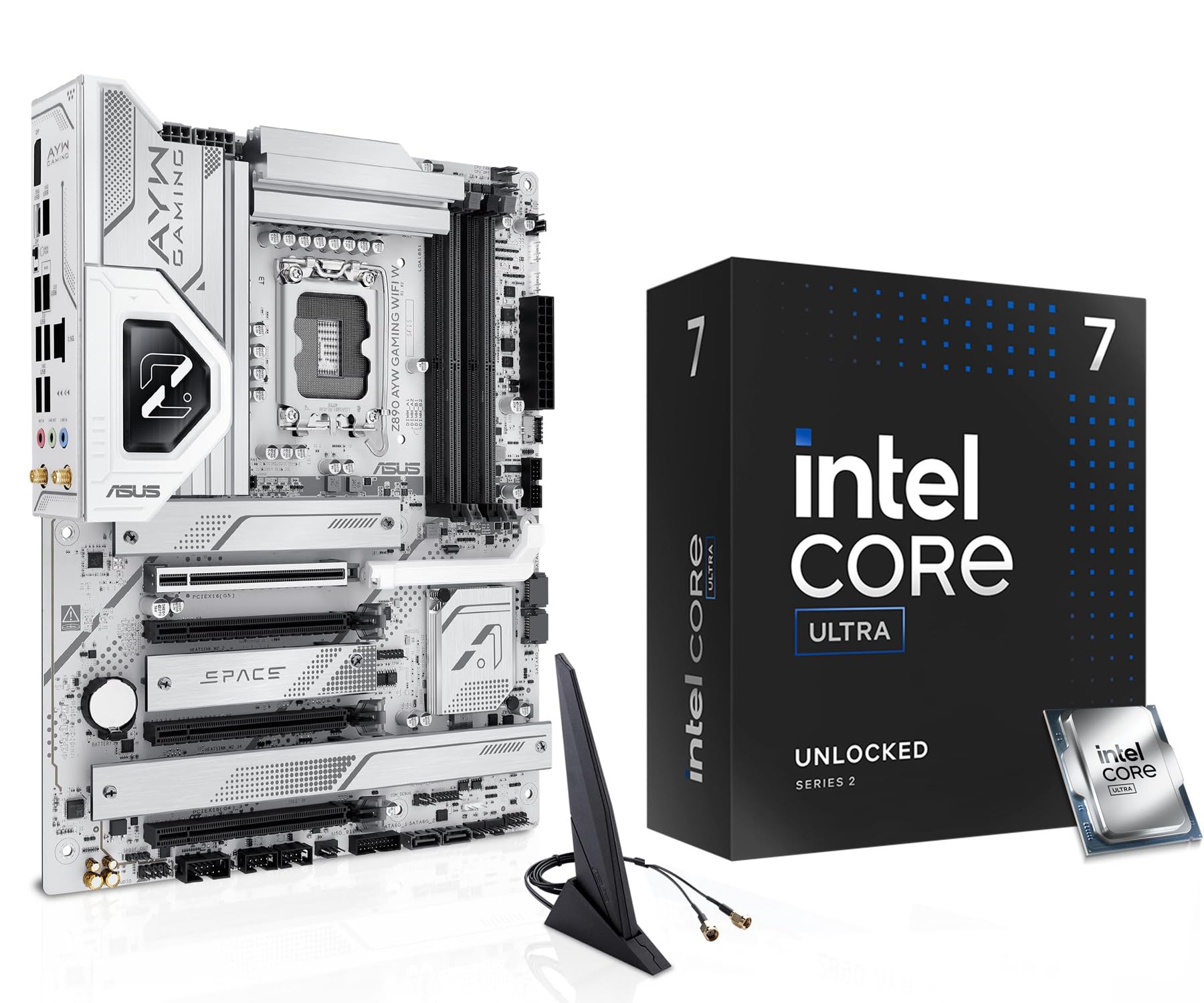
For builders leaning toward the Intel side, this Micro Center bundle combines the Core Ultra 7 265K with an ASUS Z890 AYW Gaming WiFi motherboard. The 265K features 20 cores (8 P-cores + 12 E-cores) boosting to 5.5 GHz, providing strong multi-threaded performance for streaming and encoding tasks. The 36MB cache is decent for gaming, though it lacks the massive L3 pool of AMD’s X3D parts.
The Z890 motherboard offers robust power delivery with 12+1+2+1 80A DrMOS stages, PCIe 5.0 M.2 support, Wi-Fi 6, and Q-Release features that simplify building. The bundle includes DDR5 compatibility and a BIOS FlashBack button for easy updates. This combination provides a complete platform that can handle demanding workloads like video editing and heavy multitasking alongside gaming.
User experiences are generally positive, with several builders noting the smooth setup and immediate performance uplift over older Intel platforms. A few customers caution about the need for a high-end cooler and two 8-pin motherboard power connectors, which may not be immediately obvious from the packaging. For streamers who prefer Intel’s architecture and want a unified platform purchase, this combo delivers solid value at a mid-range price point.
Why it’s great
- 20-core hybrid architecture handles encoding overhead easily
- Motherboard includes PCIe 5.0 and robust power stages
- All-in-one purchase simplifies the building process
Good to know
- Cooler not included; requires capable solution
- Motherboard needs two 8-pin CPU power plugs
7. Cooler Master NR2 Pro (Ryzen 7 9800X3D)
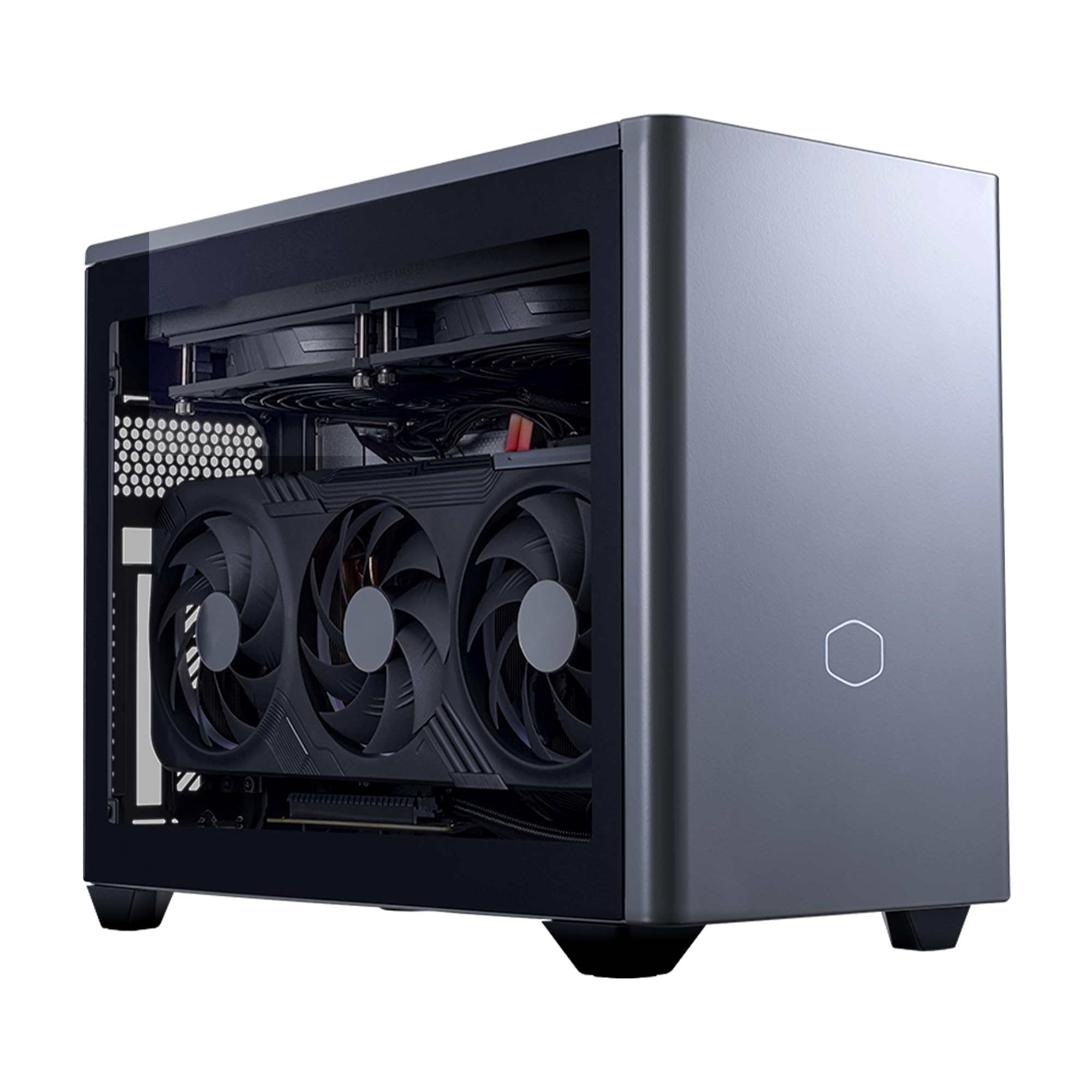
The Cooler Master NR2 Pro is a prebuilt Mini ITX system that crams the flagship 9800X3D into an 18.25L chassis without sacrificing performance. Paired with an RTX 5070 Ti 16GB, 32GB of DDR5 6000MHz, and a 2TB Gen4 M.2 SSD, this compact machine is designed for streamers who need a powerful yet space-saving setup. The 280mm AIO liquid cooler keeps the 9800X3D well within thermal limits during extended gaming and streaming sessions.
The B850I AORUS PRO motherboard supports PCIe 5.0 and the latest NVMe drives, while the 850W 80+ Gold PSU provides clean power for the high-end components. The system includes both glass and mesh side panels, allowing users to prioritize thermal performance or aesthetics. The small form factor makes it easy to transport for LAN events or between rooms.
Customer reviews praise the out-of-box performance and quiet operation, with many noting the system handles AAA games at 1080p with well over 300 FPS on ultra settings. Some users reported needing to reseat the GPU riser cable upon arrival, pointing to occasional quality control issues. For streamers who value desk space and portability without compromising on the best gaming CPU available, this prebuilt is a compelling option.
Why it’s great
- Flagship 9800X3D in a compact, portable chassis
- 280mm AIO keeps thermals under control
- Powerful RTX 5070 Ti with 16GB VRAM
Good to know
- Premium price point reflects the small form factor
- Potential quality control issues with GPU riser connection
8. Thermaltake View i570 (Intel Core i9-14900KF)
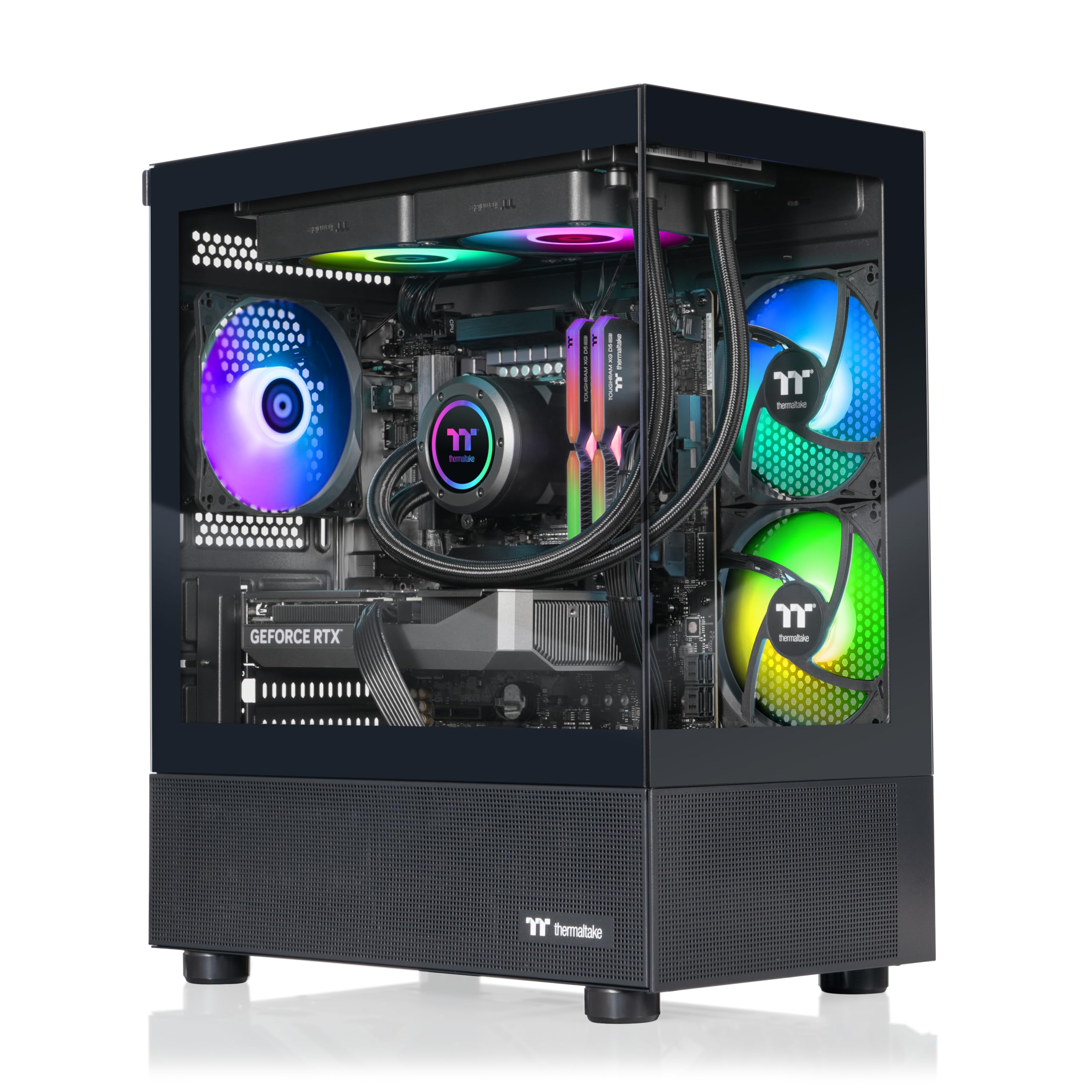
The Thermaltake View i570-170 pairing the Intel Core i9-14900KF with an RTX 5070 is built for streamers who want Intel’s highest core count. The 14900KF features 8 P-cores and 16 E-cores for a total of 32 threads, providing exceptional multi-tasking headroom for encoding, web browsing, and chat apps while gaming. The 5.6 GHz boost clock ensures snappy single-threaded response in competitive titles.
Cooling is handled by a 240mm closed-loop liquid cooler, which keeps the i9 under control during sustained loads. The system includes 32GB of DDR5 6000MT/s RGB memory and a 1TB NVMe M.2 SSD. The ventilated side mount radiator support and power cover contribute to a clean, well-ventilated build. The RTX 5070 handles 1440p and 4K gaming capably, with DLSS 4 Multi Frame Generation, further reducing the CPU encoding burden.
User feedback highlights the lack of bloatware, quiet operation, and rock-solid stability with games like Cyberpunk, Rust, and Helldivers. A few customers noted slight fan noise under load, but generally found the system to be much quieter than comparable prebuilts. For streamers who rely on CPU encoding for its quality benefits, the extra threads of the i9-14900KF provide a meaningful advantage over 8-core alternatives.
Why it’s great
- 32 threads handle heavy CPU encoding with ease
- 240mm AIO keeps temperatures in check
- Clean, bloatware-free system out of the box
Good to know
- No integrated graphics (KF suffix)
- Fans become audible under sustained gaming load
9. iBUYPOWER Element (Ryzen 9 7900X)
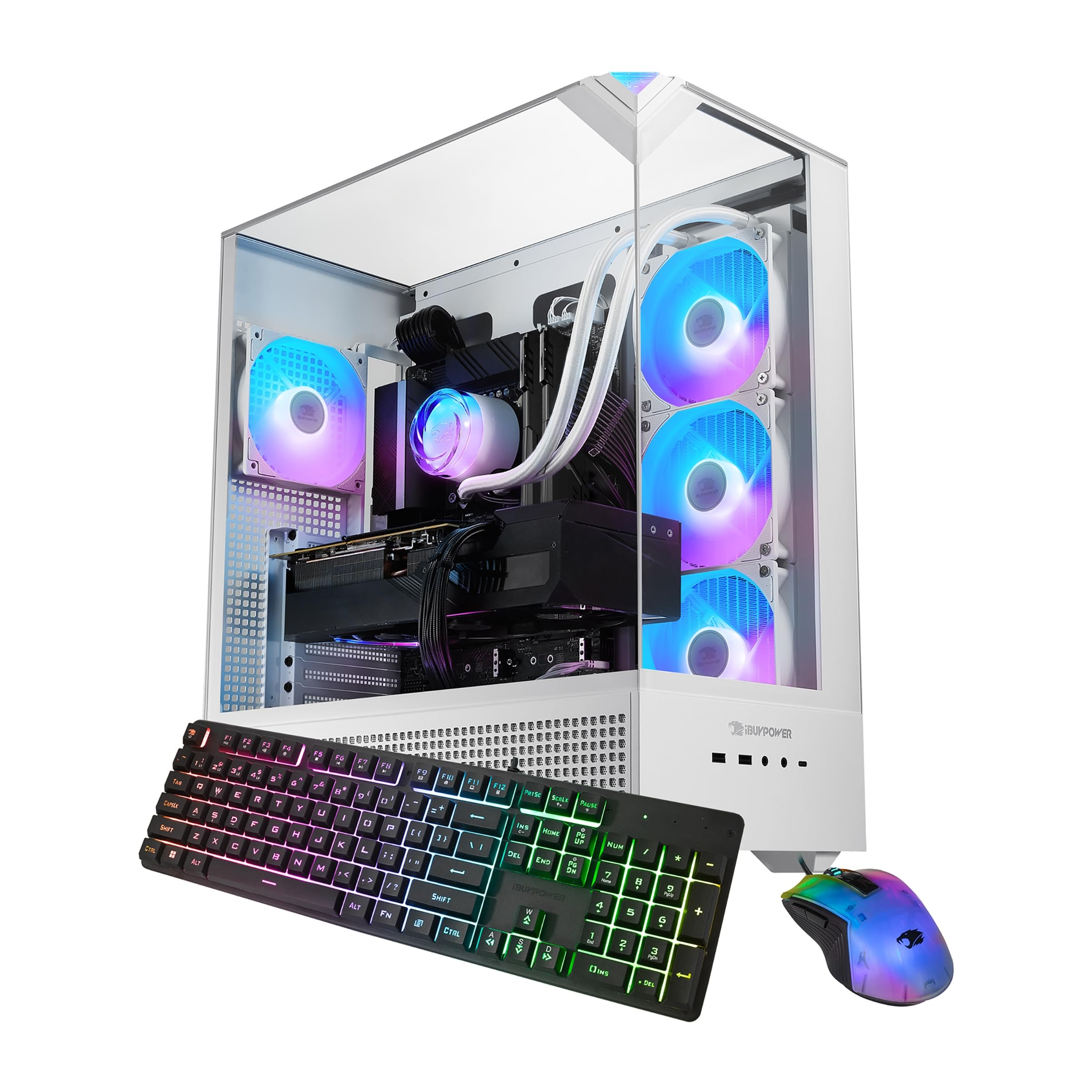
The iBUYPOWER Element pairs the 12-core Ryzen 9 7900X with an RTX 5070, creating a workstation-class streaming rig. The 7900X features Zen4 architecture with 24 threads and a 5.6 GHz boost clock, providing immense headroom for encoding, rendering, and multitasking. The 64MB L3 cache (8MB L2 + 56MB L3) helps gaming performance, though it lacks the game-changing 3D V-Cache of the X3D parts.
The system includes 32GB of DDR5 RGB memory, a 1TB NVMe SSD, and a tempered glass case with RGB lighting. iBUYPOWER advertises no bloatware, and the system comes with a gaming keyboard and mouse included. The water cooling solution keeps thermals manageable, and the 12 cores allow you to assign multiple threads to encoding while leaving ample resources for the game engine.
Customer experiences are mixed, with many praising the system’s ability to run modern games at high settings while streaming, but some reporting issues with RGB lighting, USB port misalignment, and lack of GPU packing foam. For builders who want AMD’s higher core count for heavy multitasking but prefer a prebuilt solution, this Element delivers raw compute power at a competitive price.
Why it’s great
- 12 cores provide serious encoding and multitasking headroom
- RGB case and peripherals included in the package
- Water cooling handles the 7900X’s thermal output
Good to know
- Build quality issues reported by some customers
- Lacks 3D V-Cache advantage of X3D chips
10. MSI Codex Z2 (Ryzen 7 8700F)

The MSI Codex Z2 strikes a careful balance with its Ryzen 7 8700F, a dedicated 8-core Zen4 processor that hits 5.0 GHz boost clocks. Paired with an RTX 5070 and 32GB of DDR5, this system is designed for smooth 1440p gaming and efficient streaming. The 8700F includes an integrated Radeon Graphics controller for basic display output, though serious streamers will rely entirely on the discrete GPU for rendering and encoding.
Air cooling via four system fans (three front intake, one rear exhaust) keeps the interior airflow positive, and the MSI Center software allows RGB customization. The system includes a USB Type-C port, Ethernet, HDMI, and LAN connectivity. The 1TB NVMe M.2 SSD provides fast load times for games and stream software.
Customer feedback is largely positive, with many users reporting buttery smooth performance on games like Frostpunk 2 at 4K across multiple monitors. Some customers experienced Bluetooth issues and one case of SSD failure requiring RMA. For streamers who prefer a prebuilt with good airflow and an 8-core CPU that won’t bottleneck most modern titles, the Codex Z2 is a reliable mid-range option.
Why it’s great
- 8-core/16-thread processing handles gaming and light streaming
- Strong airflow design with four system fans
- Compact case with easy upgrade access
Good to know
- Bluetooth module may require aftermarket upgrade
- Potential quality control variability
11. KOTIN G60B (Ryzen 7 9700X)
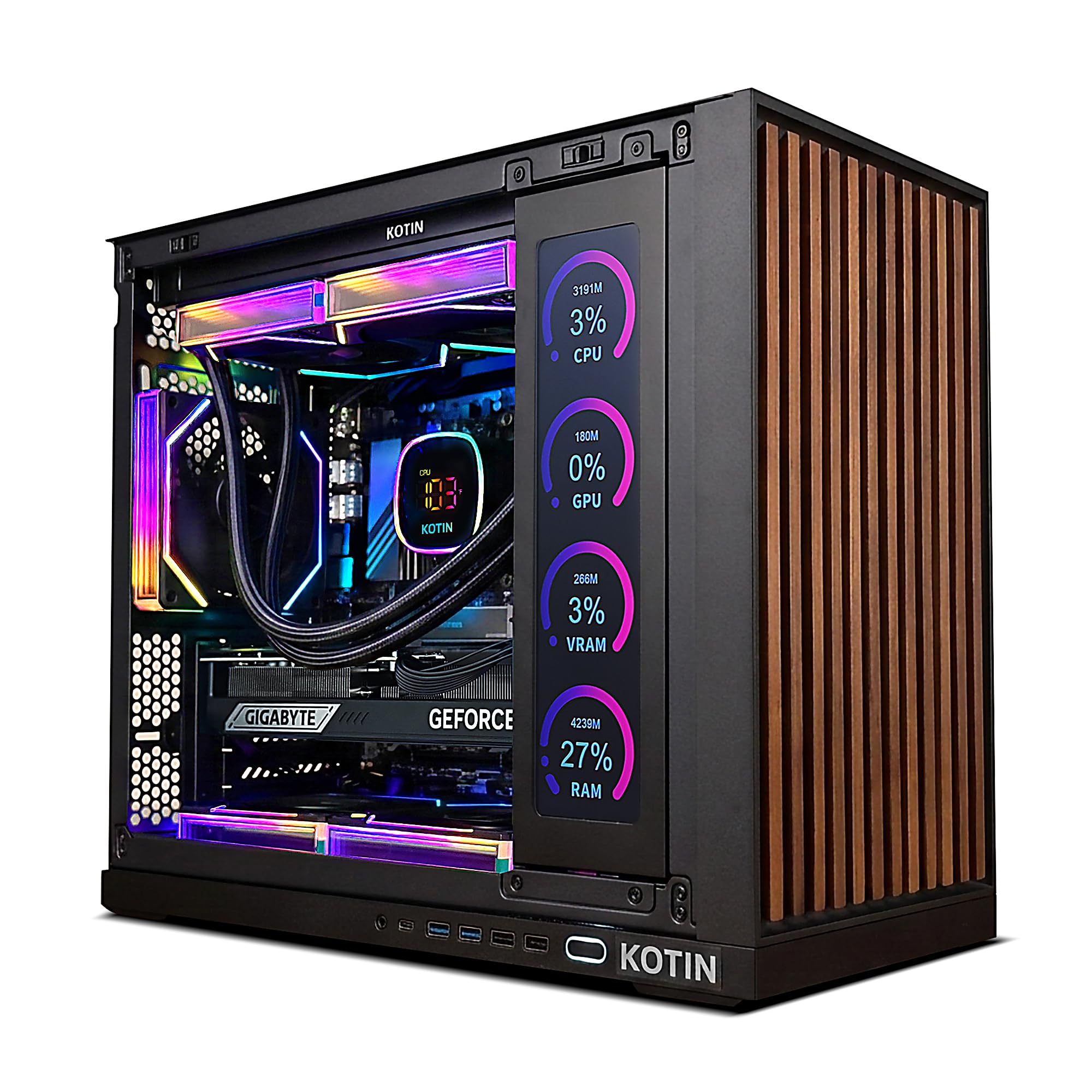
The KOTIN G60B stands out with its 11.3-inch smart display that shows real-time system info like CPU temperature, weather, and time, giving streamers an integrated monitoring panel inside the case. Under the hood, it pairs a Ryzen 7 9700X (8 cores, 5.5 GHz boost) with an RTX 5070, offering strong 1440p and 4K gaming performance. The 360mm AIO cooler with a digital temperature display ensures the CPU stays cool even during extended streaming sessions.
Memory and storage include 32GB of DDR5 6000MHz and a 1TB PCIe 4.0 SSD, with additional M.2 slots for future expansion. The 850W 80+ Gold PSU provides clean power for the high-end components, and the system includes Wi-Fi 7 for low-latency streaming connectivity. KOTIN offers a 1-year parts and labor warranty with lifetime technical support, all from their California assembly facility.
Customer reviews reveal a mixed experience. While many praise the design and out-of-box functionality, several users reported issues with the side display not functioning properly and intermittent booting problems. Customer service was noted as exceptional in resolving issues, but the quality control appears inconsistent. For streamers who want a visually distinctive system with robust cooling and a helpful monitoring screen, the G60B offers unique appeal despite some reliability concerns.
Why it’s great
- 11.3-inch smart display for real-time system monitoring
- 360mm AIO cooler with temperature readout
- Wi-Fi 7 and 850W Gold PSU included
Good to know
- Quality control issues reported with LCD and booting
- Some customers experienced DOA units or crashes
FAQ
How many cores do I need for gaming and streaming on a single PC?
Is Intel QuickSync useful for streaming?
Does 3D V-Cache help with streaming performance?
Should I use CPU or GPU encoding for streaming?
Final Thoughts: The Verdict
For most users, the cpu for gaming and streaming winner is the AMD Ryzen 7 9800X3D because its 3D V-Cache delivers unmatched gaming frame consistency while its 8-core/16-thread design handles encoding overhead without breaking a sweat. If you want maximum multitasking throughput with 32 threads, grab the Thermaltake View i570 with the Intel i9-14900KF. And for a compact, portable build that doesn’t compromise on raw gaming power, nothing beats the Cooler Master NR2 Pro featuring the 9800X3D.

Mo Maruf
I created WellFizz to bridge the gap between vague wellness advice and actionable solutions. My mission is simple: to decode the research and give you practical tools you can actually use.
Beyond the data, I am a passionate traveler. I believe that stepping away from the screen to explore new environments is essential for mental clarity and physical vitality.