Our readers keep the lights on and my smoothie glass nicely filled. As an Amazon Associate, I earn from qualifying purchases.
Sandy soil drains fast, warms quickly in spring, and is easy to work — but that same loose structure lets water and nutrients leach away before your plants can use them. Without a living root system holding things together, your garden topsoil literally washes down the slope after every heavy rain. The right cover crop changes that dynamic by anchoring particles, building organic matter, and fixing nitrogen directly into the root zone where it matters most.
I’m Mohammad Maruf — the founder and writer behind WellFizz. I’ve spent hundreds of hours analyzing seed genetics, germination data, and field trial feedback to identify which varieties actually perform when sand is the starting point.
This guide breaks down specific species and blends that thrive in fast-draining, low-fertility ground so you can rebuild your soil profile without guesswork. You’ll find the best cover crops for sandy soil ranked by real-world performance and measurable soil-building results.
How To Choose The Best Cover Crops For Sandy Soil
Sandy ground presents a unique set of challenges: low water-holding capacity, rapid nutrient leaching, and minimal organic matter. The cover crop you select must be able to establish quickly, produce a fibrous root system, and tolerate periods of dryness between rains. Here are the key factors to evaluate before buying.
Root Architecture and Organic Matter Building
The single most important trait for sandy soil is root mass. Grasses like winter rye develop dense, fibrous root networks that physically bind sand particles and reduce erosion. Legumes such as clover and vetch add nitrogen, but their taproots access deeper moisture and break up compaction. A blend that combines both root types accelerates soil structure improvement faster than any single species.
Nitrogen Fixation and Nutrient Cycling
Sandy soil loses nitrogen quickly because there’s little clay or organic matter to hold it. Legume cover crops host rhizobia bacteria that convert atmospheric nitrogen into plant-available forms. Crimson clover, hairy vetch, and white ladino clover are proven nitrogen producers. When you terminate the crop and incorporate the residue, that stored nitrogen becomes available for your next vegetable or grain crop, replacing a significant portion of synthetic fertilizer needs.
Establishment Speed and Seasonal Timing
Fast germination is critical in sandy soil because surface moisture evaporates quickly. Buckwheat can germinate in three to five days and provides rapid canopy closure that shades out weeds and reduces evaporation. Winter rye is slower to establish but continues root growth after frost, holding soil through the off-season. Match your planting window — fall-seeded cereals versus spring-seeded warm-season annuals — to your regional climate zone for the best stand density.
Quick Comparison
On smaller screens, swipe sideways to see the full table.
| Model | Category | Best For | Key Spec | Amazon |
|---|---|---|---|---|
| Outsidepride Perennial White Ladino Clover | Perennial Legume | Long-term soil feeding and grazing | Nitrocoated and inoculated for fast establishment | Amazon |
| Eretz Cover Crop Seed Blend | Mixed Species | Building organic matter fast | 4-way blend: vetch, clover, peas, oats | Amazon |
| Outsidepride Buckwheat Seeds | Warm-Season Annual | Quick summer cover and bee pasture | Germinates in 3–5 days with minimal water | Amazon |
| CZ Grain No-Till Winter Rye | Cereal Grass | Erosion control and weed suppression | Hardy to USDA Zone 2, overwinters well | Amazon |
| Eretz Crimson Clover Seed | Annual Legume | Nitrogen fixation and pollinator habitat | 99% pure seed, Oregon-grown, no fillers | Amazon |
In‑Depth Reviews
1. Outsidepride Perennial White Ladino Clover Seed
Ladino clover is a giant white clover that persists year after year in USDA Zones 3 through 10, making it the longest-lasting nitrogen-fixing option for sandy ground. The nitrocoating and inoculation treatments built into these seeds improve water retention around each kernel — a critical advantage when planting into fast-drying sand. Reviewers consistently report germination within 14 days with nothing more than daily watering, and the clover fills bare patches that grass alone never colonized.
This clover’s deep taproot reaches moisture that surface roots cannot access, which explains why it tolerates drought better than most legumes. Once established, the dense mat of foliage shades the soil surface, reducing evaporation and suppressing summer weeds. The blooms attract honeybees and native pollinators, adding biodiversity to what was previously a low-fertility zone.
For sandy soil restoration, the perennial habit means you do not have to reseed every season. The nitrogen fixed in the root nodules builds fertility gradually, and the decomposing root channels improve water infiltration over multiple growing seasons. Users report excellent propagation rates from the first season, with the clover thickening each year without additional input.
Why it’s great
- Perennial habit eliminates annual reseeding
- Nitrocoated seeds improve germination in dry sand
- Drought-tolerant once established
Good to know
- Slower initial establishment than annual clovers
- Higher price point reflects premium processing
2. Eretz Cover Crop Seed Blend
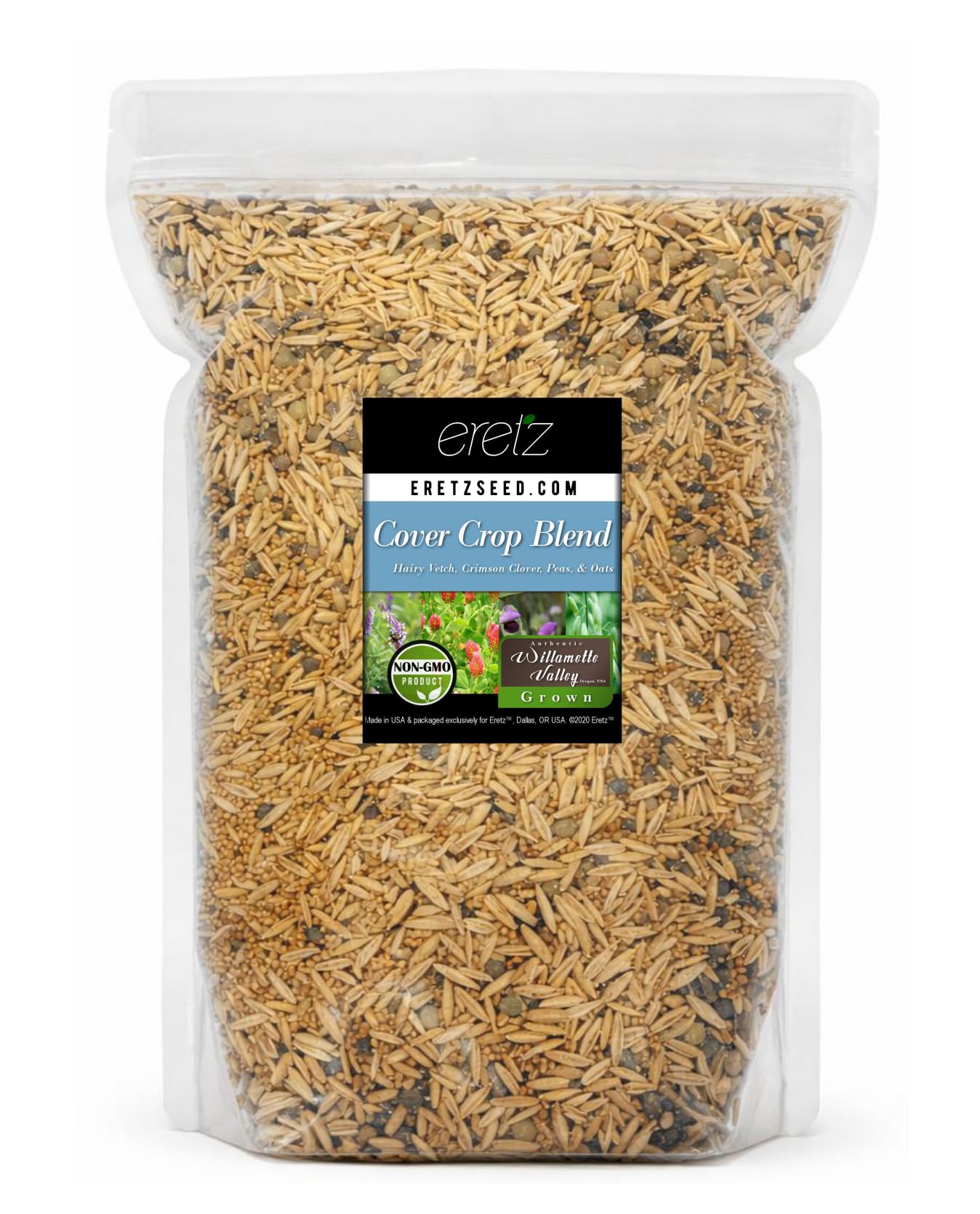
This blend combines hairy vetch, crimson clover, field peas, and white oats in equal 25-percent ratios, creating a multi-functional cover that addresses several sandy-soil limitations at once. The oats establish a fibrous root system quickly, providing erosion protection while the slower legumes get started. As the season progresses, the vetch and clover fix nitrogen, and the pea vines add biomass that breaks down into organic matter.
Reviews note that the mix germinated within two days for the oats, with peas following shortly after. By early spring, the plot became a dense green mat of vetch, pea, and clover. One user tilled the blend into their 12-by-26-foot garden and immediately noticed improved soil structure and better vegetable performance compared with previous seasons. The different flower colors — purple, red, and white — attract bees and beneficial insects throughout the bloom period.
The key advantage for sandy soil is the combination of deep taproots from the vetch and peas with the surface-binding oat roots. This dual-layer root architecture holds sand particles at multiple depths, reducing wind and water erosion more effectively than a single species. The oats also act as a trellis for the climbing vetch, preventing the legumes from lying flat on the soil surface where they could rot in damp conditions.
Why it’s great
- Four-species blend creates diverse root architecture
- Oats provide quick canopy closure
- Oregon-grown, weed-free, and GMO-free
Good to know
- Oats are winter-killed in cold zones, leaving bare spots
- Requires mowing or tillage before seed set
3. Outsidepride Buckwheat Seeds
Buckwheat is the fastest warm-season cover crop you can plant, germinating within three to five days and reaching flowering height in about five weeks. For sandy soil, speed matters because bare ground loses moisture and nutrients rapidly. Buckwheat’s canopy closes quickly, shading the soil surface, reducing evaporation, and suppressing pigweed and foxtail that thrive in disturbed sand.
This Outsidepride variety is grown as a summer annual and thrives in loam to sandy-loam textures with minimal fertilizer. The white flowers open in succession over several weeks, attracting honeybees, bumblebees, and native solitary bees. One reviewer described their buckwheat patch as a “pollinator magnet,” noting that the bee activity was dense enough to hear from twenty feet away. When cut down before seed set, the succulent biomass breaks down rapidly, releasing phosphorus that is often locked up in acidic sandy soils.
Buckwheat does not overwinter, so it is best used as a summer rotation between spring and fall crops. The 5-pound bag covers roughly 1,600 square feet at the recommended rate, making it cost-effective for large garden beds. The only caution is that buckwheat can become weedy if allowed to go to seed, so terminate it right after flowering begins for maximum green manure benefit.
Why it’s great
- Extremely fast germination and canopy closure
- Attracts high numbers of pollinators
- Low water requirement once established
Good to know
- Killed by first frost — no winter cover
- Can reseed aggressively if cutting is delayed
4. CZ Grain No-Till Winter Rye
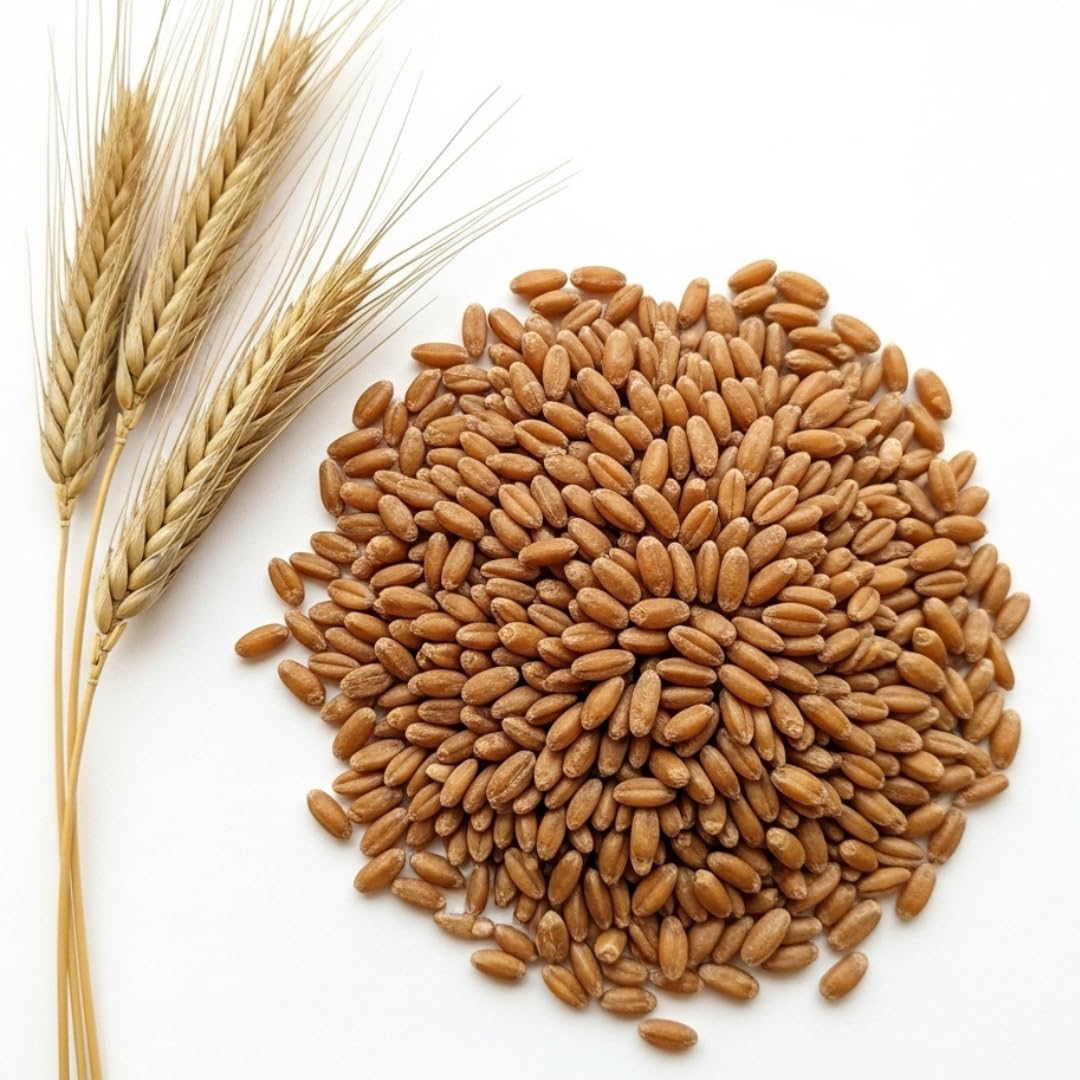
Winter rye is the gold standard for erosion control on sandy slopes because its fibrous root system physically binds soil particles through the freeze-thaw cycle. This CZ Grain variety is a true cereal winter rye that matures in 90 to 110 days and overwinters reliably in zones as cold as 2. Users report that even when planted late in the fall, the rye greens up under snow and resumes growth in early spring, holding the upper soil horizon in place.
The seed is untreated and GMO-free, which matters for organic growers who plan to till the rye under as green manure. One customer in South Carolina noted that their rye survived a winter blast of snow and kept standing, while another user at 8,500 feet in the Rockies struggled with germination on extremely rocky ground — confirming that winter rye prefers consistent moisture at planting in high-altitude sand.
Beyond soil improvement, this rye serves double duty as wildlife forage for deer, turkey, and goats. The 5-pound bag is enough for roughly 1,000 square feet of garden or food plot. The main trade-off is that winter rye produces allelopathic compounds that can suppress small-seeded crops if planted too soon after incorporation, so wait two to three weeks after tilling before seeding spring vegetables.
Why it’s great
- Extremely cold-hardy, overwintering in Zone 2
- Dense root system prevents sand erosion
- Dual use as cover and wildlife forage
Good to know
- Allelopathic effects delay subsequent plantings
- Requires consistent moisture at seeding in high altitudes
5. Eretz Crimson Clover Seed
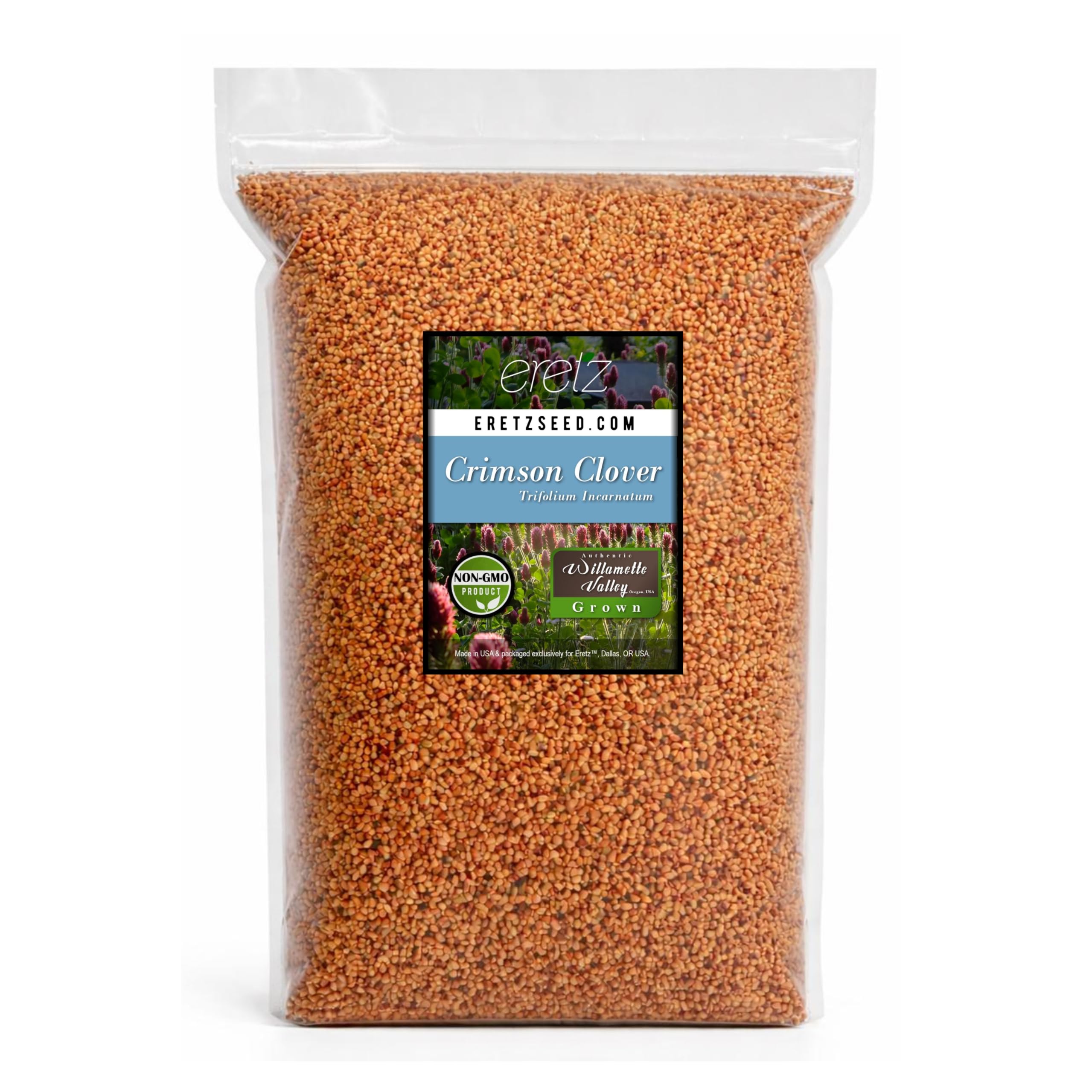
Crimson clover is a cool-season annual legume that excels at capturing atmospheric nitrogen and converting it into a form that subsequent crops can use. This Eretz variety is grown in the Willamette Valley of Oregon, and the seed is tested to be over 99 percent pure with virtually no weed seeds or fillers — a critical spec when you are broadcasting into clean sandy beds where weed competition is already a challenge.
Users report seeing green sprouts within one week of planting, with vigorous top growth that forms a thick ground cover. The bright red-pink flower heads bloom in mid-to-late spring, providing a nectar source for bees before many other forage plants flower. One reviewer specifically noted that while crimson clover is non-native to North America, it is easy to pull out if you want to replace it with native species later — making it a flexible placeholder for soil improvement.
Sandy soil benefits from crimson clover because the taproot penetrates deeply while the fibrous side roots hold the top inches. The plant fixes between 80 and 150 pounds of nitrogen per acre, depending on stand density, which can significantly reduce fertilizer needs for a following corn or brassica crop. The 5-pound bag is sufficient for roughly 1,000 to 2,000 square feet depending on seeding rate, and the moderate watering requirement means it performs well in sandy loam without constant irrigation.
Why it’s great
- High nitrogen fixation rates for sandy soils
- 99% pure seed with no filler material
- Beautiful flowers attract pollinators in early season
Good to know
- Annual — must be reseeded each season
- Non-native to North America; may self-seed
FAQ
How deep should I till cover crops into sandy soil?
Can I overseed a cover crop into an existing sandy lawn?
Will winter rye survive summer heat in sandy soil?
Final Thoughts: The Verdict
For most users, the best cover crops for sandy soil winner is the Outsidepride Perennial White Ladino Clover because it builds fertility year after year without replanting, and the nitrocoated seeds overcome the biggest obstacle to establishment in dry sand. If you want rapid biomass and a pollinator boost in a single summer, grab the Outsidepride Buckwheat Seeds. And for winter erosion protection that holds hillsides together through snow and thaw, nothing beats the CZ Grain No-Till Winter Rye.

Mo Maruf
I created WellFizz to bridge the gap between vague wellness advice and actionable solutions. My mission is simple: to decode the research and give you practical tools you can actually use.
Beyond the data, I am a passionate traveler. I believe that stepping away from the screen to explore new environments is essential for mental clarity and physical vitality.