Our readers keep the lights on and my smoothie glass nicely filled. As an Amazon Associate, I earn from qualifying purchases.
The problem with a standard rifle scope is simple: when the sun drops, you’re blind. Day-and-night scopes solve that by combining a high-resolution digital sensor with an infrared illuminator, letting you shoot in total darkness or bright noon without swapping optics. The trick is sorting real low-light performance from marketing fluff.
I’m Mohammad Maruf — the founder and writer behind WellFizz. I’ve spent hundreds of hours parsing the spec sheets, customer reviews, and real-world field tests of digital day/night scopes to separate which ones actually hold zero, which sensors deliver usable images at dusk, and which IR systems reach beyond the backyard.
Whether you hunt hogs after midnight or just want a rimfire setup that works from dawn to dark, the right day and night scope balances sensor sensitivity, IR output, and battery life without breaking your budget.
How To Choose The Best Day And Night Scope
Not all day/night scopes are created equal. A cheap unit might claim 200-yard night vision but deliver a grainy mess past 50 feet. Focus on sensor quality, IR illuminator strength, and mounting compatibility before pulling the trigger.
Sensor and Display Resolution
The sensor captures the image; the display shows it to your eye. Look for at least a 1080p CMOS sensor (Sony STARVIS 2 is the gold standard) paired with a high-nits Micro-OLED display. A 60Hz refresh rate keeps the image smooth when tracking moving targets at dusk.
IR Illuminator Wavelength and Focus
850nm IR is the most common — bright and visible to game as a faint red glow. 940nm is nearly invisible to animals but produces less output at the same power level. A focusable illuminator lets you concentrate the beam for longer range versus wider flood for close cover.
Magnification and Field of View
Digital scopes use optical magnification (the lens) plus digital zoom (cropping the sensor). A 3-12x optical range with 1-4x digital is far more usable than a 5-20x scope that gets soft past 8x digital. Wider objective lenses (50-56mm) gather more light for better daytime contrast and faster focus.
Battery Life and Power Flexibility
Digital night vision drains batteries fast — expect 3-6 hours with IR on. Scopes that accept external power banks or use replaceable 18650/21700 cells are vastly more practical for all-night sits. Avoid units with sealed, non-replaceable batteries.
Quick Comparison
On smaller screens, swipe sideways to see the full table.
| Model | Category | Best For | Key Spec | Amazon |
|---|---|---|---|---|
| DNT Optics Zulus HD V2 | Mid-Range | Best overall day/night clarity | Sony STARVIS 2, 60Hz 1800-nit display | Amazon |
| PARD Night Stalker 4K | Mid-Range | Built-in laser rangefinder | 4K CMOS, 1000m LRF | Amazon |
| DNT Optics TNC225R ThermNight | Premium | Multispectral thermal + NV | 256×196 thermal + STARVIS 2 | Amazon |
| ATN Thor LTV | Premium | Ultra-light thermal only | 12-micron sensor, 60Hz | Amazon |
| oneleaf.ai NV400 | Premium | High magnification 4K | 4-52x, 3864×2228 sensor | Amazon |
| RIX Tourer T20 | Mid-Range | IP68 rugged build | 2.9μm pixel, IP68 waterproof | Amazon |
| oneleaf.ai Commander NV100 Plus | Mid-Range | Detachable day scope + NV | 56mm objective, 3-12x | Amazon |
| ATN X-Sight II HD | Budget | Smart features on a budget | 1080p, smart rangefinder | Amazon |
| Triton StarStrike Gen II | Budget | Entry-level day/night value | 5-20x, 200-yard IR range | Amazon |
In‑Depth Reviews
1. DNT Optics Zulus HD V2 Digital Day Night Scope
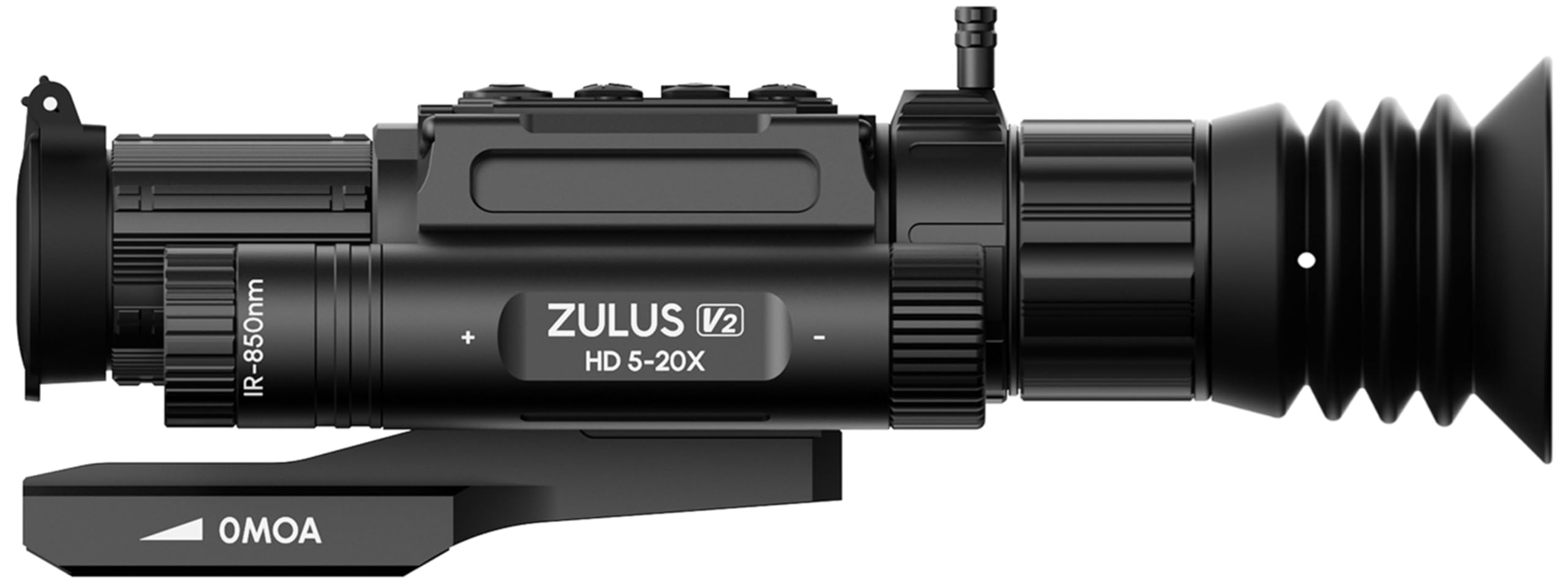
The Zulus HD V2 is the current sweet spot in digital day/night scopes. Sony’s STARVIS 2 sensor combined with ED glass lenses and a 60Hz 1920×1080 Micro-OLED display delivers daytime clarity that rivals traditional glass and night vision that stays sharp out to 200 yards with the built-in IR. At only 16 ounces, it slashes weight compared to older digital scopes while adding a 1800-nit peak brightness that cuts through harsh midday glare.
The 5-20x magnification range covers anything from dense woods to longer field shots, and the one-shot zero function saves time at the range. The V2 upgrade switches to a 21700 battery cell for longer run times and smoother control layout, though native battery life still sits around 4-5 hours with IR active. Users consistently report better clarity than the ATN X-Sight 4K Pro at a similar price point.
Some early units had zero-holding defects, but DNT’s customer service handled replacements promptly. The scope requires an external IR for beyond 200 yards, though the built-in illuminator is adequate for most hunting scenarios. Overall, this is the most balanced digital scope for anyone wanting one optic that works from bright noon to pitch black.
Why it’s great
- Superb color and contrast in full daylight
- Excellent night image with built-in IR
- Very lightweight at only 16 oz
Good to know
- Battery life averages 4-5 hours with IR
- Built-in IR range is limited to ~200 yards
2. PARD Night Stalker 4K
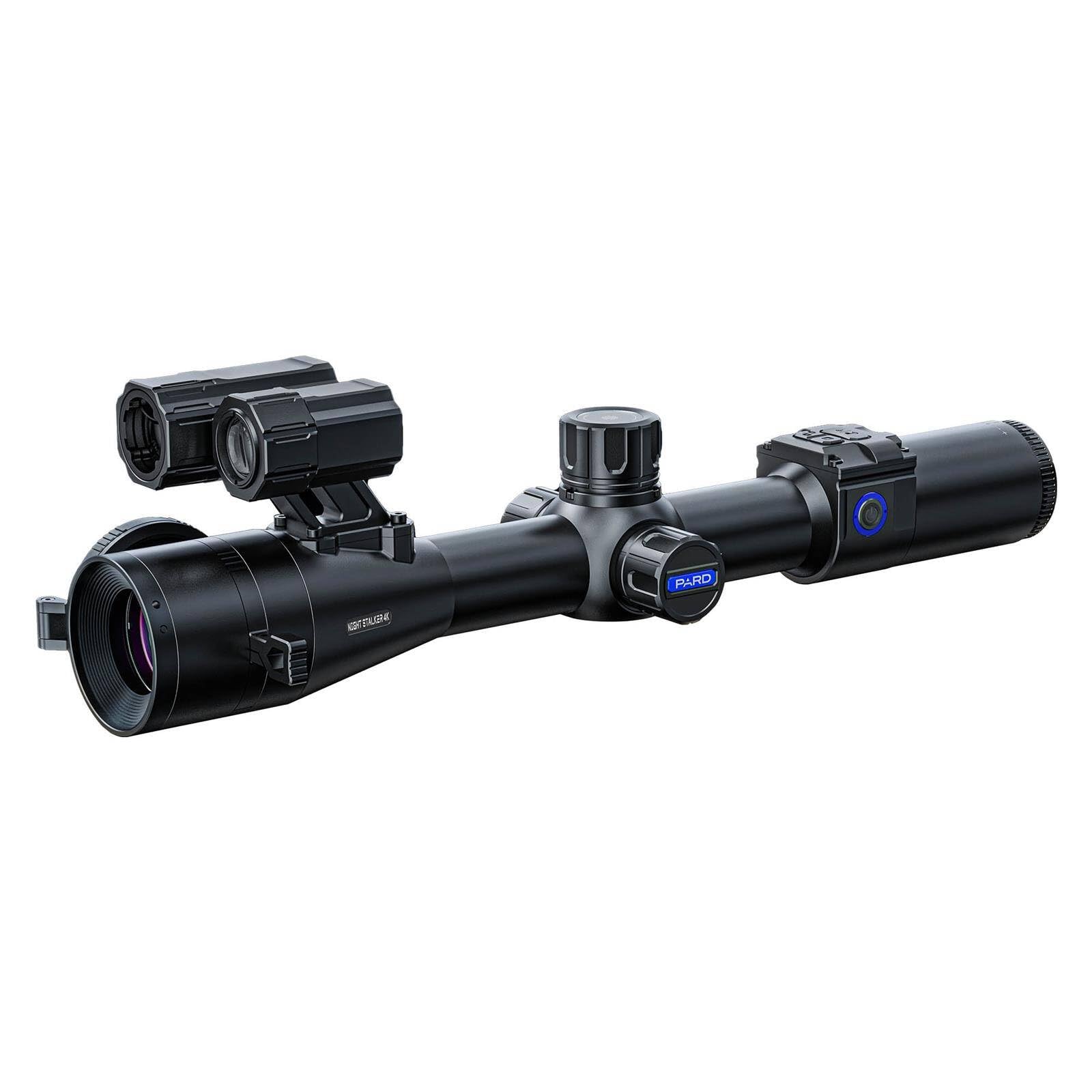
The PARD Night Stalker 4K delivers a rare combination: true 4K resolution from a CMOS sensor and a built-in 1000-meter rangefinder in a single housing. The 5.5-22x base magnification pairs with digital zoom up to 70x, and the 100mm eye relief reduces recoil impact on your brow. The integrated ballistic calculator uses the rangefinder data to suggest holdover, which speeds up long-range shots in low light.
The 850nm IR illuminator reaches beyond 200 yards with a clean beam, and the 4K sensor keeps the image crisp even at higher digital zoom levels. The display is round, matching traditional glass scope FOV, and the reticle stays centered at all zoom levels. Users praise the sight picture, fast sight acquisition, and the intuitive zoom knob that feels natural during active hunting.
Some units have reported zero-holding issues, likely from inconsistent manufacturing tolerances. The plastic lens cover feels cheap compared to the aluminum housing, and the Wi-Fi/rangefinder buttons lack tactile feedback. For shooters who want an all-in-one digital solution with a rangefinder, this is a strong contender, but verify zero retention after mounting.
Why it’s great
- Integrated 1000m laser rangefinder
- Clear 4K image with excellent eye relief
- Ballistic calculator works with LRF data
Good to know
- Some units have zero-holding reliability issues
- Plastic lens cover feels fragile
3. DNT Optics TNC225R ThermNight Multispectral Scope
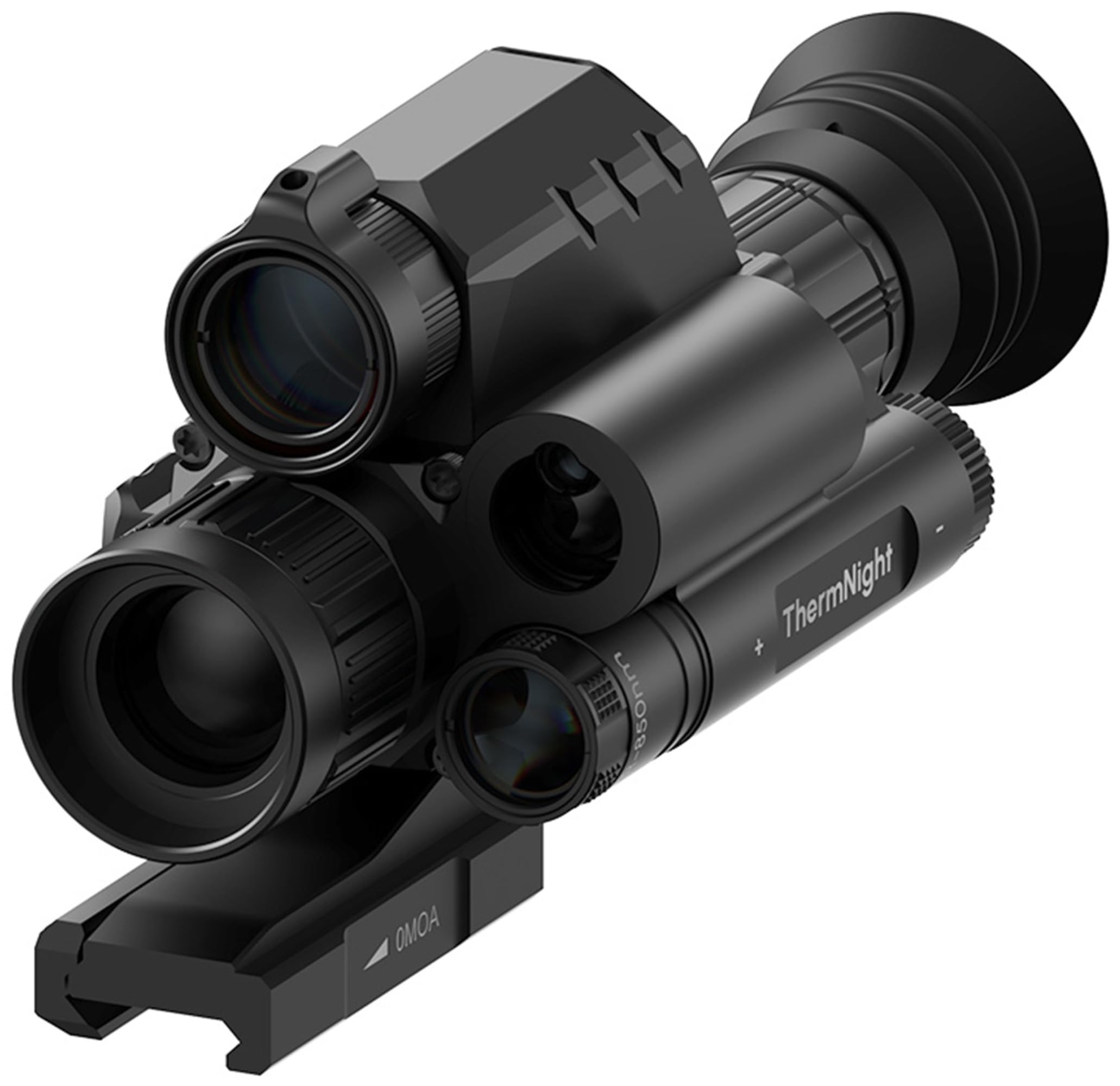
The TNC225R bridges two worlds: a 256×196 thermal sensor for detection and a Sony STARVIS 2 digital night vision sensor for identification, all accessible through a hybrid Picture-in-Picture display. At 22.8 ounces and 6.7 inches long, it’s remarkably compact for a dual-sensor scope. The built-in laser rangefinder reaches 1,200 yards, and the ballistic calculator adjusts for both thermal and day/night channels independently.
The 60Hz 1920×1080 OLED display provides a smooth, clear image in both day and thermal modes. The IP67 waterproof rating and .50 BMG recoil rating make it tough enough for serious field use. Users report the thermal channel identifies targets at 200 yards easily, while the NV channel with the removable 850nm illuminator IDs beyond 400 yards. The detachable eye cup has metal threads, avoiding the plastic failures common on cheaper units.
The biggest limitation is battery life — expect roughly 3 hours in dual mode with IR at full power, or about 5 hours in thermal-only mode. Two batteries are included, but serious users should buy extras. The dual-channel zeroing process takes some setup time, but once configured, switching between thermal and NV is seamless.
Why it’s great
- Thermal detection + NV identification in one unit
- Compact and lightweight for a dual-sensor scope
- Built-in laser rangefinder and ballistics
Good to know
- Battery drains fast in dual-channel mode
- Learning curve for dual-channel zeroing
4. ATN Thor LTV Thermal Scope
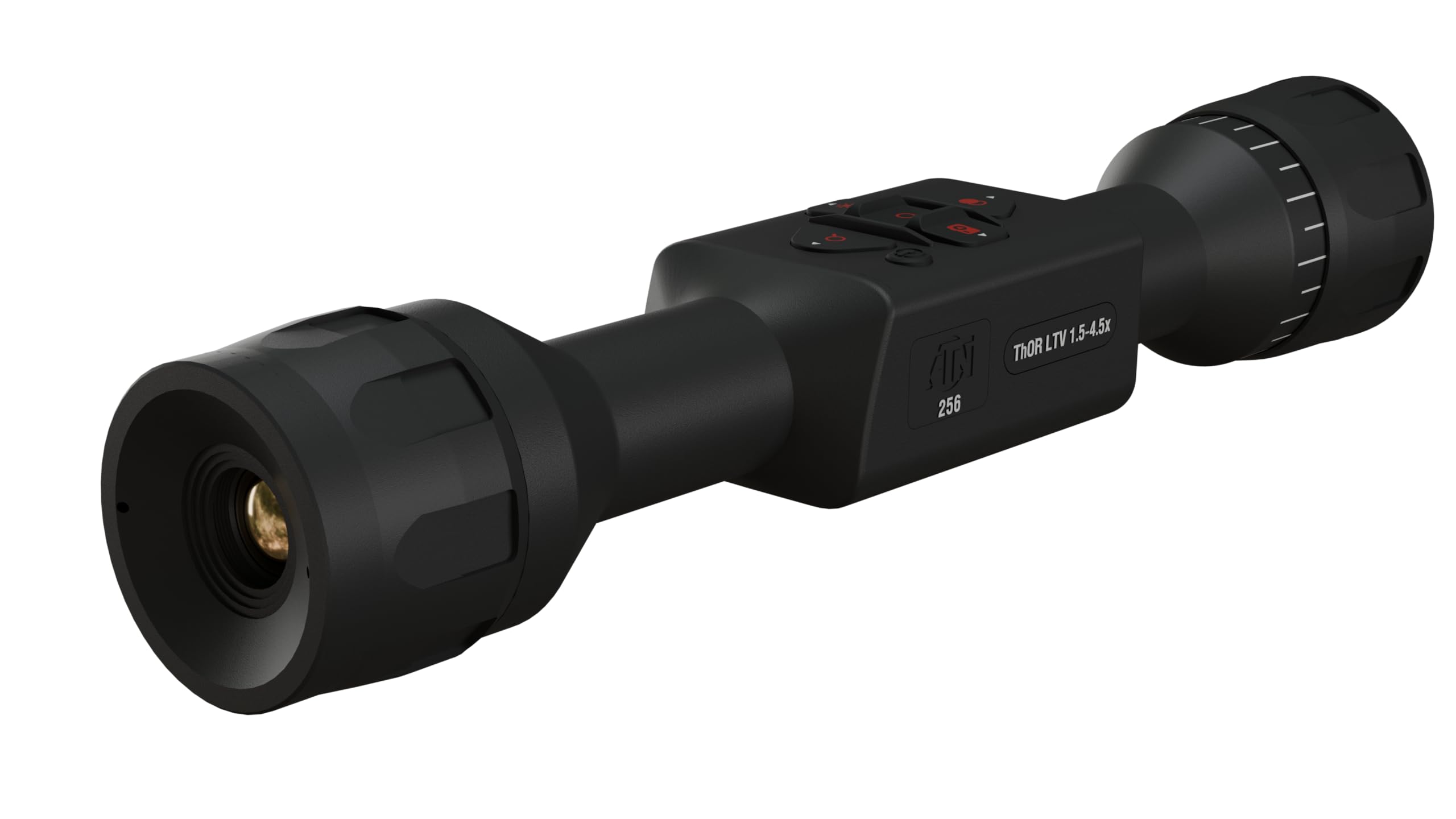
The ATN Thor LTV is a pure thermal scope, not a day/night digital scope, but it deserves a spot here for hunters who need detection in absolute darkness without any ambient light. At just 1.4 pounds with a 90mm eye relief, it’s the lightest thermal option that still delivers a 60Hz refresh rate and SharpIR AI-enhanced image processing. The 1.5-4.5x base magnification is intentionally low for close-to-mid range scanning.
The 12-micron sensor provides clean thermal imaging out to several hundred yards, and the One Shot Zero feature makes calibration fast. Users consistently praise the image clarity for its price tier, noting that it outperforms similarly priced ATN digital scopes for pure thermal detection. The 256×192 resolution is modest, but the refresh rate keeps moving targets in focus.
This is not a scope for daytime target shooting — the thermal sensor has no visible-light mode. It also lacks a built-in rangefinder and ballistic calculator, so it’s best paired with a separate LRF. For nighttime hog or predator hunting where detection range matters more than facial identification, the Thor LTV is a cost-effective thermal entry point.
Why it’s great
- Extremely lightweight at 1.4 lbs
- Clean thermal imaging with 60Hz refresh
- Fast One Shot Zero calibration
Good to know
- No visible-light mode for daytime use
- No built-in rangefinder or ballistics
5. oneleaf.ai Commander NV400

The oneleaf.ai NV400 pushes magnification to extremes with a 4-52x optical and digital range, combined with a true 4K sensor (3864×2228). The 8W focusable IR illuminator reaches a claimed 437 yards, and the external rangefinder module adds 1,200-yard distance measurement. Video recording hits 4K at 120fps, which is overkill for hunting but useful for range analysis.
The ballistic calculator stores up to seven profiles, and the one-shot zero function works reliably. Users report the night vision image is better than some Gen 2+ analog tubes, with a bright, focusable illuminator that punches through fog and brush better than average. The turret zoom control is intuitive, and the included Picatinny mount fits most rifles without extra rings.
The main complaint is size — the NV400 covers the entire upper receiver rail on an M4A1, and it’s heavy at 2.4 pounds. Some users report difficulty getting the scope to zero correctly, and the advertised 4-52x magnification is misleading because the optical base is closer to 4-10x with heavy digital zoom. For air rifles and .22LR, it’s a solid choice, but magnum calibers may test its structural limits.
Why it’s great
- Very high magnification range for digital
- Bright, focusable 8W IR illuminator
- Stores 7 ballistic profiles
Good to know
- Heavy and very long on the rail
- Max optical magnification is lower than claimed
6. RIX Tourer T20 Digital Night Vision Scope
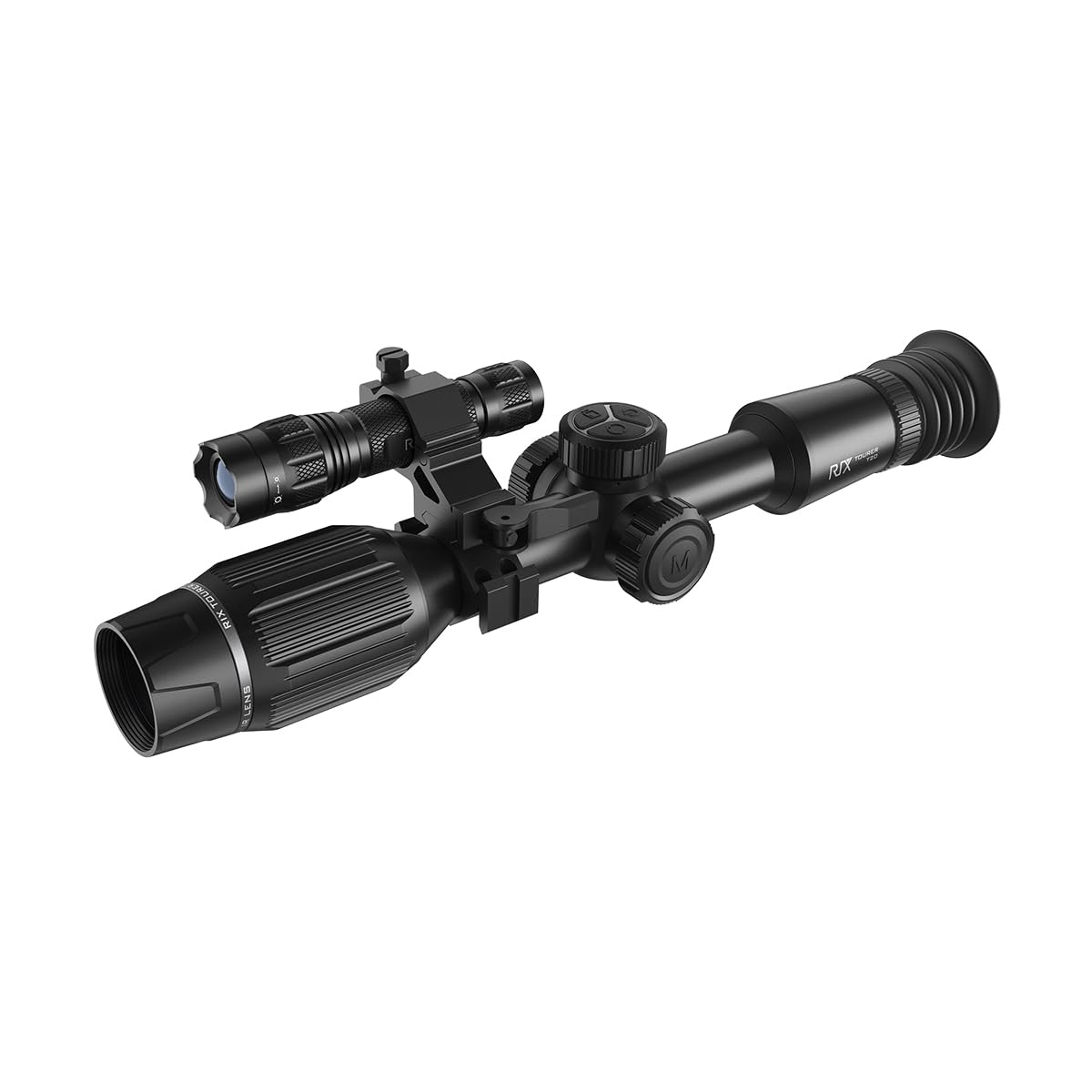
The RIX Tourer T20 distinguishes itself with a 2.9-micron pixel size that captures more light per pixel than typical 2.0-micron sensors, resulting in cleaner low-light images even without the IR turned on. The 3-14x optical range is conservative but realistic, and the 4x digital zoom stays usable longer than most. The IP68 rating means it’s fully submersible to 1.5 meters for 30 minutes — rare in this category.
The Recoil Activated Video (RAV) captures footage automatically before and after each shot, and the 3-second startup time is genuinely fast in the field. Users consistently compare it favorably to the ATN X-Sight 4K Pro, noting better daytime color and night clarity at a similar price. The included 850nm IR illuminator is solid out to about 200 yards.
The stock 940nm IR (included separately) is dimmer and less useful. The Wi-Fi needs manual reconnect each power-up, which is annoying on multi-day hunts. There’s no built-in ballistic calculator, so long-range shooters will need an external solution. Some users reported battery defects in the IR unit, so check the battery compartment carefully upon arrival.
Why it’s great
- Excellent low-light performance due to large pixels
- IP68 waterproof and dustproof
- Fast 3-second startup and RAV recording
Good to know
- Stock 940nm IR is too dim for field use
- Wi-Fi requires manual reconnect each power cycle
7. oneleaf.ai Commander NV100 Plus

The NV100 Plus uses a clever modular design: the Rapidfire day scope attaches to the NV100 night vision unit to create a combo, or detaches for standalone daytime use. This saves money compared to buying two separate optics. The 56mm objective lens is among the largest in this price bracket, delivering excellent light transmission for twilight shooting without the NV unit attached.
The 3-12x optical magnification is lower than some competitors, but the 1-3x digital zoom keeps the image crisp at higher settings. The side parallax adjustment and focus ring work smoothly, and the Picatinny mount is secure. Users report the build quality feels better than the price suggests, with solid aluminum construction and sealed internals that resist fogging.
The main downside is weight — 1.75 kilograms (nearly 4 pounds) when fully assembled, which is heavy for a day hunt. The night vision image is good but not great beyond 100 yards, and the IR has a dead spot between 50-75 yards where neither low nor high brightness is optimal. The menu for recording is non-intuitive, and the manual is sparse. For the price, it’s a solid entry into modular night vision.
Why it’s great
- Detachable day scope saves money over two optics
- Large 56mm objective for good twilight performance
- Solid build with smooth adjustments
Good to know
- Very heavy at nearly 4 pounds assembled
- IR has a dead spot at medium ranges
8. ATN X-Sight II HD 5-20 Smart Scope

The ATN X-Sight II HD is an older but still relevant entry into digital day/night scopes, offering 1080p HD recording, a ballistic calculator, GPS, e-compass, and barometer in one package. The 5-20x base magnification with 50x digital zoom provides plenty of reach, and the smart rangefinder adjusts point of impact automatically. It comes with a mount, IR illuminator, and carrying case right in the box.
The main draw is the software ecosystem — you can stream video to your phone via Wi-Fi, record Recoil Activated Video, and update firmware. Users report that the stock IR works to about 150 yards, and the image quality is acceptable for entry-level night vision. The ballistic calculator is a nice bonus for long-range shooters who don’t want a separate device.
The downsides are significant: battery life is terrible with AA cells (expect 2-3 hours), the eye relief is very short, the buttons are stiff, and the focus knob is difficult to turn. The compass and wind compensation features are widely reported as inaccurate, and the rangefinder requires a minimum 4-inch target height. This scope is best for stationary hunting where you can use an external power pack.
Why it’s great
- Includes smart features: GPS, compass, barometer
- Wi-Fi streaming and RAV recording
- Good value for entry-level digital night vision
Good to know
- Very short battery life with standard AAs
- Short eye relief and stiff controls
9. Triton StarStrike Gen II Night Vision Scope

The Triton StarStrike Gen II is the most affordable option on this list, offering a 5-20x digital day/night scope with a patented extendable eyecup that blocks light leakage. The 50mm objective lens and 1080p HD display provide decent daytime clarity, and the 200-yard IR range is realistic for entry-level night shooting. The Picatinny mount is integrated, so no extra rings are needed.
The aircraft-grade aluminum body with IP67 waterproofing is genuinely rugged for the price, and the unconditional lifetime warranty is a strong confidence signal from Triton. Users report the day/night visibility is good for the money, and the battery life of roughly 3 hours is acceptable at this price tier. The scope includes 1080p video recording and photo capture for documentation.
The biggest issue is consistency. Some units arrive with unsharp images that won’t focus properly, and the weight is higher than advertised (closer to 3 pounds than the listed 16-17 ounces). A few users report the battery cap being unsealed and misaligned, and the scope failing to hold zero. This is a classic entry-level tradeoff: low price with higher defect risk. For a budget air rifle or .22LR plinker, it’s worth trying, but inspect it thoroughly.
Why it’s great
- Very affordable entry into digital night vision
- Rugged IP67 aluminum body
- Unconditional lifetime warranty
Good to know
- Inconsistent quality control on optics
- Heavier than advertised
FAQ
Can a day/night scope replace both a daytime riflescope and a dedicated night vision unit?
Why does my digital scope look grainy at night even with the IR on?
How important is refresh rate for hunting with a day/night scope?
Final Thoughts: The Verdict
For most users, the day and night scope winner is the DNT Optics Zulus HD V2 because it combines Sony’s best STARVIS 2 sensor, a bright 60Hz display, and lightweight build at a price that undercuts premium competition. If you want a built-in laser rangefinder and don’t mind extra weight, grab the PARD Night Stalker 4K. And for versatile multispectral thermal/night vision, nothing beats the DNT Optics TNC225R ThermNight.

Mo Maruf
I created WellFizz to bridge the gap between vague wellness advice and actionable solutions. My mission is simple: to decode the research and give you practical tools you can actually use.
Beyond the data, I am a passionate traveler. I believe that stepping away from the screen to explore new environments is essential for mental clarity and physical vitality.