Our readers keep the lights on and my smoothie glass nicely filled. As an Amazon Associate, I earn from qualifying purchases.
Trusting your feet to a pair of shoes that slip on wet roots or rub a hot spot into a blister before mile three is the fastest way to ruin a day on the trail. The difference between a triumphant summit push and a miserable slog back to the car often comes down to lugs, foam density, and how well the upper holds your heel in place on a side-slope. That mix of traction, cushion, and stability is what transforms a walk in the woods from a chore into a genuine escape.
I’m Mohammad Maruf — the founder and writer behind WellFizz. I’ve spent hundreds of hours analyzing hiking shoe specifications, combing through verified buyer experiences, and cross-referencing grip compounds, midsole geometries, and outsole lug patterns to separate real performance from marketing noise.
This guide cuts through the noise to deliver a curated selection of footwear that balances comfort, durability, and terrain-specific traction so you can confidently choose your next pair of day hiking shoes without second-guessing the fit or the price.
How To Choose The Best Day Hiking Shoes
Day hiking shoes live in a sweet spot between trail runners and heavy boots. They need enough underfoot protection to blunt sharp rocks, enough tread to bite into loose dirt, and enough flexibility to let your foot move naturally over miles of varied terrain. Ignoring any one of those factors can lead to a shoe that feels great in the parking lot but fails on the descent.
Outsole Traction and Rubber Compound
The lugs are the teeth that dig into the trail. Look for a multi-directional lug pattern with deep chevrons or angled ridges that shed mud and bite on both ascents and descents. The rubber compound itself matters just as much — a softer compound grips wet rock better but wears faster on pavement, while a harder compound lasts longer but slides on slick granite. Most day hikers benefit from a mid-range compound like Omni-Grip or Vibram Megagrip.
Midsole Cushioning and Support
The midsole absorbs the shock of every footstrike. EVA foam is lightweight and plush but compresses over time, while polyurethane is denser and more durable but heavier. Day hikers carrying a light pack (under 15 pounds) can get away with a softer midsole, but anyone tackling rocky, uneven trails should prioritize a firmer platform that resists rock bruising and provides torsional stability on side-slopes.
Upper Material and Waterproofing
Suede, mesh, and synthetic leather each offer a different trade-off between durability, breathability, and weight. A waterproof membrane like OutDry or Gore-Tex keeps puddles out but traps heat and moisture on warm days, making mesh uppers the better choice for dry-weather or fast-and-light hiking. The heel counter and toe cap should be reinforced enough to prevent your foot from sliding forward on descents or getting crushed against roots.
Quick Comparison
On smaller screens, swipe sideways to see the full table.
| Model | Category | Best For | Key Spec | Amazon |
|---|---|---|---|---|
| Columbia Konos TRS Outdry | Premium | All-day wet-weather hikes | OutDry waterproof membrane / Omni-Grip outsole | Amazon |
| Merrell Speed Strike 2 | Premium | Hybrid run/hike terrain | TrailProtect midsole / Vibram outsole | Amazon |
| New Balance Dynasoft Tektrel V1 (Women’s) | Mid-Range | Daily walks and light trails | Dynasoft midsole / AT Tread outsole | Amazon |
| Columbia Strata Trail Low | Mid-Range | Steep, uneven terrain with heavy overpronation | Techlite+ midsole / Omni-Grip outsole | Amazon |
| New Balance Dynasoft Tektrel V1 (Men’s) | Mid-Range | High-mileage daily walking on mixed surfaces | Dynasoft midsole / AT Tread outsole | Amazon |
| Columbia Benson Sneakers | Budget-Friendly | Travel and light day hikes | Techlite midsole / Omni-Grip outsole | Amazon |
| Columbia Transverse Hike Waterproof | Budget-Friendly | Entry-level waterproof hiking on maintained trails | Omni-Tech waterproof / Omni-Grip outsole | Amazon |
In‑Depth Reviews
1. Columbia Konos TRS Outdry
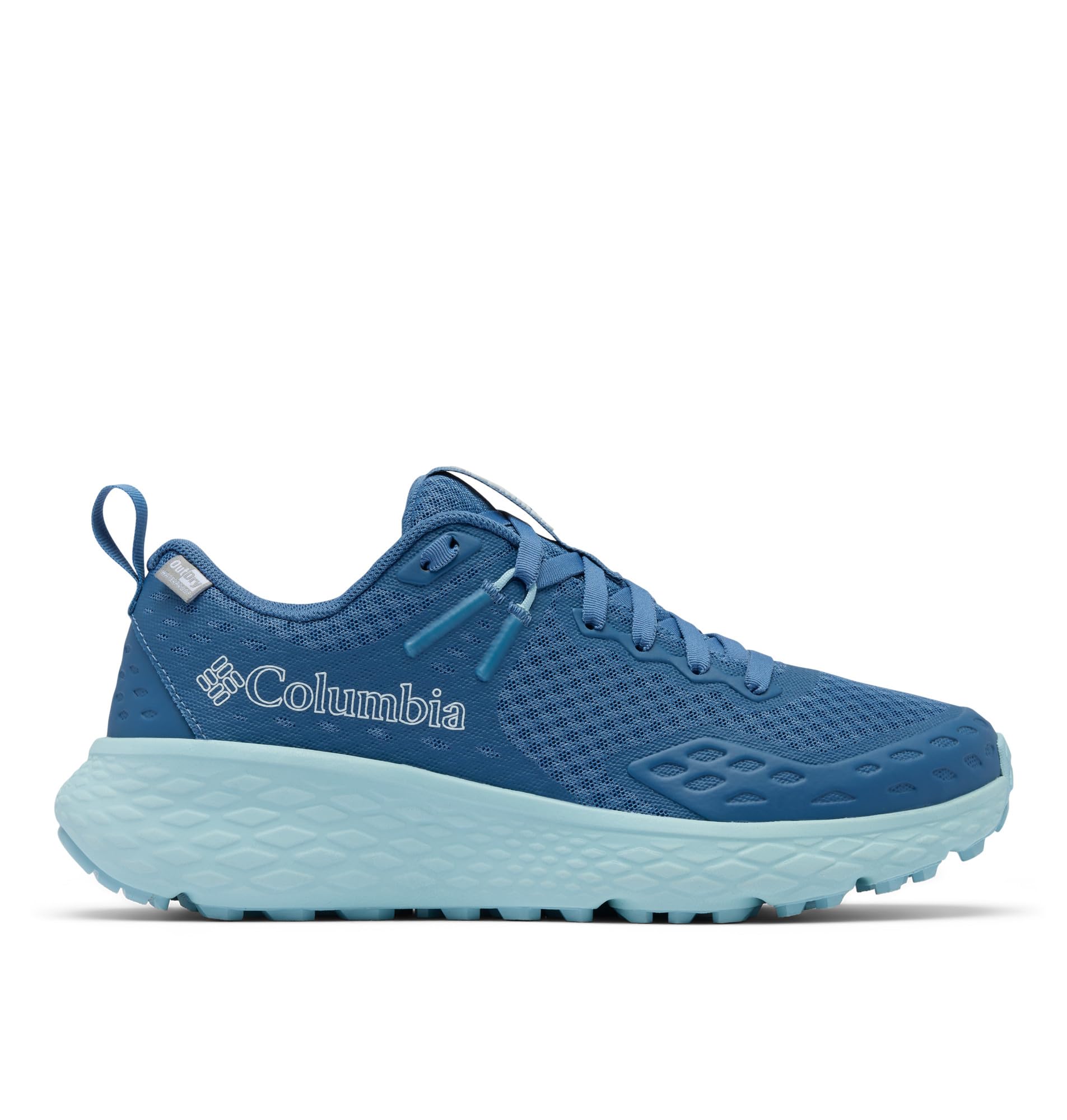
The Konos TRS Outdry earns the top spot because it nails the day-hiking trifecta: immediate out-of-box comfort, genuine waterproofing that doesn’t feel like a garbage bag, and a roomy toe box that accommodates bunions and foot swelling on long descents. Reviewers report zero blisters after 20-mile days, even at heavier body weights, which speaks directly to the midsole’s ability to resist compression and the heel counter’s secure lock-down. The Omni-Grip outsole delivers confident traction on wet leaves, damp rock, and loose gravel alike.
The OutDry membrane is bonded directly to the upper rather than layered inside, which reduces water seepage through stitch holes and keeps the shoe feeling lighter than traditional bootie-based waterproof designs. That direct-bond construction also means the shoe runs slightly warm — wicking socks become essential on summer hikes. The tonal color options hide trail dirt well, and the overall construction feels more substantial than the weight suggests.
Several reviewers noted an audible squeak on smooth indoor floors, a common trait of waterproof membranes that hasn’t affected trail performance. The fit runs true to size with a relatively wide forefoot, making it an excellent choice for hikers who need extra toe splay without sizing up into a longer, sloppy shoe. For a do-everything day hiking shoe that handles wet weather without fuss, this is the pick.
Why it’s great
- Zero blister break-in period reported even on 20+ mile days
- OutDry waterproofing keeps feet dry in sustained rain
- Roomy toe box accommodates foot swelling on descents
Good to know
- Waterproof membrane can make feet feel warm in hot weather
- Some units produce a squeak on smooth surfaces
2. Merrell Speed Strike 2
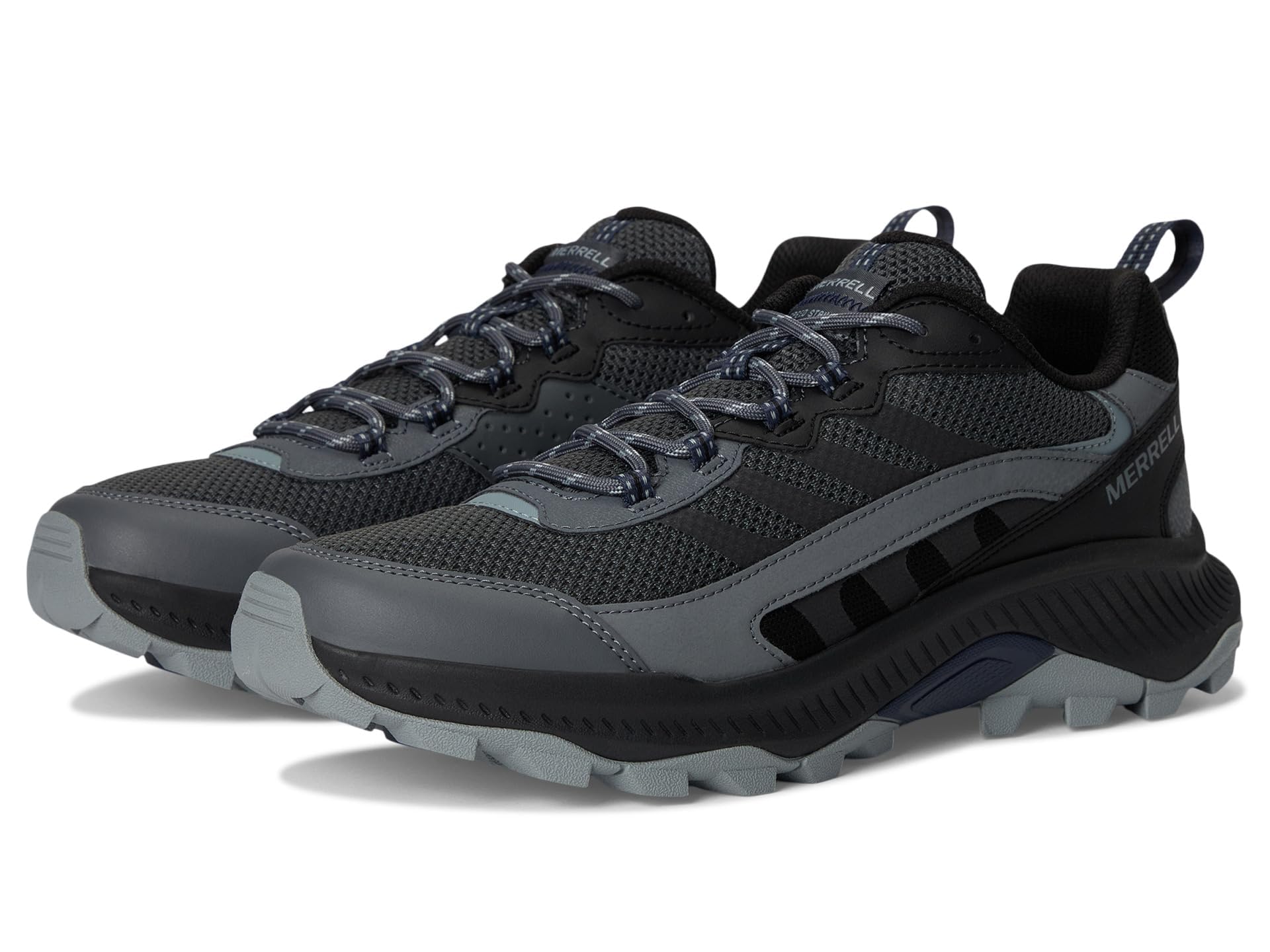
The Speed Strike 2 blurs the line between a trail runner and a hiking shoe, coming in at just 1.5 pounds per pair while still offering a protective TrailProtect midsole that shields against sharp rocks. Reviewers who use these for daily delivery work averaging 20-30 miles per week praise the grippy Vibram outsole for biting into wet metal roofs and loose scree alike. The low-profile build keeps the foot close to the ground for proprioceptive feedback, which experienced hikers prefer on technical terrain.
Sizing runs slightly small, so ordering a half-size up is common, and the shoe accepts aftermarket insoles like Superfeet green for those needing extra arch support. The upper is a mix of mesh and synthetic overlays that breathes well but is not waterproof — puddle splashes will soak through quickly. That trade-off makes the Speed Strike 2 ideal for dry-climate hiking or fast-moving day trips where foot sweat is a bigger concern than rain.
A small but notable pattern in reviews is a recurring complaint about a feeling that the left foot is falling off the sole edge, which may indicate a last-shape issue for some foot anatomies.
Why it’s great
- Ultra-light 1.5 lb build reduces leg fatigue on long days
- Vibram outsole provides aggressive traction on wet and loose surfaces
- TrailProtect midsole blocks sharp rocks without adding stiffness
Good to know
- Not waterproof; mesh upper soaks through in heavy rain
- Sizing runs small; consider half-size up
3. New Balance Women’s Dynasoft Tektrel V1 Suede
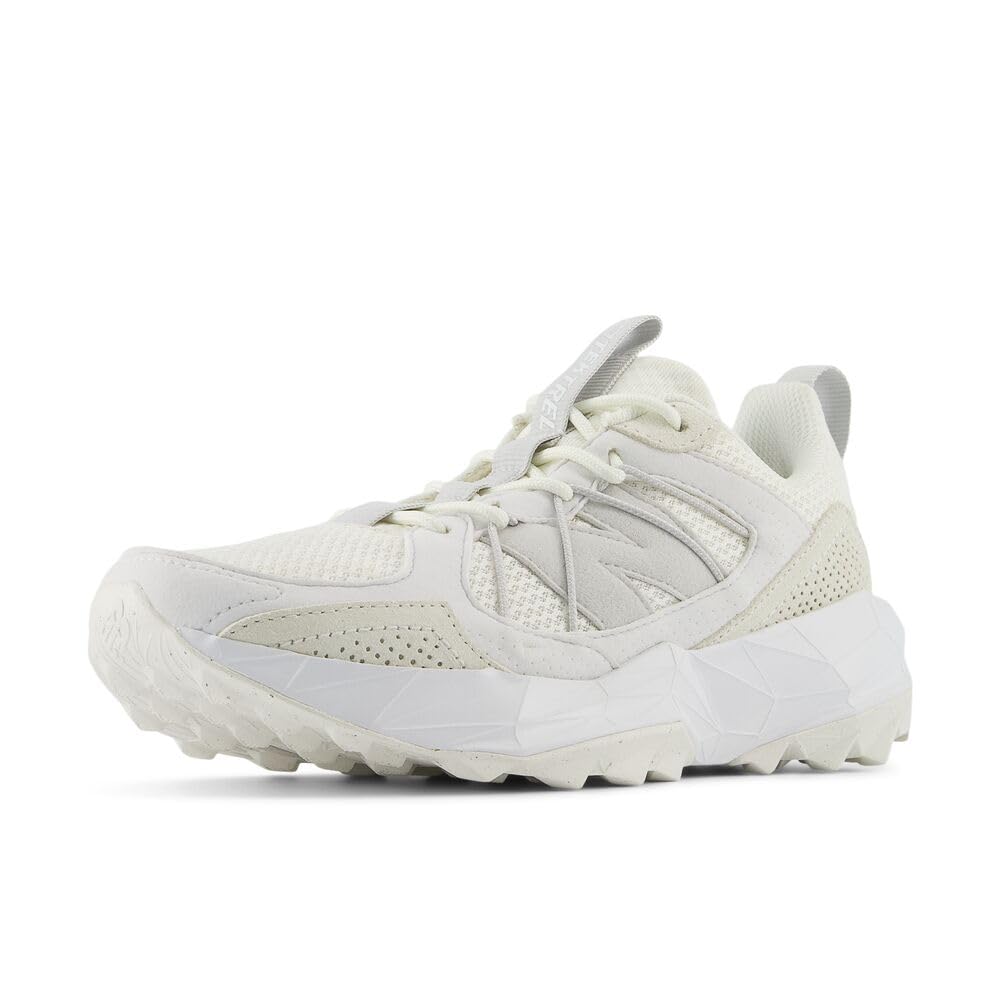
The women’s Dynasoft Tektrel V1 combines a suede-and-mesh upper with New Balance’s proprietary Dynasoft midsole, which splits the difference between plush cushion and responsive rebound. Reviewers consistently mention zero foot pain after full work shifts and long walking days, a direct result of the midsole’s dual-density geometry that softens heel strikes without letting the forefoot feel mushy. The AT Tread outsole features multi-surface lugs that grip pavement, gravel, and packed dirt with equal competence.
The wide platform underfoot provides a stable base for hikers who overpronate, while the 2.1-pound weight keeps the shoe light enough for daily wear without feeling flimsy. The suede panels add abrasion resistance at the toe and heel, though the open-mesh sections collect pet hair and trail debris readily — a minor annoyance that doesn’t affect performance. Color options lean toward muted dark tones that hide dirt well but lack the flash of brighter trail runners.
One common observation is that the tongue is unusually narrow, which can make the lacing feel uneven for high-volume feet. Hikers with a low instep and narrow midfoot will find the fit dialed in, while those needing a wide fit should look at the dedicated wide sizing. For women who want a crossover shoe that works equally well on a paved greenway as on a dirt singletrack, this is a balanced, value-conscious choice.
Why it’s great
- Dynasoft midsole delivers responsive cushion without bottoming out
- Wide platform adds stability for overpronators on uneven ground
- AT Tread outsole transitions smoothly between pavement and trail
Good to know
- Narrow tongue can create uneven lace pressure on high-volume feet
- Suede/mesh upper attracts lint and pet hair
4. Columbia Strata Trail Low
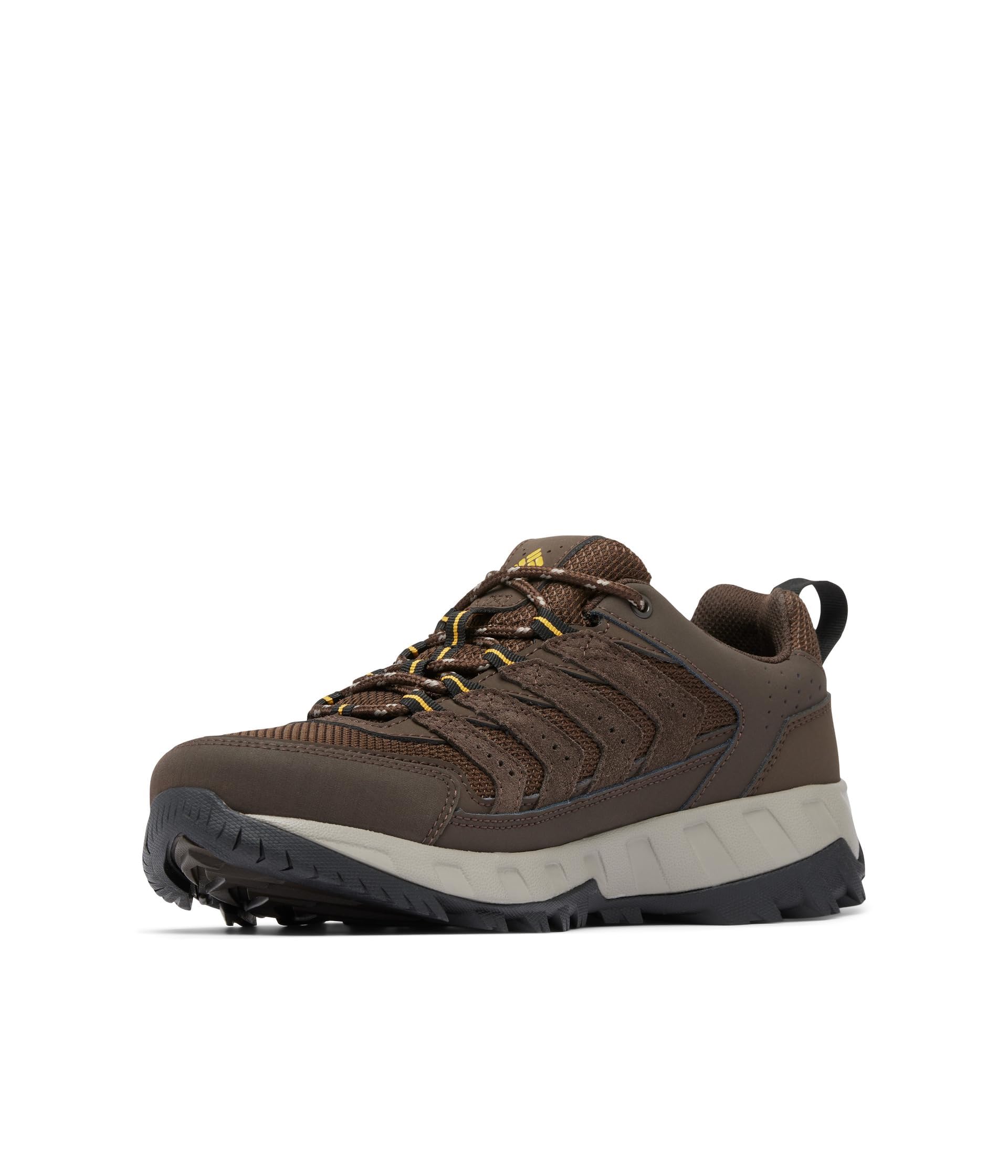
The Strata Trail Low is built for hikers who need significant stability under load. The Techlite+ midsole offers a firmer ride than standard Techlite, reducing energy loss on steep ascents while maintaining enough give for comfortable descents. Reviewers report that the shoe excels at controlling overpronation, a critical feature for anyone carrying a daypack on uneven side-hills where ankle fatigue can lead to rolled ankles. The Omni-Grip outsole chews through mud and loose scree with aggressive chevron lugs that shed debris rather than packing up.
Initial stiffness is a common observation — the shoe requires a short break-in period of a few miles before the upper and midsole conform to the foot. The stock liner has notably low arch support, which flat-footed hikers may want to replace with an aftermarket orthotic; the glued-in liner leaves room for a higher-volume insert without cramping the toes. The overall construction feels dense and durable, with reinforced stitching at the toe cap and heel that suggests this shoe will outlast softer-riding competitors by several seasons.
Daily users who hike four miles a day report that the Strata Trail Low holds up for about six months before the midsole begins to pack out, which is reasonable given the moderate price point. The fit is true to size in length but runs slightly narrow through the midfoot, so hikers with wide feet should consider sizing up or looking at alternative models. For anyone prioritizing stability and traction on technical terrain, this shoe delivers reliable support at a fair price.
Why it’s great
- Techlite+ midsole provides firm, supportive ride for stability
- Aggressive Omni-Grip lugs excel in mud and loose scree
- Dense construction holds up well to daily hiking wear
Good to know
- Stiff out of box; needs several miles of break-in
- Low arch support; aftermarket insoles recommended for flat feet
5. New Balance Men’s Dynasoft Tektrel V1 Suede
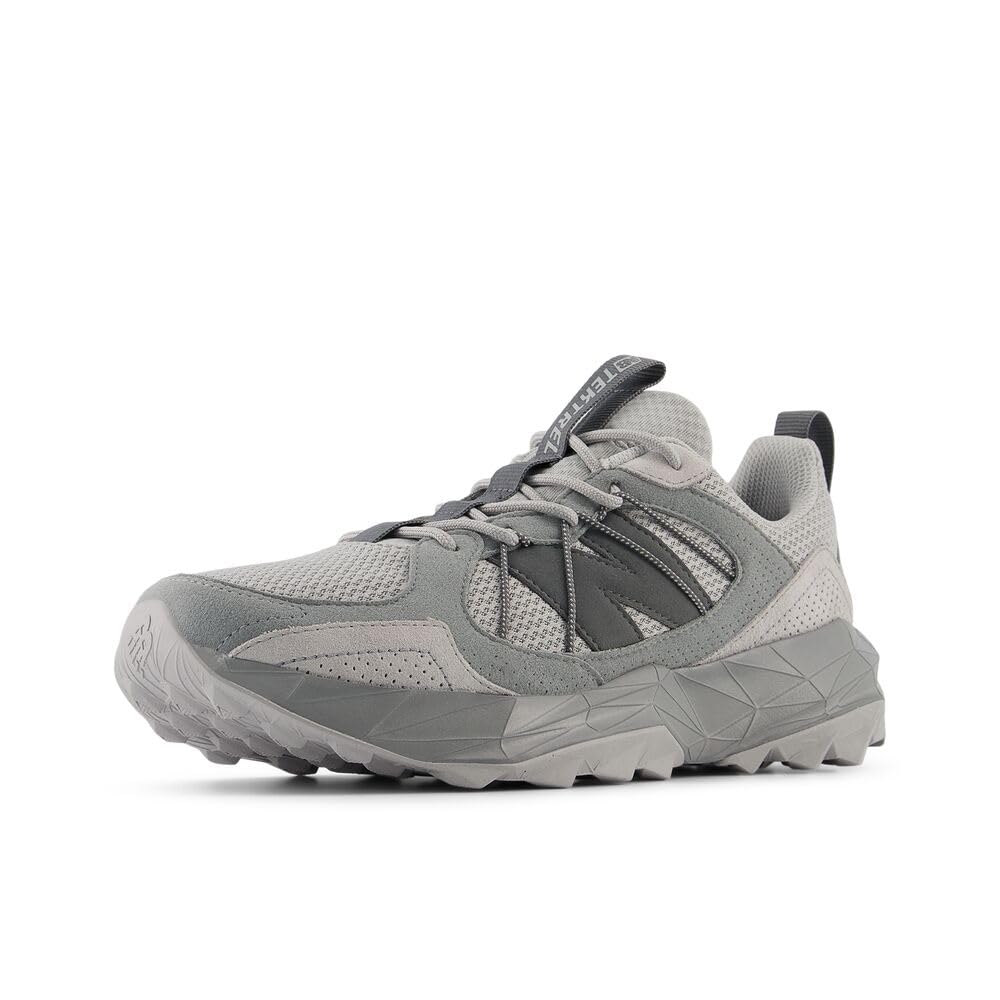
The men’s version of the Dynasoft Tektrel V1 mirrors its women’s counterpart with the same balanced midsole and outsole combination but at a slightly different price point that makes it a standout value pick. Reviewers who put 7 to 11 miles per day on these shoes report that the Dynasoft midsole maintains its rebound for over eight months of daily use, a remarkable durability for a midsole in this range. The AT Tread outsole provides reliable traction on icy patches and snowy sidewalks as well as dry dirt, broadening the shoe’s usability into shoulder seasons.
Fit runs true to size for most foot shapes, though a subset of reviewers found the shoe ran a half-size small and required an easy return exchange. The suede upper adds a touch of style that works in casual settings, while the mesh portions keep ventilation adequate for warm-weather walking. The shoe’s geometry encourages a natural rolling gait that feels more like a running shoe than a traditional hiker, making it a strong candidate for hikers who prioritize speed and comfort over ankle protection.
The primary trade-off is the lack of a dedicated waterproof membrane — the suede and mesh construction will wet through in persistent rain or when stepping into deep puddles. Hikers who stick to dry trails or pair this shoe with waterproof socks will find it a capable, long-lasting partner. For a do-it-all walking shoe that turns in high mileage without breaking the bank, this is a reliable choice that keeps going long after cheaper alternatives have softened.
Why it’s great
- Dynasoft midsole retains comfort and rebound for 8+ months of heavy use
- AT Tread outsole grips ice and snow as well as dry trail
- Natural rolling gait feels like a running shoe for fast-paced hiking
Good to know
- Not waterproof; suede and mesh wet through in sustained rain
- Sizing runs small for some; verify fit before final wear
6. Columbia Men’s Benson Sneakers
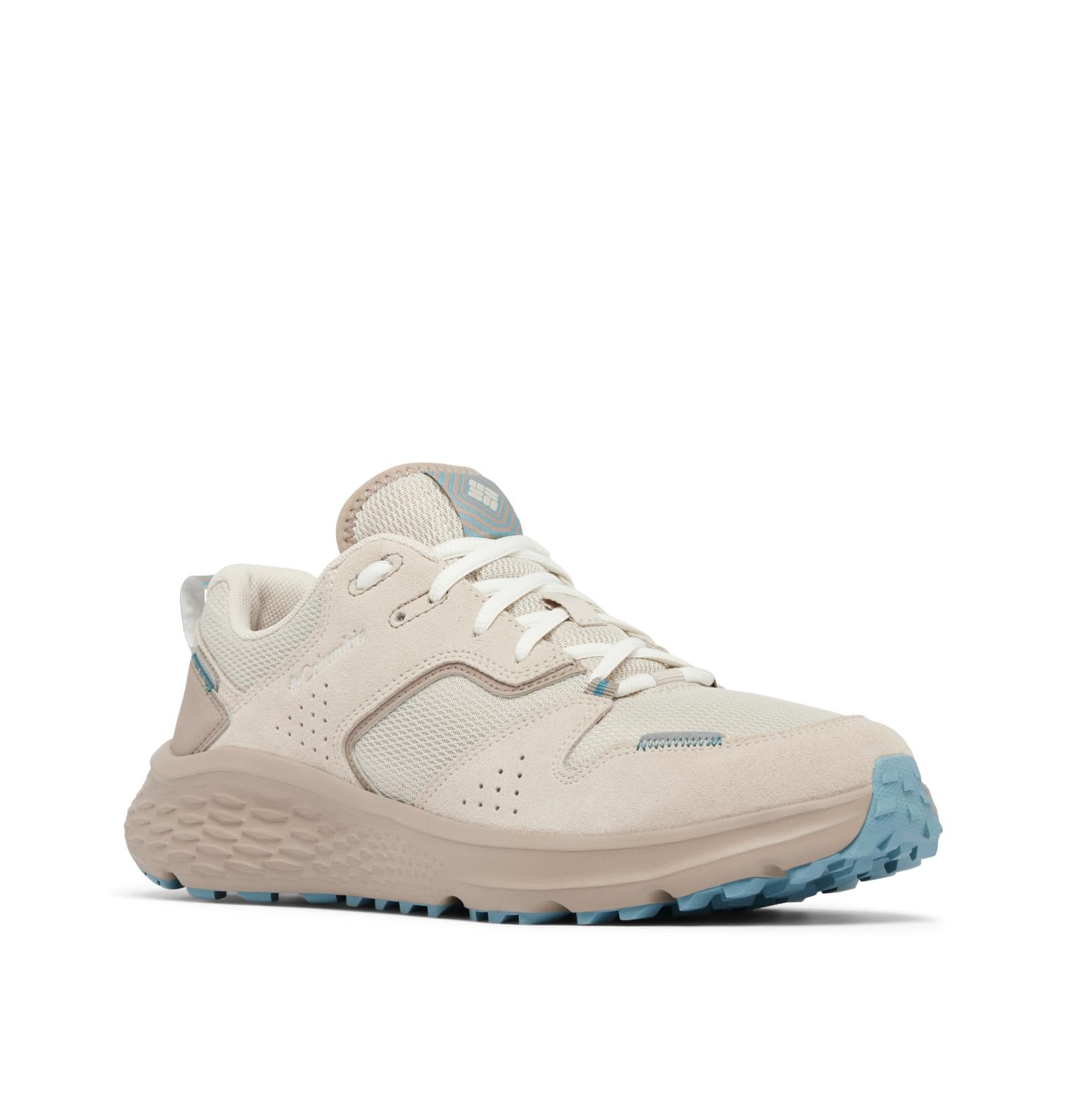
The Benson Sneaker is Columbia’s answer to the traveler who needs one shoe that handles a day hike, a city walking tour, and a casual dinner without looking out of place. The Techlite midsole provides ample cushioning for all-day wear — reviewers consistently report happy feet after 25,000-step days on hard terrain and inclines. The Omni-Grip outsole uses a moderate lug pattern that is aggressive enough for packed dirt and gravel but not so deep that it feels clunky on pavement. The neutral, understated design helps the shoe blend into urban environments without screaming “hiker.”
Initial stiffness is a common theme in reviews; the midsole and upper require a few wears to break in before they reach peak comfort. The shoe is not advertised as wide-fit, and reviewers with wide feet (2E) note that the toe box can feel tight even when sizing up. The laces are noticeably short, which makes achieving a secure heel lock tricky for high-volume feet. Breathability is a strong point — the mesh upper allows enough airflow that feet stay comfortable in warm conditions, a welcome feature for travelers moving between climates.
One notable limitation is long-term durability: several reviewers who used the Benson as a daily work shoe noted that the midsole begins to pack out after heavy extended use, making it better suited as a versatile travel companion than a dedicated high-mileage trainer. For the hiker who wants one pair of shoes that can do it all without screaming “outdoor gear,” the Benson is a smart, lightweight option that balances style with genuine hiking capability.
Why it’s great
- Versatile design works for trail hiking and city travel alike
- Breathable mesh upper keeps feet cool in warm weather
- Omni-Grip outsole handles packed dirt and gravel competently
Good to know
- Stiff out of box; needs a break-in period for peak comfort
- Narrow toe box and short laces can be problematic for wide feet
7. Columbia Women’s Transverse Hike Waterproof Hiking Boots

The Transverse Hike delivers genuine Omni-Tech waterproofing and a supportive ankle collar at a price that undercuts most competitors by a significant margin. Reviewers rave about the zero break-in required — multiple accounts describe pulling these boots out of the box and wearing them all day through rain and cobblestone in Ireland and Scotland without a single hot spot. The Omni-Grip outsole provides reliable traction on wet pavement, wet grass, and muddy trail, giving new hikers confidence on slick surfaces where cheaper boots would slip.
Fit runs true to size with a cut that accommodates narrow heels and high arches well — a notoriously difficult foot shape to fit in budget-friendly boots. The ankle collar provides enough support for day hikes on maintained trails without feeling restrictive or causing chafing at the Achilles. The boots are lightweight enough that they don’t feel like anchors on longer walks, and the gray color option hides trail dust and scuffs effectively. Several reviewers noted that the arch support is minimal, though this didn’t cause discomfort for most users.
The trade-off at this price point is long-term durability: the midsole foam is softer and will compress faster than premium options, and the waterproof membrane may delaminate sooner under heavy use. Hikers who average a few weekend trips per season rather than weekly outings will find the Transverse Hike more than adequate. For an affordable, comfortable waterproof hiking boot that requires zero break-in, this is a compelling entry point for newcomers or occasional hikers building their kit.
Why it’s great
- Omni-Tech waterproofing keeps feet dry in sustained rain
- Zero break-in required; comfortable out of the box for all-day wear
- Fits narrow heels and high arches well
Good to know
- Midsole foam is soft; compresses faster than premium options
- Minimal arch support may require aftermarket insoles for some
FAQ
Should I size up for day hiking shoes to account for foot swelling?
Is a waterproof membrane always the right choice for day hikes?
How do I know if a shoe has enough arch support for my foot type?
Final Thoughts: The Verdict
For most users, the day hiking shoes winner is the Columbia Konos TRS Outdry because it combines genuine OutDry waterproofing with immediate out-of-box comfort and a roomy toe box that handles mile after mile without blisters. If you want a lightweight hybrid that blurs the line between runner and hiker, grab the Merrell Speed Strike 2. And for a budget-friendly entry point that still delivers real waterproofing and zero break-in, nothing beats the Columbia Women’s Transverse Hike Waterproof.

Mo Maruf
I created WellFizz to bridge the gap between vague wellness advice and actionable solutions. My mission is simple: to decode the research and give you practical tools you can actually use.
Beyond the data, I am a passionate traveler. I believe that stepping away from the screen to explore new environments is essential for mental clarity and physical vitality.