Our readers keep the lights on and my smoothie glass nicely filled. As an Amazon Associate, I earn from qualifying purchases.
A gobbler that hangs up at the edge of range isn’t shy — he’s waiting to hear the right rasp, the exact wood-on-wood slide that signals a real hen. Custom turkey calls are built for that moment, trading injection-molded uniformity for hand-tuned tone chambers that throw a yelp with authority and a purr with intimacy.
I’m Mohammad Maruf — the founder and writer behind WellFizz. I’ve spent hundreds of hours cross-referencing wood species, pot call surface materials, and pivot-point designs to sort the handmade gems from the factory fillers.
Chalk rides the lid, mahogany and walnut resonate under the stroke, and a properly conditioned surface separates a close-range kill from a blown setup. This guide to finding the best custom turkey calls breaks down box calls, pot calls, and the woods that make them sing.
How To Choose The Best Custom Turkey Calls
The category divides sharply between box calls and pot calls. Box calls use a paddle sliding across a wooden box to produce sound; the wood species, lid thickness, and chalk condition define the tone. Pot calls use a striker over glass, slate, or aluminum; the surface material governs whether you get sharp cutting yelps or soft, resigned purrs. Matching your call to the stage of the hunt matters more than the brand on the wood.
Wood Species and Construction
Straight-grain mahogany resonates with a rich, full-range tone that carries across fields. Walnut adds a darker, raspier bottom end. Cherry boxes deliver a sweeter high note with natural taper when you roll the paddle. A one-piece box (no glued joints) eliminates dead spots and produces a cleaner fundamental note. The lid should be thick enough to hold chalk without flexing but light enough to respond to finger pressure.
Pivot Design and Surface Conditioning
A box call’s lid pivot must lock tight enough to prevent lateral sliding, which causes that dreaded metallic chirp on the upstroke. Offset pivots (like Lynch’s design) auto-center the lid for consistent contact. Pot calls rely on a conditioned surface — fresh glass needs scoring with a stone or sandpaper to grab the striker; slate surfaces arrive pre-conditioned but will glaze over after heavy use. Always buy a conditioning kit with a pot call.
Quick Comparison
On smaller screens, swipe sideways to see the full table.
| Model | Category | Best For | Key Spec | Amazon |
|---|---|---|---|---|
| Woodhaven Cherry Real Hen Box Call | Box Call | Rich hen yelps with natural rasp | One-piece cherry box, Brazilian cherry lid | Amazon |
| Woodhaven Cherry Classic Friction Call | Pot Call | Sweet-to-raspy full-range friction calling | Cherry wood/crystal surface, Surface Saver lid | Amazon |
| ESH Double-Sided Glass & Slate Pot Call | Pot Call | Locating cuts + close-range purrs | Two-sided (glass+slate), walnut/cherry pot | Amazon |
| Lynch World Champion Box Call | Box Call | Classic loud yelps from a legendary design | Straight-grain mahogany, offset pivot lid | Amazon |
| Lynch Fool Proof Box Call | Box Call | Beginner-friendly entry into box calling | Mahogany base, walnut lid, auto lid stop | Amazon |
| FOXPRO Bittersweet Pot Glass & Slate | Pot Call | Two-sided glass/slate calling | Honey locust pot, purple heart striker | Amazon |
| Primos Clear Cutter Wood Grain Box Call | Box Call | Loud, raspy cuts on a budget | Mahogany/walnut, ergonomic thumb groove | Amazon |
In‑Depth Reviews
1. Woodhaven Custom Calls The Cherry Real Hen Box Call – WH045
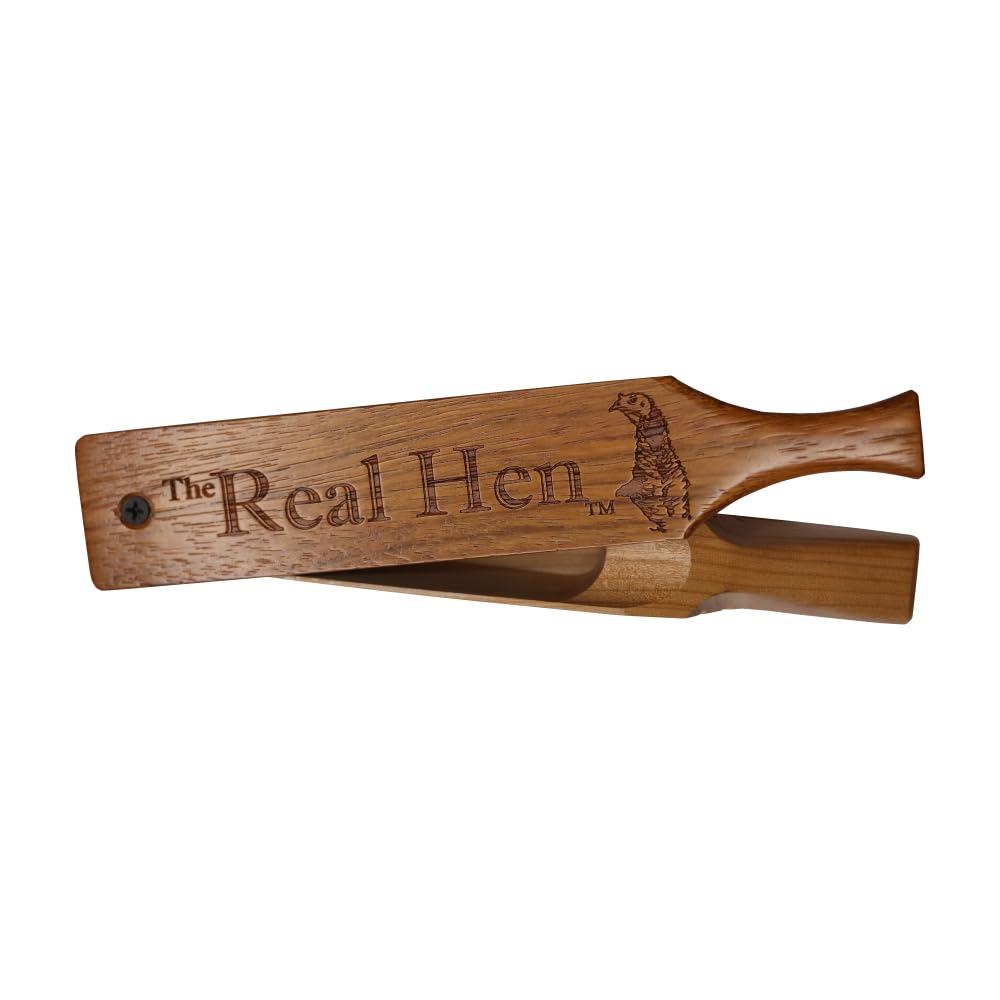
The Woodhaven Cherry Real Hen delivers one of the sweetest, most authentic hen yelps available from a box call. The one-piece cherry box eliminates glued seams so the wood resonates as a single chamber, producing a clear high note that rolls naturally into rasp as you increase paddle pressure. The Brazilian cherry lid adds density for a controlled, predictable stroke every time.
Customer reports confirm it called in and sealed a first bird on the first outing, which says more than any spec sheet can. The hand-tuned fit means no dead zones across the stroke range — you can go from a soft tree call to a cutting fly-down cackle without losing tone integrity. At this price point, you’re paying for materials and tuning refinement.
The box is heavier than entry-level calls, which is a confidence marker rather than a drawback. New box call users will need a short practice session to find the lid’s sweet spot, but the learning curve is short.
Why it’s great
- One-piece cherry construction gives unmatched tonal purity.
- Hand-tuned for zero dead spots from high yelp to low rasp.
- Proven field results — birds respond on first outing.
Good to know
- Heavier than budget box calls; requires solid grip.
- Lid takes a few runs to find the optimal chalk angle.
2. Woodhaven Cherry Classic Series Friction Turkey Call
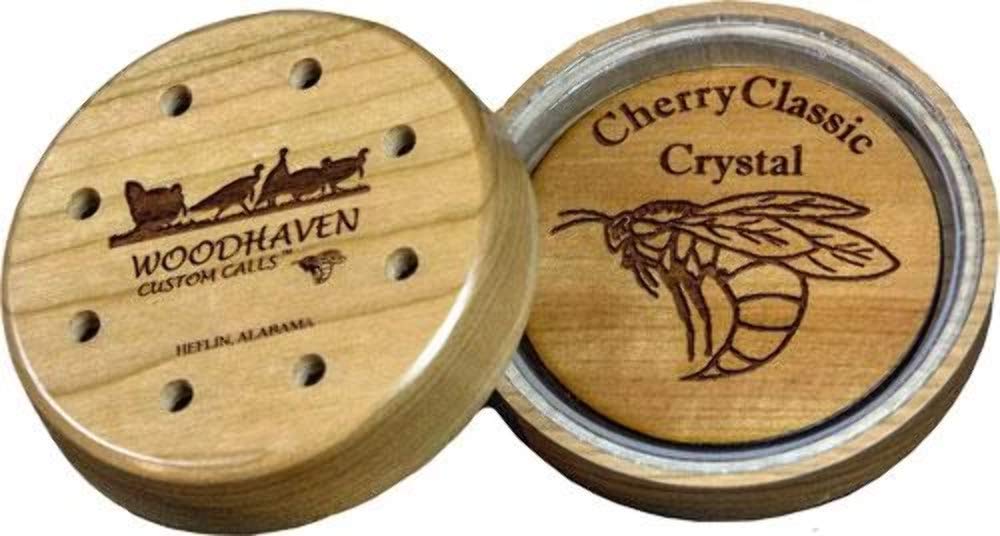
This pot call from Woodhaven bridges the gap between a sweet calling surface and aggressive rasp. The cherry wood body provides a warm, resonant base, while the crystal surface produces the high-pitched cutting notes that carry across ridges. The “Surface Saver” lid protects the playing surface when stored, which matters for hunters who stash their call in a vest pocket between setups.
Multiple users report that the Cherry Classic delivers the most realistic sound of any friction call they own — one reviewer called it their “new favorite call” after a season of running it against slate and glass competitors. The front-to-back tonal variety lets you start with sweet clucks and roll into a deep, aggressive drop-off at the rear edge.
The included conditioning mesh sandpaper is adequate, but seasoned users recommend upgrading to a dedicated stone for reconditioning the crystal surface. Without periodic freshening, the striker loses grip and the high notes become dull.
Why it’s great
- Exceptional tonal range from sweet front notes to raspy back edge.
- Cherry wood body provides natural warmth and projection.
- Surface Saver lid prevents damage in the field.
Good to know
- Crystal surface needs a good conditioning stone for best grip.
- Mesh sandpaper included is functional but not optimal for long-term use.
3. ESH Turkey Pot Calls – Realistic Friction Turkey Calls for Hunting

The ESH pot call eliminates the need to carry two separate calls by flipping between a glass surface for sharp locating cuts and a slate surface for soft, close-range purrs. The walnut and cherry pot provides a balanced resonance that doesn’t favor either side — the glass throws crisp, penetrating notes while the slate produces the subdued, gravelly talk that seals the deal when a gobbler is inside 40 yards.
Included with the call is a matched Dymondwood striker plus a conditioning stone and sandpaper, which addresses the surface preparation issue that plagues many pot calls out of the box. Several users confirm that both sides produce excellent sound immediately after a quick surface break-in. The Dymondwood striker is well-matched to both surfaces, reducing the need to buy an aftermarket striker.
The conditioning tools (sandpaper and stone) are functional but on the smaller side — you’ll want a larger stone for thorough reconditioning after heavy use. The walnut-and-cherry combination gives this call a professional look that matches its performance.
Why it’s great
- Two surfaces (glass + slate) cover locating cuts and close purrs.
- Walnut/cherry pot delivers balanced tone across both surfaces.
- Includes matched striker and conditioning tools.
Good to know
- Sandpaper and conditioning stone are small; upgrade recommended.
- Learning to switch surfaces mid-hunt takes a little practice.
4. Lynch World Champion Turkey Box Call

The Lynch World Champion carries a reputation built over generations of turkey hunters, and the 2020s production run maintains the DNA that made the original from the 1950s a legend. The straight-grain mahogany base and offset pivoting lid reproduce the classic Lynch sound: a loud, authoritative yelp that carries across fields without sounding harsh. Two distinct tones — one per side — give you versatility without swapping calls.
Users who own original Lynch calls from the 1950s confirm the new version is heavier, better built, and has a thicker lid that improves chalk retention and tonal consistency. The offset pivot design eliminates the metallic chirp that cheaper box calls produce when the lid drifts off-center. The unfinished chalk area on the lid holds chalk well for long sessions between reapplication.
The call is loud — very loud — which is perfect for open country but may overpower in tight woods or when birds are close. The thicker lid also means a slightly heavier stroke than featherweight box calls, so hunters with smaller hands may need to adjust grip pressure.
Why it’s great
- Proven straight-grain mahogany tone with offset pivot stability.
- Heavier build and thicker lid than the original vintage model.
- Two distinct sides offer built-in calling versatility.
Good to know
- Very loud; may be too aggressive for close-range tight cover.
- Thicker lid requires a slightly firmer stroke.
5. Lynch Fool Proof Turkey Box Call

The Fool Proof lives up to its name by removing the guesswork from box calling. The offset pivoting lid automatically stops at the correct angle on every stroke, eliminating the lid-slide issue that trips up new callers. The mahogany base and walnut lid produce a rich, realistic hen yelp that doesn’t require years of practice to reproduce. Users report calling in birds on their first day with the call, which is the ultimate validation of the “fool proof” claim.
The auto lid stop prevents the paddle from over-traveling, so you can focus on rhythm and cadence instead of chasing the lid position. The hand-tuned construction ensures consistent contact pressure across the chalked surface. Customer reviews consistently rate the Fool Proof as the easiest box call to pick up and produce a realistic sound — one user called it the “one box you need.”
A few reviewers note that after a full season of heavy use, the spring pivot point can develop a metallic sound that is audible at close range. Regular lubrication of the pivot screw and fresh chalk application mitigates this issue, but it’s something to monitor during the off-season.
Why it’s great
- Auto lid stop eliminates lid position guesswork for beginners.
- Mahogany/walnut combo produces classic Lynch tone easily.
- Proven field success — users call in birds on first attempt.
Good to know
- Pivot spring can develop metallic sound after heavy season use.
- One-direction stroke limits some advanced calling techniques.
6. FOXPRO Bittersweet Pot Glass and Slate Turkey Call
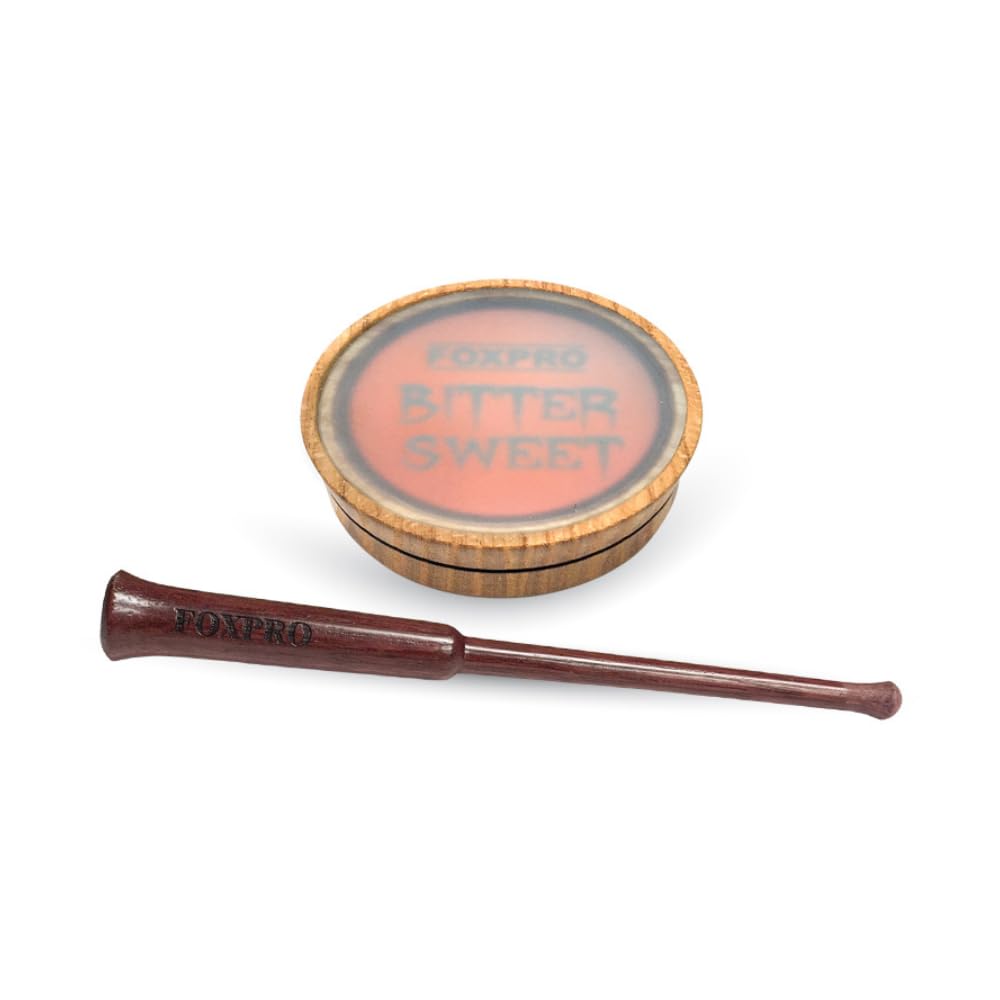
FOXPRO brings its electronic-call expertise into the friction-call world with the Bittersweet double-sided pot. The honey locust wood pot is a less common species in this category, but it delivers a warm, woody resonance that sits well between the brightness of cherry and the darkness of walnut. The one-piece purple heart striker is dense and hard, producing clean contact with both the glass and slate surfaces.
One user reported calling in seven birds on the first outing with this call, which indicates the pre-conditioned surfaces are ready to go out of the box — no lengthy break-in required. The glass over slate design offers two distinct tonal profiles with a simple flip: glass for cutting and locating, slate for soft feeding purrs and clucks. The honey locust pot gives the call a unique visual character that stands out in a vest full of standard cherry and mahogany calls.
A minority of users were not completely satisfied with the pot sound, which may reflect personal preference for tonal character rather than a manufacturing defect — the glass side produces a slightly different texture than some competing crystal surfaces. The striker is excellent quality, but the call doesn’t include a dedicated conditioning tool, so you’ll need to buy one separately for long-term maintenance.
Why it’s great
- Unique honey locust wood pot for warm resonance.
- Pre-conditioned surfaces ready out of the box.
- Heavy, dense purple heart striker provides excellent surface contact.
Good to know
- No conditioning tool included; requires separate purchase.
- Some users find the glass side sound less sweet than crystal.
7. Primos Hunting Clear Cutter Wood Grain Turkey Box Call

The Primos Clear Cutter proves that a budget-friendly box call can still punch above its weight class in the field. The mahogany and walnut construction produces a rich tone that reviewers consistently describe as “very loud” and “raspy” — the exact profile spring hunters look for when trying to provoke a gobbler into response. The ergonomic thumb groove helps beginners maintain consistent paddle grip without slipping.
Multiple users report calling in and harvesting turkeys on their first hunting trip with this call, including one who bagged a bird at 25 feet. The included chalk works well, and the call produces the full range of turkey vocalizations: cuts, cackles, clucks, purrs, and yelps. For the entry-level price, you get a functioning box call that sounds like a hen and gets the job done.
The bright factory finish may need dulling — several users recommend spray painting it flat to reduce glare in the woods. The call is designed as a one-direction box, which limits some advanced calling techniques that require pulling the paddle in both directions. The lid can ride up slightly during hard cutting, causing a click or chirp sound that requires attention to technique.
Why it’s great
- Surprisingly loud, raspy tone that turkeys respond to immediately.
- Ergonomic thumb groove improves grip consistency for beginners.
- Affordable price makes it a low-risk entry into box calling.
Good to know
- Bright finish requires spray painting for a non-reflective surface.
- One-direction stroke limits advanced calling cadences.
FAQ
How often should I chalk my box call in the field?
Why does my pot call sound airy and not sharp?
Are one-piece box calls really better than two-piece assembled calls?
What is the best striker material for a slate pot call?
Can I use a box call in wet weather without ruining the wood?
Final Thoughts: The Verdict
For most users, the best custom turkey calls winner is the Woodhaven Cherry Real Hen Box Call because its one-piece cherry construction and hand-tuned fit produce the most authentic, responsive hen tones at a premium-accessible price. If you want the versatility of two surfaces in one call, grab the ESH Double-Sided Pot Call. And for a budget-friendly entry to custom box calling, nothing beats the Primos Clear Cutter for loud, raspy cuts that bring toms running.

Mo Maruf
I created WellFizz to bridge the gap between vague wellness advice and actionable solutions. My mission is simple: to decode the research and give you practical tools you can actually use.
Beyond the data, I am a passionate traveler. I believe that stepping away from the screen to explore new environments is essential for mental clarity and physical vitality.