Our readers keep the lights on and my smoothie glass nicely filled. As an Amazon Associate, I earn from qualifying purchases.
The difference between an enjoyable jog and one that leaves your knees and hips aching often comes down to a single decision: the type of cushioning under your heel and forefoot. Not all plush midsoles are created equal — some absorb impact while robbing energy return, others provide a springy bounce but lack the support needed for longer distances. Understanding the balance between softness, responsiveness, and stability is what separates a great pair of running shoes from an expensive mistake.
I’m Mohammad Maruf — the founder and writer behind WellFizz. After spending countless hours analyzing foam formulations, midsole geometries, and real-world user feedback across seven distinct cushioned models, this guide provides the clear, category-specific intel you need to choose your next pair with confidence.
Whether you’re logging miles on pavement or power walking through recovery days, finding the right setup matters — which is why we’ve curated this complete breakdown of the best cushioned shoes for jogging to match your stride and budget.
How To Choose The Best Cushioned Shoes For Jogging
With so many foam formulations and midsole geometries on the market, picking a pair based on looks or brand alone often leads to disappointment. The best approach is to match the shoe’s cushioning characteristics to your body weight, gait mechanics, and typical running surface. Here’s what to prioritize.
Foam Type and Energy Return
Not all softness feels the same. Traditional EVA foam compresses easily but loses its bounce over time, while nitrogen-infused or PEBA-based foams (like New Balance’s Fresh Foam or ASICS’ FF BLAST) offer a livelier ride that returns energy with each stride. For jogging, you want a foam that absorbs impact without feeling dead or mushy underfoot — a responsive cushion that helps propel you forward rather than sinking your step.
Stack Height and Heel-to-Toe Drop
Stack height measures the amount of foam between your foot and the ground. Higher stacks (over 30mm) deliver maximum protection from hard pavement but can reduce ground feel. The drop — the difference between heel and forefoot height — influences your strike pattern. A 10-12mm drop suits heel-strikers, while a 6-8mm drop encourages a midfoot landing. Choose based on your natural gait to avoid altering your stride too drastically.
Stability Features for Neutral vs Pronation Control
Cushioned shoes often target neutral runners, but if you overpronate (your ankle rolls inward on impact), you need a shoe with added support like Brooks’ GuideRails or a denser medial post. A highly cushioned shoe without stability corrections can magnify alignment problems, leading to knee or arch pain. Identify your gait before committing to a plush platform.
Quick Comparison
On smaller screens, swipe sideways to see the full table.
| Model | Category | Best For | Key Spec | Amazon |
|---|---|---|---|---|
| ASICS SUPERBLAST 2 | Premium | Versatile training & half-marathon | 45mm stack / FF BLAST Turbo foam | Amazon |
| Brooks Glycerin 23 | Premium | Maximum plush neutral comfort | DNA LOFT v3 / 8mm drop | Amazon |
| Brooks Adrenaline GTS 23 | Premium | Stability & overpronation support | GuideRails / 12mm drop | Amazon |
| New Balance Fresh Foam X 880v15 | Mid-Range | Daily mileage & wider toe box | Fresh Foam X / 32mm stack | Amazon |
| Brooks Trace 4 | Mid-Range | Budget-friendly neutral running | DNA Foam / 10mm drop | Amazon |
| PUMA Softride Symmetry Fuzion | Mid-Range | Everyday walking & light jogging | Softride foam / slip-on design | Amazon |
| Under Armour Charged Assert 9 | Budget | Value-focused jogging & wide feet | Charged Cushioning / 10mm drop | Amazon |
In‑Depth Reviews
1. ASICS SUPERBLAST 2
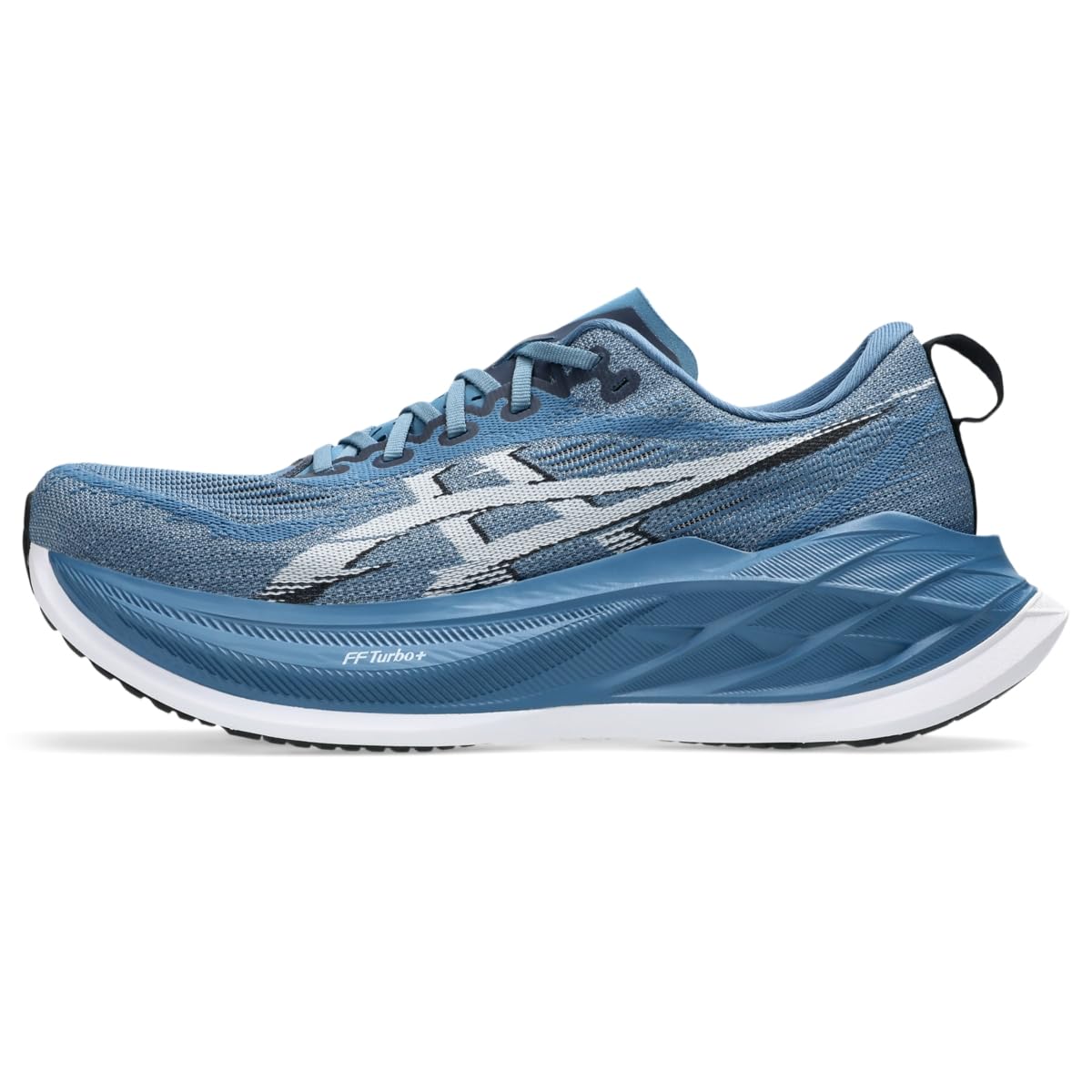
The SUPERBLAST 2 redefines the cushioned trainer category with its FF BLAST Turbo midsole — a nitrogen-infused foam that delivers exceptional energy return without sacrificing plushness. Runners report that the 45mm stack height provides outstanding impact protection on long pavement miles while still feeling lively and responsive at faster paces. Multiple reviewers describe it as the Swiss Army knife of their rotation, handling everything from easy recovery jogs to half-marathon race efforts without needing a break-in period.
Testers weighing up to 250 pounds praise the shoe’s neutral stability and generous toe box, noting that the platform feels secure even when fatigue sets in. The outsole traction grips well on dry and slightly damp roads, though runners transitioning from lower-stack shoes may require a short adaptation period to the elevated platform. The upper uses lightweight engineered mesh that breathes well in moderate conditions but can feel drafty in colder weather.
For joggers who want one shoe that does almost everything well — from slow warm-ups to tempo intervals — the SUPERBLAST 2 delivers a combination of softness and springiness that few competitors match. Its high stack demands good ankle stability, but for neutral runners logging consistent weekly mileage, this is the most versatile cushioned option we evaluated.
Why it’s great
- Exceptional foam rebound and energy return for a high-stack trainer
- Zero break-in required; comfortable out of the box for long runs
- Roomier toe box accommodates natural foot splay during jogging
Good to know
- High stack height reduces ground feel and requires stable ankles
- Runs slightly wide; half-size up recommended for narrow feet
2. Brooks Glycerin 23
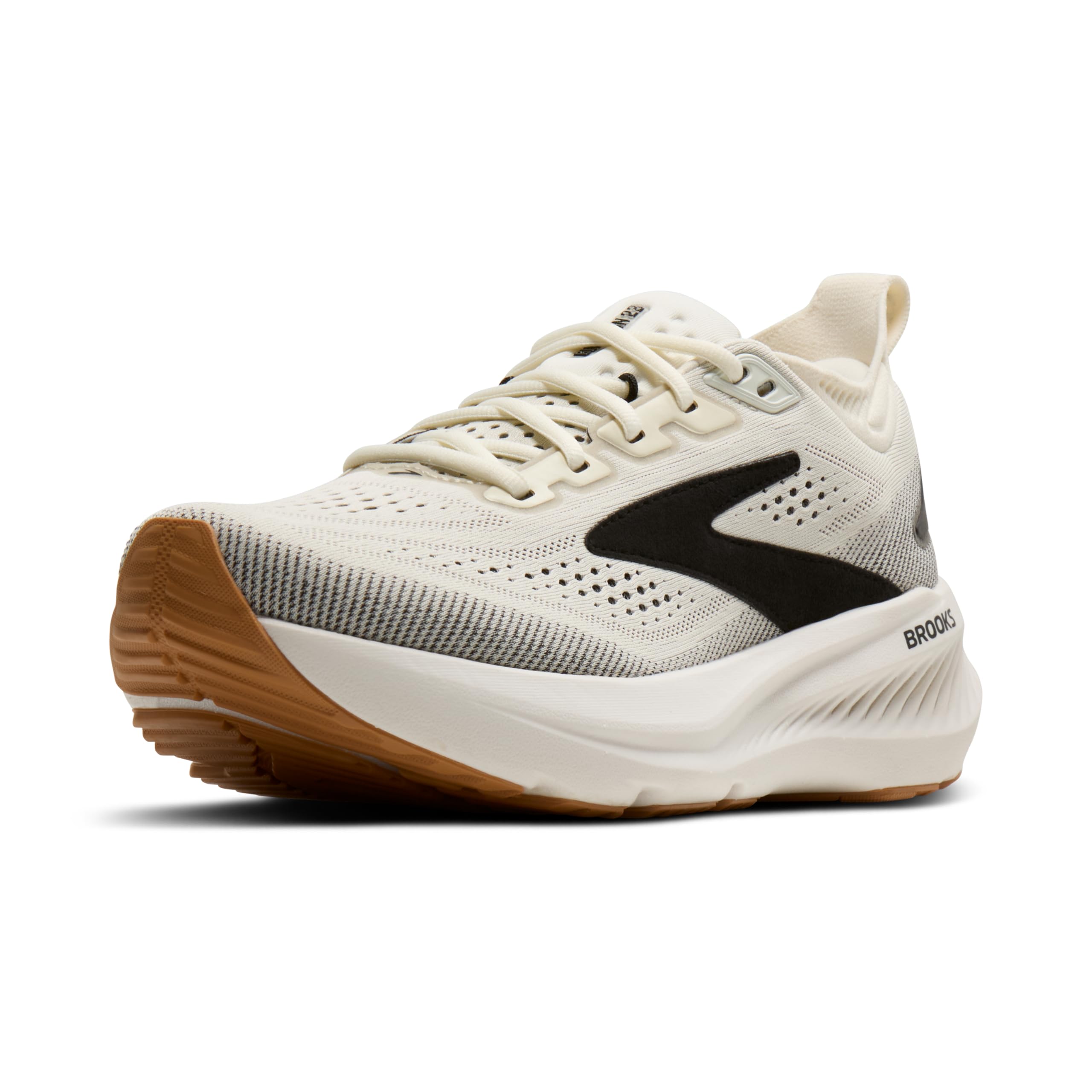
The Glycerin 23 is Brooks’ flagship neutral cushioned shoe, and the latest iteration moves to an 8mm heel-to-toe drop for a more natural stride compared to the 10mm drop found in most Brooks daily trainers. The DNA LOFT v3 midsole uses a blend of rubber and foam to deliver a pillowy yet responsive ride that reviewers describe as supportive enough for 12-hour shifts on hard floors and comfortable for 18-mile walks straight out of the box. Podiatrist recommendations appear frequently in feedback, especially for runners with high arches or sensitive joints.
Testers appreciate the wider toe box that allows natural toe splay and the redesigned lower collar that eliminates ankle soreness during longer outings. The outsole rubber provides reliable traction on wet pavement and uneven surfaces, giving joggers confidence on mixed terrain. Some users note that the Glycerin 23 runs slightly warmer than earlier versions, making it better suited for cooler seasons or air-conditioned gyms rather than peak summer heat.
If maximum softness with dynamic responsiveness is your goal — and you don’t need built-in pronation control — the Glycerin 23 is a premium pick that balances cloud-like step-in feel with enough structure for daily jogging. The 8mm drop makes it particularly appealing for runners looking to transition away from a pronounced heel-striking pattern.
Why it’s great
- Luxuriously soft yet responsive cushioning that works for all-day wear
- Lower 8mm drop promotes a more natural midfoot strike
- Wider toe box and supportive heel counter reduce foot fatigue
Good to know
- Upper runs warmer; less ideal for hot-weather jogging
- Not designed for overpronators needing stability correction
3. Brooks Adrenaline GTS 23

The Adrenaline GTS 23 is the gold standard for joggers who need cushioning plus pronation support. Its GuideRails system uses denser foam along the medial side to gently correct overpronation without the harsh rigid post found in traditional stability shoes. Reviewers — including a cross-country runner logging PRs in relentless rain — praise the shoe’s ability to keep the foot aligned while absorbing impact, reducing knee and hip strain over hundreds of miles. The 12mm drop caters well to heel-strikers who need extra ramp angle for smooth transitions.
Durability is a standout theme: multiple users report 500-600 miles of full support before noticeable breakdown, with the GTX version offering genuine waterproofing for wet conditions. The mesh upper breathes adequately in mild weather but can feel drafty in freezing temperatures. Testers with wide feet appreciate the multiple width options and consistent sizing across Brooks models, though the toe box may feel snug initially before breaking in over several runs.
For joggers who experience knee pain from overpronation or want a reliable companion for mixed-condition training, the Adrenaline GTS 23 delivers the most refined blend of cushioning and corrective support in its class. It is noticeably heavier than neutral trainers, but the trade-off in stability is worth it for anyone whose gait demands structural guidance.
Why it’s great
- GuideRails correct overpronation without feeling intrusive or stiff
- Proven 500-600 mile durability for heavy training cycles
- Available in multiple widths and a waterproof GTX version
Good to know
- Heavier than neutral cushioned shoes; less nimble for speed work
- Toe box can feel snug initially; requires short break-in period
4. New Balance Fresh Foam X 880v15
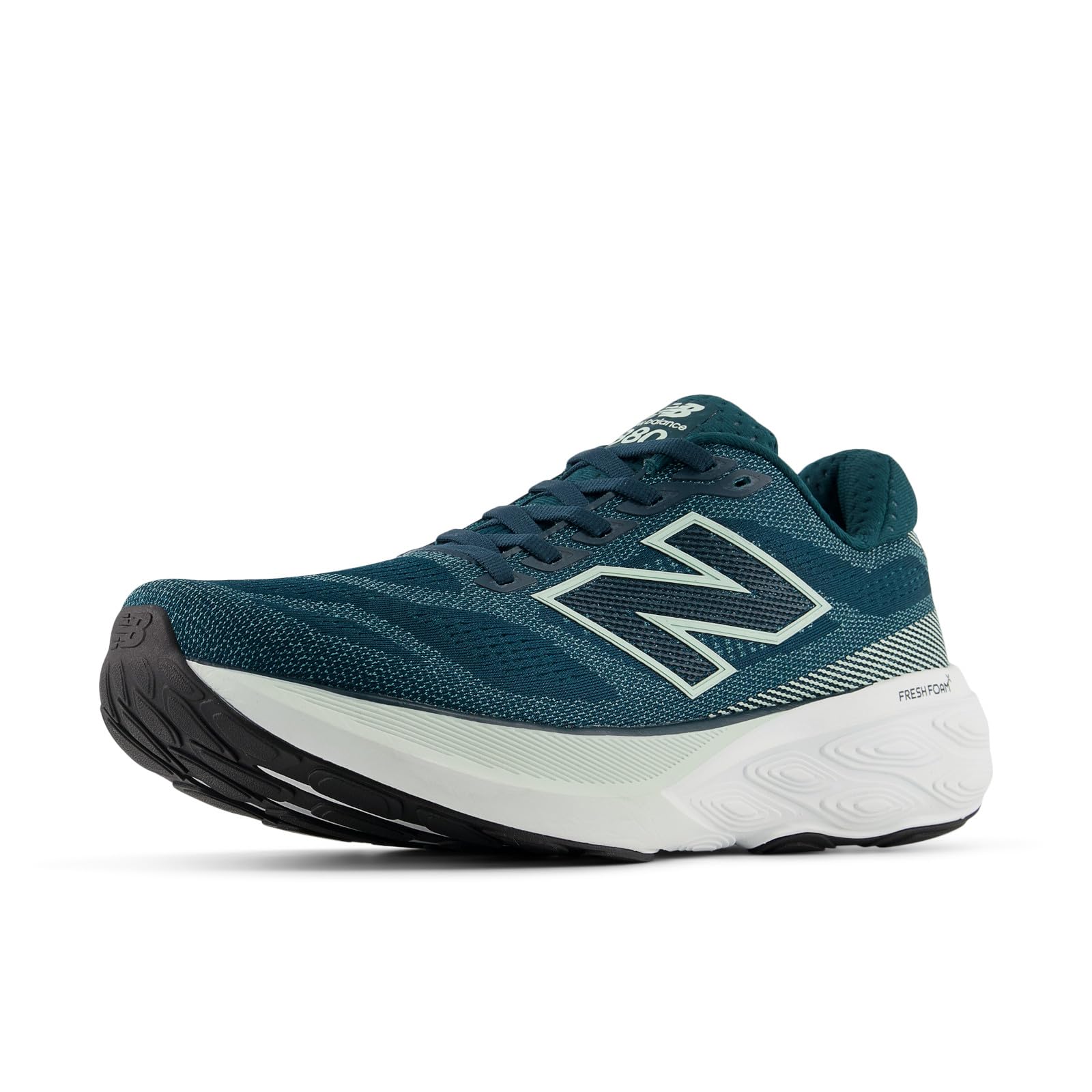
The Fresh Foam X 880v15 is New Balance’s answer to a do-everything daily trainer that prioritizes comfort without breaking the bank. The Fresh Foam X midsole uses a precision-engineered foam that reviewers describe as “walking on air” for its combination of soft landing and enough density to avoid bottoming out on longer jogs. The 32mm stack provides solid impact protection for pavement running while maintaining a moderate ground feel that keeps the shoe versatile for walking and gym use. Testers appreciate the consistent sizing across New Balance models, though some needed to go half a size up for an optimal fit.
The wider toe box is a notable advantage for joggers with diabetes or those who need extra forefoot room to prevent tripping — a detail mentioned by multiple reviewers with higher volume feet. The outsole features durable rubber placement in high-wear zones, though some users report the foam compressing noticeably after eight to ten months of regular use. The engineered mesh upper breathes adequately for temperate runs but may trap heat during summer outings.
For joggers seeking a reliable, moderately cushioned workhorse that transitions easily between running errands and logging daily miles, the Fresh Foam X 880v15 offers excellent value with a premium feel. It lacks the explosive energy return of high-stack PEBA foams but compensates with predictable, all-day comfort that doesn’t fatigue your feet.
Why it’s great
- Exceptionally plush Fresh Foam X midsole with a light weight
- Spacious toe box reduces tripping risk and accommodates orthotics
- Versatile enough for daily jogging, walking, and gym sessions
Good to know
- Foam longevity may decline after ~10 months of heavy use
- Runs slightly small for some; half-size up recommended
5. Brooks Trace 4
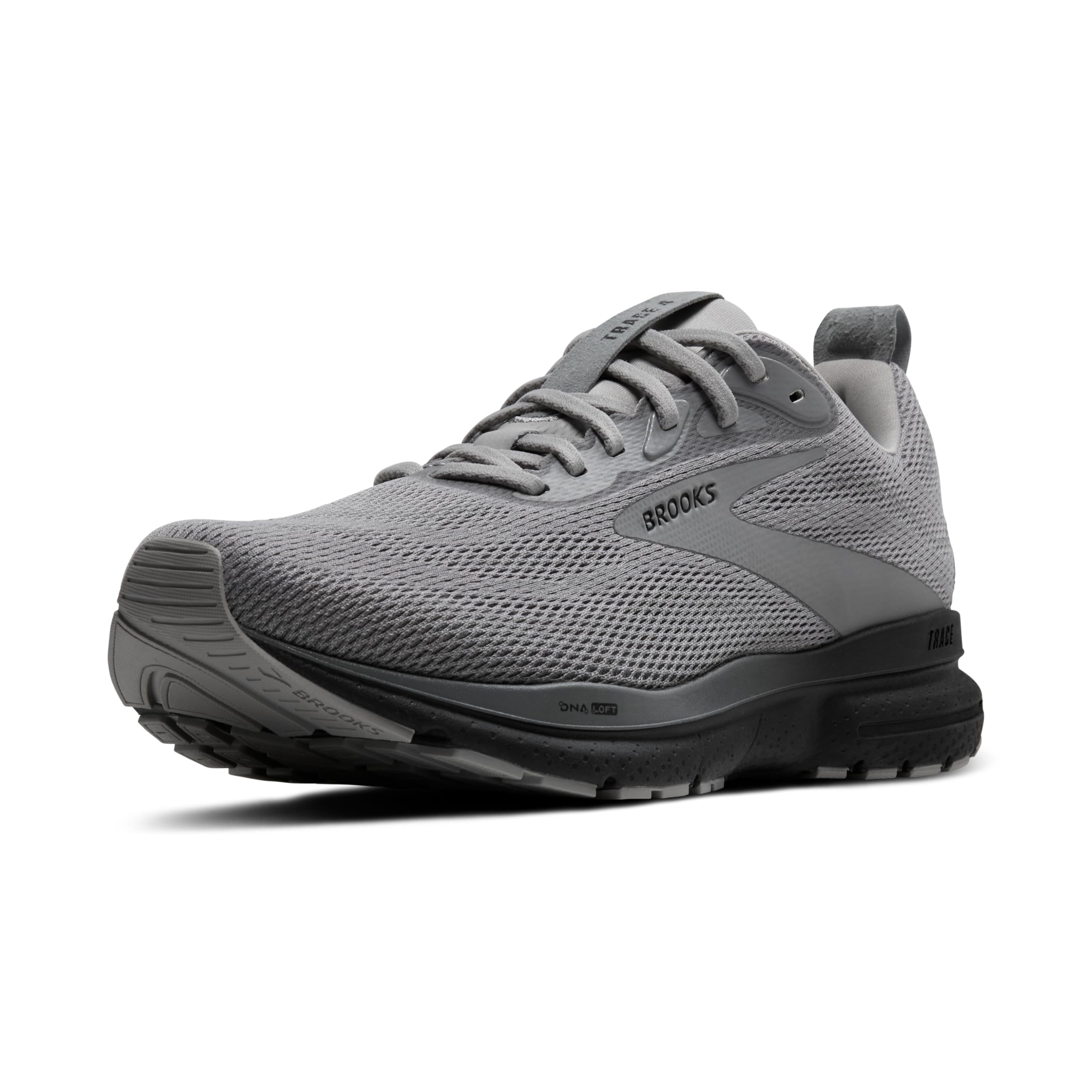
The Trace 4 is Brooks’ entry-level neutral running shoe that punches above its weight in cushioning and support. Using the same DNA Foam technology found in higher-end Brooks models, the Trace 4 delivers a soft yet responsive ride that reviewers compare favorably to shoes costing significantly more. Healthcare professionals who spend long hours on their feet report that the shoe eliminates achy joints and lower back pain, making it equally effective for post-work recovery jogs. The 10mm drop offers a balanced platform suitable for both heel and midfoot strikers transitioning to cushioned trainers.
Testers highlight the consistent sizing and reliable build quality that Brooks is known for, with several users mentioning that the Trace 4 works well for weak ankles and flat feet who need neutral support. The engineered mesh upper breathes effectively in warm conditions, though some runners note that the heel cup requires a short break-in period to prevent initial rubbing. The outsole rubber provides confident grip on dry pavement but can feel slippery on wet leaves or polished gym floors.
If you’re looking for a genuine Brooks cushioning experience at an accessible price point without sacrificing the fundamentals — breathable upper, reliable foam, durable outsole — the Trace 4 is an excellent entry-level choice that holds up to daily jogging and casual wear. It lacks the advanced foam formulations of the Glycerin or Adrenaline but delivers dependable comfort for the runner on a budget.
Why it’s great
- Affordable entry point to Brooks DNA Foam cushioning technology
- Consistent sizing and reliable build quality for daily use
- Works well for flat feet and weak ankles needing neutral support
Good to know
- Heel cup may rub initially; requires a short break-in period
- Not ideal for wet or polished surfaces due to moderate grip
6. PUMA Softride Symmetry Fuzion
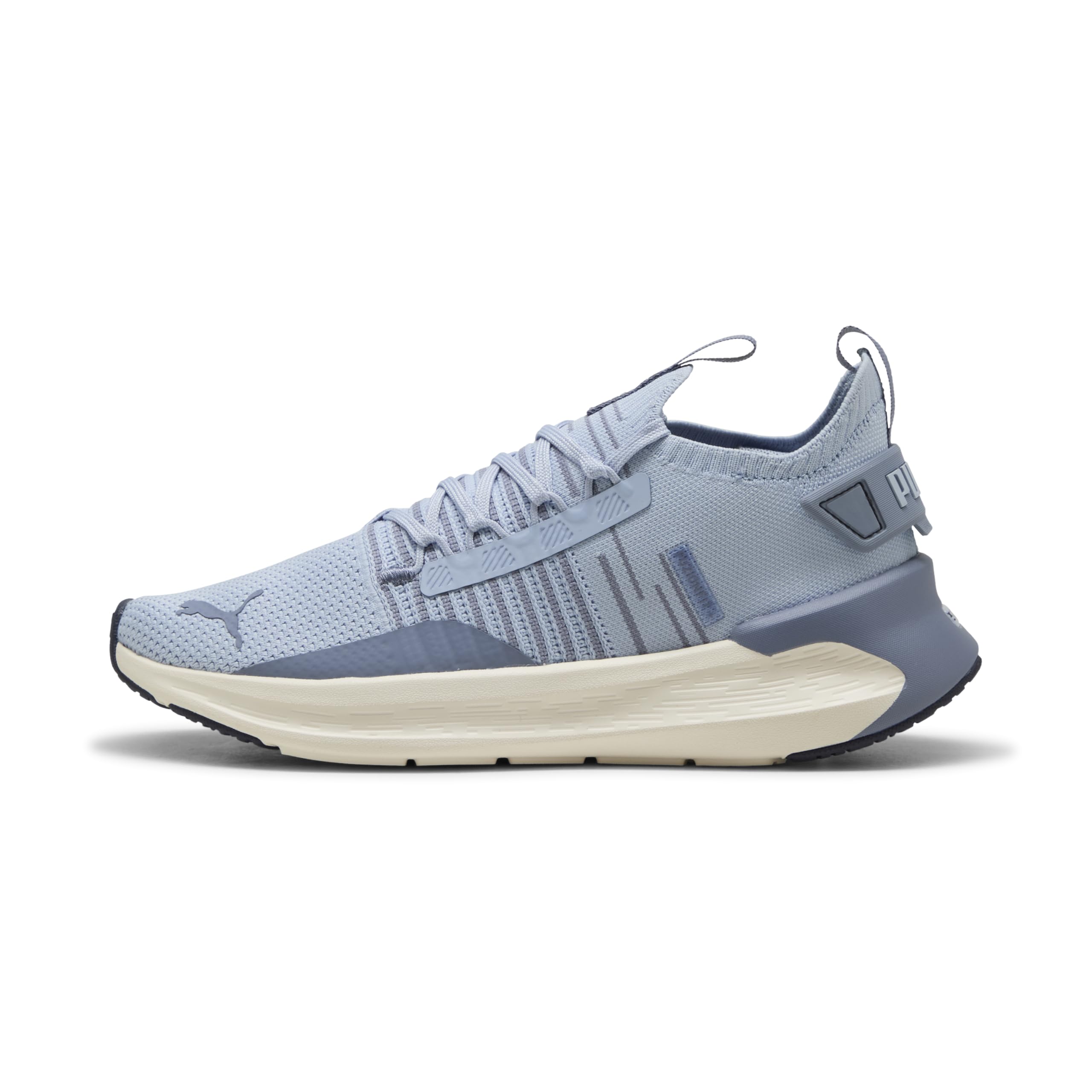
The PUMA Softride Symmetry Fuzion breaks from the traditional lace-up jogger design with a slip-on construction that combines convenience with adequate midsole cushioning. The Softride foam midsole provides a plush platform that reviewers describe as comfortable straight out of the box with no break-in required, offering good arch support for light jogging and long walks. The stretchable upper hugs the foot securely enough for easy movement while eliminating the pressure points that can develop with standard lacing systems. Users praise the shoe’s durability during international travel and dusty environments where the white colorway held up impressively well.
Testers note that the shoe runs slightly long, with multiple reviewers recommending going up half a size from your normal running shoe size for optimal fit. The outsole uses durable rubber that grips well on urban surfaces, though the overall construction is better suited for casual jogging and all-day wear than high-intensity interval training or trail running. The black and gold color option receives consistent compliments for its stylish appearance with leggings, making the transition from jogging to everyday wear seamless.
For joggers who prioritize convenience and style without demanding the maximum energy return of premium training shoes, the Softride Symmetry Fuzion delivers a comfortable, supportive ride that works beautifully for light pavement jogging, errands, and travel. It is not a performance trainer for race-day PRs, but for the casual jogger seeking easy on-off access, it hits the mark.
Why it’s great
- Slip-on design is extremely convenient for quick transitions
- Durable construction that holds up well on dusty and uneven terrain
- Great arch support with zero break-in period for immediate comfort
Good to know
- Runs slightly long; half-size up recommended for best fit
- Not designed for high-intensity training or trail running
7. Under Armour Charged Assert 9
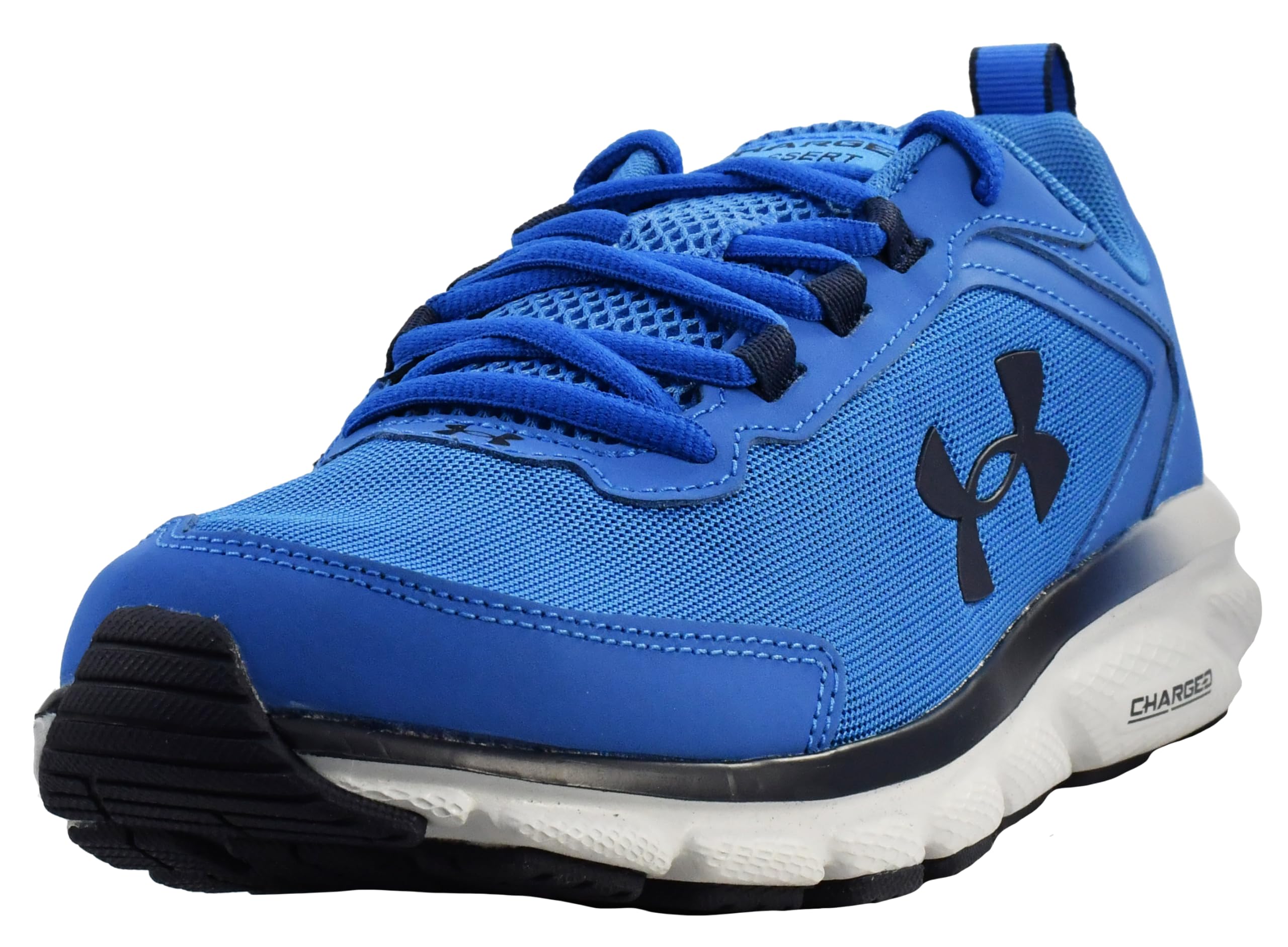
The Charged Assert 9 is Under Armour’s budget-friendly workhorse that prioritizes durability and fit over high-end foam technology. The Charged Cushioning midsole combines foam and rubber for a responsive ride that reviewers find comfortable for daily walking and moderate-paced jogging, with particular praise from runners with wide feet who appreciate the generous toe box. The heel tab makes slipping the shoe on and off effortless, while the durable mesh upper resists dirt and cleans easily after muddy outings. Multiple users report that the shoe lasts around eight months of heavy use before the cushioning begins to compress noticeably.
Testers highlight the excellent arch support and reliable tread for the price point, noting that the shoe performs best during fall and winter months because the upper runs warm. The shoe is true to size across multiple Under Armour models, making it easy to reorder without fit surprises. Some reviewers mention that the heel cup feels slightly stiff initially and needs a short break-in period, and the smooth tread pattern is not designed for technical trails or slick rock surfaces.
For joggers who need an affordable, reliable shoe with room for wide feet and solid arch support, the Charged Assert 9 delivers dependable comfort that punches above its price bracket. It won’t win any awards for featherweight construction or cutting-edge foam, but for casual pavement joggers and walkers who prioritize budget and fit, it remains a compelling choice.
Why it’s great
- Excellent fit for wide feet with generous toe box and secure heel
- Durable mesh upper resists dirt and cleans easily after runs
- Reliable arch support and cushioning for the price point
Good to know
- Upper runs warm; best suited for cooler-weather jogging
- Heel cup requires short break-in to avoid initial stiffness
FAQ
Is higher stack height always better for cushioning?
Can I use cushioned shoes if I overpronate?
How many miles should I expect from a cushioned jogging shoe?
Final Thoughts: The Verdict
For most users, the cushioned shoes for jogging winner is the ASICS SUPERBLAST 2 because its nitrogen-infused foam strikes the best balance between plush impact protection and snappy energy return, making it versatile for everything from recovery jogging to tempo sessions. If you want maximum soft comfort for long, easy miles, grab the Brooks Glycerin 23. And for those who need pronation control without sacrificing cushioning, nothing beats the Brooks Adrenaline GTS 23.

Mo Maruf
I created WellFizz to bridge the gap between vague wellness advice and actionable solutions. My mission is simple: to decode the research and give you practical tools you can actually use.
Beyond the data, I am a passionate traveler. I believe that stepping away from the screen to explore new environments is essential for mental clarity and physical vitality.