Our readers keep the lights on and my smoothie glass nicely filled. As an Amazon Associate, I earn from qualifying purchases.
The moment your foot lands, the arch collapses inward, and the repetitive strain radiates through your knee and hip. That is overpronation — a gait pattern that demands specific structural intervention, not just soft foam. The right shoe provides a platform that guides the foot through the gait cycle without forcing the joint into excess rotation.
I’m Mohammad Maruf — the founder and writer behind WellFizz. I have spent hundreds of hours combing through lab reports, user trials, and material breakdowns to isolate the exact specifications that matter for pronation control.
This guide identifies the models that deliver genuine medial support with high-rebound cushioning. Read on to find the right pair of cushioned running shoes for pronators.
How To Choose The Best Cushioned Running Shoes For Pronators
Selecting a stability shoe with cushioning requires balancing three conflicting demands: the density needed to control pronation, the softness to absorb shock, and the responsiveness to maintain energy return. Most runners focus on one factor and ignore the others, leading to pain or early breakdown.
Medial Support Technology
Look for a dual-density medial post, a diagonal roll bar, or a Guide Rails system. A simple foam post wears down fast; a denser plastic or carbon-infused medial post retains its shape over hundreds of miles. Check whether the post extends from the heel to the midfoot — a short post leaves the arch unsupported.
Cushioning Stack Height and Drop
A stack height above 30mm in the heel provides sufficient shock absorption for heavy-impact runners, but excessive height can destabilize pronators. The ideal heel-to-toe drop for overpronation is 8–12mm, which shifts the load forward and reduces the strain on the posterior tibialis tendon. Lower drops (4mm or less) increase the demand on the calf and Achilles, which can aggravate pronation-related issues.
Foam Construction and Durability
EVA-based foams with added nitrogen injection (like New Balance Fresh Foam X or ASICS FlyteFoam) deliver a balance of softness and resilience. Avoid pure TPU or Pebax foams that are too bouncy for a pronated foot — you need a firm base under the medial side, not a trampoline effect. Check outsole rubber coverage: a full-ground-contact outsole with high-abrasion carbon rubber prevents the shoe from wearing unevenly on the inner edge.
Quick Comparison
On smaller screens, swipe sideways to see the full table.
| Model | Category | Best For | Key Spec | Amazon |
|---|---|---|---|---|
| Saucony Hurricane 24 | Women’s Stability | Long runs with injury recovery | 9.8 oz weight, aggressive toe rocker | Amazon |
| Saucony Hurricane 25 | Men’s Stability | Flat feet and heel pain relief | PWRRUN PB foam, wide platform | Amazon |
| Brooks Glycerin GTS 23 | Men’s Supportive Neutral | Weighted training and back pain | DNA LOFT v3 cushion, Guide Rails | Amazon |
| ASICS GT-2000 14 (Men’s) | Men’s Stability | Daily training, wide feet | FlyteFoam Blast, LITETRUSS | Amazon |
| ASICS GT-2000 14 (Women’s) | Women’s Stability | Half-marathons and daily walks | FlyteFoam Blast, wide toe box | Amazon |
| New Balance Fresh Foam X Vongo V6 (Men’s) | Men’s Stability | Orthotic integration, wide feet | Fresh Foam X, wide toe box | Amazon |
| New Balance Fresh Foam X Vongo V6 (Women’s) | Women’s Stability | Long shifts, all-day wear | Fresh Foam X, medial post | Amazon |
| Brooks Ariel GTS 23 | Women’s Maximum Support | Severe overpronation, flat feet | Guide Rails, extra-wide platform | Amazon |
| Brooks Glycerin 23 (Women’s Neutral) | Women’s Neutral | High arches, immediate wear | DNA LOFT v3, 8mm drop | Amazon |
In‑Depth Reviews
1. Saucony Women’s Hurricane 24 Sneaker
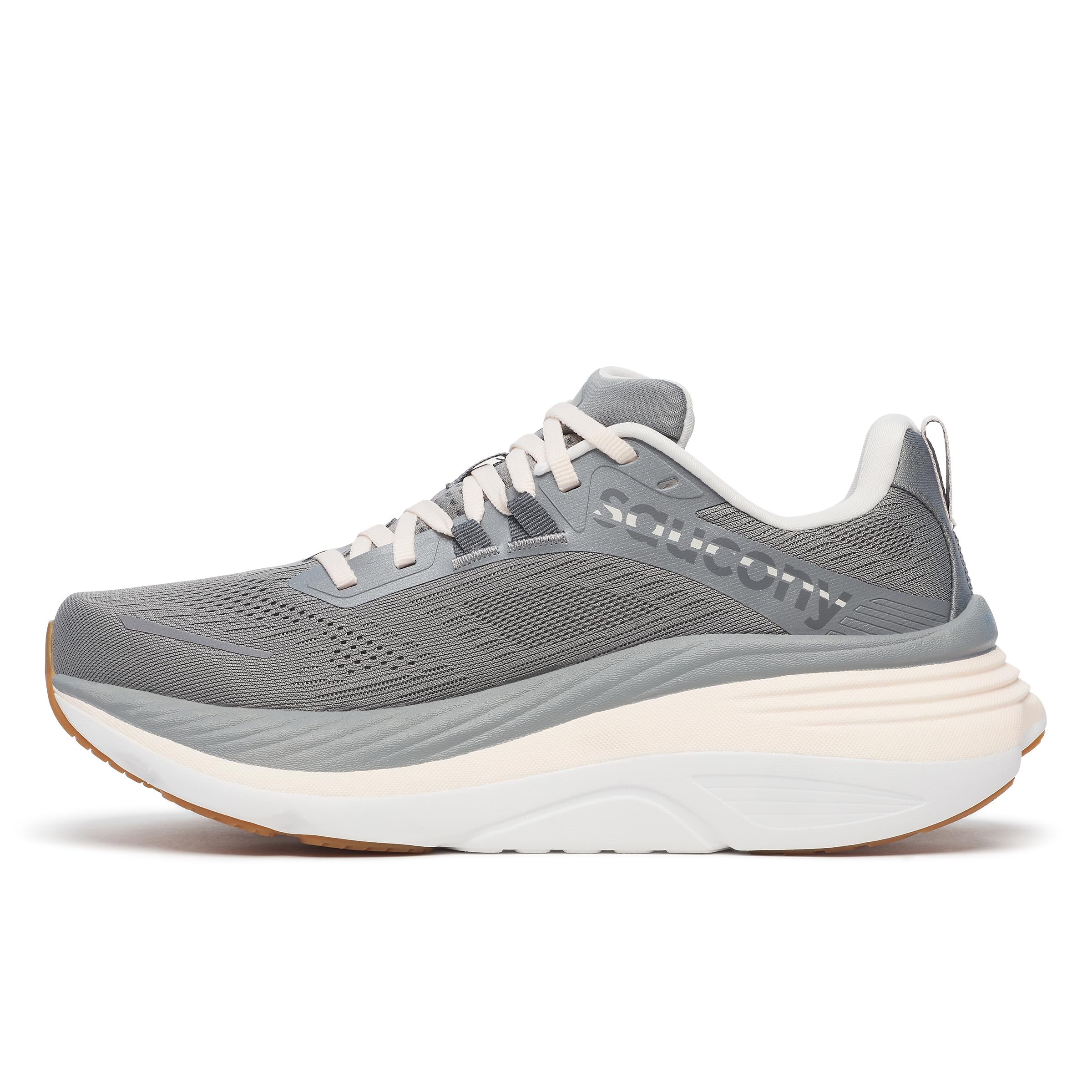
The Saucony Hurricane 24 uses a full-length PWRRUN PB midsole with a deep medial post that runs from the heel through the arch, providing consistent resistance against inward roll. The aggressive toe rocker reduces the energy needed for toe-off, making each stride feel mechanically efficient rather than forced. The wide platform and wide toe box give the foot enough space to splay naturally without heel slippage — a crucial detail for pronators who often feel cramped in narrow stability shoes.
Customer feedback highlights excellent support for overpronation and plantar fasciitis, with multiple users reporting significant reduction in foot fatigue and hammer toe pain during long walks and daily wear. The chunky, stable construction is particularly effective for injury recovery periods when the foot needs maximum guidance. However, the weight has drawn criticism — at 9.8 ounces, it feels heavy for speed workouts and some runners experience leg fatigue after the first mile.
The fabric quality has been flagged in long-term use, with reports of the insole color leaching onto the mesh and reflective trim peeling after the first week. This is a trade-off: you get premium structural stability at the cost of premium material longevity. For runners prioritizing biomechanical correction over finish, this shoe delivers where it counts.
Why it’s great
- Full-length medial post delivers consistent pronation control through the entire gait cycle
- Aggressive toe rocker reduces calf strain and improves forward momentum
- Wide toe box and stable platform accommodate custom orthotics and swollen feet
Good to know
- Heavy construction can cause leg fatigue during high-speed training sessions
- Fabric and trim durability has been inconsistent in early batches
2. Saucony Men’s Hurricane 25

The Hurricane 25 moves to a PWRRUN PB midsole — a nitrogen-infused foam used previously in Saucony’s speed-oriented models, now tuned for stability. This creates a platform that is noticeably lighter than the Hurricane 24 while retaining a strong medial sidewall to guide the foot. The wide base and increased volume in the toe box make it accessible for flat-footed runners who need arch support without aggressive pressure.
Users with stage 3 flat feet report that the arch support is pronounced but comfortable, never causing the sharp pain that comes from a post that is too rigid. The cushioning provides 2–3 hours of relief for heel pain during hikes, though runners note an adjustment period — the large cushion volume changes the feel of the ground, and the shoe requires a few runs to settle into the stride. The fit is true to size and the build quality holds up through 200-plus miles, with one reviewer clocking that distance without midsole breakdown.
The primary concern is quality control: there have been reports of shoes arriving with cracks in the sidewall and surface stains, specifically from third-party sellers. Ordering directly from a reputable source or checking the unit thoroughly upon arrival is advisable. The deep heel pocket and firm arch provide a locked-in feel that benefits runners with unstable ankles.
Why it’s great
- Nitrogen-infused PWRRUN PB foam maintains softness while providing a stable base
- Arch support designed for stage 3 flat feet resolves long-standing ankle and tendon pain
- True-to-size fit with generous toe box accommodates foot swelling during distance runs
Good to know
- Heel pain relief is temporary (2–3 hours) for some users with severe plantar fasciitis
- Quality control issues reported from third-party marketplaces
3. Brooks Men’s Glycerin GTS 23 Supportive Running Shoe
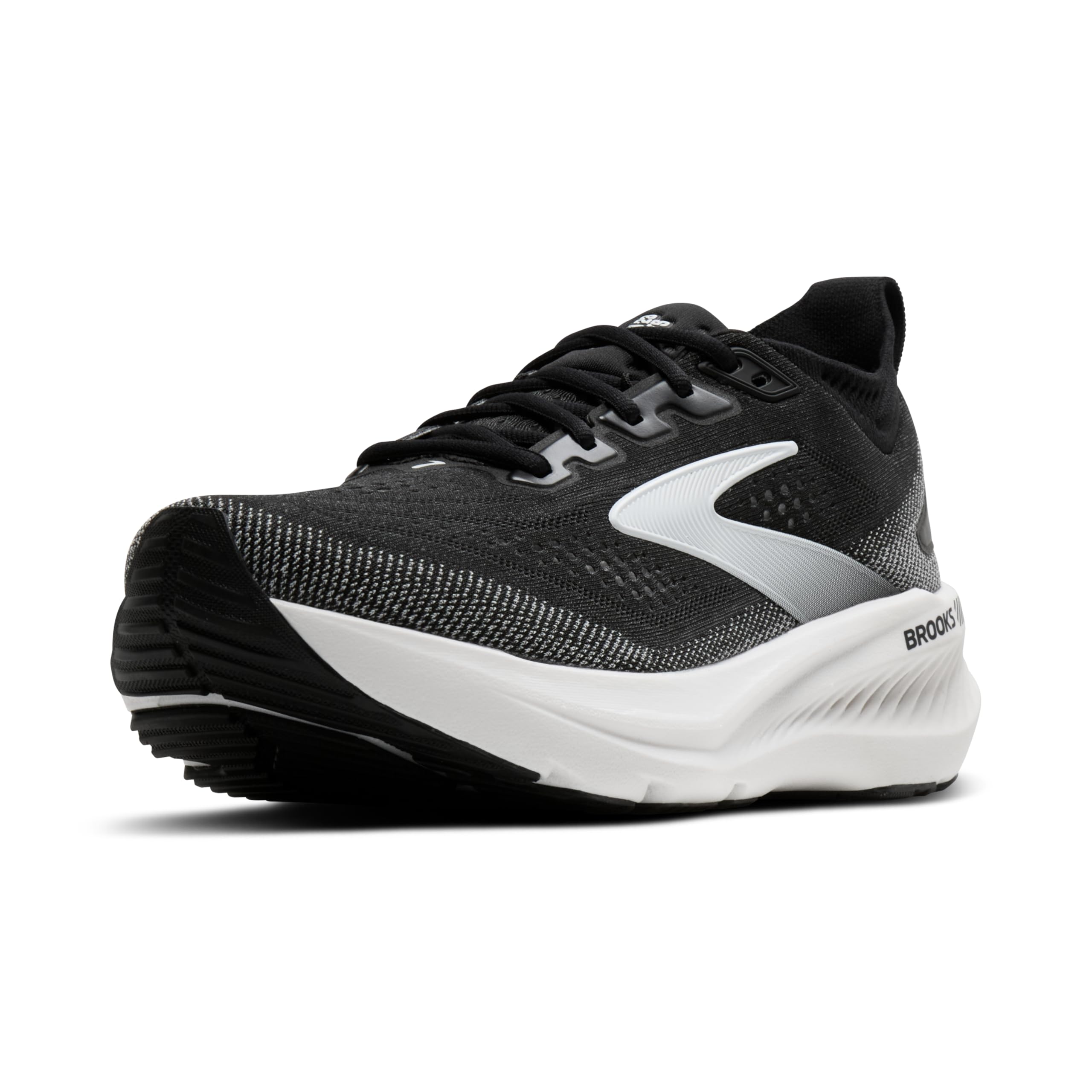
The Glycerin GTS 23 is the stability version of Brooks’ premium Glycerin line, using Guide Rails technology instead of a traditional medial post. Guide Rails are two firmer foam pillars on the medial and lateral sides that gently correct excess motion without forcing the foot into a rigid position. This approach makes the Glycerin GTS 23 feel more natural for runners who pronate but still want the plush DNA LOFT v3 cushioning that defines the Glycerin series.
The reduced heel-to-toe drop (8mm vs the previous 10mm) creates a smoother transition that has helped users reduce lower back pain by 50% within the first 30 minutes of wear. Runners using the shoe for weighted vest endurance training report that the toe-off is snappy and the platform keeps momentum rolling, even with extra load. The wider fit option allows for toe splaying during long runs, though users with standard wide feet have found the regular wide still too narrow while the extra wide feels loose.
The price point sits at the higher end of mid-range, and some buyers feel the value has decreased compared to the Glycerin 21 or 22 models. The upper runs slightly tight for true wide-footed runners — if you have a 2E or 4E foot, try before you buy. The trade-off is a supportive shoe that feels almost neutral, which is ideal for runners who need guidance without aggressive correction.
Why it’s great
- Guide Rails provide subtle motion control without the rigid feel of a medial post
- DNA LOFT v3 cushioning is the plushiest Brooks foam, ideal for high-impact landings
- 8mm drop reduces strain on the lower back and posterior chain
Good to know
- Wide sizing is inconsistent — standard wide may feel too narrow for 2E feet
- Price premium may not feel justified compared to previous Glycerin GTS versions
4. ASICS Men’s GT-2000 14 Running Shoes
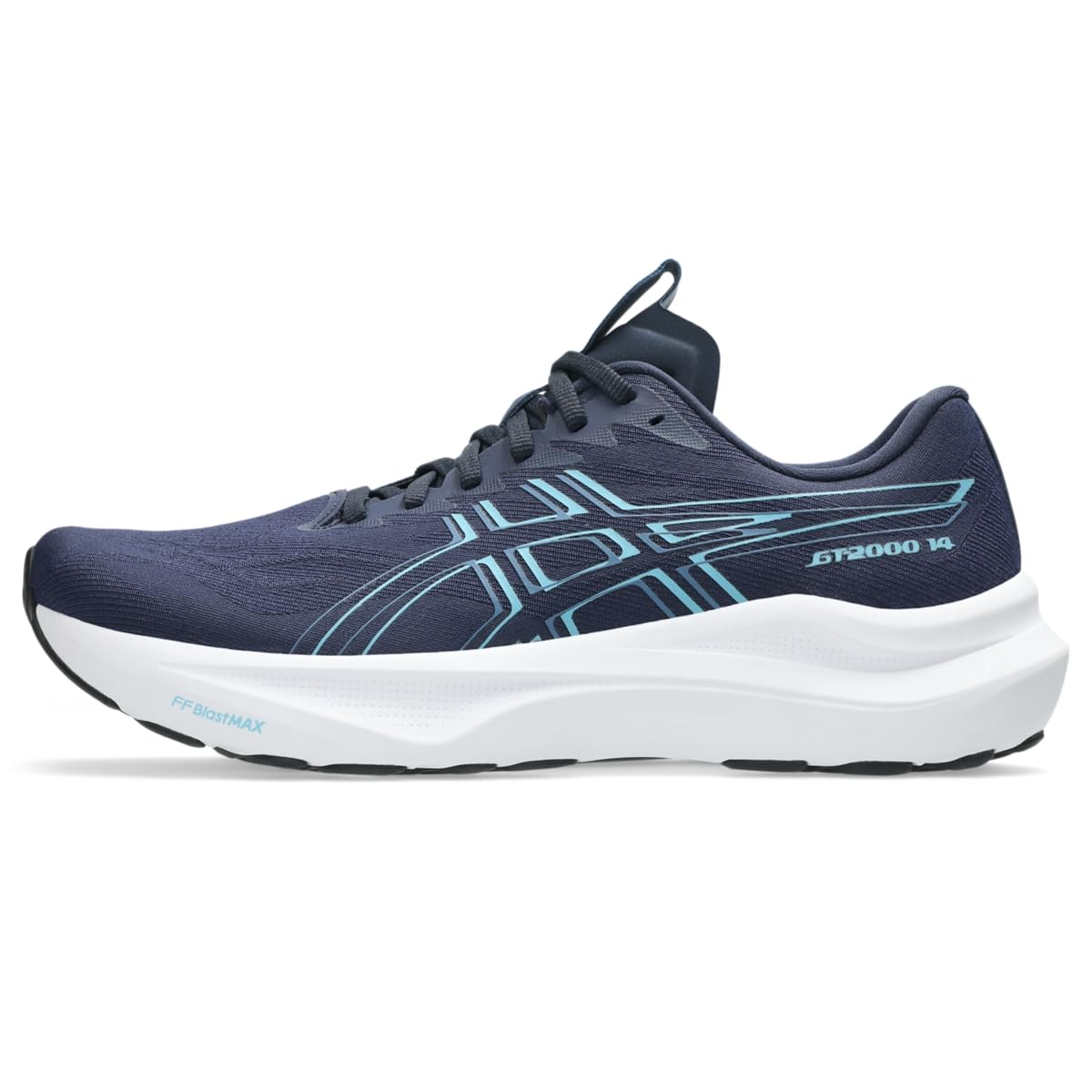
The GT-2000 14 continues ASICS’ long-running stability line with a LITETRUSS system — a foam-based medial support that is softer than the traditional Trusstic plastic plate but still effectively reduces overpronation. Combined with FlyteFoam Blast in the heel and forefoot, the midsole delivers a cushioned, responsive ride that feels protective without being mushy. The outsole features full-ground-contact rubber with high-wear carbon sections, which extends the shoe’s life significantly beyond typical 300-mile estimates.
Long-time ASICS wearers report that the GT-2000 14 is the most comfortable iteration yet, with thick soles providing steady arch support and cushioning throughout the day. The sizing runs true for Nike and ASICS standard widths, and wide options are available for those who need extra room. The upper material stays clean-looking even after a year of use, which is a notable improvement over Saucony models that show staining.
Some users note that the LITETRUSS system may not be firm enough for severe overpronation — runners with stage 3 collapse or heavy body weight may need a beefier post like the Hurricane or Ariel series. The shoe works best as a daily trainer for mild to moderate pronation, offering a balanced mix of comfort, durability, and support that has kept ASICS customers repurchasing for multiple iterations.
Why it’s great
- FlyteFoam Blast provides a responsive, cushioned ride that doesn’t bottom out on long runs
- Full-ground-contact outsole with carbon rubber extends durability past 300 miles
- Available in wide sizes with upper material that resists staining
Good to know
- LITETRUSS foam post may not provide enough correction for severe overpronation
- Heel counter is moderately stiff — some users prefer a more flexible rearfoot
5. ASICS Women’s GT-2000 14 Running Shoes
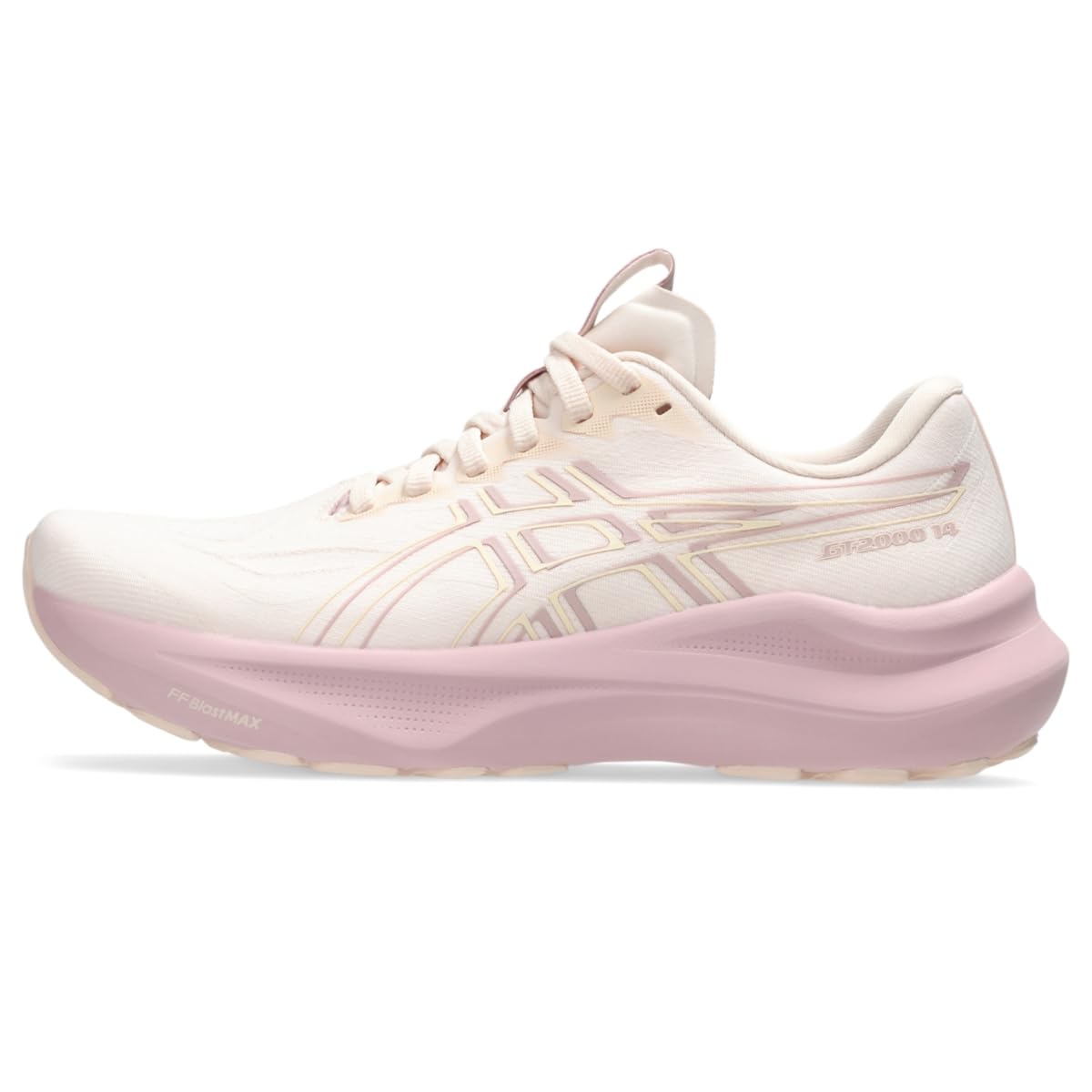
The women’s GT-2000 14 mirrors the men’s model in construction — LITETRUSS medial support and FlyteFoam Blast cushioning — but the fit is tuned for female foot geometry, with a narrower heel pocket and wider forefoot. This attention to detail translates directly to comfort for flat-footed runners and those with hypermobility, as the squishy cushion does not fatigue the ankle over distance. The deep heel counter locks the rearfoot in place, preventing the heel slip that can aggravate pronation compensations.
Reviewers consistently point out that the shoe requires zero break-in, fitting comfortably from the first wear for daily runs up to half-marathon distance. The colorways have been well-received for their uniqueness, and the overall aesthetic avoids the bulky look that plagues many stability shoes. The arch support is prominent but soft enough to avoid pressure points, making it suitable for runners who previously found stability shoes too aggressive.
One limitation is the lack of a true max-cushion option — the stack height is moderate, and heavy runners or those with severe pronation may prefer the additional underfoot protection of the Hurricane or Glycerin GTS lines. The GT-2000 14 also runs slightly warm due to the engineered mesh upper, which may not suit hot-weather training. For the price, it delivers a reliable, cushioned stability platform that outperforms many models at a higher cost.
Why it’s great
- Squishy but supportive cushioning reduces ankle fatigue for hypermobile runners
- Zero break-in time fits comfortably out of the box for daily runs
- Unique colorways make a stability shoe feel modern and stylish
Good to know
- Moderate stack height may not satisfy runners seeking max-cushion protection
- Engineered mesh upper can trap heat during summer training
6. New Balance Men’s Fresh Foam X Vongo V6

The Fresh Foam X Vongo V6 is New Balance’s premium stability offering, built with a Fresh Foam X midsole that is softer than regular EVA but reinforced with a medial post for pronation control. The wide forefoot and generous toe box make it a favorite among runners who wear custom orthotics — the removable sockliner accommodates third-party insoles without raising the foot too high in the heel cup. The shoe has evolved over seven iterations, and the current version retains the roomy fit that long-time users keep coming back to.
Podiatrists frequently recommend the Vongo V6 for patients with wide feet, high arches, and plantar fasciitis, citing the flexible forefoot and deep heel cradle as key features. The Fresh Foam X compound provides a soft landing that doesn’t compress into a hard slab over time, maintaining its cushioning properties through hundreds of miles. Runners appreciate the stability for daily runs and the stylish look for everyday wear.
One recurring issue is heel slippage — several users report that the heel feels loose unless the laces are tightened aggressively. This is likely due to the wide heel opening designed to accommodate orthotics, which leaves room for movement in the rearfoot. Additionally, the 4mm drop is lower than ideal for many pronators, placing more load on the calves and Achilles. If you have a history of calf strains, the Vongo may require a transition period.
Why it’s great
- Wide toe box and removable insole make it ideal for custom orthotics integration
- Fresh Foam X midsole retains softness over hundreds of miles without packing out
- Podiatrist-recommended for wide feet, high arches, and plantar fasciitis
Good to know
- Heel slip reported by multiple runners due to wide heel opening
- 4mm heel-to-toe drop places higher demand on calves and Achilles tendons
7. New Balance Women’s Fresh Foam X Vongo V6 Running Shoe
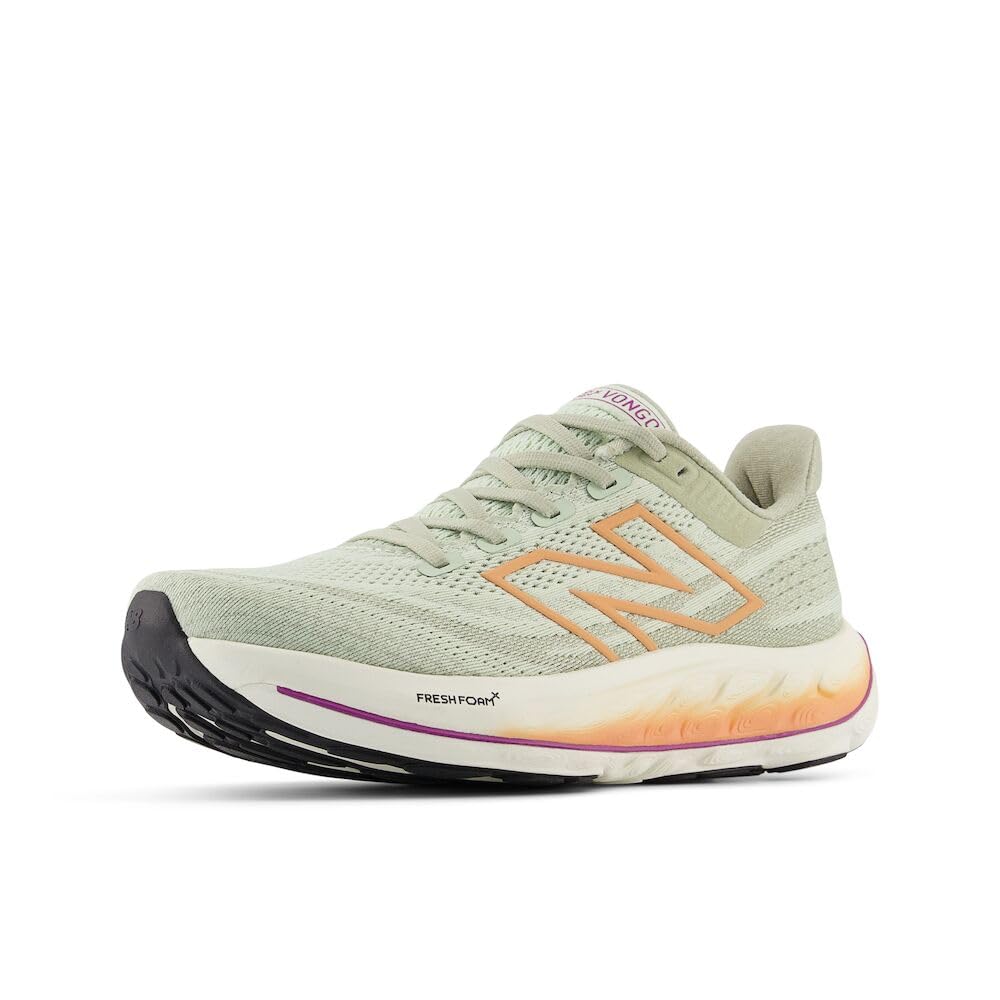
The women’s Vongo V6 shares the same Fresh Foam X platform and medial post as the men’s version, but the upper is tuned for a lower-volume foot, reducing the heel slip issue that men experience. The foam compound is soft without being marshmallow-like — it compresses on landing then rebounds for the next stride, creating a sensation of supported motion that works well for overpronators who need gait guidance without rigidity. The wide base and firm soles keep the foot planted even during lateral movements.
Users working 12-hour shifts report that no break-in period is needed, with the shoes providing immediate comfort and decent arch support. The cushioning is top-notch for a stability shoe, and the construction is durable enough for machine washing without degradation. Reviewers note that the shoe looks good enough for casual wear, meaning you can transition from a run to daily errands without changing footwear.
One consistent complaint is fit inconsistency between pairs — some units run tighter than others, even within the same size and width designation. This has led to returns, so ordering from a retailer with a generous return policy is recommended. The shoe also runs slightly narrow in the midfoot for those who are between sizes, which may require ordering a half size up. Despite this, the Vongo V6 offers a premium stability experience at a mid-range price point.
Why it’s great
- Fresh Foam X provides a soft, responsive ride that supports overpronators without rigidity
- Comfortable for 12-hour shifts straight out of the box with no break-in period
- Machine-washable construction maintains appearance after multiple cycles
Good to know
- Fit inconsistency between pairs can require returns for size matching
- Midfoot runs slightly narrow for runners between standard and wide sizing
8. Brooks Women’s Ariel GTS 23 Supportive Running Shoe
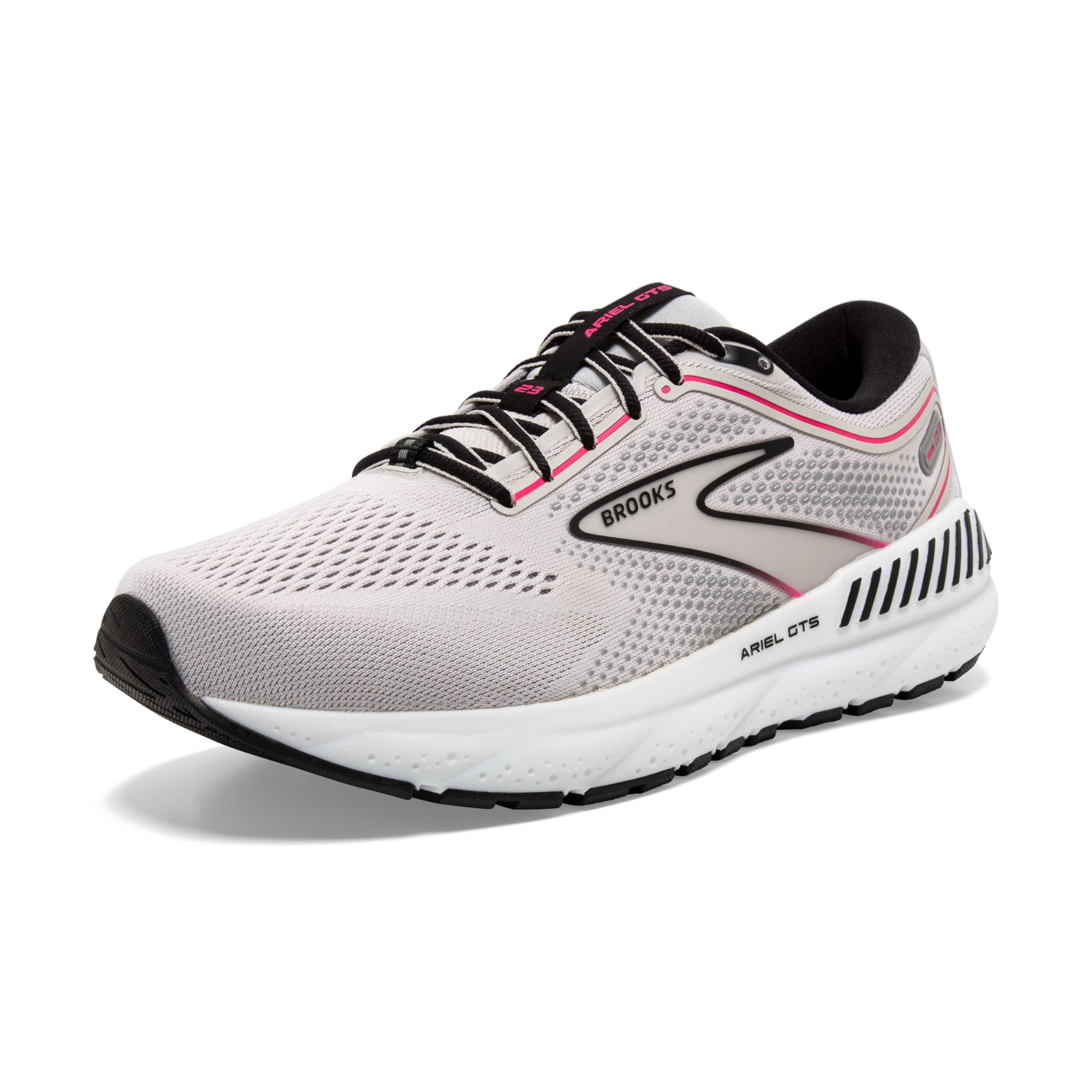
The Ariel GTS 23 is Brooks’ highest-support stability shoe, designed for runners with flat feet and severe overpronation. It uses the same Guide Rails system as the Glycerin GTS, but with a wider platform and denser foam formulation that provides more aggressive correction. The extra-wide base means the shoe is heavy — 10.5 ounces — but that weight translates to a solid, planted feel that inspires confidence for runners who have struggled to find stability in other models.
Users who have worn the Ariel line since 2021 report that the GTS 23 is the best iteration yet, preventing ankle pain and toe discomfort that plagued them in lesser shoes. The fit accommodates wide flat feet comfortably, and the uppers allow the feet to breathe without feeling loose. The Nile blue/bittersweet colorway is a unique option, though the color palette remains limited compared to other Brooks lines.
Some reviewers note that the Ariel GTS 23 feels stiffer than the Glycerin GTS, which may require a break-in period for runners used to softer foam. The weight also makes it less suitable for speed work — this is a cruiser shoe for recovery runs, long miles, and daily wear. For runners with severe overpronation who need the maximum support available, the Ariel GTS 23 delivers unmatched stability.
Why it’s great
- Widest stability platform in Brooks lineup provides maximum pronation correction
- Guide Rails system offers consistent motion control without harsh pressure points
- Proven track record for resolving ankle and toe pain for flat-footed runners
Good to know
- Significant weight (10.5 oz) limits use for speed or interval training
- Stiffer foam requires a break-in period for runners accustomed to plush cushioning
9. Brooks Women’s Glycerin 23 Neutral Running Shoe
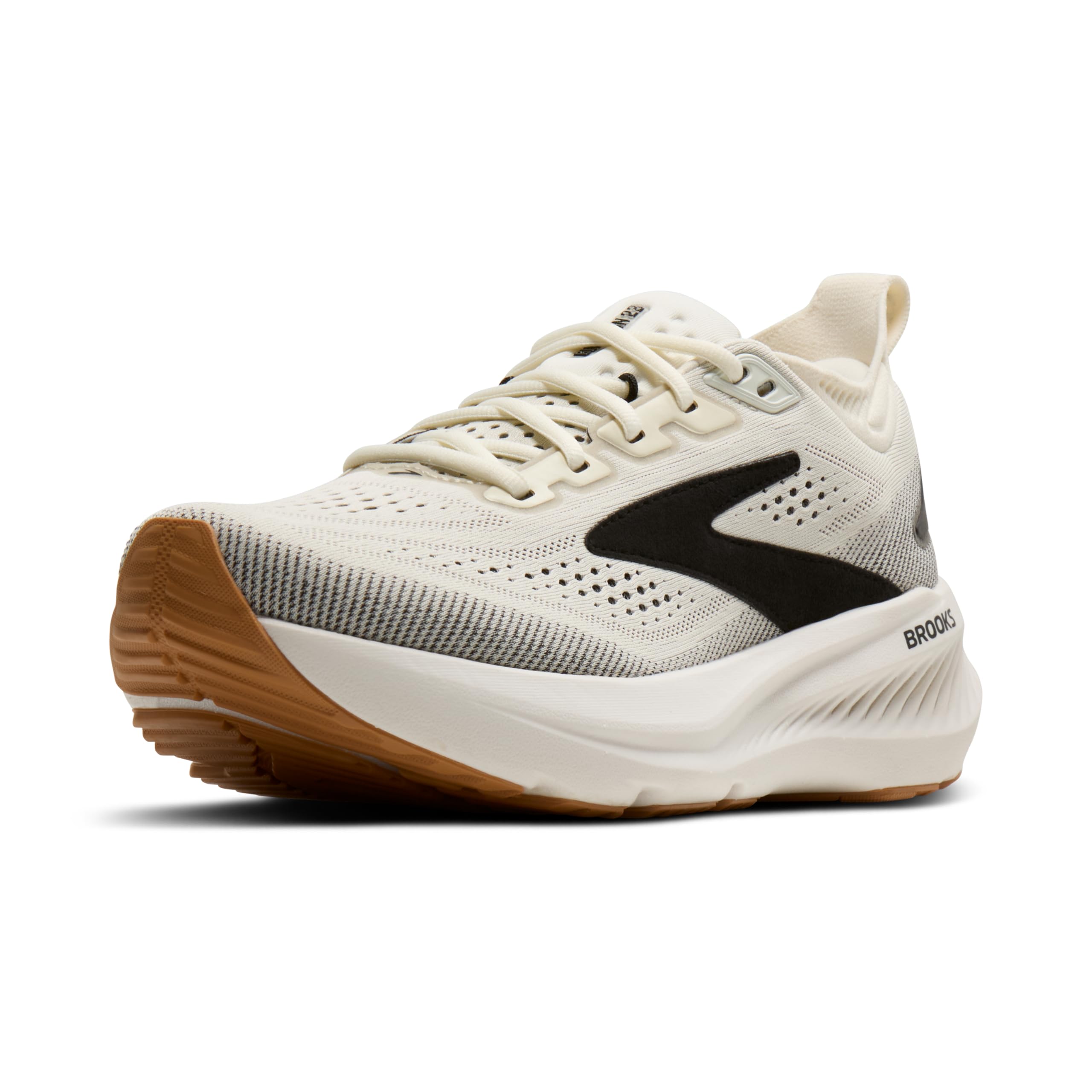
The Glycerin 23 is a neutral running shoe, not a stability model, meaning it lacks the medial post or Guide Rails structure that dedicated pronation-control shoes provide. However, it is included here because many overpronators with high arches or rigid feet actually need a neutral platform — the arch support in a stability shoe can overcorrect and cause discomfort. The DNA LOFT v3 midsole is Brooks’ most luxurious foam, offering a deep, plush cushion that cradles the foot and absorbs impact without any medial interference.
Runners report that the Glycerin 23 eliminates toe tendon pain and foot discomfort that has plagued them for decades, with one user calling it the most comfortable athletic shoe in 40 years. The 8mm drop feels natural for heel-strikers, and the wider toe box gives the front of the foot space to expand during long runs. The angled heel provides traction on downhill surfaces, adding a stability benefit even without a dedicated post.
The trade-off is clear: the Glycerin 23 does not correct overpronation. If you have mild pronation and high arches, this shoe may be the perfect balance of cushioning and freedom. For moderate to severe overpronation, the risk of accelerated wear on the inner edge and increased stress on the knee and IT band is real. The shoe is best suited for runners whose pronation is minor and whose primary concern is plush comfort rather than structural correction.
Why it’s great
- DNA LOFT v3 foam offers the deepest, most luxurious cushioning in the Brooks lineup
- Wider toe box and angled heel provide a stable ride without forced pronation correction
- No break-in required — comfortable for immediate 18-mile walks out of the box
Good to know
- Neutral platform does not correct overpronation — unsuitable for moderate to severe cases
- May wear unevenly on the inner edge for runners who pronate significantly
FAQ
Can a cushioned running shoe really correct overpronation or just mask the problem?
How do I know if I need a medial post or a Guide Rails system?
Will a cushioned stability shoe wear out faster than a neutral shoe?
Final Thoughts: The Verdict
For most users, the cushioned running shoes for pronators winner is the Saucony Hurricane 24 because it combines a full-length medial post with PWRRUN PB cushioning and an aggressive toe rocker, delivering both support and a responsive ride. If you want a softer, lighter stability shoe with podiatrist backing, grab the New Balance Fresh Foam X Vongo V6. And for maximum correction for flat feet, nothing beats the Brooks Ariel GTS 23.

Mo Maruf
I created WellFizz to bridge the gap between vague wellness advice and actionable solutions. My mission is simple: to decode the research and give you practical tools you can actually use.
Beyond the data, I am a passionate traveler. I believe that stepping away from the screen to explore new environments is essential for mental clarity and physical vitality.