Our readers keep the lights on and my smoothie glass nicely filled. As an Amazon Associate, I earn from qualifying purchases.
Logging consistent miles day after day demands a shoe that balances plush cushioning with a responsive ride, all while holding up through hundreds of steps on pavement, treadmill belts, and gravel paths. The wrong pair turns recovery runs into a battle against heel pain, blisters, and early midsole breakdown.
I’m Mohammad Maruf — the founder and writer behind WellFizz. I study footwear design, midsole compounds, outsole durability, and real-world user mileage reports to separate marketing from legitimate daily trainers.
After reviewing drop heights, foam density, stack heights, and real-runner feedback across seven models, these are the best daily running shoes men can count on for comfort that lasts beyond the first few miles.
How To Choose The Best Daily Running Shoes Men
Picking a daily trainer means looking past brand hype and focusing on the midsole compound, outsole coverage, upper construction, and fit profile. A shoe that works for occasional sprints may collapse under 20+ weekly miles.
Midsole Foam & Stack Height
The foam compound determines how much impact energy returns versus how much it absorbs. Thicker stack heights around 30mm to 40mm provide plush landings, while denser foams like TPU-blended compounds resist compression set over time. Softer foams feel great fresh but can pack out faster than denser formulations under daily use.
Outsole Rubber Coverage
Look for carbon rubber or blown rubber that extends across the heel strike zone and forefoot. Shoes with minimal rubber — only small pods or strips — wear through quicker on asphalt, turning a smooth ride into a flat, slippery platform inside 300 miles.
Upper Fit & Breathability
A daily trainer needs a secure heel counter, a midfoot that doesn’t cause lace pressure, and a toe box that allows natural splay. Engineered mesh uppers with minimal overlays reduce weight and improve airflow, but a well-padded tongue and collar prevent abrasion during long efforts.
Quick Comparison
On smaller screens, swipe sideways to see the full table.
| Model | Category | Best For | Key Spec | Amazon |
|---|---|---|---|---|
| Hoka Mach 6 | Premium | Lightweight daily training with a natural rocker | Stack height 37mm / 5mm drop | Amazon |
| Brooks Glycerin Stealthfit 22 | Premium | Plush step-in comfort on pavement and treadmill | DNA LOFT v3 foam / 10mm drop | Amazon |
| New Balance FuelCell Propel V5 | Mid-Range | Responsive energy return with TPU plate | FuelCell foam / 6mm drop / TPU plate | Amazon |
| Skechers Max Cushioning Glide Step | Mid-Range | Hands-free slip-in for all-day wear | Max Cushioning sole / Slip-in design | Amazon |
| Brooks Revel 8 | Mid-Range | Lightweight neutral runs with extra padding | BioMoGo DNA midsole / 10mm drop | Amazon |
| Saucony Ride 18 | Mid-Range | Speed work and shorter distance sessions | PWRRUN+ midsole / 8mm drop | Amazon |
| ANTA PG7 | Budget | High cushion on a budget for sore days | PG foam / 30mm+ stack / 8mm drop | Amazon |
In‑Depth Reviews
1. Hoka Mens Mach 6
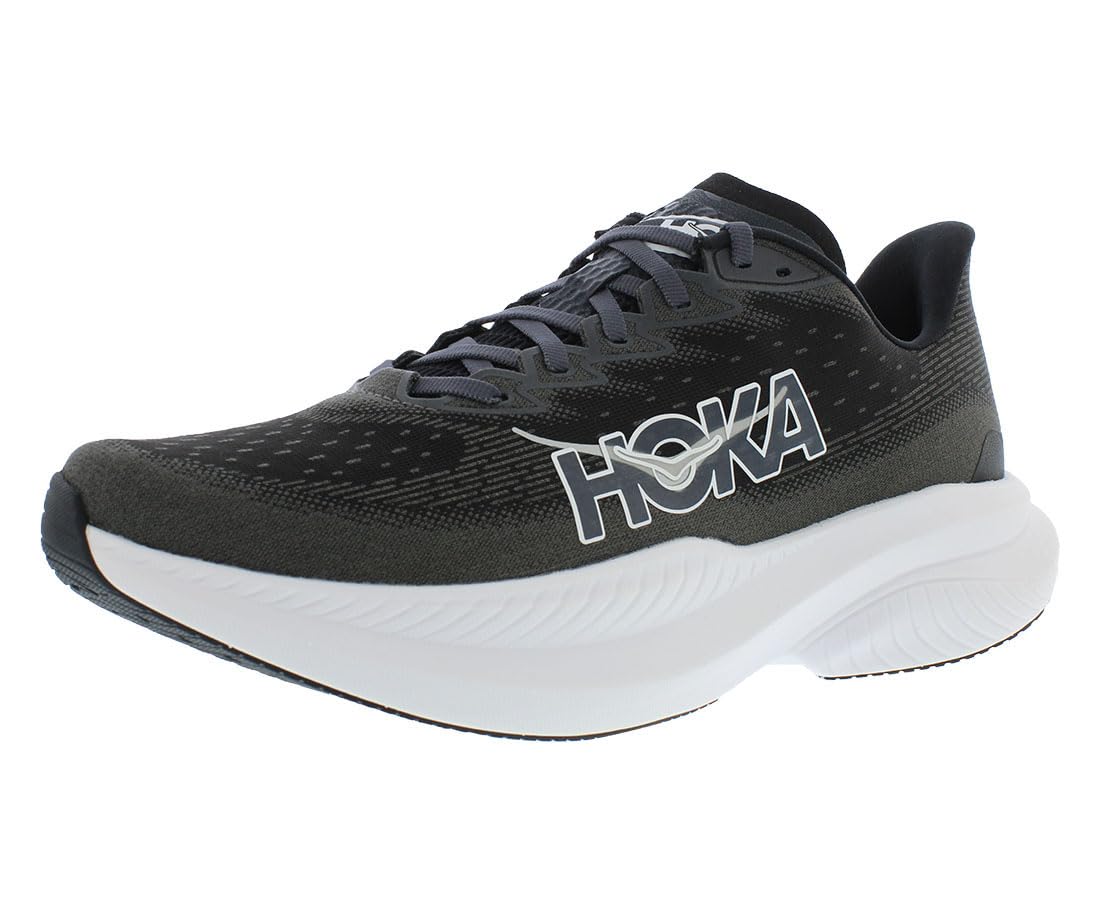
The Hoka Mach 6 delivers the brand’s signature rocker geometry in a package that feels natural rather than exaggerated. Testers report zero break-in period — the engineered mesh upper wraps the foot securely without pressure points, and the moderate spring from the midsole provides enough snap to keep easy days feeling effortless.
At 37mm of stack height with a 5mm drop, this shoe lands softly under the heel yet transitions smoothly through the forefoot. Runners noted that the heel stays locked without rubbing, and the tongue design avoids digging into the top of the foot even during longer 5K-plus efforts. The breathable upper handles warm pavement without overheating.
Multiple reviewers praised the Mach 6 as the most comfortable shoe they have owned for standing and walking, calling out the lasting comfort that stays consistent beyond the first 100 miles. The outsole grip works well on dry asphalt and treadmill belts, though the exposed foam areas may wear faster if used on loose gravel.
Why it’s great
- Plush yet responsive rocker feels natural underfoot
- Breathable mesh upper with no tongue bite
- Heel stays secure without irritating the Achilles
Good to know
- Premium pricing places it at the top of the budget
- Limited outsole coverage reduces trail durability
2. Brooks Men’s Glycerin Stealthfit 22
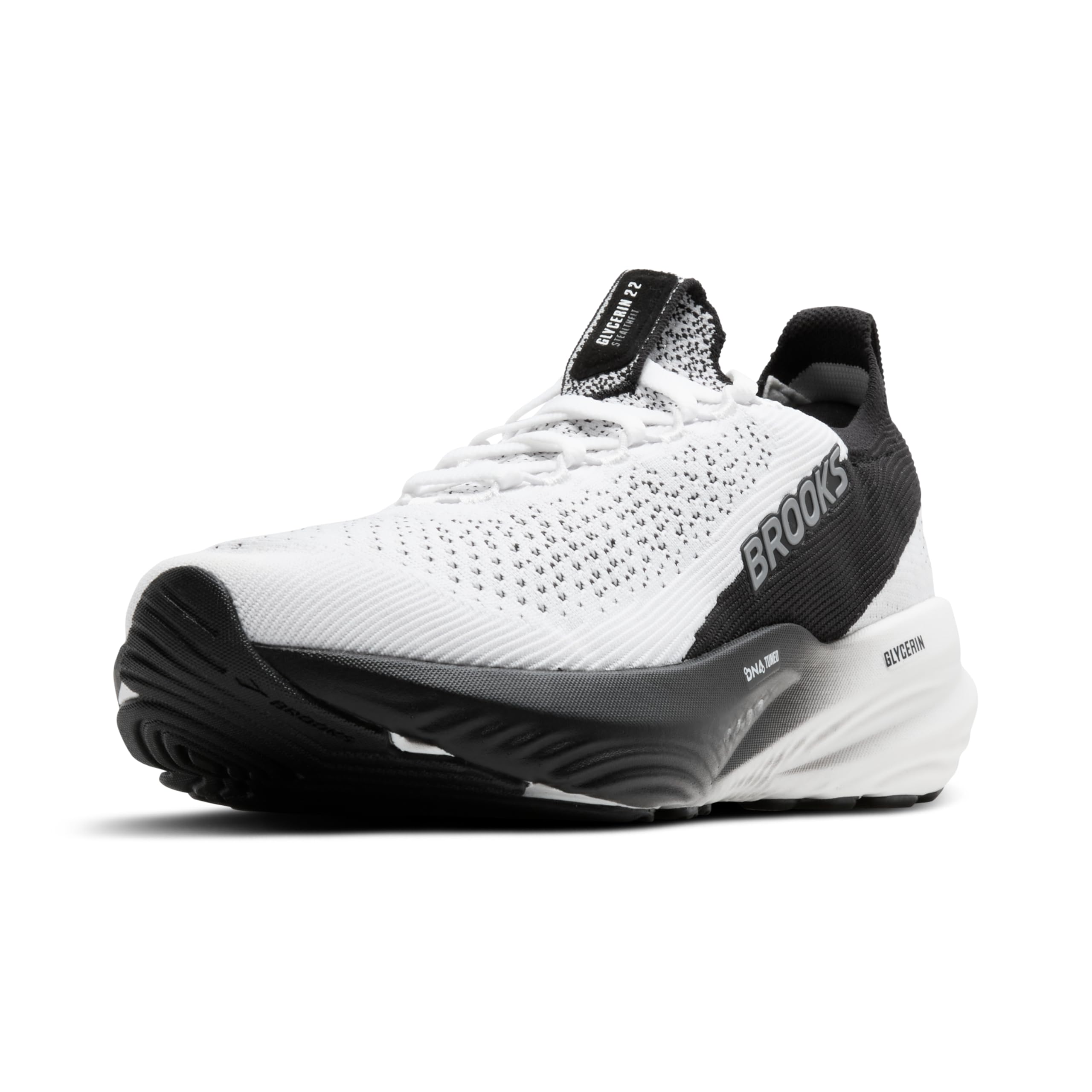
The Glycerin Stealthfit 22 uses Brooks’ highest-end DNA LOFT v3 midsole compound, which creates a notably plush feel from the first step without the spongy instability sometimes found in max-cushion shoes. The Stealthfit upper — a stretchy knit construction — eliminates traditional overlays and provides a snug, almost sock-like fit that moves with the foot.
Users who wear these for full workdays on their feet, from custodial shifts to retail standing, reported that the cushioning reduces joint impact noticeably compared to their previous daily trainers. The heel area is well padded, and the shoe requires zero breaking in — comfort is immediate straight out of the box.
After six months of consistent use, multiple reviewers noted the midsole holds its shape well and the upper remains comfortable without sagging. The 10mm drop suits runners who prefer a more traditional heel-to-toe transition, and the outsole provides reliable grip on treadmill and asphalt surfaces, though it is not designed for technical trails.
Why it’s great
- Zero break-in time with immediate plush comfort
- DNA LOFT v3 midsole holds up well over months
- Sock-like upper fits snugly without rubbing
Good to know
- Some users prefer a wider width for the forefoot
- Not ideal for trail running or loose surfaces
3. New Balance Men’s FuelCell Propel V5
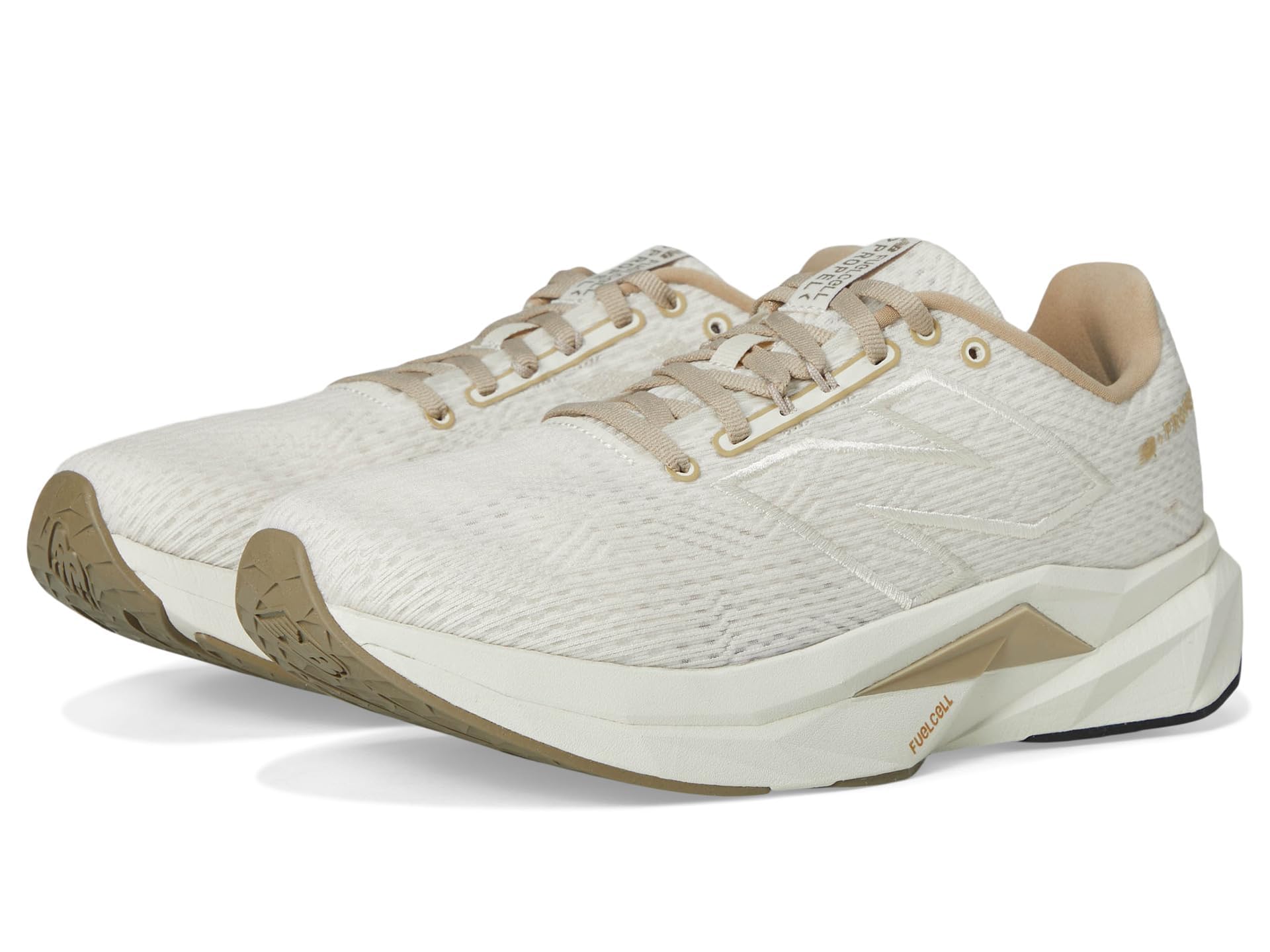
The FuelCell Propel V5 combines New Balance’s soft FuelCell foam with a molded TPU plate embedded in the midsole, creating a ride that feels bouncy and propulsive rather than just soft. That plate adds a springy toe-off that makes daily miles feel more energetic, especially for runners who want a touch of speed without switching to a dedicated tempo shoe.
Runners with wider feet found this model accommodates their shape well, and the updated v5 version offers a slightly wider forefoot than the v4, improving comfort for those needing extra room. The engineered mesh upper is breathable and colorful, though some testers noted the laces can stretch more than expected during hard efforts.
Reviewers who ordered a half size up reported a better fit, and several highlighted this shoe as a strong value given the TPU plate technology that is usually found in more premium trainers. Durability on dry surfaces is good, and the outsole covers key wear zones without adding unnecessary weight.
Why it’s great
- TPU plate provides noticeable bounce and energy return
- Wider forefoot accommodates broader feet comfortably
- Strong value for a plate-equipped daily trainer
Good to know
- May need to size up half a size for proper fit
- Laces can stretch and may need tightening mid-run
4. Skechers Men’s Max Cushioning Glide Step Advert Hands Free Slip-ins
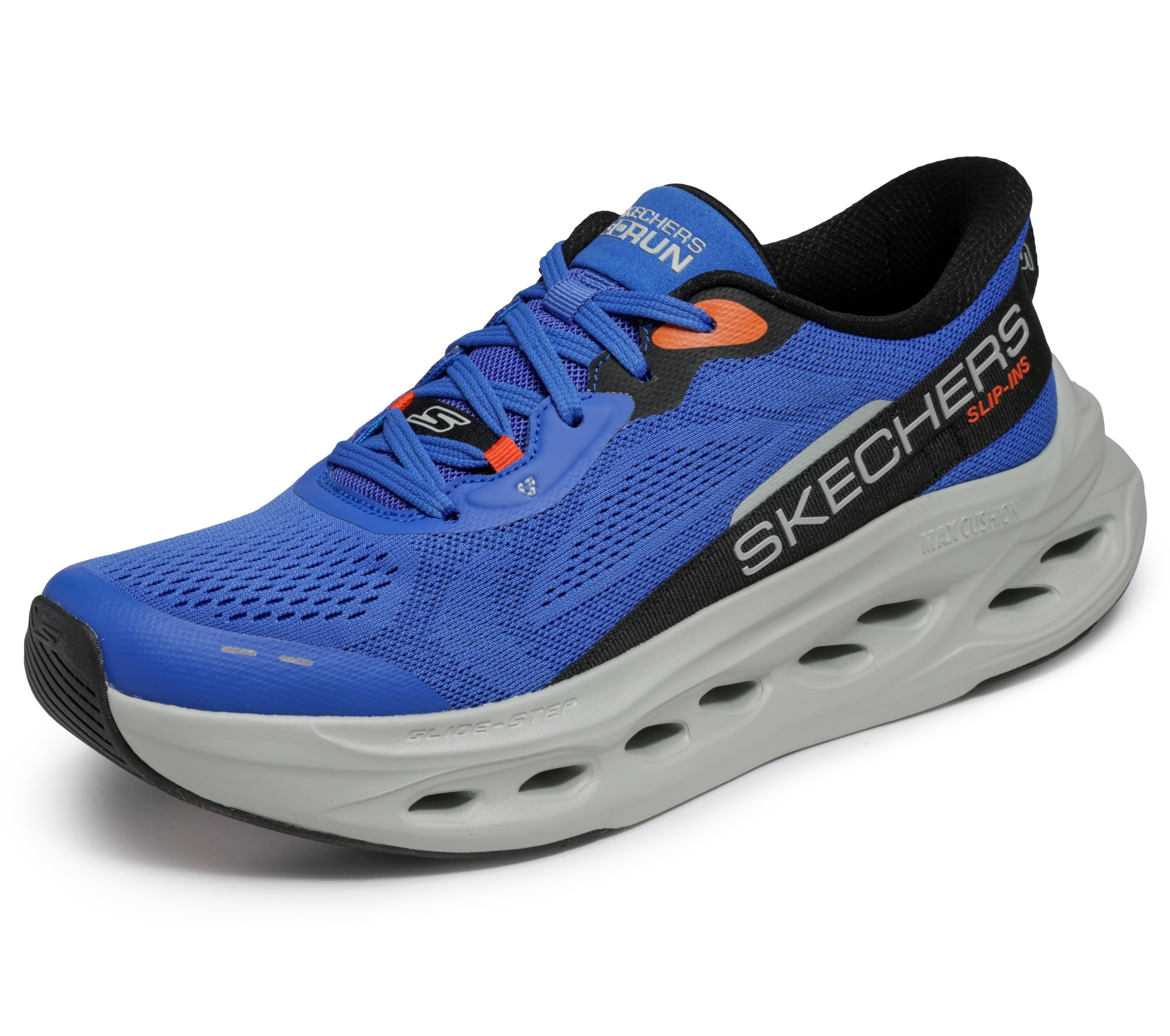
The Skechers Glide Step redefines convenience with a hands-free slip-in heel that lets you step in without touching the laces — a feature that resonates strongly with anyone who needs quick transitions or has difficulty bending over. The Max Cushioning sole delivers a thick, impact-absorbing platform that feels comparable to Hoka-level cushioning, according to multiple users.
Healthcare workers logging 12-hour shifts on hard hospital floors reported that these shoes provide exceptional support and reduce foot fatigue significantly. The upper is breathable and lightweight despite the substantial midsole volume, and the overall build quality feels well constructed with no break-in period required.
The laces are functional rather than decorative, which caught some buyers off guard, but the secure fit they provide during activity justifies their presence. Arch support is adequate for neutral feet, though some users add high-arch insoles for extra lift. The outsole pattern grips indoor and dry outdoor surfaces reliably.
Why it’s great
- Hands-free slip-in heel saves time and effort daily
- Max Cushioning sole rivals thicker Hoka platforms
- Lightweight build despite the high stack height
Good to know
- Real laces may surprise those expecting fake laces
- Arch support may not suit high-arched runners
5. Brooks Men’s Revel 8 Neutral Running & Walking Shoe
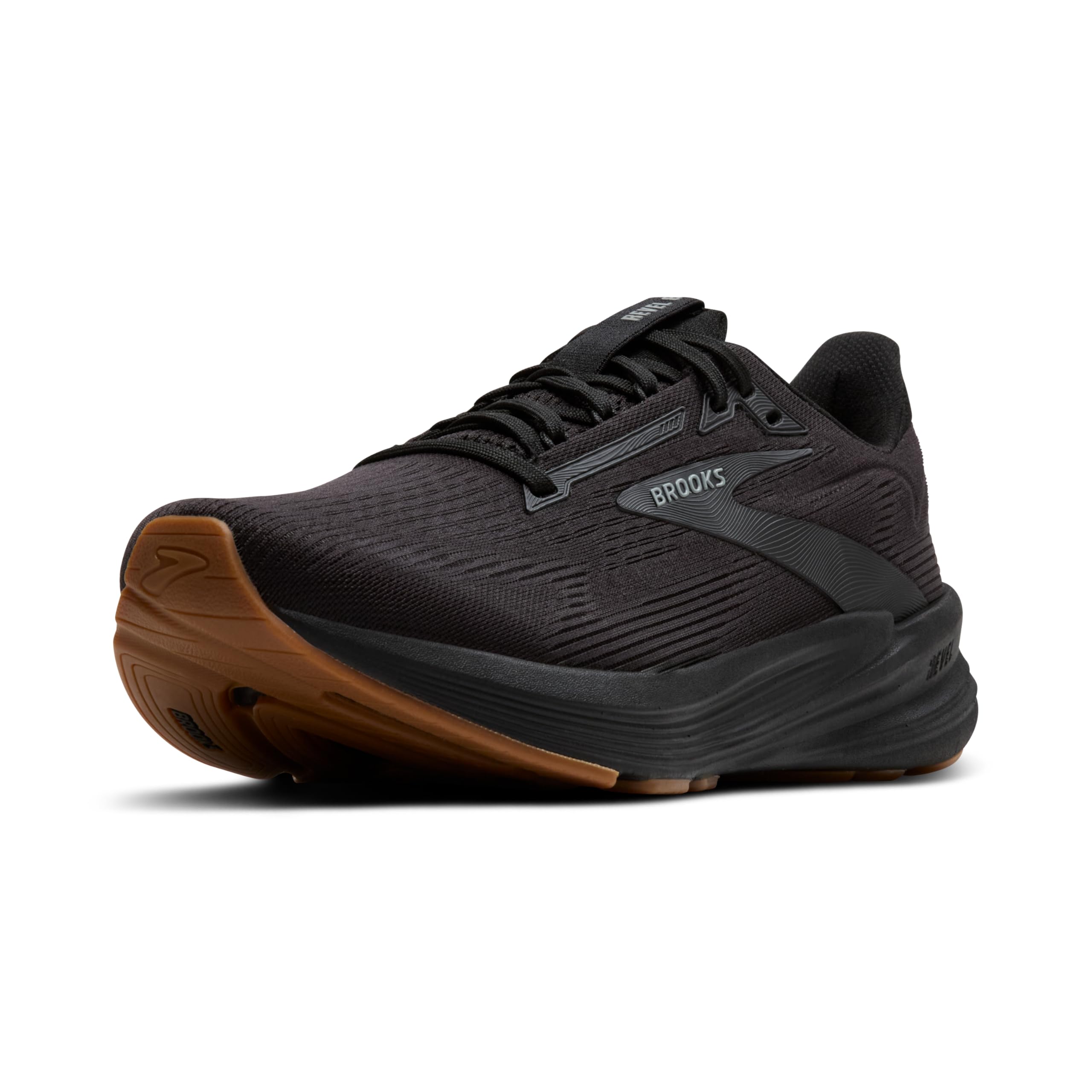
The Revel 8 sits in Brooks’ lineup as a lightweight neutral trainer that prioritizes a low-weight feel and responsive cushioning. The BioMoGo DNA midsole offers a balanced ride — not too soft and not too firm — making it a solid choice for runners who want a versatile shoe that works equally well for daily jogs and walking errands.
Soccer referees covering multiple matches per week switched to the Revel 8 after experiencing foot pain in trail runners and reported that the extra cushioning eliminated bloody toenails and aching feet. The shoe feels light on the foot, and the full-length rubber outsole provides confident grip during quick directional changes on grass and turf.
Fitting runs true to length for most users, though some found the shoe runs small compared to other brands like Merrell or New Balance. The shoelaces are shorter than average, which may limit alternative lacing styles for runners with narrow or wide feet. Overall, the Revel 8 delivers reliable daily protection without the bulk of a max-cushion shoe.
Why it’s great
- Lightweight design reduces fatigue on longer days
- Balanced BioMoGo DNA cushioning suits multiple activities
- Full rubber outsole provides versatile grip
Good to know
- May require ordering a full size larger than usual
- Factory shoelaces are shorter than standard
6. Saucony Men’s Ride 18 Sneaker
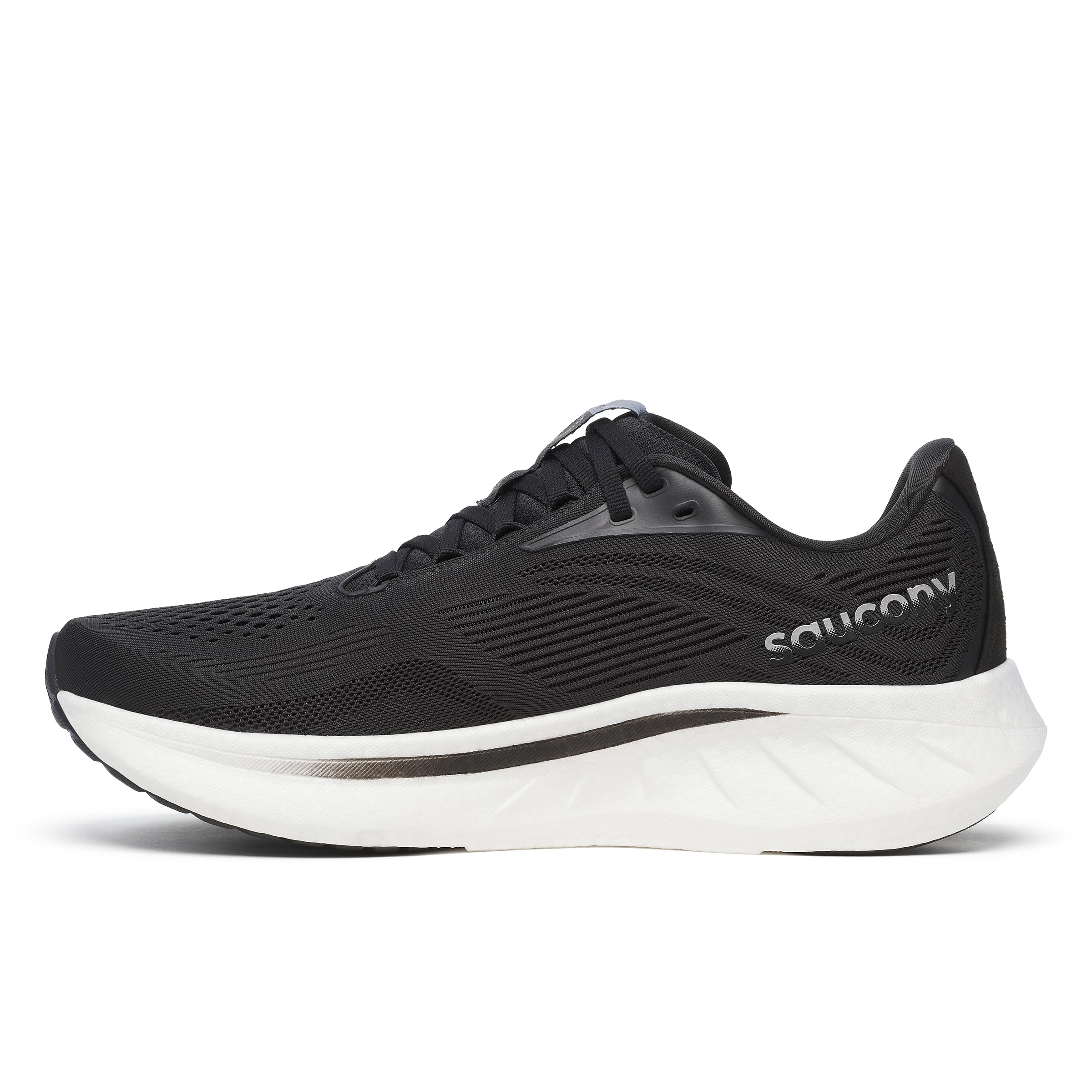
The Saucony Ride 18 is built around PWRRUN+ foam, which provides a responsive and slightly firmer ride than the plush Triumph line. That firmness translates well to speed work and short-distance sessions — runners reported that the shoe feels secure and comfortable for tempo runs without any break-in period. The fit sits snug yet forgiving through the midfoot.
For daily walking and moderate overpronation, the Ride 18’s stable platform received praise from users who previously relied on stability models. The heel counter offers good lockdown, and the engineered mesh upper breathes adequately for warm-weather training. Several buyers noted that the style and build quality feel durable and premium.
There are mixed experiences with this model: while most users find it incredibly comfortable and well-made, a small number reported premature outsole wear on early units, with the rubber only covering the outer edges and leaving exposed foam in the midfoot. Checking the manufacturing date or opting for the Ride 19 may offer a refined outsole design.
Why it’s great
- Responsive PWRRUN+ foam works well for speed sessions
- Stable platform supports moderate overpronation
- Secure fit with no break-in required
Good to know
- Some early units show sparse outsole rubber coverage
- Fit runs larger than previous Ride versions
7. ANTA Men’s PG7 Running Shoes

The ANTA PG7 enters the daily training conversation with a max-cushion platform that uses the brand’s proprietary PG foam — a midsole compound that reviewers compare favorably to Brooks and Asics in terms of softness and impact protection. The stack height is substantial, and the foam firms up nicely under pace, offering both plush recovery runs and responsive toe-offs during faster intervals.
The upper uses a breathable mesh with a spacious toe box that accommodates wide feet and high arches without pinching. Runners noted that the lacing system may need adjustment for a secure midfoot lock, but once dialed in, the shoe stays comfortable for long runs, all-day standing, and walking. The outsole rubber provides excellent grip on wet surfaces, making it a dependable choice in damp conditions.
After 400 miles, one tester reported the midsole retained its shape and support, with no tears or delamination in the upper. The shoe is not waterproof — wet grass will soak through the mesh — and the deep cushioning may cause a slight heel sink for some walkers. For the price, the PG7 delivers durability and comfort that challenges models costing significantly more.
Why it’s great
- Max cushioning at an accessible price point
- Spacious toe box suits wide feet and high arches
- Excellent wet-surface traction from grippy outsole
Good to know
- Mesh upper lets water in on wet grass
- Heavy cushion may cause minor heel sink for walkers
FAQ
How many miles should a daily running shoe last before replacement?
Should I prioritize cushioning or responsiveness for daily training?
How does the heel-to-toe drop affect my stride in daily trainers?
Are slip-in running shoes like the Skechers Glide Step suitable for faster runs?
Final Thoughts: The Verdict
For most users, the best daily running shoes men winner is the Hoka Mach 6 because it blends a natural rocker, lightweight feel, and immediate comfort in a package that handles everything from recovery jogs to tempo work. If you want ultimate plushness without a rocker profile, grab the Brooks Glycerin Stealthfit 22. And for a responsive daily trainer with a TPU plate that propels your stride, nothing beats the New Balance FuelCell Propel V5.

Mo Maruf
I created WellFizz to bridge the gap between vague wellness advice and actionable solutions. My mission is simple: to decode the research and give you practical tools you can actually use.
Beyond the data, I am a passionate traveler. I believe that stepping away from the screen to explore new environments is essential for mental clarity and physical vitality.